

As-Is vs Warm Shell vs Turnkey: Which Delivery Saves Me the Most?
 Curated byKory White · Fractional CRO · Maryland
Quality
Certified
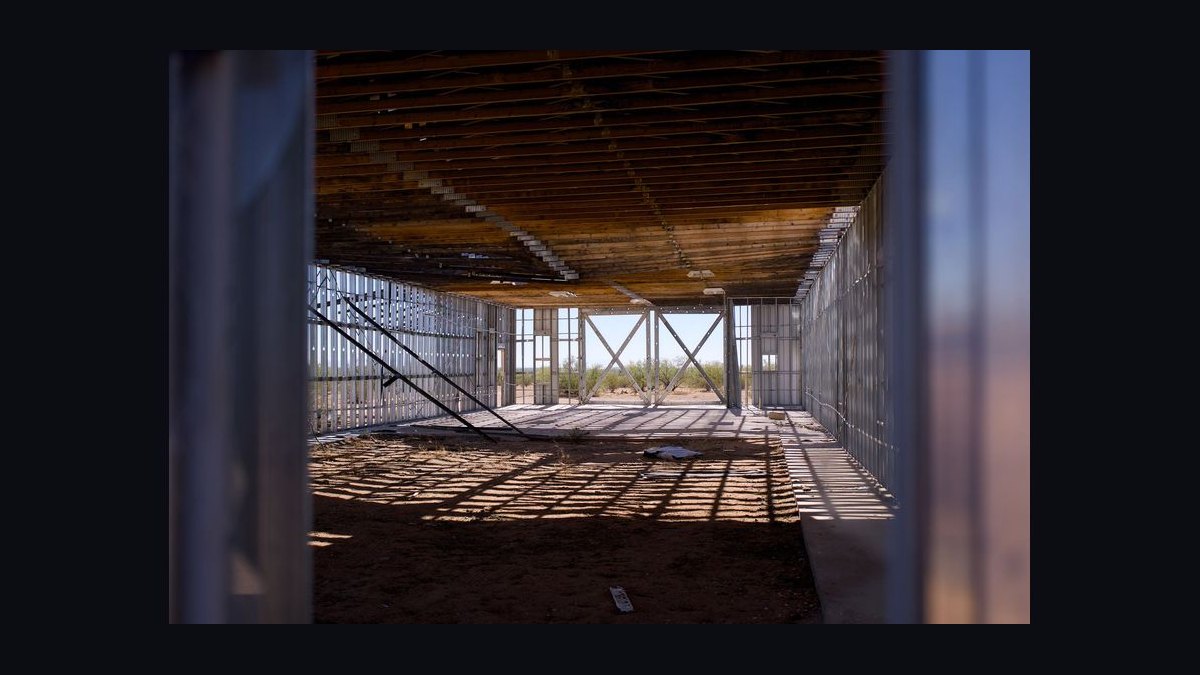
Turnkey saves the most for tenants short on cash or staying under five years, because the landlord funds construction and absorbs overruns in exchange for roughly $3–$6/sq ft of added rent. As-is saves the most over long terms when second-generation improvements already exist. Warm shell splits the difference and fits most mid-length deals.
The outcome you should expect
Before you compare a single quote, set the expectation correctly: all three delivery types cost roughly the same money. What changes is *when* you pay it, *who* eats the overrun, and *what you own at the end.* A landlord who spends $500,000 building your space does not donate it — that money comes back through rent, amortized at something like 7–9% over the term. A landlord who hands you an empty box charges less rent precisely because you are funding the box yourself.
So the realistic outcome to expect from a delivery-method decision is not "I found the cheap one." It is a shift in your cost curve. On a 5,000 sq ft deal with a comparable finish level, the three paths tend to land like this:
- As-is / cold shell. Lowest base rent — call it $24/sq ft in a market where turnkey prices at $31. You write a construction check somewhere between $80 and $200/sq ft depending on use type, so $400,000 to $1,000,000 of your own capital on 5,000 sq ft. You own every overrun and every surprise behind the drywall.
- Warm shell. Mid base rent, roughly $28/sq ft. The landlord delivers base systems worth about $35–$55/sq ft of work — HVAC, restrooms, sprinklers, electrical service, demising walls, often a ceiling grid. You fund finishes at roughly $50–$120/sq ft. Your check is $250,000 to $600,000 on the same 5,000 sq ft.
- Turnkey. Highest base rent, roughly $31/sq ft. Your construction check is $0. The premium of about $3/sq ft over the as-is rent costs you $15,000 a year on 5,000 sq ft — about $105,000 over a seven-year term, before escalations.
Read those three lines together and the real decision surfaces. Turnkey converts a capital expense into an operating expense. That is the whole product. If you have $500,000 sitting idle and a ten-year horizon, converting it costs you money. If that $500,000 is the difference between hiring six people and hiring two, the conversion is the cheapest financing you will ever get — no personal guarantee on a construction loan, no draw schedule, no bank.
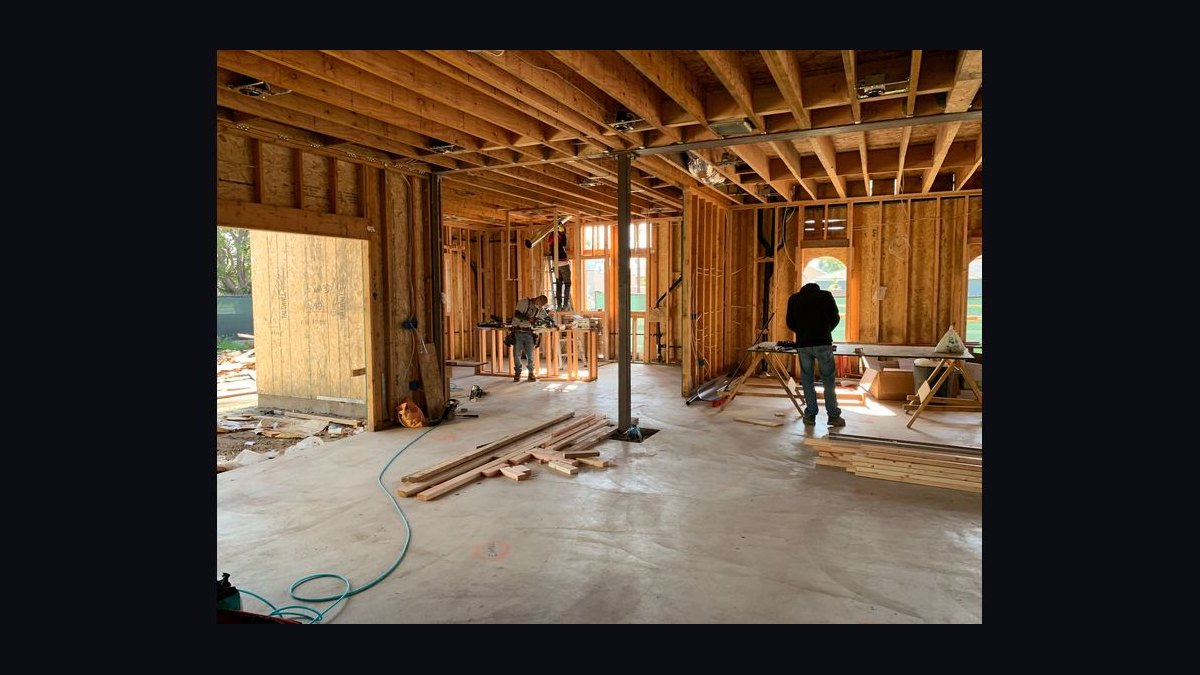
The second outcome to expect is a change in your risk profile, and this is where most tenants under-price the decision. Construction overruns of 15–25% are ordinary, not exceptional. On a $600,000 buildout, a 20% overrun is $120,000. In an as-is deal that $120,000 is yours. In a true turnkey deal it is the landlord's, because they signed up to deliver a finished space to an approved plan for an agreed rent. That risk transfer is worth real money even when the headline rent looks worse.
Third, expect the delivery type to change your exit flexibility. A heavily customized as-is buildout that you paid for is a sunk cost you cannot take with you and often cannot sublease at full value, because your layout suits your operation and nobody else's. Turnkey and warm-shell spaces built to more generic specs sublease more readily. If there is a meaningful chance you leave before term — a startup, a business with lumpy revenue, a location you are testing — that flexibility is worth paying rent for.
What drives that outcome
Four variables drive which delivery actually saves you money, and none of them is the quoted rent.
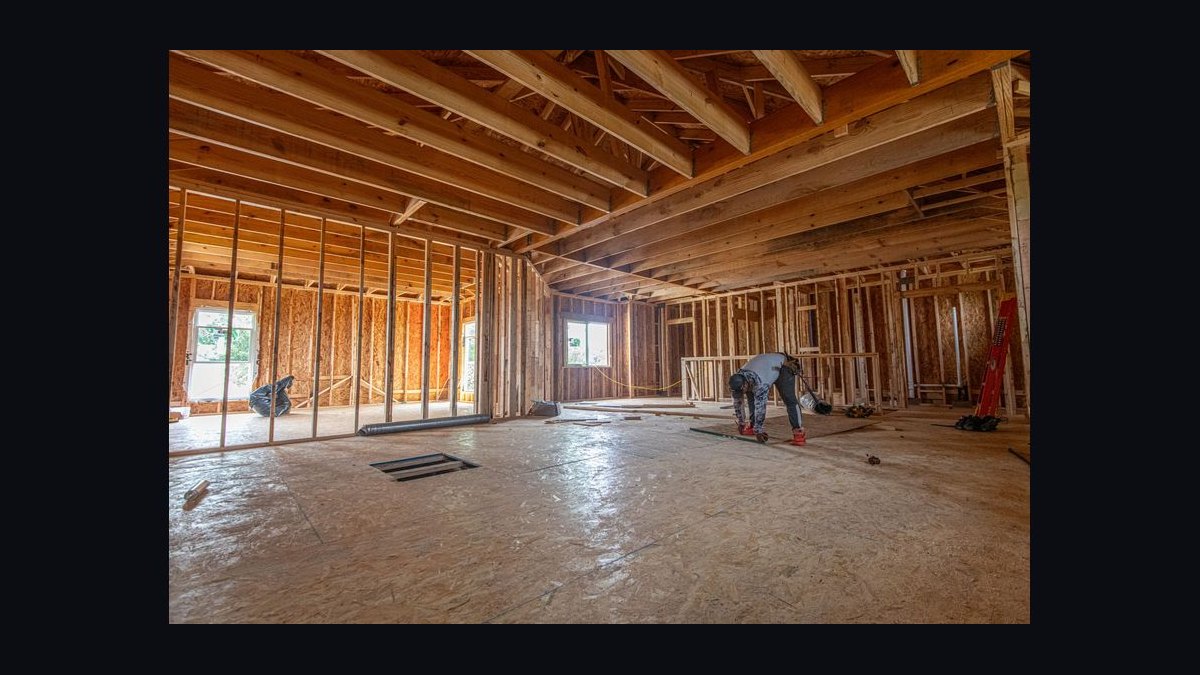
Your cost of capital. If you can borrow at 8% or your internal return on deployed cash is 25%, spending $500,000 on leasehold improvements is expensive in a way the invoice never shows. A landlord amortizing the same $500,000 into rent at 7–9% is effectively lending you construction money at a rate that competes with a bank loan and requires no covenants. Compare the landlord's implied rate to your true cost of capital. If theirs is lower, turnkey is cheap financing. If yours is lower — you are sitting on cash earning nothing and have no better use for it — as-is is cheaper over a long term.
Your term length. Buildout cost amortizes over the years you occupy. A $100/sq ft buildout across three years is $33/sq ft/year of hidden occupancy cost, which dwarfs any rent difference. The same buildout across ten years is $10/sq ft/year. Term length is the single biggest swing factor, and it is why short-term tenants should almost never fund their own construction.
Whether the space is second-generation and usable. A former clinic taken as-is by a clinic operator inherits plumbing, medical gas rough-in, lead-lined walls, and electrical capacity — potentially $50–$150/sq ft of prior tenant work available for the price of paint and a deep clean. That is the one scenario where as-is is genuinely, unambiguously cheaper. A former open-plan office taken as-is by a restaurant inherits nothing useful and needs grease interception, hood makeup air, and a service line that may not exist.
Who is bidding the work. A landlord's general contractor working across a portfolio gets volume pricing on mechanical, electrical, plumbing and fire protection that a one-off tenant cannot match — commonly 10–20% better on those trades. The offset is that landlords typically add a 15–25% construction management fee and contingency, and they make their margin on finishes. That asymmetry is exactly what the hybrid structure later in this piece exploits.
The diagram makes the point that no single input decides it. A long-term tenant with expensive capital and a raw box is a warm-shell candidate. A short-term tenant with cheap capital and a raw box is still a turnkey candidate, because term length overrides everything. Run all four before you argue about rent.
Benchmarks and realistic ranges
Numbers move by market, use type, and year, so treat these as planning ranges to be replaced by real bids — not as quotes.
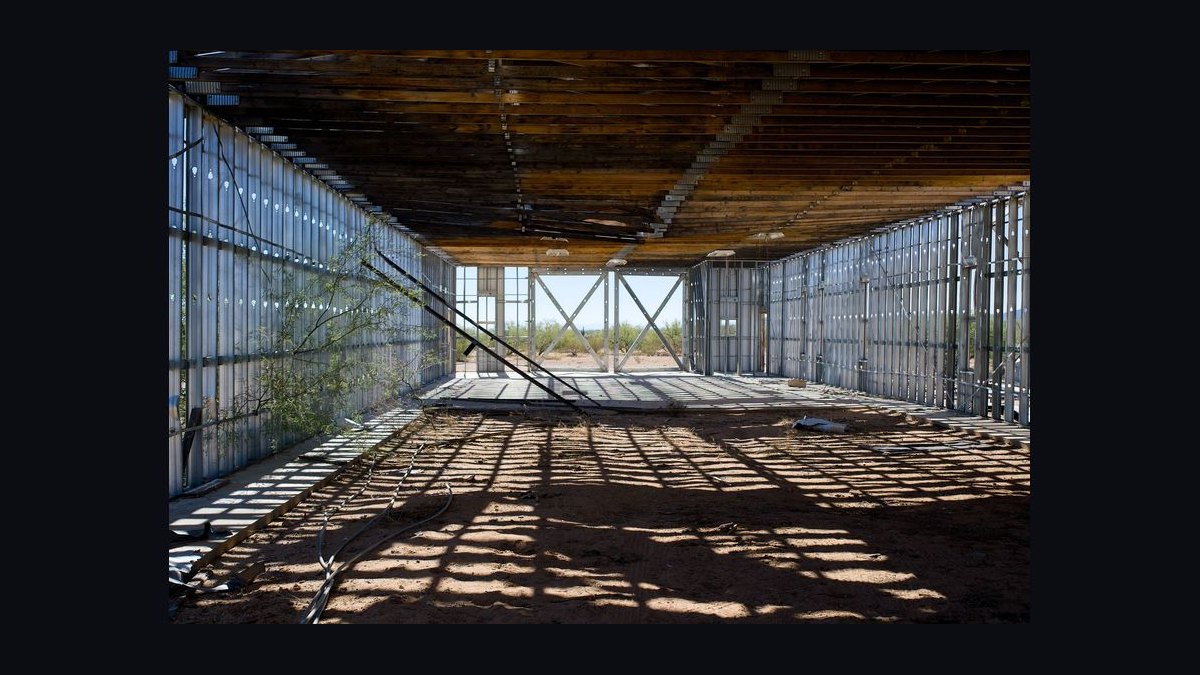
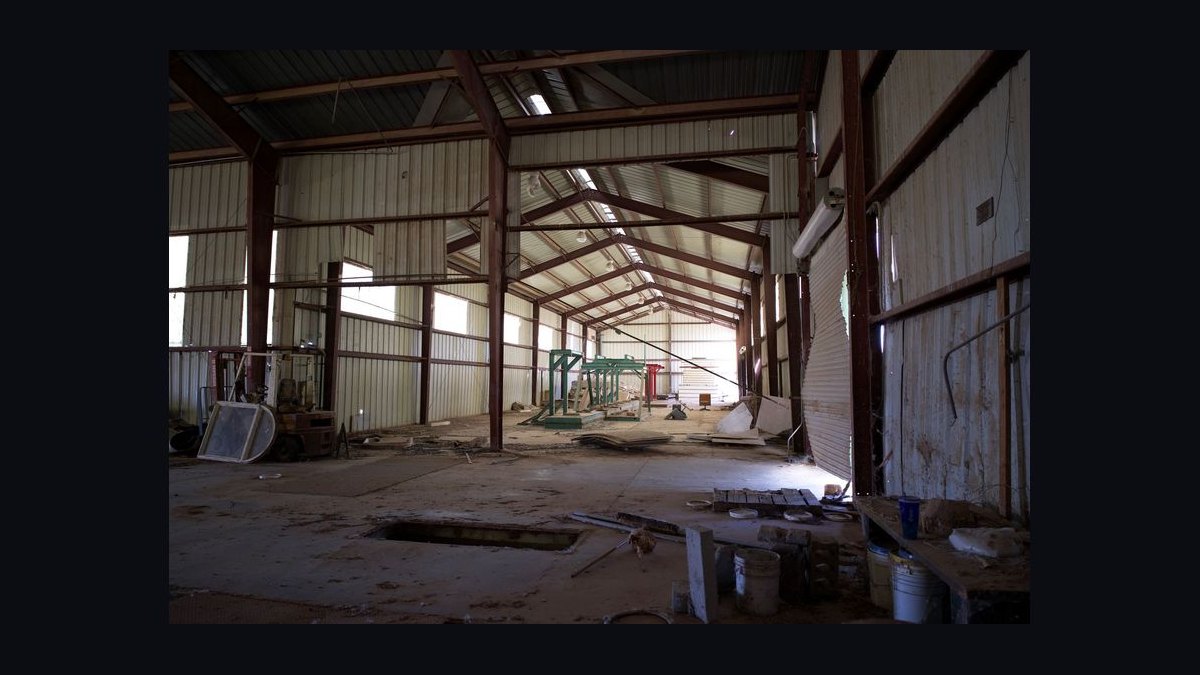
Delivery scope definitions, which vary more than the costs do. A cold shell is bare structure: no HVAC distribution, no restrooms, no ceiling, no demising walls, sometimes no electrical beyond a service point. A warm shell — often called a vanilla shell or vanilla box — typically means finished restrooms, HVAC units and primary distribution, fire sprinklers to code for an open plan, electrical service to a panel, demising walls, and frequently a ceiling grid and basic lighting. Turnkey means the landlord builds the full approved plan and hands you keys; you bring furniture, IT, and inventory. The single most common expensive misunderstanding in this whole subject is two landlords using the word "shell" to mean opposite things. Attach a delivery condition exhibit to the lease listing exactly what is delivered, in what quantity, in what condition — "HVAC" is not a scope; "one ton per 350 sq ft, ducted to an open-plan diffuser layout, with DDC controls tied to the base building system" is a scope.
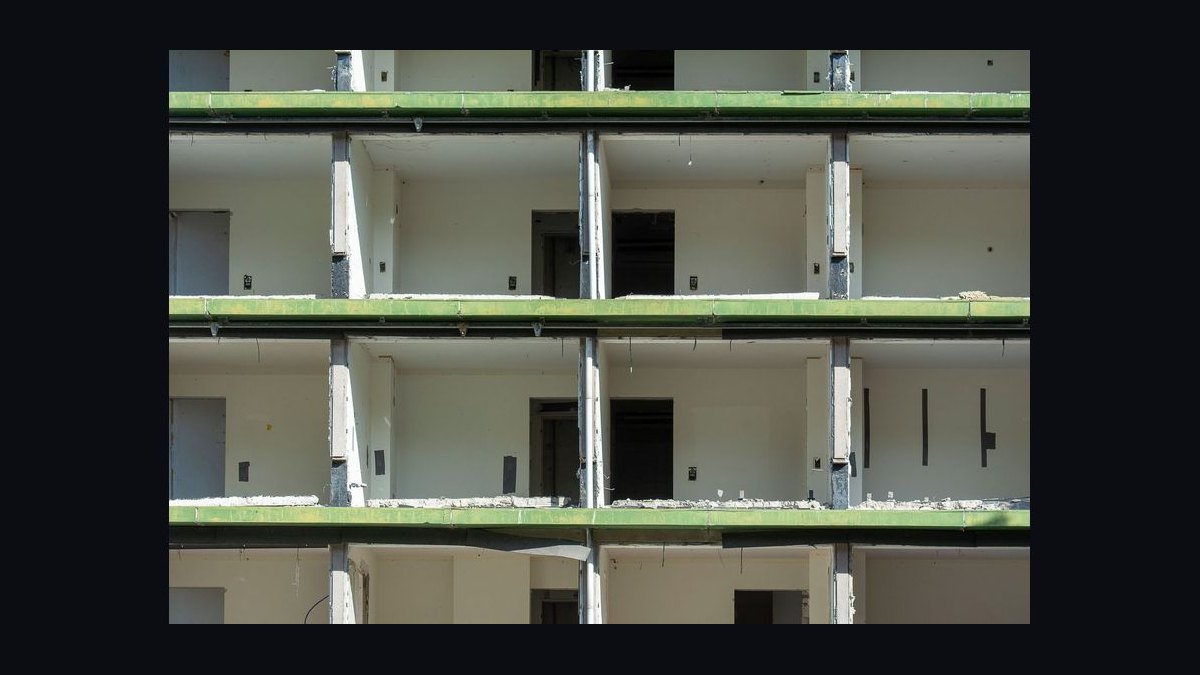
Tenant buildout costs by path. As-is or cold shell commonly runs $80–$200/sq ft for office and light retail, higher for restaurant, lab, or medical. Warm shell fit-out commonly runs $50–$120/sq ft because the landlord has already absorbed $35–$55/sq ft of base systems. Turnkey costs the tenant $0 in construction and roughly $3–$6/sq ft/year in rent premium versus the as-is rate for the same building.
Realistic component ranges for an office fit-out, useful for testing whether a landlord's turnkey premium is fair: ceiling grid and lighting around $8–$12/sq ft; flooring $6–$15/sq ft depending on carpet tile versus LVT versus polished concrete; paint, millwork, and signage $15–$30/sq ft; furniture and IT cabling $20–$40/sq ft, which no delivery method covers and which tenants routinely forget to budget. Fire sprinkler modification for a new partition layout is typically $5–$8/sq ft.
Contingency benchmarks. Budget 20–30% contingency on an as-is deal, because you are buying unknowns. Budget 10–15% on a warm shell, because the landlord has certified the base systems. Budget effectively 0% on a true turnkey, because the overrun is contractually theirs — that zero is the product you are buying.
The comparison that decides it. Convert everything to total occupancy cost per square foot per year: base rent, plus operating expenses, plus your buildout amortized straight-line over the firm term, plus a carrying-cost line for the months you pay rent or hold the space without operating. Run it three times, once per delivery type. On a 5,000 sq ft, seven-year deal with a $100/sq ft as-is buildout at $24/sq ft rent, your amortized occupancy is roughly $24 + $14.30 = $38.30/sq ft/year before opex. The turnkey at $31/sq ft with no buildout is $31/sq ft/year. Turnkey wins on that math by roughly $7/sq ft/year — and that is before you price the overrun risk you just handed away.
Flip the term to twelve years and the as-is amortization drops to about $8.30/sq ft/year, putting as-is at $32.30 against a turnkey rent that has escalated every year of those twelve. Now as-is wins. Nothing changed except the denominator.
A note on TI allowances. Delivery type and tenant improvement allowance are separate negotiations, and tenants conflate them constantly. You can take an as-is space *and* extract a $40–$60/sq ft TI allowance, which turns a punishing as-is deal into a workable one. Always negotiate both. Ask what the allowance covers — some landlords restrict it to hard construction and exclude architecture, permits, cabling, and furniture, which can be 15–25% of your real spend.
Risks, edge cases, and failure modes
The as-is trap is hidden conditions. You are buying whatever is behind the walls, including things nobody disclosed because nobody knew. Common discoveries: an electrical service too small for your load, adding $15–$25/sq ft; asbestos or lead paint in a pre-1980 building, adding $5–$15/sq ft in abatement plus schedule delay; rooftop HVAC units past useful life that will not pass a mechanical inspection, adding $8–$12/sq ft; ADA non-compliance in restrooms and entry paths that a permit application triggers as a mandatory upgrade. Stack those and a $80/sq ft budget becomes $110–$130/sq ft. The defense is a building condition assessment before you sign — roof age and warranty status, HVAC tonnage and remaining life, panel amperage and available spare capacity, ADA path-of-travel gaps, environmental screening. Then push repair obligations for identified defects onto the landlord in the lease, or take a rent concession sized to the finding.
The warm shell trap is vague scope. The delivery exhibit is the entire deal. If the exhibit says "landlord to deliver HVAC," you will discover on delivery that rooftop units exist but no distribution ductwork does, and the ductwork is $12–$18/sq ft. Specify tonnage, distribution, controls, restroom count and fixture count, sprinkler head layout for open plan versus your actual demised plan, panel size and location, whether the ceiling grid is installed or stacked in the corner, and whether the floor is sealed. Also specify condition on delivery, not just presence — a twenty-year-old rooftop unit technically satisfies "HVAC delivered."
The turnkey traps are finish quality and change orders. The landlord's incentive in turnkey is inverted from yours: every dollar they save on your space is a dollar in their pocket, because your rent is already fixed. Expect builder-grade everything unless you specify otherwise. Defenses: attach your finish schedule and plans as a lease exhibit; define an allowance per finish category, not one blended number; require landlord-funded change orders for anything that deviates from the approved plans; and reserve a walkthrough and punch-list right with a holdback tied to completion of the punch list. Also settle in writing who pays for tenant-requested changes and what markup applies — 15% is common, 30% is a fight worth having.
The universal trap is rent commencing before you can operate. Tie rent start to substantial completion as certified by *your* architect, not the landlord's, plus a fixed fixturing period — 30 to 60 days — for your furniture, IT, and inventory. Add an outside delivery date with a remedy: free rent day-for-day past the date, then a termination right at some longer outside date. Without that, a delayed landlord costs you nothing to delay further.
The sublease edge case. Custom buildouts you funded reduce marketability. If you might not stay the full term, weigh generic, reusable layouts and let the landlord own them.
The bankruptcy and financing edge case. A turnkey landlord funding $500,000 of construction will underwrite you hard — expect a larger security deposit, a letter of credit, or a personal guarantee. That guarantee is a real cost that never appears in the rent comparison. Price it. Sometimes the "no cash out of pocket" deal costs you a personal guarantee you would never have signed for a loan.
The escalation edge case. Rent premiums escalate; construction checks do not. A $3/sq ft turnkey premium at 3% annual escalation is meaningfully more than $3 × the term. Model the escalation explicitly rather than multiplying.
A practical rollout plan
Work the decision in this order and you will not get surprised.
Weeks 1–2 — define the requirement before you shop. Write the space program: square footage, room count, special systems, power load, plumbing needs, occupancy classification. Get a rough order-of-magnitude construction estimate from a contractor or project manager against that program *before* you tour anything. Without a number, every landlord's proposal is unfalsifiable.
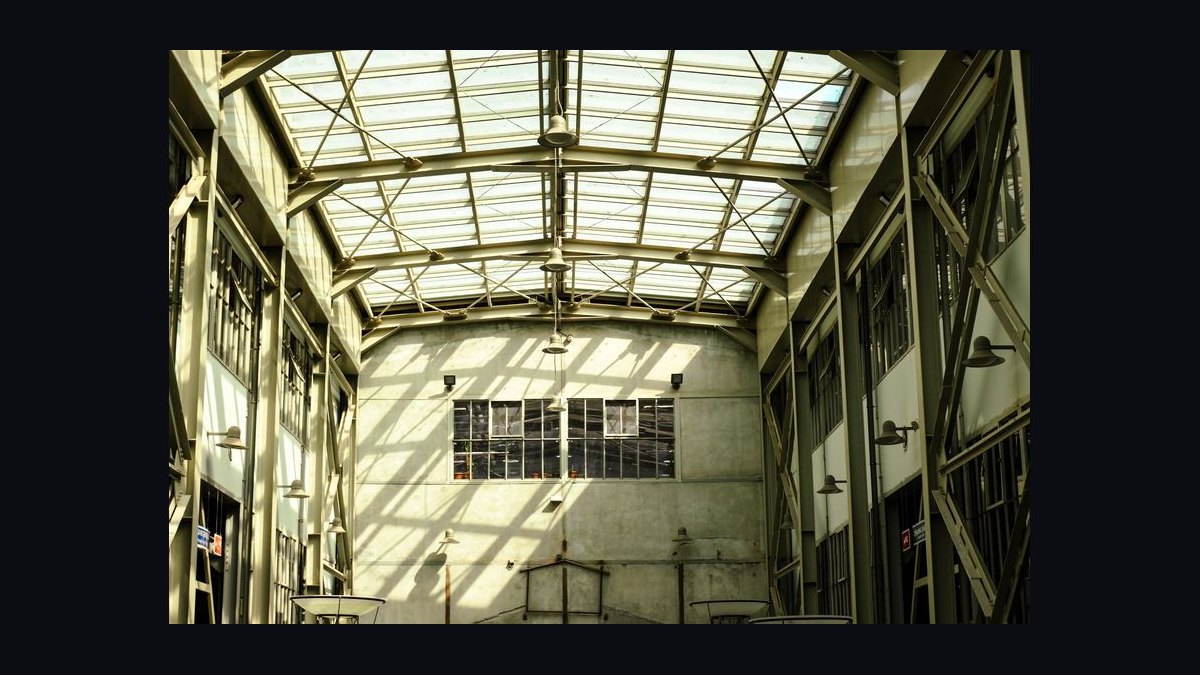
Weeks 2–4 — tour and classify each candidate honestly. For each space, record what is actually there today, not what the flyer calls it. Note second-generation improvements you can reuse and assign them a value. Ask each landlord directly which delivery types they will entertain; many will do all three at different rents, and asking reveals their flexibility.
Weeks 4–6 — request parallel proposals on the same space. This is the highest-leverage move in the process and almost nobody does it: ask the same landlord to price the same space as-is with a TI allowance, as warm shell, and as turnkey. You now see their real amortization rate and their real construction margin, because the deltas expose both.
Weeks 6–8 — run total occupancy cost and due diligence in parallel. Build the three-column model described above. At the same time, commission the building condition assessment on your leading candidate — you need it before lease negotiation, not after.
Weeks 8–12 — negotiate delivery scope as a document, not a word. Draft or demand the delivery condition exhibit. Attach plans and finish schedules for turnkey. Negotiate rent commencement, outside delivery date, punch-list holdback, change-order markup, and TI allowance eligible costs. Only now argue about the rent number, because until scope is fixed the rent number is meaningless.
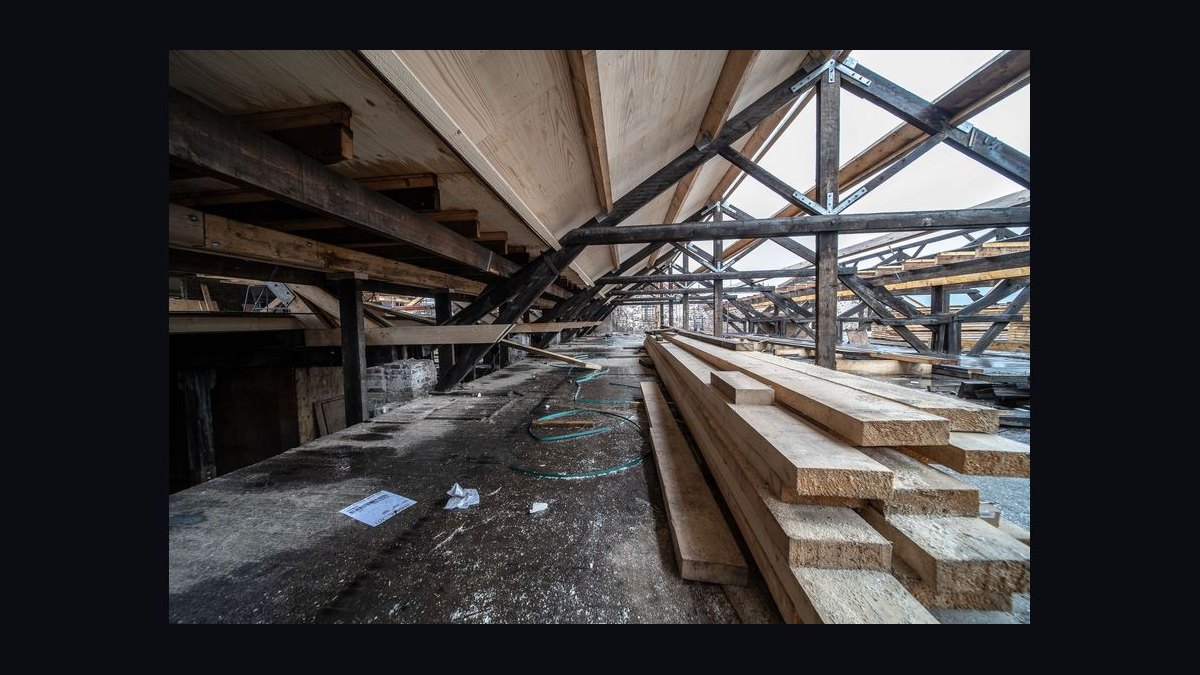
Weeks 12+ — execute and verify. If the landlord builds, attend progress meetings and document deviations in writing the week they happen. If you build, lock your GC contract with a guaranteed maximum price and a shared-savings clause. Either way, do not accept the space without a formal walkthrough and a written punch list with dates.
One organizational note that practitioners consistently underrate: run this like a RevOps process, not a real estate errand. Assign one owner, keep a single shared model with versioned assumptions, log every landlord concession in writing the day it is offered, and set decision dates in advance. Site selection dies from drift more often than from bad math — a team that spends eleven weeks deciding and then signs whatever is available in week twelve pays a premium no negotiation can recover.
The hybrid that usually beats all three
The three named delivery types are conventions, not laws. The structure that most often produces the lowest total cost is a partial turnkey: the landlord builds and warrants the base systems — HVAC, electrical, plumbing, fire protection — using their contractor's portfolio pricing, while you control and fund the finishes where their markup is highest.
The logic is arbitrage on two asymmetries. Landlords bid mechanical, electrical, plumbing, and fire protection more cheaply than you can as a single tenant, commonly 10–20% better, because their GC runs those trades continuously across a portfolio. But landlords earn their construction margin on finishes and typically mark them up 15–25%. So let them build what they build cheaply, and build yourself what they build expensively.
Structurally, that means: a delivery condition exhibit committing the landlord to complete base systems to your engineered plan, plus a TI allowance in the $50–$80/sq ft range for the work you control, plus your own subcontractors for flooring, paint, millwork, lighting fixtures, and signage. Your out-of-pocket lands materially below a pure as-is number, and the rent premium is a fraction of a full turnkey premium because the landlord capitalized far less.
The risk to manage is the seam. Two contractors working the same space create a coordination gap where each blames the other for a missed condition. Defenses: one construction schedule, in writing, with both parties' milestone dates; a designated coordination point on the landlord's side; explicit sequencing so the landlord's ceiling and sprinkler work completes before your flooring and millwork start; and a rule that neither party's delay extends the other's rent obligation. Also confirm which party pulls which permits, because a split permit set is where schedules go to die.
Do not attempt a hybrid on your first commercial deal without a tenant representative and a project manager. The structure saves real money, but it requires someone tracking two contracts, and the savings evaporate the first time a seam dispute costs you a month of double rent.
Related questions
Does a TI allowance change which delivery type I should pick?
Yes — it is a separate lever. A generous allowance can make an as-is deal behave like a warm shell. Always negotiate delivery scope and allowance independently, and confirm the allowance covers soft costs like architecture, permits, and cabling, not just hard construction.
Who owns the improvements at the end of the term?
Almost always the landlord, regardless of who paid. That is why funding your own buildout only pays off across a long term, and why you should negotiate removal obligations up front — surrender clauses requiring restoration to shell can cost tens of thousands at exit.
What is a vanilla box?
Another name for warm shell. It typically means restrooms, HVAC with distribution, sprinklers, electrical service, demising walls, and often a ceiling grid — delivered ready for your finishes. The term has no legal definition, so a written delivery exhibit still governs.
Can I negotiate turnkey on a second-generation space?
Yes, and it is often the best deal available. The landlord's cost to refresh existing improvements is low, so the rent premium they need is small, while you get a finished space with zero capital and zero overrun exposure.
Should I hire my own project manager on a turnkey deal?
For anything above a few thousand square feet, yes. A project manager reviewing the landlord's plans, finish schedule, and change orders typically costs a small fraction of the buildout and routinely catches specification downgrades worth many times their fee.
FAQ
What exactly is an as-is delivery?
An as-is delivery means you accept the space in its current physical condition with no landlord improvements and generally no warranties on what is there. You are responsible for design, permitting, construction, and every unknown behind the walls — outdated electrical, aging rooftop units, ADA gaps, environmental conditions. It carries the lowest base rent and the highest cost and risk to you. It only makes sense when you have capital, a long term, and either usable second-generation improvements or a verified clean building.
How does a warm shell differ from as-is?
A warm shell delivers a working base building: HVAC units with distribution, restrooms, fire sprinklers, electrical service, demising walls, and often a ceiling grid. The interior finishes are yours. Rent sits above an as-is rate because the landlord has funded roughly $35–$55/sq ft of base work, but your construction risk drops substantially since the expensive core systems are certified functional before you start. It is the most common balanced structure and fits most mid-length office and retail deals.
Is turnkey always the most expensive option?
It carries the highest base rent, but not necessarily the highest total cost. The landlord funds all construction and absorbs overruns, then recovers it through a rent premium of roughly $3–$6/sq ft. On terms under five years, or where your cost of capital exceeds the landlord's implied amortization rate of about 7–9%, turnkey is frequently the cheapest path measured as total occupancy cost per square foot per year — and it is nearly always the cheapest path measured in cash flow.
Which delivery saves the most on total project cost?
It depends on term length and whether usable improvements already exist. Short terms favor turnkey, because you cannot amortize a construction check over three years. Long terms favor as-is with an aggressive TI allowance, because the buildout spreads thin and the low base rent compounds. Second-generation space that matches your use favors as-is regardless of term, since you inherit prior work worth $50–$150/sq ft. Build the three-column total occupancy model rather than trusting a rule.
How do I compare offers when landlords define shell differently?
Stop comparing rents and start comparing scope. Require a delivery condition exhibit from each landlord that lists tonnage, ductwork, restroom fixture counts, sprinkler layout, panel amperage, ceiling status, and floor condition. Price the gap between each exhibit and your actual requirement, add that gap to that landlord's buildout number, and only then compare rent. Two "warm shell" offers can differ by $40/sq ft in real scope.
Can I change delivery type after signing?
Not meaningfully — delivery condition is a lease term and reopening it means reopening rent. Before signing, though, everything is negotiable, including hybrids where the landlord completes specific systems inside an otherwise as-is deal. Ask for parallel proposals on the same space priced three ways; the deltas reveal the landlord's true construction cost and amortization rate, which is the leverage you need.
Sources
- https://www.cbre.com/insights
- https://www.us.jll.com/en/trends-and-insights
- https://www.cushmanwakefield.com/en/united-states/insights
- https://www.naiop.org/research-and-publications/
- https://www.boma.org/
- https://www.irem.org/resources
- https://www.sba.gov/business-guide/manage-your-business/buy-lease-commercial-space
- https://www.usgbc.org/resources
- https://www.ada.gov/resources/
- https://www.energystar.gov/buildings
Related on PULSE
- How Do I Get the Landlord to Deliver the Space in Better Condition (Warm Shell vs Turnkey)?
- Gross Lease vs Triple Net (NNN): Which One Actually Saves Me Money?
- Should I Take a Turnkey Buildout or Manage It Myself?
- How much tenant improvement allowance should I ask for?
- What should I check before signing a commercial lease?
This page will be disappearing soon. Save it to your device for $1 — or read it free while it is here.
@Kory-White- · if Venmo asks, the last 4 of my number are 2012
This page is gone.
This one is off the shelf now. $1 keeps it on your phone for good — the whole page, pictures and diagrams included.
 pulse-qTop 10 Gong Coaching Review Prompts for SMB Reps in 2027
 pulse-qShould I open or buy a Beef 'O' Brady's franchise in 2027?
 pulse-qShould I Hire a Fractional CRO If My Deals Close Then Churn in Six Months in 2026?
 pulse-qShould I open or buy a Sugared + Bronzed franchise in 2027?
 pulse-qShould I open a transmission repair business in 2027?
 pulse-qShould I open or buy a The NOW Massage franchise in 2027?
 pulse-qShould I open or buy an Aire Serv HVAC franchise in 2027?
 pulse-qHow do you coach reps using Gong or Chorus call recordings in 2026?
 pulse-qShould I open or buy a Drybar franchise in 2027?
 pulse-qShould I open or buy a Floyd's 99 Barbershop franchise in 2027?