
How Do I Budget a Veterinary Clinic Buildout?
 Curated byKory White · Fractional CRO · Maryland
 PULSEKNOWLEDGE LIBRARY
Quality
Certified
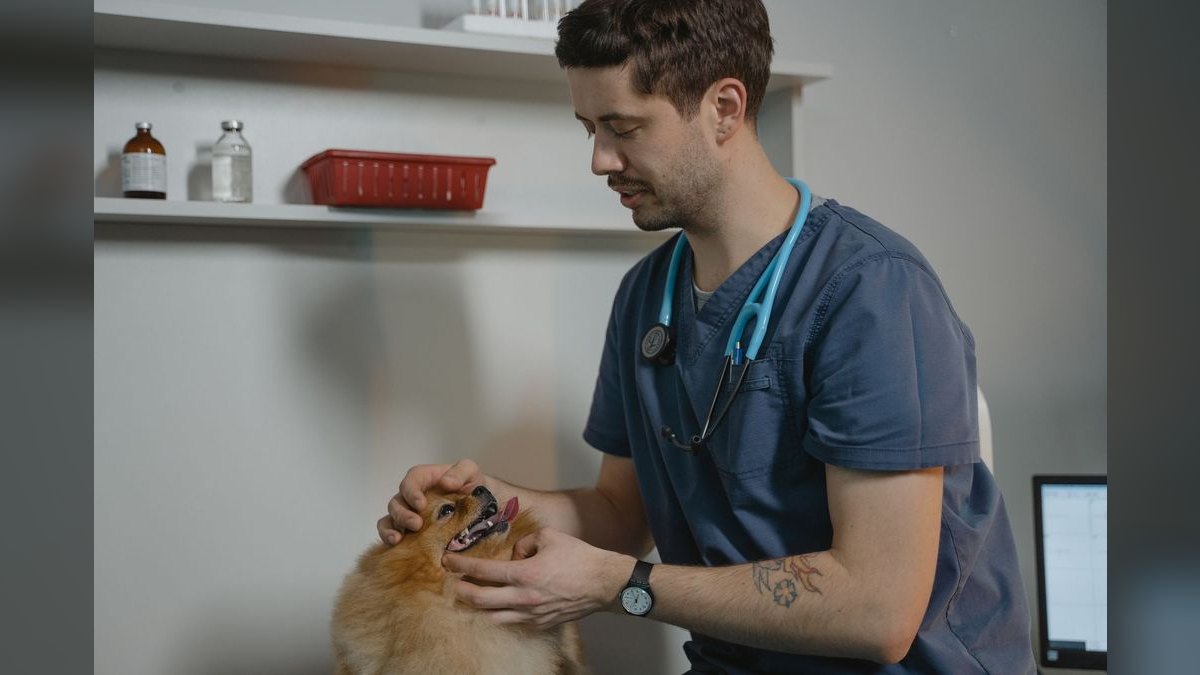
Budget a veterinary clinic buildout at $200–$450 per square foot, so a 3,000–5,000 sq ft general practice lands around $600,000–$2,000,000 all-in with equipment. Concentrate the money in the back of house — surgery, imaging, kennels, and hospital-grade MEP — and chase a second-generation medical space to cut $60,000–$200,000 in raw-shell infrastructure costs.
What a veterinary buildout really is — and why the budget breaks first-timers
A veterinary clinic buildout is the conversion of a leased or owned commercial space into a licensed medical facility for animals, and the word *medical* is exactly what breaks the budget for anyone treating it like an office or retail fit-out. A vet hospital is closer to a small urgent-care center than a storefront: it carries a surgery suite, imaging equipment that emits radiation, a pharmacy with controlled-substance storage, kennels that get washed down daily, and air that legally cannot be recirculated between an isolation ward and the lobby. That physical program is why the same square footage that costs $80–$150 to build out as an office runs $200–$450 as a clinic. You are not buying finishes; you are buying infrastructure.
The budget matters because a veterinary buildout is one of the most capital-intensive small-business launches in the trades-adjacent world, and it is also one of the *stickiest*. Once your surgery suite, floor drains, and kennel runs are poured and plumbed into a specific address, you are effectively married to that location for 7–10 years — moving means rebuilding all of it. That permanence cuts two ways. It hands you enormous leverage over a landlord before you sign, and it punishes you brutally if you under-budget and run out of cash mid-project. The discipline that keeps a buildout solvent is the same operational rigor a good RevOps team brings to a pipeline: know your true all-in number, sequence the spend against the revenue, and never let a hidden line item ambush you at the worst possible moment.
The single most valuable move in the entire process happens before a dollar of construction: finding the right shell. A second-generation medical or veterinary space — one that already carries floor drains, medical-grade plumbing, oxygen lines, and heavier HVAC — can save $60,000–$200,000 versus building those systems into a raw "vanilla shell." A former dental office, an urgent care, or (best of all) a closed vet clinic gives you a running start on the exact infrastructure that makes this project expensive. Getting the shell wrong is the one decision no amount of construction skill or value engineering can rescue later, so the budget conversation and the real-estate conversation have to happen together, not in sequence.
Where the money goes: workflow zones, not walls
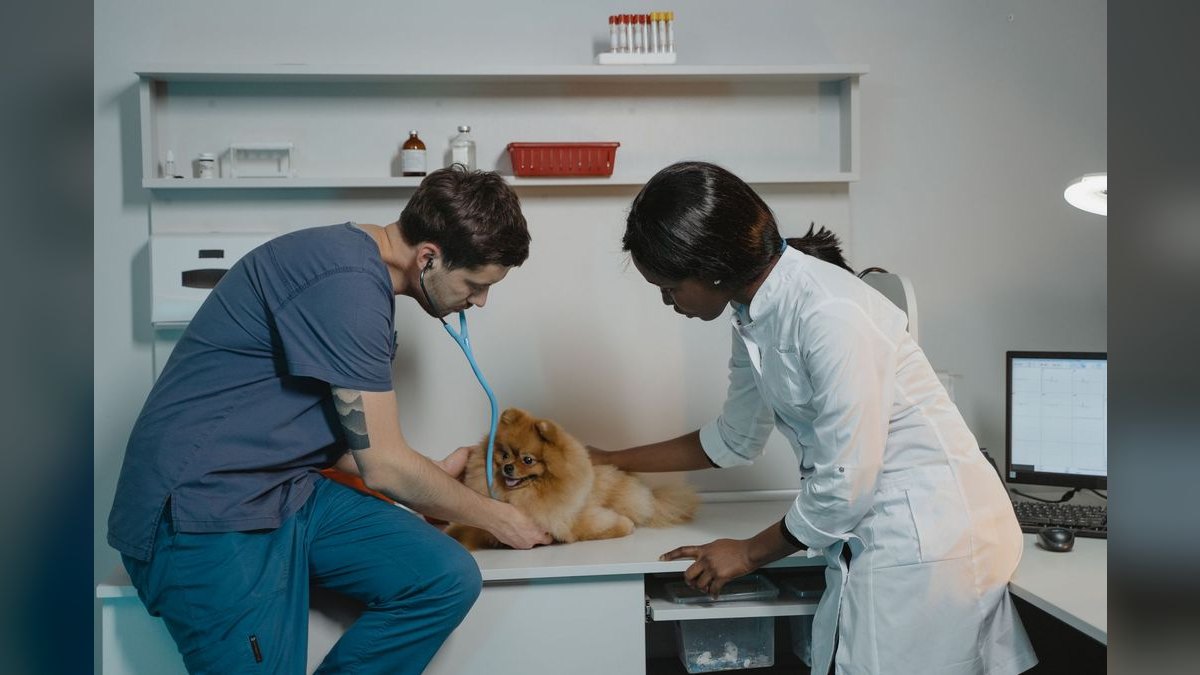
A veterinary hospital budget is best understood not as walls and finishes but as workflow zones, each carrying its own infrastructure cost. Price these zones *before* you tour a single space, because they determine which shells are even viable candidates.
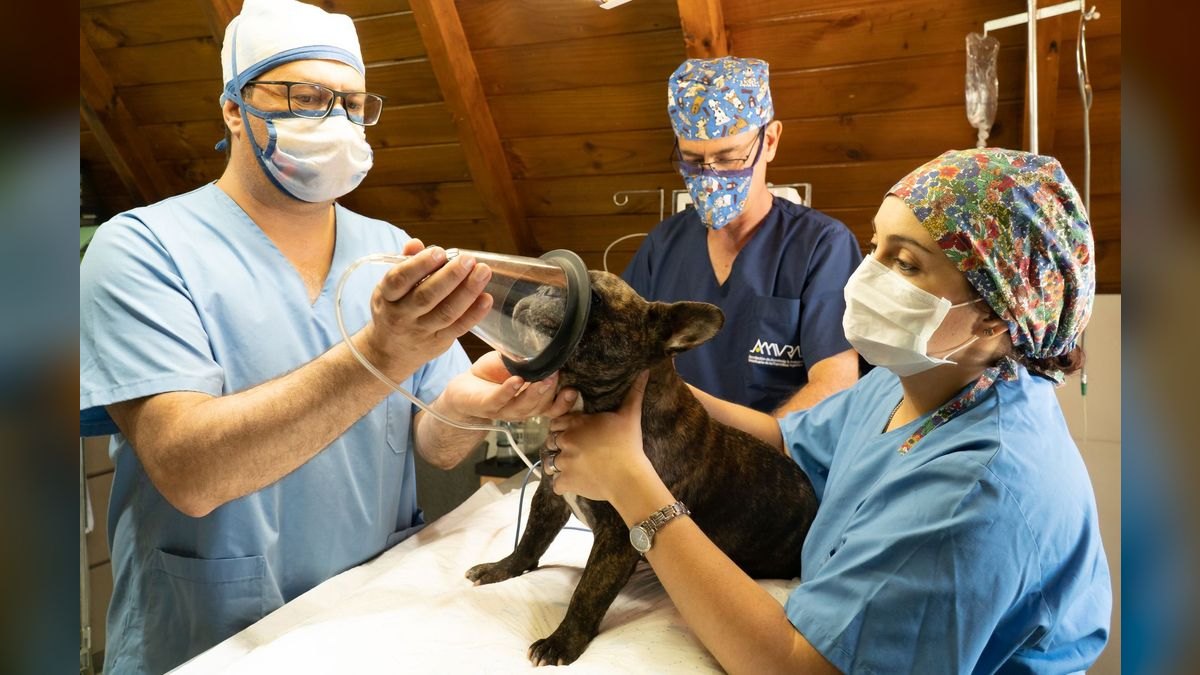
Surgery and treatment: $60,000–$180,000. This is the clinical heart of the build — surgical suite, anesthesia machines, surgical lighting and tables, patient monitoring, the prep and treatment area, and a recovery zone. Sterility and clean-up drive the finishes: seamless welded flooring, scrub sinks, and dedicated ventilation. Do not economize on anesthesia and surgical monitoring; that spend is patient safety and liability exposure, not decoration.
Imaging: $30,000–$200,000. Digital radiography (DR) runs $30,000–$120,000 installed, and the room needs lead-lined walls plus reinforced flooring — figure $8,000–$25,000 in construction on top of the equipment. Ultrasound adds $20,000–$60,000. Go advanced with CT and you inherit shielding, dedicated power, and floor-loading requirements that can turn one room into a six-figure line item on its own.
Kennels, wards, and runs: $15,000–$60,000. Stainless-steel or sealed-composite cages and runs, floor drains, hose-down surfaces, and a separate isolation ward for contagious patients. A typical 10-run setup with proper drainage, soundproofing, and HVAC zoning lands squarely in this range.
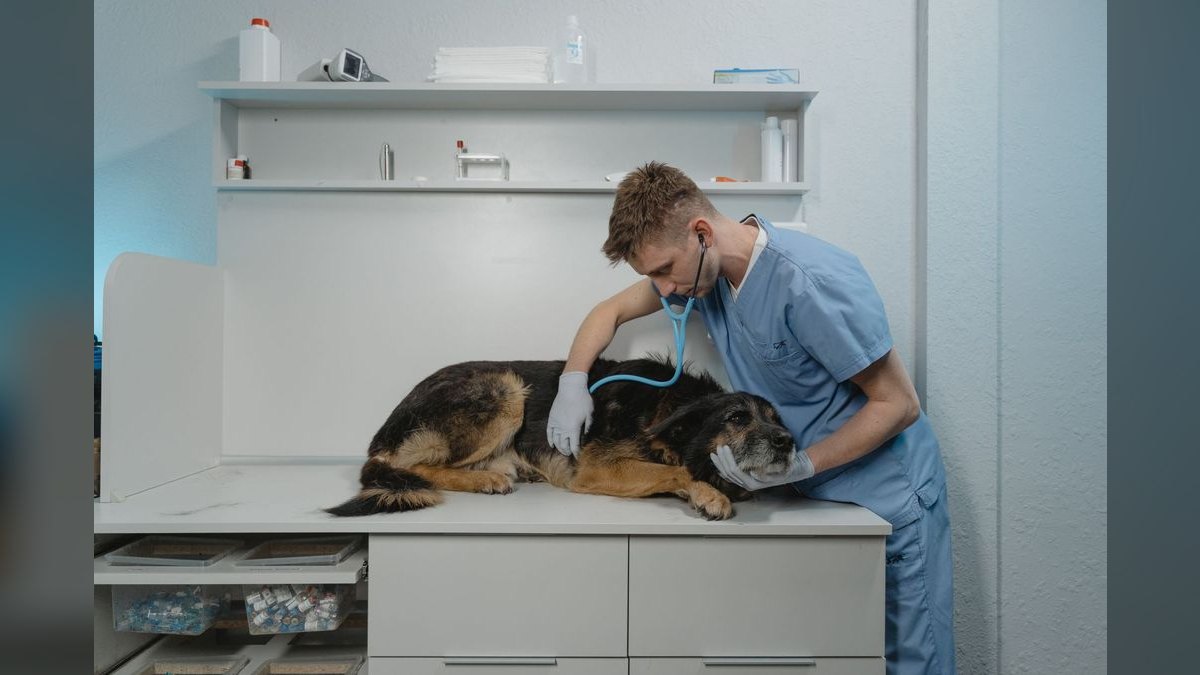
Lab, pharmacy, and casework: $40,000–$120,000. In-house lab analyzers, refrigerated drug storage, a code-compliant controlled-substance safe, and the dense treatment-floor casework that makes a clinic actually function. Cabinetry alone in a medical environment costs far more than office millwork because it has to survive constant disinfection.
MEP and shell: $80,000–$250,000. Hospital-grade HVAC with high air-exchange rates and isolation/odor control, floor drains cut and sloped throughout treatment and kennel zones, adequate water and sewer capacity, sealed flooring, and washable wall surfaces. This is the category that separates a veterinary budget from every other tenant fit-out, and it is the one first-timers consistently under-count.
The step-by-step budgeting process
Sequence the budget the way you would sequence the build: define the medical program first, price the infrastructure that program demands, then confirm the physical building can actually carry that load before you commit to a lease. Reversing that order — signing first, pricing later — is the single most common way a veterinary buildout blows past its number.
Start by fixing your service scope. A wellness-and-vaccines general practice with basic DR is a fundamentally different budget than a full-surgery hospital with CT and boarding. Every downstream number flows from that one decision, so write it down before anything else and resist scope creep during design, when it is cheapest to add and most tempting to over-build.
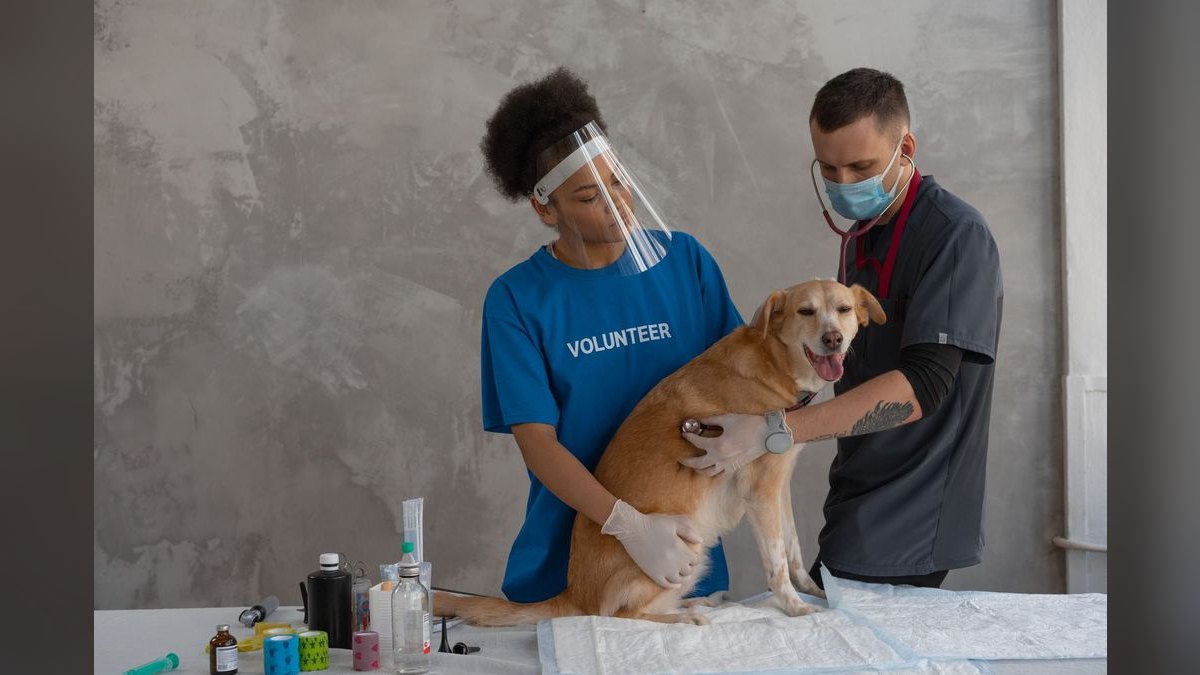
Next, translate the scope into infrastructure requirements. Does the surgery suite need its own air-handling zone? How much lead shielding does imaging require? How many floor drains, at what slope, and cut into what kind of slab? What electrical service (amps and phase) and sewer capacity does the equipment list demand? This is where you turn a wish list into a spec sheet a landlord and a contractor can price.
Only then do you tour real estate — and you tour it *against that spec*, measuring each shell by how much of your infrastructure already exists versus how much you would have to build from scratch. The most important gate in the whole process is capacity verification. Before signing, confirm in writing that the building's HVAC tonnage, electrical service, and water/sewer capacity can carry a hospital load. If they cannot, that is a negotiation to make the landlord fund the upgrade — not a surprise you eat after you have already signed and started design.
Costs, timelines, and typical ranges
The headline number is $200–$450 per square foot, all-in, including medical equipment. A 3,000–5,000 sq ft general-practice hospital typically lands at $600,000–$2,000,000. The low end of the per-foot range assumes a favorable second-generation space and standard finishes; the high end reflects raw shell, premium materials, advanced imaging, and custom casework in a full-surgery hospital.
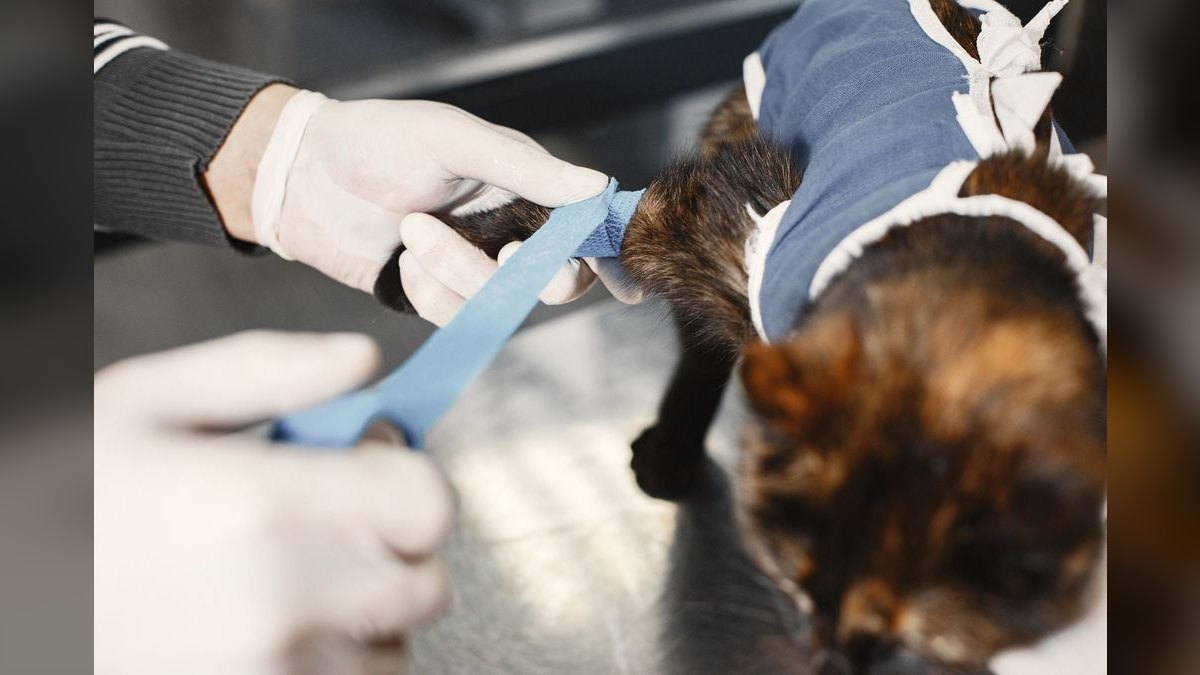
Equipment alone runs $150,000–$500,000 for a general practice — exam tables, surgical lights, anesthesia machines, digital X-ray, ultrasound, lab analyzers, and pharmacy refrigeration. That figure excludes big-ticket specialty gear like CT or MRI, which are volume-justified additions, not day-one requirements for most clinics. Treat equipment as a line item you can partially lease and partially phase, not one monolithic purchase due at signing.
Vet-specific MEP is the silent budget killer. Dedicated HVAC with high air-exchange and odor/isolation control runs $40,000–$120,000. Retrofitting floor drains into an existing slab means cutting concrete — $5,000–$30,000+ depending on scope and slab thickness. Medical gas systems (oxygen, nitrous) installed from scratch cost $5,000–$15,000. Sound attenuation between the kennel ward and exam rooms or a neighboring tenant runs $10,000–$40,000, and skipping it invites the barking complaints that quietly threaten your lease.
Timeline: 6–12 months from lease signing to opening day. Design and permitting take 2–4 months; construction another 4–8 months, plus any state veterinary board inspection before you can legally operate. That timeline has direct budget consequences — every month you hold the space without revenue is rent and loan interest you pay for nothing, which is precisely why free-rent negotiation is worth so much.
Financing typically comes through an SBA 504 or 7(a) loan — the long-lived, real-property nature of a surgery suite and hospital MEP fits SBA terms well. Equipment leasing suits gear you expect to upgrade on a cycle, and a landlord tenant-improvement (TI) allowance offsets construction directly. Construction lenders commonly require 10–30% down, so model your cash contribution against the buildout draw schedule, not just the loan face value.
Where teams get the budget wrong
The costliest mistakes in a veterinary buildout are almost never the finishes — they are the lease and infrastructure decisions that become expensive or impossible to fix after you have signed. A disciplined budget treats these as gates, not afterthoughts.
Signing before verifying building capacity. The most damaging error is committing to a shell whose HVAC, electrical, or sewer cannot carry a hospital load, then discovering it during permitting. Now you are funding a capacity upgrade you could have made the landlord's problem at the LOI stage. Never sign until tonnage, amps, and sewer capacity are confirmed against your actual equipment spec.
Letting a triple-net lease quietly transfer rooftop HVAC to you. Your isolation and surgery ventilation live on those units. If a rooftop unit fails under a lease that made you responsible, your air-handling falls short and patients are genuinely at risk — and you are paying five figures to replace equipment that should be base-building. Put repair and replacement of base-building HVAC on the landlord, in writing, before you sign.
Under-negotiating TI and free rent. A vet clinic on a 7–10 year term should command $40–$100 per square foot in TI dollars and 4–8 months of abated rent to cover buildout and licensing. Founders who spend their capital first and negotiate second leave enormous money on the table — a heavy medical buildout with a token allowance means your rent is silently funding the landlord's permanent improvements.
Ignoring the restoration clause. A boilerplate "return to vanilla shell" clause can cost $30,000–$100,000+ at lease end to rip out kennels, surgery infrastructure, drains, and casework. Strike it or cap it at a fixed dollar number before you sign, not when the lease is up.
No contingency. Vet buildouts surface surprises — an undersized sewer line, a mandated additional sink, a slab that must be cut for drains, an older building that fails code. A 10–15% contingency is what keeps one of those surprises from delaying your open or breaking the loan. Skipping it is not saving money; it is gambling your open date.
Decision framework: when to choose what
The two decisions that most shape your number are which shell to lease and how to phase the capital. Favor a second-generation space every time the existing infrastructure meaningfully offsets its rent premium — the savings on drains, plumbing, and HVAC usually dwarf a slightly higher lease rate over a 7–10 year term. And phase the build to the revenue: open as a general practice with core surgery and DR, then add ultrasound, dental suites, CT, or boarding once patient volume justifies them. Deferring a $50,000–$200,000 imaging line until it pays for itself protects early cash without capping your long-term ceiling.
Buy reconditioned where a warranty exists. Cages, runs, lab refrigeration, and treatment tables routinely sell at 30–50% off from clinic closures, and refurbished imaging from reputable vendors can cut $20,000–$60,000 off the equipment budget. Reserve new-and-premium spending for the items where reliability is non-negotiable — anesthesia, monitoring, and the sterile surgical field — and let the durable, mechanical items ride on the used market. This is the same portfolio thinking a RevOps operator uses on spend: put full dollars where failure is catastrophic, and stretch the rest.
Related questions
How much does a veterinary clinic cost per square foot?
Expect $200–$450 per square foot, all-in with equipment. The low end assumes a favorable second-generation medical space and standard finishes; the high end reflects raw shell, premium materials, advanced imaging, and custom casework in a full-surgery hospital.
Should I lease a second-generation vet space or build from raw shell?
Almost always second-generation, if one exists. Reusing existing floor drains, medical plumbing, oxygen lines, and heavier HVAC can save $60,000–$200,000 — usually far more than any rent premium on the better-equipped space over the lease term.
How long does a veterinary clinic buildout take?
Plan on 6–12 months from lease signing to opening. Design and permitting take 2–4 months, construction 4–8 months, plus a state veterinary board inspection before you can legally operate and admit patients.
What's the biggest hidden cost in a vet buildout?
Vet-specific MEP — hospital-grade HVAC with isolation zones ($40,000–$120,000), floor drains cut into slab ($5,000–$30,000+), and medical gas systems ($5,000–$15,000). These invisible systems, not finishes, are what push cost per foot so high.
Can I reduce costs by taking over a closed veterinary clinic?
Yes. A former vet clinic can cut buildout costs 20–40% because the drains, plumbing, imaging rooms, and HVAC zoning already exist. You may still need to update flooring, casework, or electrical to current code.
FAQ
What is the typical cost per square foot for a veterinary clinic buildout? Budget $200–$450 per square foot. The lower end covers basic finishes and standard medical equipment; the higher end covers premium materials, advanced imaging suites, custom cabinetry, and a full surgery program. A 3,000–5,000 sq ft general practice typically lands at $600,000–$2,000,000 all-in.
How much should I set aside for equipment alone? Equipment usually falls between $150,000 and $500,000 for a general practice — exam tables, surgical lights, anesthesia machines, digital X-ray, ultrasound, and lab analyzers. That excludes specialty items like CT or MRI, which are volume-justified additions rather than day-one purchases.
What are the biggest hidden costs I might overlook? Medical-grade HVAC, floor drains cut into existing slab, medical gas lines, and lead-lined imaging rooms often add 10–20% to a naive base budget. Structural changes — reinforcing floors for heavy imaging equipment — can add another $20,000–$60,000 in older buildings.
How long does the buildout process typically take? From lease signing to opening, plan on 6 to 12 months. Design and permitting take 2–4 months, followed by 4–8 months of construction, plus a state board inspection, depending on complexity and local contractor availability.
Can I reduce costs by renovating an existing veterinary space? Yes. A shell-to-suite buildout is the most expensive path; taking over a former vet clinic can cut costs 20–40% because core infrastructure already exists. You may still need to update flooring, plumbing, or electrical to current code.
What financing options are available for a vet clinic buildout? Common routes include SBA 7(a) loans (up to $5 million), SBA 504 for real property, equipment leasing, and landlord tenant-improvement allowances of roughly $40–$100 per square foot. Construction lenders often require 10–30% down.
Sources
- American Animal Hospital Association (AAHA) — https://www.aaha.org
- American Veterinary Medical Association (AVMA) — https://www.avma.org
- U.S. Small Business Administration — https://www.sba.gov
- CBRE — https://www.cbre.com
- JLL — https://www.jll.com
- BOMA International — https://www.boma.org
- NAIOP, Commercial Real Estate Development Association — https://www.naiop.org
- Gordian RSMeans Construction Cost Data — https://www.rsmeans.com
Related on PULSE
- [What Service Fees Should a Veterinary Clinic Charge?](/knowledge/q16144)
- [How Many Staff Should I Schedule Each Day at My Veterinary Clinic?](/knowledge/q15600)
- [How do you start a veterinary clinic in 2027?](/knowledge/q9661)
- [Should I open or buy a Sploot Veterinary Care franchise in 2027?](/knowledge/q15493)
- [How Many Sales Reps Do I Need to Hire for My Veterinary Hospital Group?](/knowledge/q15960)
- [How Do I Get My Veterinary Staff to Sell Wellness Plans?](/knowledge/q15833)
This page will be disappearing soon. Save it to your device for $1 — or read it free while it is here.
@Kory-White- · if Venmo asks, the last 4 of my number are 2012
This page is gone.
This one is off the shelf now. $1 keeps it on your phone for good — the whole page, pictures and diagrams included.
 pulse-qHow Do I Score My CSMs on Retention and Expansion?
 pulse-qHow do you coach reps to improve their lead-to-opportunity rate?
 pulse-qHow Many Sales Reps Do I Need to Hire for My Equipment Rental Company?
 pulse-qShould I open or buy a Buca di Beppo franchise in 2027?
 pulse-qShould I open or buy a Rita's Italian Ice franchise in 2027?
 pulse-qShould I open or buy a Main Event Entertainment franchise in 2027?
 pulse-qShould I open or buy a Krispy Kreme franchise in 2027?
 pulse-qShould I open a yoga teaching business in 2027?
 pulse-qHow Do I Budget a Chiropractic Clinic Buildout?
 pulse-qShould I open or buy a LaMar's Donuts franchise in 2027?