
How Do I Budget a Chiropractic Clinic Buildout in 2026?
 Curated byKory White · Fractional CRO · Maryland
 PULSEKNOWLEDGE LIBRARY
Quality
Certified

Budget $70–$160 per sq ft all-in for a chiropractic clinic Buildout — a 2,000 sq ft Clinic typically lands between $140,000 and $320,000 including equipment. Chiropractic is the cheapest medical buildout category because it skips plumbing-heavy operatories, suction lines, and sterilization infrastructure. The single biggest lever in the Budget: referring imaging out instead of installing in-house X-ray saves $35,000–$80,000 instantly, and any RevOps-minded owner should treat this decision like a forecast assumption, not a guess.
What It Is And Why It Matters
A chiropractic clinic buildout is the physical construction and equipping phase between signing a lease (or closing on a purchase) and opening your doors — framing treatment rooms, running electrical and HVAC, installing adjusting tables and optional imaging, and finishing reception and back-office space. It matters because chiropractic is unusual among healthcare specialties: it carries almost none of the infrastructure that makes dental, optometry, or urgent-care buildouts expensive. There's no suction plumbing at every chair, no compressed-air lines, no biohazard disposal contract, no sterilization autoclave workflow. That absence is the entire budget story. Where a dental startup routinely clears $400,000–$600,000 for a similar footprint, a chiropractic Clinic can open comfortably under $200,000 if the owner makes a few disciplined decisions early.
The same logic extends to adjacent outpatient specialties worth knowing as comparison points. A physical therapy clinic sits between chiropractic and dental in complexity — it needs a gait/exercise floor rated for equipment weight and sometimes a hydrotherapy allowance, pushing costs to $110–$200 per sq ft. An IV therapy or med-spa wellness clinic needs a small clean-prep area and medical waste handling but no imaging, landing close to chiropractic's range. Knowing where your project sits on that spectrum helps you sanity-check a contractor's bid: if a chiropractic quote is creeping toward physical-therapy or dental numbers, something in the scope has drifted — usually imaging, plumbing, or over-finished common areas.
The reason this deserves real budget discipline — not just a back-of-envelope guess — is that chiropractic margins, while healthy, are thin enough that a bloated buildout haunts the practice for years through debt service or rent that outpaces collections. Treat the Buildout the way a RevOps team treats a forecast: build it from real unit costs, stress-test the assumptions, and revisit it against actuals as the project moves, rather than anchoring to a single contractor's first number. The clinics that struggle in year one are rarely the ones that under-spent on finishes; they're the ones that over-built square footage or over-equipped for a patient volume they hadn't proven yet.

This also matters because chiropractic is a volume-sensitive business model in a way that a single-surgeon specialty practice isn't. A 2–4 table open-bay clinic can see 60–100+ visits a day once established; layout decisions made at the buildout stage directly cap or unlock that throughput. Downstream, this shows up in scheduling software configuration, staffing ratios, and even marketing spend — a clinic built for 40 visits a day that suddenly proves demand for 90 has to either turn patients away or absorb an expensive mid-lease expansion. Budgeting for a chiropractic Buildout isn't just a construction estimate — it's a decision about what kind of practice you're building, and it echoes into every operational decision that follows opening day.
The Step-By-Step Process
The sequence that keeps a chiropractic buildout lean starts before a single wall goes up — it starts with the space you choose and the decisions you lock in before signing anything.
- Target second-generation medical or general office space. A former medical tenant's space already has code-compliant restrooms, adequate electrical service, and often an open floor plan close to what you need. This alone can cut total project cost by 20–40% versus a raw shell. Former physical therapy suites and small urgent-care spaces are especially good candidates because their electrical service and restroom counts already meet medical-occupancy code.
- Decide in-house X-ray versus referral out before you tour spaces. This single decision changes your floor-loading requirements, your shielding budget, and even which suites are viable — so it has to happen early, not after you've already fallen for a space that can't support it.
- Choose your layout model — open-bay versus private treatment rooms — based on your actual visit model, not aesthetics.
- Negotiate tenant improvement (TI) dollars and free rent before signing, tied to your rough construction estimate.
- Pull permits and confirm the floor/electrical can support your equipment plan, especially if imaging is in-house.
- Build out core infrastructure first — demising walls, HVAC zoning, electrical — then finish rooms.
- Install equipment and furnish reception, treatment rooms, and back office.
- Open with a lean punch list, deferring anything cosmetic that doesn't affect patient flow or safety.

Each of these steps has a natural checkpoint where a RevOps-style owner should pause and re-run the numbers against the original Budget, because permitting and electrical-service upgrades are the two places timelines most commonly slip — and a slipped timeline is lost rent-paying-with-no-revenue time, not just an inconvenience.
Costs, Timelines, And Typical Ranges
Break the Budget into its real components rather than treating it as one lump construction number, because each line item has its own cost driver and its own opportunity to trim.
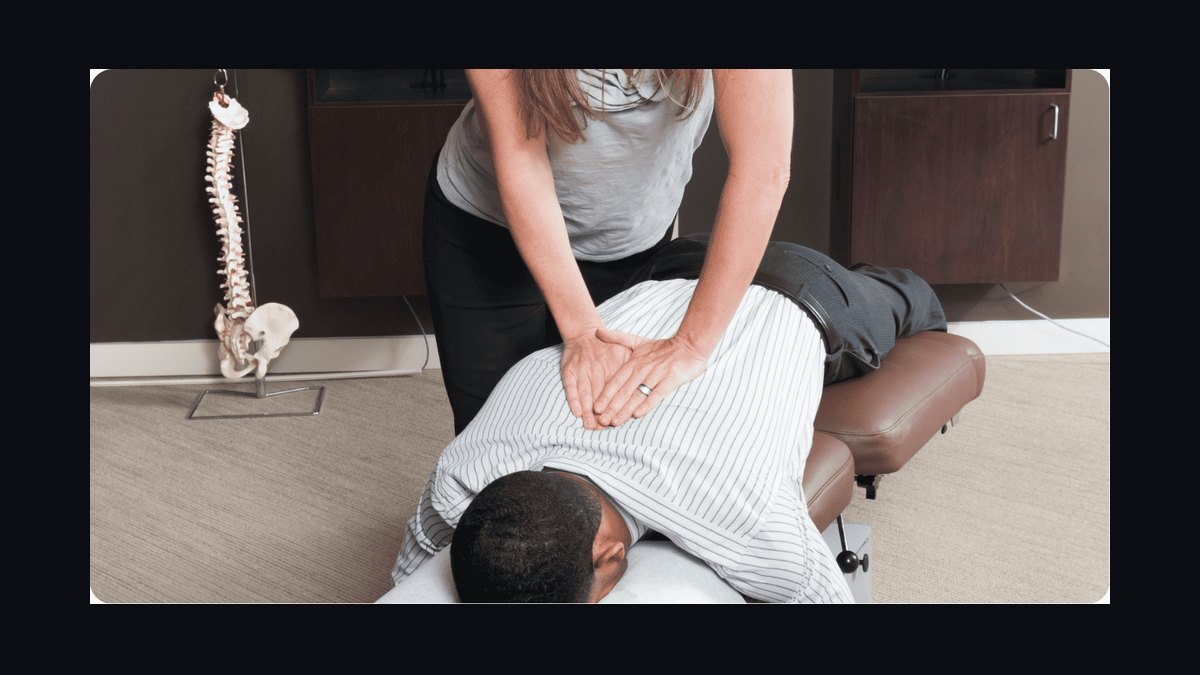
Adjusting tables (typically 3–5): $7,500–$40,000 total. Manual tables run $2,500–$4,500; drop/flexion-distraction and electric-elevation tables run $4,000–$8,000 each. Most owners start with 2–3 tables and add capacity as patient volume proves out, rather than fully equipping for projected year-three volume on day one.
X-ray suite, if you go in-house: $25,000–$60,000 for a digital DR (direct radiography) system, plus $8,000–$20,000 for the lead-lined room itself — lead-lined drywall, a leaded-glass viewing window, a shielded door, and state radiation-machine registration. This is the line item most worth scrutinizing, because skipping it doesn't just save the equipment cost — it removes the floor-loading and shielding constraints that limit which spaces you can even consider.
Therapy and rehab equipment: $10,000–$40,000, covering traction tables, e-stim and ultrasound units, laser therapy devices, and a small rehab/exercise area if your model includes active care.

Reception, front desk, and waiting area: $15,000–$40,000 for casework, seating, and a front desk built for your EHR and point-of-sale workflow.
Treatment-room partitions and finishes: $25,000–$70,000, covering demising walls between adjusting rooms (or curtain/partition systems for open-bay), durable flooring rated for rolling stools and dropped equipment, paint, and sound separation.
HVAC, ADA compliance, lighting, and signage: $25,000–$60,000. Medical occupancy sometimes triggers an additional restroom requirement or ADA upgrades beyond what a prior retail tenant had; budget for this even in second-generation space.
Contingency: hold back 10–15% of your total project cost — roughly $14,000–$48,000 on a $140,000–$320,000 project — to absorb the items that surprise almost every first-time buildout: flooring upgrades to a more durable vinyl ($5–$12 per sq ft installed versus standard sheet goods), HVAC zoning to keep the X-ray room cooler than the adjusting rooms ($3,000–$8,000), and signage/permitting fees that vary widely by municipality ($4,000–$12,000).
Lease versus purchase changes the cash-flow shape. In a leased space, you'll typically negotiate a TI allowance from the landlord — often $20–$50 per sq ft in a medical-office or mixed-use building. If your buildout runs $100/sq ft and the TI covers $40/sq ft, you're funding the remaining $60/sq ft yourself — $120,000 on a 2,000 sq ft clinic. In a purchased space, the buildout typically gets rolled into your commercial mortgage and amortized over 15–20 years, which lowers upfront cash need but adds roughly $800–$1,500 a month in debt service, plus loan origination fees (1–2% of the loan) and appraisal costs ($2,000–$5,000).
Phasing is a legitimate way to stretch limited capital. Opening at 1,500 sq ft with 3 adjusting rooms, a compact reception, and a portable-unit imaging alcove (deferring full lead-lining) can bring initial cost down to $105,000–$240,000. After 12–18 months of proven cash flow, add the remaining 500–1,000 sq ft for a second room, a permanent X-ray suite, or a dedicated therapy area. Phasing typically adds 10–20% to total lifetime project cost because of remobilization and re-permitting, but it can cut initial capital need by 30–50% — often the difference between opening and not opening for a solo practitioner. This mirrors how a physical therapy or wellness clinic owner might phase in a hydrotherapy tub or an infusion bay only once volume justifies the upstream capital.
Timeline: a typical buildout runs 8–16 weeks from permit approval to completion. Build 2–4 months of lease payments and lost-revenue runway into your cash plan, since permitting delays are the most common schedule slippage and they don't pause your rent clock.
Where Teams Get It Wrong
The mistakes that inflate a chiropractic Buildout budget are rarely about the construction bids themselves — they're about decisions made (or skipped) before construction starts.
Signing before confirming shielding and floor-loading feasibility. If you plan in-house X-ray, the room needs lead shielding and the floor must carry the equipment's weight. Retrofitting shielding as a tenant-funded change order runs $8,000–$20,000 — money you'd never have spent if you'd confirmed feasibility before signing. Get a contractor walkthrough before you commit to a space, not after.

Accepting a use clause that's too narrow. A lease that restricts you to "chiropractic only" can block adding massage therapy, acupuncture, or a nurse practitioner offering regenerative or IV services later — services that increasingly supplement a chiropractic Clinic's revenue mix. Broaden the clause to "chiropractic and related health and wellness services" at signing; it costs nothing to ask for and is expensive to add later.
Ignoring restoration obligations. A lease that requires you to de-shield the X-ray room and fully restore the space at exit can cost $10,000–$25,000 when you eventually move or close. Cap restoration obligations or strike the clause entirely during negotiation.
Letting TI dollars turn into a landlord IOU. Even modest medical TI commitments get stalled by landlords who are slower to fund healthcare build-outs than retail ones. Tie every TI draw to a construction milestone, and add a clause letting unpaid TI offset rent — otherwise you're financing the landlord's obligation out of your own working capital.

Skipping exclusivity in multi-tenant buildings. In a medical or retail building with multiple suites, failing to secure an exclusive against a competing chiropractor or physical-therapy clinic next door can cost you referral volume for the life of the lease.
Leaving CAM and after-hours HVAC uncapped. Chiropractic clinics often run extended evening hours to capture working patients. An uncapped CAM (common area maintenance) clause or à la carte after-hours HVAC billing can quietly add thousands a year. Cap CAM growth at roughly 5% annually with audit rights, and fold reasonable evening HVAC hours into base rent.

Over-leasing "to grow into." The single most common waste in this category is signing for 3,000+ sq ft on the assumption of future growth. Lease for your current, provable volume and negotiate a right of first refusal on adjacent space instead — you get the growth option without paying rent on empty rooms for two years.
Building the wrong layout for the visit model. A high-volume, insurance-and-cash-mix practice that builds private rooms strangles its own throughput; a relationship-driven, high-touch cash practice that builds an open bay loses the privacy patients are paying for. This isn't a cosmetic choice — it's a revenue-model choice, made permanent in drywall, and it's the same mistake a boutique physical therapy studio makes when it copies a high-volume clinic's floor plan without the matching patient mix.
Decision Framework: When To Choose What
Two decisions do more to shape your final Budget and your revenue ceiling than anything else in the project: your imaging strategy and your room layout. Neither has a universally "right" answer — both depend on your visit model and patient mix.

In-house X-ray makes sense when you run a high volume of new-patient orthopedic or trauma cases, your referral network for outside imaging is thin or slow, and you can sustain the extra $35,000–$80,000 in buildout cost plus the ongoing registration and maintenance overhead. Referring out makes sense when you're opening lean, your local imaging centers turn around films quickly, or you're not yet certain of your patient mix — you can always add imaging in a later phase once volume justifies it.
Open-bay layouts make sense when your model is volume-driven — a mix of insurance and cash patients moving through in tight visit windows — because fewer demising walls and simpler HVAC zoning cost $15,000–$30,000 less to build, and the open format lets a fast adjuster move table to table, raising patients-per-hour. Private rooms make sense when your model is relationship-based or cash-pay with longer visits that include soft-tissue work, extended exams, or a higher-touch experience patients are paying a premium for.
Whichever combination you choose, hold occupancy cost — rent plus NNN charges — under 8–12% of projected collections. Chiropractic margins support a lean Buildout, but they don't support carrying an oversized or overbuilt space, and the same occupancy-to-collections ratio is worth checking against any adjacent wellness or therapy service line you're considering bolting on later.
Related Questions
Is a chiropractic clinic cheaper to build out than a dental office? Significantly. Chiropractic avoids plumbing-heavy operatories, suction lines, and sterilization infrastructure that push dental buildouts to $400,000–$600,000+ for a comparable footprint, versus $140,000–$320,000 for chiropractic.
How many adjusting tables do I need to start? Most new clinics open with 2–3 tables and add more as volume proves out, rather than fully equipping for projected future demand on day one.
Should I buy or lease my chiropractic clinic space? Leasing lowers upfront capital via a TI allowance but leaves you funding the gap; purchasing rolls the buildout into a mortgage, lowering cash need but raising monthly debt service by $800–$1,500.
How long does a chiropractic buildout take? Typically 8–16 weeks from permit approval to completion; build 2–4 months of lease payments into your cash plan to cover permitting delays.
Can I add X-ray later instead of at opening? Yes — many clinics phase this in after 12–18 months of proven cash flow, which lowers initial capital need by 30–50% at the cost of some remobilization expense.
FAQ
What is the typical total cost range for a chiropractic clinic buildout? For a 1,500–2,500 sq ft clinic, expect $70–$160 per sq ft all-in. A 2,000 sq ft office typically falls between $140,000 and $320,000 depending on finishes, equipment, and local labor rates.
How much should I set aside just for construction and materials? Construction alone usually runs $50–$110 per sq ft, covering framing, drywall, flooring, paint, and basic electrical and plumbing. Higher-end finishes like luxury vinyl plank or custom casework push you toward the top of that range.
What are the biggest hidden costs that catch new clinic owners off guard? Permitting and engineering fees can add $5,000–$15,000, and specialty items like X-ray shielding or reinforced flooring for heavy tables often add $3,000–$8,000. Furniture, signage, and technology can total another $15,000–$40,000.
How much should I budget for equipment like adjusting tables and X-ray? A single chiropractic table ranges $3,000–$10,000, and a basic digital X-ray system runs $20,000–$50,000. Plan $30,000–$80,000 total for essential equipment depending on table count and whether imaging is included.
Can I save money by leasing a space that's already finished for medical use? Yes — leasing a former medical or retail space with existing plumbing and electrical can cut buildout costs by 20–40%. A minimal refresh of paint, flooring, and minor layout changes can run $40–$70 per sq ft instead of a full buildout.
How does my choice of layout affect ongoing revenue, not just buildout cost? Open-bay layouts support higher patients-per-hour throughput, which matters most for volume-driven or insurance-heavy practices; private rooms support longer, higher-touch visits, which matters most for relationship-based cash practices. Pick the layout that matches how you actually plan to see patients, not the one that looks most impressive.
Sources
- CBRE — Healthcare and medical-office Tenant Improvement cost benchmarks
- JLL — Healthcare Real Estate and medical build-out cost reports
- Cushman & Wakefield — Healthcare Advisory and medical-suite TI guidance
- RSMeans (Gordian) — Medical-office construction unit cost data
- BOMA International — Medical office building operating-expense and CAM standards
- American Chiropractic Association (ACA) — Practice setup and clinic planning resources
- Foundation for Chiropractic Progress — Equipment and clinic operations guidance
- International Code Council (ICC) — Medical occupancy and accessibility requirements
Related on PULSE
- [Should I open or buy a 100% Chiropractic franchise in 2027?](/knowledge/q15447)
- [Should I open or buy a HealthSource Chiropractic franchise in 2027?](/knowledge/q15446)
- [Should I open or buy a Joint Chiropractic franchise in 2027?](/knowledge/q14821)
- [How do you start a chiropractic practice in 2027?](/knowledge/q9685)
- [How Do I Budget a Physical Therapy Clinic Buildout?](/knowledge/q13822)
- [How Do I Budget an IV Therapy or Wellness Clinic Buildout?](/knowledge/q13786)
This page will be disappearing soon. Save it to your device for $1 — or read it free while it is here.
@Kory-White- · if Venmo asks, the last 4 of my number are 2012
This page is gone.
This one is off the shelf now. $1 keeps it on your phone for good — the whole page, pictures and diagrams included.
 pulse-qShould I open or buy a CKO Kickboxing franchise in 2027?
 pulse-qShould I open a yoga teaching business in 2027?
 pulse-qShould I open or buy a Main Event Entertainment franchise in 2027?
 pulse-qTop 10 Objection Coaching Responses for Enterprise Sellers in 2027
 pulse-qShould I open or buy a Celebree School franchise in 2027?
 pulse-qShould I Buy My Commercial Building Through a Separate LLC in 2026?
 pulse-qShould I open a transmission repair business in 2027?
 pulse-qHow Many Salespeople Should I Schedule Each Day at My Sporting Goods Store in 2026?
 pulse-qHow Many Agents Do I Need to Recruit for My Real Estate Brokerage to Grow Production in 2026?
 pulse-qShould I open or buy a Bojangles franchise in 2027?