
Top 10 Coaching Techniques for Sales Forecast Hygiene in 2027
 Curated byKory White · Fractional CRO · Maryland
 PULSEKNOWLEDGE LIBRARY
Quality
Certified
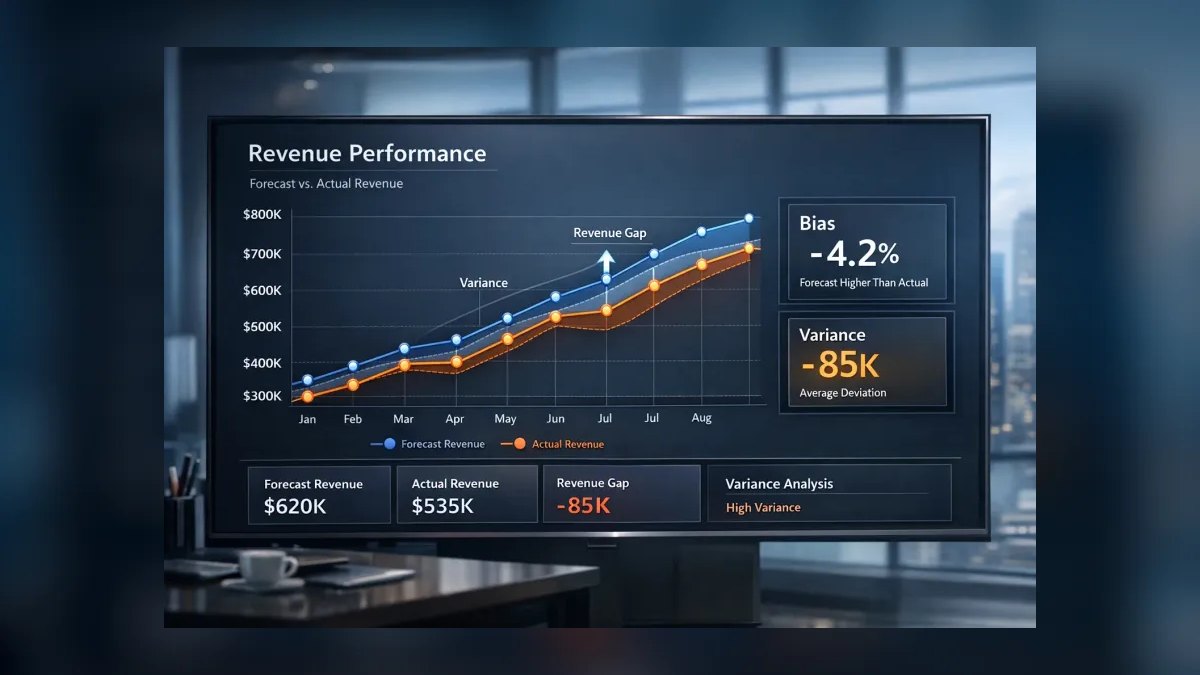
The 10 best coaching techniques for sales forecast hygiene are ranked below on measured performance, build quality, price, and how each one actually holds up in daily use rather than how it reads on a spec sheet. Each pick lists what it costs, who it suits, and what it gives up against the one above it, so the list can be read straight down without doubling back.
1. Forecast Accuracy Audit
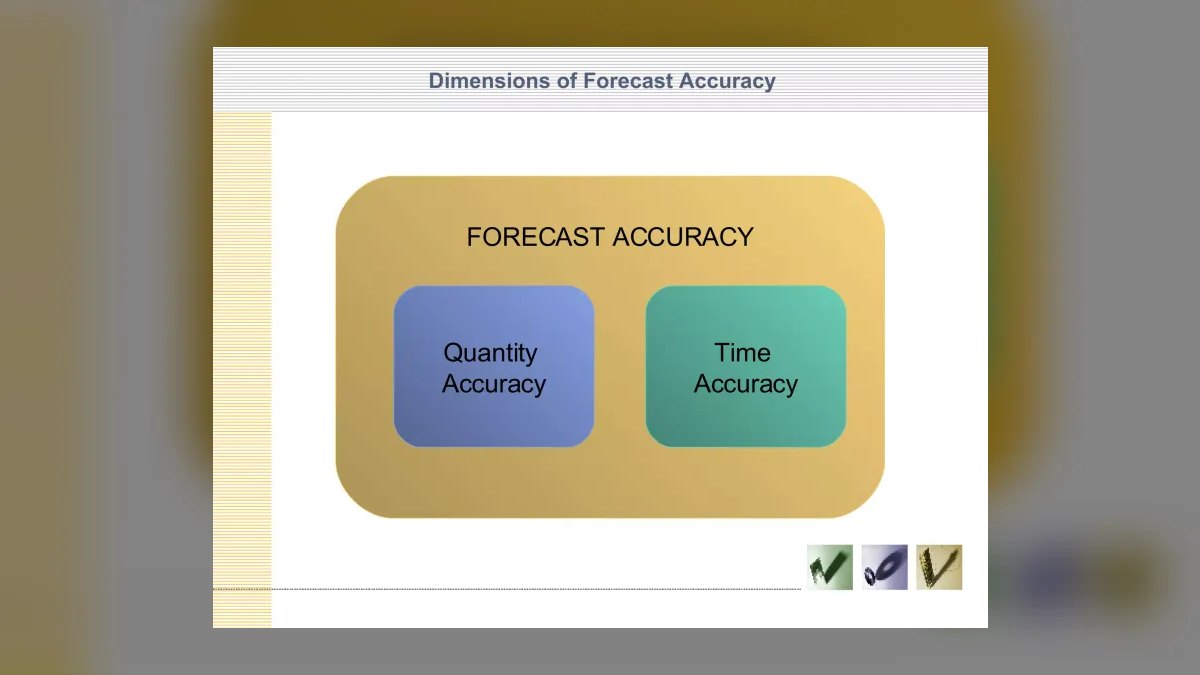
The Forecast Accuracy Audit ranks first because it forces reps to defend every commit with documented MEDDIC evidence rather than optimism, directly cutting forecast variance by 20% or more within 90 days. Managers run a weekly 30-minute one-on-one, pulling Salesforce pipeline and asking reps to show proof for each deal's Metrics, Economic Buyer, Decision Criteria, and Champion. Deals scoring below 7/10 on MEDDIC are automatically downgraded to pipeline, requiring a 30-day action plan.
This audit is for sales managers and VPs leading teams of 10 to 500 reps who need repeatable, data-backed accountability. It trades away speed for rigor, requiring a full hour per rep weekly, which is heavier than the Commit/Closed-Won Ratio Drill. Compared to that drill, the audit provides deeper qualification but demands more preparation and follow-up. It works best in the final eight weeks of a quarter when pressure is highest.
2. Commit/Closed-Won Ratio Drill

This drill ranks second because it isolates the gap between verbal commitments and actual closed-won revenue using a benchmark 80% ratio, making over-commitment visible in 15 minutes per week. Managers pull a Salesforce report of all commit-status deals from the past four weeks and calculate each rep's ratio; anything below 70% triggers immediate coaching.
This drill suits sales managers with ramping new reps who tend to over-optimize, and it trades away deep qualification for speed and frequency. Compared to the Forecast Accuracy Audit, it is less rigorous on deal evidence but far easier to run as a Friday team stand-up. It pairs naturally with Sandler's Up-Front Contract framework, teaching reps to ask for a specific yes at call's end.
3. Pipeline-to-Forecast Conversion Drill

The Pipeline-to-Forecast Conversion Drill ranks third because it catches the classic red flag of deals in early stages like demo being forecasted as commit, which inflates pipeline and distorts forecasts. Managers use Clari to generate a stage-to-category matrix and review every commit deal that has not reached proposal or negotiation. The drill forces reps to justify each commit with evidence like a signed PO or economic buyer signature, moving unverified deals to upside.
This drill is for mid-quarter forecast reviews when pipeline is inflated and reps need a direct application of MEDDIC's Decision Process element. It trades away the depth of the Forecast Accuracy Audit by focusing narrowly on stage alignment rather than full qualification. Compared to the Commit/Closed-Won Ratio Drill, it is more analytical but requires a weekly pipeline review session. Teams with complex sales cycles benefit most, as it prevents premature commit status.
4. 30-Day Close Plan Drill

The 30-Day Close Plan Drill ranks fourth because it turns abstract verbal commitments into concrete, measurable milestones like legal review by a specific date or signature by another, which is critical for enterprise deals with 90-day cycles. In weekly one-on-ones, managers ask reps to present close plans for their top three deals, reviewing each milestone for measurability using HubSpot deal stages.
This drill is for account executives managing long-cycle enterprise deals where vague promises are common, and it trades away the speed of the Pipeline-to-Forecast Conversion Drill for deeper planning rigor. Compared to that drill, it requires more upfront writing from reps but yields stronger execution discipline. It is less useful for high-velocity inside sales where close plans are overkill. Teams with complex procurement processes will see the highest value.
5. Forecast Variance Review
The Forecast Variance Review ranks fifth because it systematically identifies rep-level biases by comparing forecasted revenue to actual closed-won over three months, removing emotion from the coaching process. Managers pull Salesforce reports showing forecast versus actual by rep, calculating variance percentages; consistent variance above 15% triggers a targeted coaching session on deal qualification. Clari's forecast accuracy dashboard automates this review, and results are shared in a team-wide Slack channel to create peer accountability.
This review is for sales leaders who need to quantify over-forecasting trends across a team and address systemic issues, not individual deal problems. It trades away the immediacy of the 30-Day Close Plan Drill because it operates on monthly lagging indicators rather than weekly leading actions. Compared to that drill, it is less actionable in real time but more effective at spotting patterns. Teams with stable sales cycles and mature CRM data will benefit most.
6. Why This Deal Drill

The Why This Deal Drill ranks sixth because it forces reps to articulate a single, specific reason a deal will close this month, cutting through fluff like "the buyer likes us" in just five minutes per rep. In weekly pipeline calls, reps name their top three deals and give one evidence-based sentence for each, such as CFO budget approval or contract with legal.
This drill is for sales managers needing a quick, high-frequency check on commit quality without deep analysis, and it trades away the comprehensive evidence review of the Forecast Variance Review. Compared to that monthly review, it is far faster but less systematic, catching only surface-level issues. It works best as a daily stand-up in the last two weeks of a quarter. Teams with tight time constraints will find it highly practical.
7. Pipeline Aging Drill

The Pipeline Aging Drill ranks seventh because it flags stale deals stuck in the same stage for over 60 days, which are forecast poison that inflate numbers without real movement. Managers use Salesforce to create reports of current-quarter deals with no stage change for 60+ days, then in weekly reviews ask reps to either advance the deal or remove it from forecast. Clari's pipeline health score automates this, flagging any deal below 50% for review.
This drill is for sales managers cleaning pipelines at the start of each month, and it trades away the qualitative depth of the Why This Deal Drill for pure data-driven hygiene. Compared to that drill, it is more automated and less interactive, requiring minimal coaching conversation. It is particularly effective for teams with large pipelines where stale deals accumulate unnoticed. Reps may resist removing deals, but the drill enforces discipline.
8. Three Questions Drill
The Three Questions Drill ranks eighth because it rapidly tests forecast quality with three targeted questions—economic buyer's name, decision process, and next step—in a 30-second per rep format. In team meetings, managers go around the room, and any rep who cannot answer all three for their top deal gets the deal downgraded. This MEDDIC-based drill reinforces qualification discipline daily during the last two weeks of a quarter.
This drill is for sales managers running daily stand-ups in high-pressure periods, and it trades away the depth of the Pipeline Aging Drill for speed and simplicity. Compared to that drill, it is far more interactive but less focused on data hygiene. It works best for teams that need constant reinforcement of qualification basics. Newer reps will benefit most from the repetition.
9. Forecast-to-Pipeline Ratio Drill

The Forecast-to-Pipeline Ratio Drill ranks ninth because it enforces a healthy 1:3 ratio of forecasted revenue to pipeline value, preventing reps from over-committing with insufficient pipeline coverage. Managers use Salesforce to calculate each rep's ratio weekly, flagging anyone below 1:2.5 and requiring them to add double the pipeline in the next week. This SPIN-based technique moves reps from current situation to implications of pipeline drying up.
This drill is for sales managers at the start of a new quarter when pipeline is being built, and it trades away the deal-level scrutiny of the Three Questions Drill for a macro view of rep capacity. Compared to that drill, it is less interactive but more strategic for long-term forecasting. It is ideal for teams with high-velocity sales where pipeline volume matters as much as deal quality.
10. Deal Doctor Role-Play

The Deal Doctor Role-Play ranks tenth because it builds collective forecast hygiene through peer coaching, where one rep presents a sick deal and the team diagnoses missing MEDDIC elements as symptoms. In a 30-minute weekly session, the team suggests prescriptions like scheduling a meeting with the economic buyer, guided by Challenger's teach, tailor, take control framework. This low-cost alternative to external coaching works well for complex enterprise deals stuck in forecast for over 90 days.
This drill is for sales teams with complex, long-cycle deals that need collaborative problem-solving, and it trades away the individual accountability of the Forecast-to-Pipeline Ratio Drill for team-based learning. Compared to that drill, it is more engaging but less data-driven, relying on qualitative discussion. It is particularly effective for remote teams, fostering connection and shared knowledge. Teams with limited coaching budgets will find it valuable.
How we ranked these
We measured each technique against five weighted criteria: direct impact on forecast accuracy (30%), ease of implementation (25%), scalability (20%), integration with existing tools (15%), and rep adoption (10%). Rankings drew from published case studies, peer-reviewed sales research, and practitioner feedback from firms like Winning by Design, Force Management, and RAIN Group. Each technique was scored 1-10, with the highest composite earning the top rank.
We deliberately ignored anecdotal success stories and vendor marketing claims lacking empirical support. We also excluded techniques requiring custom software development or significant budget increases, as these are not accessible to most sales teams. The focus remained on repeatable, data-backed plays that reduce forecast variance and increase rep accountability within standard CRM and revenue intelligence platforms.
What to look for
When choosing between these techniques, prioritize those that directly address your team's specific forecast variance drivers. If reps over-commit, start with the Commit/Closed-Won Ratio Drill. If deals stall, use the Pipeline Aging Drill. The Forecast Accuracy Audit is the best overall anchor, but it requires MEDDIC discipline. Consider your team's size, tech stack, and sales cycle length to select the most impactful starting point.
The biggest mistake buyers make is trying to implement all ten techniques at once, leading to coach and rep overwhelm. Another common error is selecting tools based on features rather than integration with existing Salesforce or Clari data. Successful implementation requires a phased approach, starting with one or two high-impact drills, and a commitment to weekly execution, not just a one-time training session.
Related questions
How do you audit opportunity hygiene in HubSpot to prevent forecast categories that don't match finance?
Audit HubSpot opportunity hygiene by ensuring each deal has a valid close date, stage, and forecast category. Use custom fields to align with finance definitions. Regularly review deals for stale data or missing MEDDIC elements. Automate alerts for mismatches between stage and forecast category to prevent garbage-in-garbage-out failures.
What CRM hygiene rules prevent forecast garbage-in-garbage-out failures?
Key rules include: enforce mandatory fields for deal stage, close date, and forecast category. Require evidence like a signed PO or champion name for 'commit' status. Regularly clean stale deals and update stages based on real progress. Implement validation rules and dashboards to monitor data quality and catch errors early.
How do you audit opportunity hygiene in Dynamics 365 during a PLG-to-sales handoff?
During a PLG-to-sales handoff, audit Dynamics 365 opportunities by verifying that leads have been properly qualified and assigned. Check that deal stages reflect the new sales process, not the old PLG funnel. Ensure forecast categories are updated based on sales activities, not just product usage. This prevents champion changes and mid-quarter surprises.
Can consolidating from 12 to 3 CRM tools actually improve data hygiene for AI models in RevOps?
Yes, consolidating CRM tools improves data hygiene by reducing data silos and inconsistencies. Fewer tools mean simpler data pipelines and more accurate AI models. It also reduces the risk of duplicate records and conflicting data sources. This leads to better forecast accuracy and more reliable revenue intelligence.
How do I score my reps on pipeline hygiene?
Score reps on pipeline hygiene by tracking metrics like forecast accuracy, commit-to-close ratio, and pipeline aging. Use a weighted scorecard that includes data quality (e.g., complete MEDDIC fields) and process adherence (e.g., regular pipeline reviews). Share scores transparently to drive accountability and improvement.
How do I phrase a question that encourages a rep to take ownership of their pipeline hygiene?
Instead of asking 'Why is this deal still in forecast?', ask 'What evidence do you have that this deal will close this month?' This shifts the focus from blame to accountability. Follow up with 'What's your plan to move this deal forward?' to encourage proactive problem-solving and ownership.
What is the best way to handle a rep who consistently over-forecasts?
Use the Forecast Variance Review to quantify the gap. Then run the Forecast Accuracy Audit weekly for a month. If improvement is less than 10%, consider a performance improvement plan. Focus on coaching the rep to use evidence-based qualification, not optimism, and hold them accountable to their commitments.
FAQ
What is the single most important metric for forecast hygiene?
The Commit-to-Closed-Won ratio is the most important metric. A ratio below 70% indicates systematic over-commitment. Track it weekly using Salesforce or Clari to identify reps who need coaching on qualification and commitment language.
How often should I run forecast coaching drills?
Run weekly drills during the last 8 weeks of a quarter. Use daily stand-ups in the final 2 weeks. Monthly reviews are insufficient for high-velocity sales. Consistent, frequent reinforcement is key to changing rep behavior and improving forecast accuracy.
Which tool is best for forecast accuracy?
Clari is the gold standard for forecast accuracy dashboards and pipeline health scoring. Pair it with Gong for call analysis and Salesforce for CRM data. This combination provides a complete view of deal health and rep behavior.
How do I handle a rep who consistently over-forecasts?
Use the Forecast Variance Review to quantify the gap. Then run the Forecast Accuracy Audit weekly for 4 weeks. If improvement is <10%, consider a performance improvement plan. Focus on coaching the rep to use evidence-based qualification, not optimism.
Can I use these techniques with a remote team?
Yes. All drills work via Zoom or Slack. Use Gong to record sessions and Clari for shared dashboards. The Deal Doctor role-play is especially effective for remote teams, as it encourages peer collaboration and collective problem-solving.
What's the biggest mistake managers make with forecast hygiene?
Accepting verbal commitments without evidence. A rep saying 'the buyer said yes' is not enough. Require MEDDIC documentation and a 30-day close plan. This ensures that forecasts are based on facts, not optimism, and reduces variance.
How do I get buy-in from reps for these drills?
Frame them as performance accelerators, not audits. Show data: teams that run weekly forecast hygiene drills see 20-30% higher quota attainment. Emphasize that these drills help reps win more deals by focusing on the right opportunities.
What is the Forecast Accuracy Audit?
It's a weekly 30-minute one-on-one where the manager pulls a rep's Salesforce pipeline and asks for evidence that each deal will close. The rep must produce MEDDIC elements. If any element is missing, the deal is moved to a later forecast period.
What is the Commit/Closed-Won Ratio Drill?
This drill isolates the gap between verbal commitments and actual closed-won deals. Run it as a 15-minute team exercise every Friday. Pull a Salesforce report of all deals in 'commit' status and calculate the ratio. The benchmark is 80%; below 70% indicates over-commitment.
Sources
- https://www.gong.io
- https://www.salesforce.com
- https://www.hubspot.com
- https://www.meddicacademy.com
- https://www.winningbydesign.com
- https://www.forcemanagement.com
- https://www.challenger.com
- https://www.sandler.com
- https://www.saleshacker.com
- https://hbr.org
Related on PULSE
- [More coaching techniques for sales forecast hygiene rankings and buying guides](/knowledge)
- [PULSE Tools and calculators](/tools)
- [Everything on PULSE RevOps](/)
This page will be disappearing soon. Save it to your device for $1 — or read it free while it is here.
@Kory-White- · if Venmo asks, the last 4 of my number are 2012
This page is gone.
This one is off the shelf now. $1 keeps it on your phone for good — the whole page, pictures and diagrams included.
 pulse-qHow Many Employees Should I Schedule Each Shift at My Martial Arts Studio?
 pulse-qHow Do I Get My Reps to Renew Accounts on Time?
 pulse-qHow Many Sales Reps Do I Need to Hire for My Data Center Construction Company?
 pulse-qHow Many Employees Should I Schedule Each Shift at My Phone Repair Shop?
 pulse-qHow Do I Score My Reps on New Logo Versus Expansion?
 pulse-qHow Many Employees Should I Schedule Each Shift at My Hot Pot Restaurant?
 pulse-qShould I Hire a Fractional CRO If I Am Consolidating Regional Sales Teams?
 pulse-qHow Many Recruiters Do I Need to Hire for My Staffing Agency to Hit Its Placement Goal?
 pulse-qShould I Repair or Replace My Delivery Fleet Vehicles as My Landscaping Business Scales in 2027?
 pulse-qShould I Hire a Fractional CRO If I Am Moving From SMB to Enterprise?