
How Many Employees Should I Schedule Each Shift at My Hot Pot Restaurant in 2026?
 Curated byKory White · Fractional CRO · Maryland
 PULSEKNOWLEDGE LIBRARY
Quality
Certified
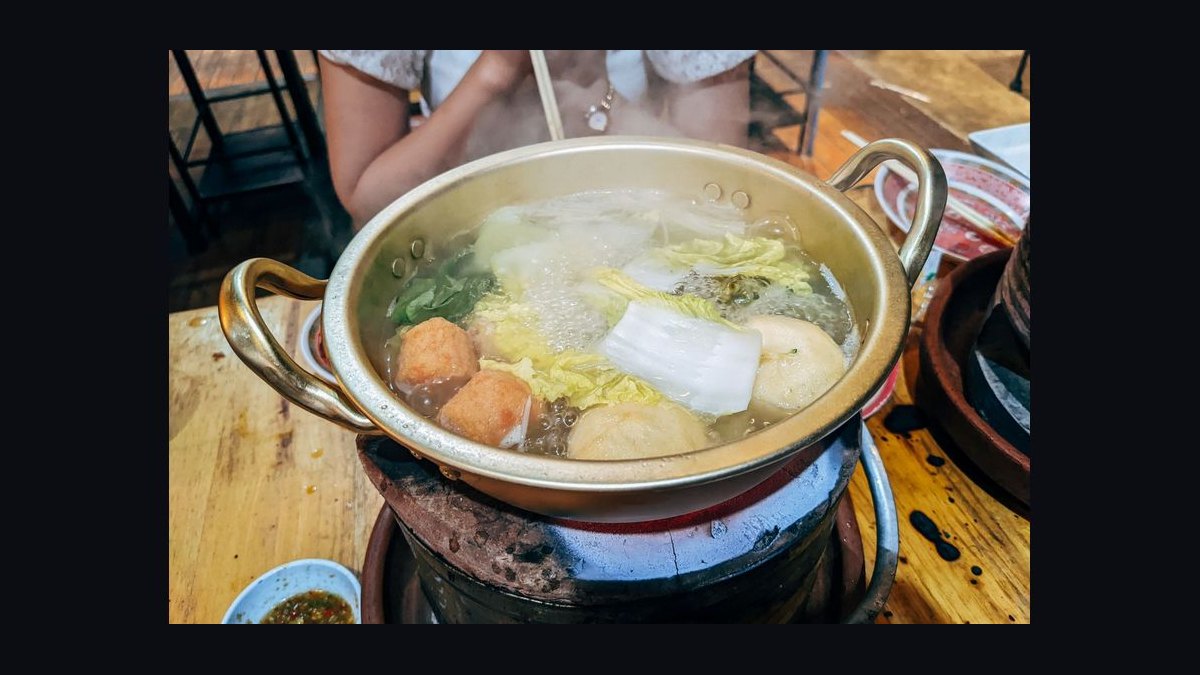
Divide each shift's average gross profit by a gross-profit-per-employee target you set in advance. If a weekday opening shift averages $720 in gross profit and your target is $120 per Employee per Shift, you Schedule six people. A busy weekend dinner block averaging $1,800 needs fifteen. That single division replaces habit, favoritism, and flat headcounts across the week.
What the gross-profit-per-employee target is and why it matters
The gross-profit-per-employee target is one agreed number that answers a narrow question: how much gross profit should one average Employee generate during one average Shift at your hot pot Restaurant? It is not revenue. It is not sales per labor hour. It is not covers per server. It is gross profit — what is left after food, beverage, and direct supply costs — divided across the bodies standing on the floor. That distinction matters because a hot pot Restaurant carries unusual cost structure: raw proteins, seafood, tofu, mushrooms, and vegetables are expensive and highly perishable, broth bases and dipping sauces add cost, and induction burners mean electricity and equipment maintenance sit in the picture. Revenue can look strong while gross profit is thin if portioning drifts or waste climbs.
RevOps discipline, borrowed from how revenue teams manage coverage against pipeline, applies directly here. A sales organization does not assign account executives by gut feel; it forecasts bookings and divides by a per-rep quota. A hot pot Restaurant can run the same logic: forecast gross profit by shift, divide by a per-employee target, and let the arithmetic set headcount. The target becomes a shared yardstick. Leadership, the manager writing the Schedule, and every server, runner, and prep cook all measure against the same bar, so a conversation about "we need more people Friday" becomes a conversation about numbers rather than preference.
Why it matters operationally comes down to three failure modes the target prevents. First, chronic overstaffing on slow shifts — the Tuesday lunch where five people split a thin pool of tables, labor eats the margin, and the best servers get bored and quit. Second, chronic understaffing on peak shifts — the Saturday 6 p.m. to 10 p.m. block where two servers cover twelve tables, ticket times stretch, broth refills lag, and guests who waited forty minutes for a table leave a three-star review. Third, the flattening problem: spreading the same headcount across every day because it is easy, which starves the shifts that actually produce the money and subsidizes the ones that do not.
One more reason the target matters specifically for hot pot: table turn time is long. A party of six sits for ninety minutes to two hours because cooking is the experience. That means each server's effective capacity per shift is lower than at a fast-casual concept, and the cost of being one body short is higher. When a hot pot dining room is full and short-staffed, the raw-plate refills stop, the broth runs low, and the guest notices immediately. The target protects against that by tying headcount to the gross profit the shift genuinely generates, not to a headcount that felt right three years ago.
The step-by-step process for building a shift-by-shift Schedule
The method has four moves, and every one of them is arithmetic you can do in a spreadsheet or on paper. The order matters — set the target first, pull the data second, divide third, and place bodies fourth.
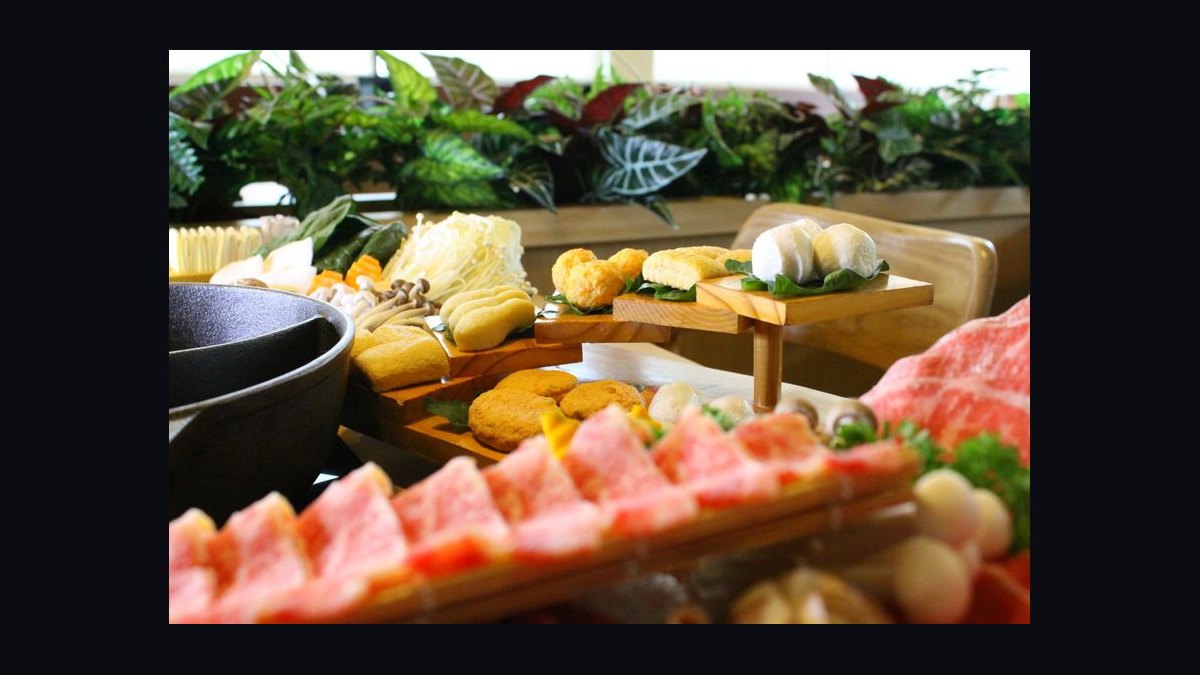
Step one: agree on the per-employee target. Sit down with ownership or your leadership group and name one number out loud: the gross profit an average Employee should produce on an average Shift. Suppose you land on $120. That figure is a floor, not a ceiling. It means a person who shows up, handles an average guest load, and delivers average service should produce at least $120 in gross profit. Strong performers blow past it by upselling premium proteins, suggesting extra broth bases, and turning tables faster. The number gives everyone the same measuring stick, and it makes the Schedule defensible — no manager can quietly stack a favorite shift.
Step two: pull gross profit by shift and day of week. Export three to six months of trailing data from your POS and cost system. Do not use revenue; use gross profit after food, beverage, and direct supply cost. Group it by day of week and by shift block — typically open through mid-afternoon, mid-afternoon through the dinner ramp, and the dinner block through close. A slow weekday opening shift might average $720. A Friday or Saturday dinner block, when full tables sit for two hours and the dining room turns twice, might average $1,800. A Sunday brunch-style all-day push might land near $1,100.
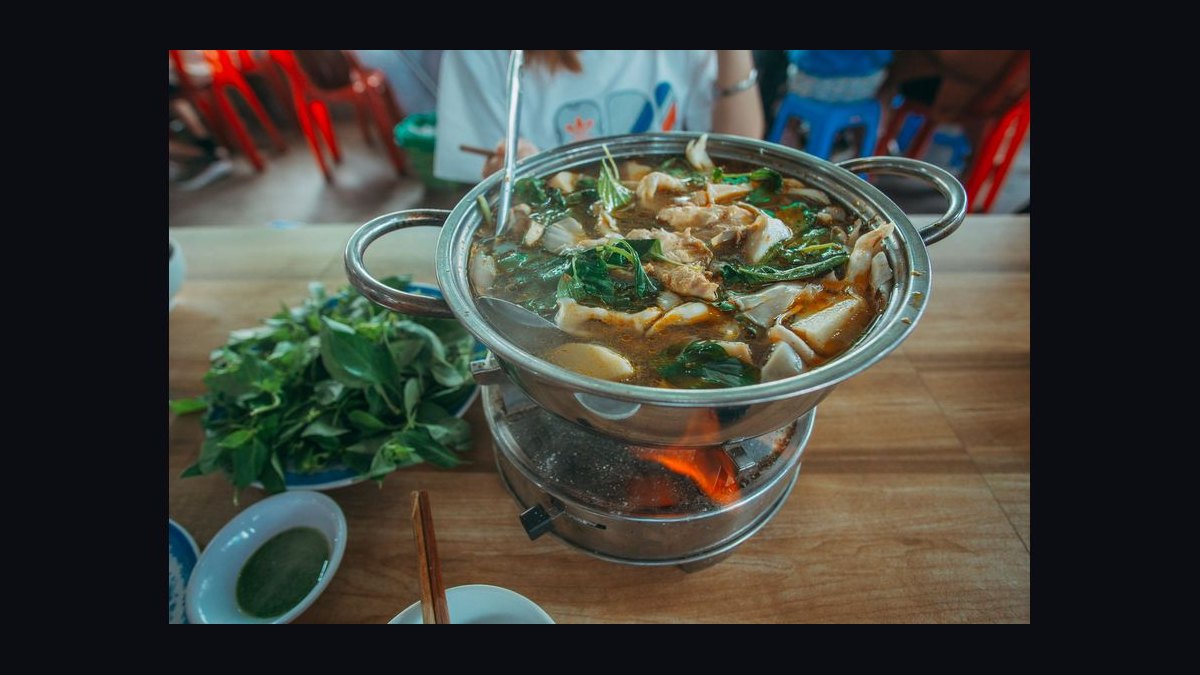
Step three: divide. This is the whole formula. Shift gross profit divided by the per-employee target equals headcount. $720 ÷ $120 = 6. $1,800 ÷ $120 = 15. $1,100 ÷ $120 = 9.2, which you round to nine or ten depending on whether the shift has a hard service floor. Run that division for every shift and every day of the week. The output is a headcount grid — seven days across, three or four shift blocks down, a number in every cell. That grid is your Schedule's skeleton.
Step four: place the bodies where the receipts ring. Headcount tells you how many; hourly transaction data tells you when. Pull hourly sales and look at when transactions actually post. In a hot pot Restaurant the demand curve is lumpy: a modest open, a lull, a sharp 5:30 p.m. ramp, a peak from 6 p.m. to 10 p.m., and a taper into close. Front-load the peak with servers running broth refills and raw plates, kitchen prep slicing meat and vegetables, a dedicated broth and induction station, and a host managing the wait list. Thin out through the lull. Staff the close to match the actual late traffic rather than parking everyone at noon. The count came from the division; the timing comes from the receipt curve.
The loop at the bottom matters. This is not a one-time exercise. Track actual gross profit per shift against the target every week. If the Friday dinner block consistently produces $2,100 against a $1,800 forecast, you either have room to add a body and lift service, or your target is set too low. If a Wednesday lunch consistently misses, you either have a waste problem or a headcount problem — and the two look identical until you check portioning.
Costs, timelines, and typical ranges for hot pot staffing
The dollar figures you plug in are yours, but the shape of the numbers is fairly consistent across full-service hot pot concepts, and knowing the ranges keeps you from setting a target that is impossible or a headcount that is absurd.
On the cost side, a server's fully loaded hourly cost — wage plus payroll taxes plus any tip credit adjustment — typically lands somewhere between $15 and $25 depending on your market, and kitchen staff often run higher because there is no tip credit. A five-hour shift therefore costs roughly $75 to $125 per body before you count the marginal food cost of the extra covers they handle. That is why the target has to be gross profit and not revenue: a server who rings $400 in sales on a shift where food cost is 38% only contributed about $248 in gross profit, and after their own labor cost the shift is barely ahead.
On the gross-profit side, a healthy full-service hot pot Restaurant often runs food and beverage cost between 30% and 38% of sales, which puts gross margin in the 62% to 70% range. If your average check is $38 per person and a table of four spends $152, gross profit on that table is roughly $95 to $106. A server handling eight tables across a five-hour shift — realistic in hot pot given the long dwell time — produces somewhere between $760 and $850 in gross profit. That is the arithmetic that makes a $120 target feel reasonable rather than aggressive, and it is also why a $250 target would be punishing and a $60 target would let the shift run at a loss.
Timelines for getting this running are short. Pulling three months of POS data and cost data takes an afternoon if your systems export cleanly, and a full week if you are reconciling invoices by hand. Building the headcount grid takes an hour once the data is in a spreadsheet. Publishing the first Schedule off the grid takes one scheduling cycle. Expect two to four weeks before the numbers stabilize, because the first week always reveals something you did not model — a private party, a holiday, a supplier price change. Review the target quarterly. Seasonality moves gross profit: summer patio traffic, winter holiday parties, and Lunar New Year surges all shift the curve, and a target set in a slow month will overstaff a busy one.

| Shift block | Typical gross profit range | Headcount at $120 target | Headcount at $150 target |
|---|---|---|---|
| Weekday open to mid-afternoon | $600 – $850 | 5 – 7 | 4 – 6 |
| Weekday mid-afternoon to close | $900 – $1,300 | 8 – 11 | 6 – 9 |
| Friday/Saturday dinner block | $1,600 – $2,200 | 13 – 18 | 11 – 15 |
| Sunday all-day | $1,000 – $1,400 | 8 – 12 | 7 – 9 |
Read the table as a sanity check, not a rule. If your grid spits out twenty-two people for a Saturday dinner in a ninety-seat room, either your target is too low or your gross profit forecast is inflated. If it spits out three, you probably have a data problem, because three people cannot run a hot pot dining room at peak regardless of what the math says.
Where teams get it wrong
The method is simple, which is exactly why the failure modes are predictable. Most operators who try this and abandon it hit one of five walls.
They use revenue instead of gross profit. This is the most common error and the most expensive. Revenue ignores food cost, and hot pot food cost is volatile — protein prices swing, seafood is seasonal, and a bad week of portioning can move margin several points. A shift that rings $2,400 in sales at 42% food cost produces less gross profit than a shift that rings $2,100 at 32%. Schedule off revenue and you will overstaff your high-cost shifts and understaff your efficient ones.
They treat the target as a ceiling. The target is the floor for average work. If managers use it to cap headcount and then push the team to "do more with less," the target becomes a punishment and service degrades. The intent is that average effort clears the bar and strong effort beats it, which is what makes the number motivating rather than resented.

They ignore the service floor. Some shifts cannot go below a minimum headcount no matter what the division says. A hot pot Restaurant needs at least one person on the floor and one in the kitchen at all times for safety, food handling, and basic service. If the formula returns two for a dead Tuesday lunch, you still schedule two or three. The math informs the decision; it does not override health code or the reality that a single server cannot both run the floor and manage the induction stations.
They set the target once and never revisit. Food costs move, wages move, menu prices move, and seasonality moves gross profit. A target set eighteen months ago against last year's protein prices will be wrong today. Quarterly review is the minimum cadence; monthly is better if your supplier pricing is volatile.
They schedule to the average and ignore the variance. A shift that averages $1,200 but swings between $700 and $1,900 depending on whether a private party books is not a nine-person shift — it is a six-person shift with an on-call flex. Build in a mechanism for adding a body when a large reservation lands, and you avoid the two worst outcomes: paying for bodies that stand around, or scrambling when forty people walk in.
They forget the role split. The formula gives total headcount, not a roster. Fifteen people on a Friday dinner block is not fifteen servers. It might be ten servers, three kitchen prep, one broth and induction station attendant, and one host. Split the number by role based on your floor plan, your burner count, and how your kitchen is organized. Getting the total right and the split wrong produces a shift where the kitchen is drowning while three servers wait for plates.
Decision framework: when to choose what
Once you have the headcount grid, the remaining decisions are about how to execute it — what tooling to use, how much to automate, and when to change the target rather than the headcount.
Three decisions sit inside that flow. First, data readiness: if you do not have three clean months, estimate from comparable hot pot operations in your market and mark the target for revision after ninety days. Second, variance handling: high-variance peak shifts get scheduled to the low end with a flex body on call, because paying for certainty on a shift that might not materialize is worse than a phone call. Third, diagnosis order: when a shift consistently misses, audit portioning and waste before you cut headcount, because a margin leak looks exactly like an overstaffing problem on a P&L and cutting people will not fix it.
The broader choice is between doing this manually and doing it in software. A spreadsheet handles a single hot pot Restaurant fine. Once you are running two or three units, or once your Schedule has to reconcile against a POS feed, payroll, and labor-law rules across jurisdictions, the manual grid becomes a maintenance burden. That is the point where a scheduling platform earns its fee — not because it sets the target for you, but because it executes the published Schedule reliably and tracks actual against plan. Whatever tool you use, the target and the division remain yours. The software runs the logistics; the RevOps thinking sets the number.
Related questions
Do I count kitchen staff in the same headcount as servers?
Yes, the division returns total bodies, then you split by role. A fifteen-person Friday dinner block might be ten servers, three kitchen prep, one station attendant, and one host. Split based on your burner count and floor plan.
What if my hot pot Restaurant has no historical gross-profit data?
Estimate from comparable full-service hot pot operations in your market, build the grid from those estimates, and revise the target after ninety days of real data. Expect the first grid to be wrong in two or three cells.
Should the target change between weekday and weekend shifts?
The target stays constant because it measures per-employee productivity, not shift difficulty. What changes is the gross profit forecast per shift, which is what drives the headcount difference between a Tuesday lunch and a Saturday dinner.
How do I handle a shift that swings wildly week to week?
Schedule to the low end of the range and keep one on-call flex body. Paying for a full crew on a shift that might not materialize costs more than a phone call to bring someone in when a large reservation lands.
Does this method work for a small hot pot Restaurant under fifty seats?
Yes, and it is arguably more important at small scale because every labor dollar is a larger share of margin. A fifty-seat room might run four to eight people per shift, and the division still tells you which end of that range to pick.
FAQ
What number should I use as the per-employee gross-profit target?
Start between $100 and $150 for a full-service hot pot Restaurant, then calibrate against your own data. Run three months of actual gross profit per shift, divide by the headcount you actually scheduled, and see what your team really produces. If the real number is $95, a $120 target is a stretch goal; if it is $180, you have room to add bodies and lift service.
Is gross profit the right metric, or should I use contribution margin?
Gross profit — sales minus food, beverage, and direct supply cost — is the right starting point because it is the cleanest measure of what a shift produces before labor. Contribution margin, which also subtracts variable labor, is useful for a second-pass analysis but makes the target circular, since labor is the thing you are trying to size.
How often should I rebuild the headcount grid?
Rebuild monthly and re-set the target quarterly. Monthly rebuilds catch seasonal demand shifts and holiday effects. Quarterly target reviews catch food cost inflation, wage changes, and menu price adjustments, all of which move the number that makes the division work.
What do I do when the formula says I need fewer people than I have scheduled?
You have a choice: cut the shift, or hold the headcount and push the team to beat the target. Cutting protects margin but risks understaffing if your forecast is off. Holding costs money but builds a bench and protects service. Most operators hold through the transition and cut once the data is stable.
Can I use this for a hot pot Restaurant with a buffet or all-you-can-eat model?
Yes, with one adjustment. All-you-can-eat shifts have flatter gross profit per cover because guests eat more, so your food cost percentage runs higher and the gross profit per table is lower. Lower the target accordingly, or you will consistently understaff the dining room.
How do I keep the Schedule fair when the math favors certain shifts?
Publish the grid and rotate peak shifts on a posted cycle. The math decides headcount, but you control assignment. Rotating who gets the high-gross-profit Friday block — and the tips that come with it — prevents the resentment that builds when the same three servers always work the money shifts.
Sources
- 7shifts — Restaurant Scheduling and Labor Cost Resources
- Homebase — Scheduling and Time Clock for Restaurants
- Deputy — Demand-Based Scheduling and Compliance
- When I Work — Shift Scheduling for Hourly Teams
- U.S. Department of Labor — Fair Labor Standards Act Guidance
- National Restaurant Association — Labor and Operations Research
- U.S. Food and Drug Administration — Food Code
- Bureau of Labor Statistics — Food Preparation and Serving Occupations
Related on PULSE
- How Many Employees Should I Schedule Each Shift at My Korean BBQ Restaurant?
- How Many Employees Should I Schedule Each Shift at My Indian Restaurant?
- How Many Employees Should I Schedule Each Shift at My Thai Restaurant?
- How Many Employees Should I Schedule Each Shift at My Mediterranean Restaurant?
- How Many Employees Should I Schedule Each Shift at My Vegan Restaurant?
- How Many Employees Should I Schedule Each Shift at My Seafood Restaurant?
This page will be disappearing soon. Save it to your device for $1 — or read it free while it is here.
@Kory-White- · if Venmo asks, the last 4 of my number are 2012
This page is gone.
This one is off the shelf now. $1 keeps it on your phone for good — the whole page, pictures and diagrams included.
 pulse-qShould I Hire a Fractional CRO If My Agency Is Productizing Into Recurring Revenue in 2026?
 pulse-qHow Do I Get My Distributors to Push the Full Catalog in 2026?
 pulse-qShould I Hire a Fractional CRO If I Am Losing Deals to a Cheaper Competitor in 2026?
 pulse-qHow Many Sales Reps Do I Need to Hire for My Urgent Care Group in 2026?
 pulse-qHow Many Salespeople Should I Schedule Each Day at My Sporting Goods Store in 2026?
 pulse-qTop 10 Closing Coaching Techniques for Mid-Market Reps in 2027
 pulse-qShould I Hire a Fractional CRO If I Just Raised a Series A in 2026?
 pulse-qHow Do I Set Attach Rates for My Service Fees in 2026?
 pulse-qHow Do I Score My Recruiters on Placements and Margin in 2026?
 pulse-qHow Do I Get My Reps to Renew Accounts on Time in 2026?