
Should I open or buy a Terminix franchise in 2027?
 Curated byKory White · Fractional CRO · Maryland
 PULSEKNOWLEDGE LIBRARY
Quality
Certified
Buying is the only realistic path — Terminix stopped selling new franchise territories after Rentokil Initial's 2022 acquisition, and it has been buying legacy territories back since. If you want to open a pest control business in 2027, build independent or pick an actively-selling brand; chase a Terminix resale only if a retiring operator hands you a dense, transferable route.
Terminix resale versus the alternatives on the table
There are really four doors into pest control in 2027, and only one of them has "Terminix" on it. Understanding why that door is nearly closed is the whole decision.
Door one: a Terminix franchise resale. Rentokil Initial closed its $6.7 billion Terminix acquisition in October 2022 and inherited a legacy sub-franchise network alongside the corporate branch system. Since then the strategic direction has been consolidation — Rentokil has been acquiring franchisee-held territories rather than granting new ones, with the Terminix Puerto Rico franchise buyback in 2023 the most publicly visible example. A franchisor that is systematically repurchasing its own franchise base is not a franchisor recruiting new operators. Practically, this means the only Terminix agreements available are transfers from existing operators who want out, subject to franchisor approval on the transfer and, critically, subject to whatever renewal terms the franchisor is willing to extend at the end of the current agreement term. You are buying into a system whose owner has publicly signaled it would rather own the territory outright.
Door two: an actively-selling pest or outdoor-services franchise. Mosquito Joe (part of the Neighborly platform), Mosquito Authority, Pestmaster, Mosquito Shield, and several regional brands are open systems with published Franchise Disclosure Documents, active development teams, and territories they genuinely want to sell. The unit economics are usually narrower in scope — mosquito-focused brands are seasonal in most of the country — but the agreements are current, the support infrastructure is being funded rather than wound down, and there is no strategic ambiguity about whether the franchisor wants you there.
Door three: build independent. You obtain your state pest control operator license, register your business with the state department of agriculture (which regulates pesticide application in most states), buy or lease a truck, and start selling recurring quarterly service. You keep 100% of the equity and pay no royalty or brand fund. Your costs are your own marketing, your own software, your own brand-building — which is real work, but it's work you own the output of.
Door four: buy an existing independent operator. The pest control industry is heavily fragmented at the bottom and heavily consolidated at the top. Thousands of owner-operators run routes of a few hundred to a few thousand accounts and are approaching retirement with no succession plan. Buying one of these books gets you immediate route density — the single hardest thing to build from zero — without a franchise agreement attached.

The honest comparison across those doors: door one gives you the strongest consumer brand recognition in American pest control and the weakest strategic position. Doors three and four give you the weakest brand and the strongest position, because in this industry the exit buyers — Rollins (Orkin) and Rentokil — are actively acquiring independent books. An independent operator with a clean recurring-revenue book is a target. A franchisee is a complication those same buyers already own.
There is a broader lesson here that applies well beyond pest control, and it's one worth borrowing from RevOps thinking: when you evaluate a franchise, you are not just underwriting unit economics, you are underwriting the franchisor's strategic intent for the next ten years. A system in expansion mode invests in franchisee support because franchisee success drives new sales. A system in consolidation mode has the opposite incentive — every franchisee who struggles is a territory that gets cheaper to buy back. The same asymmetry shows up in software channel programs, in dealer networks, and in any partner ecosystem where the principal can compete with its own channel. Read the direction of travel before you read the Item 19.
How to decide between them
Work the decision as a sequence of gates rather than a single yes/no. Each gate kills the option cleanly if it fails, which saves you months.

Gate one: is a Terminix territory actually obtainable? Contact Rentokil's franchise development function directly and get the answer in writing. Three possible answers: open to new franchisees, resale-only, or closed. If the answer is "closed," you are done with door one and everything downstream is moot. Do not accept a broker's assurance — brokers list what they hope to sell, and a listing is not a franchisor-approved transfer.
Gate two: are you licensable? Every state requires a certified applicator or pest control operator license to apply restricted-use pesticides commercially, plus EPA-recognized certification under the federal applicator certification framework. Termite states typically add a wood-destroying organism inspector credential on top. Most states require documented supervised experience — commonly measured in months of verified field work — before you can sit the exam. If you are not already licensed and cannot hire a licensed certified applicator to serve as your qualifying individual, you cannot legally operate, franchise or not. This gate kills more first-time entrants than capital does.
Gate three: does the route math work in your target geography? Pest control profitability is a function of drive time, not treatment revenue. A residential quarterly account produces modest revenue per stop; the business only works when a technician completes a high number of stops per day. That requires household density within a tight radius. Pull rooftop counts, drive-time isochrones, and the visible coverage of existing Orkin and Terminix branches. If the corporate branch already owns the dense zip codes and your available territory is exurban sprawl, the unit economics will not save you regardless of the sign on the truck.
Gate four: does the franchise agreement survive the exit test? Read Item 17 with a franchise attorney. The questions that matter: what happens at renewal, what the franchisor's right of first refusal looks like if you want to sell, whether transfer requires franchisor consent and on what terms, and what the post-termination non-compete does to your ability to keep serving your own customers. In a consolidating system, the exit clause is the most important clause in the document — it determines whether you are building an asset or building a book you will eventually be obligated to sell back on the other side's terms.
Gate five: validate with existing franchisees. Item 20 of every FDD lists current and former franchisees with contact information. Call at least eight. Ask what actually happened to support quality after the acquisition, whether territory buyback offers have been made, what the real average revenue per customer looks like in their market, and the single most useful question in franchise diligence: would you sign again today. If a majority say no, that is your answer and it cost you a week of phone calls instead of your life savings.
The numbers behind each option
Treat every figure below as a framework for your own diligence, not a quote. Franchise investment ranges come from Item 7 of the current FDD, and those documents are refiled annually — pull the live one for your brand and year before you commit a dollar.
Terminix resale. The price of a resale is really two numbers stacked: the franchise transfer fee owed to the franchisor, and the price of the seller's customer book. In this industry, recurring-revenue books trade on a multiple of trailing revenue or, more commonly among smaller sellers, a multiple of monthly recurring revenue. Termite renewal contracts and commercial agreements command a higher multiple than residential one-off jobs because they are contracted and predictable. Your diligence work is to separate the seller's revenue into recurring versus one-time and price them differently — a book that looks like solid annual revenue but is 60% one-off cleanouts is worth substantially less than one built on quarterly recurring service. Then add ongoing royalty and brand-fund percentages, which in pest control franchising commonly run in the high single digits combined and come off gross revenue before any of your costs. That is the structural drag: on a route doing meaningful volume, the royalty line is often larger than the owner's own take-home in year one.
Open-system franchise. Mosquito Joe, Mosquito Authority, and Pestmaster all publish current FDDs with Item 7 investment ranges and, where they choose to make one, an Item 19 financial performance representation. The pattern across mosquito-focused brands is a lower operational complexity (fewer chemistries, fewer licenses in some states, simpler equipment) traded against pronounced seasonality — in northern markets the revenue season may be five to six months, which means your fixed costs run twelve months against six months of collections. Operators who make these work either stack a complementary winter service line or bank aggressively through the season. When you compare Item 7 ranges across brands, compare like for like: some franchisors include three months of working capital in the range and some do not, which can make one system look far cheaper than it is.
Independent build. Your capital requirements are real but modest relative to most franchise concepts: a service vehicle, application equipment, initial chemical inventory, insurance (general liability plus pesticide/pollution coverage, which is the expensive piece), licensing and exam fees, route management software, and marketing. There is no franchise fee and no royalty. The cost you pay instead is demand generation — you are building a brand from zero in a category where the incumbent brands have decades of recall. The counter-move most successful independents run is to skip the residential brand war entirely at first and go commercial: restaurants, property management companies, food handling facilities, schools, and multifamily. Commercial accounts are won on relationship, responsiveness, and documentation rather than on brand advertising, they contract for longer terms, and they renew.
Buying an independent book. Often the best risk-adjusted entry. You acquire density on day one, the seller can be retained on a consulting basis through the transition, and you write your own operating agreement with nobody's approval required. The risk is customer attrition at handover — recurring pest service is relationship-driven at the technician level, so retaining the technicians matters more than retaining the owner. Structure a meaningful portion of the purchase price as an earnout tied to retained accounts at twelve months, and you convert your biggest risk into the seller's problem.

The costs everyone underestimates, in every option. Technician wages have risen materially since 2024 across the pest control occupation — the BLS Occupational Employment and Wage Statistics series for pest control workers is the authoritative source and worth pulling for your specific metro. Insurance for pesticide applicators has repriced upward as carriers reassess chemical liability. Vehicle costs — purchase, wrap, fuel, maintenance — scale directly with route count. Regulatory churn is a permanent line item: EPA registration review cycles periodically force reformulation and retraining, and state-level restrictions add their own compliance work. And customer acquisition cost in saturated metros is genuinely brutal, because you are bidding against corporate branches with national marketing budgets on the same local search terms.
The exit side of the ledger. This is where the options separate most sharply. Rollins and Rentokil are both public companies with disclosed acquisition programs; their 10-K and annual report filings describe ongoing tuck-in acquisition activity as a core growth mechanism. An independent operator with a clean recurring book, documented retention, and transferable technicians is exactly what those programs buy. A franchisee of one of those same companies is not an acquisition target in the same way — the franchisor already controls the brand, so what it is buying is only the contract and the route, usually on terms shaped by the agreement you signed years earlier. Same operating effort, materially different terminal value.
Sequencing the build, whichever door you pick
The order of operations matters more than most first-time entrants expect, because licensing has a long lead time and financing wants to see licensing done.
Weeks one through three — regulatory reality check. Call your state department of agriculture's pesticide regulatory division. Establish exactly which license categories you need for the services you intend to sell (general household pest, termite/WDO, ornamental and turf, fumigation are typically separate categories), what supervised experience is required, when exams are offered, and whether a business license separate from the individual applicator license is required. Simultaneously, if pursuing Terminix, get the written availability answer. These two calls, made in the same week, resolve most of the uncertainty in the entire project.
Weeks two through six — territory analysis. Build a simple map: households, commercial food-service establishments, multifamily units, and known competitor branch locations. Overlay drive-time bands. The output you want is an honest estimate of how many serviceable accounts exist within a radius one technician can cover in a working day, and what share of those a new entrant could plausibly win. This is the analysis that should kill bad geographies before you spend money on them.

Weeks four through eight — FDD review, if franchising. The FTC Franchise Rule requires the franchisor to give you the FDD at least fourteen calendar days before you sign anything or pay any money. Use the window. Item 7 for investment, Item 11 for what the franchisor actually owes you, Item 17 for renewal, transfer, termination and non-compete, Item 19 for any financial performance representation, and Item 20 for the franchisee contact list and the turnover table. That turnover table — how many franchisees left the system, and how — is the most underread page in franchise diligence. In a consolidating system, read it twice.
Weeks six through ten — financing. SBA 7(a) is the standard instrument for both franchise and independent pest control acquisitions. Lenders want to see your equity injection, your licensing status or a credible path to it, and for an acquisition, three years of the seller's tax returns and a customer list with tenure. Franchise-experienced SBA lenders will already know the brand if it is on the SBA franchise directory; independent acquisitions get underwritten on the cash flow of the book you are buying.
Weeks eight through twelve — people and systems. Recruit technicians before you need them; the labor market for licensed applicators is tight and hiring takes longer than you plan. Choose route management software early — the category standards include PestPac and ServSuite, and the choice matters because migrating a customer base between systems mid-flight is miserable. Set up your Google Business Profile and Local Services Ads before launch day, not after, because both take time to verify.
Weeks twelve onward — launch and ride routes. For the first several months, ride along on every route. You are not doing this for quality control, though you will get that too. You are doing it because route pest control is a business of small operational details — how a technician sequences stops, how they handle a callback, how they upsell a termite inspection during a routine quarterly — and you cannot manage what you have never done.
Then the adjacent expansion. Most durable pest operations do not stay single-service. The natural adjacencies stack on the same truck, the same license categories in many states, and the same customer relationship: mosquito and tick programs in season, termite inspection and treatment, wildlife exclusion, rodent programs for commercial food handling, and lawn or ornamental treatment where licensing allows. Each adjacency raises revenue per customer without raising drive time — which is the only lever that meaningfully improves margin in a route business. The upstream effect is on your acquisition math: a customer worth more per year justifies a higher acquisition cost, which lets you outbid single-service competitors for the same lead. This is the same compounding logic that makes multi-product SaaS beat single-product SaaS, and it is why the roll-ups pay a premium for books with high service-line penetration.
Related questions
Can I still open a brand-new Terminix franchise territory in 2027?
Realistically, no. Rentokil Initial has not been recruiting new Terminix franchisees since completing the acquisition, and it has been buying legacy territories back. Confirm in writing with franchise development, but plan for the answer to be no.
Is buying an existing independent pest control company better than a franchise?
Often yes. You get immediate route density, no royalty drag, full equity, and you become an acquisition target for Rollins or Rentokil rather than a complication for them. The trade is no brand recognition and no playbook.
What licenses do I need before I can treat a single account?
A state certified applicator or pest control operator license in the categories you intend to service, EPA-recognized certification, usually a separate business license from the state, and in termite states a wood-destroying organism inspector credential. Supervised experience is typically required first.
How seasonal is pest control revenue?
Very, and it varies by geography. Termite swarms and mosquito season concentrate demand in spring and summer, more extremely the further north you go. Recurring quarterly contracts and commercial accounts are what flatten the curve.
Why do Rollins and Rentokil keep buying small operators?
Route density compounds. Adding accounts to an existing route raises revenue with almost no incremental drive time, so an acquired book is worth more inside a large network than it was standalone. That structural math funds their acquisition programs.
FAQ
Should I open or buy a Terminix franchise in 2027?
Buy, if you buy at all — opening a new territory is not on offer. Rentokil Initial has been consolidating the Terminix franchise system rather than expanding it, so the only entry is a transfer from an existing operator, and even that requires franchisor approval. For most people the better answer is to build or buy an independent operation, or pick a franchise system that is genuinely selling territories.
What is the single biggest risk in a Terminix resale?
The renewal and transfer clauses. In a system whose franchisor is repurchasing territories, your ability to renew on acceptable terms and to sell to a third party of your choosing is the entire question. Have a franchise attorney read Item 17 before anything else, and price the deal to reflect whatever optionality you find there.
How much capital do I actually need to start an independent pest control route?
Enough for a service vehicle, application equipment, initial chemical inventory, pesticide and general liability insurance, licensing and exam costs, route software, and several months of operating expenses before collections stabilize. Pull actual quotes for your state — insurance and licensing costs vary widely by jurisdiction and are the two people most consistently underestimate.
Are mosquito-only franchises a real business or a seasonal side hustle?
They are real businesses with a seasonality problem. In the Sun Belt the season is long enough to support a full-time operation; in northern markets operators either stack a winter service line, run holiday lighting or similar, or accept that twelve months of fixed cost run against roughly half a year of revenue. Read the Item 19 with that geography question front of mind.
What does route density actually mean in practice?
It means how many serviced stops a technician completes per working day, which is driven almost entirely by drive time between them. Tight density is the difference between a profitable route and a break-even one, and it is why a book of accounts clustered in a few subdivisions is worth more than the same revenue scattered across a county.
If I build independent, who would eventually buy me?
Rollins and Rentokil both run active tuck-in acquisition programs, and there are regional consolidators and private-equity-backed platforms buying as well. What they pay for is recurring revenue, documented customer retention, clean licensing, and technicians who will stay. Build for those four things from day one and the exit takes care of itself.
Sources
- https://www.sec.gov/edgar/searchedgar/companysearch — Rollins Inc. annual and quarterly filings, including acquisition program disclosures
- https://www.rentokil-initial.com/investors — Rentokil Initial plc annual reports and results covering the Terminix acquisition and integration
- https://www.ftc.gov/business-guidance/resources/franchise-rule-compliance-guide — FTC Franchise Rule (16 CFR Part 436) disclosure requirements and the 14-day rule
- https://www.epa.gov/pesticide-worker-safety/pesticide-applicator-certification — EPA certification of pesticide applicators
- https://www.bls.gov/oes/current/oes372021.htm — BLS Occupational Employment and Wage Statistics, pest control workers
- https://www.sba.gov/funding-programs/loans/7a-loans — SBA 7(a) loan program terms and eligibility
- https://www.pctonline.com/ — Pest Control Technology, industry news and M&A coverage
- https://www.npmapestworld.org/ — National Pest Management Association, licensing and industry resources
- https://www.pestworld.org/ — NPMA consumer and industry pest information
- https://www.franchise.org/ — International Franchise Association, franchise diligence resources
Related on PULSE
- [Should I open or buy an Oxi Fresh Carpet Cleaning franchise in 2027?](/knowledge/q15521)
- [Should I open or buy an Oil Can Henry's franchise in 2027?](/knowledge/q15520)
- [Should I open or buy a KidStrong franchise in 2027?](/knowledge/q15519)
- [Should I open or buy a Premier Garage franchise in 2027?](/knowledge/q15518)
- [Should I open or buy a Jazzercise franchise in 2027?](/knowledge/q15517)
- [Should I open or buy a Nekter Juice Bar franchise in 2027?](/knowledge/q15516)
This page will be disappearing soon. Save it to your device for $1 — or read it free while it is here.
@Kory-White- · if Venmo asks, the last 4 of my number are 2012
This page is gone.
This one is off the shelf now. $1 keeps it on your phone for good — the whole page, pictures and diagrams included.
 pulse-qShould I open or buy a Roof Maxx franchise in 2027?
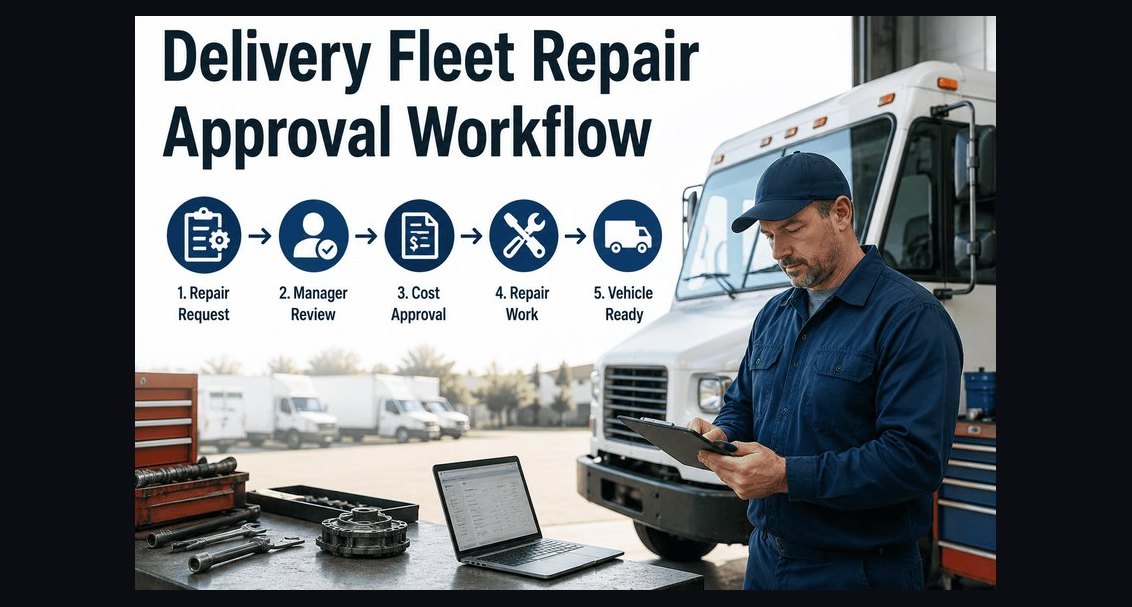 pulse-qShould I Repair or Replace My Delivery Fleet Vehicles as My Landscaping Business Scales in 2027?
 pulse-qHow Many Salespeople Should I Schedule on My Auto Dealership Floor Each Day?
 pulse-qTop 10 Closing Coaching Techniques for Mid-Market Reps in 2027
 pulse-qShould I open or buy a Bob Evans franchise in 2027?
 pulse-qHow Many Employees Should I Schedule Each Shift at My Phone Repair Shop?
 pulse-qShould I open or buy a Cookies Crumbl alternative — Insomnia Cookies — franchise in 2027?
 pulse-qHow Do I Get My Reps to Follow the Sales Process?
 pulse-qHow Many Employees Should I Schedule Each Shift at My Roller Rink?
 pulse-qShould I Sign a Personal Guarantee on a Commercial Lease?