 Pulse Reviews and Analysis
Should I Hire a Fractional CRO If I Am Pivoting to Usage-Based Pricing?

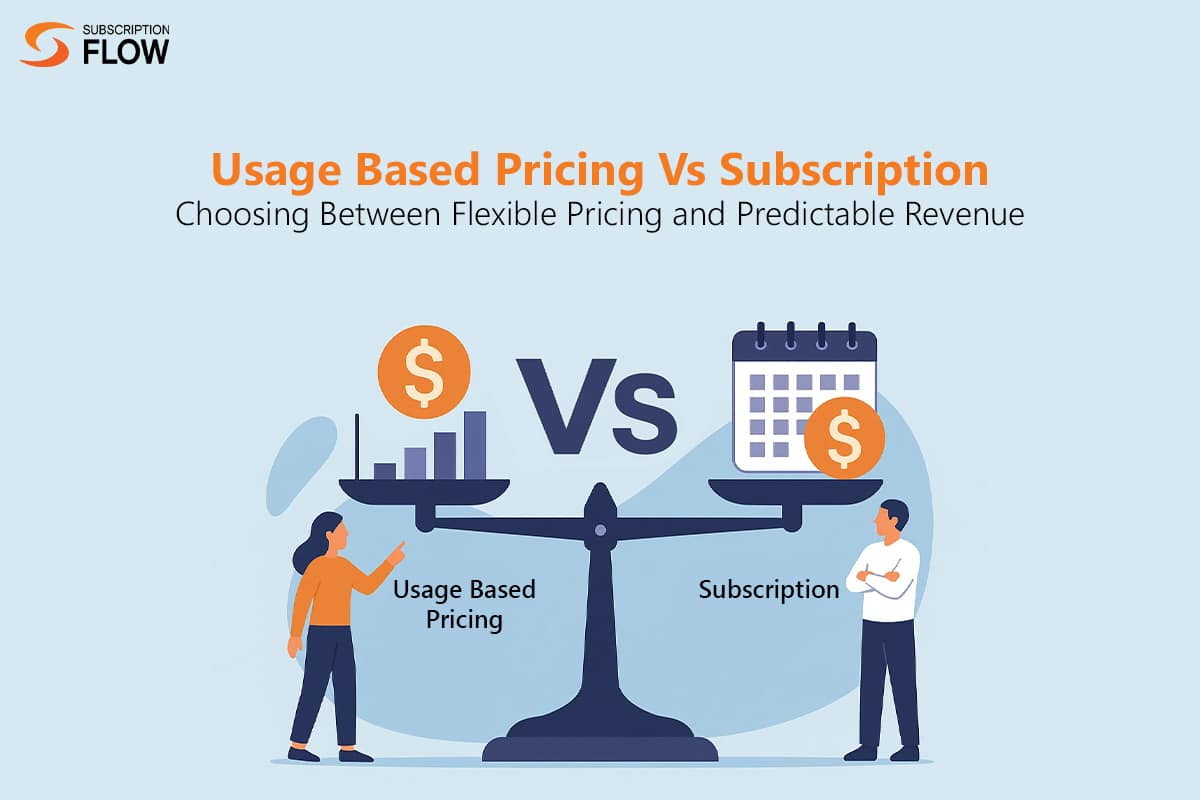
"So You Want to Pivot to Usage-Based Pricing? Let Me Save You Some Pain."
I've been doing this revenue thing for 25 years. I've scaled revenue past $3 billion, led teams of more than 200 people, and served as an executive at Cellular Sales—one of the largest Verizon authorized retailers in the country. You'd think after all that, I'd have seen every pricing pivot coming. Nope.
Here's what happened when a founder asked me: "Should I hire a fractional CRO if I'm pivoting to usage-based pricing?" I laughed. Then I told him the truth that cost me $300,000 once.
The Day My Forecast Turned Into Weather
Picture this: I'm sitting in a boardroom, staring at a forecast that suddenly looked like a weather report. One month we're up 40%, next month flat. The board is asking questions I can't answer. My reps are confused about how they get paid. My customer success team is asking if they're supposed to sell or just... Keep people happy?
That's when I learned: usage-based pricing is not just a billing change. It shifts revenue from contracted and predictable to consumption-driven and variable. It breaks the comp plans, forecasts, and quota models that worked under seat-based or flat-subscription pricing. Everything you thought you knew about revenue? Toss it.
Why Your Existing Revenue Systems Will Fail
The pivot looks like a pricing decision but lands as an operating-model decision. Here's what it disrupts, and I learned every single one of these the hard way:
- The forecast model stops working. Seat-based and flat-subscription revenue is contracted and predictable. Usage revenue is variable and lags consumption. Your old forecast math produces numbers nobody trusts. You need consumption-based forecasting, leading indicators of usage, and cohort analysis you probably don't have yet. I didn't. It hurt.
- The comp plan misfires. Reps paid on contract value have no incentive to drive the ongoing consumption that now produces revenue. Until comp rewards adoption, expansion, and consumption growth, your sellers will optimize for the signature and ignore the usage that actually pays. Ask me how I know.
- The sales motion shifts to land-and-expand. Usage models reward landing a customer and growing consumption over time. The post-sale motion now matters as much as the close. If nobody owns driving adoption, your usage curve flattens—and so does revenue.
- Customer success becomes a revenue function. Under usage pricing, CS is not just retention—it's the engine of expansion. Adoption directly drives the bill. That requires a different CS charter, different metrics, and tighter alignment with sales than most companies have. I had to rebuild mine from scratch.
The Clearest Signal You Need Help
The moment your forecast feels like a guess and your reps aren't sure how they get paid—that's the signal. When revenue depends on what customers consume rather than what they signed, the seller's job changes from closing a contract to driving adoption and expansion. And the comp plan has to follow, or the whole motion stalls.
A fractional CRO who has navigated consumption models can redesign those systems and retrain the team without you committing a full-time executive's salary to a pricing experiment that's still proving itself.
What a Fractional CRO Actually Does (Because Advice Won't Cut It)
A fractional CRO owns the rebuild of the revenue operating model around consumption. Not advice on it. Ownership.
Diagnose the systems the pivot breaks. We audit your forecasting approach, comp plan, sales motion, and CS charter against the new usage model. We identify exactly which systems will fail under consumption revenue. This map of the gaps is the first deliverable.
Rebuild forecasting for consumption. We install a usage-based forecast: leading indicators of consumption, cohort and expansion analysis, and a model your board can actually underwrite even though revenue now flexes month to month.
Redesign comp for adoption and expansion. We rebuild the comp plan so reps earn their best money landing accounts and driving consumption growth. This is the change that aligns seller behavior with how the company now makes money.
Reorient sales and customer success. We define the land-and-expand motion and recharter customer success as a revenue driver responsible for adoption. The usage curve climbs by design, not by luck.
Fractional CRO vs Full-Time CRO vs Pricing Consultant
I've been all three. Here's the honest breakdown:
- Pricing consultant sets the model and the price points but typically walks away before the revenue systems are rebuilt around them. They answer *what* to charge, not *how* to sell, comp, forecast, and retain under the new model.
- Full-time CRO is hard to justify mid-pivot. You're committing $300,000 to $500,000 all-in and equity to a pricing model that's still proving itself. That fixed cost is best deferred until the new model is validated. I've seen companies burn that cash and regret it.
- Fractional CRO is the right fit: a senior operator who takes the new pricing model and rebuilds the comp, forecast, sales motion, and CS charter around it. We prove the engine works before you commit to a permanent hire. We turn a pricing decision into a functioning revenue system.
What the First 90 Days Look Like (Spoiler: It's Not Pretty, But It Works)
The engagement is built around de-risking the pivot.
First 30 days: Diagnosis. How the new pricing model interacts with your current forecast, comp, sales motion, and CS. Where each will break. No sugarcoating.
By day 60: The rebuilt systems take shape. A consumption-based forecast with leading indicators. A comp plan that rewards adoption and expansion. A defined land-and-expand motion. A customer success charter aimed at usage growth.
By day 90: The new model is running. Usage and expansion metrics are being tracked and reported. Your team is trained to operate it. Then the engagement settles into a retainer that keeps the consumption model honest until the metrics prove it's working.
The Numbers That Matter
Fractional CRO retainers run roughly $5,000 to $15,000 a month depending on scope. Compare that to $25,000-plus a month all-in plus equity for a full-time CRO.
During a pricing pivot that gap is especially valuable. You avoid committing a permanent salary to a model you're still validating while putting budget toward the operator who makes the model work.
Given that a mishandled pricing pivot can stall revenue, confuse your sellers, and shake board confidence? A senior fractional operator steering the transition is one of the highest-return decisions you can make.
The Bottom Line
A pricing pivot is fundamentally a revenue-systems problem. I've run consumption-heavy revenue models where what the customer uses drives the paycheck. I understand how to build comp that rewards adoption and expansion rather than just the signature. I've forecasted revenue that flexes month to month.
For a founder staring at a forecast that suddenly behaves like weather? An operator who has scaled revenue past $3 billion and managed variable-revenue teams is exactly the steady hand worth borrowing through the transition.
That founder I mentioned earlier? He hired me. Six months later, his board stopped asking questions about the forecast. His reps were actually selling the way the model needed. And he didn't have to commit $300,000 to a full-time salary for a model that was still proving itself.
Sometimes the smartest hire is the one you don't have to keep forever.
*I'm Kory White. I've spent 25 years building and scaling revenue organizations—work that includes scaling revenue past $3 billion, leading teams of more than 200 people, and serving as an executive at Cellular Sales. I'm the operator behind PULSE RevOps and the free revenue tools on this site, and I take on fractional CRO engagements through CRO Syndicate, a network of senior revenue practitioners who have actually built the numbers they advise on.*
*If your forecast suddenly feels like weather, let's talk.*
*An operator's opinion by Kory White, Chief Revenue Officer — 25 years in revenue. More at PULSE · CRO Syndicate*