

What specific 2027 signal proves a buying committee has moved from exploration to active vendor comparison?
 Curated byKory White · Fractional CRO · Maryland
Quality
Certified

The definitive 2027 signal is a committee-level intent coincidence: three or more distinct roles from one account viewing feature-specific pages (pricing, API docs, security) within 48 hours, paired with a specific technical request — a security review or proof-of-concept naming exact requirements. Generic content browsing is exploration; concurrent role-tailored evaluation is active comparison.
A deal that looked hot but wasn't, versus one that actually was
Picture two accounts a RevOps team watched in early 2027. Account A generated forty page views in a week — all from one anonymous session, all blog posts and a single ebook download. The old scoring model lit it up green. It went nowhere, because it was one curious analyst (or an AI research agent) grazing top-of-funnel content. That is textbook exploration: broad, shallow, single-actor, and spread across weeks.
Account B looked quieter on the surface — eleven page views total — but the pattern was surgical. On a Tuesday morning a director opened the pricing page twice. That afternoon a VP of Engineering read the API documentation and downloaded the SOC 2 summary. Wednesday, someone from procurement pulled the contract-terms page and a finance lead opened the ROI calculator. Thursday a form arrived: "We need SSO via Okta, EU data residency, and support for roughly 5 TB/month ingest — can we scope a PoC?"

That is the shift. The difference between the two accounts is not volume, it is structure: multiple named roles, feature-specific pages, a compressed time window, and a concrete technical ask. A buying committee that has moved from exploration to active vendor comparison stops behaving like one person reading and starts behaving like a team dividing evaluation labor. Each stakeholder inspects the dimension they own — economics, security, integration, legal — and they do it in parallel because a shortlist meeting has already happened internally. The specific 2027 signal is that division of labor becoming visible in your telemetry inside a two-day window, not any single heroic click.
How the mechanism actually works
The reason this is detectable in 2027 and was not in 2022 is account-level identity resolution. Individual lead scoring drowned once generative AI agents began doing 70–80% of pre-vendor research (Gartner's ongoing B2B buying findings point at this trajectory). A single demo request or datasheet download is now noise. What platforms like 6sense and Demandbase do instead is stitch anonymous sessions to a known account via reverse-IP and firmographic matching, then infer the *role* behind each session from the pages consumed and, where available, deterministic identity from form fills or de-anonymized visitors.
The engine watches for a specific compound condition rather than a threshold. It asks: is this traffic tied to one company? Are three or more distinct role-signatures active? Are the pages they touch evaluation pages — pricing, comparison, API docs, security posture — rather than discovery pages? Did it happen inside a tight window? Only when those conditions co-occur does it fire a "moved to comparison" alert. That compound gate is what suppresses the false positives that killed single-signal scoring.
The final gate — the specific technical request — is what converts a strong probability into a near-certainty. Anonymous browsing tells you a committee is *looking*; a form that names Okta, a data-residency region, a SOC 2 Type II report dated within six months, or a latency target tells you they have already built an evaluation rubric and are scoring you against it. Bots and casual researchers do not fill custom technical fields. A named, parameterized ask is the fingerprint of a real committee mid-comparison.

Real numbers, ranges, and benchmarks
Concrete figures anchor why this signal matters and how to tune the thresholds. The modern enterprise buying committee runs 8–12 stakeholders, up from roughly 6–10 a few years earlier (Forrester's committee-growth research). Enterprise cycles have stretched to 12–18 months, which means the exploration phase is long and mostly invisible; the comparison window, by contrast, is short and intense. Getting the threshold right is the whole game.
Practical thresholds RevOps teams are using in 2027:
- Role count. Enterprise: require 3+ distinct roles before firing. SMB (roughly 50–200 employees): a single decision-maker hitting pricing twice in one day is often enough, because SMB committees are one or two people. Applying the enterprise 3-role gate to SMB guarantees you miss real deals.
- Time window. 48 hours is the primary window; extend to 72 before discarding. Beyond that, concurrent visits decay into ordinary exploration spread over weeks.
- Security-review timing. Vendors in the trust-automation space (Vanta, Drata) observe that a large share of security questionnaires arrive within about 48 hours of a committee member viewing a competitor's pricing — making the questionnaire a time-sensitive, not leisurely, indicator.
- Deal economics. With enterprise deal sizes commonly $50,000–$500,000, procurement and finance now pre-screen vendors in tools like Zip or Coupa before formal engagement, which is why a procurement visitor is such a high-value flag — that role rarely appears during exploration.
- Named competition. By the comparison stage, a strong majority of buyers will readily name 2–3 competitors when asked (consistent with Gong Labs conversation data). Silence on competition usually means you are still in exploration.

Set your alerting so that the *combination* — role count for the segment, window, page type, and a specific ask — must clear together. A single dimension crossing its line should raise attention, never trigger a full sales mobilization. The cost of a false "comparison" alert is real: it pulls a solutions engineer and an account exec into scoping a PoC for an account that is still browsing.
Trade-offs, alternatives, and how to qualify the signal
No detection method is free, and RevOps has to choose consciously between them. Pure intent-data detection (6sense, Demandbase) is early and account-level but probabilistic — it infers roles rather than confirming them, so it can flag a committee that is really one power-user with many tabs. Conversation-intelligence detection (Gong, Clari) is far more precise because it reads actual comparison language in calls and emails — "we're comparing you to X," "we need to decide by Q2" — but it only works *after* a rep is already talking to the account, so it fires later in the cycle. The security-questionnaire signal is the most reliable of all but is the latest and rarest. You want all three layered, not one chosen.
Once the alert fires, qualify it with MEDDPICC before committing engineering hours:

- Metrics — pin the target outcome ("a 20% churn reduction? faster deal velocity?").
- Economic Buyer — did a VP/C-level actually touch pricing or ROI pages? If only a mid-level champion is active, budget authority is unconfirmed and the comparison may be premature.
- Decision Criteria — ask for their evaluation matrix; formal scorecards are now common at enterprise scale.
- Decision Process — who signs, and is there a procurement gate?
- Paper Process — security review, legal redlines, DPA.
- Implication — quantify cost of inaction per quarter.
- Competition — ask directly who else is in the set.
- Champion — verify internal credibility ("have you presented this to your VP?").
The alternative to qualifying — treating the signal as a green light and skipping MEDDPICC — is the classic failure mode: you build a custom PoC for a champion who has no budget and no path to the economic buyer, then watch the deal evaporate at procurement.
Common pitfalls and how to avoid them
The first pitfall is mistaking volume for structure. A high page-view count from one session is exploration, not comparison. Always segment by inferred role and page type before you react; forty views from one actor is weaker than eleven views from four coordinated roles.
The second is applying one threshold across segments. The 3-role enterprise gate silently buries SMB deals where a single owner is the entire committee. Maintain separate threshold profiles by account size and let the alerting engine pick the right one from firmographics.

The third is bot contamination. AI research agents mimic human browsing well enough to inflate intent scores. The antidote is to weight *deterministic, specific* actions — a form submission naming concrete technical requirements — far above anonymous page views. Bots do not request a SOC 2 report dated within six months. Bot-filtering in your revenue platform should quarantine automated traffic before it ever contributes to a comparison score.
The fourth is acting on a partial signal. Intent without a named economic buyer, or a security questionnaire with no other committee activity, is suggestive but not conclusive. Prime the account — tighten your positioning, seed proof points — but do not mobilize a full evaluation team until the compound condition clears.
The fifth is over-touching the comparison loop. Once a committee is comparing, they cycle through demos and internal debate for weeks. Flooding them with daily outreach reads as desperation. Track engagement (open/reply decay) and drop to a low-touch, monthly proof-point cadence if they go quiet, so you stay top-of-mind without becoming noise. The specific goal for RevOps is to shorten their loop with differentiated evidence — a PoC on their own data, win/loss records, third-party analyst validation — not to out-email the competition.
Related questions
Does a single demo request still count as a comparison signal in 2027?
No. Automated research agents and AI aggregation flooded single-action signals with noise. A lone demo request is now exploration-grade. Comparison requires concurrent, role-specific evaluation-page activity plus a specific technical ask within a tight window.
How is the signal different for SMB versus enterprise?
For SMB, one decision-maker hitting pricing twice in a day can be genuine comparison because the committee is one person. Enterprise needs 3+ distinct roles active concurrently. Using enterprise thresholds on SMB accounts hides real deals.
What's the single strongest individual indicator inside the pattern?
A specific, parameterized technical request — a security questionnaire or PoC naming exact requirements (Okta SSO, EU data residency, a dated SOC 2, a latency target). Only a technically authoritative committee member asks these, and only when actively comparing.
Can I detect the shift before a sales rep is even engaged?
Yes — that is intent data's advantage. Account-level platforms flag committee coincidence from anonymous traffic before any conversation. Conversation intelligence adds precision later, once a rep is talking, by reading comparison language directly.
FAQ
How do I identify the real decision-maker in a 10+ stakeholder committee? The economic buyer is typically the VP or C-level who touches pricing and ROI pages. Persona-mapping tools surface the highest-ranking visitor. If no senior leader appears, your champion likely lacks budget authority — enable them to present upward rather than assuming the deal is qualified.
Can AI bots fake this comparison signal? They can inflate anonymous page views, but they rarely complete custom form fields with specific technical requirements. Weight deterministic, parameterized actions above raw browsing and run bot-filtering on your traffic. A named ask for a dated SOC 2 report is a human committee fingerprint.
How do I tell exploration from comparison when both hit the same pages? Look at role concurrency, page type, and window. Exploration is one actor on generic pages spread over weeks. Comparison is multiple distinct roles on evaluation-specific pages (pricing, API, security) inside 48 hours, typically capped by a concrete request.
What if they request a PoC but skip the security review? Most enterprises require a security review before committing to a PoC. If a committee skips it, they may still be in early exploration or the champion is running ahead of the process. Ask for the review first; resistance suggests it is not yet a serious comparison.
How do I stay engaged during the comparison loop without annoying the buyer? Monitor engagement signals. If opens and replies decay, switch to a low-touch monthly cadence of case studies and proof points. The objective is durable top-of-mind presence, not saturation. Push differentiated evidence, not more frequent emails.
Does budget-authority engagement really signal comparison? Yes. A procurement or finance contact viewing pricing, ROI, or contract-terms pages — especially within 72 hours of a technical lead reading your API docs — almost never happens during exploration. Budget roles engage only once a vendor is being actively weighed against alternatives.
Sources
- Gartner: The B2B Buying Journey
- Forrester: B2B Buying Research and Buying Groups
- Gong Labs: Revenue Intelligence Research
- 6sense: Buying Team / Account Intent
- Demandbase: Account-Based GTM Platform
- Clari: Revenue Platform
- Vanta: Trust and Security Automation
- Drata: Security and Compliance Automation
- MEDDPICC: Winning by Design Resources
Related on PULSE
- How do 2027 buying committees use AI comparison tools before engaging vendors?
- How do you coach a rep to handle a competitor comparison objection?
- Which CROs have moved roles in the last 90 days that signal something?
- Top 10 questions to enhance a rep's active listening during calls
- How do you coach active listening to a sales rep?
This page will be disappearing soon. Save it to your device for $1 — or read it free while it is here.
@Kory-White- · if Venmo asks, the last 4 of my number are 2012
This page is gone.
This one is off the shelf now. $1 keeps it on your phone for good — the whole page, pictures and diagrams included.
 revopsWhy are sales cycles extending for companies without AI adoption playbooks in 2027?
 revopsWhat AI-driven signals predict buying committee readiness in longer cycles in 2027?
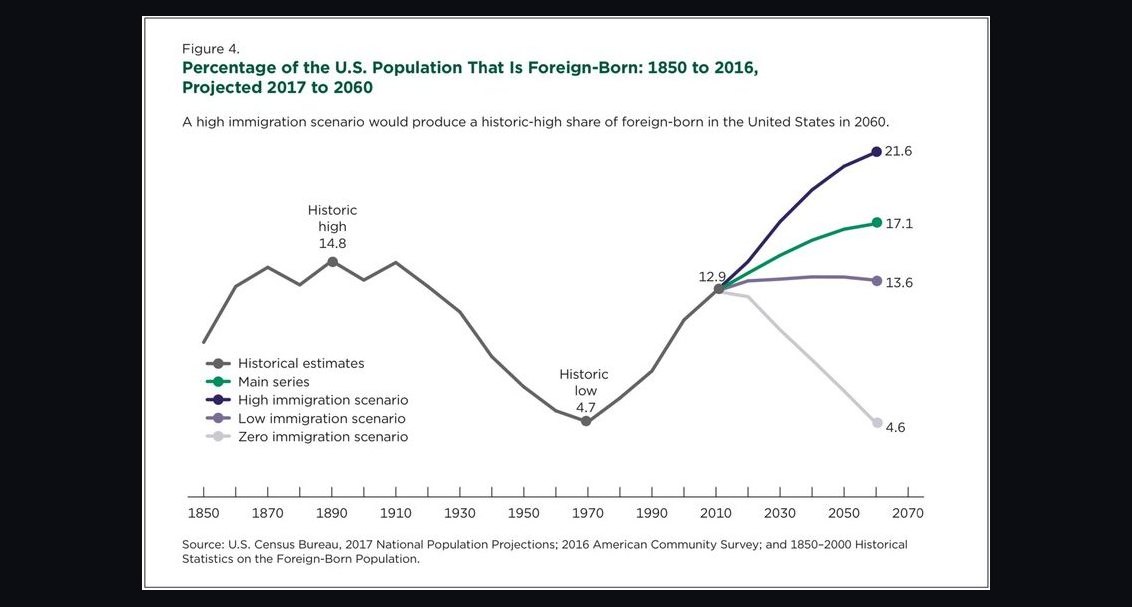 revopsWhat percentage of B2B deals now require a dedicated AI risk officer on the buying committee in 2027?
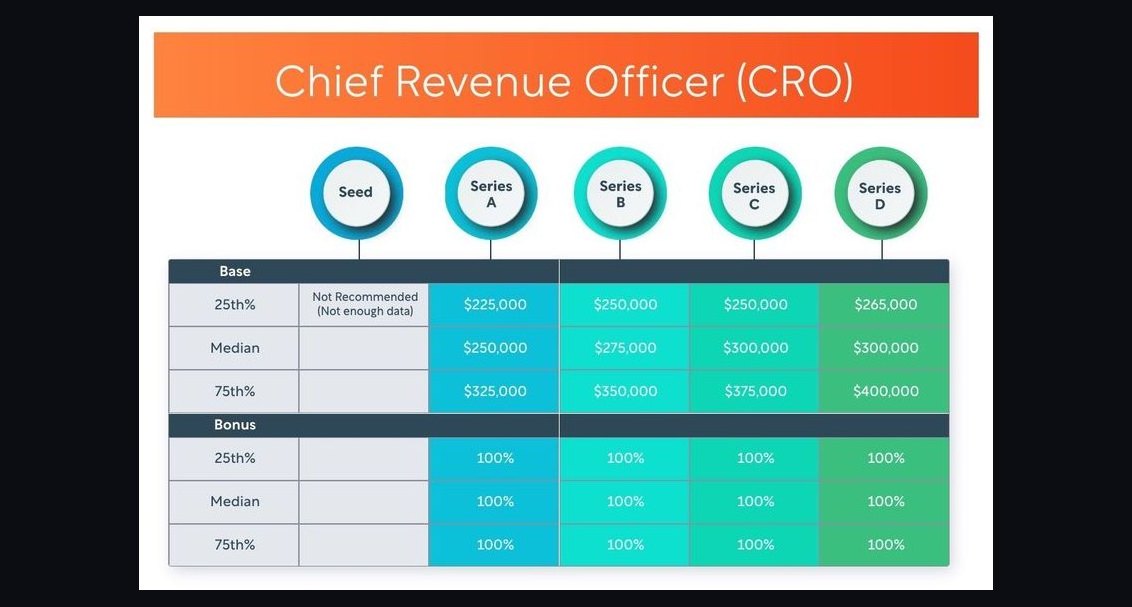 revopsCRO compensation — fractional, full-time, equity in 2027
 revopsWhy are buying committees in 2027 adding a separate AI audit step to procurement processes?
 revopsWhy do 2027 buying committees now demand ROI simulations before demos?
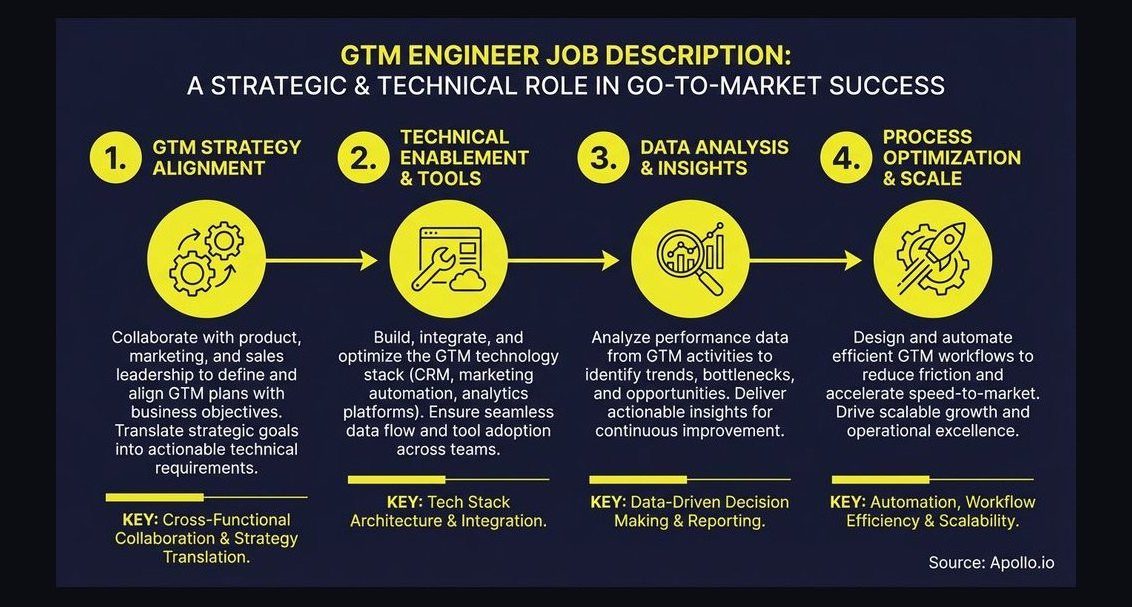 revopsWhat is a GTM engineer and why is the role exploding in 2027?
 revopsHow do you rebuild a sales team's trust in the forecast after a mid-year quota reset in 2027?
 revopsWhich vendor consolidation strategies are causing the most friction in B2B sales handoffs in 2027?
 revopsHow can RevOps use AI to map influence dynamics inside buying committees in 2027?