 Pulse Reviews and Analysis
What data points should RevOps track in 2027 to identify when a buying committee is stuck in analysis paralysis?
 Curated by Kory White · Fractional CRO, CRO Syndicate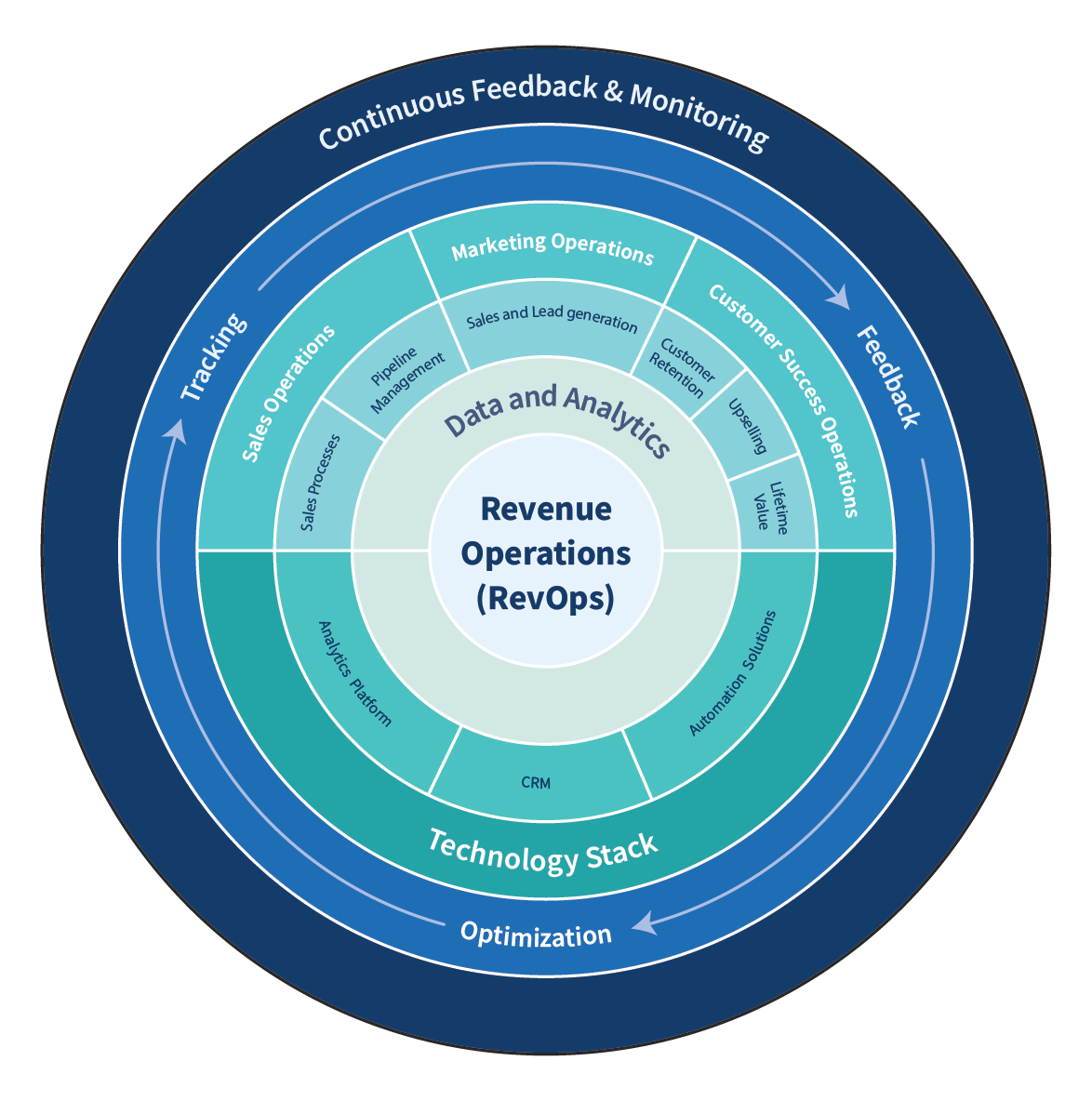
Direct Answer
By 2027, RevOps teams must track a specific set of behavioral, tool-based, and interaction data points to diagnose analysis paralysis in buying committees. The core signal is a stalled progression in your CRM (e.g., Salesforce) combined with a spike in internal content consumption (from tools like Gong or Consensus) without any corresponding stakeholder meeting requests.
The key is to move beyond simple stage-velocity metrics and monitor committee member engagement entropy—the variance in activity across individuals—and AI-generated sentiment scores from call recordings that flag phrases like "we need to see more options" or "let's wait for the board." If your MEDDPICC fields (specifically the "Decision Criteria" and "Champion" sections) remain unchanged for more than two weeks while document access logs show the committee is re-downloading the same ROI calculator, you have a classic analysis paralysis pattern.
The 2027 Buying Committee Reality
The modern buying committee is larger, more distributed, and more risk-averse than ever. Gartner data from 2026 indicated that the average B2B purchase involves 11 to 16 stakeholders, each armed with AI agents that summarize vendor content and generate comparison matrices.
This abundance of information paradoxically creates more friction. Vendor consolidation has also forced buyers to evaluate platforms that bundle multiple capabilities (e.g., a single CRM + revenue intelligence + CPQ tool), making the "compare apples to apples" step nearly impossible.
The result is a 30–40% longer sales cycle in enterprise deals compared to 2022, with the most common stall reason being "the committee is still evaluating alternatives."
Key Data Points to Track
1. Content Consumption Velocity & Recursion
The most telling sign of analysis paralysis is not a lack of content consumption, but recursive consumption—the same person or group downloading the same PDF, watching the same demo video, or re-reading the same case study multiple times over a short period. In 2027, tools like HubSpot or Salesloft can track document opens and video completions at the individual stakeholder level.
A metric called "Content Recursion Rate" (CRR) is useful: if a single document is opened by 3+ committee members more than twice in a 7-day window, the buying committee is likely stuck.
- Tool Example: Outreach allows you to set alerts when a prospect re-opens an old email attachment or clicks a link they already visited.
- Data Point: Track the ratio of unique content views to total content views per deal. A ratio below 0.4 (meaning 40% or fewer views are from new content) is a red flag.
2. Meeting Request Latency & Internal Meeting Signals
When a committee is stuck, they stop requesting external vendor meetings but often increase internal meetings among themselves. In 2027, AI-powered scheduling tools like Clari can detect patterns from calendar data (if integrated) or from email signatures. If you see a spike in internal meeting requests (e.g., "Team sync on vendor X") without a corresponding request for a follow-up demo, that is a direct signal of internal debate.
- Data Point: Time between last vendor meeting and next internal meeting request (target: < 5 days). If it exceeds 10 days, paralysis is likely.
- Tool Example: Gong can transcribe calls and flag phrases like "we need to discuss this internally" or "let's get back to you next week." If those phrases appear in >30% of calls in a deal, the committee is stuck.
3. Stakeholder Engagement Entropy
Not all committee members are equal. In 2027, RevOps should track the variance in engagement across all known stakeholders. A healthy deal has a champion and 2–3 other engaged members.
Analysis paralysis shows as a flat or declining engagement from the champion, while other members (often the "blocker" or "skeptic") suddenly become more active—usually by asking for more data or scheduling a "vendor comparison" meeting.
- Data Point: Engagement Standard Deviation across committee members. If the champion's activity drops by >40% while a previously quiet stakeholder's activity spikes by >200%, the decision process is fragmenting.
- Framework: MEDDPICC can be used here: update the "Champion" and "Paper Process" fields weekly. If the champion's influence score (a custom field) drops, and the "Decision Criteria" field gains new, conflicting entries, you have a problem.
4. AI-Generated Sentiment & Objection Heatmaps
By 2027, most revenue intelligence tools (e.g., Gong, Chorus, Jiminny) use LLMs to generate sentiment scores per call and per deal. The specific data point to watch is the "Uncertainty Score" —an AI-generated metric that measures the frequency of hedging language (e.g., "maybe," "potentially," "I'm not sure," "we need to check with...").
A deal with an Uncertainty Score above 7/10 for two consecutive weeks is stuck.
- Data Point: Objection Heatmap—the AI clusters objections into categories. If the top objection shifts from "price" to "we need to see more proof" or "we're still evaluating other vendors," that is a paralysis signal.
- Real Number: Gong Labs research (2025) found that deals with >5 unique objections in a single call had a 62% lower close rate. By 2027, this threshold should be tracked per committee member.
5. CRM Field Stagnation & Activity Log Gaps
The simplest data point is CRM field stagnation. In Salesforce, if key fields like "Next Step," "Close Date," "Decision Criteria," or "Competitors" have not been updated in 14 days, the deal is likely in a holding pattern. But in 2027, you need to go deeper.
Track the last activity date for each known stakeholder. If the last activity for 3+ stakeholders is older than 21 days, the committee is not moving.
- Data Point: Activity Gap—the number of days since the last meaningful interaction (email open, call, meeting) for the *least engaged* committee member. A gap of >30 days for any member is a warning.
- Tool Example: Salesforce reports can be built to show "Deals with 0 activity in 14 days" filtered by deal stage and committee size.

👉 Quick Call with Kory White, Fractional CRO · See Kory on LinkedIn · CRO Syndicate
Decision Tree for Identifying Analysis Paralysis
The Analysis Paralysis Loop
How to Operationalize These Data Points
Build a "Paralysis Score" in Your CRM
In 2027, RevOps should create a custom formula field in Salesforce or HubSpot that combines the key data points into a single score. For example:
- Weight 30%: Content Recursion Rate (CRR)
- Weight 25%: Stakeholder Engagement Entropy
- Weight 25%: AI Uncertainty Score
- Weight 20%: CRM Field Stagnation (days since last update)
A score above 70/100 triggers an alert to the sales leader and the RevOps team. This is not a replacement for human judgment, but a triage mechanism to prioritize deals that need intervention.
Use AI to Predict Paralysis Before It Happens
Tools like Clari and Gong now offer predictive models that can flag deals with a high probability of stalling. By 2027, these models are trained on thousands of deal attributes, including the ones listed above. RevOps should set up automated workflows that, when a deal hits a "paralysis score" >70, automatically:
- Send a notification to the sales rep with a suggested next step (e.g., "Send a comparison matrix to the committee").
- Schedule a call with the champion to re-assess the decision criteria.
- Update the CRM forecast category to "Commit" or "Best Case" based on the score.
FAQ
What is the single most reliable data point for analysis paralysis? The Content Recursion Rate (CRR) —tracking how often the same document or video is re-accessed by multiple committee members. If the same ROI calculator is opened 5 times in a week by 3 different people, the committee is stuck in a comparison loop.
How do I distinguish analysis paralysis from a genuine lack of interest? Check stakeholder engagement entropy. In paralysis, the champion remains engaged (though less active) while skeptics become more active. In disinterest, all stakeholders go dark simultaneously.
Also, look for internal meeting signals—if they are scheduling internal syncs, they are still evaluating, not ignoring.
Should I track AI sentiment scores for every call? Yes, but focus on the Uncertainty Score and Objection Heatmap. A deal with a high Uncertainty Score (>7/10) that persists for more than two weeks is a strong signal. However, be aware that AI sentiment models can be skewed by cultural differences in language (e.g., some teams use hedging language naturally).
What if my CRM doesn't have all these fields? Start with the basics: last activity date per stakeholder and content download logs. You can build a manual "paralysis score" using a spreadsheet and update it weekly. Even tracking just the number of days since the last CRM field update (e.g., "Next Step" field) is a good proxy.
How often should I run this analysis? Run a weekly automated report for all deals in "Evaluation" or "Negotiation" stages. For enterprise deals with >10 committee members, run it daily using a tool like Clari or Salesforce Einstein that can update scores in real-time.
Can analysis paralysis be reversed? Yes, but it requires a structured intervention. The most effective tactic is to narrow the decision criteria—send the committee a pre-filled comparison matrix that highlights your strengths against their top 3 criteria. Also, offer to facilitate a "decision workshop" where you help them weigh options.
The goal is to reduce the number of variables they are evaluating.
Sources
- Gartner: The B2B Buying Journey Is More Complex Than Ever
- Gong Labs: The 5 Signals That Predict a B2B Deal Will Stall
- Forrester: The Death of the B2B Sales Funnel
- McKinsey: The New B2B Growth Equation
- SaaStr: How to Diagnose a Stuck Deal
- Bessemer Venture Partners: The 2027 Cloud Economy
- Salesforce: AI-Powered Sales Predictions
- HubSpot: Revenue Operations Metrics That Matter
- Clari: Revenue Intelligence for Modern RevOps
- Outreach: How to Spot Buying Committee Stalls
Bottom Line
Tracking analysis paralysis in 2027 requires moving beyond simple stage-velocity metrics and monitoring content recursion, stakeholder entropy, and AI-generated uncertainty scores across your CRM and revenue intelligence tools. The key is to build a composite "paralysis score" that triggers automated interventions, such as sending a pre-filled comparison matrix or scheduling a decision workshop with the committee.
By operationalizing these data points, RevOps can reduce cycle times by 15–25% and increase win rates on complex deals.
*RevOps data points for identifying buying committee analysis paralysis in 2027*