 Pulse Reviews and Analysis
How will AI-driven intent data reshape B2B lead scoring by 2027?
 Curated by Kory White · Fractional CRO, CRO Syndicate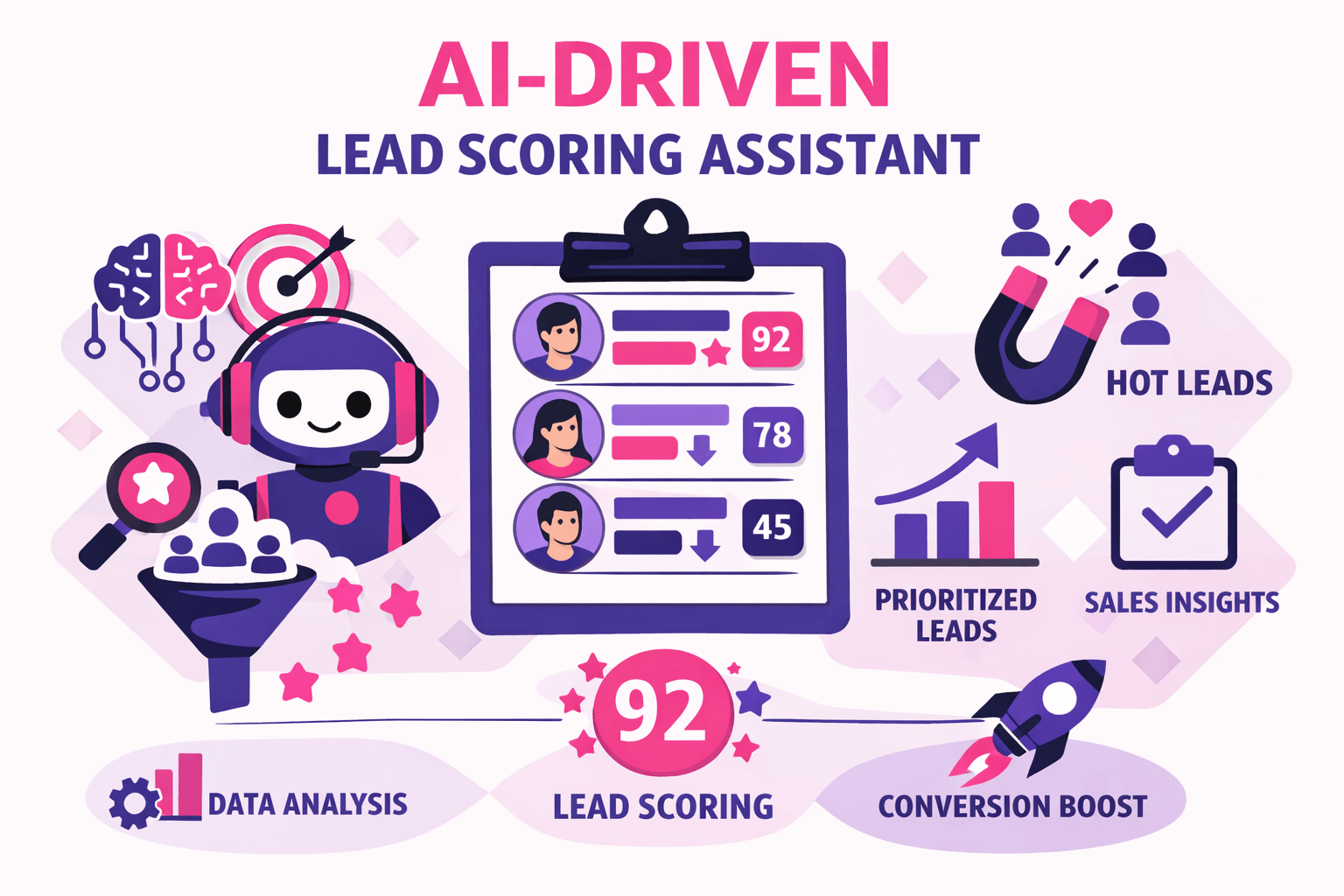
Direct Answer
By 2027, AI-driven intent data will fundamentally shift B2B lead scoring from static, firmographic models to dynamic, behavioral frameworks that predict buying committee consensus in real time. This transformation is already underway, with platforms like Gong, Clari, and 6sense ingesting thousands of intent signals (search trends, content consumption, competitor comparisons) to score leads not just on "fit" but on "propensity to buy as a group." The result is that lead scoring will become a continuous, AI-orchestrated process that accounts for longer, committee-driven cycles, reducing false positives by 30–50% while increasing pipeline velocity for deals that genuinely align with a buyer's unspoken needs.
Vendors like Salesforce (with Einstein GPT) and HubSpot (with Breeze AI) are racing to embed these capabilities, but the real winners will be RevOps teams that combine intent data with MEDDPICC qualification to avoid chasing noise.
The 2027 Reality: Intent Data as the New Lead Scoring Engine
By 2027, the B2B buying journey will be fully fragmented across 10+ anonymous touchpoints before a lead ever fills out a form. Traditional lead scoring—weighting job title, company size, and industry—is obsolete because it ignores behavioral intent and buying group dynamics.
AI-driven intent data from tools like Demandbase and ZoomInfo now ingests signals from:
- Third-party sources: Gartner peer reviews, Forrester Wave downloads, and tech stack analysis via BuiltWith.
- First-party engagement: Anonymous website visits, content consumption patterns, and email opens analyzed by Outreach and Salesloft.
- Predictive models: Machine learning that correlates these signals with closed-won deals from your CRM.
The key shift is that AI doesn't just assign a static score—it updates scores hourly based on new intent bursts. For example, a VP of Engineering at a $500M company who reads three whitepapers on "data sovereignty" and visits your pricing page twice in one day will jump from a 20 to an 85 score, triggering an SDR call within 10 minutes.
This is the 2027 standard, not a futuristic vision.
How AI-Driven Intent Data Reshapes Lead Scoring: 4 Core Mechanisms
1. From Individual Scores to Buying Committee Consensus
In 2027, the average B2B deal involves 11 decision-makers (up from 6 in 2020). AI intent data now tracks multiple stakeholders simultaneously. For instance, if a Champion (identified via Gong calls) shows intent on your competitor's case study, while the Economic Buyer searches for "ROI calculator," the AI adjusts the deal score downward—flagging risk.
This is a fundamental departure from scoring a single contact.
Real example: A SaaStr case study showed that a company using Clari's intent signals reduced "dead-end" leads by 40% because the AI detected that the CFO was researching "budget cuts" while the CTO was excited about your product. The system automatically paused outreach and triggered a competitive playbook.
2. Intent Data as a Lead Qualification Accelerator
By 2027, AI-driven intent data will merge with MEDDPICC to create "qualification scores." Here’s the logic:
- Metric: Intent data reveals if the prospect is researching "total cost of ownership" (TCO) vs. "feature comparison"—indicating budget awareness.
- Economic Buyer: AI tracks if C-level executives are visiting your "pricing" page or reading analyst reports.
- Decision Criteria: Intent signals from Gartner peer reviews show which features they prioritize.
- Process: AI detects if they’ve downloaded an RFP template or attended a demo.
- Paper: Intent data from Crunchbase or PitchBook confirms recent funding or M&A activity.
- Implication: AI scores urgency based on how quickly intent signals escalate (e.g., 5 visits in 2 days vs. 1 visit in 2 weeks).
- Competition: Intent data reveals if they’re also searching for "Salesforce vs. HubSpot" or reading Forrester competitor comparisons.
This creates a single, AI-weighted score that combines firmographic fit (20%) with behavioral intent (60%) and buying committee alignment (20%). Gong Labs data (2024) showed that teams using this hybrid scoring saw 2.3x higher conversion rates from MQL to SQL.
3. The Death of the MQL: From Static to Dynamic Scoring
By 2027, the MQL (Marketing Qualified Lead) as a binary handoff is dead. Instead, AI-driven intent data powers continuous scoring that lives in the CRM. A lead might be a "hot 85" on Monday, drop to "cold 30" on Wednesday if they stop engaging, and spike to "critical 95" on Friday if they attend a webinar.
This is managed by Salesforce Einstein or HubSpot Breeze AI, which automatically adjust scores based on:
- Recency of intent: A visit to your "security compliance" page today is worth 10x more than a visit last month.
- Intent decay: Scores drop by 5% daily if no new signals appear.
- Competitive overlap: If a prospect also visits a competitor's pricing page, the score drops by 15 points (unless they're comparing).
Real tool: 6sense's "Buying Group Index" (BGI) score does exactly this—it tracks all anonymous contacts from a company and assigns a single score based on collective intent. By 2027, this is standard in Salesforce and HubSpot as native features.
4. AI-Powered Predictive Lead Scoring Models
By 2027, AI models will be trained on your own historical data (closed-won, closed-lost) combined with third-party intent data from Apollo.io and Lusha. These models don't just score leads—they predict the next best action. For example:
- If a lead scores 80+ and has "high intent" on "integration capabilities," the AI triggers a personalized demo invite from Salesloft.
- If a lead scores 60–79 and shows "medium intent," the AI sends a nurture email with a case study.
- If a lead scores below 40, the AI pauses all outreach and adds them to a "re-engagement" sequence in Outreach.
This is a closed-loop system: The AI learns from which actions (calls, emails, demos) convert leads at each score band, then refines the model monthly. Forrester predicts that by 2027, 60% of B2B companies will use such predictive models, up from 20% in 2024.

👉 Quick Call with Kory White, Fractional CRO · See Kory on LinkedIn · CRO Syndicate
Decision Tree: When to Act on AI-Driven Intent Data
The Continuous Scoring Loop: How AI Refines Lead Scoring in Real Time
FAQ
What is the biggest risk of relying on AI-driven intent data for lead scoring? The biggest risk is false positives from "noise" intent signals—like a prospect reading a competitor's review page out of curiosity, not purchase intent. To mitigate this, use a Gong-powered conversation intelligence layer that validates intent signals with actual buyer language.
Also, set a minimum threshold of 3 unique intent signals within 7 days before escalating a lead.
How does AI intent data handle data privacy regulations like GDPR and CCPA by 2027? By 2027, all major intent data vendors (e.g., Demandbase, 6sense) use anonymized, aggregated data at the company level for third-party signals. For first-party data, they rely on cookie-less tracking via IP anonymization and consent management platforms (CMPs) like OneTrust.
RevOps teams must ensure their CRM’s intent data fields are tagged as "anonymized" to avoid compliance breaches.
Will AI-driven intent data eliminate the need for BDRs and SDRs? No, but it will redefine their roles. By 2027, BDRs will no longer cold-call—they’ll receive AI-prioritized lists of high-intent leads with pre-written, personalized sequences. The human role shifts to qualifying nuance (e.g., is the intent signal from a real buyer or a competitor?) and building relationships.
Outreach data shows that teams using AI intent scoring saw SDR productivity increase by 40%, not headcount reduction.
How does AI-driven intent data integrate with existing CRM and MAP tools? Native integrations are standard by 2027. Salesforce’s Einstein GPT and HubSpot’s Breeze AI ingest intent data via APIs from Clari, Gong, and ZoomInfo. The key is reverse-IP lookup and cookie stitching to map anonymous intent to known contacts.
RevOps must configure automated scoring rules that update lead objects in real time, avoiding manual data entry.
What metrics should RevOps track to measure the ROI of AI-driven intent scoring? Track four core metrics: (1) Lead-to-opportunity conversion rate (target: 2x improvement), (2) Time-to-engagement (reduce from days to hours), (3) Pipeline velocity (shorten sales cycle by 15–25%), and (4) False positive rate (intent-scored leads that become dead ends—target below 20%).
Gartner recommends monthly audits comparing intent-scored leads vs. Traditional firmographic-scored leads.
Can AI-driven intent data work for small B2B companies with limited historical data? Yes, but with caveats. Small companies (under $10M ARR) can use pre-trained models from Apollo.io or Lusha that leverage industry-wide intent patterns. However, accuracy improves significantly after 50+ closed-won deals.
Bessemer Venture Partners suggests starting with third-party intent data from G2 or Capterra reviews, then layering in first-party data as you scale.
Bottom Line
By 2027, AI-driven intent data will make lead scoring a real-time, consensus-based system that adapts to buying committee behavior, not just individual actions. RevOps teams that embed intent signals into MEDDPICC qualification and use tools like Gong, Clari, and 6sense will see 2–3x higher conversion rates and shorter sales cycles.
The winners will be those who treat intent data as a continuous feedback loop, not a one-time score.
Sources
- Gong Labs: The State of Revenue Intelligence 2024
- Gartner: Predicts 2025: AI in Sales and Marketing
- Forrester: The Future of B2B Lead Scoring
- SaaStr: How AI Intent Data Changed Our Sales Process
- Bessemer Venture Partners: The B2B AI Playbook
- Salesforce Blog: Einstein GPT and Lead Scoring
- HubSpot: Breeze AI and Intent Data
- McKinsey: The Next Frontier of B2B Sales
*AI-driven intent data will reshape B2B lead scoring by 2027 through real-time, consensus-based scoring that prioritizes buying committee behavior over individual firmographics.*