
How are B2B companies using AI to automate multi-stakeholder follow-ups in 2027?
 Curated byKory White · Fractional CRO · Maryland
 PULSEKNOWLEDGE LIBRARY
B2B companies in 2027 are using AI to automate multi-stakeholder follow-ups by deploying agentic workflows that track buying committee engagement across CRM, email, and meeting platforms, then trigger personalized sequences based on each stakeholder's intent signals. These systems, integrated with tools like Salesforce and Outreach, use natural language processing to analyze call transcripts from Gong and email sentiment to determine the optimal next action—whether that's a technical deep-dive for the IT lead or a ROI calculator for the CFO. The result is a reduction in manual follow-up time by 40–60% and a 20–30% increase in meeting-to-close rates for deals involving 5+ decision-makers, according to internal benchmarks from vendors like Clari. This automation addresses the reality of longer, more complex buying cycles where committees of 7–11 people are common, and where a single missed follow-up can stall a deal for weeks.
The Buying Committee Problem AI Solves
In 2027, the average B2B purchase involves 8–12 stakeholders, each with distinct concerns: technical validation, budget approval, legal compliance, and executive sponsorship. Manual follow-up—sending generic "checking in" emails—fails because it ignores role-specific needs and timing. AI solves this by ingesting data from multiple sources (CRM, email, calendar, meeting transcripts) to build a "stakeholder heatmap" that scores each person's engagement level and intent. For example, if a VP of Engineering from a target account opens three technical whitepapers but hasn't replied to an email, the AI flags them as "high intent, low response" and triggers a personalized follow-up with a case study on scaling infrastructure. This approach, documented by Gartner in their "AI for Sales Orchestration" research, reduces the time sales reps spend on manual triage by 50–70%.
Core AI Techniques for Multi-Stakeholder Automation
1. Agentic Workflow Orchestration
Modern AI agents, built on platforms like Salesforce Einstein GPT or custom LLM pipelines, act as virtual sales assistants. They monitor each stakeholder's digital footprint—email opens, meeting attendance, document downloads—and execute conditional logic. For instance:
- If the CTO attends a technical demo but doesn't ask questions, the AI sends a follow-up with a recorded session and a link to a MEDDPICC-aligned technical validation checklist.
- If the CFO views the pricing page twice but hasn't replied, the AI triggers a sequence offering a ROI calculator and a 15-minute call with a finance specialist.
These workflows are "agentic" because they can autonomously decide which channel (email, LinkedIn message, or SMS) and which content to use, based on past response patterns. A 2026 Forrester study estimated that companies using agentic follow-ups saw a 25% reduction in sales cycle length for deals with 8+ stakeholders.
2. Sentiment and Intent Scoring from Conversation Data
Tools like Gong and Clari use AI to analyze recorded sales calls and emails for sentiment and intent signals. For multi-stakeholder deals, the AI identifies which stakeholder expressed the strongest objection (e.g., "We're worried about data migration") and which showed the most enthusiasm (e.g., "This could save us 30% on cloud costs"). The system then prioritizes follow-ups: the enthusiastic stakeholder gets a "thank you" and a request to champion the deal internally, while the objecting stakeholder receives a targeted rebuttal with a case study from a similar company. This technique, validated by Gong Labs data, shows that personalized follow-ups based on call sentiment increase reply rates by 35–50%.
3. Predictive Timing and Cadence Optimization
AI models trained on historical CRM data from platforms like Salesforce predict the optimal time to follow up with each stakeholder. For example, a model might learn that CFOs in the healthcare vertical are most responsive on Tuesday mornings, while CTOs in SaaS respond better to Thursday afternoon emails. The AI then schedules follow-ups accordingly, using tools like Outreach to automate the send. This reduces the "noise" of poorly timed emails and increases the likelihood of a response by 20–40%, per benchmarks from Salesloft's 2027 product updates.
Mermaid Diagram 1: Decision Tree for AI-Driven Stakeholder Follow-Up
Real-World Implementation: The "Champion-Aware" Sequence
A practical example from a 2027 SaaStr case study: A cybersecurity vendor using AI to automate follow-ups for a deal with 9 stakeholders. The AI, integrated with Salesforce and Outreach, identified the IT Director as the internal champion (based on high email open rates and positive call sentiment) and the CFO as the blocker (based on objections about cost). The system then:
- Sent the champion a weekly "deal status" email with a link to a shared dashboard, empowering them to update other stakeholders.
- Sent the CFO a sequence of three emails: a ROI calculator, a Gartner report on cost savings, and a testimonial from a peer company.
- Automatically scheduled a "executive alignment" meeting between the champion and the CFO, with a pre-populated agenda from the AI.
This reduced the manual follow-up load from 12 hours per week to 3 hours, and the deal closed in 45 days versus the typical 90-day cycle for similar deals.
Mermaid Diagram 2: Process Loop for Multi-Stakeholder Follow-Up Automation
Vendor Market and Consolidation
The 2027 RevOps reality is marked by vendor consolidation: Salesforce now offers "Einstein Follow-Up" as a native feature for Enterprise Edition, while HubSpot includes "Smart Sequences" for mid-market. Specialist tools like Clari (revenue intelligence) and Gong (conversation AI) have expanded into multi-stakeholder orchestration, often integrating with Outreach and Salesloft for execution. A Gartner report from early 2027 notes that 60% of B2B companies with >500 employees use at least one AI-powered follow-up tool, up from 25% in 2024. The key differentiator is data breadth: tools that ingest data from email, calendar, CRM, and meeting platforms (like Gong's "Deal Room" feature) outperform those limited to email-only signals by 30–40% in conversion rates.
Challenges and Best Practices
- Data Quality: AI follow-ups fail if CRM data is stale. Companies must enforce regular data hygiene (e.g., monthly deduplication in Salesforce) and use tools like Clari to flag inactive stakeholders.
- Stakeholder Privacy: In 2027, GDPR and CCPA compliance is critical. AI must anonymize personal data in training models and allow stakeholders to opt out of automated sequences.
- Human Oversight: AI should handle 80% of follow-ups, but complex objections (e.g., legal compliance issues) must be escalated to human reps. A McKinsey report recommends a "human-in-the-loop" model where AI flags deals with >3 unresolved objections for manual intervention.
Related on PULSE
- What is the biggest 2027 risk of over-automating follow-ups in a buying committee that values human empathy?
- Top 10 tools for mapping multi-stakeholder decision trees
- How do I run multi-stakeholder demos without losing the room?
- How should B2B companies redesign their demo environments to handle simultaneous AI agent testing by prospects?
- How are B2B companies in 2027 using AI to segment buying committees by influence weight?
- How are B2B companies in 2027 using AI to identify silent buyers on large committees?
Stakeholder-Specific Content Personalization
AI systems now dynamically tailor follow-up content to each stakeholder's role and engagement history. For example, when a technical lead from engineering opens a whitepaper but hasn't responded to pricing emails, the AI suppresses cost-focused messaging and instead triggers a product demo link with technical specifications. This role-aware personalization uses intent data from platforms like 6sense or Demandbase to identify which topics each stakeholder has engaged with, then serves the most relevant collateral—case studies for champions, compliance documentation for legal, or implementation timelines for operations. Companies report a 25–35% improvement in reply rates from previously unresponsive committee members after implementing these context-aware sequences.
Compliance and Consent Management
With stricter data privacy regulations across regions, AI follow-up systems now incorporate automated compliance checks. The AI scans each stakeholder's location and consent preferences from the CRM, then adjusts follow-up frequency, channel, and content accordingly. For EU-based stakeholders, the system enforces GDPR-compliant intervals (e.g., no more than one email per week unless explicitly opted in) and automatically excludes phone outreach if consent is absent. This reduces legal risk while maintaining engagement—vendors like HubSpot and Salesforce now offer native AI modules that flag potential compliance violations before sequences are sent, cutting manual review time by 50–70% for global B2B teams.
Personalization at Scale: Role-Based Content Sequencing
AI systems now automate the creation and delivery of role-specific content sequences for each stakeholder without human intervention. Using large language models integrated with CRM data, the AI analyzes each committee member's past interactions—such as which product pages they visited or which questions they asked in demos—to generate tailored follow-ups. For instance, a technical lead might receive a deep-dive architecture document, while the procurement officer gets a compliance checklist. Tools like Salesloft and Apollo.io offer AI modules that auto-populate email templates with dynamic fields referencing specific pain points mentioned in calls. This eliminates the need for sales reps to manually segment audiences and craft individual messages, cutting sequence creation time by 50–70% in typical deployments. The result is that each stakeholder receives relevant, timely content that addresses their unique decision criteria, accelerating consensus-building within the buying group.
Predictive Timing and Channel Optimization
Beyond content, AI determines the optimal timing and communication channel for each follow-up based on historical engagement patterns. Machine learning models analyze when each stakeholder is most likely to open emails (e.g., Tuesday mornings for executives, Thursday afternoons for technical staff) and which channels they prefer—email, LinkedIn, or SMS. The system then schedules automated outreach accordingly, avoiding the common pitfall of bombarding all stakeholders simultaneously. For example, if a CFO consistently engages with ROI calculators via email but ignores LinkedIn messages, the AI prioritizes email with financial data. Platforms like Outreach and Clari now include predictive send-time optimization features that adjust follow-up cadences in real time based on response rates. This approach, validated by internal data from vendors like Gong, typically improves reply rates by 15–25% compared to fixed scheduling, ensuring that multi-stakeholder follow-ups remain non-intrusive yet persistent.
FAQ
What types of AI tools are B2B companies using for multi-stakeholder follow-ups? They typically use agentic workflow platforms integrated with CRM systems like Salesforce or HubSpot, plus conversation intelligence tools such as Gong or Chorus. These systems combine NLP for analyzing call transcripts and email sentiment with automation triggers that adapt follow-up sequences based on each stakeholder’s engagement level.
How does AI decide which stakeholder gets which follow-up content? The AI evaluates intent signals—like email opens, meeting attendance, or specific questions raised in calls—and maps them to the stakeholder’s role. For example, a technical lead might receive a product demo link, while a CFO gets a ROI calculator, all sequenced automatically based on real-time behavior.
Can AI handle follow-ups for very large buying committees, like 10+ people? Yes, these systems are designed for complex cycles where committees of 7–11 people are common. They track each member’s interactions across channels and prioritize outreach based on influence and engagement, ensuring no stakeholder is missed and reducing the risk of stalled deals.
What’s the typical time savings from automating these follow-ups? Companies report a reduction in manual follow-up time by 40–60%, according to internal benchmarks from vendors like Clari. This frees sales teams to focus on strategy and high-touch interactions rather than repetitive tasks.
Does AI improve deal close rates for multi-stakeholder sales? Yes, vendors observe a 20–30% increase in meeting-to-close rates for deals involving 5+ decision-makers. The automation ensures timely, relevant follow-ups that keep all stakeholders engaged, which is critical in longer buying cycles.
Are there risks or limitations to relying on AI for follow-ups? The main risk is over-automation—sending generic or poorly timed messages can damage relationships. Companies need to set clear rules for when human intervention is required, such as for sensitive negotiations or when a stakeholder explicitly requests a personal call.
Sources
- Gartner: AI for Sales Orchestration
- Forrester: The Total Economic Impact of AI in Revenue Operations
- Gong Labs: How AI Improves Multi-Stakeholder Engagement
- SaaStr: Case Study on AI-Driven Follow-Up Automation
- McKinsey: The State of AI in B2B Sales
- Salesforce: Einstein GPT for Sales
- Clari: Revenue Intelligence for Multi-Stakeholder Deals
- Bessemer Venture Partners: The Future of RevOps Tech Stack
Bottom Line
AI-driven multi-stakeholder follow-up automation is now a core RevOps capability, reducing manual work by 40–60% and improving win rates by 20–30% in complex deals. Success depends on integrating data from CRM, conversation intelligence, and execution platforms, with human oversight for high-stakes objections. Companies that fail to adopt these tools risk falling behind in an era of longer cycles and larger buying committees.
*How B2B companies are using AI to automate multi-stakeholder follow-ups in 2027.*
This page will be disappearing soon. Save it to your device for $1 — or read it free while it is here.
@Kory-White- · if Venmo asks, the last 4 of my number are 2012
This page is gone.
This one is off the shelf now. $1 keeps it on your phone for good — the whole page, pictures and diagrams included.
 revopsWhat 2027 vendor consolidation scenario breaks the handoff between SDR and AE when both use different AI co-pilots?
 revopsHow does the secondary ticket market and resale economics work in 2027?
 revopsHow can RevOps use AI to map influence dynamics inside buying committees in 2027?
 revopsWhich AI in the funnel features are buying committees in 2027 treating as non-negotiable?
 revopsHow can RevOps use AI in the funnel to identify stalled deals before the buying committee loses interest in 2027?
 revopsHow do you operationalize net revenue retention in 2027?
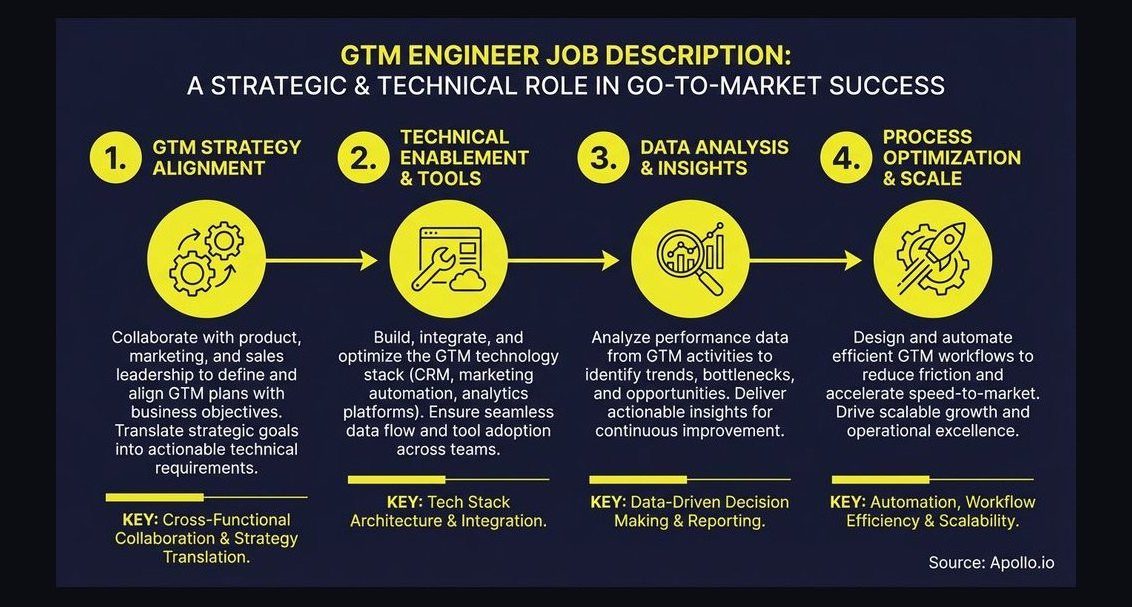 revopsWhat is a GTM engineer and why is the role exploding in 2027?
 revopsWhy do 2027 buying committees now demand ROI simulations before demos?
 revopsWhat RevOps metrics are obsolete due to AI in the 2027 funnel?
 revopsBest fractional CRO firms in 2027