

How do you start a driving school business in 2027?
 Curated byKory White · Fractional CRO · Maryland
To start a driving school business in 2027, you will need to meet state-specific licensing requirements, which typically include a business license, instructor certification, and vehicle insurance. Costs to launch generally range from $10,000 to $50,000, covering a vehicle, dual brakes, permits, and marketing. The process involves registering your business, passing a state inspection, and securing a commercial location, with timelines varying by state from a few months to over a year.
TL;DR: To start a driving school business in 2027, you build a state-licensed driver education and behind-the-wheel (BTW) training company that holds a state driver-training school license, runs a fleet of dual-control instructor vehicles (Toyota Corolla, Honda Civic, Nissan Sentra, Hyundai Elantra, or Ford Fusion with aftermarket Doron, Driver Education Aids, Smithers, or Bobcat dual-brake/dual-clutch installations), employs state-certified driving instructors (each carrying a state-issued instructor credential plus DOT-style background and driving-record clearance), and bills primarily through bundled teen driver-ed packages (state-mandated 30 hours classroom + 6-10 hours BTW + 50 supervised parent hours that you log) plus adult learner BTW lessons, road-test prep, brush-up lessons, defensive driving / point-reduction courses, CDL Class A/B training, and increasingly third-party road-test administration under state DMV third-party programs. The right model in 2027 is a 2-3 vehicle, 4-6 instructor regional driving school doing 800-1,800 students per year at $425-$895 per teen package plus adult/CDL/defensive-driving cross-sell, scaling to a 5-10 vehicle multi-location operation with $1.4M-$3.6M revenue and $240K-$680K owner net income over 3-5 years. The honest 2027 economics: a focused single-location launch invests $95K-$285K in equipment, licensing, classroom, and software (state driver-training school licensing through the DMV/Secretary of State/DPS/MVD per state, instructor licensing for each instructor, dual-control vehicle outfitting at $2,800-$5,500 per car for the Doron / Driver Ed Aids / Bobcat / Smithers brake-and-clutch install, commercial auto insurance with the driver-school endorsement which is the single hardest line to bind for a startup, professional liability, workers comp, classroom space, scheduling software DriversEd.com / Aceable / Driving-Tests.org partner integrations / DriveTeam / Driving School Manager / Coursedog / DriveScout, payment processing, and working capital for the inverse-seasonality of teen demand). Year 1 generates $185K-$485K in revenue with $45K-$135K owner net income running 1-2 instructor cars and the founder personally instructing plus 1-2 part-time instructors. By Year 3-5 a disciplined operation reaches $1.4M-$3.6M revenue with $240K-$680K owner profit at 5-10 cars and 8-15 instructors, at which point the founder chooses between staying independent regional, expanding into CDL training (much higher revenue per student but heavy regulatory load), franchising under AAA Driving School / Sears Driving School / DriverEd.com / Top Driver / All Star Driver Education / The Next Street / 911 Driving School / Driving Academy licensing models, or selling to a regional roll-up. The three things that kill driving schools: (a) underestimating the commercial auto insurance load -- a startup driving school in many states pays $8,500-$22,000 per car per year in commercial auto with the driver-school endorsement, and several major carriers will not write a startup at all under 2-3 years of operating history; (b) skipping state licensing nuance -- every state has its own driver-training school licensing regime (CA DMV Occupational Licensing, TX TDLR, NY DMV, FL DHSMV, IL Sec State, etc.) with school-license fees, instructor-license fees, vehicle inspections, classroom approval, surety bonds ($2,500-$50,000 depending on state), curriculum approval, and reciprocity issues that surprise founders moving cross-state; and (c) ignoring the seasonality reality -- teen demand is structurally peaked May-August (summer break) and December (winter break) with brutal Sept-Nov and Jan-March troughs, and operators who do not build adult / CDL / defensive-driving / corporate fleet-driver-training cross-sell to fill the trough months run out of cash. Net: viable in 2027 as a state-license-fluent, instructor-retention-disciplined, customer-mix-balanced education-services operation built on the structural certainty that 16-18 year olds need driver education to obtain a license in essentially every US state -- a poor fit for anyone who wants 9-to-5 hours, who underestimates the commercial auto insurance reality, or who tries to compete head-to-head with state-funded high-school driver-ed programs without finding a clear differentiation niche.
What A Driving School Business Actually Is In 2027
A driving school in 2027 is a state-licensed driver education and behind-the-wheel (BTW) training company that operates under a state-issued driver-training school license, employs state-credentialed driving instructors, owns or leases a fleet of dual-control instructor vehicles (passenger cars equipped with an aftermarket second brake pedal and often a second clutch on the passenger side so the instructor can override the student), and delivers a regulated curriculum of classroom-or-online instruction plus in-car behind-the-wheel training to students preparing for their state driving exam. You are not a high school -- public-school driver education programs (where they still exist; many states defunded them between 2008-2015) are state-funded and operate under a different regulatory regime; you are not a commercial trucking school in the absence of separate CDL Class A/B/C licensing; you are not a defensive-driving-only court-mandated provider in the absence of state court-approved curriculum; and you are not a fleet driver-training consultancy in the absence of B2B commercial driver assessment programs -- though disciplined driving schools layer all of these as adjacent revenue lines. The core business is teen driver education (typically a 30-hour classroom or online component plus 6-10 hours of in-car BTW training plus 50 hours of supervised parent driving that you document) sold as a bundled package to families with 15-17 year olds approaching driving age, supplemented by adult learner BTW (immigrant adults, late-licensure adults, license-restoration adults), road-test prep (focused short-package preparation for the state DMV road exam), brush-up lessons (anxious drivers, recently-relocated drivers, post-accident retraining), defensive-driving and point-reduction courses (court-mandated or insurance-discount-driven), CDL Class A/B/C training (commercial trucking and bus, much higher revenue per student but heavier regulatory load), and increasingly third-party road-test administration under state DMV third-party programs where the school is authorized to administer the actual road test on behalf of the state DMV (a major revenue driver and competitive moat in states that allow it). Operationally you are a small-fleet education-services business: 1-3 vehicles in Year 1 (founder driving and instructing personally plus 1-2 part-time instructors), expanding to 5-10 vehicles by Year 3-5 with a scheduling coordinator, an office manager, and 8-15 instructors. The entire business is one financial idea executed across 800-3,500 students per year: you sell a teen package at $425-$895 (or adult lessons at $65-$120/hr, or CDL packages at $2,800-$8,500), you fulfill the BTW hours with disciplined scheduling that maximizes instructor utilization, you collect upfront via credit card or financing, and you maintain the state license, the insurance, and the instructor roster through the seasonal demand cycle. A starting two-vehicle operation that produces 950 students at $585 average package price and $295 average gross margin per student clears $280K in contribution margin against vehicle leases, instructor wages, insurance, classroom, software, and owner profit. That is the engine. Everything else in this guide -- vehicle setup, instructor licensing, insurance, classroom, software, pricing, customer mix, marketing, permits, operations cadence, hiring, financing -- is the machinery that lets you run that engine while passing every state DMV inspection and instructor audit.
Teen Driver-Ed Vs Adult BTW Vs CDL Vs Defensive Driving: Pick Your Lane
This is the single most consequential strategic decision and the one most beginners get wrong. Teen driver education -- the 15-18 year old market preparing for an unrestricted driver's license -- is the volume segment in essentially every metro because state graduated-driver-licensing (GDL) laws in all 50 states require some combination of classroom instruction, BTW hours, and supervised parent hours before a teen can get a regular license; the demand is structurally certain (every 16-year-old in your service area is a potential customer), the lifecycle is short (most students complete in 60-180 days), and the revenue per student is moderate ($425-$895 for a typical bundled package). Adult BTW lessons -- adult learners (immigrant adults, late-licensure adults, license-restoration adults, commercial-fleet new-hire training, anxious-driver retraining) -- represent a year-round demand stream that fills the seasonal troughs in teen demand; revenue per lesson is $65-$120/hr but volume per customer is lower (typically 3-12 lessons rather than a complete package); the customer-acquisition cost is higher because the marketing channels are more diffuse; and the conversion to multi-lesson packages requires real sales discipline. CDL Class A/B/C training -- commercial driver license preparation for trucking, busing, hazmat, and tanker operations -- is a substantially different business with FMCSA Entry-Level Driver Training (ELDT) curriculum requirements, range and yard space requirements (most CDL training requires actual range exercises in a parking lot or dedicated range), commercial truck investment ($60K-$220K per training tractor), and significantly higher revenue per student ($2,800-$8,500 per Class A program); some driving schools layer CDL on top of the passenger-car business but it is structurally a separate operation with separate equipment, separate instructors, and separate insurance. Defensive driving / point reduction / court-mandated -- typically delivered as a one-day classroom course (4-8 hours) or a self-paced online course; revenue per student is low ($35-$95) but volume is high and the operating cost is low (one classroom, one instructor, no vehicle); the catch is state-by-state court approval requirements that make this a per-state regulatory project rather than a national-scale business; many driving schools partner with online platforms like DriversEd.com, Aceable, iDriveSafely, Improv Defensive Driving, SafeMotorist, NSC (National Safety Council) Defensive Driving to deliver the online portion under the school's state approval. Third-party road-test administration -- in states like California, Texas, Arizona, Nevada, Utah, Idaho, North Carolina, Tennessee, and Oklahoma where the state DMV authorizes private driving schools to administer the actual road test on behalf of the state, this is a major revenue driver because it eliminates the customer's wait time at the state DMV (often 4-12 weeks) in exchange for the school administering the test (typically $65-$185 per road test); the school must hold the state's third-party administrator authorization with separate vehicle and instructor approval. The 2027 strategic question: start with teen driver-ed as the volume engine for Year 1-2 (the demand is structurally certain, the customer acquisition is local-search-driven, the package is bundled and high-AOV), layer adult BTW as the trough-filler from Day 1, add defensive driving / point reduction in Year 2 if the state court approval is reasonable, add third-party road-test administration in Year 2-3 if the state allows it (this is a competitive moat in states that allow it), and consider CDL Class A/B only in Year 3+ as a deliberate strategic expansion with separate equipment and instructor investment.
State Licensing: The Per-State Regulatory Reality
Every state has its own driver-training school licensing regime, and there is no national standard, no reciprocity across most states, and substantial variance in school-license fees, instructor-license fees, classroom approval requirements, vehicle inspection requirements, surety bonds, and curriculum approval. California -- regulated by the California DMV Occupational Licensing Branch under the Driving School Owner / Operator license; school license fee approximately $300 application + $300 annual + $50 vehicle inspection per car; instructor license requires fingerprint clearance through DOJ/FBI, completion of state-approved instructor training, $250 application fee plus $50 annual; Surety bond $2,500 for the school; curriculum approval through DMV; the school must conduct background checks on each instructor; the third-party administrator (TPA) program is available with separate authorization. Texas -- regulated by the Texas Department of Licensing and Regulation (TDLR) under the Driver Education and Safety program; school license fee approximately $250 application + annual renewal; instructor license requires TDLR-approved instructor training, fingerprint clearance, $50 application fee; surety bond $10,000-$50,000 depending on student count; curriculum approval through TDLR; the TDPS (DPS-authorized third-party road test) program is available for schools meeting the requirements. New York -- regulated by the NY DMV under the Driving School License; school license fee plus per-vehicle and per-classroom approval; instructor license requires the MV-525 instructor application with state-approved training; surety bond $5,000; curriculum approval through DMV. Florida -- regulated by the Florida Department of Highway Safety and Motor Vehicles (DHSMV) under the Commercial Driving School License program; school license plus per-vehicle and per-instructor; surety bond $25,000; curriculum approval. Illinois -- regulated by the Illinois Secretary of State; school license plus instructor license; surety bond $100,000 (one of the highest in the country, a real barrier to entry); curriculum approval. Washington -- regulated by WA DOL (Department of Licensing); school plus instructor licensing; surety bond $25,000; curriculum approval; the TPA program for road-test administration is available. Massachusetts -- regulated by the MA RMV (Registry of Motor Vehicles) under the Driver Education program; school license plus instructor license; surety bond $5,000; curriculum approval; mandatory teen 30-hour classroom plus 12-hour BTW plus 6-hour observation. Michigan -- regulated by the Michigan Department of State; school license plus instructor license; surety bond $10,000; teen segment-1 / segment-2 curriculum approval. Ohio -- regulated by the Ohio DPS Bureau of Motor Vehicles; school license plus instructor license; surety bond $25,000. Pennsylvania -- regulated by PennDOT; school license plus instructor license; surety bond $5,000. The pre-launch licensing rule: pull your state's specific driver-training school licensing requirements from the regulating agency website (DMV / Secretary of State / DPS / MVD / TDLR depending on state), document the school-license fee, the instructor-license fees, the vehicle-inspection requirements, the classroom-approval requirements, the surety bond amount, the curriculum approval process, the TPA authorization process if applicable, the background-check requirements for instructors, and the timeline (typically 90-180 days from application to operating license, longer in states with bond issuance delays). The disciplined operator does this BEFORE buying the first dual-control car, because a founder who buys equipment in March and discovers the state licensing process takes 9 months has burned 6 months of insurance, lease, and depreciation costs sitting idle.
The Vehicle Investment: Dual-Control Cars, Lease-Vs-Own, And The Outfitting Cost Stack
The vehicle is the second-largest capital category and the foundation of every operational decision that follows. The vehicle requirements: the dominant vehicle types for passenger-car driving instruction are economy and compact sedans -- Toyota Corolla (the dominant choice for many driving schools because of reliability, fuel economy, and low insurance), Honda Civic, Nissan Sentra, Hyundai Elantra, Kia Forte, Ford Fusion (now discontinued but still popular in the used market), Chevrolet Cruze (also discontinued but available used), Mazda3, Toyota Prius (popular for fuel economy and the lower insurance rates on hybrids in some states), and increasingly Toyota Corolla Hybrid and Hyundai Elantra Hybrid for the operating-cost advantages. SUVs and crossovers are less common because the higher seating position changes the visibility profile from what students will encounter in their family vehicle. Dual-control outfitting -- the single most important vehicle modification, where an aftermarket dual-control kit is installed adding a second brake pedal (and often a second clutch on manual transmissions, though manuals are essentially extinct in 2027 driving schools) on the passenger side so the instructor can override the student. The dominant dual-control kit manufacturers in 2027: Doron Precision Systems (long-established with comprehensive line), Driver Education Aids (popular for newer-vehicle compatibility), Smithers (UK-origin, popular for compatibility with European vehicles), Bobcat Dual Controls (popular for retrofit on US vehicles), and MSA Driving School Equipment. Installation cost typically $2,800-$5,500 per vehicle including the dual-control kit, instructor mirror (typically a wide-angle mirror on the passenger side and an additional rearview mirror so the instructor sees what the student sees), school identification (magnetic or vinyl door signs identifying the vehicle as a driving school car, often required by state for teen training), and an instructor visor card with state license details and emergency information. Some states require additional equipment: Massachusetts requires a "Student Driver" rooftop sign, several states require specific high-visibility decals, California requires the school name and license number to be visible. New-vs-used decision: new vehicles ($22K-$32K base for a Corolla / Civic / Sentra / Elantra) come with manufacturer warranty and predictable insurance rates but high depreciation; used vehicles 2-4 years old at $14K-$22K offer better unit economics if mechanically sound; some driving schools use 3-5 year leases on new vehicles to keep payments predictable and avoid depreciation risk. Lease-vs-own: closed-end commercial leases through Toyota Financial, Honda Financial, Hyundai Motor Finance, Kia Motors Finance, or Ford Credit run $285-$485/month per vehicle on a 36-48 month closed-end lease with appropriate mileage allowance (driving schools rack up high miles, so a 36,000-mile annual lease is typically required vs the standard 12,000-15,000); buying outright with cash or financing through commercial auto lenders (Crest Capital, Ascentium Capital, Beacon Funding, Balboa Capital, National Funding) at 7.5-12.5% APR for 5-7 year terms requires 15-25% down. Total combined per-vehicle investment (vehicle + dual-control outfitting + identification + first-year insurance): $28K-$48K outright purchase, $3,500-$7,500 first-year cash for lease (lease deposit + first month + dual-control install + identification + first-year insurance). Vehicle financing for driving schools: the key constraint is that commercial auto insurance with the driver-school endorsement must be in place before the vehicle can be used for training, and several insurance carriers will not bind a startup driving school for the first 12-24 months, which means the founder may need to operate the first 1-2 cars on personal credit before commercial financing is feasible -- a real cash-flow constraint. The disciplined Year 1 vehicle strategy: lease ONE used or low-end new car at $325-$425/month, install $3,500 of dual-control outfitting, get the state vehicle inspection completed, and operate that single car as the founder's primary instruction vehicle for Months 1-6 while building the customer pipeline and proving the unit economics; add the second car at Month 6-9 only when the first is reliably booked at 65-80% utilization; add the third car at Month 12-18 only when the second is similarly booked.
Instructor Licensing, Background Checks, And The Recruiting Reality
Driving instructor labor is the single largest scaling constraint after capital, because every state requires a state-certified driving instructor credential that takes 60-180 days to obtain and each instructor must pass background checks, driving-record screens, fingerprint clearance, and state-approved instructor training. The state instructor licensing pattern (varies by state but the structural requirements are similar): clean driving record (typically no DUI, no suspensions, no major moving violations in the last 5-10 years depending on state), fingerprint clearance through state DOJ or FBI (typically $50-$95), clean criminal background check (no felonies, no certain misdemeanors), completion of state-approved instructor training (typically 30-60 hours of instructor-specific curriculum at a state-approved provider, often the larger driving schools in the state offer this training; cost $1,200-$3,500), state instructor license application ($50-$250) and annual renewal, age requirement (typically 21+ in most states), high-school diploma or equivalent, and in some states completion of a written exam plus a behind-the-wheel demonstration. California instructor license through DMV Occupational Licensing requires the DL-43 application, fingerprint clearance, completion of state-approved instructor training, and a written exam. Texas TDLR instructor license requires TDLR-approved training, fingerprint clearance, and the application. New York instructor license requires the MV-525 application with state-approved training. The instructor-recruiting reality: the labor pool is constrained because the work requires patience, judgment, the willingness to ride in a car with anxious 16-year-olds for 6-8 hours per day, often weekend and evening hours (because that's when teens are available), and the wage range ($18-$28/hour for solid instructors, $30-$42/hour for senior instructors with multi-state credentials or CDL endorsement, plus benefits) competes with retail, food service, and other entry-mid trades. Recruiting channels: Indeed, ZipRecruiter, LinkedIn, Snagajob, plus referrals from existing instructors at competing schools (the most productive channel; experienced instructors often have a network of credentialed peers); driving school instructor associations like DSAA (Driving School Association of America) and state-level associations sometimes maintain job boards. Background and driving-record verification: every instructor must pass a current MVR (Motor Vehicle Record) pull (typically through Hireright, Checkr, GoodHire, or a state-specific provider), a current criminal background check (typically $35-$95), and ongoing annual MVR pulls because an instructor who gets a DUI or major moving violation outside of work loses their state instructor credential immediately. The retention reality: driving instructor turnover runs 35-65% annually because the work is demanding (the cognitive load of constantly anticipating student errors), the schedule is non-standard (heavy weekend and evening hours), and competing entry-trade options (retail management, warehousing, ride-share) sometimes pay similar or better. Retention-focused operators offer competitive base wages, predictable schedules where possible, modern vehicles with working AC, ongoing instructor development, clear advancement paths (senior instructor, lead instructor, instructor trainer, manager), and culture investments. The 1099 vs W-2 misclassification risk -- this is the single largest workforce-classification trap in driving schools, exactly parallel to the gym/fitness/yoga industry. Under the Department of Labor's 2024 final rule on independent contractor classification (effective March 11, 2024), the economic reality test with six factors (opportunity for profit/loss, investment in equipment, permanence of relationship, nature/degree of control, integral to business, skill/initiative) makes it extremely difficult to legitimately classify a driving instructor as a 1099 independent contractor when they drive the company's car, follow the company's curriculum, work the company's schedule, wear the company's logo'd shirt, and depend on the company's customer base. The IRS 20-factor test reaches similar conclusions, and most state wage-and-hour laws (especially California AB5, Massachusetts, New Jersey) are even more restrictive. Misclassifying an instructor as 1099 and getting caught (typically through a workers' comp claim after an injury, an unemployment claim after termination, or a state DOL audit) results in back-payroll-tax liability, back-workers-comp premium, back-overtime, penalties, and interest -- in extreme cases six- and seven-figure assessments. The disciplined operation classifies all instructors as W-2 employees from Day 1.
The Insurance Stack: Commercial Auto With The Driver-School Endorsement Is The Critical Line
Insurance for a driving school is the second-largest fixed cost after instructor wages, and the commercial auto policy with the driver-school endorsement is the single hardest line to bind for a startup -- several major commercial auto carriers will simply decline new driving-school accounts under 2-3 years of operating history, which forces startups into specialty markets at premium rates.
| Coverage line | Typical limit | Year-1 annual premium per vehicle | What it closes |
|---|---|---|---|
| Commercial Auto Liability (driver-school endorsement) | $500K-$1M (states vary, $1M typical) | $8,500-$22,000 per vehicle | Bodily injury / property damage from instruction with student behind wheel |
| Commercial Auto Physical Damage (Comp/Collision) | actual cash value | $1,500-$3,500 per vehicle | Vehicle damage |
| Garage Liability / General Liability | $1M-$2M occurrence | $1,800-$5,500 (school-wide) | Premises liability, completed operations |
| Professional Liability (errors and omissions) | $500K-$1M | $1,200-$3,500 (school-wide) | Negligent instruction claims |
| Workers' Compensation | statutory | $12K-$45K (8-15% of payroll) | Instructor injury (NCCI 8392 driving school typical) |
| Cyber Liability | $1M | $1,200-$3,500 | Customer PII protection |
| EPLI (Employment Practices) | $1M | $1,200-$3,500 | HR/employment claims |
| Umbrella Liability | $5M-$10M | $4,500-$12,000 | Catastrophic exposure layered over auto/GL |
| Total Year-1 insurance load (2-vehicle school) | -- | $30,000-$80,000 | Scales fast with vehicle count and revenue |
The commercial auto liability line is the backbone, because every BTW lesson involves a student driver behind the wheel of a school-owned vehicle on public roads, and a single at-fault collision involving the instructor vehicle is a multi-million-dollar exposure event. The carriers that write driving schools in 2027: Progressive Commercial (the largest commercial auto carrier with substantial driving-school appetite), Hartford (long-established commercial auto carrier with driving-school product), Travelers (major commercial auto with driving-school endorsement), Berkshire Hathaway GUARD (specialty commercial auto), Zurich (specialty commercial including driving school), The Cincinnati Insurance Companies, Auto-Owners Insurance (regional specialty), Liberty Mutual, and specialty markets like Driving School Insurance Specialists (DSIS) and Hub International which has a driving-school practice. The startup binding reality: many of these carriers have a 2-3 year operating history minimum for a new driving school, which means a true startup may be limited to specialty E&S (excess and surplus lines) markets at 30-60% premium over standard markets, or to working with a specialty broker like DSIS, NSM Insurance Group, USI Insurance Services, HUB International, or AssuredPartners who have established driving-school appetite. The instructor MVR matters enormously -- the per-vehicle premium is highly sensitive to the instructor's driving record, the instructor's age, and the instructor's years of experience, with premiums running 20-50% higher for instructors with any moving violations or with under 3 years of teaching experience. General Liability -- premises liability for the classroom and yard, completed operations, $1M-$2M occurrence, $1,800-$5,500 annually for a small school. Professional Liability (E&O) -- claims that arise from negligent instruction (a student injured in a post-completion crash claims the instructor failed to teach proper technique), $500K-$1M limits, $1,200-$3,500 annually. Workers' Compensation -- mandatory in every state, classified typically as NCCI Class Code 8392 Auto Bus, Schoolbus, or Limousine Operators or NCCI 9015 Building or Premises Operations depending on state and carrier (the specific code matters because the rate per $100 of payroll varies), running $8-$15 per $100 of payroll; a $250K instructor payroll book is $20,000-$37,500 annually. The shopping discipline: use a broker with driving-school vertical experience, pull quotes 90+ days before launch (the binding process is slow for new accounts), be prepared to provide instructor MVRs and vehicle VINs and the state school license, and budget 25-40% premium variance between specialty markets at startup and standard markets at Year 3.
Software Stack: Scheduling, Curriculum Delivery, And Payment Processing
The 2027 driving school software stack is mature and a founder should choose a coherent stack rather than stitching together generic tools. The driving-school-specific operations platforms -- the dominant players: DriveScout -- modern scheduling and student management platform built specifically for driving schools, with student portal, instructor scheduling, payment processing, automated reminders, and Quickbooks integration; Driving School Manager (from DriveTeam) -- comprehensive driving-school operations platform with classroom management, BTW scheduling, student records, and billing; DriveTeam -- a broader platform serving multi-location driving schools; Coursedog (originally higher-ed but adopted by some larger driving schools); Bookafy -- general scheduling platform with driving-school customizations; Acuity Scheduling, Calendly, SimplyBook.me as generic scheduling alternatives that some smaller schools use but lack the driving-school-specific student record and BTW-hour tracking. Online classroom delivery platforms -- the dominant players for the classroom-hours portion of teen driver-ed (where state allows online): DriversEd.com (Aceable subsidiary, the largest online driver education platform with state-by-state approved courses), Aceable (parent of DriversEd.com, also operates Aceable Real Estate and Aceable Insurance), iDriveSafely (long-established online driver-ed), MyImprov / Improv Defensive Driving (popular for defensive driving and point reduction), SafeMotorist, DriveSafe Online, National Safety Council Online Defensive Driving, AAA Driver Education, Top Driver Online, and partner-school programs where the school licenses the online classroom from a national provider and bills under the school's brand. Payment processing: Stripe, Square, PayPal, plus driving-school-integrated payment via the operations platform; financing partners like Affirm, Afterpay, Klarna, or specialty student-financing partners that let families finance the $585-$895 teen package over 6-12 months. Adjacent platforms in the stack: CRM and intake -- HubSpot, Pipedrive, or platform-native; VOIP and dispatch -- RingCentral, OpenPhone, with after-hours forwarding; payroll -- Gusto, Paychex, ADP; accounting -- QuickBooks Online integrated with the operations platform; document management -- Google Drive or Dropbox; e-signature for parent consent forms -- DocuSign, Dropbox Sign; MVR pulls for instructor onboarding -- Hireright, Checkr, GoodHire; background check -- Checkr, Sterling, GoodHire; fleet GPS and dashcam for instructor accountability and insurance discount -- Samsara, Geotab, Motive, Lytx, AzugaFleet. The integration discipline: DriveScout or Driving School Manager for operations + DriversEd.com or Aceable for online classroom + QuickBooks for accounting + Stripe for payment processing + Affirm for student financing + Checkr for instructor onboarding + Samsara for fleet GPS is the most common 2027 stack for the disciplined small-to-medium driving school. The platform decision compounds: switching scheduling platforms in Year 3 after 2,000 students of historical data, integration setup, and instructor familiarization is painful, so getting the platform right in Month 3 is high-leverage.
Pricing: How Driving School Packages Actually Bill
A founder needs to understand driving school pricing in detail because the entire business runs on accurate quotes and clean billing, and the school that under-prices loses margin while the one that over-prices loses students to competitors. The dominant teen driver-ed package structure: a bundled package covering the state-required classroom hours (typically 30 hours, delivered in-person or online), the state-required BTW hours (typically 6-10 hours, delivered in-car with a state-credentialed instructor), parent-supervised driving log documentation (the school provides the form and validates parent hours), and final certification eligible for the state license; typical 2027 teen package pricing runs $425-$895 depending on metro market, classroom-vs-online delivery, BTW hour count, and competitive density. The same teen package in a high-cost coastal metro (Bay Area, Seattle, NYC, Boston, DC) can run $785-$1,250; in a low-cost Midwest metro $385-$585. Adult BTW lessons typically priced at $65-$120/hr depending on metro and instructor experience, often with package pricing for 4/8/12 hour bundles offering 8-15% discount per hour vs single-lesson pricing. CDL Class A training typically priced at $3,500-$8,500 for a complete program (typically 160-240 hours including ELDT compliance, range exercises, road training); CDL Class B at $2,800-$5,500. Defensive driving / point reduction typically priced at $35-$95 per student for the typically-required 4-8 hour course, often delivered online under a national platform partnership. Road test administration under state TPA programs typically $65-$185 per test with the school keeping 75-90% of the fee. Brush-up lessons typically $75-$135 per lesson. Add-on services: parent driving manual ($15-$35), additional BTW hours beyond package ($55-$95/hr), road-test prep package ($125-$285), pickup-and-dropoff fee for student transportation ($15-$45 per session). Pricing discipline: study competitor pricing in your metro through Google searches and direct quote requests; price within 5-15% of mid-market competitors at launch; raise prices 4-7% annually to keep pace with insurance and instructor wage cost increases; never price below your fully-loaded cost plus a defined margin floor (typically 35-50% on teen packages, 25-40% on adult lessons, 20-35% on CDL programs). The school that under-prices to fill the schedule cheap loses the ability to raise prices on the same families later, and loses the perceived premium that supports referrals and word-of-mouth.
Customer Mix: Where The Students Actually Come From
Driving school is a mixed-customer business, and the schools that win build deliberate, multi-channel customer-acquisition rather than depending on any single source. The customer segments: teens 15-17 approaching driving age -- the volume segment, typically referred by parents who research online via Google, ask in local Facebook parenting groups, or hear word-of-mouth from other parents whose teens have completed the school's program; lead sources include Google Local Services Ads (LSA) at $20-$65/lead for "driving school" or "driver education" keywords, Google Ads with high local intent at $5-$22/click, Google Business Profile organic local SEO with 100+ reviews and 4.7+ rating target, Yelp local presence, Facebook ads targeting parents in the metro, Nextdoor community ads, partnerships with local high schools (presentations to junior class, sponsorship of driver-ed-related events, but NOT direct school endorsements which are typically prohibited by district policy), and referral programs for completed students (sibling discount, friend referral bonus). Adult learners -- immigrant adults, late-licensure adults, anxious-driver retraining, license-restoration adults; lead sources include Google Ads on "adult driving lessons", "learn to drive as an adult", "driving lessons near me" keywords; partnerships with immigration legal services, refugee resettlement organizations, ESL adult education programs; Yelp and Google Business Profile presence with adult-learner-specific service descriptions. CDL students -- prospective commercial truck and bus drivers; lead sources include Indeed and ZipRecruiter (CDL training is often advertised in job-board context), partnerships with trucking companies offering training reimbursement, partnerships with workforce-development programs (state and federal grant funding), and direct outreach to candidates seeking career change. Defensive driving / point reduction students -- court-mandated and insurance-discount-driven; lead sources include local court referrals (some courts maintain approved-school lists), insurance-company partnerships (the school is listed as an approved provider for insurance discount), and direct online search. Corporate fleet driver training -- B2B service for delivery companies, sales fleets, and other commercial fleets needing new-hire driver training; relationship-built through direct outreach to fleet managers, HR departments, and risk-management consultants; revenue per engagement is high ($350-$1,500 per driver) and contracts are typically annual with renewal. The customer-mix discipline: target approximately 55-70% teen / 15-25% adult / 5-15% CDL or defensive driving / 5-15% B2B fleet, with no single referral source (high school, court, insurance company, fleet) representing more than 20% of revenue. Schools that depend entirely on one high school's referrals, one court's mandatory referrals, or one insurance company's approved-provider listing have fragile pipelines.
Marketing: Local SEO, Reviews, And The Parent-Decision-Maker Reality
Driving school marketing is fundamentally local-search-and-review driven, with the unusual wrinkle that the parent is the decision-maker and payer while the teen is the customer, which means the marketing must speak to both audiences simultaneously. Local SEO and Google Business Profile -- the foundational marketing layer; claim and optimize the Google Business Profile with accurate name/address/phone (NAP), hours, service area, photos of vehicles and instructors, and category selection (Driving School, Driver Education, Driver Training); aggressively pursue Google reviews with target of 100+ reviews and 4.7+ rating in Year 1, with a systematic review-request workflow after every completed package (text or email link to leave a review, typically sent to the parent who paid since they're the more likely reviewer); build location landing pages for each city or neighborhood served with locally-relevant content; build citations on Yelp, BBB, Angi, Yellowpages, and driving-school-specific directories. Google Local Services Ads (LSA) -- pay-per-lead format for high-intent local searches; requires Google Screened verification (background check, license verification, insurance verification, customer review minimums) for premium placement; typical lead cost $20-$65 for driving school depending on metro and competition; LSA leads convert at 25-40% versus 15-25% for traditional Google Ads. Google Ads (search) -- traditional pay-per-click on driving school keywords ("driving school near me", "driver education", "teen driving lessons", "driving lessons", "driving instructor"); typical CPC $5-$22 depending on metro, conversion rate 6-14%, target $35-$95 cost-per-student-acquired; manage tightly with negative keywords (avoid "free driving lessons", "driving school jobs", "DMV") and geographic targeting; Microsoft Bing Ads as a secondary channel often produces 30-50% lower CPC. Facebook and Instagram ads -- targeting parents with teens age 14-17 in the metro; visual ads showcasing the modern vehicles, the patient instructors, and the safety-focused approach. Nextdoor -- hyperlocal neighborhood awareness with parent endorsements being particularly valuable. High school partnerships -- presentations to junior classes during health/PE periods (when the driver-ed conversation is naturally happening), sponsorship of high school driver safety events, presence at high school activity fairs; the relationship-building works because parents trust schools-of-friends-of-the-family more than ads. Parent referral programs -- structured incentive ($35-$95) for any parent who refers a sibling or friend's teen who completes the package; high-conversion source because parents trust other parents on safety-related decisions. Insurance-discount partnerships -- in many states, completing a state-approved driver-ed course earns the family an auto insurance discount (typically 5-15% off the teen-driver premium); partnering with local insurance agencies (State Farm, Allstate, Liberty Mutual, GEICO, USAA local agencies, plus regional carriers) to cross-promote the discount drives both their customer retention and your customer pipeline. Vehicle wraps -- a wrapped instructor vehicle operating in the metro is rolling brand awareness; one-time investment $1,500-$3,500 per vehicle, multi-year amortization; the highest-ROI brand-marketing investment for a driving school. Yelp and BBB -- maintain active business profiles with high ratings, respond to all reviews (positive and negative) professionally. The marketing discipline: list your top 30 customer-acquisition channels, measure cost-per-lead and cost-per-completed-student by channel monthly, double down on channels producing students who complete the full package and refer additional families, prune channels producing tire-kickers, and maintain a customer-acquisition-cost (CAC) target below 7% of package revenue at maturity.
Operations Cadence: The Booking-To-Completion Discipline
The operational rhythm of a driving school is more demanding than most beginners expect, and the schools that succeed build deliberate, instructor-utilization-driven daily cadence. The teen-package operational sequence: parent inquires (online form or phone call) -> staff schedules a 15-minute consultation (in-person or video) explaining the program -> parent enrolls and pays (full upfront or financing through Affirm/Klarna) -> student completes online classroom hours at their own pace (typically 30 hours over 4-8 weeks, with state-required minimum elapsed-time rules in some states) -> staff schedules first BTW lesson once classroom hours are >50% complete (some states require classroom completed before BTW; verify your state) -> instructor conducts BTW lessons typically 1-2 hours per session, 1-3 sessions per week, over 4-8 weeks -> student completes parent-supervised driving log (50 hours typical, documented on school-provided form) -> student takes state road test (either at state DMV or under school's TPA authorization) -> school issues completion certificate. Instructor utilization math -- the disciplined operation targets each full-time instructor at 25-32 BTW hours per week (with the rest of their week in driving between lessons, paperwork, and short breaks), or each part-time instructor at 12-18 BTW hours per week. Below 60% utilization the per-lesson cost is too high; above 85% utilization the schedule is brittle (no buffer for student no-shows, instructor sick days, vehicle maintenance). The 90-minute lesson block -- the standard BTW lesson is 90 minutes, including 5-10 minutes of pre-lesson briefing, 70-80 minutes of actual driving, and 5-10 minutes of post-lesson debrief; some schools offer 60-minute or 120-minute alternatives but 90 minutes is the productivity sweet spot. The pickup-vs-meet-at-school decision -- some schools pick up the student at home or school for an additional fee ($15-$45), some require the student to come to the driving school location; pickup is convenient for families but eats instructor productivity (15-25 minutes per lesson). Scheduling software discipline -- DriveScout or Driving School Manager handles automated reminders, no-show tracking, instructor route planning, and student progress tracking; the operations team's job is to keep instructor schedules at 70-80% utilization, manage no-shows and reschedules, and ensure the student-to-vehicle-to-instructor matching works (instructor language preferences, instructor gender preferences for some families, vehicle type preferences). The seasonality reality -- teen demand is structurally peaked May-August (summer break) and December (winter break) with brutal September-November and January-March troughs; operators who do not build adult / CDL / defensive-driving / fleet-driver-training cross-sell to fill the trough months run out of cash because instructor wages and vehicle leases continue regardless of student demand. The morning-meeting discipline -- a 10-minute daily morning huddle with all instructors reviewing the day's schedule, student notes, vehicle assignments, and any safety concerns is high-leverage; weekly team meetings reviewing curriculum updates, safety incidents (every minor incident, even non-collision near-miss, gets documented and reviewed for instructor training value), and customer feedback. The 6-day-a-week reality -- driving schools typically operate Monday-Saturday with heavy weekend bookings (Saturday is often the highest-volume day because teens are out of school and parents are off work); Sunday is sometimes operating, sometimes closed depending on local market norms.
Year-One Operating Reality And The Five-Year Trajectory
A founder should walk into Year 1 with accurate expectations, because the gap between the marketed version and the real version of running a driving school is where most quitting happens. Year 1 is state-license-and-pipeline-building mode, not profit-extraction mode. The first 90 days are spent on state licensing application (typically 90-180 days from application to operating license), instructor licensing (the founder's personal instructor license takes 60-180 days), entity formation, insurance binding (the hardest line — startup commercial auto with driver-school endorsement may take 30-90 days of broker work), software platform selection (DriveScout or Driving School Manager plus QuickBooks plus Stripe), vehicle acquisition (one used or low-end new car at $325-$425/month lease plus $3,500 dual-control install), classroom space (small lease 400-800 sq ft or partner with a community center), and starting the relationship-building outreach to local high schools, immigration legal services, and parent networks. Days 90-270 typically see the state school license issued, the first 50-200 students enrolled, Google Business Profile and review-acquisition workflow established, the second instructor hired (typically part-time), and the operations cadence starting to mature. Days 270-365 see steady student flow growing from 5-10 students/month to 25-50 students/month, the second vehicle added, the seasonal trough management discipline starting to take shape. A disciplined Year 1 single-location startup, launched with a real equipment-and-licensure budget plus working-capital reserve, can realistically generate $185,000-$485,000 in revenue with $45,000-$135,000 in owner net income -- meaningful but earned through hard operational work, with substantial founder time on truck (literally driving, instructing, customer communication, parent calls, insurance broker calls, state DMV correspondence) rather than just supervising.
| Year | Vehicles | Instructors | Students/year | Revenue range | Owner net income |
|---|---|---|---|---|---|
| Year 1 | 1-2 | 2-3 | 200-650 | $185K-$485K | $45K-$135K |
| Year 2 | 2-3 | 3-5 | 550-1,200 | $385K-$925K | $85K-$240K |
| Year 3 | 3-5 | 5-8 | 1,000-2,100 | $750K-$1.7M | $145K-$385K |
| Year 4 | 4-7 | 7-12 | 1,500-2,800 | $1.1M-$2.6M | $200K-$520K |
| Year 5 | 5-10 | 8-15 | 2,000-3,500 | $1.4M-$3.6M | $240K-$680K |
Year 2: the second vehicle reliably booked, the third instructor hired, the first dedicated office coordinator emerges (often the founder's spouse or trusted first office hire); revenue climbs to $385K-$925K with owner net income around $85K-$240K. Year 3: the operation is a real business with 3-5 vehicles, 5-8 instructors, an office team of 1-2, possibly TPA road-test authorization secured, possibly first defensive-driving or CDL service line added; revenue lands around $750K-$1.7M with owner net income $145K-$385K. Year 4: continued growth to 4-7 vehicles, 7-12 instructors, multi-channel revenue (teen / adult / defensive driving / CDL / B2B fleet), possibly second location opened; revenue roughly $1.1M-$2.6M, owner net income $200K-$520K. Year 5: a mature operation -- 5-10 vehicles, 8-15 instructors, a defined office team of 2-4 including coordinator, AR specialist, and instructor manager; $1.4M-$3.6M revenue, $240K-$680K owner net income for a well-run regional school, with the founder deciding whether to keep scaling regional, pursue franchise expansion, expand into adjacent service lines, or position for sale to a regional roll-up or franchise system.
Five Named Real-World Operating Scenarios
Concrete scenarios make the model tangible. Scenario one -- Maria, the disciplined Texas single-location operator: launches in suburban Houston with $145K (one used 2022 Toyota Corolla at $19K + $4K dual-control install, TDLR school license + instructor license + $25,000 surety bond + first year insurance at $32K, classroom space lease at $18K first year, software and marketing at $12K, working capital $30K), holds the founder personal instructor license, pre-builds relationships with 3 local high schools and 2 immigration legal services before the first student; hits $325K revenue in Year 1 with 580 students, reinvests into a second vehicle and 2 part-time instructors in Year 2, and reaches $1.2M by Year 3 because she treated the high school parent network and the immigrant adult learner channel as the actual business. Scenario two -- the cautionary tale, James: launches in Los Angeles with $185K invested, but underestimates the California DMV school licensing timeline -- the application takes 7 months to process during which he is paying lease, insurance, and salaries with no revenue; misses payroll twice in Month 9, depletes working capital, and is forced to take a high-interest merchant cash advance at 2% per week that compresses margin for 18 months; despite eventually getting the license and reaching $410K revenue in Year 2, never recovers Year 1 economics and sells the operation to a regional competitor at a loss in Year 3 -- a textbook regulatory-timeline-underestimate failure. Scenario three -- Priya, the Florida adult-learner specialist: launches in suburban Miami specifically targeting the adult Hispanic learner and immigrant adult learner segments using bilingual Spanish/English instructors and Spanish-language marketing; pre-builds relationships with 6 local immigration legal services, 4 ESL adult education programs, and 3 local employers (hotels, healthcare facilities) needing employee driver training; hits $485K revenue in Year 1 (above-typical because of underserved adult-learner demand in the metro), runs 4-vehicle operation by Year 3 with $1.4M revenue. Scenario four -- the Chen family, Mandarin-bilingual specialists in Bay Area: build a bilingual (Mandarin/English) operation specifically serving the Mandarin-speaking community in Cupertino-Sunnyvale-San Jose, recruit instructors from the same cultural community, become the named driving school for the regional Mandarin-language parent network and Chinese churches; capture significant teen-market share from Chinese-American families who prefer instructors who speak the parents' first language; Year 5 revenue near $2.4M with the cultural-community moat funding aggressive growth into a second location in Fremont. Scenario five -- David, the regulatory casualty: launches in Chicago unaware of the Illinois Secretary of State $100,000 surety bond requirement; learns about it after vehicle and classroom investments are made; cannot secure the bond because his startup credit profile does not meet the surety underwriter requirements without a $25K cash collateral he does not have; is forced to delay launch 8 months while building the credit profile and saving the collateral; the canonical illustration of skipping the per-state regulatory check before capital deployment. These five span the realistic distribution: disciplined independent success, regulatory-timeline-underestimate failure, adult-learner specialist, cultural-community specialist, and surety-bond regulatory wipeout.
Common Year-One Mistakes That Kill The Business
A founder can avoid most failure modes simply by knowing them in advance, because the mistakes in this business are remarkably consistent. Underestimating the state licensing timeline -- assuming the school license is a 30-day formality when actual processing is 90-180 days; founders deploy capital into vehicles and classroom before the license is in hand and burn cash sitting idle. Skipping the surety bond reality -- not realizing Illinois requires $100K, Florida $25K, Ohio $25K, Texas $10K-$50K, and being unable to secure the bond with a startup credit profile without cash collateral. Underestimating commercial auto insurance -- shopping for insurance late and discovering several major carriers will not write a startup driving school for 2-3 years; ending up in specialty E&S markets at premium rates that compress margin. Misclassifying instructors as 1099 contractors -- the DOL 2024 final rule, the IRS 20-factor test, and most state wage-and-hour laws make this an extreme liability with six- and seven-figure back-tax exposure. Skipping the seasonality reality -- depending entirely on teen demand and being caught in the September-November and January-March troughs without adult / CDL / defensive-driving / fleet-driver-training cross-sell. Underpricing to fill the schedule cheap -- being unable to raise prices on the same families later. Skipping the morning safety briefing discipline -- skipping pre-lesson briefings, vehicle safety checks, and post-lesson debriefs; minor incidents go undocumented, instructor training gaps go unaddressed, and the first major incident becomes catastrophic because there's no documented safety-first culture. Failing to document parent consent and waivers -- missing parent consent forms, missing liability waivers, missing photo-release forms; customer disputes and liability claims become uninsurable losses. Failing to build customer-mix diversification -- depending entirely on one high school's referrals or one immigrant resettlement organization makes the pipeline fragile. Inadequate vehicle maintenance -- skipping oil changes, brake inspections, and tire rotations on the high-mileage instructor vehicles; the inevitable breakdown happens during a peak-demand week and cancels 12-20 lessons. Skipping instructor MVR pulls -- not pulling annual MVRs on existing instructors and discovering after a fender-bender that the instructor got a DUI 8 months ago and lost their state credential, which voids the school's insurance for that vehicle.
Scaling Past The First Vehicle And The Roll-Up Reality
The jump from a proven single-vehicle operation to a multi-vehicle multi-instructor regional driving school is its own distinct challenge. The prerequisites for scaling: the first vehicle must be reliably booked at 65-80% utilization for at least two quarters, the operational systems must be documented well enough that a hired instructor can run lessons without the founder, the instructor recruiting and credentialing workflow must be standardized, and the cash flow plus reserve must absorb the next vehicle's lease, insurance, instructor wages, and customer-pipeline ramp. Scaling levers: add the second vehicle when the first is reliably booked at 70%+ utilization and inbound demand exceeds capacity; hire the first office coordinator -- typically the founder's spouse or first non-instructor hire -- to handle inbound calls, scheduling, customer communication, and parent follow-up; add a sales-and-marketing role at the third-vehicle stage to deepen high school relationships and pursue B2B fleet contracts; add a controller/bookkeeper as multi-vehicle complexity demands centralized financial governance; invest in centralized call answering (in-house coordinator during business hours, after-hours forwarding to answering service); expand into adjacent service lines (defensive driving / point reduction, CDL Class A/B, fleet driver training, third-party road-test administration if state allows). The franchise alternative -- some founders join existing driving school franchise systems rather than building independent: AAA Driving School (the AAA Auto Club federation's branded driver education with regional operating models), Sears Driving School (legacy brand still operating in some metros), Top Driver (multi-state franchise system), All Star Driver Education (multi-state franchise), The Next Street (Northeast-focused franchise), 911 Driving School (firefighter-themed franchise), Driving Academy (multi-state). Franchise fees typically run $25K-$95K initial plus 6-12% royalty on revenue plus 1-3% national marketing fee. The PE roll-up reality -- the driving school sector has seen modest PE consolidation activity, with active acquirers including: Top Driver (PE-backed multi-state expansion via acquisition), All Star Driver Education (PE-backed regional expansion), The Next Street (Northeast acquirer), and various regional roll-ups. Valuations typically run as a multiple of stabilized EBITDA: 3x-5x for well-run regional driving schools in the $1.5M-$8M revenue range, with the multiple driven by location count, instructor retention, vehicle fleet age, EBITDA margin profile, growth rate, and state license / TPA authorization status (TPA-authorized schools command premium because the road-test administration revenue stream is sticky and profitable). The honest long-term picture: driving school is a durable, real business -- 16-18 year olds need driver education to obtain a license in essentially every US state, the demographic is stable, the assets and routes hold value, and a well-run operation produces real owner profit for years -- but it is an active operating business that demands ongoing recruiting, relationship work, regulatory compliance, and 6-day-a-week operational rhythm through every seasonal cycle.
The 2027-2030 Outlook: Where This Model Is Heading
Several trends are reasonably clear. Teen population demographics provide stable demand -- US Census Bureau projections show the 15-19 age cohort holding roughly steady at 20-21 million through the 2020s, providing baseline demand for teen driver education even as overall birth rates decline, because the cohort already exists. High school driver-ed defunding continues -- the state-funded high school driver education programs that operated through the 1980s have been progressively defunded since 2008-2015 in most states, pushing teen driver education increasingly into the private-market driving school sector; this trend is structurally favorable for private driving schools and likely continues through 2030. Online classroom delivery accelerates -- DriversEd.com, Aceable, iDriveSafely, and other online platforms have substantially captured the classroom-hours portion of teen driver-ed in states that allow online delivery; the classroom revenue line is structurally compressed for in-person-only operators, but the BTW revenue line (which cannot be delivered online) holds; in-person classroom remains required in some states (NY, MA, NJ, others vary). Insurance-discount partnerships expand -- state-mandated and insurance-company-offered discounts for completed driver education continue to drive parent demand; State Farm, Allstate, GEICO, USAA, Liberty Mutual, and regional carriers maintain approved-school lists. Third-party road-test administration expands -- as state DMV wait times remain long (4-12 weeks for road test in many states), states are increasingly authorizing private driving schools to administer the road test under TPA programs; the schools that secure TPA authorization gain a competitive moat and a sticky revenue stream. CDL training demand remains strong -- BLS projections show 4-7% growth in heavy and tractor-trailer truck driver employment through 2030, with structural under-supply of CDL drivers driving wages up and creating CDL training demand; trucking companies continue to offer training reimbursement (Schneider, Werner, Knight-Swift, J.B. Hunt, Prime Inc., USXpress, Stevens Transport, CRST, US Xpress) which subsidizes CDL student demand. Driver wage inflation continues -- driving instructor wages competing with retail management, warehousing, and other entry-mid trades for the same labor pool push instructor wages up 4-7% annually, with $24-$32/hour for senior instructors by 2027 in most markets. Insurance cost inflation continues -- commercial auto insurance rates continue to escalate 6-12% annually as nuclear verdict awards in trucking-related litigation flow through to commercial auto markets generally; driving-school-specific endorsement rates rise faster than general commercial auto. Electric and hybrid vehicles emerge as instructor cars -- Toyota Corolla Hybrid, Hyundai Elantra Hybrid, Toyota Prius, and increasingly fully-electric vehicles like the Chevrolet Bolt and Hyundai Kona Electric are entering driving school fleets for the operating-cost advantages; the silent operation requires some adjustment in instructor technique but the per-mile operating cost advantage is meaningful. Autonomous-vehicle penetration remains low through 2030 in normal traffic -- despite Waymo, Cruise (now closed), Tesla Autopilot, GM Super Cruise, and other ADAS deployments, the vast majority of teen drivers in 2027-2030 will still need to learn to operate non-autonomous vehicles in normal traffic, supporting baseline driver-ed demand. Modest PE consolidation continues -- well-run regional schools absorb share from underprofessional smaller competitors; the PE-backed franchise systems (Top Driver, All Star Driver Education, The Next Street) and regional roll-ups continue to acquire independent schools at 3x-5x EBITDA. The net outlook: driving school is viable and growing through 2030 in its disciplined, state-license-fluent, instructor-retention-disciplined, customer-mix-balanced form. The version that thrives is a professional operation that masters state licensing nuance, builds the proper insurance stack with a specialty broker, runs comprehensive instructor recruiting and retention, integrates appropriate technology, and serves a deliberate customer mix balanced across teen / adult / defensive driving / CDL / B2B fleet to weather the structural seasonality.
The Final Framework: Building It Right From Day One
Pulling the entire playbook into a single operating framework: a founder who wants to start a driving school business in 2027 and actually succeed should execute in this order. First, complete the per-state regulatory check -- pull your state's specific driver-training school licensing requirements (school license, instructor license, surety bond, vehicle inspection, classroom approval, curriculum approval, TPA authorization), document the timeline (90-180 days typical), document the surety bond amount ($2,500-$100,000 by state), and budget accordingly BEFORE deploying capital. Second, get your personal instructor license -- complete the state-approved instructor training (60-180 days, $1,200-$3,500), pass the fingerprint and background check, pass the written exam if required, and have your instructor credential in hand before opening. Third, secure the school license and surety bond -- file the school license application with the state regulator, secure the surety bond (which requires good personal credit or cash collateral), submit curriculum for approval, pass the classroom and vehicle inspection, and have the school license in hand. Fourth, build the proper insurance stack -- commercial auto liability with the driver-school endorsement (the hardest line, $8,500-$22,000 per vehicle Y1), GL, professional liability E&O, workers comp, umbrella; use a specialty broker with driving-school experience like DSIS, NSM Insurance Group, USI, HUB International, or AssuredPartners. Fifth, lease ONE used or low-end new vehicle at $325-$425/month with a high-mileage allowance, install $3,500 of dual-control outfitting from Doron / Driver Education Aids / Bobcat / Smithers, complete the state vehicle inspection, and operate from this single vehicle for Months 1-6. Sixth, choose your operations platform -- DriveScout or Driving School Manager for scheduling, DriversEd.com or Aceable for online classroom delivery, QuickBooks for accounting, Stripe for payment processing, Affirm for student financing, Checkr for instructor onboarding. Seventh, secure classroom space -- small lease 400-800 sq ft in a visible location, or partner with a community center / library / co-working space for hourly classroom rental; ensure the space meets state classroom approval requirements. Eighth, build the customer-mix discipline -- target 55-70% teen, 15-25% adult, 5-15% defensive driving / CDL, 5-15% B2B fleet; build named relationships with 3+ local high schools, 2+ immigration legal services, 2+ local employers, and 2+ insurance agencies in the first 90 days BEFORE Student 1. Ninth, build the lead-generation stack -- Google Business Profile with 100+ reviews target, Google LSA participation, organic local SEO with location landing pages, Facebook ads targeting parents, vehicle wraps, parent referral program. Tenth, run the lessons yourself for the first 3-6 months to learn the actual operations, develop direct customer relationships, and build the scheduling and utilization discipline before delegating to a hired instructor. Eleventh, manage AR and seasonality aggressively -- collect upfront via credit card or finance through Affirm/Klarna, build an adult-learner / defensive-driving / CDL pipeline to fill the September-November and January-March troughs, maintain a working-capital reserve to bridge the seasonal cycle. Twelfth, respect the instructor-utilization math -- target 25-32 BTW hours per week per full-time instructor, schedule routes geographically, run the morning safety briefing daily, document every minor safety incident for instructor training value. Thirteenth, run W-2 payroll for all instructors -- never misclassify instructors as 1099 contractors, period. Do these thirteen things in this order and a driving school business in 2027 is a legitimate path to a $1.4M-$3.6M asset-moderate education-services business with $240K-$680K in owner net income against the structural certainty of teen driver education being required in essentially every US state. Skip the discipline -- especially on the per-state regulatory check, surety bond, commercial auto insurance, seasonality cross-sell, and W-2 instructor classification -- and it is a fast way to own a depreciating fleet of dual-control cars sitting idle, an unfulfilled state license application, and a DOL misclassification audit. The business is neither a passive recurring-revenue goldmine nor a saturated dying industry. It is a real, moderately-capital, regulatory-compliance-heavy education-services business, and in 2027 it rewards exactly one kind of founder: the disciplined, state-license-fluent, insurance-savvy, instructor-retention-focused operator who treats it as the active multi-stakeholder safety-and-education business it actually is.
The Operating Journey: From Per-State Regulatory Check To Stabilized Multi-Vehicle Operation
The Decision Matrix: Independent Vs Franchise Vs Roll-Up Position
Related on PULSE
- Why are longer sales cycles in 2027 driving adoption of AI-based meeting summarization tools?
- What buyer behavior in 2027 signals that vendor consolidation is driving decision fatigue in choosing a platform?
- How Many Employees Should I Schedule Each Shift at My Driving Range?
- Should I Hire a Fractional CRO If My Comp Plan Is Driving the Wrong Behavior?
- What specific AI features in CRM platforms are driving vendor consolidation decisions among midsize B2B companies in 2027?
- How do you calculate response-time SLA for inbound and prove it's driving conversion?
FAQ
What licenses do I need to start a driving school in 2027? You need a state-issued driver-training school license, plus each instructor must hold a state-certified instructor credential with a clean driving record and DOT-style background check. Requirements vary by state, so expect to budget $500–$3,000 for licensing and application fees.
How many vehicles do I need to begin? Most successful startups launch with 2–3 dual-control cars (like Toyota Corollas or Honda Civics) costing $20,000–$35,000 each new, plus $1,500–$3,000 per vehicle for aftermarket dual-brake/clutch installation. You can also buy used fleet vehicles for $10,000–$18,000 each.
What does a typical teen driver package cost in 2027? Teen packages range from $425 to $895, covering 30 hours of classroom, 6–10 hours of behind-the-wheel training, and a log for 50 supervised parent hours. Some schools also include the road test fee, which adds $50–$100.
How many students can a single-location school handle per year? A 2–3 vehicle, 4–6 instructor school typically serves 800–1,800 students annually. This depends on local demand, marketing, and scheduling efficiency—most schools operate at 60–80% capacity in the first year.
What are the main revenue streams besides teen packages? Adult learner lessons ($50–$80 per hour), road-test prep ($100–$200 per session), defensive driving/point-reduction courses ($30–$60), CDL Class A/B training ($1,500–$4,000 per student), and third-party road-test administration (fees vary by state, typically $50–$150 per test).
How long does it take to become profitable? Most single-location schools break even within 12–18 months, with owner net income of $240K–$680K possible after 3–5 years if scaling to 5–10 vehicles and multiple locations. Initial investment is $95K–$285K, so cash flow positive often arrives by month 6–9.
Sources
- Driving School Association of America (DSAA) -- The largest professional association for driving school owners and instructors in North America, publishing standards, training, certifications, and conferences. https://www.thedsaa.org
- American Driver and Traffic Safety Education Association (ADTSEA) -- The national professional organization for driver education and traffic safety educators, publishing curriculum standards. https://adtsea.org
- National Highway Traffic Safety Administration (NHTSA) -- The federal agency overseeing traffic safety, publishing the model Novice Driver Education curriculum and graduated driver licensing (GDL) data. https://www.nhtsa.gov
- NHTSA Novice Driver Education Curriculum -- The federal model curriculum reference for state driver-education programs. https://www.nhtsa.gov/teen-driving
- Insurance Institute for Highway Safety (IIHS) -- Research organization publishing teen-driver safety data and graduated driver licensing analysis. https://www.iihs.org
- Governors Highway Safety Association (GHSA) -- The 50-state association of state highway safety offices, publishing teen driver safety policy data. https://www.ghsa.org
- California DMV Occupational Licensing -- The state regulator for California driving schools and instructors. https://www.dmv.ca.gov/portal/dmv-virtual-office/occupational-licensing
- Texas Department of Licensing and Regulation (TDLR) Driver Education and Safety -- The state regulator for Texas driving schools. https://www.tdlr.texas.gov/driver/driver.htm
- New York DMV Driving School Program -- The state regulator for New York driving schools. https://dmv.ny.gov/driver-licensing/driving-schools
- Florida Department of Highway Safety and Motor Vehicles (DHSMV) Commercial Driving School Program -- The state regulator for Florida driving schools. https://www.flhsmv.gov
- Illinois Secretary of State Driver Education Program -- The state regulator for Illinois driving schools. https://www.ilsos.gov
- Washington Department of Licensing (DOL) Driver Training School Program -- The state regulator for Washington driving schools. https://www.dol.wa.gov
- Massachusetts RMV Driver Education Program -- The state regulator for Massachusetts driver education. https://www.mass.gov/orgs/massachusetts-registry-of-motor-vehicles
- Michigan Department of State Driver Education Program -- The state regulator for Michigan driver education. https://www.michigan.gov/sos
- Ohio DPS Bureau of Motor Vehicles Driver Training Program -- The state regulator for Ohio driving schools. https://bmv.ohio.gov
- PennDOT Driver and Vehicle Services -- The state regulator for Pennsylvania driver education. https://www.dot.state.pa.us
- Federal Motor Carrier Safety Administration (FMCSA) Entry-Level Driver Training (ELDT) -- The federal CDL training curriculum requirements. https://www.fmcsa.dot.gov/registration/commercial-drivers-license/eldt
- Bureau of Labor Statistics (BLS) -- Driving Instructors -- Federal occupational data for driving instructor wages and employment. https://www.bls.gov/oes/current/oes253099.htm
- Bureau of Labor Statistics (BLS) -- Heavy and Tractor-Trailer Truck Drivers -- Federal occupational data driving CDL training demand. https://www.bls.gov/oes/current/oes533032.htm
- Department of Labor (DOL) -- Final Rule on Independent Contractor Classification -- The 2024 DOL final rule on the economic reality test for distinguishing employees from independent contractors. https://www.dol.gov/agencies/whd/flsa/misclassification
- DriversEd.com -- The largest online driver education platform with state-by-state approved courses (Aceable subsidiary). https://driversed.com
- Aceable -- Parent company of DriversEd.com, also operating Aceable Real Estate and Aceable Insurance. https://www.aceable.com
- iDriveSafely -- Long-established online driver education platform. https://www.idrivesafely.com
- DriveScout -- Modern driving school operations platform with student management, scheduling, and payment processing. https://www.drivescout.com
- Driving School Manager / DriveTeam -- Comprehensive driving school operations platform. https://www.drivingschoolmanager.com
- Doron Precision Systems -- Long-established dual-control kit manufacturer for driving school vehicles. https://doronprecision.com
- Top Driver -- PE-backed multi-state driving school franchise system. https://www.topdriver.com
- All Star Driver Education -- Multi-state driving school franchise system. https://www.allstardriversed.com
- AAA Driving School -- AAA Auto Club federation's branded driver education programs. https://www.aaa.com
- The Next Street -- Northeast-focused driving school operator and franchise system. https://www.thenextstreet.com
- National Safety Council (NSC) Defensive Driving -- Long-established defensive driving curriculum provider. https://www.nsc.org
- Affirm -- Buy-now-pay-later financing partner for student package financing. https://www.affirm.com
- Klarna -- Buy-now-pay-later financing alternative. https://www.klarna.com
- Checkr -- Background-check platform for instructor onboarding. https://checkr.com
- Hub International Driving School Practice -- Insurance brokerage with driving-school vertical specialty. https://www.hubinternational.com
Numbers
Demand Reality (US Census Bureau, IIHS, NHTSA)
- US 15-19 age cohort population (US Census Bureau): approximately 20-21 million through 2020s
- High school driver education programs: progressively defunded since 2008-2015 in most states
- State graduated driver licensing (GDL) laws: present in all 50 states with classroom + BTW + supervised parent hour requirements
- Typical state teen requirements: 30 hours classroom + 6-10 hours BTW + 50 supervised parent hours
Vehicle Investment Costs (Single-Vehicle Build)
- New economy sedan (Toyota Corolla, Honda Civic, Nissan Sentra, Hyundai Elantra base): $22,000-$32,000
- Used 2-4 year old economy sedan: $14,000-$22,000
- Dual-control outfitting (Doron, Driver Education Aids, Bobcat, Smithers, MSA): $2,800-$5,500 per vehicle install
- School identification (door signs, rooftop sign per state, decals): $200-$650
- Total combined per-vehicle (purchase + outfit + identification): $17,000-$38,000 used or $25,000-$48,000 new
- Lease alternative (3-4 year closed-end commercial with 36K mile annual): $285-$485/month
State Licensing Fees And Surety Bonds (Per-State Variation)
- California: $300 application + $300 annual + $50 vehicle inspection + $2,500 surety bond
- Texas (TDLR): $250 application + annual + $10,000-$50,000 surety bond depending on student count
- New York: school license fee + $5,000 surety bond + per-vehicle and per-classroom approval
- Florida (DHSMV): school license fee + $25,000 surety bond
- Illinois (Sec of State): school license fee + $100,000 surety bond (highest in country)
- Washington (DOL): school license fee + $25,000 surety bond
- Massachusetts (RMV): school license fee + $5,000 surety bond
- Michigan (Sec of State): school license fee + $10,000 surety bond
- Ohio (DPS BMV): school license fee + $25,000 surety bond
- Pennsylvania (PennDOT): school license fee + $5,000 surety bond
- Typical state licensing timeline: 90-180 days from application to operating license
Instructor Licensing Costs
- State-approved instructor training (30-60 hours): $1,200-$3,500
- Fingerprint clearance (state DOJ or FBI): $50-$95
- Criminal background check: $35-$95
- State instructor license application: $50-$250
- Annual instructor license renewal: $25-$150
- Total per-instructor licensure cost: $1,500-$4,500
Insurance Stack (Annual For Starting 2-Vehicle School)
- Commercial Auto Liability with driver-school endorsement ($500K-$1M): $8,500-$22,000 per vehicle
- Commercial Auto Physical Damage (comp/collision): $1,500-$3,500 per vehicle
- General Liability ($1M-$2M occurrence): $1,800-$5,500 school-wide
- Professional Liability E&O ($500K-$1M): $1,200-$3,500 school-wide
- Workers' Compensation (NCCI 8392 or local class code, $8-$15 per $100 payroll): $12K-$45K
- Cyber Liability ($1M): $1,200-$3,500
- EPLI ($1M): $1,200-$3,500
- Umbrella Liability ($5M-$10M): $4,500-$12,000
- Total Year 1 insurance load (2-vehicle school): $30,000-$80,000
Pricing And Bill Rates (2027 Market Reality)
| Service line | Typical 2027 price | Notes |
|---|---|---|
| Teen driver-ed bundled package | $425-$895 | Standard market; high-cost coastal $785-$1,250; low-cost Midwest $385-$585 |
| Adult BTW per-hour lesson | $65-$120/hr | Package discounts 8-15% per hour for 4/8/12 bundles |
| CDL Class A complete program | $3,500-$8,500 | 160-240 hours including ELDT, range, road |
| CDL Class B complete program | $2,800-$5,500 | Shorter program, smaller equipment |
| Defensive driving / point reduction | $35-$95 per student | Often delivered online under partnership |
| Road test administration (TPA states) | $65-$185 per test | School keeps 75-90% of fee |
| Brush-up lesson | $75-$135 per lesson | Single-lesson, no package |
| Pickup-and-dropoff fee | $15-$45 per session | Add-on; eats instructor productivity |
| Additional BTW hours beyond package | $55-$95/hr | At-cost or modest markup |
P&L Per Teen Package (Representative Single-Vehicle School)
| Cycle component | Per-package cost or revenue |
|---|---|
| Teen package average gross revenue | $585 |
| Instructor wages (8 hours BTW at $24/hr loaded) | $192 |
| Vehicle operating cost (8 hours of use, fuel, insurance allocation, depreciation) | $115 |
| Online classroom platform per-student license fee | $25-$45 |
| Payment processing (3% on $585) | $18 |
| Marketing CAC allocation (7% of revenue) | $41 |
| Office/scheduling allocation | $35 |
| Contribution margin per teen package | $129-$159 |
Instructor Utilization Math (Daily Per-Instructor)
| BTW hours per week | Weekly revenue | Weekly contribution margin | Annual contribution (50 weeks) |
|---|---|---|---|
| 12 hours (part-time underutilized) | $720-$960 | -$120 to $0 | -$6K to $0 LOSS |
| 18 hours (part-time well-utilized) | $1,080-$1,440 | $0-$240 | $0-$12K BREAKEVEN |
| 25 hours (full-time floor) | $1,500-$2,000 | $300-$500 | $15K-$25K |
| 30 hours (full-time productive) | $1,800-$2,400 | $500-$700 | $25K-$35K |
| 35 hours (full-time near-ceiling) | $2,100-$2,800 | $700-$900 | $35K-$45K STRONG |
Market Class Economics (Independent Vs Franchise Vs Acquisition Target)
| Market type | Capital to enter | Annual revenue ceiling | Operational risk | Exit multiple |
|---|---|---|---|---|
| Independent single-location | $95K-$285K | $1.5M-$3.5M per location | Moderate (state license, seasonality) | 3x-5x EBITDA |
| Franchise unit (Top Driver, All Star, AAA) | $150K-$450K | $1.2M-$2.8M per unit | Lower (brand, playbook) | 4x-6x EBITDA |
| Multi-location regional roll-up | $500K-$2M+ | $3M-$8M+ aggregate | Lower (diversification) | 4x-6x EBITDA |
| PE roll-up acquisition target | n/a (existing operator) | $1.5M-$8M revenue minimum | Moderate (instructor, vehicle, license) | 3x-5x stabilized EBITDA |
Startup Cost Breakdown (Single-Location Lean Independent Launch)
- State school license application + curriculum approval: $300-$2,500
- Surety bond (typical $5K-$25K state): $250-$1,250 first-year premium (5% of bond amount typical)
- Founder personal instructor license + training + fingerprint: $1,500-$4,500
- Business formation, legal, contracts: $1,500-$4,500
- Insurance first payment (auto, GL, professional, workers comp, umbrella): $15,000-$35,000
- Workers' compensation deposit and first months: $2,500-$8,000
- Vehicle lease deposit + first month + dual-control install: $4,500-$9,500 first vehicle
- Classroom space (small lease 400-800 sq ft) first months + deposit: $2,500-$7,500
- Operations platform (DriveScout/Driving School Manager + DriversEd.com/Aceable + QuickBooks) implementation: $2,500-$8,000
- Recruiting platform (Indeed, ZipRecruiter sponsored postings): $1,500-$4,500
- Marketing materials, website, branding, vehicle wrap: $5,000-$15,000
- Local SEO + Google Business Profile setup + Google LSA verification: $2,500-$8,000
- Working capital and seasonal-trough reserve: $30,000-$75,000
- Total (lean independent single-location launch): $69,000-$182,000 fully loaded
- Realistic full launch (multi-vehicle Year 1 ramp): $95,000-$285,000
Five-Year Revenue Trajectory (Single-Vehicle To Multi-Vehicle Operation)
- Year 1 (1-2 vehicles, 2-3 instructors, 200-650 students): $185K-$485K revenue, $45K-$135K owner net income
- Year 2 (2-3 vehicles, 3-5 instructors, 550-1,200 students): $385K-$925K revenue, $85K-$240K owner net income
- Year 3 (3-5 vehicles, 5-8 instructors, 1,000-2,100 students): $750K-$1.7M revenue, $145K-$385K owner net income
- Year 4 (4-7 vehicles, 7-12 instructors, 1,500-2,800 students): $1.1M-$2.6M revenue, $200K-$520K owner net income
- Year 5 (5-10 vehicles, 8-15 instructors, 2,000-3,500 students): $1.4M-$3.6M revenue, $240K-$680K owner net income
Operational Benchmarks
- 90-minute standard BTW lesson (5-10 min brief + 70-80 min driving + 5-10 min debrief)
- 25-32 BTW hours per week per full-time instructor target
- 12-18 BTW hours per week per part-time instructor
- 60-80% instructor utilization target for breakeven
- 80-85% instructor utilization sustained for genuine profitability
- Teen package completion timeline: 60-180 days from enrollment
- Adult learner package completion: 30-90 days typical
- Seasonal peak: May-August + December
- Seasonal trough: September-November + January-March
- Reviews target Year 1: 100+ Google reviews with 4.7+ rating
- Customer acquisition cost target at maturity: under 7% of revenue
Driver Wage Data (BLS, 2024)
- Driving Instructors (BLS occupation 25-3099 includes all other teachers): mean annual wage approximately $52,000-$60,000
- Roll-off driver effective hourly: $18-$28/hour for solid instructors with 2+ years experience
- Senior instructor with multi-state credentials or CDL: $30-$42/hour
- Total all-in instructor compensation per year: $50K-$95K including benefits
- Driver turnover rate industry: 35-65% annually
Exit Multiples And Acquirers
- Regional driving schools $1.5M-$8M revenue: 3x-5x stabilized EBITDA
- Schools with TPA road-test authorization: premium 4x-6x EBITDA
- Multi-location operators with strong instructor retention: 4x-6x EBITDA
- Active PE-backed franchise acquirers: Top Driver, All Star Driver Education, The Next Street
- Asset sale floor: vehicle fleet + customer list + state license + instructor roster retain real value
State Licensing Surety Bond Reality (BLOCKED For Undercapitalized Startups)
- Illinois Secretary of State: $100,000 surety bond (highest, real barrier to entry)
- Florida DHSMV: $25,000 surety bond
- Washington DOL: $25,000 surety bond
- Ohio DPS BMV: $25,000 surety bond
- Texas TDLR: $10,000-$50,000 surety bond depending on student count
- Michigan Sec of State: $10,000 surety bond
- New York DMV: $5,000 surety bond
- Massachusetts RMV: $5,000 surety bond
- Pennsylvania PennDOT: $5,000 surety bond
- California DMV: $2,500 surety bond
- Bond underwriter requirements: good personal credit OR cash collateral typically 5-15% of bond amount
Counter-Case: Why Starting A Driving School Business In 2027 Might Be A Mistake
The case above describes a viable business, but a serious founder must stress-test it against the conditions that make this model a bad bet. There are real reasons to walk away.
Counter 1 -- The state licensing timeline is brutal and several states have multi-month application processes that burn capital. California DMV Occupational Licensing applications can take 6-9 months to process during peak periods; New York DMV school license applications run 4-7 months; Illinois Secretary of State runs 3-6 months; Texas TDLR runs 2-4 months. A founder who deploys capital into vehicles, dual-control outfitting, classroom space, and insurance before the school license is in hand burns 4-9 months of fixed costs (vehicle lease $400/month, insurance $30K-$80K annual prorated, classroom lease $1,500/month, software subscriptions) sitting idle with zero revenue. The disciplined startup files the school license application FIRST, then deploys capital only after the license is in hand or imminent; the undisciplined version overlaps capital deployment with license waiting and runs out of cash before opening Day 1.
Counter 2 -- The surety bond requirement is a hard barrier in several states and undercapitalized founders cannot clear it. Illinois requires a $100,000 surety bond, Florida $25,000, Washington $25,000, Ohio $25,000, Texas $10,000-$50,000. The bond underwriter (typically Old Republic, Liberty Mutual Surety, Travelers Surety, Hartford, RLI Insurance, Merchants Bonding, Western Surety) evaluates the founder's personal credit (typically requires 680+ FICO), business credit (rarely available for a startup), business financials (none yet for a startup), and either issues the bond at 1-3% of the bond amount as annual premium OR requires cash collateral typically 5-15% of the bond amount. A founder with poor personal credit or insufficient cash to post collateral on a $100K Illinois bond literally cannot open in Illinois without resolving the credit/collateral problem first. This is the single most-overlooked startup-blocker and a recurring reason California / Texas / Florida founders who later try to expand to Illinois cannot do so.
Counter 3 -- The commercial auto insurance with driver-school endorsement is the hardest line to bind for a startup and several major carriers will simply decline new accounts under 2-3 years. Progressive Commercial, Hartford, Travelers, Berkshire Hathaway GUARD, Auto-Owners Insurance, Liberty Mutual all underwrite driving schools but typically require 2-3 years of operating history before binding new accounts at standard rates. A startup driving school is forced into specialty E&S (excess and surplus lines) markets at 30-60% premium over standard; specialty brokers DSIS, NSM Insurance Group, USI Insurance Services, HUB International, AssuredPartners maintain markets that will write startups but the rates are punishing. A founder who shops insurance late (less than 90 days before launch) discovers the binding process is slow, the rates are higher than expected, and the cash demand on Year 1 insurance is materially larger than budgeted.
Counter 4 -- Teen-demand seasonality is brutal and operators who do not build cross-sell to fill troughs run out of cash. Teen demand is structurally peaked May-August (summer break, 2-3x baseline volume) and December (winter break, 1.5-2x baseline) with brutal September-November and January-March troughs (40-60% of baseline volume). Instructor wages, vehicle leases, classroom rent, insurance premiums, and software subscriptions continue at full cost regardless of student demand. A school that depends entirely on teen demand and produces $80K/month in summer revenue at 75% margin sees the same fixed-cost base producing $30K/month in October at margin compressed to 35% because the per-student cost spreads over fewer students. Operators who do not build adult / CDL / defensive driving / fleet driver training cross-sell to fill the trough months bleed cash from September through March every year.
Counter 5 -- The instructor labor market is constrained and turnover is brutal. The driving school industry has 35-65% annual instructor turnover, far higher than most education sectors; instructors compete with retail management, warehousing, ride-share, and other entry-mid trades for the same labor pool, with wages running $18-$28/hour for solid instructors in 2024 and rising 4-7% annually. A founder who scales to 5 vehicles needs 6-8 instructors for adequate coverage (accounting for parts time, weekends, vacations, training rotation), with $50K-$95K all-in compensation each carrying $300K-$760K in annual instructor compensation. Founders without a documented recruiting playbook, competitive wages, modern vehicles, predictable schedules, ongoing instructor development, and culture investments find themselves perpetually understaffed and unable to scale beyond 2-3 vehicles.
Counter 6 -- The 1099 misclassification trap has bankrupted multiple driving school operators. Under the Department of Labor 2024 final rule on independent contractor classification (effective March 2024), the IRS 20-factor test, and most state wage-and-hour laws (especially California AB5, Massachusetts, New Jersey), classifying a driving instructor as a 1099 independent contractor when they drive the company's car, follow company curriculum, work company schedule, wear company uniform, and depend on company customer base is essentially never legally defensible. Operators who try to save 10-15% on labor by using 1099 classification get caught (typically through a workers' comp claim after an injury, an unemployment claim after termination, or a state DOL audit), face back-payroll-tax liability, back-workers-comp premium, back-overtime, penalties, and interest -- in extreme cases six- and seven-figure assessments that have permanently closed small operators.
Counter 7 -- High school relationships are valuable but high-school-district policies often prohibit direct school endorsements. Most school districts have policies prohibiting individual driving schools from being formally endorsed by the high school, prohibiting driving school flyers in school newsletters, prohibiting driving school sponsorships of school events tied to specific brand promotion. The relationship-building has to be more subtle: presence at activity fairs (often allowed), generic driver-safety presentations (often welcomed), sponsorship of school events without explicit brand promotion. Founders who expect a high school principal to actively recommend their driving school typically find the policy constraints prevent this and need to build the parent network through indirect means, which takes longer and costs more than expected.
Counter 8 -- Online classroom platforms have substantially compressed the classroom-hour revenue line. DriversEd.com, Aceable, iDriveSafely, and other online platforms have captured 60-85% of teen classroom-hour delivery in states that allow online completion (most states except NY, MA, NJ, and a few others). The classroom-hour revenue that once represented 30-45% of teen package revenue is now compressed to 15-25% as students choose online classroom delivery at $35-$95 vs in-person classroom at $150-$285. The BTW hours (which cannot be delivered online) hold their revenue line, but the overall package revenue is compressed; some schools partner with the online platforms (DriversEd.com Affiliate Program, Aceable Partner Program) to capture a share of the online revenue but the share is typically 15-30% of the online classroom fee, far less than full classroom delivery would have produced.
Counter 9 -- The third-party road-test administration program is a competitive moat in some states but a headache in others. California DMV TPA program, Texas TDPS DPS-authorized program, Arizona MVD third-party tester program, Nevada DMV TPA, Utah DMV TPA, Idaho ITD TPA, North Carolina DMV third-party tester, Tennessee DOS TPA, Oklahoma DPS TPA all allow private driving schools to administer the actual road test on behalf of the state, which eliminates the customer's wait time at the state DMV and creates a sticky revenue stream. But the TPA authorization process is separate from the school license, requires additional vehicle and instructor approval, requires liability insurance modifications, and requires ongoing audit compliance with state DMV rules. Founders who assume TPA is automatic with the school license discover the additional 60-120 day authorization timeline and the additional compliance burden after the fact.
Counter 10 -- Private equity consolidation creates pricing pressure on small independents. PE-backed franchise systems (Top Driver, All Star Driver Education, The Next Street) and regional roll-ups have brand recognition advantages, multi-state operational scale, vendor pricing power on vehicle and dual-control purchases, software platform integration efficiencies, and management depth that small independents cannot match. While the consolidation creates exit opportunities for mature independents at 3x-5x EBITDA, it also pressures independents on pricing, instructor wages, vehicle costs, and customer-acquisition positioning in markets where multiple PE-backed competitors operate. A founder competing in a metro with 2-3 PE-backed regional players faces structural pricing pressure on every teen package quote.
Counter 11 -- Liability exposure on student-driver collisions is a real risk and proper documentation is non-negotiable. A student behind the wheel of a school-owned vehicle who causes an at-fault collision creates a complex liability situation: the instructor could be deemed negligent for failing to override, the school could be deemed negligent for inadequate instructor training or vehicle maintenance, the parent could face contributory negligence, the state could face shared liability via licensure. Without dash cams (Samsara, Lytx, Geotab, AzugaFleet), without documented pre-lesson safety briefings, without documented post-lesson debriefs, without documented vehicle inspection records, the school has no defense against negligence claims. A single $250K-$1M+ negligence claim above the auto liability limits can pierce the corporate veil if documentation is inadequate.
Counter 12 -- Adjacent businesses may fit better. A founder drawn to education services but not to vehicle-and-instructor complexity might be better suited to: tutoring (lower regulatory load, no vehicle requirements, fewer instructor liability exposures), test prep (similar customer demographics with simpler operations), online course development (location-independent with software economics), or boating-or-aviation training (higher revenue per student, smaller market). A founder drawn to driver-related services might find specialty defensive-driving online provider, fleet driver-training consultancy, or driver-record-improvement coaching better matches with less capital intensity. Driving school specifically rewards the state-license-fluent, insurance-savvy, instructor-retention-focused operator who treats it as a daily safety-and-education business with substantial regulatory load; for the founder who loves teaching but not the daily regulatory-and-insurance complexity, an adjacent business is the better expression of that interest.
The honest verdict. Starting a driving school business in 2027 is a reasonable choice for a founder who: (a) has $95K-$285K of genuine launch capital plus a real working-capital reserve to bridge the seasonal cycle and the multi-month state licensing timeline, (b) has verified the per-state regulatory requirements (school license fees, instructor license fees, surety bond amount, vehicle inspection requirements, classroom approval requirements, TPA authorization process if applicable) and has the credit profile and cash collateral to clear the surety bond, (c) holds a personal instructor credential or has scheduled the 60-180 day training to obtain one, (d) genuinely will commit to 6-day-a-week operations with heavy weekend hours through the May-August summer peak and December peak, (e) will build the proper insurance stack (commercial auto with driver-school endorsement at $8.5K-$22K per vehicle, GL, professional liability, workers comp, umbrella) with a specialty broker like DSIS or HUB International or NSM and never operate without it, and (f) will manage seasonality aggressively through adult / CDL / defensive driving / fleet driver-training cross-sell, and will classify all instructors as W-2 employees from Day 1. It is a poor choice for anyone who is undercapitalized, anyone who deploys vehicle and classroom capital before securing the state license, anyone who cannot clear the state surety bond requirement, anyone who skips the seasonality cross-sell discipline, anyone whose family situation cannot support 6-day-a-week operations including heavy weekend hours, anyone who tries to misclassify instructors as 1099, and anyone whose real interest in education would be better served by tutoring, test prep, or online course development. The model is not a scam, but it is more capital-intensive, more compliance-heavy, more seasonality-dependent, more insurance-burdened, and more state-license-sensitive than its always-needed-by-teens surface suggests -- and in 2027 the gap between the disciplined version that works and the regulation-naive, undercapitalized, seasonality-blind version that fails is wide. q1942 q1944 q1946 q1947 q1948 q1949 q1951 q1952 q1953 q1954 q9574 q9575 q9601 q9620 q9621 q9625 q9626 q9628 q9629 q9630 q9631 q9632 q9636 q9638 q9639
Related Pulse Library Entries
People also search for: start a driving school business · how to start a driving school business · start a driving school business guide
This page will be disappearing soon. Save it to your device for $1 — or read it free while it is here.
@Kory-White- · if Venmo asks, the last 4 of my number are 2012
This page is gone.
This one is off the shelf now. $1 keeps it on your phone for good — the whole page, pictures and diagrams included.
 pest-controlHow do you start a pest control business in 2027?
 pilates-studioHow do you start a pilates studio business in 2027?
 carpet-cleaningHow do you start a carpet cleaning business in 2027?
 holiday-lightingHow do you start a holiday lighting installation business in 2027?
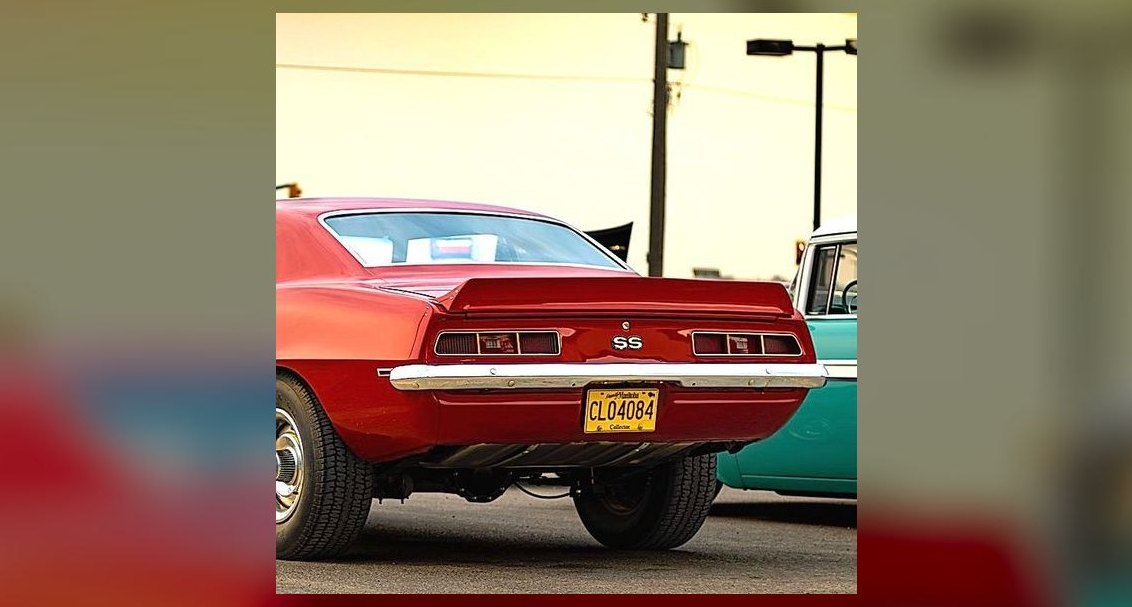 backyard-chickensHow do you start a backyard chicken coop installation business in 2027?
 doggy-daycareHow do you start a doggy daycare business in 2027?
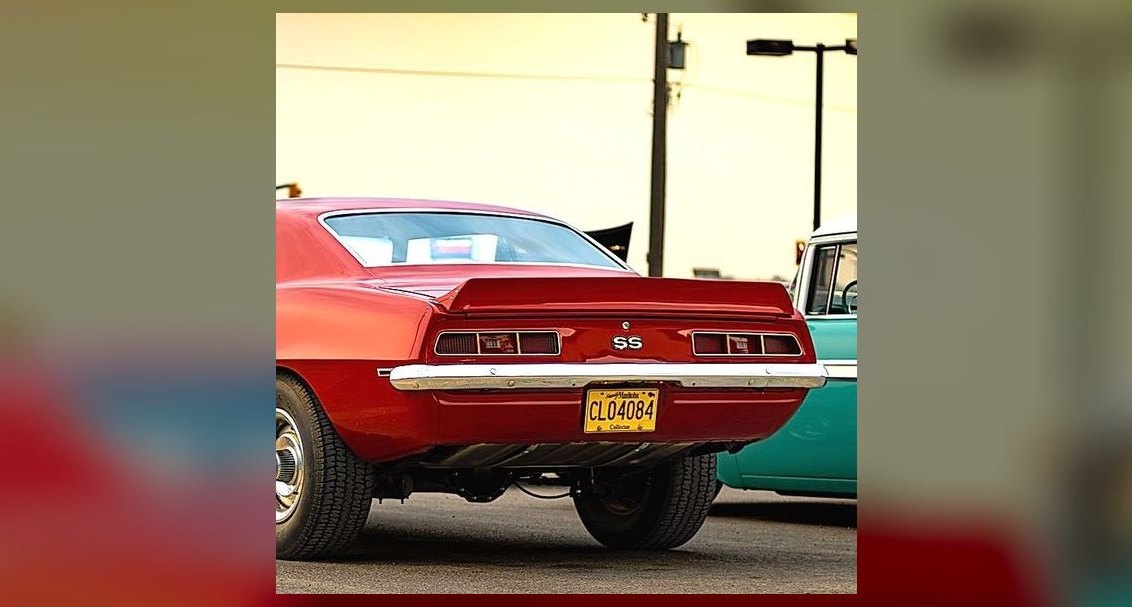 music-lessonsHow do you start a music lesson studio business in 2027?
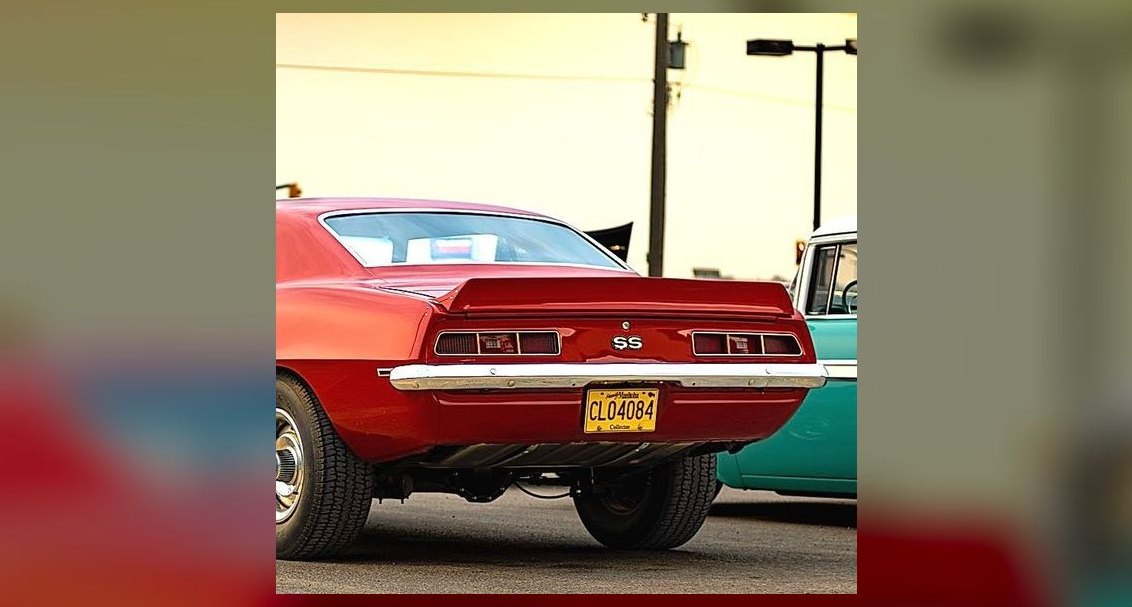 hvacHow do you start a HVAC service business in 2027?
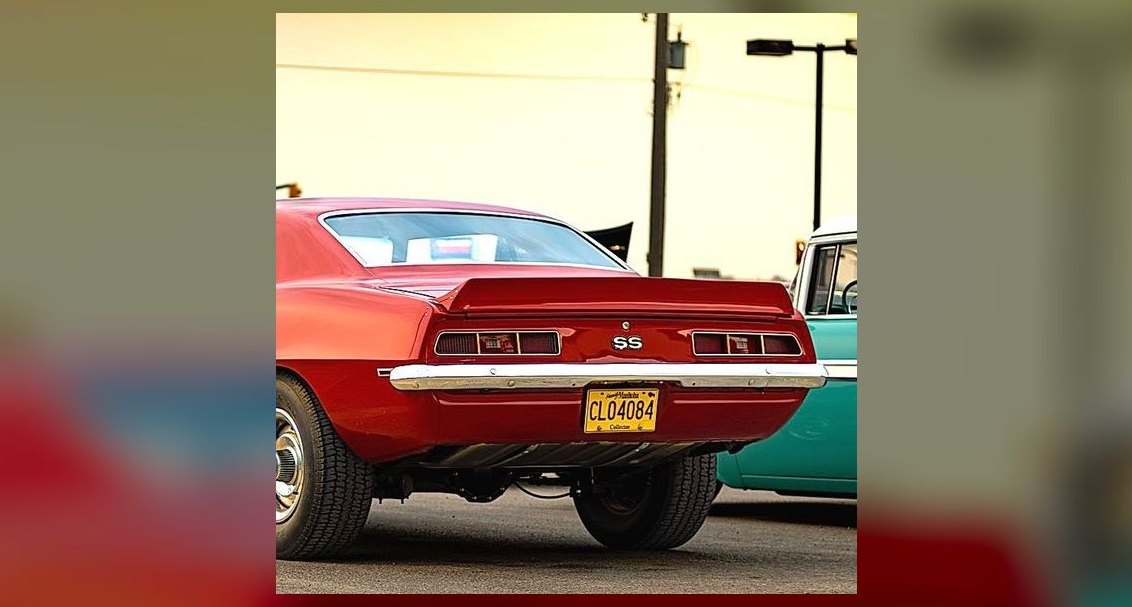 lawn-careHow do you start a lawn care business in 2027?
 app-development-agencyHow do you start an app development agency business in 2027?