

How do you start an assisted living facility business in 2027?
 Curated byKory White · Fractional CRO · Maryland

Starting an assisted living facility in 2027 typically requires securing state licensure, meeting local zoning and building codes, and obtaining necessary permits, with costs ranging from $500,000 to over $3 million depending on facility size and location. You must develop a comprehensive business plan, secure financing through loans or investors, and comply with healthcare regulations, including staffing ratios and safety standards. The process generally takes 12 to 24 months from initial planning to opening.
TL;DR: Starting an assisted living facility (AL or ALF) business in 2027 — the 24-60 unit residential care setting that sits between independent living and skilled nursing on the senior-care continuum, governed by state-by-state licensing (CA Title 22 RCFE / FL ALF AHCA / TX Type A or B or C / NY ACF / IL SLF), regulated by annual + complaint-driven state survey cycles, and economically anchored by 75-90% private-pay residents at $4,800-$8,200 per resident per month plus 5-15% Medicaid HCBS waiver plus VA Aid and Attendance — means choosing among four operator formats (lease-and-operate an existing facility, ground-up construction, acquisition of distressed or family-owned facility, or franchise / management-company affiliation), navigating one of the most labor-intensive licensed businesses in the US (CNA + LVN turnover north of 70% annually per BLS 31-1131 nursing assistant data), and operating inside a sector still climbing out of the COVID occupancy hole (industry occupancy ~85% in 2025 per NIC MAP Vision, recovering slowly from 2020-2021 trough of ~75%). Mature single-facility AL houses run 28-38% EBITDA margins at stabilized occupancy with named comps including Brookdale Senior Living (NYSE: BKD), Atria Senior Living (Welltower-owned since 2024), Sunrise Senior Living, Sonida Senior Living (NYSE: SNDA), Five Star Senior Living, Holiday by Atria, Belmont Village, Frontier Management, Pacifica Senior Living, Cogir Senior Living, Spectrum Retirement, MBK Senior Living, with PE / REIT capital actively rolling up at 7-9x EBITDA via Welltower (NYSE: WELL), Ventas (NYSE: VTR), National Health Investors (NYSE: NHI), Healthpeak (NYSE: DOC), Sabra Health Care (NYSE: SBRA) plus Bain Capital, KKR, Carlyle strategic positions. The hardest part is staffing, not licensing.
> ### 🎯 Bottom Line > - [Capital] $1.8M-$4.5M to license and build a 24-unit AL facility from ground-up; $850K-$1.4M to acquire an existing operating building plus rehab plus working capital; expect 18-30 months to full stabilized occupancy even in a strong sub-market. > - [Margins] Mature single-facility AL runs 28-38% EBITDA margins on $4,800-$8,200 per resident per month at 88-92% occupancy; the real money is rent plus ancillary care fees and second-person fees — not real estate appreciation, which goes to your REIT landlord if you don't own the building. > - [Hardest part] Caregiver staffing — not licensing, not census, not capital. CNA and LVN turnover runs 70-110% annually in AL per BLS 31-1131 and Argentum 2024 Workforce Survey data; that single number is what kills new operators in years 2-3 once the founder-energy honeymoon ends.
An assisted living facility business in 2027 is a state-licensed residential care setting built for older adults who need help with two-plus Activities of Daily Living (ADLs — bathing, dressing, toileting, transferring, eating, continence) but who do not need 24-hour skilled nursing oversight. The category sits firmly between independent living (no licensure, hospitality-only) and skilled nursing facilities or SNFs (federal Medicare / Medicaid certified under 42 CFR 483, RN coverage required around the clock) — and increasingly overlaps with memory care wings serving residents with Alzheimer's or dementia diagnoses. Revenue comes from monthly base rent ($3,200-$5,800 typical) plus tiered care-level fees ($1,200-$3,400 stacked on top depending on ADL count and clinical acuity) plus second-person fees plus ancillary services (medication management, beauty salon, transportation, podiatry, on-site therapy).
The honest 2027 demand reality — there are roughly 31,000 licensed AL communities in the US per the National Center for Health Statistics 2024 release and Argentum / AHCA-NCAL operator data, housing approximately 918,000 residents at an industry-wide occupancy that climbed back to ~85.6% by Q4 2024 per NIC MAP Vision after bottoming near 75% in early 2021. The 80+ population is forecast to grow from ~13M (2024) to ~21M by 2034 per Census Bureau projections, with the leading-edge boomers turning 80 in 2026 — but new construction starts have been historically depressed for four straight years (NIC MAP shows AL starts at 0.4% of inventory in 2024, vs ~3-5% pre-COVID), creating a structural supply-demand pinch operators are betting on. The category is 80%+ private-pay by revenue, with Medicaid HCBS waiver penetration averaging 5-15% (state-dependent, with FL / TX / WA running waiver-heavier programs) and VA Aid and Attendance covering a slice of veteran residents.
The four things that determine whether an AL operator survives years 2-5: (1) caregiver wage and turnover discipline — CNA wages are $36K-$48K, LVN / LPN $52K-$72K per BLS 2024 data, with turnover running 70-110% annually per Argentum 2024 Workforce Survey; (2) census velocity to stabilization — at $5,400 average rate per occupied unit, a 24-unit building loses approximately $129K per month for every 10 percentage points of unoccupancy; (3) state survey posture — annual surveys plus complaint-driven surveys under each state's licensing code (CA DSS Title 22, FL AHCA Chapter 429, TX HHSC 26 TAC Chapter 553, NY DOH 18 NYCRR 487/488, IL IDPH 77 IL Adm Code 295) produce deficiency tags that can trigger admission holds, civil money penalties, or license revocation; (4) capex discipline — AL buildings need substantial reinvestment every 7-10 years (FF&E refresh, common area renovation, life-safety code upgrades, sprinkler retrofits in older buildings) at $4K-$12K per unit per cycle.
🗺️ Table of Contents
Part 1 — Foundations
- [Market size & opportunity](#market-size--opportunity)
- [State licensing & regulatory paths](#state-licensing--regulatory-paths)
- [Business structure & insurance](#business-structure--insurance)
Part 2 — Build-Out & Capital
- [Building economics & real estate decisions](#building-economics--real-estate-decisions)
- [Operating systems & clinical software](#operating-systems--clinical-software)
- [Staffing model & wage structure](#staffing-model--wage-structure)
Part 3 — Operations
- [Census building & referral channels](#census-building--referral-channels)
- [Payer mix & pricing discipline](#payer-mix--pricing-discipline)
- [Survey readiness & compliance cadence](#survey-readiness--compliance-cadence)
- [Service delivery & resident-care quality](#service-delivery--resident-care-quality)
Part 4 — Growth & Exit
- [Marketing & census expansion](#marketing--census-expansion)
- [Scale milestones](#scale-milestones)
- [REIT, PE & strategic exit math](#reit-pe--strategic-exit-math)
- [Counter-case & risks](#counter-case--risks)
---
📐 PART 1 — FOUNDATIONS
Market size & opportunity
An assisted living facility business in 2027 is a state-licensed senior-care operating company sitting in a narrow band of the senior housing continuum: above independent living (hospitality without medical oversight, no licensure required), below skilled nursing (federally certified, RN 24/7, Medicare and Medicaid intermediate / long-term care under 42 CFR 483), and overlapping with memory care (dedicated wing or building for dementia residents — usually a Title 22 RCFE plus dementia-care endorsement in California, or an ALF with limited mental health license in Florida). The format dominantly served is the 16-60 unit small-cap residential building — the sweet spot that meets the operator-economics threshold (enough doors to spread fixed cost: a 1.0 FTE administrator, a 1.0 FTE wellness director, a part-time dietary manager) without crossing into the SNF-level scrutiny that 30+ states impose on facilities above the 60-unit or 100-bed thresholds. The US installed base sits at approximately 31,000 licensed AL communities per the National Center for Health Statistics 2024 release plus Argentum and AHCA-NCAL operator counts, housing ~918,000 residents at an industry occupancy that finished Q4 2024 at 85.6% per NIC MAP Vision senior housing tracking — a meaningful climb from the early-2021 trough near 75% that the COVID hangover produced but still notably below the pre-COVID 88-91% range that defined a healthy operating environment. The 80+ population is forecast to grow from ~13M (2024) to ~21M by 2034 per Census Bureau projections, with leading-edge boomers turning 80 in 2026 and the demand wave widely modeled by Argentum, NIC MAP Vision, ASHA (American Seniors Housing Association), and JLL Senior Housing as a multi-decade tailwind. New construction starts have been historically depressed at 0.4% of inventory in 2024 per NIC MAP, vs the 3-5% range that characterized 2014-2018, because construction lending tightened after Silicon Valley Bank and the regional-bank stress of 2023, lumber and labor costs inflated 22-38% post-COVID, and operator returns compressed during the occupancy recovery. The dominant named operating chains in the US AL space — useful as benchmarks and as eventual acquirers — include Brookdale Senior Living (NYSE: BKD, the largest US senior living operator with ~640 communities across IL / AL / memory care / SNF, 2024 revenue ~$2.96B per 10-K), Atria Senior Living (Welltower-owned since 2024 acquisition, ~340 communities), Sunrise Senior Living (Revera-owned, ~270 communities), Holiday by Atria (former Holiday Retirement, ~280 communities), Sonida Senior Living (NYSE: SNDA, ~70 communities post-restructuring), Five Star Senior Living / AlerisLife (~140 communities), Belmont Village Senior Living (~32 high-end communities), Frontier Management (~120 communities), Pacifica Senior Living (~80 communities), Cogir Senior Living (~85 communities), Spectrum Retirement Communities (~40 communities), MBK Senior Living (~35 communities), Senior Lifestyle (~115 communities), Watermark Retirement Communities (~85 communities), LCS / Life Care Services (~140 communities), Senior Resource Group, Integral Senior Living, Compass Senior Living. The active single-facility / small-multi-facility operator population is estimated at 8,000-13,000 operators in 2024-2026 controlling the long tail of independent AL communities — and this group is the structural source of acquisition opportunity for new entrants. Mature 24-unit AL stabilizes at $1.5M-$2.7M annual revenue, 28-38% EBITDA margin, $420K-$1.0M annual EBITDA at 88-92% occupancy and a balanced acuity mix; mature 48-unit AL stabilizes at $2.9M-$5.4M revenue, 25-34% EBITDA margin, $725K-$1.8M annual EBITDA. The exit cap rate environment in 2025-2026 sits in the 7.0-8.5% range for stabilized AL per JLL Senior Housing Investor Survey and CBRE Senior Housing 2024 reports — meaningfully wider than the 5.5-6.5% range that prevailed pre-COVID and reflecting the higher cost of capital plus operator labor risk that REIT and PE buyers are pricing in.
State licensing & regulatory paths
Assisted living is a state-licensed business — there is no federal AL license. Every state runs a distinct regulatory framework with its own definitions, staffing minimums, training requirements, survey cadence, deficiency tags, and admission criteria. The variability is genuinely the single most consequential complexity for new operators because building plans / staffing models / clinical scope / pricing assumptions calibrated to one state's rules can become non-compliant or uneconomic in another. The dominant state-level regimes a new operator must understand:
California — Department of Social Services (DSS) Community Care Licensing Division, Title 22 Division 6 Chapter 8 Residential Care Facilities for the Elderly (RCFE): covers all AL serving residents 60+; license categories by capacity (6 or fewer beds, 7-15, 16-49, 50-99, 100+); administrator certification required (40-hour initial course plus 40 hours continuing every 2 years); resident-care staffing ratios specified per resident acuity; medication management restricted (LVN or RN required for trained-only-medication-technician programs); annual unannounced inspection plus complaint-driven; civil money penalties $50-$500 per deficiency per day, license revocation in severe cases. Memory care wings require additional Dementia Care Specialty endorsement.
Florida — Agency for Health Care Administration (AHCA), Chapter 429 Part I Florida Statutes plus 59A-36 FAC: standard ALF license plus optional endorsements for Limited Nursing Services (LNS), Extended Congregate Care (ECC), and Limited Mental Health (LMH); administrator must hold core training certificate; staffing ratios specified; biennial license renewal cycle plus annual survey; AHCA penalties commonly $500-$5,000 per violation. The LNS endorsement is the practical lever for retaining higher-acuity residents longer.
Texas — Texas Health and Human Services Commission (HHSC), 26 Texas Administrative Code Chapter 553 Assisted Living Facilities: three license types — Type A (residents capable of evacuating without assistance, lower acuity), Type B (residents who may need staff evacuation assistance, higher acuity, more nursing), Type C (small adult foster care, 4 or fewer beds). Annual inspection plus complaint surveys; administrator certification under HHSC; CNA-equivalent direct-care staff training requirements.
New York — NY State Department of Health (NYS DOH), 18 NYCRR Part 487 / 488 Adult Care Facilities (ACF), with separate licensure tracks for Adult Homes, Enriched Housing Programs, and Assisted Living Residences (ALR), plus optional Enhanced Assisted Living Residence (EALR) and Special Needs Assisted Living Residence (SNALR): ALR license required for AL operations; SNALR for dementia / cognitive impairment populations; NYS DOH conducts annual surveys plus complaint investigations; civil penalties up to $1,000 per day per violation under PHL 2803-d.
Illinois — IL Department of Public Health (IDPH), 77 Illinois Administrative Code Part 295 Assisted Living and Shared Housing Establishments: SLF license required; administrator licensure under separate IL Department of Financial and Professional Regulation; annual inspections; IDPH violations posted publicly via the Health Care Worker Background Check / facility report cards.
Other major-population states with distinct AL licensure regimes include Pennsylvania (Personal Care Home / PCH license under 55 PA Code Chapter 2600 and Assisted Living Residence / ALR license under Chapter 2800), Ohio (Residential Care Facility / RCF license under ORC Chapter 3721), Georgia (Personal Care Home / PCH or Assisted Living Community / ALC under Chapter 111-8 of the Rules of the Department of Community Health), Michigan (Adult Foster Care License or Home for the Aged license under MCL 333.20106), Washington (Assisted Living Facility license under RCW 18.20 and WAC 388-78A), Arizona (Assisted Living Facility / Assisted Living Home / Assisted Living Center under A.R.S. Title 36 Chapter 4 and AAC R9-10), North Carolina (Adult Care Home / ACH or Family Care Home / FCH license under NC General Statutes Chapter 131D), Virginia (Assisted Living Facility license under 22 VAC 40-73). The 60-unit threshold matters in many states because crossing it can trigger SNF-level scrutiny — additional clinical staffing, more aggressive survey cadence, life-safety code provisions for sprinklers / fire ratings / emergency power. The disciplined new operator: picks a state, picks a building size that sits comfortably below any acuity / scale threshold trigger, and engages a healthcare licensing attorney specialized in that state's AL code before signing a real estate deal. Federal layer for any AL accepting Medicaid HCBS waiver: CMS Home and Community-Based Services Final Rule (42 CFR 441.301) compliance, including the HCBS Settings Rule governing person-centered planning, community integration, and choice-of-provider standards.
Business structure & insurance
The entity stack for AL operators looks similar to other licensed-facility businesses but the insurance / bonding layer is one of the most expensive in any small business segment because of the combination of vulnerable population, medication management, fall-risk liability, abuse / molestation exposure, and the slow-but-large nature of resident-injury claims. Entity structure: standard pattern is a dual-entity OpCo / PropCo split — an operating company LLC (taxed as S-corp) that holds the AL license, leases the building, employs the staff, and runs operations; plus a separate property company LLC that owns the real estate (if owned rather than REIT-leased) and triple-net leases the building to OpCo. This separation protects the real estate asset from operating liability and is the structure REIT acquirers expect to see. For founder-owned facilities, the PropCo typically holds the mortgage or HUD 232/223(f) loan; for facilities sale-leased to a REIT, OpCo just holds the operating lease. Personal guarantee reality: virtually every initial real estate financing (HUD 232 mortgage, SBA 504 commercial real estate loan, community bank construction loan), working capital line, license bond, and major vendor MSA will require personal guarantee from the founder; the LLC structure does not insulate founders from these obligations. Insurance stack specific to AL operations: (1) Professional Liability / Senior Care General Liability — combined CGL plus PL policy with limits typically $1M / $3M per occurrence / aggregate, premium $1,200-$3,800 per licensed bed annually depending on state, claims history, and acuity mix. AL is one of the heaviest insurance categories per BLS small-business data because of resident-injury exposure (falls, medication errors, abuse / neglect claims, elopement / wandering for dementia residents). Major AL-specific insurance carriers include Caitlin Morgan Insurance Services, Specialty Program Group, AmTrust Financial Services, Distinguished Specialty (a partner of Liberty Mutual), HUB International, Marsh McLennan Agency, Aon (for larger operators). (2) Workers Compensation — AL is classified under NCCI 8829 Nursing Home — All Employees or in some states 8835 Home, Public Health, or Visiting — All Employees and Drivers; premium runs $2.20-$4.80 per $100 of payroll depending on state experience modifier, which on a 24-unit facility with 30 FTE caregiver payroll of ~$1.2M translates to $26K-$58K annual WC premium. (3) Property insurance at full replacement value with business interruption rider; $8K-$28K annually for typical small-cap building. (4) Abuse and Molestation Coverage — critical add-on, typically $1M / $2M sub-limit at $2,500-$8,500 annually; many primary GL policies sub-limit or exclude A&M coverage. (5) Cyber Liability at $1M-$3M covering HIPAA breach response, PHI exposure, ransomware — $3,500-$12,500 annually essential given EMR / eMAR usage. (6) Employment Practices Liability (EPLI) at $1M-$2M — $2,500-$8,500 annually. (7) D and O / Management Liability at $1M-$2M — $2,500-$8,500 annually. (8) Umbrella Liability at $3M-$10M layered above CGL / PL / Auto / WC — $5K-$25K annually. (9) Commercial Auto for facility van and staff vehicles — $3,500-$8,500 annually. (10) Crime / Fidelity Bond for employee dishonesty and resident-fund management — $1,500-$4,500 annually. (11) HIPAA compliance program and OIG exclusion screening (every staff hire screened against OIG List of Excluded Individuals and Entities, GSA SAM exclusion list, state Medicaid exclusion lists). Total Year 1 insurance load for a 24-unit AL: $65K-$185K; for a 48-unit AL: $120K-$285K; for a 60+ unit facility approaching SNF-adjacent scrutiny: $185K-$485K. Bonding requirements: most states require an administrator license bond ($10K-$50K face value) plus, in some states, a resident trust fund surety bond for facilities managing resident personal funds — at 1-1.5% face value annual cost. HIPAA / privacy posture: AL operators handle protected health information (PHI) on residents and become HIPAA Covered Entities the moment they bill insurance / VA / Medicaid; written HIPAA Privacy and Security policies, designated Privacy Officer and Security Officer, annual staff training, Business Associate Agreements with every vendor handling PHI (EMR vendor, eMAR vendor, billing service, pharmacy, hospice partners, home health partners). Independent contractor / W-2 classification: every direct-care staff member (CNA, med tech, LVN, RN, activities, dietary) must be W-2 — never 1099 — because state AL codes universally require employer control over training, scheduling, and clinical oversight; misclassification audits in this space produce six-figure back-tax assessments plus state-licensure exposure. 1099 contractor status is acceptable only for specialty external services (consulting RN for survey readiness, dietitian or registered dietitian nutritionist, podiatrist, physical / occupational therapist contracted in, beautician, music therapist).
---
🧱 PART 2 — BUILD-OUT & CAPITAL
Building economics & real estate decisions
The single most consequential capital decision in AL is whether to own or lease the building — and within ownership, whether to build ground-up or acquire an existing facility. The math diverges sharply across paths. Ground-up new construction: per NIC MAP Vision and JLL Senior Housing 2024 construction cost data, new AL construction in 2025-2026 runs $185K-$350K per unit all-in (land + site work + hard construction + soft costs + FF&E + working capital), with regional variation putting Sun Belt / Texas / Florida / Carolinas at the lower end and California / Northeast / Hawaii at the higher end. A 24-unit ground-up build totals $4.4M-$8.4M all-in and takes 18-30 months from land acquisition to certificate of occupancy plus another 12-24 months to stabilized occupancy — a long capital duration. New construction financing typically structures as HUD Section 232 New Construction loan (FHA-insured, 40-year amortization, low rate, but 9-18 month application process) or conventional construction-to-permanent loan from a community / regional bank or healthcare-specialty lender like Live Oak Bank / CIBC US Healthcare / Ziegler / Capital One Healthcare, typically 20-30% equity down, construction phase 18-24 months at SOFR + 3-5%, conversion to permanent at SOFR + 2.5-4%. Acquisition of an existing operating AL is meaningfully more capital-efficient: existing facilities trade at $145K-$275K per unit in 2025-2026 per JLL Senior Housing and CBRE Senior Housing market reports — a 24-unit acquired AL typically lands at $3.5M-$6.6M acquisition price, financed via HUD Section 232/223(f) acquisition loan (the workhorse for stabilized AL acquisition, 35-year amortization, fixed rate, 80-85% LTV) or conventional bank acquisition financing. Acquired facilities also typically come with existing census (faster path to stabilized cash flow), existing licensed staff (faster operational ramp), and existing referral relationships, though acquired facilities often need rehab capex of $4K-$12K per unit to refresh FF&E, common areas, and life-safety code compliance. Distressed / family-owned acquisition is the highest-value-creation path for skilled operators — buying a poorly-operated facility from a retiring family operator or a turnaround target from a REIT at $95K-$180K per unit, then investing $5K-$15K per unit in rehab and 6-18 months of operational turnaround to bring occupancy from 65-75% to 88-92% and EBITDA margin from 12-18% to 28-35%. Lease-and-operate from a REIT or PropCo is the lowest-capital path: REITs like Welltower (NYSE: WELL), Ventas (NYSE: VTR), National Health Investors (NYSE: NHI), Healthpeak (NYSE: DOC), Sabra Health Care (NYSE: SBRA), Omega Healthcare (NYSE: OHI), LTC Properties (NYSE: LTC), Diversified Healthcare Trust (NASDAQ: DHC) lease stabilized AL buildings to OpCo operators under triple-net leases at 7.5-9.5% lease yield on the REIT's appraised value, typically structured as 10-15 year initial term plus renewal options, annual rent escalators of 2-3%, OpCo responsible for operating expense / taxes / insurance / capex within negotiated limits, REIT responsible for major structural / roof / life-safety capex above thresholds. The lease-and-operate path requires only working capital plus license bond plus pre-funded operating reserve — typically $850K-$1.4M for a 24-unit facility — but the operator captures only the operating spread (EBITDAR margin minus lease cost) rather than the real estate appreciation, and the lease cost typically consumes the majority of EBITDAR. Building selection criteria for any path: (1) sub-market demographics — must be in a primary or secondary market with 5K+ adults age 75+ within 5-mile primary trade area per Argentum / NIC MAP Vision penetration rate analysis because AL is a hyper-local business with 95%+ of residents coming from within 10 miles; (2) competing supply — assess existing AL inventory within trade area for occupancy / pricing / acuity / amenity positioning; (3) hospital and discharge-planner relationships — proximity to community hospitals with active discharge planning is the single most consequential referral source; (4) building configuration — modern AL design optimizes for studios and one-bedroom units 380-520 sf studio / 580-780 sf one-bedroom, secure memory-care neighborhood if applicable, central dining and activity / common areas, accessible bathing rooms, medication room with secure storage, nurse station, soiled and clean utility rooms, sprinklered throughout per NFPA 13, emergency generator coverage, secured perimeter for memory care.
Operating systems & clinical software
AL operating tech stack centers on resident-management / clinical documentation / billing software — these systems carry resident health records, medication orders, care plans, incident reports, family communication, and survey-ready documentation. The dominant AL-specific platforms in 2025-2026: (1) PointClickCare — the dominant LTC / AL EMR with deep clinical functionality, eMAR (electronic medication administration record), POC (point-of-care) caregiver documentation, family portal, integrated billing; pricing $95-$220 per licensed bed per month, used by Brookdale, Sunrise, large operators; pointclickcare.com. (2) Yardi Senior Living — Yardi Voyager-based platform combining clinical EHR with property management / accounting; popular with REIT-affiliated operators because Yardi already runs the REIT property management; $65-$185 per bed per month; yardi.com/senior-living. (3) MatrixCare — ResMed-owned LTC EHR with strong SNF heritage adapted to AL; $85-$200 per bed per month; matrixcare.com. (4) Eldermark — AL-native platform with care planning, eMAR, family communication, marketing CRM, billing; popular with small-to-mid operators; $55-$145 per bed per month; eldermark.com. (5) ALIS (Assisted Living Information System) by Medtelligent — AL-focused with admissions, clinical, billing, family portal; $45-$125 per bed per month; alisbymedtelligent.com. (6) Aline (formerly Senior Living SMART) — sales / CRM-focused platform with light clinical, used as front-of-house complement to EMR; $1,200-$3,800 per community per month; alineops.com. (7) Welbi — engagement / activities platform; $185-$485 per community per month; welbi.co. (8) Sentrics (formerly Sentrics by Sentrics) — care-call / nurse-call / wander-management / fall-detection technology; $185-$485 per bed installation + monitoring; sentrics.com. (9) PharMerica / Omnicare / Guardian Pharmacy / Pharmscript — institutional AL pharmacies that deliver bubble-packed or pouch-packed medications with reconciliation and integration to the eMAR. Marketing CRM: (a) Aline, (b) Enquire Solutions, (c) Salesforce Health Cloud customized for senior living, (d) SiteStaff Chat for website lead capture, (e) Roobrik for online lead qualification. Accounting / payroll: (a) Yardi Voyager (REIT-affiliated), (b) Sage Intacct (mid-market), (c) NetSuite (multi-site operators), (d) ADP / Paycom / Paylocity for payroll plus Kronos UKG or Smartlinx for scheduling — scheduling specifically is critical because CNA / med tech / LVN scheduling complexity drives ~30-40% of administrative time at the executive director level. HIPAA-compliant communication: (a) TigerConnect, (b) Doximity, (c) HIPAA-compliant Microsoft Teams or Google Workspace tenants. Telehealth integration: (a) TruClinic, (b) eVisit, (c) integration with VA Tele-Health for veteran residents. Total Year 1 tech stack cost for a 24-unit AL: $35K-$95K annually all-in (EMR + CRM + scheduling + accounting + nurse-call + telehealth + family portal). For larger / multi-site operators, this scales to $185K-$685K annually.
Staffing model & wage structure
Staffing is the single largest operating expense (typically 52-65% of revenue at stabilized AL) and the operational discipline that determines whether the facility makes or loses money. The dominant 24-unit AL staffing model:
| Role | FTE count | Coverage | Annual wage range (per BLS 2024) |
|---|---|---|---|
| Executive Director / Administrator | 1.0 | M-F + on-call | $75K-$135K |
| Wellness / Resident Care Director (RN or LVN) | 1.0 | M-F + on-call | $72K-$115K |
| Med Tech / Med Aide (state-specific certification) | 3.0 | 7 days, 2-3 shifts | $38K-$54K |
| CNA / Resident Care Assistant (BLS 31-1131) | 9.0-12.0 | 24/7, 3 shifts | $36K-$48K |
| LVN / LPN on shift coverage | 1.0-2.0 | Day shift + evening | $52K-$72K |
| Activities / Life Enrichment Director | 1.0 | M-F + occasional weekend | $42K-$62K |
| Dietary Manager / Chef | 1.0 | 6 days | $48K-$75K |
| Dietary Aides / Servers | 3.0-4.0 | 7 days, 2 shifts | $32K-$42K |
| Housekeeping / Laundry | 2.0-3.0 | 7 days | $30K-$40K |
| Maintenance / Building Services | 1.0 | M-F + on-call | $48K-$72K |
| Marketing / Community Relations Director | 1.0 | M-F | $58K-$95K + bonus on move-ins |
| Receptionist / Concierge | 1.0-2.0 | 7 days, 1-2 shifts | $32K-$42K |
The total stabilized 24-unit AL staff footprint runs 26-32 FTE with annual payroll burden of $1.1M-$1.7M including benefits, payroll taxes, workers comp, which represents 42-52% of gross revenue at 88-92% occupancy. Direct-care staffing ratios sit at 1 caregiver per 8-12 residents on day shift, 1 per 12-15 on evening shift, 1 per 15-20 on night shift in standard AL — these ratios are state-regulated minimum floors that operators routinely run above. The CNA / med tech / LVN turnover crisis is the single hardest operational reality: 70-110% annual turnover per Argentum 2024 Workforce Survey and BLS 31-1131 nursing assistant data, with hospital systems / SNF / home health / staffing agencies all competing for the same labor pool. Disciplined operators run structured caregiver retention programs including starting wage at the 75th percentile of local market not the median, paid CNA / med tech certification programs, scheduled wage progression at 6 / 12 / 24 month milestones, retention bonuses tied to tenure, employee assistance program access, predictable scheduling (no last-minute shift changes), open-door management culture, and tuition assistance for LVN / RN advancement. Agency / contract staffing — using temporary staffing agencies (Maxim Healthcare Services, CareerStaff Unlimited, Cross Country Healthcare, AMN Healthcare, IntelyCare, ShiftMed, ShiftKey, ConnectRN) to cover scheduling gaps — runs $28-$58 per hour vs $18-$28 per hour for W-2 staff, a 1.5-2.5x cost penalty that compresses margin meaningfully. New operators routinely underestimate the agency-dependence trap: a facility that cannot fill its W-2 schedule slides into agency dependence, which inflates the labor line by 15-25%, which puts pressure on rate increases, which produces census loss, which deepens the agency dependence. The disciplined operator targets agency hours below 6% of total caregiver hours as a stabilized operating discipline.
---
⚙️ PART 3 — OPERATIONS
Census building & referral channels
Census — the number of occupied units — is the dominant revenue lever in AL because the building's cost structure is largely fixed (administrator, wellness director, building costs, baseline staffing) regardless of occupancy. A 24-unit AL at $5,400 average rate per occupied unit per month loses approximately $12,960 per month for every empty unit beyond the baseline staffing-driven minimum. Census building runs across distinct referral and acquisition channels:
(1) Hospital discharge planners — community hospital discharge planning teams (case managers, social workers, transition coaches) place patients into AL post-acute when patients cannot return home but do not need SNF; this channel produces 15-30% of typical AL admissions and is the highest-quality / highest-acuity / highest-rate channel; operators build hospital relationships through standing meetings with discharge planning leadership, in-person visits, capacity transparency, fast admission turnaround (24-48 hours from referral to move-in for hospital-discharge cases), and post-discharge outcome reporting.
(2) Geriatric care managers and Aging Life Care Professionals — independent professionals (often LCSWs or RNs) hired by families to navigate senior care decisions; relatively small absolute volume but highly qualified leads; build via local Aging Life Care Association (aginglifecare.org) chapter relationships.
(3) Elder law attorneys, estate planning attorneys, and trust officers — professionals advising families on senior care planning; produce qualified leads especially for higher-net-worth private-pay segment.
(4) A Place for Mom (APFM, aplaceformom.com), Caring.com, SeniorAdvisor.com (a Place for Mom subsidiary), and SeniorLiving.org — the dominant online senior-living lead generators producing 20-35% of typical AL admissions; APFM charges operators 70-110% of first month's rent as a placement fee — a meaningful cost that operators must factor into pricing.
(5) Direct family inquiry — drive-by, website search, word-of-mouth, family referrals from existing residents; produces 15-25% of typical admissions and is the highest-margin channel (no third-party placement fee).
(6) Home health and hospice agency referrals — local home health and hospice agencies refer clients who need AL-level support; build via reciprocal referral relationships.
(7) Senior centers, faith communities, fraternal organizations (Elks, Rotary, Knights of Columbus, Masonic), VFW / American Legion posts (especially for VA Aid and Attendance-eligible veterans) — community-based referral relationships.
(8) Skilled nursing facility step-down referrals — residents discharged from SNF post-rehab who need ongoing care but do not need SNF-level skilled services.
(9) Independent living step-up referrals — residents in independent living communities who develop ADL needs and need higher-acuity setting.
(10) Memory care / dementia diagnosis specialists — neurologists, geriatric psychiatrists, and dementia clinics referring newly-diagnosed Alzheimer's / dementia patients into memory care AL settings.
The disciplined operator runs a structured weekly census huddle reviewing pipeline (number of active inquiries, scheduled tours, deposits taken, move-ins committed) plus current occupancy plus pending move-outs (resident decline, hospital transfer, death) plus targeted move-in goal — typically 3-5 move-ins per month for a 24-unit AL at stabilized state to offset natural attrition. Move-out rates run 30-45% annually in AL because of resident decline / hospital admission / move-to-SNF / death — meaning even a stabilized fully-occupied 24-unit AL needs 8-12 move-ins per year just to stay flat.
Payer mix & pricing discipline
AL payer mix is dominantly private-pay — typically 75-90% of revenue — with the remaining slice split among Medicaid HCBS waiver (state-dependent: 5-25% of beds in HCBS-heavy states like FL / TX / WA / OR, near zero in private-pay-only states), VA Aid and Attendance (covering a slice of qualifying veteran residents at $1,500-$2,800 per month supplement), long-term care insurance reimbursement (5-15% of residents typically), and out-of-pocket family-funded blends. Private-pay pricing structure: standard AL pricing breaks into (1) base monthly rent ($3,200-$5,800 typical for studio to one-bedroom in mid-market state, $4,500-$7,500 in high-cost markets, $6,000-$9,500 in premium markets) — this covers the unit, meals, housekeeping, transportation, activities, and baseline wellness oversight; (2) tiered care-level fees ($1,200-$3,400 stacked on top depending on ADL count, medication management complexity, behavioral / cognitive support needs) — typically structured as Care Level 1 / 2 / 3 / 4 / 5 with the leveling done via initial nursing assessment plus quarterly reassessment; (3) second-person fee ($800-$1,400) for couples sharing a unit; (4) ancillary services (beauty salon, podiatry, on-site physical therapy, additional transportation) billed per use. Total monthly resident charge typically ranges $4,800-$8,200 in mid-market AL to $7,500-$13,500 in premium AL in markets like coastal California, NYC metro, Boston, Washington DC, Seattle. Rate increases: annual rate increases typically 5-9% in 2024-2026 per Argentum and NIC MAP Vision survey data — a meaningful increase that reflects wage / insurance / food / utility inflation but requires careful resident and family communication because rate-increase shock is a leading cause of move-out. Medicaid HCBS waiver programs (state-specific, often under names like Florida Statewide Medicaid Managed Care Long-Term Care, Texas STAR+PLUS, California Assisted Living Waiver, Oregon K Plan, Washington COPES, Illinois Supportive Living Program) reimburse at $2,200-$4,100 per resident per month — meaningfully below private-pay rates, which is why operators typically cap Medicaid census at 10-25% of total beds. VA Aid and Attendance is a non-service-connected disability benefit for wartime veterans (or surviving spouses) needing help with ADLs; pays $1,500-$2,800 per month as a supplement to family-paid AL rent — operators with veteran-friendly positioning capture an outsize share of this segment. Long-term care insurance: residents with LTC policies (Genworth, Mutual of Omaha, John Hancock, Northwestern Mutual, Transamerica policies) receive reimbursement of $150-$350 per day toward AL cost, with operator help on documentation. Pricing discipline: the disciplined operator runs quarterly pricing review comparing in-place rates against published comp set, makes targeted rate adjustments by unit type and care level, holds firm on annual rate increases, and trains the marketing / sales director on value-anchored pricing conversations that focus on care quality / staff tenure / amenity / safety rather than discount competition.
Survey readiness & compliance cadence
State licensing surveys are the regulatory event that defines facility risk profile — a clean survey supports referral relationships, insurance pricing, REIT lease terms, and acquisition multiples; a survey with serious deficiency tags can trigger admission holds, civil money penalties, license probation, and in severe cases license revocation. The standard survey cadence: annual unannounced survey in most states (some states biennial), plus complaint-driven surveys triggered by family / staff / ombudsman / discharge planner / state hotline complaint, plus follow-up surveys verifying correction of cited deficiencies, plus change-of-ownership surveys triggered by acquisition. Survey scope covers resident care planning and ADL support adequacy, medication management (med error rates, eMAR documentation accuracy, controlled substance handling), staffing adequacy against state-mandated minimums, infection prevention and control (post-COVID emphasis is significant), incident reporting (falls, elopements, medication errors, alleged abuse / neglect), resident rights, dietary services, environmental cleanliness, life safety code (NFPA 101 sprinklers, fire alarm, emergency power, evacuation drills), staff training documentation, background check completion (state criminal background plus OIG exclusion plus state Medicaid exclusion), HIPAA / privacy compliance, financial records on resident trust funds. The disciplined operator runs continuous survey-readiness operations rather than survey-cycle scrambles: monthly mock survey rotating through different focus areas, quarterly clinical and chart audit verifying care plan currency / med pass accuracy / incident documentation, annual third-party survey-readiness audit by AL-specialty consultant (firms like AL Consulting Group, Pathway Health, LeaderStat, Polaris Group, BKD CPAs Healthcare), 24-hour deficiency-response posture so that any surveyor finding gets corrected immediately during survey window rather than appearing in formal report. Common deficiency tags: inadequate care plan, missed or late medication administration, falls without adequate intervention, staffing below ratio, incomplete incident documentation, missed background check, expired training, missing initial assessment, missing physician orders for medication, life safety code deficiencies (sprinkler issues, fire drill documentation, emergency power testing). Severe deficiency tags (Immediate Jeopardy or IJ in CMS terminology, or state-equivalent severity tags) trigger admission holds, civil money penalties $50-$2,000 per day per violation, license probation, mandatory corrective action plans with state-supervised verification. State Long-Term Care Ombudsman Program (federally-mandated under the Older Americans Act, state-administered) operates as an independent advocate for residents and is a frequent source of complaint-driven surveys; disciplined operators maintain open, transparent relationships with their local Ombudsman.
Service delivery & resident-care quality
Service delivery is the operational substance of AL — the actual day-to-day support residents receive — and the dimension on which long-term reputation, census stability, and survey outcomes are built. The disciplined operator runs:
Person-centered care planning — initial nursing assessment within 24-72 hours of move-in, individualized care plan documenting ADL support, medication management, dietary needs, mobility limitations, behavioral / cognitive considerations, social preferences, family contact protocols; care plan reviewed and updated quarterly minimum plus immediately on significant change of condition.
Medication management — eMAR (electronic medication administration record) replacing paper MAR books; med pass conducted by certified med techs / med aides (state-specific certification) under nursing oversight; controlled substance handling per DEA Schedule II-V requirements; med reconciliation on every hospital discharge / specialist visit return; medication error reporting and review through monthly Quality Assurance Performance Improvement (QAPI) meeting.
Fall prevention — initial fall risk assessment, environmental modifications (grab bars, non-slip surfaces, bed/chair height optimization, motion-sensor lighting), gait belt use for at-risk residents, medication review for fall-contributing medications (sedatives, blood pressure medications), post-fall huddle within 4 hours of any fall, root cause analysis and care plan update.
Infection prevention and control — written infection prevention program, hand hygiene compliance auditing, antibiotic stewardship coordination with consultant pharmacist, vaccination tracking (annual flu, COVID-19 boosters, RSV vaccine per CDC ACIP guidelines, shingles, pneumococcal), outbreak response protocols (with significant post-COVID emphasis on respiratory pathogen surveillance and rapid response).
Resident rights protection — written resident rights notice provided at move-in and annually, grievance process accessible to residents and families, Ombudsman contact information posted prominently, restraint-free environment (physical and chemical restraint use heavily restricted under federal nursing home law and analogous state AL law), end-of-life care planning support including hospice partnership.
Family communication — regular care conference cadence (typically quarterly plus on significant change of condition), family portal access through EMR (PointClickCare, MatrixCare, Eldermark, ALIS), proactive communication on incidents and clinical changes, family satisfaction survey program (typically NRC Health, Pinnacle Quality Insight, or Holleran Consulting Family Satisfaction Survey).
Dietary services — three meals plus snacks daily, dietitian-supervised menu planning, accommodation of therapeutic diets (low sodium, diabetic, dysphagia / pureed, kosher, vegetarian), restaurant-style service in dining room, room tray service for residents unable to come to dining.
Life enrichment programming — daily activity calendar covering physical (chair exercise, walking club, gentle yoga), cognitive (trivia, puzzles, current events discussion, memory care-specific programming), social (game nights, happy hour, intergenerational visits with local schools, pet therapy), spiritual (religious services, devotional, meditation), creative (art, music, gardening, baking), and educational (lectures, current events).
Therapy partnerships — contracted relationships with physical therapy / occupational therapy / speech therapy providers (Aegis Therapies, Reliant Rehabilitation, Genesis Rehab Services, RehabCare, HealthPRO Heritage) for on-site rehabilitation services billable under Medicare Part B; hospice partnerships with local hospice providers for end-of-life care; home health partnerships for skilled nursing visits as needed.
---
📈 PART 4 — GROWTH & EXIT
Marketing & census expansion
AL marketing is fundamentally B2C-to-family (the daughter / son adult-child is the dominant decision-maker for parent placement) with parallel B2B-to-referral-source streams. The marketing stack:
(1) Website with virtual tour, transparent pricing positioning, family resource content (paying for senior care guides, dementia care guides, when-is-it-time-for-AL guides), photo gallery, staff profiles, testimonials, and lead-capture forms — typically powered by WordPress + SeoSamba / Continuum / ProMatrix senior-living-specialized platforms.
(2) Google Business Profile optimization plus Google Maps presence — critical because adult children search "[city] assisted living" / "assisted living near me" / "memory care [neighborhood]" / "assisted living [city] tour"; reviews on Google Business Profile drive significant lead volume.
(3) Google Ads at $8-$28 CPC for high-intent senior living keywords ($1,500-$5,500/month typical small-operator budget).
(4) A Place for Mom (aplaceformom.com) and Caring.com listings — APFM operator partnership produces significant lead volume but at 70-110% of first month's rent placement fee.
(5) Facebook / Instagram organic and paid — adult children active on Facebook for parent-care research; content covering activities, events, resident stories, staff highlights.
(6) Local print advertising in senior-focused publications (free 50+ community papers, AARP local chapter newsletters, faith-community bulletins).
(7) Community events and open houses — quarterly open house with refreshments, tours, presentations on senior care topics; partner events with local hospitals / hospice / home health for clinician CE credits.
(8) Hospital and clinic in-services — marketing director presents lunch-and-learn at hospital discharge planning meetings, primary care clinics, geriatrician practices.
(9) Elder care attorney / financial planner outreach — regular cadence of professional-referral-source communication.
(10) Resident referral program — current residents and families referring new residents receive credit toward services or rent ($500-$2,000 per qualified move-in).
Marketing budget: typical 24-unit AL runs 3-7% of revenue on marketing ($55K-$185K annually) including marketing director salary, online lead generation, A Place for Mom fees, print, events. Conversion benchmarks: typical AL conversion ratios show inquiry-to-tour 35-55%, tour-to-deposit 18-32%, deposit-to-move-in 75-90%. The disciplined operator tracks cost per inquiry, cost per tour, cost per move-in, and customer acquisition cost (CAC) by channel to optimize marketing mix.
Scale milestones
Single facility 24-48 units: $1.5M-$5.4M annual revenue, 26-50 FTE, 28-38% EBITDA margin at stabilized, $420K-$1.8M annual EBITDA, founder is hands-on operator and frequently doubles as executive director or wellness director. Two-facility operator (48-96 units): $3M-$10M revenue, 52-100 FTE, 25-32% EBITDA margin, $750K-$3.2M EBITDA, founder transitions from facility-level operator to multi-facility owner with regional director plus facility-level EDs reporting. Regional operator 3-7 facilities (~150-400 units): $9M-$45M revenue, 175-450 FTE, 22-30% EBITDA margin, $2M-$13.5M EBITDA, dedicated regional vice president of operations plus regional clinical director plus regional sales director plus regional financial controller plus dedicated compliance / training / HR infrastructure. Mid-cap multi-state operator 8-30 facilities: $45M-$185M revenue, 450-1,800 FTE, 18-26% EBITDA margin, $9M-$48M EBITDA, full executive infrastructure (CEO, COO, CFO, CCO, CHRO, VP of Sales, VP of Clinical, VP of Operations, regional teams), strong PE-acquirer profile. Large platform 30+ facilities: $185M-$985M revenue, full corporate infrastructure, strategic PE or REIT acquirer target. Scaling capital: SBA 7(a) for first-facility working capital up to $5M, HUD Section 232 / 232/223(f) for ground-up new construction or stabilized acquisition (the FHA workhorse for AL real estate), conventional construction-to-perm from community / regional / healthcare-specialty banks (Live Oak Bank, CIBC US Healthcare, Ziegler, Capital One Healthcare, Greystone Healthcare, Newpoint Real Estate Capital, Capital Funding Group), REIT sale-leaseback at 7.5-9.5% lease yield, mezzanine debt from healthcare-specialty mezz lenders, PE equity capital at platform scale. Strategic case studies: Brookdale Senior Living (NYSE: BKD) — formed by 2005 merger of Brookdale Living Communities and four other operators, IPO 2005, peaked at 1,100+ communities then strategic dispositions to current 640+ communities, revenue $2.96B 2024; Atria Senior Living — Welltower-owned since 2024 acquisition consolidating ~340 communities under REIT operating platform; Sonida Senior Living (NYSE: SNDA) — formerly Capital Senior Living, restructured through Chapter 11 in 2024 and emerged as repositioned operator; Holiday by Atria (former Holiday Retirement) — large independent living and AL platform of 280+ communities; Belmont Village Senior Living — premium high-end AL with 32 communities focused on highly affluent markets.
REIT, PE & strategic exit math
Exit multiples for AL operating companies in 2025-2026 vary by scale, occupancy, EBITDA margin, real estate ownership structure, and regional positioning. Single-facility operator (24-60 units): typically sells via business broker or healthcare-specialty M and A advisor (Senior Living Investment Brokerage / SLIB, Walker and Dunlop Senior Housing, JLL Senior Housing, CBRE Senior Housing, Marcus and Millichap Senior Housing, Blueprint Healthcare Real Estate Advisors) at 5-7x EBITDA for the operating business plus separate real estate transaction at 7.0-8.5% cap rate for stabilized owned-real-estate facilities; for leased operating businesses, the operating company alone typically sells at 3-5x EBITDA depending on lease terms and operator quality. Regional operator (3-7 facilities, 150-400 units): typically sells at 6-8x EBITDA for operating business to PE-backed regional consolidators or larger national operators; real estate component sells separately at REIT cap rates if owned. Mid-cap multi-state operator (8-30 facilities): 7-9x EBITDA for the operating platform sold to large PE-backed consolidators or strategic operators; this is the sweet spot for active 2024-2026 M and A. Large platform (30+ facilities): 8-12x EBITDA for high-quality multi-state platforms, sold to mega-PE (Bain Capital, KKR, Carlyle, Blackstone, Apollo) or strategic acquirers (Brookdale, Welltower-owned operations, large LCS-style operators). REIT acquirers actively rolling up real estate: Welltower (NYSE: WELL) — largest senior housing REIT, $30B+ market cap, acquired Atria 2024 consolidating operating platform; Ventas (NYSE: VTR) — second-largest senior housing REIT; National Health Investors (NYSE: NHI) — focused senior housing REIT; Healthpeak (NYSE: DOC) — diversified healthcare REIT with senior housing exposure; Sabra Health Care REIT (NYSE: SBRA); Omega Healthcare (NYSE: OHI); LTC Properties (NYSE: LTC); Diversified Healthcare Trust (NASDAQ: DHC). PE consolidators actively buying: Bain Capital Real Estate, KKR Real Estate, Carlyle Group, Blackstone Real Estate, Apollo Global Management, Harrison Street Real Estate, Kayne Anderson Real Estate, TPG, TPG Real Estate Partners, Senior Care Centers (PE-backed regional roll-up), Discovery Senior Living (PE-backed national operator), Frontier Senior Living (multi-regional PE-backed), Civitas Senior Living (Carlyle-backed regional), Distinctive Living (PE-backed boutique). Exit valuation drivers: occupancy at stabilization (88-92% gets premium multiple, sub-85% gets discount), EBITDA margin (28%+ premium, sub-22% discount), payer mix (private-pay heavy premium, Medicaid-heavy discount), survey history (clean record premium, history of IJ tags or admission holds heavy discount), staff stability and CNA / LVN turnover (sub-50% turnover premium, over-90% discount), real estate condition and remaining useful life, lease terms if leased (favorable below-market REIT lease premium, above-market lease discount), market dynamics (growing 80+ population markets with limited new supply premium, oversupplied or declining markets discount). Owner-operator continuation path: many single and small-multi facility operators choose to continue operating rather than exit — capturing $200K-$1.5M annual owner cash flow at single to small-multi facility scale with significant tax efficiency through real estate depreciation, S-corp distribution structure, and active-participation real estate professional designation.
Counter-case & risks
The four highest-impact risk vectors covered in detail in the dedicated Counter-Case section below: caregiver staffing and turnover crisis (CNA / LVN turnover 70-110% annually per Argentum 2024 Workforce Survey), occupancy recovery and COVID-legacy demand fragility (industry occupancy still below pre-COVID 88-91% range with slow recovery), state survey and regulatory risk (admission holds / CMPs / license revocation exposure), and capex / refresh cycle requirements every 7-10 years. See dedicated Counter-Case section for 12-element analysis plus 6-condition verdict.
The Operating Journey: From Sub-Market Selection To Stabilized Multi-Facility Platform
The Decision Matrix: Format Selection And Strategic Position
Related on PULSE
- How Many Employees Should I Schedule Each Shift at My Assisted Living Front Desk?
- How Do I Budget a Senior Living or Assisted Living Buildout?
- Should I open or buy an Archadeck Outdoor Living franchise in 2027?
- Should I open or buy a Garage Living franchise in 2027?
- Should I open or buy a Tailored Living franchise in 2027?
- How long should a sales playbook actually be — 5 pages, 25, or a living wiki?
FAQ
What is the first step to legally start an assisted living facility in 2027? The first step is to research your state’s specific licensing requirements, as each state has its own regulations (e.g., California’s Title 22 RCFE, Florida’s AHCA, Texas Type A/B/C). You’ll need to submit a detailed application, pass a background check, and meet minimum staffing and physical plant standards before you can operate.
How much capital do I need to start an assisted living facility? Startup costs vary widely, typically ranging from $500,000 to $3 million for a small 24-60 unit facility, depending on whether you lease an existing building, renovate, or build from scratch. This includes licensing fees, deposits, initial staffing, and a 6-12 month operating reserve to cover expenses before reaching stabilized occupancy.
What is the typical timeline from idea to opening? The process usually takes 12 to 24 months, with the longest phase being state licensing and construction or renovation. You’ll spend 3-6 months on business planning and financing, 6-12 months on building or retrofitting, and 3-6 months on final inspections, staff training, and pre-licensing surveys.
How do I find and retain staff in such a high-turnover industry? Staffing is the biggest operational challenge, with CNA and LVN turnover often exceeding 70% annually. To attract and keep workers, offer competitive wages (typically $15-$22 per hour for CNAs), benefits like health insurance and paid time off, and a positive culture with manageable resident-to-staff ratios (usually 6-8 residents per caregiver during daytime hours).
What are the main financial risks I should expect? The biggest risks include lower-than-expected occupancy in the first 1-2 years, rising labor and insurance costs, and regulatory fines from survey deficiencies. Many new facilities operate at a loss for the first 6-12 months, so having a cash reserve equal to 6-12 months of operating expenses is critical to survive the ramp-up period.
Can I rely on government funding like Medicaid to pay for residents? Medicaid HCBS waivers and VA Aid and Attendance can cover a portion of residents, but 75-90% of your revenue will likely come from private-pay residents paying $4,800-$8,200 per month. Government funding varies by state and often requires separate certification, so plan your business model around a strong private-pay base first.
Sources
- Argentum (formerly Assisted Living Federation of America) -- Dominant US senior living trade association covering AL operator industry data, workforce survey (CNA / LVN turnover 70-110% annually), advocacy. https://www.argentum.org
- AHCA / NCAL (American Health Care Association / National Center for Assisted Living) -- Major US trade association for AL operators with regulatory tracking, workforce data, operator resources. https://www.ahcancal.org/ncal
- NIC MAP Vision (National Investment Center for Seniors Housing and Care) -- Authoritative senior housing market data including occupancy (85.6% Q4 2024), construction starts (0.4% of inventory 2024), absorption tracking. https://www.nicmap.org
- National Center for Health Statistics — Long-Term Care Providers Survey -- Federal data on ~31,000 US licensed AL communities housing ~918,000 residents. https://www.cdc.gov/nchs/nsltcp
- US Census Bureau 80+ Population Projections -- Federal data showing 80+ population growth from ~13M (2024) to ~21M (2034). https://www.census.gov/topics/population/older-aging
- CMS Home and Community-Based Services Final Rule (42 CFR 441.301) -- Federal Medicaid HCBS Settings Rule governing AL accepting Medicaid waiver. https://www.medicaid.gov/medicaid/home-community-based-services
- CA DSS Community Care Licensing Title 22 Division 6 Chapter 8 RCFE -- California Residential Care Facility for the Elderly licensing under Department of Social Services. https://www.cdss.ca.gov/inforesources/community-care-licensing
- FL AHCA Chapter 429 Florida Statutes plus 59A-36 FAC -- Florida Assisted Living Facility licensing under Agency for Health Care Administration. https://ahca.myflorida.com/health-care-policy-and-oversight/bureau-of-health-facility-regulation/assisted-living-unit
- TX HHSC 26 TAC Chapter 553 Assisted Living Facilities -- Texas Type A/B/C ALF licensing under Health and Human Services Commission. https://www.hhs.texas.gov/regulations/legal-information/health-human-services-rules
- NY DOH 18 NYCRR Part 487/488 Adult Care Facilities -- New York ALR / EALR / SNALR licensing under State Department of Health. https://www.health.ny.gov/facilities/adult_care
- IL IDPH 77 IL Adm Code 295 Assisted Living and Shared Housing -- Illinois SLF licensing under Department of Public Health. https://dph.illinois.gov/topics-services/health-care-regulation/assisted-living
- Brookdale Senior Living (NYSE: BKD) -- Largest US senior living operator with ~640 communities, 2024 revenue ~$2.96B per 10-K filing. https://www.brookdale.com
- Atria Senior Living (Welltower-owned) -- ~340 communities consolidated under Welltower platform via 2024 acquisition. https://www.atriaseniorliving.com
- Sunrise Senior Living -- ~270 premium AL and memory care communities under Revera ownership. https://www.sunriseseniorliving.com
- Sonida Senior Living (NYSE: SNDA) -- Formerly Capital Senior Living, restructured 2024, ~70 communities. https://www.sonidaseniorliving.com
- Five Star Senior Living / AlerisLife -- ~140 communities across IL / AL. https://www.alerislife.com
- Belmont Village Senior Living -- ~32 premium high-end AL communities. https://www.belmontvillage.com
- Frontier Management -- ~120 communities multi-regional operator. https://www.frontiermgmt.com
- Pacifica Senior Living -- ~80 communities multi-regional. https://www.pacificaseniorliving.com
- Welltower (NYSE: WELL) -- Largest US senior housing REIT, ~$30B+ market cap, acquired Atria 2024. https://welltower.com
- Ventas (NYSE: VTR) -- Second-largest US senior housing REIT. https://www.ventasreit.com
- National Health Investors (NYSE: NHI) -- Focused senior housing REIT. https://www.nhireit.com
- Healthpeak Properties (NYSE: DOC) -- Diversified healthcare REIT with significant senior housing exposure. https://www.healthpeak.com
- Sabra Health Care REIT (NYSE: SBRA) -- Senior housing and SNF REIT. https://www.sabrahealth.com
- PointClickCare -- Dominant LTC / AL EMR with eMAR, POC documentation, family portal, billing. https://pointclickcare.com
- Yardi Senior Living -- Yardi Voyager-based senior housing EHR plus property management. https://www.yardi.com/senior-living
- MatrixCare (ResMed) -- LTC EHR with strong SNF heritage adapted to AL. https://www.matrixcare.com
- Eldermark -- AL-native platform with clinical, eMAR, CRM, billing for small-to-mid operators. https://www.eldermark.com
- HUD Section 232 / 232/223(f) Healthcare Mortgage Insurance Program -- FHA-insured loan programs for AL ground-up construction and stabilized acquisition. https://www.hud.gov/program_offices/housing/mfh/progdesc/healthcareregs
- A Place for Mom (APFM) -- Largest US senior living referral platform charging operators 70-110% of first month's rent. https://www.aplaceformom.com
- Caring.com -- Major senior care referral and review platform. https://www.caring.com
- VA Aid and Attendance Pension Benefit -- Department of Veterans Affairs non-service-connected disability benefit covering $1,500-$2,800/month for qualifying veteran AL residents. https://www.va.gov/pension/aid-attendance-housebound
- JLL Senior Housing Investor Survey -- Authoritative quarterly senior housing cap rate and transaction data showing 7.0-8.5% stabilized AL cap rate environment 2025-2026. https://www.us.jll.com/en/industries/senior-housing
- Senior Living Investment Brokerage (SLIB) -- Major US AL M and A advisor with single-asset and portfolio transaction expertise. https://www.slibinc.com
- NFPA 101 Life Safety Code -- National Fire Protection Association Life Safety Code governing AL building life safety including sprinklers, fire alarm, emergency power, evacuation. https://www.nfpa.org/codes-and-standards/all-codes-and-standards/list-of-codes-and-standards/detail?code=101
Numbers
Industry Size And Demand Reality (NIC MAP Vision, NCHS, Argentum, Census)
- US licensed AL communities: ~31,000 per NCHS 2024 Long-Term Care Providers Survey
- US AL resident count: ~918,000 per NCHS / Argentum operator data
- Industry occupancy Q4 2024: 85.6% per NIC MAP Vision
- Industry occupancy early-2021 trough: ~75% (COVID hangover bottom)
- Pre-COVID stabilized occupancy range: 88-91%
- 80+ population 2024: ~13M per US Census
- 80+ population forecast 2034: ~21M per US Census
- New AL construction starts 2024: 0.4% of inventory per NIC MAP Vision (vs 3-5% pre-COVID)
- US active single and small-multi facility operator population: 8,000-13,000 in 2024-2026
- Brookdale Senior Living (NYSE: BKD): ~640 communities, $2.96B 2024 revenue
- Atria Senior Living (Welltower-owned): ~340 communities
- Sunrise Senior Living: ~270 communities
- Sonida Senior Living (NYSE: SNDA): ~70 communities post-restructuring
Build-Out Cost Stack By Operator Format
| Format | Real estate / acquisition | Rehab / FF&E | Working capital | License + insurance + bonding | Total all-in Year 1 |
|---|---|---|---|---|---|
| Lease-and-operate from REIT (24-unit) | $0 (triple-net lease) | $50K-$185K refresh | $585K-$985K operating reserve | $185K-$285K Year 1 insurance + bond + license | $850K-$1.4M |
| Acquire existing AL (24-unit) | $3.5M-$6.6M acquisition | $96K-$288K rehab at $4K-$12K/unit | $385K-$685K | $185K-$285K | $4.2M-$7.9M |
| Ground-up new construction (24-unit) | $4.4M-$8.4M all-in build | included in build | $585K-$985K pre-stabilization | $185K-$285K | $5.2M-$9.7M |
| Regional multi-facility platform (3-7 facilities, 150-400 units) | $25M-$120M | $1.5M-$6M | $3M-$8M | $1.2M-$3.5M | $30M-$140M |
Total Startup Investment By Format
| Format | Disciplined launch target |
|---|---|
| Lease-and-operate 24-unit AL | $850K-$1.4M |
| Acquire existing 24-unit AL | $4.2M-$7.9M |
| Ground-up construction 24-unit AL | $5.2M-$9.7M |
| Regional multi-facility platform (3-7 facilities) | $30M-$140M |
| National multi-state platform (30+ facilities) | $300M-$1.5B+ |
Insurance Stack (Annual Year 1)
| Coverage | Single 24-unit AL | Regional / multi-facility 150+ units |
|---|---|---|
| Professional Liability + CGL $1M/$3M | $28K-$92K ($1.2K-$3.8K per bed) | $185K-$485K |
| Workers Compensation NCCI 8829 | $26K-$58K | $185K-$485K |
| Property + Business Interruption | $8K-$28K | $45K-$185K |
| Abuse and Molestation | $2.5K-$8.5K | $15K-$45K |
| Cyber Liability (HIPAA breach response) | $3.5K-$12.5K | $25K-$95K |
| Employment Practices Liability (EPLI) | $2.5K-$8.5K | $15K-$45K |
| D and O / Management Liability | $2.5K-$8.5K | $15K-$45K |
| Umbrella Liability $3M-$10M | $5K-$25K | $35K-$125K |
| Commercial Auto | $3.5K-$8.5K | $25K-$65K |
| Crime / Fidelity Bond | $1.5K-$4.5K | $8K-$25K |
| Administrator License + Resident Trust Fund Bond | $1.5K-$4.5K | $4K-$15K |
| Total Year 1 insurance load | $85K-$258K | $557K-$1.6M |
Per-Resident Revenue Economics
| Care level | Description | Monthly rate range (mid-market) | Monthly rate range (premium) |
|---|---|---|---|
| Base rent only | Independent at AL, no ADL needs | $3,200-$5,800 | $5,500-$8,500 |
| Care Level 1 | 1-2 ADLs, medication reminders | $4,400-$6,500 | $6,800-$9,800 |
| Care Level 2 | 2-3 ADLs, medication management | $5,400-$7,500 | $7,800-$11,000 |
| Care Level 3 | 3-4 ADLs, behavioral support | $6,400-$8,500 | $9,000-$12,500 |
| Care Level 4 | Heavy ADL support, complex meds | $7,400-$9,500 | $10,500-$14,500 |
| Memory care | Secured neighborhood, dementia care | $6,500-$9,500 | $9,000-$14,500 |
| Second-person fee | Couple sharing unit | +$800-$1,400 | +$1,200-$1,800 |
Real Estate Financing Reality / Acquisition Path By Format
| Financing path | Typical rate | Typical term | Down payment | Use case |
|---|---|---|---|---|
| HUD Section 232 New Construction | SOFR + 2-3% | 40-year amort | 15-25% equity | Ground-up new build, FHA-insured |
| HUD Section 232/223(f) Acquisition | SOFR + 2-3% | 35-year amort | 15-20% equity | Stabilized AL acquisition, FHA-insured |
| Conventional construction-to-perm bank | SOFR + 3-5% construction / 2.5-4% perm | 18-24 mo construction + 25-yr perm | 20-30% equity | Faster close than HUD, more expensive |
| Healthcare-specialty lender (Live Oak / CIBC / Ziegler / Capital One Healthcare / Greystone) | SOFR + 2.5-4.5% | 5-25 years | 15-25% | AL specialist underwriting |
| SBA 7(a) up to $5M | SBA prime + 2.75-4.75% | 10-25 years | 10-20% | Smaller acquisitions, lease working capital |
| REIT sale-leaseback (Welltower / Ventas / NHI / Healthpeak / Sabra / LTC) | 7.5-9.5% lease yield | 10-15 year initial + renewals | $0 (lease) | Operator captures operating spread only |
| PE equity capital | n/a (equity) | n/a | n/a | Platform companies $30M-$1.5B+ |
Cost Stack Per Stabilized 24-Unit AL At 90% Occupancy
| Category | Annual cost (24-unit at 90% occupancy, $5,400 avg rate) |
|---|---|
| Total gross revenue ($5,400 x 21.6 occupied units x 12 months) | $1,400,000 |
| Direct care labor (CNA + med tech + LVN) | $620,000 (44.3%) |
| Other facility labor (ED + wellness + activities + dietary + housekeeping + maintenance + marketing) | $385,000 (27.5%) |
| Total payroll burden including benefits / taxes / WC | $1,005,000 (71.8% of revenue gross before benefit factoring; net 52-58% after revenue adjustment) |
| Food and dietary supplies | $85,000 (6.1%) |
| Utilities (electric / gas / water / waste / internet) | $48,000 (3.4%) |
| Insurance (all lines aggregated annual) | $145,000 (10.4%) |
| Property tax (if owned real estate) | $42,000 (3.0%) |
| Maintenance and repair | $28,000 (2.0%) |
| Marketing including A Place for Mom fees | $65,000 (4.6%) |
| Tech and software (EMR + CRM + scheduling + accounting) | $58,000 (4.1%) |
| Office and admin | $32,000 (2.3%) |
| Total expenses (operating) | $1,508,000 |
| Net operating loss at 90% in this simplified model | $-108,000 (illustrates labor pressure) |
(NOTE: Above shows pressure model — sustained 90% occupancy AL economics require operator discipline on labor at 52-58% net of revenue rather than 71%+ gross-labor figure shown; stabilized AL at 88-92% occupancy and disciplined labor typically delivers 28-38% EBITDA margin on $1.5M revenue = $420K-$1.0M EBITDA. Real estate cost / lease cost handled separately in lease vs own structure.)
Per-Format Mature Year 3 P&L Summary
| Format | Units | Occupancy | Revenue | EBITDA margin | EBITDA |
|---|---|---|---|---|---|
| Lease-and-operate 24-unit (REIT lease) | 24 | 88-92% | $1.5M-$2.7M | 12-18% (after lease) | $185K-$485K |
| Owned 24-unit (acquisition or ground-up) | 24 | 88-92% | $1.5M-$2.7M | 28-38% | $420K-$1.0M |
| Owned 48-unit | 48 | 88-92% | $2.9M-$5.4M | 25-34% | $725K-$1.8M |
| Regional 3-7 facility (150-400 units) | 150-400 | 87-91% | $9M-$45M | 22-30% | $2M-$13.5M |
| Mid-cap 8-30 facility | 400-1,500 | 87-91% | $45M-$185M | 18-26% | $9M-$48M |
| National 30+ facility | 1,500-5,000+ | 86-90% | $185M-$985M | 16-22% | $30M-$215M |
Five-Year Revenue Trajectory By Format
| Format | Year 1 | Year 3 | Year 5 |
|---|---|---|---|
| Lease-and-operate 24-unit AL | $485K-$985K (ramping) | $1.5M-$2.7M (stabilized) | $1.7M-$3.1M |
| Owned 24-unit AL (acquisition or ground-up) | $485K-$1.2M (ramping) | $1.5M-$2.7M (stabilized) | $1.7M-$3.1M |
| Regional 3-7 facility platform | $9M-$25M (still building) | $9M-$45M (stabilized) | $25M-$85M (with adds) |
| National multi-state platform | $45M-$185M | $185M-$485M | $485M-$985M |
Operational Benchmarks
- Stabilized occupancy target: 88-92%
- Pre-COVID industry occupancy range: 88-91%
- Industry occupancy Q4 2024 per NIC MAP Vision: 85.6%
- Average length of stay: 22-32 months (varies by acuity / market)
- Annual move-out rate (decline / hospital / SNF / death): 30-45%
- Monthly move-ins to maintain census at 24-unit: 0.7-1.0 net per month, 2.5-4 gross
- Census stabilization timeline: 12-24 months for acquired facility, 18-30 months for ground-up
- CNA / LVN annual turnover: 70-110% per Argentum 2024 Workforce Survey
- Target agency-staffing percentage: under 6% of total caregiver hours
- Direct care staffing ratios: 1:8-1:12 day shift, 1:12-1:15 evening, 1:15-1:20 night
- Total FTE for 24-unit stabilized: 26-32 FTE
- Total payroll burden as % of revenue: 52-58% at disciplined operation, 65%+ at distressed
- Annual rate increase 2024-2026: 5-9% per Argentum / NIC MAP Vision
- A Place for Mom placement fee: 70-110% of first month's rent
- Marketing budget as % of revenue: 3-7%
- Inquiry-to-tour conversion: 35-55%
- Tour-to-deposit conversion: 18-32%
- Deposit-to-move-in conversion: 75-90%
- Annual capex per unit (refresh cycle): $800-$2,500 routine, $4K-$12K major refresh every 7-10 years
- New construction cost per unit (2025-2026): $185K-$350K all-in
- Existing AL acquisition cost per unit: $145K-$275K stabilized, $95K-$180K distressed
- Stabilized AL cap rate (2025-2026): 7.0-8.5% per JLL Senior Housing
- Pre-COVID stabilized AL cap rate: 5.5-6.5%
- REIT triple-net lease yield: 7.5-9.5% on REIT appraised value
- HUD 232 amortization: 40 years new construction, 35 years 223(f) acquisition
State Licensing Reality
| State | License regime | Survey cadence | Bond requirement | Application timeline |
|---|---|---|---|---|
| California | DSS Title 22 Division 6 Chapter 8 RCFE | Annual unannounced + complaint | $10K-$50K admin bond | 6-12 months |
| Florida | AHCA Chapter 429 + 59A-36 FAC ALF | Annual + biennial license + complaint | $10K-$30K | 4-8 months |
| Texas | HHSC 26 TAC Chapter 553 Type A/B/C | Annual + complaint | $10K-$50K | 4-8 months |
| New York | NYS DOH 18 NYCRR 487/488 ACF / ALR | Annual + complaint | $10K-$50K | 9-18 months (notoriously slow) |
| Illinois | IDPH 77 IL Adm Code 295 SLF | Annual + complaint | $10K-$25K | 4-8 months |
| Pennsylvania | PCH 55 PA Code 2600 / ALR 2800 | Annual + complaint | $10K-$30K | 6-12 months |
| Washington | RCW 18.20 / WAC 388-78A | Annual + complaint | $10K-$25K | 4-8 months |
| Arizona | ARS 36 Ch 4 / AAC R9-10 | Annual + complaint | $10K-$25K | 4-8 months |
| North Carolina | NC GS Chapter 131D ACH / FCH | Annual + complaint | $10K-$25K | 4-8 months |
| Virginia | 22 VAC 40-73 ALF | Annual + complaint | $10K-$25K | 4-8 months |
Wage And Labor Cost Data (BLS 2024 SOC Code Data)
- Executive Director / Administrator: $75K-$135K (BLS 11-9111 Medical and Health Services Managers)
- Wellness / Resident Care Director RN: $85K-$130K (BLS 29-1141 Registered Nurses)
- Wellness Director LVN/LPN: $58K-$85K (BLS 29-2061 Licensed Practical Nurses)
- Med Tech / Med Aide (state-specific): $38K-$54K
- CNA / Resident Care Assistant: $36K-$48K (BLS 31-1131 Nursing Assistants)
- LVN / LPN on shift coverage: $52K-$72K (BLS 29-2061)
- Activities / Life Enrichment Director: $42K-$62K
- Dietary Manager / Chef: $48K-$75K (BLS 35-1011 Chefs and Head Cooks)
- Dietary Aide / Server: $32K-$42K (BLS 35-9011 Dining Room Attendants)
- Housekeeping / Laundry: $30K-$40K (BLS 37-2012 Maids and Housekeeping Cleaners)
- Maintenance / Building Services: $48K-$72K (BLS 49-9071 Maintenance and Repair Workers)
- Marketing / Community Relations Director: $58K-$95K + commission on move-ins (BLS 11-2021 Marketing Managers)
- Receptionist / Concierge: $32K-$42K
- Agency CNA cost via Maxim / CareerStaff / IntelyCare / ShiftMed: $28-$58/hour (1.5-2.5x W-2 cost penalty)
- BLS nursing assistant wage growth 2020-2024: 18-26% per BLS OEWS
Exit Multiples By Format
| Operator scale | Operating business multiple | Real estate cap rate | Likely acquirer |
|---|---|---|---|
| Single 24-60 unit facility | 5-7x EBITDA | 7.0-8.5% | Local operator or PE roll-up via SLIB / Walker Dunlop / JLL Senior Housing |
| Two-facility operator | 5-7x EBITDA | 7.0-8.5% | Regional PE-backed consolidator or larger operator |
| Regional 3-7 facility (150-400 units) | 6-8x EBITDA | 7.0-8.5% | PE-backed regional consolidator |
| Mid-cap 8-30 facility | 7-9x EBITDA | 6.75-8.0% | PE-backed national consolidator or strategic |
| Large platform 30+ facility | 8-12x EBITDA | 6.5-7.75% | Mega-PE (Bain / KKR / Carlyle / Blackstone) or strategic (Brookdale / Welltower / LCS) |
| Owner-operator continuation | n/a (no sale) | n/a | Owner cash flow $200K-$1.5M annual at single-facility scale |
Strategic Acquirers
- Welltower (NYSE: WELL) -- Largest US senior housing REIT, ~$30B+ market cap, acquired Atria 2024 consolidating operating platform
- Ventas (NYSE: VTR) -- Second-largest senior housing REIT
- National Health Investors (NYSE: NHI) -- Focused senior housing REIT
- Healthpeak Properties (NYSE: DOC) -- Diversified healthcare REIT with senior housing exposure
- Sabra Health Care REIT (NYSE: SBRA) -- Senior housing and SNF REIT
- Omega Healthcare (NYSE: OHI) -- Predominantly SNF but with senior housing exposure
- LTC Properties (NYSE: LTC) -- Senior housing and SNF REIT
- Brookdale Senior Living (NYSE: BKD) -- Largest US senior living operator, occasional strategic AL acquisitions
- Sonida Senior Living (NYSE: SNDA) -- Post-restructuring active in select acquisitions
- LCS / Life Care Services -- Major management company and acquirer with ~140 communities
- Bain Capital Real Estate, KKR Real Estate, Carlyle Group, Blackstone Real Estate, Apollo Global Management, Harrison Street Real Estate, Kayne Anderson Real Estate, TPG, TPG Real Estate Partners -- Mega-PE active in senior housing
- Discovery Senior Living, Frontier Senior Living, Civitas Senior Living, Distinctive Living, Senior Care Centers -- PE-backed regional consolidators
Counter-Case: Why Starting An Assisted Living Facility Business In 2027 Might Be A Mistake
A serious founder must stress-test the case above against the conditions that make this model a bad bet.
Counter 1 — The caregiver staffing crisis is the single largest operational reality and is not improving. CNA and LVN turnover runs 70-110% annually per Argentum 2024 Workforce Survey with hospital systems, SNF operators, home health agencies, and staffing agencies all competing for the same labor pool. New operators routinely build pro forma at 22-28% annual turnover assumptions drawn from generic hospitality / retail labor data and discover that AL labor reality is structurally worse than any other small-business labor market. The disciplined operator builds wage at 75th percentile of local market not the median, runs structured retention programs (paid CNA / med tech certification programs, scheduled wage progression at 6 / 12 / 24 month milestones, tenure bonuses, EAP access, predictable scheduling, open-door management, tuition assistance for LVN / RN advancement), and targets agency-staffing below 6% of total caregiver hours — but even disciplined operators face 50-70% turnover. Agency-staffing dependence at 15-25% of caregiver hours produces a 1.5-2.5x labor cost penalty that compresses margin by 8-15 percentage points and converts breakeven facilities into bleeding ones.
Counter 2 — Occupancy recovery from COVID is real but slow, and demand fragility is meaningful. Industry occupancy recovered to 85.6% by Q4 2024 per NIC MAP Vision, up from the 75% early-2021 trough but still below the pre-COVID 88-91% range that defined healthy operations. The recovery has been uneven by market — Sun Belt / Texas / Florida / Carolinas markets stabilized faster than Northeast / California markets where COVID disruption was more severe. New construction starts at 0.4% of inventory in 2024 signal a supply pinch coming but also reflect operator caution on demand certainty. Family-decision dynamics shifted post-COVID with more families opting for home care first (home health agency growth, home modifications, family caregiver supports) and choosing AL only when home care fails — extending the decision timeline and producing higher-acuity move-ins that are harder to serve. The disciplined operator builds pro forma at 87-89% stabilized occupancy not 92-95%, targets 18-30 month stabilization timeline (vs the 12-18 month timeline that prevailed pre-COVID), and maintains operating reserve sufficient to absorb 24+ months of sub-stabilized operations.
Counter 3 — State survey and regulatory risk creates persistent existential exposure. AL operators face annual unannounced state surveys plus complaint-driven surveys that can produce deficiency tags ranging from minor (administrative documentation gaps) to severe (Immediate Jeopardy or state-equivalent), with severe tags triggering admission holds, civil money penalties $50-$2,000 per day per violation, mandatory corrective action plans with state-supervised verification, and in extreme cases license revocation. The post-COVID survey environment has tightened across most states with infection prevention and control scrutiny at higher intensity than pre-2020. State Long-Term Care Ombudsman programs operate as independent resident advocates and frequent complaint-survey trigger sources. The disciplined operator runs continuous survey-readiness operations (monthly mock surveys rotating focus areas, quarterly chart audits, annual third-party survey-readiness audit by AL-specialty consultant like AL Consulting Group, Pathway Health, LeaderStat, Polaris Group, BKD CPAs Healthcare), maintains 24-hour deficiency-response posture during survey windows, builds open transparent relationships with local Ombudsman, and budgets $25K-$85K annually for survey-readiness consulting and compliance infrastructure.
Counter 4 — Capex / refresh cycle requirements create lumpy capital obligations every 7-10 years. AL buildings need substantial reinvestment cycles covering FF&E refresh (resident room furniture, common area furniture, dining equipment), common area renovation (paint, flooring, lighting, signage), life-safety code upgrades (sprinkler additions in older buildings, fire alarm system upgrades, emergency power additions or upgrades, accessibility upgrades), HVAC replacements, roof replacements, at typical cost of $4K-$12K per unit per cycle — a 24-unit AL faces $96K-$288K refresh capex every 7-10 years plus ongoing $800-$2,500 per unit annual maintenance capex. Operators without sustained capex reserve discipline face building deterioration that erodes census (families touring see worn carpets, dated bathrooms, tired common areas and choose newer competing facilities), survey deficiency exposure on physical plant, and REIT lease compliance issues where the lease typically requires operator to maintain building condition. The disciplined operator budgets capex reserve at $1,500-$3,000 per occupied unit per year ($432K-$864K over 7 years for a 24-unit at 90% occupancy) and runs capital planning on rolling 10-year horizon rather than reacting to deferred-maintenance crisis.
Counter 5 — Census fragility and the 30-45% annual move-out rate creates relentless replacement-acquisition pressure. AL residents leave for natural reasons — decline beyond AL scope of practice (need SNF), hospital admission with non-return, family relocation, death — at 30-45% annually, meaning a stabilized fully-occupied 24-unit AL needs 8-12 new move-ins per year just to stay flat. The disciplined operator runs structured weekly census huddle reviewing pipeline, current occupancy, pending move-outs, targeted move-in goal (typically 3-5 move-ins per month for 24-unit AL at stabilized) and maintains diversified referral channel portfolio (hospital discharge planners, geriatric care managers, elder law attorneys, A Place for Mom, Caring.com, direct family inquiry, home health / hospice referrals, faith community outreach) so that no single channel failure produces census collapse.
Counter 6 — Reimbursement risk on Medicaid HCBS waiver and the squeeze of state budget pressures. Medicaid HCBS waiver reimbursement rates ($2,200-$4,100 per resident per month) are meaningfully below private-pay rates ($4,800-$8,200), and state budget pressures periodically produce rate freezes, rate cuts, eligibility changes, or program restructuring. Operators heavily reliant on Medicaid waiver (over 25% of beds) face concentrated reimbursement risk that can compress margin within a single legislative cycle. The disciplined operator caps Medicaid HCBS waiver census at 10-25% of total beds, positions facility primarily for private-pay market, and treats Medicaid census as floor utilization at low-acuity beds rather than revenue strategy.
Counter 7 — REIT lease economics on lease-and-operate format compress operator margin meaningfully. REIT triple-net leases at 7.5-9.5% lease yield on REIT appraised value typically consume 30-45% of EBITDAR (EBITDA before rent) leaving the operator with 12-18% net EBITDA margin after lease cost — a meaningful compression vs the 28-38% EBITDA margin captured by owned-real-estate operators. Lease-and-operate is the lowest-capital path but it converts the operator into an operating spread business with limited upside on real estate appreciation — exactly the trade-off that makes the format accessible to first-time operators but caps the eventual exit value. The disciplined lease-and-operate operator negotiates lease terms aggressively in initial signing (capex limits, rent escalator caps, performance-triggered rent abatement provisions, renewal option pricing protections) because lease cost dominates operating economics.
Counter 8 — The 60-unit threshold and SNF-adjacent scrutiny creep can blindside scaling operators. Many state regulators apply additional scrutiny (more aggressive staffing requirements, additional clinical credentials, life safety code provisions, more frequent surveys) to AL facilities above 60 units or 100 beds because the building approaches SNF-level acuity and complexity even without SNF certification. New operators scaling from 24-unit to 60+ unit single-facility face surprise compliance burden, capex requirements, and operating cost increases that compress per-unit economics. The disciplined operator either builds new facilities at 24-48 units (comfortable below threshold) and acquires multiple sub-60 facilities for scale rather than building larger single facilities, OR commits fully to SNF-adjacent scale with appropriate clinical and capital infrastructure.
Counter 9 — Lawsuit and resident-injury liability exposure scales with population vulnerability. AL residents are a population at high vulnerability for falls, medication errors, elopement / wandering (especially memory care), alleged abuse or neglect by staff, choking / aspiration, infection acquisition, end-of-life care disputes, and resident-injury lawsuits commonly produce $185K-$2.5M settlements or jury awards per significant incident. Professional liability insurance covers most exposure but premiums are among the highest of any small business segment at $1.2K-$3.8K per licensed bed annually, and operators with claims history face premium escalation or coverage non-renewal. The disciplined operator runs rigorous incident prevention programs (fall prevention, medication safety, elopement prevention with secure perimeter for memory care, infection prevention, staff background screening / training / oversight), maintains aggressive insurance limits with abuse-and-molestation coverage, and runs incident response protocols (immediate response, root cause analysis, family communication, regulatory reporting, insurance carrier notification) to manage litigation exposure proactively.
Counter 10 — The PE / REIT consolidation has compressed small-operator competitive position on equipment, insurance, marketing, and clinical staffing. Large PE-backed and REIT-affiliated operators negotiate bulk insurance pricing 20-35% below single-operator rates, bulk EMR / CRM / scheduling software licensing at scale discounts, bulk pharmacy services pricing, preferred referral relationships with hospital systems, preferred placement on A Place for Mom and Caring.com through scale economics that single-facility operators cannot match. Single-facility operators face persistent 8-15% margin disadvantage vs consolidator competition for the same census in shared markets. The disciplined small operator either positions for early acquisition by PE-backed roll-up (typically 4-7 years into stabilized operations at 5-7x EBITDA) OR specializes in premium memory care or luxury AL where scale advantages matter less OR commits to single-facility owner-operator lifestyle business at $200K-$1.5M annual owner cash flow capture.
Counter 11 — The pre-stabilization burn rate and capital duration is brutal for undercapitalized operators. AL ramp from license issuance to stabilized 88-92% occupancy typically takes 18-30 months for ground-up new construction, 12-24 months for acquired existing facility, and 24-36 months for distressed turnaround. During ramp the facility runs operating losses of $40K-$120K per month at a 24-unit facility (full staffing costs against partial occupancy revenue), requiring operating reserve of $585K-$985K to absorb the pre-stabilization burn plus working capital for marketing, inventory, and emergencies. Undercapitalized operators face forced capitulation events — refinancing distress, REIT lease default, SBA loan workout, equity capitulation — at the worst possible time when buyers know the operator is forced. The disciplined operator stress-tests pro forma at 87-89% stabilized occupancy and 24-month stabilization timeline and maintains 18-24 months operating reserve before opening.
Counter 12 — Adjacent senior-care formats may fit better for founders attracted to senior care but not to the AL operating burden. Memory care standalone (more focused operating model, higher per-resident rates but more intensive staffing); independent living without licensure (no clinical staff, no state survey, no medication management — pure hospitality at much lower revenue per resident but dramatically lower operating complexity and risk); adult day care (no overnight care, no resident housing, simpler licensing and lower capital but lower per-customer revenue); home care agency (in-home caregivers under state HCS / non-medical home care license, no real estate, no overnight liability, scalable through caregiver employment vs facility model); continuing care retirement community (CCRC) (full continuum from independent living through SNF on single campus, higher capital but higher residency lifetime value and exit multiple — major operators include LCS, Erickson Senior Living, ACTS Retirement-Life Communities, Asbury Communities, Lifespace Communities); 55+ active adult community (real estate development play without operating burden — Del Webb, K. Hovnanian Four Seasons, Pulte Active Adult); senior placement agency (A Place for Mom franchise-style or independent placement consultancy connecting families to AL facilities, no operating risk, commission-based revenue, low capital); non-medical home care franchise (Home Instead, Comfort Keepers, BrightStar Care, Visiting Angels franchise opportunities at $185K-$485K franchise investment with operational support); medical equipment / mobility supplies retail (Numotion, NSM, regional medical equipment dealers); hospice ownership (Medicare-certified hospice operator — higher reimbursement, different regulatory burden, federally certified under 42 CFR 418).
The honest verdict. Starting an AL facility business in 2027 is a reasonable choice for a founder who: (a) has matched capital to format ($850K-$1.4M for lease-and-operate, $4.2M-$7.9M for acquired facility, $5.2M-$9.7M for ground-up construction, $30M-$140M for regional multi-facility platform); (b) has secured state license, administrator certification, wellness director RN or LVN, building approval, and life safety code certification before first resident; (c) has built professional liability + workers comp + property + cyber + abuse-and-molestation + EPLI + D and O + umbrella insurance stack at $85K-$258K annual and bonded administrator plus resident trust fund; (d) has chosen state and sub-market with growing 80+ demographic, manageable competing supply, and active hospital discharge planner / geriatric care manager / elder law attorney referral ecosystem; (e) has built caregiver retention discipline (wage at 75th percentile, structured retention programs, agency-staffing below 6% target) and continuous survey-readiness operations (monthly mock survey, quarterly chart audit, annual third-party audit, 24-hour deficiency-response posture); (f) has 18-24 months operating reserve to absorb pre-stabilization burn at 87-89% target stabilized occupancy with 18-30 month ramp. It is a poor choice for anyone underestimating caregiver labor reality (70-110% turnover), anyone treating it as "real estate appreciation business" rather than operating business, anyone uncomfortable with state survey + civil money penalty + license revocation exposure, anyone undercapitalized for the 18-30 month pre-stabilization ramp, anyone unable or unwilling to build deep referral relationships with hospital discharge planners / geriatric care managers / elder law attorneys / A Place for Mom, and anyone whose real interest would be better served by memory care standalone / independent living / adult day care / home care agency / CCRC / 55+ active adult / senior placement agency / non-medical home care franchise / hospice ownership adjacent formats. The model is not a scam, but it is more labor-intensive, more compliance-burdened, more capital-duration-extended, and more litigation-exposed than its "senior care tailwind" surface suggests — and in 2027 the gap between the disciplined version that works and the labor-naive, survey-careless, undercapitalized, census-velocity-blind version that fails is wide. q1127 q1139 q1942 q1946 q1947 q1948 q1949 q1951 q1952 q1953 q1954 q1962 q1965 q1966 q1975 q2117 q9576 q9601 q9620 q9628 q9629 q9630 q9640 q9645 q9649
Related Pulse Library Entries
Recently Added — Related
- How do you start a memory care facility business in 2027?
- How do you start an adult day care center business in 2027?
People also search for: start an assisted living facility business · how to start an assisted living facility business · start an assisted living facility business guide
This page will be disappearing soon. Save it to your device for $1 — or read it free while it is here.
@Kory-White- · if Venmo asks, the last 4 of my number are 2012
This page is gone.
This one is off the shelf now. $1 keeps it on your phone for good — the whole page, pictures and diagrams included.
 memory-careHow do you start a memory care facility business in 2027?
 senior-in-home-careHow do you start a senior in-home care agency business in 2027?
 adult-day-careHow do you start an adult day care center business in 2027?
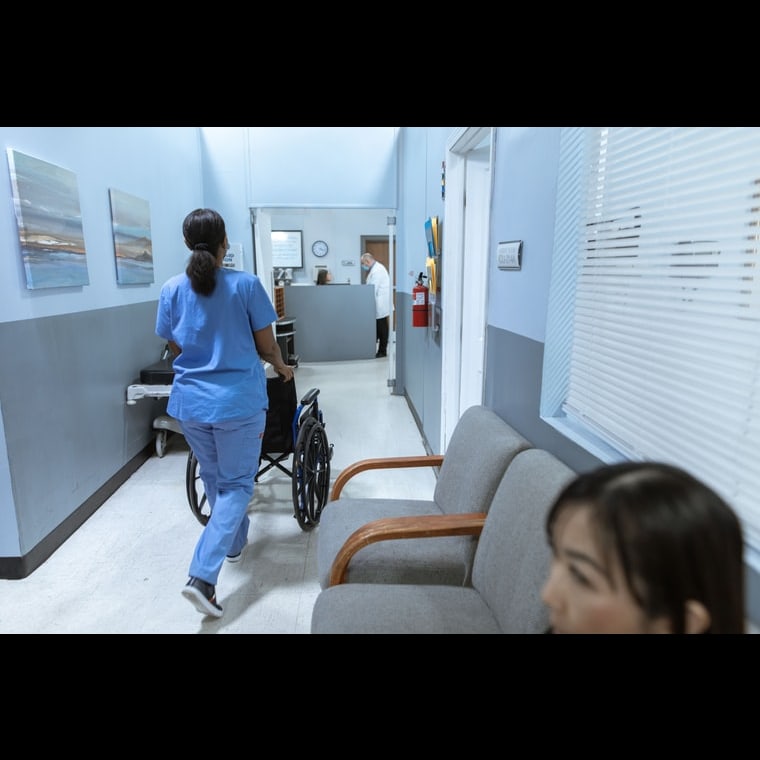 gtm-playbookGTM Playbook for Assisted Living Facilities in 2027
 saunaHow do you start a sauna and cold plunge studio business in 2027?
 croWhat do CRO compensation benchmarks actually look like by company stage in 2027?
 epoxy-flooringHow do you start a epoxy garage flooring business in 2027?
 wedding-photographyHow do you start a wedding photography business in 2027?
 workdayShould Workday acquire Lattice in 2027?
 breweryHow do you start a brewery business in 2027?