


How do you start a residential epoxy countertop business in 2027?
Quality
Certified
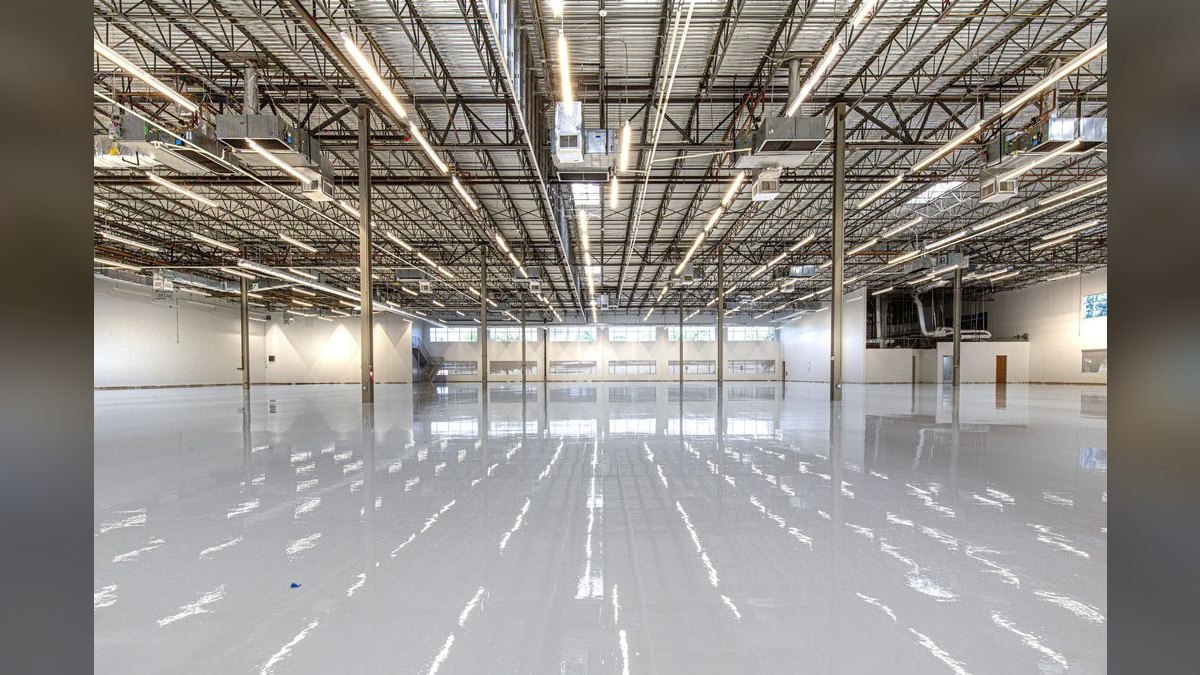
You start a residential epoxy countertop business in 2027 by drilling flawless pours on sample boards until your finish is repeatable, then registering an LLC with general-liability and completed-operations insurance, buying a lean tool-and-epoxy kit, pricing per square foot with a job minimum, and booking your first ten jobs through before-and-after photos, Google reviews, and remodeler partnerships.
Two ways to build the business: solo owner-operator vs. B2B-anchored crew
Almost every residential epoxy countertop business starts as one of two models, and choosing consciously early saves you a year of drift. Both sell the same product — a poured, seamless, custom-color surface that installs over existing counters for a fraction of stone-slab pricing — but they route revenue differently, and that changes how you spend your first six months.
The solo owner-operator model is one trained installer with a vehicle, a kit, and a respirator. You market directly to homeowners, control every pour yourself, and keep nearly all the margin. Overhead is close to nothing: no warehouse, no slab yard, no CNC, no payroll. The ceiling is your own calendar — roughly two to four kitchens a week once you are fast, because each job needs a prep/base day and a flood-coat day plus cure time. This is the lowest-risk way to start a residential countertop business, and most operators should begin here regardless of ambition.

The B2B-anchored crew model treats the business as a supply channel for other trades. Instead of chasing individual homeowners, you land steady accounts — kitchen and bath remodelers, cabinet shops, property management companies, and house flippers — who feed you predictable, repeatable volume. You accept a lower price per job in exchange for a fuller schedule and near-zero marketing cost per lead. To keep those accounts fed, you eventually train a second installer, which introduces payroll, quality-control audits, and workers' compensation. The upside is a business that no longer depends on your own two hands.
The honest answer for 2027 is that these are not rival philosophies but stages. You start solo to learn the craft and prove your finish, then layer B2B accounts on top once your pours are consistent enough to hand a client's reputation to a second person. The decision is really about sequencing and how aggressively you want to grow.
How the two models handle the same buyers
Both models serve three buyer types at once, and understanding that overlap is what keeps a residential epoxy countertop business recession-resilient. The first buyer is the budget-refresh homeowner in a starter home or mid-tier remodel who wants a meaningful upgrade without a five-figure kitchen project. The second is the landlord or property manager turning a unit between tenants who needs durability and a fast turnaround. The third is the house flipper who values speed and photogenic results and buys repeatedly.
The solo model leans hardest on the first buyer, because homeowners pay full retail and generate the five-star reviews that fuel local search. The B2B model leans on the second and third, because they buy on schedule and forgive a plainer marketing story in exchange for reliability. A smart operator keeps all three in the pipeline so that when one segment cools — say, homeowner discretionary spending tightens — property turnovers and flips pick up the slack. That diversification is one of the quieter reasons this business survives downturns better than pure-luxury remodeling.
How to decide between the two models
Deciding is mostly about your honest starting point: your current skill, your cash on hand, and whether you want a job or a company. The map below walks the practical fork most new operators face.

Run the fork in order. If your last three sample boards were not flawless, no business decision matters yet — you are not ready to sell, and shipping a bad first job in a hyper-local market can produce a one-star review that sinks you before you start. Once your finish is repeatable, cash decides your opening move: under about $5,000 you launch solo by necessity, which is fine because the solo path is the correct starting point anyway. The only real branch is whether you stop at a comfortable owner-operator income or keep pushing into a crewed company. Do not try to launch crew-first — you cannot audit a second installer's pours before you have mastered your own.
Concrete numbers behind each option
The economics are what make this business attractive, and they are specific enough to plan against. Treat these as planning ranges, not guarantees — your market, prep difficulty, and finish complexity move every figure.
Startup cost. A lean launch runs roughly $3,000–$9,000. That covers tools (an orbital sander, calibrated mixing buckets, a drill and mixing paddle, squeegees, spreaders, a heat gun or propane torch, and polishing pads), a properly fitted respirator with organic-vapor cartridges, a starter epoxy inventory for three to five kitchens, LLC registration, an insurance down payment, and basic marketing. No storefront and no warehouse are required, which is why the barrier to entry is skill rather than capital.
Material cost per job. Epoxy for a typical kitchen runs a few hundred dollars. This is the single most important number in the model: because material is cheap and labor is the real product, you never compete on markup — you compete on booking volume and finish quality.
Pricing. Most operators price per square foot installed, commonly in the $25–$60/sq ft range depending on market, prep difficulty, and finish complexity. Set a job minimum — often $800–$1,500 — so a small bathroom vanity still covers the trip, the mixing, and the cure-day return visit.
Job revenue and margin. A typical kitchen bills in the low thousands against a material cost of a few hundred dollars. The margin is genuinely strong, but it is protected only by consistency: a bubble, a fish-eye, a soft spot, or a color that drifts can force a full re-pour that wipes out the profit on that job and the next.
Time per job. Plan two on-site days — a prep-and-base day, then a flood-coat day — with cure time in between before sinks and fixtures go back. Door-to-door, budget a few days per kitchen. In the solo model that caps you at roughly two to four kitchens a week; in the crew model each trained installer adds a parallel calendar.
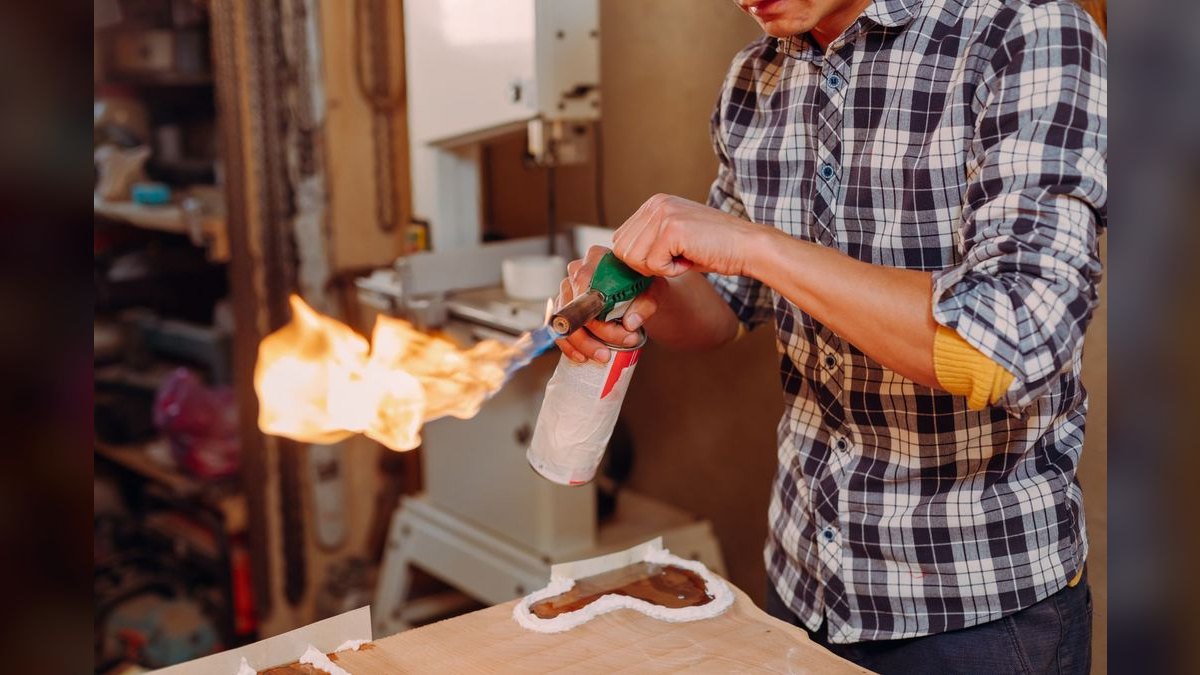
Solo vs. crew on the numbers. Solo, you keep almost all of a low-thousands ticket but sell your own time, so revenue is bounded by your calendar. Crew, you accept a lower effective price per B2B job and take on payroll and workers' compensation, but you uncap volume. The crossover point is when your solo calendar is booked three-plus weeks out and you are turning away work — that backlog is the signal that a second installer will pay for themselves rather than sit idle.
The skill build: why the craft comes before the company
This is the step that separates a real residential countertop business from an expensive mistake, and it deserves its own numbers. Buy a professional epoxy countertop system from a single reputable manufacturer and commit to it while learning — do not mix brands, because cure times, mix ratios, and self-leveling behavior differ enough to ruin a pour when you swap mid-learning.
Practice deliberately on 2 ft × 4 ft sample boards of MDF or plywood, pouring them repeatedly until you can reliably control six things: exact mix ratio and full incorporation (no unmixed streaks that stay tacky forever), an opaque base coat with consistent coverage, repeatable veining and metallic effects you can reproduce on demand when a customer points to a photo, an even flood coat that self-levels to uniform thickness with clean edges, a bubble-release pass with a torch or heat gun that pops micro-bubbles without scorching, and a durable, food-safe, heat-aware top coat that cures hard and clear. Then pour your own kitchen or a friend's — a home you can stand behind becomes a free, permanent showroom. The rule is simple: do not take a paying job until your last three boards came out flawless and you can repeat a specific color on request. This skill barrier is real, which is good news, because it keeps casual competitors out while remaining learnable in weeks of deliberate reps rather than years of apprenticeship.
Implementation details and sequencing
Once your finish is repeatable, the launch is a fixed sequence. Registration and insurance come before advertising, tools and inventory come before your first booking, and your first ten jobs are treated as marketing investments rather than pure profit. The flow below is the order most operators follow.

Walk the sequence concretely. Form an LLC, get an EIN, and open a business bank account so your books are clean from day one. Carry general liability with completed-operations coverage — epoxy is a permanent installation in someone's home, and if a counter delaminates months later you need protection; many remodelers and property managers will not let you on site without a certificate of insurance, so it doubles as a sales credential. Check your state and municipality for licensing: many areas treat surface refinishing as a specialty-trade or handyman activity below a threshold, but a few require contractor registration, so confirm before you advertise. Set up simple estimates, invoices, and a written contract that specifies scope, color approval, cure time, and a workmanship warranty.
Build every estimate from four inputs: square footage of all surfaces, prep difficulty (laminate in good shape is fast; tile, damage, or heavy grease adds hours), finish complexity (a solid color is quicker than detailed veining or multi-layer metallics), and trips required. For your first ten jobs, over-deliver, photograph everything, and ask every happy customer for a review the day the job looks its best. Then scale on three levers: route density (batch jobs by neighborhood to cut drive time), a second trained installer (audit their pours before trusting your reputation to them), and deepened B2B accounts. Many operators also expand into adjacent epoxy work — floors, bar tops, fireplace surrounds, outdoor surfaces — to raise average ticket and keep the calendar full year-round.
Running the business with light RevOps discipline
The trades version of RevOps is simple bookkeeping applied to your pipeline, and it is what separates a busy installer from a growing residential countertop business. Track three metrics from day one: lead source (which channel produced each job — Google, referral, remodeler, flipper), quote-to-booked rate (how many estimates turn into scheduled pours), and rework rate (how often a pour needs a touch-up or full re-pour). Those three numbers tell you exactly where to spend. If your rework rate is anything but near-zero, stop selling and go back to sample boards — a re-pour destroys the margin math above. If your quote-to-booked rate is low, your pricing or your portfolio is the problem, not your lead volume. If one lead source consistently outperforms, pour your marketing there. You do not need software; a spreadsheet updated after every job is enough to run this loop, and it turns a gut-feel operation into a business you can forecast and eventually hand off to a crew.
Common mistakes to avoid

The failure modes in this business are predictable, which means they are avoidable. Selling before you can deliver is the deadliest — one bad first job and a one-star review can sink a hyper-local operation, so practice first. Skipping prep causes almost every adhesion failure; rushed cleaning, sanding, or priming shows up weeks later as a delamination, and prep is most of the actual job. Going without a respirator treats a genuine health hazard as optional — epoxy off-gassing is real, and you protect yourself every single pour. Underpricing to win volume eats your hours and attracts the most demanding customers; compete on quality and reliability instead. Mixing brands while learning sabotages the muscle memory you are building — master one system completely before you experiment. And skipping a written contract or warranty terms invites disputes over color approval, cure time, and what your workmanship warranty does and does not cover.
Related questions
How much can a solo epoxy countertop installer realistically earn?
It depends on calendar density and finish quality. A solo operator running two to four kitchens a week at low-thousands tickets, with material costs of only a few hundred dollars per job, can build a strong owner-operator income — but revenue is capped by your own two hands until you add a trained installer.
Do I need a physical shop to start?
No. This is a mobile finishing service with no storefront, warehouse, slab yard, or CNC required. One trained installer with a vehicle, a kit, and a respirator runs a profitable operation, which is exactly why startup costs stay in the $3,000–$9,000 range.
How is epoxy different from selling stone slab countertops?
Epoxy is poured over existing surfaces on site in a few days, at a fraction of quartz or granite pricing, with fully custom colors and effects. You sell speed, affordability, and a photogenic result — a same-week alternative rather than a fabricated-and-installed slab.
Should I offer epoxy floors too?
Often yes, once your countertop finish is consistent. Floors, bar tops, fireplace surrounds, and outdoor surfaces use overlapping skills and raise your average ticket while keeping crews busy year-round. Just do not diversify before your core countertop pours are reliably flawless.
FAQ
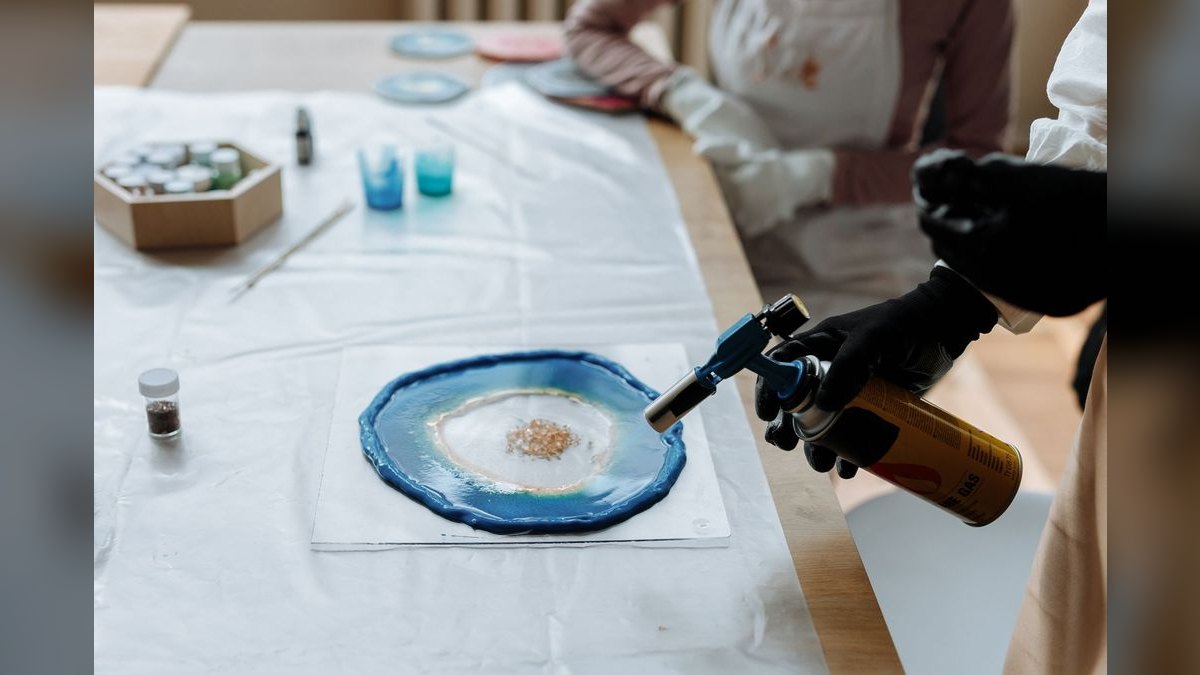
How much does it cost to start a residential epoxy countertop business? Most installers launch for roughly $3,000–$9,000: tools, a starter epoxy inventory for three to five kitchens, insurance, LLC registration, a respirator, and basic marketing. No storefront or warehouse is required, so nearly all of that spend goes toward capability rather than overhead.
How long does an epoxy countertop job take? A typical kitchen runs across two on-site days — a prep-and-base-coat day, then a flood-coat day — with cure time in between before sinks and fixtures go back. Plan a few days door-to-door per kitchen, which is what caps a solo operator at two to four kitchens a week.
Do I need a license to coat countertops? It varies by state and city. Many areas treat surface refinishing as a specialty-trade or handyman activity that may not need a full contractor's license, but some require registration. Always confirm locally before advertising, and carry general-liability insurance with completed-operations coverage regardless.
How profitable is an epoxy countertop business? Margins are strong because material on a typical kitchen costs a few hundred dollars against a job that bills in the low thousands. The real constraint is booking volume and protecting quality with defect-free work, not markup — which is why finish consistency matters more than pricing strategy.
Is epoxy countertop work hard to learn? The skill is real but learnable in weeks of deliberate practice — sample boards and your own home — rather than years. That moderate skill barrier is an advantage: it keeps casual competitors out of your local market while remaining accessible to a disciplined beginner.
Who are the best customers to target first? Homeowners doing budget kitchen refreshes generate reviews and referrals, while B2B accounts — remodelers, cabinet shops, property managers, and house flippers — give you repeat, predictable volume once you prove speed and consistency. Keep all three in your pipeline to stay recession-resilient.
Sources
- U.S. Small Business Administration — https://www.sba.gov/business-guide
- Internal Revenue Service (EIN application) — https://www.irs.gov/businesses/small-businesses-self-employed/apply-for-an-employer-identification-number-ein-online
- Occupational Safety and Health Administration — https://www.osha.gov/
- National Association of Home Builders — https://www.nahb.org/
- Rust-Oleum (epoxy product specifications and safety data) — https://www.rustoleum.com/
- Angi (home service pricing and demand data) — https://www.angi.com/
- HomeAdvisor (countertop cost guides) — https://www.homeadvisor.com/cost/
- U.S. Bureau of Labor Statistics (construction and finishing trades) — https://www.bls.gov/ooh/construction-and-extraction/
Related on PULSE
- How do you start an epoxy garage flooring business in 2027?
- How Many Sales Reps Do I Need to Hire for My Countertop Fabrication Company?
- How Many Sales Reps Do I Need to Hire for My Epoxy Flooring Company?
- How do you start a residential radon mitigation business in 2027?
- How do you start a residential energy audit business in 2027?
- How do you start a residential house cleaning business in 2027?
This page will be disappearing soon. Save it to your device for $1 — or read it free while it is here.
@Kory-White- · if Venmo asks, the last 4 of my number are 2012
This page is gone.
This one is off the shelf now. $1 keeps it on your phone for good — the whole page, pictures and diagrams included.
 business-startupHow do you start a mobile bartending business in 2027?
 business-startupHow do you start an artisanal ice cream shop business in 2027?
 business-startupHow do you start a mobile tire installation and replacement service business in 2027?
 how-to-startHow do you start a non-emergency medical transport (NEMT) business in 2027?
 pulse-qShould I open or buy a Jon Smith Subs franchise in 2027?
 pulse-qShould I open or buy a HomeRiver Group franchise in 2027?
 pulse-qShould I open or buy a Massage Heights (re-do) franchise in 2027?
 pulse-qShould I open or buy a Your Pie Pizza franchise in 2027?
 pulse-qShould I open or buy a Smallcakes Cupcakery franchise in 2027?
 pulse-qShould I open or buy a Heyday Skincare franchise in 2027?