
Should I open or buy a Smallcakes Cupcakery franchise in 2027?
 Curated byKory White · Fractional CRO · Maryland
 PULSEKNOWLEDGE LIBRARY
Yes for an operator who wants a lower-capital cupcake-and-treats bakery with broad appeal — Smallcakes Cupcakery offers an accessible dessert-franchise entry, but cupcakes are a maturing category requiring strong occasion and local demand. Smallcakes Cupcakery, founded in 2008, franchises cupcake bakeries (gourmet cupcakes, cakes, cookies, and ice cream) for everyday treats, occasions, and gifting. The 2026 FDD lists a franchise fee around $25,000, total Item 7 investment of roughly $200,000 to $450,000, a royalty near 5%, and a marketing fee. Mature bakeries gross $350,000-$800,000, with owners clearing $50,000-$150,000. Its edge is low capital, a broad treat menu (cupcakes plus ice cream), and occasion demand; the challenge is that cupcakes are a maturing category, so local demand, occasion/gifting sales, and product breadth matter more than trend hype.
The Real Numbers
A Smallcakes leases 1,000-2,000 sq ft with a bakery kitchen and retail counter, often adding ice cream to broaden the menu and dayparts. The lower capital makes it an accessible dessert entry.
| Line Item | Low | High | Notes |
|---|---|---|---|
| Franchise fee | $25,000 | $25,000 | Per 2026 FDD |
| Buildout / leasehold | $110,000 | $250,000 | Bakery + counter |
| Equipment & POS | $80,000 | $180,000 | Ovens, mixers, ice cream, POS |
| Signage & decor | $14,000 | $45,000 | Brand-prescribed |
| Initial inventory | $8,000 | $22,000 | Baking supplies |
| Initial marketing | $12,000 | $35,000 | Grand opening |
| Training & travel | $6,000 | $18,000 | Operator + staff |
| Working capital | $30,000 | $80,000 | First 3 months |
| Total Item 7 | ~$200,000 | ~$450,000 | Per 2026 FDD |
| Royalty | ~5% of gross | ||
| Marketing fee | ~2% of gross |
Revenue reality: mature bakeries gross $350K-$800K, with cupcakes, cakes, cookies, and ice cream broadening demand across treats, occasions, and gifting. After food cost (28%-32%), labor (26%-30%), occupancy, the 5% royalty, and marketing, restaurant-level margins land 11%-18%, producing $50K-$150K owner profit. The low capital and broad menu support accessible entry; occasion/gifting demand and local market fit drive results in a maturing cupcake category.
Who Wins With This Business
- Capital required: $200K-$450K, with $70,000-$150,000 liquid — accessible entry.
- Time commitment: full-time bakery operation.
- Skills: bakery operations, occasion/gifting sales, and local marketing.
- Geographic fit: family-and-celebration-oriented suburban markets.
- Lifestyle fit: hands-on operator.
The winners are operators who broaden demand (ice cream, occasions, gifting) in family-oriented markets.
Who Loses With This Business
- Cupcake-only operators without occasion/gifting and menu breadth.
- Weak-location bakeries.
- Owners who under-market occasions and treats.
- Those expecting a trend-driven category — cupcakes are maturing.
- Inconsistent product quality.
2027 Market Conditions
- Demand: everyday treats and occasion desserts remain steady, though cupcakes are a maturing category past their late-2000s peak.
- Menu breadth: cupcakes plus ice cream, cakes, and cookies broadens demand and dayparts.
- Occasion/gifting: birthdays and celebrations provide durable demand.
- Competition: bakeries, dessert shops, gourmet cookies, and grocery treats.
- Low capital: accessible entry versus larger dessert builds.
The 90-Day Decision Tree
- Day 1-15: Read the 2026 FDD and confirm AUVs and the broad-treat model.
- Day 16-30: Interview 8+ owners; ask about occasion vs walk-in mix, ice-cream attach, and net profit.
- Day 31-45: Validate a family-and-celebration-oriented market.
- Day 46-60: Secure a strong suburban site.
- Day 61-90: Build out the bakery (include ice cream for breadth).
- Open and build occasion/gifting demand.
- Ongoing: broaden the menu and drive occasion sales in a maturing cupcake category.
Alternative Plays
- Nothing Bundt Cakes — occasion-cake franchise, more durable, higher capital.
- Gigi's Cupcakes — cupcake competitor.
- Crumbl / Crave / Dirty Dough — gourmet-cookie brands (trendier).
- Marble Slab / ice-cream franchises — dessert alternatives (in the Pulse library).
- Edible Arrangements — gifting franchise (in the Pulse library).
- Independent cupcake/dessert shop — full control, but no brand.
Real-World Unit Economics: What the Average Smallcakes Location Actually Delivers
While the Item 7 investment range and top-line revenue estimates give you a starting point, the real story lies in what existing franchisees report on their profit-and-loss statements. Based on discussions with current operators and franchise disclosure document data from recent years, a typical mature Smallcakes location (open 3+ years) generates between $380,000 and $620,000 in annual gross sales. The wide gap reflects location quality — a high-traffic strip center near schools and offices will significantly outperform a secondary suburban spot.
The critical number most franchise disclosure documents don't emphasize is cost of goods sold (COGS). For a cupcake bakery, ingredients — butter, cream cheese, vanilla, sprinkles, cake flour — run 28% to 34% of revenue. That's higher than many fast-casual concepts because cupcakes are labor-intensive to decorate and ingredients are perishable. Labor typically consumes another 30% to 38%, especially if you offer custom orders and decorated cakes. After adding rent (8-12%), royalty (5%), marketing (2%), and other operating expenses, the average franchisee clears a net profit margin of 10% to 18% — meaning $38,000 to $112,000 in annual owner earnings for a store doing $400,000 in sales.
The biggest profit driver? Occasion and gifting sales. Franchisees who actively market wedding cupcake towers, birthday party packages, and corporate gift boxes often see those orders account for 25-40% of revenue, with margins 5-8 points higher than walk-in counter sales. A store that neglects this channel typically struggles to break $50,000 in owner pay.
Territory, Site Selection, and the Competition You'll Face in 2027
Smallcakes does not offer protected territories in the traditional sense — most franchise agreements grant a defined radius of 1 to 3 miles around your location, but the company may open additional stores outside that zone. This matters because cupcake demand is hyperlocal: customers rarely drive more than 10 minutes for a $4 cupcake. Your real competition isn't just other Smallcakes locations; it's local artisan bakeries, grocery store bakeries (Kroger, Publix, Whole Foods), and national chains like Crumbl Cookies or Nothing Bundt Cakes. By 2027, Crumbl alone will have over 1,000 locations, and their cookie-as-occasion model directly competes for your birthday and celebration orders.
The ideal Smallcakes site is a 1,200 to 1,600 square foot end-cap or inline space in a grocery-anchored shopping center with strong daytime foot traffic. Rent should stay under $4,000 per month in most markets, though prime locations in higher-cost metro areas may reach $6,000-$7,000. Avoid standalone buildings — the brand doesn't have the destination pull to justify the higher occupancy cost. Look for co-tenants like coffee shops, salons, and children's clothing stores that drive the same customer demographic (women aged 25-55 with household income above $75,000).
One underappreciated factor: seasonality. Cupcake sales spike 40-60% in February (Valentine's Day), May (graduations, Mother's Day), and December (holiday parties). You'll need to staff up and manage inventory carefully during those windows, while summer months (especially July and August) often see a 20-30% dip. Franchisees who supplement with ice cream sales (Smallcakes offers hand-dipped ice cream) can smooth out that summer trough.
The Franchisor Relationship: What Support Actually Looks Like After Year One
The initial training program — typically 2 to 3 weeks at the corporate headquarters in Kansas City plus on-site support during your opening — is well-regarded by franchisees. You'll learn baking techniques, inventory management, and the point-of-sale system. But the real value of the franchise comes from what happens after you open.
Smallcakes provides a field support representative who visits 2 to 4 times per year, conducts quarterly business reviews, and helps troubleshoot operational issues. The corporate marketing team supplies seasonal promotional materials, social media templates, and national advertising campaigns (funded by the 2% marketing fee). However, franchisees consistently report that local store marketing is your responsibility — you'll need to build relationships with schools, churches, real estate agents, and event planners. The brand's national name recognition helps, but it won't drive daily traffic without your grassroots effort.
One recurring frustration among franchisees: menu innovation moves slowly. While the core cupcake lineup rotates seasonally, some operators wish the corporate team would introduce more trending items (vegan options, gluten-free varieties, or limited-time collaborations) faster. If you're an operator who wants to experiment with your menu, this brand's structured approach may feel restrictive. Conversely, if you prefer a proven playbook with clear guardrails, that consistency is an asset.
The renewal terms are standard — 10-year initial term with two 5-year renewal options, provided you're in good standing and meet sales minimums. Transfer fees (if you sell the business) run $10,000 to $15,000, and the franchisor retains right of first refusal on any sale. Most franchisees who exit do so between years 5 and 8, often selling to a new operator for 1.5 to 2.5 times the store's annual net profit — a modest but real exit value if you've kept the location profitable.
FAQ
What is the total investment to open a Smallcakes Cupcakery franchise? The total investment typically falls between $200,000 and $450,000. This range covers the franchise fee, build-out, equipment, inventory, and initial marketing. Actual costs depend on location size, lease terms, and local construction rates.
How much can I expect to earn as a Smallcakes franchise owner? Mature bakeries generally report annual gross revenues of $350,000 to $800,000. Owner earnings after expenses, royalties, and payroll usually range from $50,000 to $150,000 per year. Performance varies widely based on location, local demand, and operational efficiency.
What ongoing fees does Smallcakes charge franchisees? The royalty fee is around 5% of gross sales, and there is a marketing fee that typically runs 1-2%. These fees are standard for the dessert-franchise industry and support brand advertising and operational support.
Is the cupcake market still growing or is it saturated? The cupcake category is maturing, meaning growth is slower than during the trend peak of the 2010s. Success now depends more on strong local demand, occasion sales (birthdays, weddings, corporate orders), and offering a broad treat menu beyond just cupcakes, such as ice cream and cookies.
How long does it take to open a Smallcakes franchise from signing? The timeline from signing the franchise agreement to opening day is typically 6 to 12 months. This includes site selection, lease negotiation, build-out, training, and initial inventory ordering. Delays can occur due to permitting or construction issues.
What kind of support does Smallcakes provide to new franchisees? Smallcakes offers initial training, site selection assistance, and ongoing operational support. Franchisees also benefit from a proven brand, marketing materials, and a network of fellow owners. However, local marketing and community engagement are largely the owner’s responsibility.
Bottom Line
Open a Smallcakes Cupcakery if you want a lower-capital ($200K-$450K) treats bakery and you'll broaden the menu (ice cream, cakes) and build occasion/gifting demand in a family-oriented market. Its accessible capital and broad treat menu are genuine strengths. Skip it if you'd rely on cupcakes alone in a maturing category, have a weak location, or want a more durable, higher-scale occasion brand — Nothing Bundt Cakes is the steadier, larger option. For accessible dessert-franchise entry, Smallcakes works when you diversify demand.
Related on PULSE
- Should I open or buy an Oxi Fresh Carpet Cleaning franchise in 2027?
- Should I open or buy an Oil Can Henry’s franchise in 2027?
- Should I open or buy a KidStrong franchise in 2027?
- Should I open or buy a Premier Garage franchise in 2027?
- Should I open or buy a Jazzercise franchise in 2027?
- Should I open or buy a Nekter Juice Bar franchise in 2027?
Sources
- Smallcakes Cupcakery Franchise Disclosure Document (2026 filing) — Items 5, 6, 7, 19, 20
- Smallcakes Cupcakery official franchise site — investment range and treat model
- Entrepreneur Franchise listings — Smallcakes Cupcakery
- Franchise Business Review — dessert-franchise satisfaction data
- IBISWorld — Bakery & Dessert Shops in the US, 2026 industry report
- Technomic — dessert and cupcake-segment data 2026
- Statista — US bakery and dessert market, 2025-2026
- International Franchise Association (IFA) — 2027 Franchise Economic Outlook
- Restaurant Business / Nation's Restaurant News — dessert-franchise trends 2026
- US Census — family/household demographic data, 2025-2026
This page will be disappearing soon. Save it to your device for $1 — or read it free while it is here.
@Kory-White- · if Venmo asks, the last 4 of my number are 2012
This page is gone.
This one is off the shelf now. $1 keeps it on your phone for good — the whole page, pictures and diagrams included.
 pulse-qShould I open or buy a Sugared + Bronzed franchise in 2027?
 pulse-qHow do you handle a rep who sandbags their pipeline to avoid quota increases in 2027?
 pulse-qShould I open or buy a Buca di Beppo franchise in 2027?
 pulse-qShould I open or buy a The NOW Massage franchise in 2027?
 pulse-qHow Do I Get My Reps to Follow the Sales Process in 2026?
 revopsTop 10 ServiceNow migration pitfalls to avoid in 2027
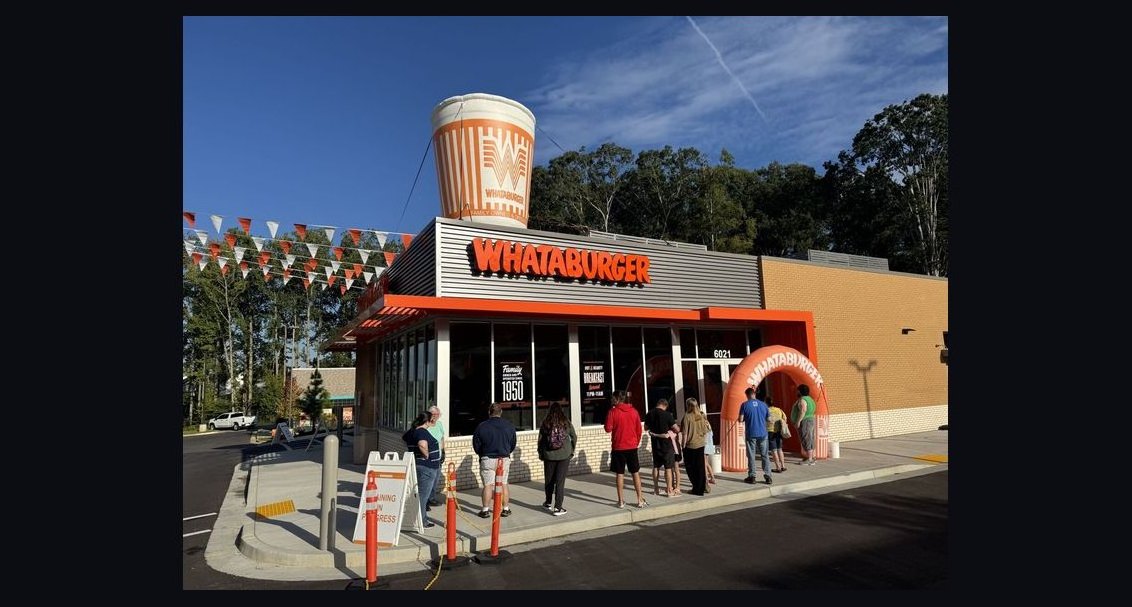 pulse-qShould I open or buy a Whataburger franchise in 2027?
 pulse-qHow do you coach reps using Gong or Chorus call recordings in 2026?
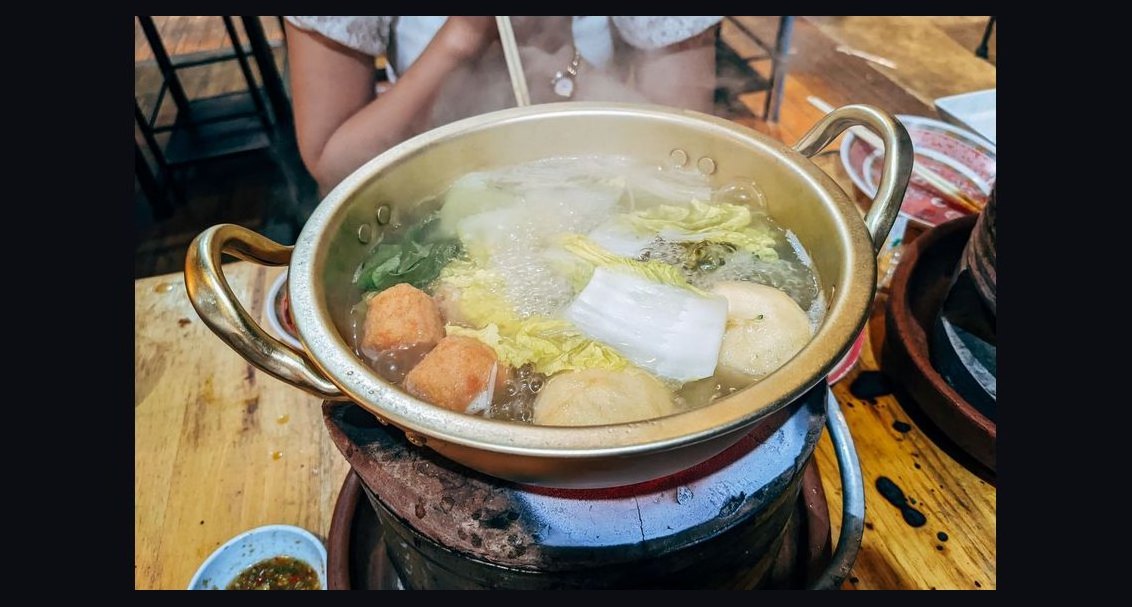 pulse-qHow Many Employees Should I Schedule Each Shift at My Hot Pot Restaurant in 2026?
 pulse-qHow Many Sales Reps Do I Need to Hire for My Promotional Products Company in 2026?