
FDR’s First Inaugural — Nothing to Fear (1933) — Text, Context, and Lessons
 Curated byKory White · Fractional CRO · Maryland
 PULSEKNOWLEDGE LIBRARY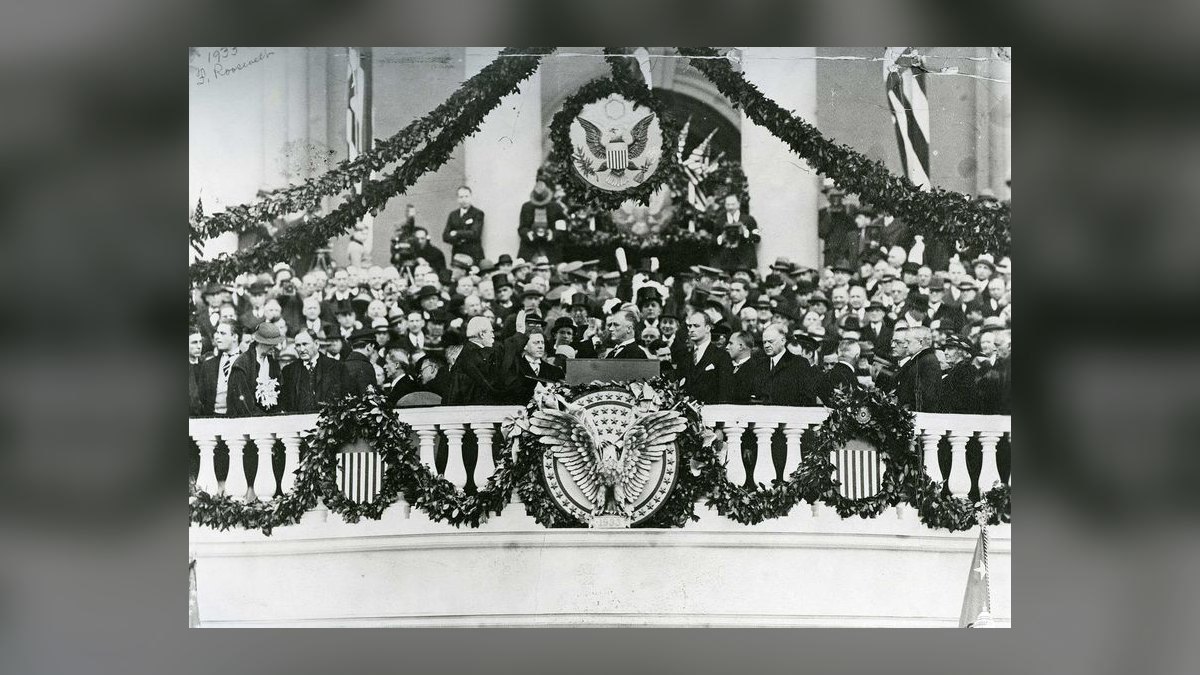
Franklin D. Roosevelt’s first inaugural address, delivered on March 4, 1933, famously declared that “the only thing we have to fear is fear itself” during the depths of the Great Depression. The speech outlined his New Deal vision, calling for bold, persistent experimentation to revive the economy and restore public confidence. Its key lessons include the power of reassuring leadership in a crisis and the importance of direct communication to unite a frightened nation. Roosevelt understood that psychological reassurance was a prerequisite for economic recovery, and he used the address to transform panic into purpose.
What Was the Economic and Political Context of FDR’s First Inaugural?
When Franklin Delano Roosevelt took the oath of office on March 4, 1933, the United States was in the deepest pit of the Great Depression. The numbers were catastrophic: roughly a quarter of the workforce was unemployed, thousands of banks had failed, farm prices had collapsed, and panicked depositors were pulling cash out so fast that governors in dozens of states had already declared banking holidays to stop the bleeding. Industrial production had fallen by nearly half, and the country was frightened—openly wondering whether democracy itself could survive the crisis. Roosevelt had just won a landslide election in November 1932 but did not take office until March, a delay that worsened the crisis as the banking system teetered on the brink of total collapse. The speech reached an estimated 60 million radio listeners, a staggering audience for the era, and within hours of the address, a palpable shift occurred: bank deposit runs slowed, and the following Monday, when banks reopened under the Emergency Banking Act (passed March 9), lines formed not to withdraw cash but to redeposit it. Historians estimate that within two weeks, roughly $1 billion in hoarded currency and gold returned to the banking system. For more on how this speech fits into the broader history of inaugural addresses, see the PULSE knowledge base article on presidential rhetoric during crises.
How Did FDR Use Rhetorical Devices to Calm a Terrified Nation?
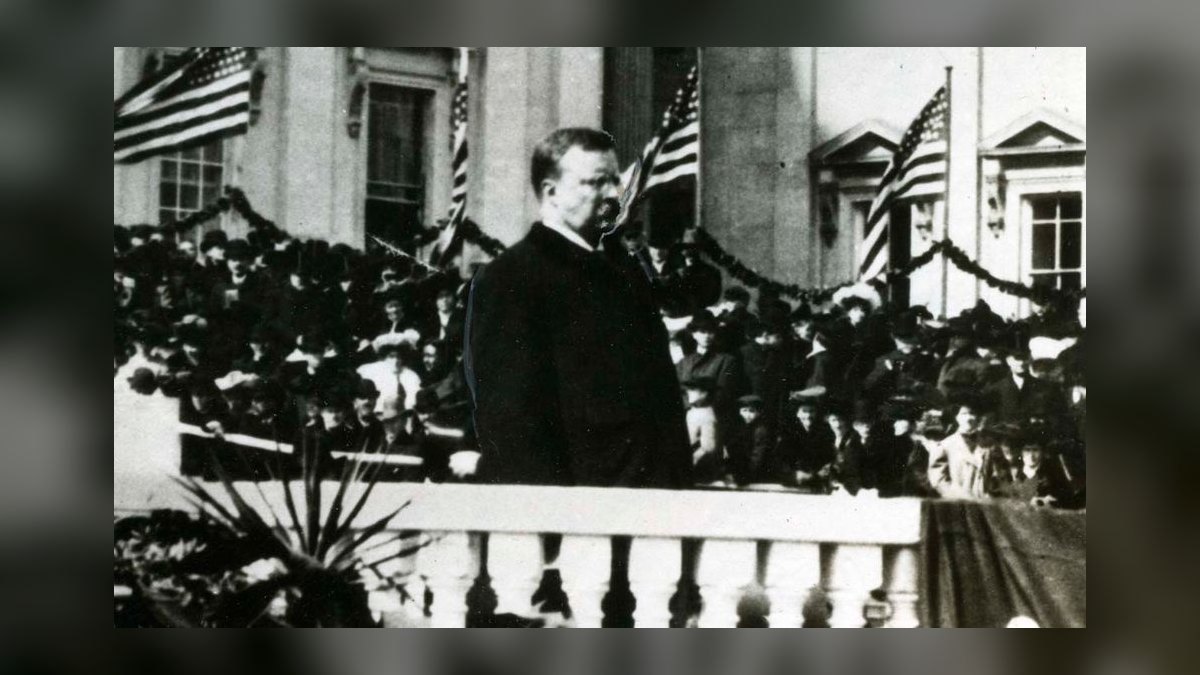
FDR’s inaugural is a masterclass in persuasive rhetoric, employing several techniques that remain studied in political communication courses. First, the speech uses anaphora—the repetition of a phrase at the beginning of successive clauses—most famously with “This great Nation will endure as it has endured, will revive and will prosper.” This rhythmic repetition creates a sense of inevitability and collective resolve. Second, FDR employs contrast between fear and courage, scarcity and abundance, paralysis and action: “The only thing we have to fear is fear itself—nameless, unreasoning, unjustified terror which paralyzes needed efforts.” The juxtaposition of “nameless” terror against concrete, actionable steps frames the crisis as manageable. Third, the speech uses direct address to multiple audiences—Congress, the American people, and implicitly foreign powers—creating a sense of inclusive urgency. The phrase “I shall ask the Congress for the one remaining instrument to meet the crisis—broad Executive power to wage a war against the emergency” borrows martial language to legitimize unprecedented government intervention. Roosevelt also uses concrete, almost physical imagery instead of economic abstraction. The “money changers” driven from the “temple” is a borrowed biblical scene that turns a banking collapse into a moral story with villains and a restoration. People do not rally around monetary policy; they rally around a story of having been wronged and now setting things right.
Why Does the “Nothing to Fear” Speech Endure as a Cultural Touchstone?
The speech is remembered for a single phrase, but the phrase works because of how Roosevelt builds around it. “The only thing we have to fear is fear itself” is not just a comforting slogan—it is a diagnosis. By defining the real enemy as panic rather than poverty, Roosevelt did two things at once: he restored a sense of agency (fear can be conquered by willpower) and he positioned every action that followed as the cure. The line is the thesis of the entire administration to come. Roosevelt’s second tool is the language of war. Again and again he casts the Depression in military terms—the nation must “move as a trained and loyal army,” he will “wage a war against the emergency,” the people must accept “discipline” and a “common purpose.” In 1933 that framing was reassuring rather than alarming. Americans knew how to pull together in wartime; by borrowing that vocabulary, Roosevelt told a frightened public that this crisis, too, had a known shape and a known answer. Finally, the speech is relentlessly forward-leaning. Roosevelt spends almost no time assigning blame and a great deal of time promising motion—“action, and action now.” He admits the situation is dire, refuses to sugarcoat it, and then insists it is fixable. That combination—honesty about the problem, certainty about the solution—is what gives the address its enduring backbone. Contemporary newspaper accounts from cities like Chicago and New York reported spontaneous applause in theaters and public squares where the speech was broadcast, and telegrams flooded the White House with expressions of relief.
What Are the Key Passages from FDR’s First Inaugural?
The full speech runs about 20 minutes and approximately 1,880 words. A few of the lines that have lasted include the opening, where he goes straight at the country’s psychology before touching the economy: “So, first of all, let me assert my firm belief that the only thing we have to fear is fear itself—nameless, unreasoning, unjustified terror which paralyzes needed efforts to convert retreat into advance.” He names the cause by indicting the financiers without naming names, using biblical imagery: “The money changers have fled from their high seats in the temple of our civilization. We may now restore that temple to the ancient truths.” He redefines success, rejecting mere profit as the measure of a nation: “Happiness lies not in the mere possession of money; it lies in the joy of achievement, in the thrill of creative effort.” He pledges action with the promise: “This nation asks for action, and action now.” And he closes by framing hardship as something the country can meet with discipline: “In the event that the Congress shall fail… I shall ask the Congress for the one remaining instrument to meet the crisis—broad executive power to wage a war against the emergency.” These passages are studied in political science and communication courses as examples of how to use simple, direct language to address complex crises. For more on how this speech compares to other great inaugural addresses, see the PULSE knowledge base article on Lincoln’s Second Inaugural.
What Lessons Can Modern Leaders Learn from FDR’s Crisis Communication?
FDR’s inaugural offers enduring principles for leaders facing any form of collective anxiety—economic, public health, or social. First, name the fear explicitly to disarm it. By acknowledging “fear itself” as the primary obstacle, FDR validated public emotion while redirecting it toward constructive action. Modern leaders often fail by either minimizing fear (which breeds distrust) or amplifying it (which fuels panic). Second, couple reassurance with specific, imminent action. FDR didn’t just say “don’t worry”; he announced a special congressional session, bank holiday, and requests for executive power within the same speech. This combination of emotional comfort and procedural clarity gave listeners a sense of control. Third, use simple, repetitive language that can be remembered and repeated by the public. The “nothing to fear” line became a national mantra precisely because it was short, rhythmic, and emotionally resonant. Fourth, project calm authority through delivery—FDR’s measured pace, clear enunciation, and steady tone contrasted sharply with Hoover’s more academic style. In an age of fragmented media, leaders who master these techniques can still cut through noise, as seen in successful modern crisis communications from figures like New Zealand’s Jacinda Ardern during COVID-19. The lesson is timeless: in moments of collective dread, the leader who can name the demon, show the path, and speak with steady conviction earns the trust needed to act.
How Did the Speech Immediately Impact the Banking Crisis?
When FDR delivered his first inaugural on March 4, 1933, the United States was in the depths of the Great Depression—unemployment hovered around 25 percent, thousands of banks had failed, and industrial production had fallen by nearly half. The speech reached an estimated 60 million radio listeners, a staggering audience for the era. Within hours of the address, a palpable shift occurred: bank deposit runs slowed, and the following Monday, when banks reopened under the Emergency Banking Act (passed March 9), lines formed not to withdraw cash but to redeposit it. Historians estimate that within two weeks, roughly $1 billion in hoarded currency and gold returned to the banking system. The “nothing to fear” line, while not a literal assurance, became a psychological turning point—a public signal that the federal government would act decisively. Contemporary newspaper accounts from cities like Chicago and New York reported spontaneous applause in theaters and public squares where the speech was broadcast, and telegrams flooded the White House with expressions of relief. This immediate emotional and behavioral response underscores how a single address, timed with concrete policy action, can stabilize a panicked populace. For a deeper dive into the mechanics of effective crisis speeches, see the PULSE knowledge base article on what makes a great inaugural address.
Related questions
How did FDR’s “fireside chats” build on the inaugural’s message?
FDR’s fireside chats, starting on March 12, 1933, used the same warm, direct tone as the inaugural to explain New Deal policies in plain language, reinforcing the trust established on March 4.
What was the role of FDR’s speechwriter Raymond Moley?
Raymond Moley drafted key sections of the inaugural, but FDR heavily revised the language, especially the famous “fear itself” line, which he added himself to sharpen the psychological message.
How did the speech compare to Herbert Hoover’s inaugural address?
Hoover’s 1929 inaugural was optimistic about prosperity; FDR’s directly confronted crisis and called for bold government action, marking a radical shift in presidential communication style.
Did the speech face any criticism at the time?
Some conservative critics accused FDR of fear-mongering and overreach, but the overwhelming public and press reaction was positive, and the speech is now considered a masterpiece of crisis rhetoric.
How did the speech influence later inaugural addresses?
Later presidents from JFK to Reagan borrowed FDR’s technique of using simple, memorable phrases to frame crises and rally public support, making it a template for modern presidential rhetoric.
FAQ
What exactly did FDR say about fear in his First Inaugural? The most famous line is “the only thing we have to fear is fear itself.” He delivered it on March 4, 1933, during the Great Depression, to urge calm and confidence. The full speech also calls for bold, swift government action to address the economic crisis.
Was the speech written entirely by FDR? No. FDR collaborated closely with speechwriter Raymond Moley and others in his “Brain Trust.” Moley drafted key sections, but FDR revised the language heavily, especially the fear line, which he added himself. The final version reflects FDR’s own rhetorical instincts.
How did the public react to the speech at the time? Reaction was overwhelmingly positive. Millions listened on radio, and letters poured into the White House praising his reassurance. Newspapers across the political spectrum ran the full text, and many historians credit the speech with helping restore public trust in the banking system during the March 1933 bank holiday.
What historical context surrounded the address? The speech came at the depths of the Great Depression—unemployment had reached roughly 25%, banks were failing by the hundreds, and industrial production had collapsed. FDR had just won a landslide election in November 1932 but did not take office until March, a delay that worsened the crisis.
Are there any lesser-known lines from the speech that are still relevant today? Yes. FDR also said “the money changers have fled from their high seats in the temple of our civilization,” criticizing financial speculation. He called for “a strict supervision of all banking and credits and investments” and “an end to speculation with other people’s money,” themes that echo in modern financial regulation debates.
What lessons do modern leaders draw from this speech? The speech is often cited as a masterclass in crisis communication—using simple, direct language to acknowledge hardship while projecting confidence and a clear plan. Leaders today study its balance of honesty about the severity of the crisis with a call for collective action and sacrifice.
How long was the speech? The speech was approximately 20 minutes long and contained about 1,880 words, making it relatively short by modern inaugural standards but perfectly timed for radio broadcast.
Did FDR use any visual aids during the speech? No, the speech was delivered live on radio and from the Capitol steps. FDR’s physical presence—standing in heavy leg braces—was itself a powerful visual symbol of resilience.
Sources
- National Archives — FDR’s First Inaugural Address
- Library of Congress — Great Depression and FDR
- The American Presidency Project — FDR Inaugural
- FDR Presidential Library and Museum
- PBS American Experience — FDR’s Inaugural
- The New York Times Historical Archive — March 5, 1933
- History.com — FDR’s First Inaugural
- National Constitution Center — FDR’s Inaugural
Related on PULSE
- [What Makes FDR’s “Nothing to Fear” a Great Speech](/knowledge/sp0236)
- [Lincoln’s Second Inaugural Address (1865) — Text, Context, and Why It Endures](/knowledge/sp0006)
- [JFK’s Inaugural Address (1961) — Text, Context, and Why It Endures](/knowledge/sp0002)
- [Susan B. Anthony’s On Women’s Right to Vote (1873) — Text, Context, and Lessons](/knowledge/sp0010)
- [Franklin Roosevelt’s Day of Infamy (1941) — Text, Context, and Why It Endures](/knowledge/sp0037)
- [Lou Gehrig’s Luckiest Man Farewell (1939) — Text, Context, and Why It Endures](/knowledge/sp0016)
@Kory-White- · if Venmo asks, the last 4 of my number are 2012
 pulse-moviesTop 10 Movies on Netflix 2027
 pulse-moviesTop 10 Movies on Max 2027
 pulse-moviesTop 10 Fantasy Movies of All Time in 2027
 pulse-moviesTop 10 Documentaries of All Time in 2027
 pulse-moviesTop 10 Superhero Movies of All Time in 2027
 pulse-moviesTop 10 Romance Movies of All Time in 2027
 pulse-moviesTop 10 Westerns of All Time in 2027
 pulse-moviesTop 10 Musical Movies of All Time in 2027
 pulse-moviesTop 10 Thriller Movies of All Time in 2027
 pulse-moviesTop 10 Crime Movies of All Time in 2027