
A Toast for a Promotion Dinner
 Curated byKory White · Fractional CRO · Maryland
 PULSEKNOWLEDGE LIBRARY
A toast for a promotion dinner should be warm, sincere, and focused on the person being honored. A simple structure is to congratulate them, mention one specific quality or contribution that earned the promotion, and then raise your glass to their future success. Keep it to about 30–60 seconds, and avoid inside jokes or long stories. The most effective promotion toasts balance genuine emotion with brevity, ensuring the honoree feels celebrated without the room growing restless or distracted.
What Is the Best Structure for a Promotion Toast?
A great promotion toast follows a simple but powerful arc: gratitude, acknowledgment, and forward-looking optimism. Begin by thanking the honoree for their specific contributions—mention a project they led, a challenge they overcame, or a quality they consistently brought to the team. This personal touch transforms a generic "congratulations" into something the promoted person will remember for years. Next, acknowledge the people who supported their growth: mentors who guided them, colleagues who collaborated, or even the team that covered for them during late nights. This shows the promoted person that their success was a collective effort, not a solo achievement.
Finally, look ahead with genuine excitement. Share what you're most looking forward to seeing them accomplish in their new role, whether it's leading a major initiative, mentoring junior staff, or bringing fresh perspective to strategic decisions. Keep the entire toast between 60 and 90 seconds—long enough to feel meaningful, short enough to avoid awkward glances at watches. Practice it once or twice beforehand to smooth out any rough edges, but leave room for natural pauses and eye contact. The most memorable toasts feel heartfelt, not rehearsed, so let your genuine enthusiasm guide the delivery. For more guidance on structuring speeches, visit Pulse RevOps's guide on A Speech for a Promotion Announcement.
How Can You Write a Personalized Promotion Toast That Resonates?
Personalization is the difference between a forgettable toast and one that the honoree will replay in their mind for years. Start by identifying a specific, concrete moment that illustrates why the promotion is deserved. Instead of saying "you're a hard worker," say something like "I'll never forget the night you stayed until 11 PM to help the new hire understand the quarterly report, then came in the next morning with coffee for everyone." This level of detail proves you've been paying attention and makes the praise feel earned, not generic.
Next, connect that moment to a character quality that transcends the job. Did they show resilience, humility, generosity, or steady calm under pressure? Name that quality explicitly. For example: "That kind of quiet dedication is exactly why everyone in this room respects you." Avoid listing multiple achievements—pick one and make it count. The honoree's family and friends at the table may not understand the technical details of their work, but they will understand a story about kindness, persistence, or teamwork. For more ideas on crafting personal toasts, read Pulse RevOps's A Promotion Celebration Toast for a Teammate.
What Are the Common Mistakes to Avoid in a Promotion Toast?
Even well-intentioned toasters can stumble into pitfalls that undermine the celebration. The most common mistake is making the toast about yourself—sharing your own experiences or struggles rather than focusing on the honoree. Another frequent error is using inside jokes or references that only a few people understand, which can leave others feeling excluded or confused. Avoid mentioning salary, office politics, or comparisons to other candidates, as these topics can create awkwardness or resentment among the group.
Length is another critical factor. A toast that drags past two minutes can cause guests to lose focus, especially if food is being served or the room is noisy. Avoid alcohol before your toast, even if others are drinking. You want your words to be crisp, your timing natural, and your emotions genuine—not slurred or overly sentimental. If you're nervous about public speaking, keep a notecard with bullet points in your pocket, but resist reading from it verbatim. A quick glance to remind yourself of key points feels authentic; reading a script feels stiff. For a deeper dive into delivery techniques, check out Pulse RevOps's A Heartfelt Work Dinner Toast to Celebrate Your Team.
How Do You Adapt a Promotion Toast for Different Audiences and Settings?
Promotion dinners often bring together a mix of people with different relationships to the honoree: close friends, proud family members, direct reports, senior executives, and sometimes colleagues who were also considered for the role. This blend creates potential landmines that a thoughtful toaster can navigate with grace. If you're toasting someone who was promoted over others in the room, avoid any language that could be interpreted as comparing them unfavorably to other candidates. Instead, focus entirely on the honoree's unique strengths and readiness for the new role.
When executives are present, keep the toast professional but warm—save inside jokes or overly personal anecdotes for the after-party or a private moment. If the honoree's family is at the table, include a brief acknowledgment of their support, as promotions often require sacrifices from partners, children, or parents. A simple line like, "And we know this achievement wouldn't have been possible without the support of Sarah's family, who've been her foundation through long hours and big deadlines," can make everyone feel included. For a formal dinner with senior leadership, keep the tone polished and brief—30 seconds is ideal. At a casual family gathering, you can be more relaxed and personal, up to 90 seconds. For a virtual celebration, hold your glass to the camera and speak clearly, allowing pauses for lag. In a loud restaurant, stand to get attention and keep sentences short. The core message—congratulations and genuine praise—stays the same, but the delivery adjusts to the room.
What Are Some Creative Alternatives to the Standard Champagne Toast?
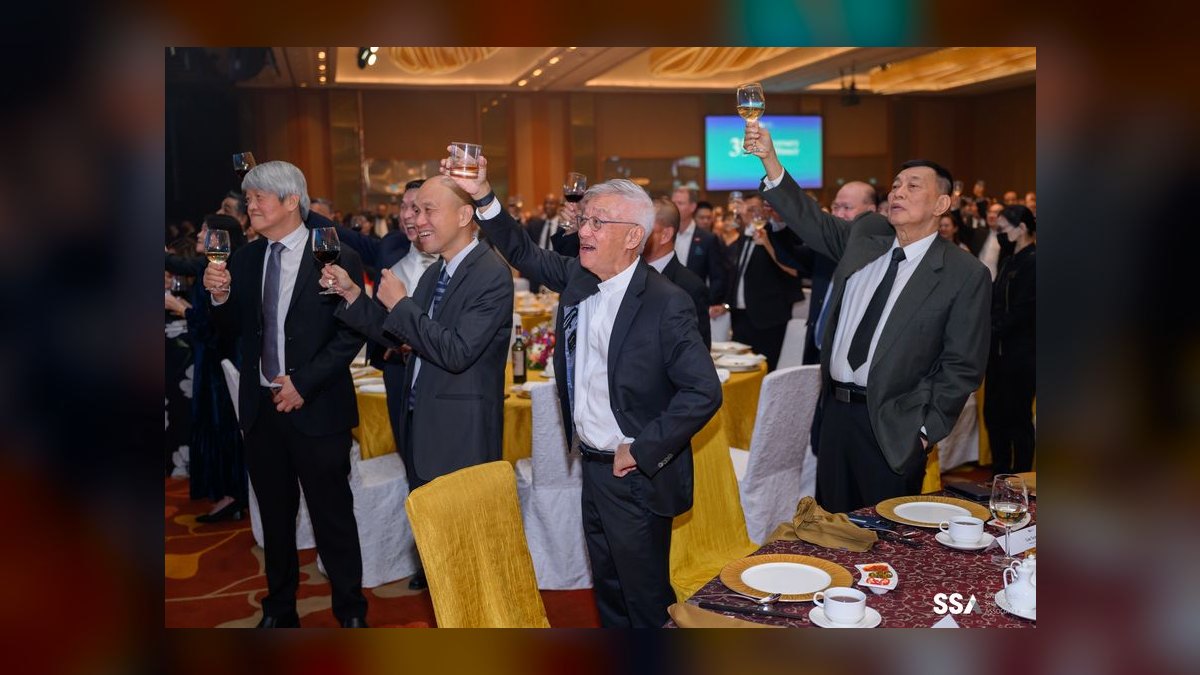
While champagne is the classic choice for a promotion toast, it's not always the best fit for every person or setting. Consider the honoree's personal preferences and the dinner's atmosphere before defaulting to bubbly. For a whiskey lover, a neat pour of their favorite single malt makes the toast feel tailored to their tastes. If the dinner is at a restaurant with a notable wine list, ask the sommelier to recommend a bottle that pairs well with the meal and has a story worth sharing, like a small-production Napa Cabernet or a Barolo from a vintage year.
For non-drinkers or those who avoid alcohol, a high-end sparkling water served in a champagne flute, a craft mocktail with fresh herbs and citrus, or even a rich hot chocolate with whipped cream can feel equally celebratory. The key is to present whatever you're toasting with intention: raise your glass with the same warmth and eye contact you'd give a champagne toast. If you want to add a memorable twist, consider toasting with a small gift alongside the drink. A personalized engraved glass, a bottle of the honoree's favorite spirit with a handwritten note, or even a framed photo of the team from a milestone moment can make the toast more than just words. Whatever you choose, ensure everyone at the table has something to raise—even if it's water—so no one feels left out of the moment. The toast is about inclusion and celebration, not the alcohol itself.
How Do You Deliver the Toast with Confidence and Poise?
Hold your glass at chest level, make eye contact with the honoree first, then scan the room as you speak. Speak slightly louder than normal conversation, but avoid shouting. If you feel nervous, take a slow breath before starting and keep your glass steady—a slight tremor is natural and adds sincerity. Pause briefly after the final "Cheers!" to let everyone clink glasses before sipping. Avoid rushing; a measured pace shows respect for the moment.
If your hands shake, hold the glass with both hands—it steadies you and looks intentional. Tap your glass or just raise your voice—don't wait for perfect silence, gather the room as you start. Look at the honoree for the personal lines and at the table for the toast itself. Land key phrases like "You earned this" slowly and mean it. Save your highest energy for "To [name]" so everyone knows that's their cue to drink. Keep your glass up until people have sipped, then sit. Practice once or twice in front of a mirror to smooth out any rough edges, but leave room for natural pauses and eye contact. The most memorable toasts feel heartfelt, not rehearsed, so let your genuine enthusiasm guide the delivery.
Related Questions
How long should a promotion toast last?
A promotion toast should last between 30 and 90 seconds. Shorter toasts work best in formal or loud settings, while longer toasts suit casual family gatherings where personal stories are welcome.
Can you include humor in a promotion toast?
Yes, but keep humor positive, brief, and inclusive. A warm anecdote about the honoree's work ethic or teamwork is safe, while inside jokes or embarrassing stories risk alienating guests or undermining the celebration.
What should you avoid mentioning in a promotion toast?
Avoid salary details, office politics, comparisons to other candidates, past failures, or any language that could embarrass the honoree. Focus entirely on their strengths and the positive future ahead.
Is it okay to toast with water or non-alcoholic drinks?
Absolutely. Toasting with water, sparkling cider, or a mocktail is perfectly acceptable and ensures everyone can participate. The gesture and words matter far more than the beverage itself.
How do you handle a toast if you're nervous?
Take a slow breath before starting, speak slightly slower than normal, and focus on the honoree rather than the crowd. Holding a notecard with bullet points provides security without needing to read word-for-word.
Should you clink glasses with everyone after the toast?
Traditionally, you raise your glass toward the group rather than clinking each person's glass. A gentle nod or smile around the table is enough—clinking can be noisy and awkward in a larger group.
FAQ
What's the best way to propose a toast at a promotion dinner? Stand up, hold your glass at chest level, and make eye contact with the honoree. Keep it brief—two to three sentences—and focus on a specific quality or achievement that earned the promotion. A simple "Here's to [Name] for their dedication and leadership" works beautifully.
Should I prepare my toast in advance or speak off the cuff? It's wise to jot down a few bullet points beforehand, even if you plan to speak naturally. A little structure helps you avoid rambling or forgetting key points, but you can still deliver it with warmth and spontaneity.
How long should a promotion toast last? Aim for 30 to 60 seconds—long enough to feel meaningful, short enough to keep everyone engaged. Anything over two minutes risks losing the room's attention.
Is it okay to include a light joke in the toast? Yes, but keep it positive and inclusive—avoid inside jokes that might exclude others or any humor that could embarrass the promoted person. A warm, brief anecdote about their work ethic or teamwork is usually safe.
What if I'm nervous about public speaking during the toast? Take a slow breath before you start, speak a bit slower than you think you need to, and focus on the honoree rather than the crowd. Practicing once or twice in front of a mirror can also steady your nerves.
Should I clink glasses with others after the toast? Traditionally, you raise your glass toward the group rather than clinking each person's glass. A gentle nod or smile around the table is enough—clinking can be noisy and awkward in a larger group.
What if the honoree is being promoted over someone else in the room? Focus entirely on the honoree's unique strengths and readiness for the role. Avoid any language that compares them unfavorably to other candidates, and keep the tone celebratory and inclusive.
Can I toast with a non-alcoholic drink? Yes, toasting with water, sparkling cider, or a mocktail is perfectly acceptable. The gesture and sincerity of your words matter far more than what's in the glass.
How do I handle a toast in a loud restaurant? Stand to get attention, raise your voice slightly above conversation level, and keep sentences short and punchy. Tap your glass gently or raise your hand to signal the start of the toast.
What should I do if I forget my lines during the toast? Pause naturally, take a sip of your drink, and then continue with a simple line like "What I really mean is, we're all so proud of you." No one will notice a brief pause, and sincerity covers most stumbles.
Sources
- The Emily Post Institute — Toast and Speech Guidelines
- Toastmasters International — Tips for Giving a Toast
- Harvard Business Review — How to Give a Great Toast
- National Restaurant Association — Event Dining Standards
- Wine Spectator — Wine Selection for Celebratory Dinners
- U.S. Bureau of Labor Statistics — Career Advancement Data
- The Spruce Eats — Non-Alcoholic Toast Options
- Forbes — Public Speaking Tips for Nervous Professionals
Related on PULSE
- [A Toast for a Thanksgiving Dinner](/knowledge/sp0140)
- [A Promotion Celebration Toast for a Teammate](/knowledge/sp0055)
- [A Toast for a Retirement Dinner](/knowledge/sp0137)
- [A Heartfelt Work Dinner Toast to Celebrate Your Team](/knowledge/sp0041)
- [A Toast to Kick Off a Holiday Family Dinner](/knowledge/sp0089)
@Kory-White- · if Venmo asks, the last 4 of my number are 2012
 pulse-moviesTop 10 Movies on Netflix 2027
 pulse-moviesTop 10 Movies on Max 2027
 pulse-moviesTop 10 Fantasy Movies of All Time in 2027
 pulse-moviesTop 10 Documentaries of All Time in 2027
 pulse-moviesTop 10 Superhero Movies of All Time in 2027
 pulse-moviesTop 10 Romance Movies of All Time in 2027
 pulse-moviesTop 10 Westerns of All Time in 2027
 pulse-moviesTop 10 Musical Movies of All Time in 2027
 pulse-moviesTop 10 Thriller Movies of All Time in 2027
 pulse-moviesTop 10 Crime Movies of All Time in 2027