
A Retirement Speech for a Long-Serving Employee
 Curated byKory White · Fractional CRO · Maryland
 PULSEKNOWLEDGE LIBRARY
Quality
Certified

A retirement speech for a long-serving employee should honor their dedication, share a specific positive memory or contribution, and express genuine gratitude for their years of service. Keep the tone warm and respectful, focusing on the legacy they leave behind rather than listing every role they held. End by wishing them well in their next chapter, making the speech personal but not overly sentimental. The best speeches transform a routine farewell into a lasting tribute by weaving together personal stories, professional impact, and heartfelt appreciation.
The key to a memorable retirement speech lies in balancing structure with authenticity. While a template provides a solid foundation, the most powerful moments come from genuine emotion and specific, shared memories. This guide offers a complete framework for crafting a speech that resonates with the retiree, colleagues, and family members alike, ensuring the send-off feels both professional and deeply personal.
What Is the Best Structure for a Retirement Speech?
A well-structured retirement speech follows a logical emotional arc that guides the audience from introduction to conclusion. The most effective structure begins with a warm welcome and acknowledgment of the occasion, then moves through reflection on the retiree's career journey, sharing memorable moments, highlighting contributions and impact, expressing gratitude, and concluding with well wishes and a toast. This structure ensures the speech has narrative momentum while allowing room for personal touches and genuine emotion.
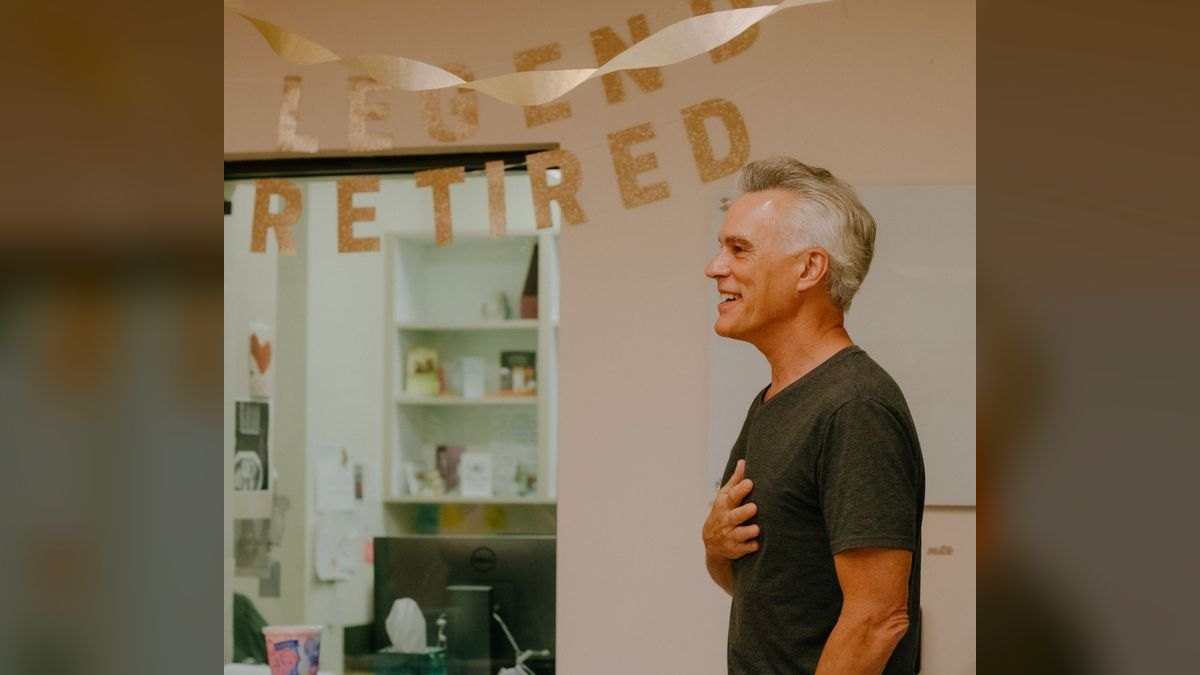
The "career arc" approach frames the retiree's journey in three acts: the beginning (their first days, the company's state then, a humorous first impression), the middle (key challenges overcome, a signature project, a turning point), and the legacy (the people they mentored, the culture they shaped, how the organization is different because of them). For a long-serving employee (20+ years), consider weaving in one or two specific, relatable anecdotes from each decade—like the office technology they started with versus what they used at retirement, which naturally highlights their adaptability. This structure works for speeches ranging from 3 to 8 minutes, depending on the number of stories included.
How Do You Balance Humor and Sentiment in a Retirement Speech?
Humor is a retirement speech's secret weapon—but it must be wielded carefully. The safest and most effective humor comes from gentle, affectionate teasing about shared experiences: the retiree's legendary coffee mug collection, their insistence on using a paper calendar in a digital world, or the time they accidentally sent a company-wide email meant for a friend. Avoid jokes about age, health, or any topic that could embarrass or diminish the retiree. A good rule of thumb: if you wouldn't say it with their family in the front row, cut it.

Aim for a ratio of roughly 70% sincere warmth to 30% light humor. For a long-serving employee, you can also use the "then vs. now" contrast for laughs—comparing the office dress code, meeting lengths, or lunch habits from 1990 versus today. Self-deprecating humor from the speaker also works well ("I've only been here five years, but even I know not to touch Janice's stapler"). The goal is to make the retiree feel celebrated, not roasted. If you're unsure about a joke, run it by one other person first. A genuine laugh from the audience is worth a hundred polite smiles. For more detailed guidance, see How to Add Humor to a Retirement Speech.
How Do You Include Colleagues Without Making the Speech Too Long?
A retirement speech should never be a solo performance. The most impactful speeches actively involve the audience through collective acknowledgments and shared memories. Before the event, discreetly collect 2-3 short quotes or memories from colleagues across different departments and roles—a junior hire, a longtime peer, and a former manager. Weave these into the speech with attribution ("Sarah from accounting remembers when you stayed late to help her with the quarterly close…"). This not only enriches the content but shows the retiree's impact across the organization.
You can also invite a brief, pre-arranged toast from one colleague (60 seconds max) as a surprise midway through. For a longer speech, consider a "roundtable" moment where you ask the audience to raise their hands if they've worked with the retiree for 10+ years, 15+ years, etc.—this visually demonstrates their tenure and creates a powerful sense of community. End this section by asking everyone to join in a simple, sincere thank you—either a round of applause or a collective "Thank you, [Name]." This transforms the speech from a monologue into a shared ritual of appreciation, which is often what the retiree will remember most. For tips on crafting heartfelt tributes, explore A Speech to Honor a Long-Serving Board Member.
What Are the Key Delivery Techniques for a Retirement Speech?
Delivery is just as important as content in a retirement speech. Speak slower than feels natural—this is a sentimental room and people want to savor it. Pause after the number of years; let it sink in. Make real eye contact with the retiree during the thank-you, not the crowd. If your voice catches, that is fine; do not rush past it. Lean on a small card with three bullets (years, the story, the toast) rather than reading it word for word—memorized warmth beats a perfect recitation.
Practice the speech aloud several times beforehand, and keep a printed copy with you. If you feel choked up, pause, take a sip of water, or look at the audience for a moment. It's fine to show emotion—just have a backup plan (like a colleague ready to step in) if needed. The goal is to deliver a speech that feels natural and heartfelt, not rehearsed or robotic. For a 30-second version for a quick toast, focus on the key elements: "Number of years, and not once did [Name] make this place feel like just a job. You trained half this room, fixed more crises than we can count, and somehow always had the coffee ready. We are going to miss you. Enjoy every minute of what comes next. To [Name]!"

How Do You Handle Different Retirement Scenarios?
Different retirement situations call for different tones and content. For a beloved peer, keep the tone light and teasing, focusing on shared memories and inside jokes. For a manager or executive, emphasize their leadership impact and the legacy they built. For a retirement following a hard year or a health scare, shift to a more solemn and reflective tone, focusing on resilience and the positive memories. For a longer, more formal version—at a banquet or with executives present—add a paragraph on the retiree's measurable impact and a line of thanks to their family for sharing them with the company all these years.
The length of service also affects the speech's content. For someone retiring after 10-15 years, focus on specific projects and growth. For 20+ years, use the "then vs. now" contrast to highlight how the company and the retiree have evolved together. For 30+ years, acknowledge the retiree as a living piece of company history. In all cases, avoid a chronological laundry list; instead, pick 3-4 pivotal moments that reveal character. For more inspiration, see An Employee of the Year Acceptance Speech and A Warm Welcome Speech for a New Employee.

What Common Mistakes Should You Avoid?
Several common pitfalls can undermine a retirement speech. The biggest mistake is making the speech about the speaker rather than the retiree—avoid phrases like "I remember when I taught them" or "They made my job easier." Another frequent error is including too many names or dates, which turns the speech into a recitation rather than a tribute. Keep the focus on the retiree's character and impact, not a timeline of their career.
Other mistakes to avoid include: reading directly from a script without eye contact, using generic platitudes ("You'll be missed"), making jokes that fall flat or cause discomfort, and ending abruptly without a clear conclusion. Also avoid mentioning the retiree's age or health directly—focus on their contributions and legacy instead. Many retirees prefer to be celebrated for their work, not defined by their departure. Finally, don't rush through the speech—take your time, pause for effect, and let the emotion of the moment resonate.
Related questions
How long should a retirement speech be?
Aim for 3 to 7 minutes when spoken aloud, typically 400–900 words. Shorter speeches are often more engaging, but allow enough time to share meaningful stories and express genuine gratitude.
Should I include inside jokes in a retirement speech?
Yes, but keep them brief and accessible. One or two shared memories can make the speech feel personal, but too many obscure references may leave family members feeling excluded. If you have to explain it, skip it.
Is it okay to mention the retiree's age or health?
Generally no—avoid any direct references to age, health, or "finally getting to rest." Focus on their contributions and legacy instead. Many retirees prefer to be celebrated for their work, not defined by their departure.
What's the best way to end the speech?
Close with a clear, positive send-off—something like "Please join me in raising a glass to [Name]" or "Let's give them a round of applause for [X] years of dedication." A firm, warm conclusion leaves everyone feeling good.
How do I handle emotions without breaking down?
Practice the speech aloud several times beforehand, and keep a printed copy with you. If you feel choked up, pause, take a sip of water, or look at the audience for a moment. It's fine to show emotion—just have a backup plan ready.
Can I use a template for a retirement speech?
Yes, templates provide a solid structure, but always personalize them with specific stories and details about the retiree. The most powerful moments come from genuine emotion and shared memories, not generic phrases.
FAQ
How do I start a retirement speech? Begin by getting everyone's attention without rushing it. A simple opening like "Before we cut into that cake—and I know [Name] has had one eye on it since they walked in—I want to take a few minutes to say what a lot of us have been thinking for a while now" works well.
What if I'm not a good public speaker? Focus on sincerity over perfection. Speak slowly, make eye contact with the retiree, and keep your notes brief. The audience will remember your genuine emotion more than any minor mistakes. Practice aloud at least three times beforehand.
How do I include the retiree's family in the speech? Briefly acknowledge their family's support, especially for long-serving employees. A simple line like "We also want to thank [Name]'s family for sharing them with us all these years" is sufficient. Avoid lengthy stories about family members unless the retiree has given permission.
Should I mention the retiree's successor? Only if it's relevant and positive. You can briefly acknowledge the transition, but the focus should remain on the retiree's legacy, not the future. Avoid comparing the successor to the retiree.
What if the retiree is emotional during the speech? Pause and give them a moment to collect themselves if needed. Acknowledge their emotion with a warm smile or a gentle comment like "That means a lot." It's okay to let the moment breathe—it shows the depth of the relationship.
How do I handle a speech for someone retiring after 30+ years? Use the "then vs. now" contrast to highlight how the company and the retiree have evolved together. Acknowledge them as a living piece of company history. Focus on the legacy they leave behind and the people they've mentored.
Can I use props or visual aids? Yes, but keep them simple. A photo album, a gag gift, or a retirement-themed prop can add personality. Avoid anything that distracts from the speech or requires the retiree to participate actively.
What if I forget part of the speech? Don't panic. Take a breath, look at your notes, and continue. The audience won't know you skipped something unless you draw attention to it. The most important parts are the opening, the personal story, and the closing toast.
How do I handle a virtual retirement speech? Speak directly to the camera, maintain good lighting, and minimize background noise. Keep the speech slightly shorter (3-4 minutes) to maintain engagement. Use a virtual background that's professional but not distracting.
What's the best way to practice? Record yourself and listen for pacing, tone, and clarity. Practice in front of a friend or colleague for honest feedback. Time yourself to ensure you're within the desired length. Repeat until the speech feels natural, not robotic.
Sources
- Society for Human Resource Management (SHRM) — Employee Recognition Best Practices
- Toastmasters International — Retirement Speech Guide
- Harvard Business Review — The Art of the Retirement Speech
- Forbes — How to Deliver a Memorable Retirement Speech
- Inc. — Tips for Giving a Great Retirement Speech
- AARP — Retirement Planning and Lifestyle Resources
- The New York Times — Retirement Planning and Personal Finance
- U.S. Bureau of Labor Statistics — Retirement Trends
- Psychology Today — The Psychology of Retirement Transitions
- LinkedIn — Professional Networking and Career Transition Advice
Related on PULSE
This page will be disappearing soon. Save it to your device for $1 — or read it free while it is here.
@Kory-White- · if Venmo asks, the last 4 of my number are 2012
This page is gone.
This one is off the shelf now. $1 keeps it on your phone for good — the whole page, pictures and diagrams included.
 pulse-speechesA Speech for a Sales Kickoff
 pulse-speechesA Toast for a 60th Birthday
 pulse-speechesA Toast for a Milestone Wedding Anniversary
 pulse-speechesHow to Write a Speech in 30 Minutes in 2027
 pulse-speechesA Speech for a Team Offsite Kickoff
 pulse-speechesA Speech for a Customer Appreciation Event
 pulse-speechesA Wedding Speech for a Same-Sex Wedding
 pulse-speechesHow to Beat Public-Speaking Nerves in 2027
 pulse-speechesWhat Makes Reagan's "Tear Down This Wall" a Great Speech in 2027
 pulse-speechesA Graduation Speech for a Kindergarten Graduation