
A Retirement Speech for a Flight Attendant
 Curated byKory White · Fractional CRO · Maryland
 PULSEKNOWLEDGE LIBRARY
Quality
Certified

A retirement speech for a flight attendant should celebrate a career of service, safety, and connection across thousands of flights. It typically highlights the unique bond with passengers and crew, the joy of exploring the world, and the gratitude for a journey well flown. The tone balances warmth and professionalism, often including a touch of humor about turbulence, layovers, or the endless cups of coffee. This page provides a complete, customizable speech template plus delivery guidance, story prompts, and variations for any length or tone.
A great retirement speech honors the flight attendant's decades of dedication to keeping passengers safe and comfortable at 35,000 feet. The best speeches mix personal stories with universal truths about the aviation profession, and this guide helps you craft one that feels authentic and memorable.
How Do You Open a Retirement Speech for a Flight Attendant?
The first few seconds set the tone for everything that follows. For a flight attendant, your opening should acknowledge the unique perspective gained from a career spent above the clouds. A gentle aviation metaphor works beautifully: "After 30 years of telling passengers to fasten their seatbelts, I'm finally unbuckling mine for good." This opener is instantly recognizable and signals warmth and humor.
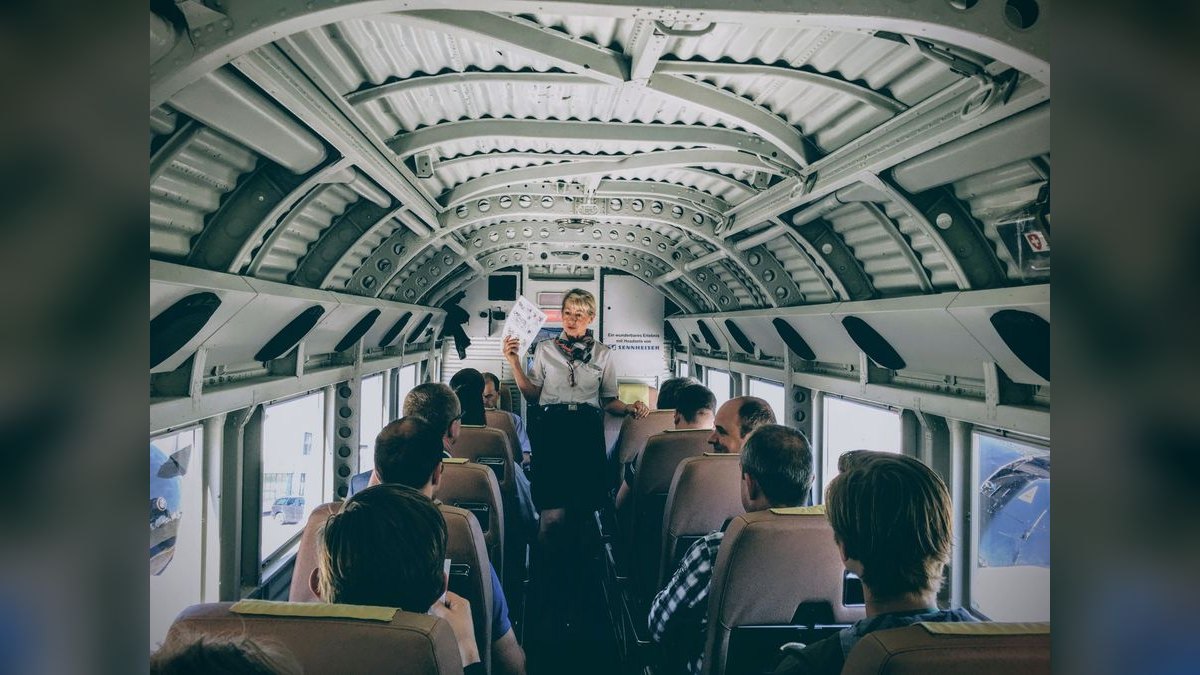
Another effective approach references a specific, lighthearted memory from early training. You might say: "I still remember my first day of flight attendant training, when I was convinced I'd never remember how to open an emergency exit door, let alone serve 150 passengers a hot meal while maintaining a smile." This invites the audience into your journey and makes them feel part of your story. Avoid generic openings like "It's great to see everyone here" — that wastes the precious first impression. Instead, dive straight into something only you could say, drawing from hundreds of takeoffs and landings.
When unsure which direction to take, ask yourself: What is the single most memorable moment that sums up why I loved this job? That moment — a funny passenger interaction, a challenging flight, or a quiet sunrise over the Atlantic — can become the anchor for your entire speech. A strong opening line grabs attention and gives you confidence as you continue.
What Stories Should You Include in the Body?
Once you've hooked your audience, the body should weave together three key elements: stories, gratitude, and reflection. Aim for two or three short anecdotes that illustrate the highs and lows of your career. For instance, share a story about helping a nervous flyer calm down during turbulence, or a moment when the entire crew pulled together to handle an unexpected delay with grace. These stories don't need to be dramatic — sometimes the most touching moments are quiet ones, like a passenger thanking you for a kind word during a difficult trip.
After each story, pivot to gratitude. Thank specific people by name: colleagues who made early morning flights bearable, mentors who taught you how to handle difficult situations, and family members who supported you through missed holidays and irregular schedules. Be sincere but brief — a few sentences per person is enough. If you're worried about forgetting names, jot them down on a small card. Remember, the audience wants to feel included, not overwhelmed by a long list.
Finally, reflect on what the job taught you. Flight attendants develop unique skills: patience, adaptability, the ability to read a room in seconds. Share one or two lessons learned, such as "Every person you meet is fighting a battle you know nothing about — be kind" or "The best-laid plans will change, and that's okay." This reflection ties your personal journey to universal truths, making your speech resonate with everyone in the room. Keep this section to about three to five minutes total — long enough to be meaningful, short enough to maintain attention. For more guidance on structuring stories, see our article on how to add humor to a retirement speech.
How Do You Deliver the Speech with Confidence and Manage Emotions?
Even the most beautifully written speech can fall flat if delivery feels stiff or rushed. For a retirement speech, authenticity matters far more than perfection. Practice your speech aloud three or four times in the days leading up to the event — not to memorize it word-for-word, but to become comfortable with the flow and pacing. Stand in front of a mirror or record yourself on your phone. Notice where you tend to speed up or stumble, and mark those spots with a pause in your notes.
Emotions often run high during retirement speeches, especially for a career as people-focused as flight attending. It's completely normal to feel choked up when thanking a longtime colleague or recalling a poignant memory. Instead of fighting the tears, embrace them. A brief pause to collect yourself actually makes your speech more powerful — it shows genuine feeling. Have a glass of water nearby, and take a sip if you need a moment. If you're worried about breaking down completely, practice a line like "Give me a second — I've spent 30 years keeping my emotions in check at 35,000 feet, so I'm allowed to let them out now." This honesty will endear you to your audience.
On the day of the speech, arrive early to test the microphone and get comfortable with the room. Look at friendly faces in the audience as you speak — your spouse, your best friend from training, or a former supervisor who always believed in you. Speak a little slower than you think you need to, and project your voice to the back of the room. Remember that your audience is rooting for you. They're there to celebrate your career, not to judge your public speaking skills. If you forget a line, simply glance at your notes and continue. The most memorable retirement speeches are not the flawless ones, but the ones delivered with heart. For more tips on public speaking, check out our guide on retirement speeches for long-serving employees.
How Do You Customize the Speech for Different Lengths and Tones?
A 30-second version works well if you only have a moment before the cake: "[Name], for [number] years you were the calm voice and the steady smile at 35,000 feet. You got us all home safe. Now the seatbelt sign is off for good — go enjoy the view from the ground. To [Name]!" This short version hits the key emotional notes without any filler.
For a longer, formal version, add a paragraph naming the airline and the eras they flew through, plus remarks from the chief purser. You might include details about how aviation changed during their career — from paper tickets to digital boarding passes, from smoking sections to fully non-smoking cabins. For a lighter tone, lean into crew in-jokes: the galley legends, the layover stories, the passenger who reclined into someone's lap. For a more solemn tone, dwell on the safety responsibility and the trust thousands of strangers placed in them, and close softly on "welcome home."
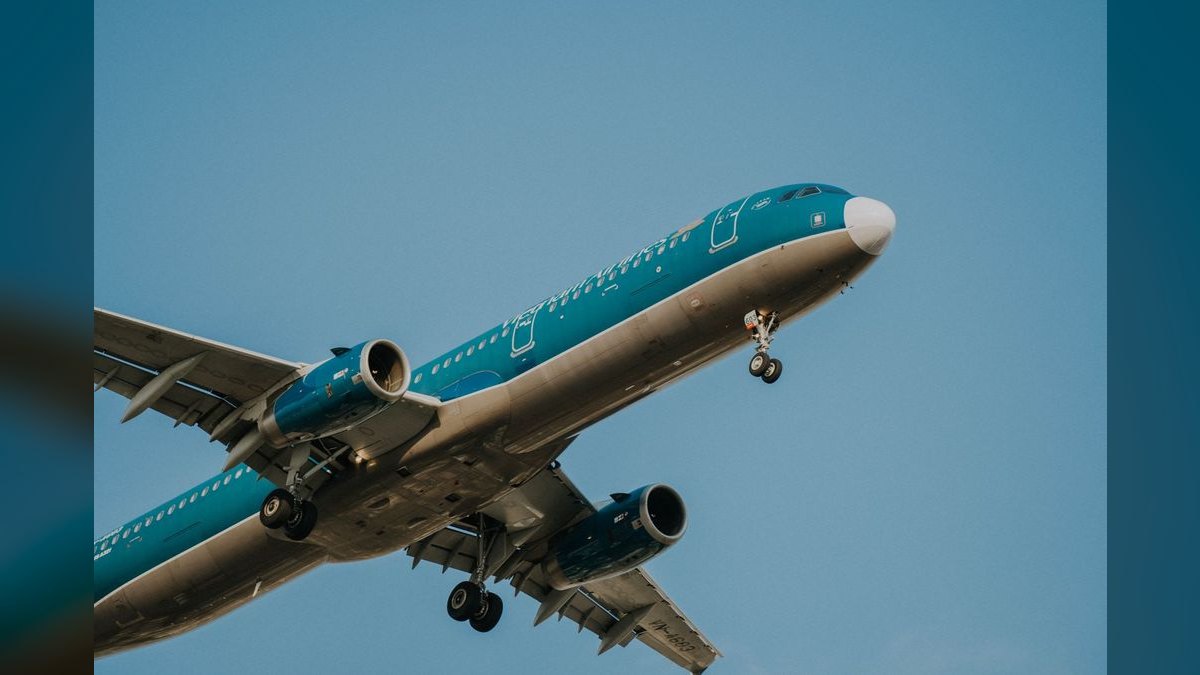
If the retiree flew a signature route for years, name it — "[city] to [city]" gets a knowing laugh from the crew. Swap [number] of years and [Name] throughout; double-check the years of service against the airline record so the headline number lands. Replace [a specific memory] with one true story — the diverted flight they handled, the passenger who wrote a thank-you letter, the trainee they mentored. Prompts to spark specifics: What's one flight they'll never let you forget? What's a quirk crews teased them about? What's the first un-scheduled thing they plan to do now?
What Should You Avoid Saying in the Speech?
Don't dwell on negative aspects of the job, like long hours or low pay. Skip inside jokes that only a few will understand. Also avoid making predictions about the airline's future — keep the focus on your own experience and gratitude. Avoid mentioning specific passenger complaints or difficult situations that might embarrass anyone in the room. The goal is to create a warm, inclusive atmosphere where everyone feels part of the celebration.
Don't read your entire speech from a piece of paper. Use small note cards with bullet points or key phrases to keep you on track, but maintain eye contact with your audience. Avoid rushing through the speech — nervous speakers tend to speed up, which can make the words feel less meaningful. Take deliberate pauses, especially after emotional moments. Don't forget to thank the people who made the career possible: the family who supported you through missed holidays, the mentors who guided you, and the colleagues who became friends.
How Do You Handle the Toast and Closing?
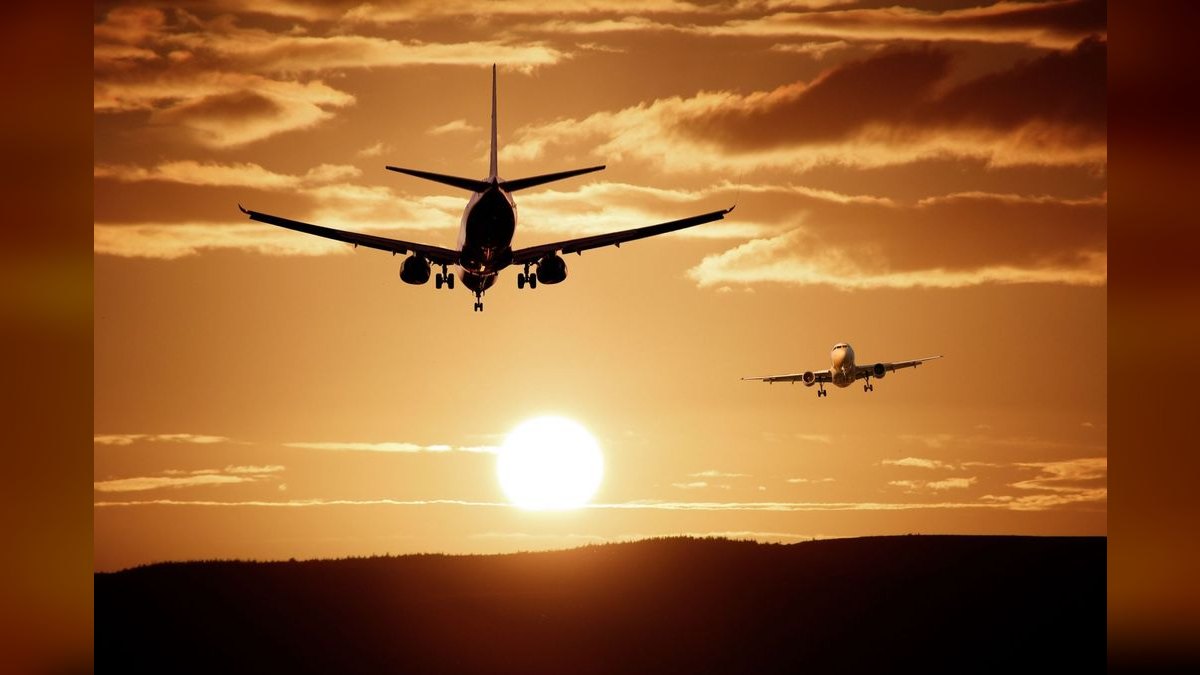
The closing toast is the most important part of any retirement speech. It's the moment when everyone in the room comes together to honor the retiree. Your toast should be simple, heartfelt, and memorable. The template provided uses: "To [Name] — to the safe travels you gave us all, and to the wide-open, unscheduled horizon ahead. Happy retirement." This works because it acknowledges the retiree's contributions while looking forward to their future.
When delivering the toast, raise your glass and make eye contact with the retiree. Pause for a moment before drinking, allowing the room to join in. If you're not a drinker, you can raise a glass of water or simply raise your hand — the gesture is what matters. After the toast, encourage others to approach the retiree and share their own memories. This creates a natural transition from the formal speech to the informal celebration.
Related questions
What are the key elements of a flight attendant retirement speech?
The key elements are a strong opening with an aviation metaphor, two or three personal stories showing service and camaraderie, sincere gratitude to colleagues and family, a reflection on lessons learned, and a closing toast that honors the retiree's career while looking forward to their future.
How long should a retirement speech for a flight attendant be?
Aim for 3 to 5 minutes when spoken aloud, which translates to about 400 to 700 words. This gives enough time to share personal stories and thank colleagues without losing the audience's attention.
Can I use humor in a flight attendant retirement speech?
Yes, light humor about turbulence, layovers, or the endless cups of coffee works well. Choose one lighthearted, anonymized story that highlights crew camaraderie. Avoid complaints or embarrassing details.
How do I thank the crew and airline in the speech?
Mention the broader team—pilots, ground staff, and fellow flight attendants—by role rather than naming everyone individually. Thank the airline for the opportunities but keep it brief. A simple "I'm grateful to have worked alongside such dedicated people" covers it.
Should I include specific flight numbers or routes?
Only if they hold clear meaning for you or your audience. General references like "our transatlantic trips" or "the early morning Denver runs" are safer and more relatable. Specifics can confuse listeners who weren't on those flights.
FAQ
How long should a retirement speech for a flight attendant be? Aim for 3 to 5 minutes when spoken aloud, which gives you enough time to share a few personal stories and thank colleagues without losing the audience's attention. Most speakers find 400–700 words works well.
What tone works best for a flight attendant's retirement speech? A warm, appreciative tone with light touches of humor is ideal. You can acknowledge the unique challenges of the job—like jet lag or difficult passengers—but keep the focus on gratitude and shared memories. Avoid anything overly sentimental or sarcastic.
Should I include specific flight numbers or routes in the speech? Only if they hold clear meaning for you or your audience. General references like "our transatlantic trips" or "the early morning Denver runs" are safer and more relatable. Specifics can confuse listeners who weren't on those flights.
How do I thank the crew and airline in the speech? Mention the broader team—pilots, ground staff, and fellow flight attendants—by role rather than naming everyone individually. Thank the airline for the opportunities, but keep it brief. A simple "I'm grateful to have worked alongside such dedicated people" covers it.
Is it okay to mention funny or difficult passengers? Yes, but choose one lighthearted, anonymized story that highlights the camaraderie of the crew. Avoid complaints or embarrassing details. The goal is to make people smile, not to relive stressful moments.
What should I avoid saying in a retirement speech for a flight attendant? Don't dwell on negative aspects of the job, like long hours or low pay. Skip inside jokes that only a few will understand. Also avoid making predictions about the airline's future—keep the focus on your own experience and gratitude.
How do I handle getting emotional during the speech? Embrace the emotion — a brief pause to collect yourself makes your speech more powerful. Have water nearby and practice a recovery line like "Give me a second — I've spent 30 years keeping my emotions in check at 35,000 feet." This honesty will endear you to your audience.
What's the best way to practice the speech? Practice aloud three or four times in the days leading up to the event. Stand in front of a mirror or record yourself on your phone. Notice where you tend to speed up or stumble, and mark those spots with a pause in your notes. Focus on flow, not word-for-word memorization.
Sources
- Federal Aviation Administration (FAA) — regulations, safety standards, and career guidelines for flight attendants
- Association of Flight Attendants (AFA-CWA) — union resources, industry news, and retirement benefits for flight attendants
- U.S. Bureau of Labor Statistics (BLS) — occupational outlook, salary data, and employment trends for flight attendants
- International Air Transport Association (IATA) — global aviation industry standards and professional development for cabin crew
- The Wall Street Journal (WSJ) — business and lifestyle coverage of airline industry changes and retirement trends
- Harvard Business Review (HBR) — articles on career transitions, leadership, and public speaking for retirement speeches
- Toastmasters International — public speaking tips and speech structure guidance for special occasions
- National Speakers Association — professional speaking resources for crafting memorable retirement tributes
Related on PULSE
This page will be disappearing soon. Save it to your device for $1 — or read it free while it is here.
@Kory-White- · if Venmo asks, the last 4 of my number are 2012
This page is gone.
This one is off the shelf now. $1 keeps it on your phone for good — the whole page, pictures and diagrams included.
 pulse-speechesA Toast for a Milestone Wedding Anniversary
 pulse-speechesA Speech for an IPO Celebration
 pulse-speechesA Speech for Welcoming a New Hire
 pulse-speechesA Toast for a Christening
 pulse-speechesA Toast for a 60th Birthday
 pulse-speechesA Wedding Speech for a Same-Sex Wedding
 pulse-speechesA Graduation Speech for a Kindergarten Graduation
 pulse-speechesHow to Tailor a Toast to the Audience in 2027
 pulse-speechesA Wedding Speech for a Second Marriage
 pulse-speechesWhat Makes Maya Angelou’s “On the Pulse of Morning” a Great Speech in 2027