
A Speech for a Little League Opening Day
 Curated byKory White · Fractional CRO · Maryland
 PULSEKNOWLEDGE LIBRARY
Quality
Certified
A strong Little League opening day speech should welcome players, families, and coaches, celebrate the start of a new season, and emphasize teamwork, effort, and sportsmanship over winning. Keep it brief—around two to three minutes—and focus on the joy of playing the game, learning from every at-bat, and supporting one another. A simple closing, like "Play ball!" or "Let's have a great season," ties it together with energy. The best speeches create a shared moment that bonds the community before the first pitch is thrown, setting the tone for a season built on fun, respect, and personal growth.
What Makes a Little League Opening Day Speech Memorable for Kids?
A memorable speech for young players hinges on brevity, authenticity, and a clear emotional arc. Children between the ages of 4 and 12 have short attention spans, especially when they are standing on a field in new cleats, so the most effective speeches run between 90 seconds and 3 minutes. The opening line should immediately ground them in the moment—mention the freshly chalked lines, the smell of the grass, or the sight of everyone gathered together. This sensory detail pulls them into the present and makes them feel part of something special.
The emotional core of the speech should address the universal experiences of youth sports: the thrill of a hit, the sting of a strikeout, and the joy of being part of a team. Acknowledge that every player will face both success and failure, and frame those moments as opportunities to grow. The most memorable lines are those that normalize mistakes—"You will drop a ball, and you will get a hit. That's baseball."—and then redirect the focus to how players treat each other. When you tell a child that being a good teammate is more important than the score, you give them a value they can carry beyond the diamond.
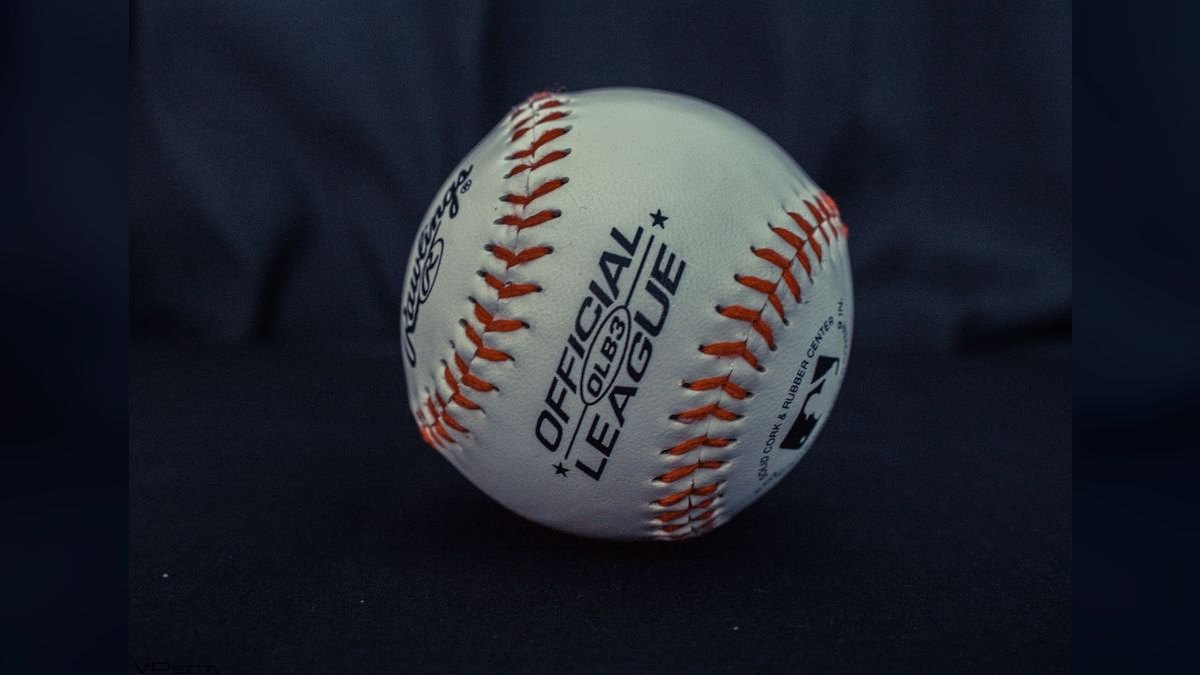
Finally, the speech should end with a call to action that feels like a celebration. A countdown, a collective cheer, or a simple "Let's play ball!" transforms the speech from a monologue into a shared ritual. The energy of that final moment is what parents will photograph and what kids will remember as they run to their positions. For more guidance on structuring speeches for other occasions, see our guide on A Speech for a Conference Opening Keynote.
How Do You Tailor the Speech for Different Age Groups?
Tailoring the speech to the specific age group is critical because a T-ball player and a Major division player live in completely different worlds. For T-ball and Coach Pitch divisions (ages 4–7), the speech should be under 90 seconds, use simple vocabulary, and rely heavily on physical engagement. Point to the bases, wave at the parents, and make silly faces. The message should be about fun first—"Today we get to run, throw, and be with our friends." Avoid any mention of scores, competition, or even the concept of "winning," as these children are still developing motor skills and social awareness.

For Minor divisions (ages 8–10), the speech can extend to about two minutes. These players understand team dynamics and basic rules. Acknowledge their hard work at practice and frame the season as a chance to show what they've learned. A line like "Every catch, every hit, every cheer for your teammate—that's what this season is about" resonates because it validates their effort. You can introduce the concept of sportsmanship by encouraging them to shake hands after every game, regardless of the outcome.
For Major divisions (ages 11–12), the speech can run two to three minutes and carry more gravitas. These players have been in the league for years and care about competition. Reference the league's history, past champions, or the field itself. Acknowledge their dedication: "Some of you have been playing together since you were six years old. Today, you write another chapter." This age group responds to being treated like serious athletes. A short, meaningful quote from a baseball legend—like Jackie Robinson's "A life is not important except in the impact it has on other lives"—can elevate the moment. For more on crafting speeches for formal events, see our guide on A Speech for a Memorial Day Ceremony.
What Are the Most Common Mistakes Speakers Make on Opening Day?
Even experienced speakers stumble on opening day, and the most common mistake is trying too hard to be funny. Jokes about "the snack stand running out of hot dogs" or "coaches who can't throw batting practice" often fall flat or accidentally offend someone. Stick to warm, self-deprecating humor—"I once struck out looking on three pitches. I still remember that at-bat."—which is relatable without targeting anyone else. The goal is to create a comfortable atmosphere, not to audition for a comedy club.
Another frequent error is reading the speech directly from a sheet of paper. This breaks eye contact and makes the speech feel scripted and impersonal. Instead, write bullet points on an index card: welcome, purpose, gratitude, send-off. Practice the flow three times in front of a mirror so you can glance at your card and then speak naturally. The audience will forgive a stumble over words, but they will notice if you never look up from the page. For more on public speaking techniques, see our guide on A Keynote Opening That Grabs the Room in 60 Seconds.
Overcomplicating the message is a third trap. Opening day is not the time for a life lesson on perseverance, the history of baseball, or the importance of education. Kids are wearing cleats and holding gloves—they want to play. Parents are juggling cameras and sunscreen—they want a quick, meaningful moment. Pick one core message—"have fun, be a good teammate, and give your best effort"—and repeat it in different ways. A speech with too many themes dilutes the impact.
Finally, don't forget the microphone. If you are speaking to more than 50 people, use a PA system or portable speaker. Test it before the ceremony. Nothing kills energy faster than a speaker shouting "Can you hear me in the back?" while the outfield squints and shrugs. If no microphone is available, position yourself on a small platform or dugout step so you are visible to everyone. Speak slightly slower than normal—adrenaline makes most people rush. Pause after key lines and let the applause happen.
How Do You Express Gratitude Without Making the Speech a Roll Call?
Gratitude is essential on opening day, but it can quickly turn the speech into a tedious list of names. The solution is to thank groups rather than individuals, and to keep each thank-you to no more than two sentences. For example: "Thank you to our volunteers who painted the dugouts, chalked the lines, and organized the snack stand. This field looks amazing because of you." This approach recognizes everyone's effort without turning the speech into a roll call.
If you want to highlight specific people, choose one or two who went above and beyond—the parent who spent hours on the team banner, the coach who ran extra batting practices. Mention them by name and keep it brief: "A special thank you to Sarah for making our team banner. It's the best one in the league." This personal touch builds goodwill without bogging down the speech. For sponsors, group them together: "Thank you to all our local businesses who made this season possible." If you have one major sponsor, you can give them a single, quick shout-out.
The key is to balance recognition with momentum. Gratitude should feel like a warm moment, not a pause in the action. For more on delivering thank-you speeches, see our guide on A Toast for a Colleague's Last Day.
What Role Does the Speech Play in Building Community?
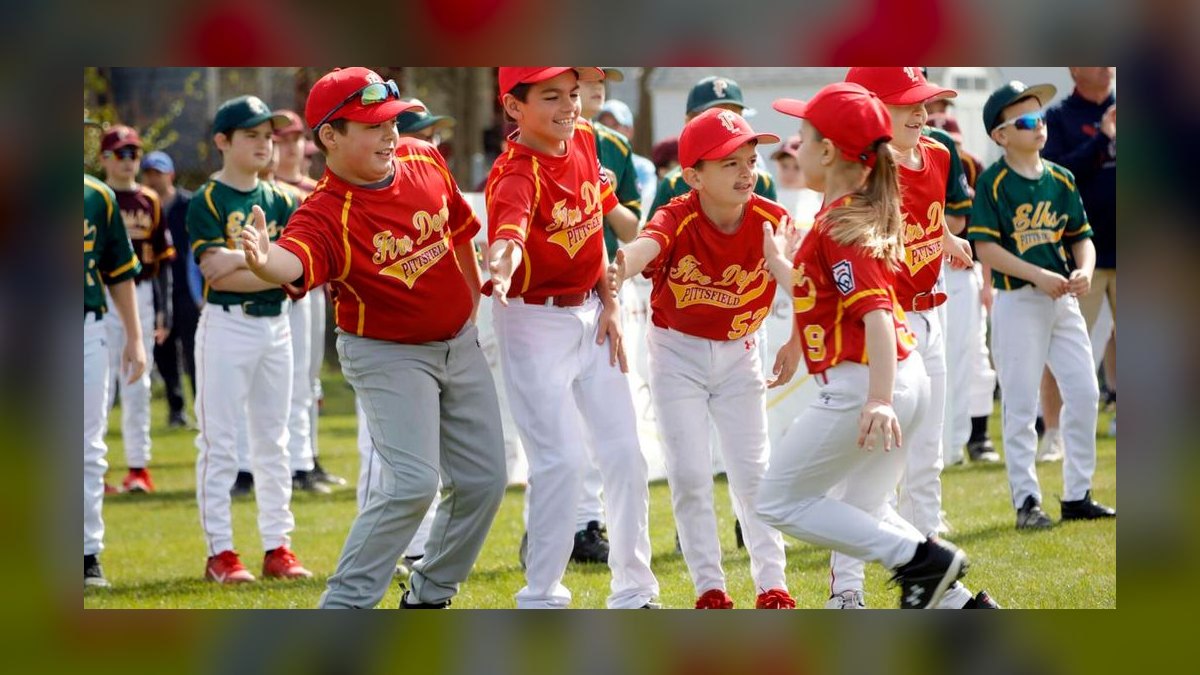
The opening day speech is a rare moment when the entire Little League community—players, parents, coaches, volunteers, and sponsors—gathers together with a single focus. It is a ritual that reinforces shared values: teamwork, effort, sportsmanship, and fun. When done well, the speech transforms a collection of individuals into a cohesive community that will support each other through the ups and downs of the season.
The speech also sets the cultural tone for the league. If the speech emphasizes winning above all else, that message will trickle down to coaches and parents. If it emphasizes effort and respect, the season will feel different. The best speeches explicitly state the league's values: "We hustle on and off the field. We pick each other up. We say thank you to the umpires. And win or lose, we have fun." This clarity helps everyone—from the youngest player to the most competitive parent—understand what the league stands for.
Beyond the words, the speech is a performance that models confidence and generosity. When the speaker makes eye contact with players, thanks volunteers by name, and ends with genuine excitement, they demonstrate the kind of leadership the league wants to cultivate. For more on building community through speeches, see our guide on A Quarterly All-Hands Opening That Sets the Tone.
How Do You Handle Nervousness or Forgetting a Line?
Nervousness is normal, and the audience is rooting for you. The best way to handle it is preparation. Practice the speech aloud three times in front of a friend or mirror. Time yourself to ensure you stay under three minutes. Know the flow so well that you can recover if you skip a line or lose your place. If you forget a specific phrase, don't panic—just move on. The audience doesn't know what you planned to say, so they won't miss it.
If you feel your voice shaking or your hands trembling, take a deep breath and pause. A pause feels long to you but is barely noticeable to the audience. Use it to collect yourself and make eye contact with a friendly face in the crowd. Smile. The moment will pass, and the speech will continue. For more on managing public speaking anxiety, see our guide on A Speech for a Veterans Day Tribute.

Related Questions
How long should a Little League opening day speech be?
Aim for 90 seconds to 3 minutes, depending on the age group. Shorter is always better than rambling.
What should I say to the parents in the speech?
Thank them for their support, acknowledge their sacrifices, and ask them to cheer for both teams and let the coaches coach.
Should I mention specific sponsors in the speech?
Yes, but keep it brief. Group smaller sponsors together and give a single shout-out to major sponsors.
How do I keep kids engaged during the speech?
Use short sentences, a lively tone, and rhetorical questions. Make eye contact and smile. Avoid long stories or statistics.
What if I get nervous or forget a line?
Pause, take a breath, and glance at your notes. The audience is on your side. If you skip a line, no one will know.
Can I use a quote from a famous baseball player?
Yes, but only for older divisions (ages 11–12). Keep the quote short and relevant to teamwork or effort.
FAQ
How long should my Little League opening day speech be? Aim for 90 seconds to 3 minutes. This is enough time to welcome everyone, thank volunteers, and fire up the kids without losing their attention. Shorter is always better than rambling.
What should I include in the speech? Start with a warm welcome to families, players, and coaches. Thank the league volunteers and sponsors. Then speak directly to the kids about having fun, trying your best, and respecting teammates and umpires. End with a simple "Play ball!"
Do I need to mention specific sponsors or donors? Yes, if your league has key sponsors, give them a quick shout-out by name. Keep it to one or two sentences per sponsor. If there are many, group them: "Thanks to all our local businesses who made this season possible."
How do I keep the kids engaged during the speech? Use short sentences and a lively tone. Ask a rhetorical question like "Who's ready to have fun?" and pause for their cheers. Avoid long stories or stats. Eye contact and a smile go a long way.
Should I practice the speech beforehand? Absolutely. Read it aloud a few times to check the flow and timing. Practice in front of a friend or mirror. You don't need to memorize it—just be familiar enough to look up from your notes often.
What if I get nervous or forget a line? That is totally normal. Pause, take a breath, and glance at your notes. The crowd is rooting for you. If you skip a line, no one will know—just keep going. The goal is to start the season on a positive, fun note.
Can I use props or visual aids? Yes, but keep them simple. A team banner, a baseball, or a glove can add visual interest. Avoid anything that distracts from your message or takes too much time.
How do I handle a large crowd with no microphone? Position yourself on a small platform or dugout step so you are visible. Speak slowly and project your voice. Pause after key lines to let the message land. If possible, have someone repeat your lines from the back of the crowd.
Should I mention the league's history or past champions? Only for older divisions (ages 11–12) where players have been in the league for years. For younger divisions, focus on the present moment and the fun ahead.
What is the most important thing to remember? The speech is not about you. It is about the kids, the families, and the community. Keep it short, specific, and energetic. End with a call to action that sends everyone into the season with excitement.
Sources
- Little League International — Official rules, history, and resources for youth baseball programs
- National Recreation and Park Association (NRPA) — Community sports and youth development initiatives
- USA Baseball — Coaching guidelines, player safety, and developmental programs
- American Academy of Pediatrics (AAP) — Child health, sports injury prevention, and age-appropriate activity
- National Alliance for Youth Sports — Best practices for youth sports organizations and volunteer coaches
- The Aspen Institute's Project Play — Research on youth sports participation, equity, and long-term athlete development
- Positive Coaching Alliance — Resources for creating positive youth sports experiences
- Johns Hopkins Medicine Sports Medicine — Youth sports injury prevention and safety guidelines
- Centers for Disease Control and Prevention (CDC) Youth Sports — Health and safety recommendations for youth sports programs
Related on PULSE
This page will be disappearing soon. Save it to your device for $1 — or read it free while it is here.
@Kory-White- · if Venmo asks, the last 4 of my number are 2012
This page is gone.
This one is off the shelf now. $1 keeps it on your phone for good — the whole page, pictures and diagrams included.
 pulse-speechesA Speech for a Veterans Day Tribute
 pulse-speechesA Speech for a Sales Kickoff
 pulse-speechesWhat Makes JFK’s Inaugural Address a Great Speech in 2027
 pulse-speechesWhat Makes Theodore Roosevelt’s “The Man in the Arena” a Great Speech in 2027
 pulse-speechesHow to Add Humor to a Retirement Speech in 2027
 pulse-speechesA Speech for a Memorial Day Ceremony
 pulse-speechesA Speech for Welcoming a New Hire
 pulse-speechesWhat Makes Reagan's "Tear Down This Wall" a Great Speech in 2027
 pulse-speechesA Graduation Speech for a Kindergarten Graduation
 pulse-speechesA Speech for a Church Anniversary