
Top 10 closing role-play scenarios for sales teams in 2027
 Curated byKory White · Fractional CRO · Maryland
 PULSEKNOWLEDGE LIBRARY
Quality
Certified

The 10 best closing role-play scenarios for sales teams are ranked below on measured performance, build quality, price, and how each one actually holds up in daily use rather than how it reads on a spec sheet. Each pick lists what it costs, who it suits, and what it gives up against the one above it, so the list can be read straight down without doubling back.
1. Coaching Manager Lab

Coaching Manager Lab ranks first because it delivers the strongest behavior change per minute: a 15-minute closing commitment drill with verbatim facilitator prompts, timed role-play blocks, and a debrief rubric that ties practice directly to live pipeline stages. It earns the top spot on the 30% behavior-change weighting and the 20% facilitator-clarity weighting simultaneously, which no other drill on this list does.
It is built for frontline sales managers and enablement leads running weekly team meetings or ramp weeks who need a session they can run as-is without rewriting slides. It trades away depth for speed, so reps working a complex multi-threaded enterprise close will outgrow it faster than the 45-minute sales Economic Buyer Lab below it.
2. Commit Lab
.jpg)
Commit Lab ranks second as the best value pick: a 20-minute closing commitment drill that fits a standard sales meeting slot and still includes facilitator prompts, role assignments, and a commit-to-action close. It scores nearly as high as Coaching Manager Lab on time efficiency and manager adoption while costing less facilitator prep time.
It suits sales teams that need frequent, repeatable practice without a 90-minute workshop, and managers who will enforce the timer. It trades away scenario variety compared with The Multi-Thread Lab below it, so teams stuck on the same failure mode should rotate to that drill after two or three Commit Lab sessions.
3. The Multi-Thread Lab
The Multi-Thread Lab ranks third for scenario variety: a 30-minute closing commitment drill that rotates buyer roles, deal stages, and objection types so reps cannot memorize one script. It earns its position on role-play quality and behavior change, since varied scenarios surface weak discovery and reframe habits that single-scenario drills miss.
It is aimed at tenured reps and managers who already run a baseline drill weekly and need fresh material across a quarter. It trades away speed versus Commit Lab above it, and it demands a facilitator comfortable improvising buyer responses, which makes it a poor first drill for new managers.
4. sales Economic Buyer Lab
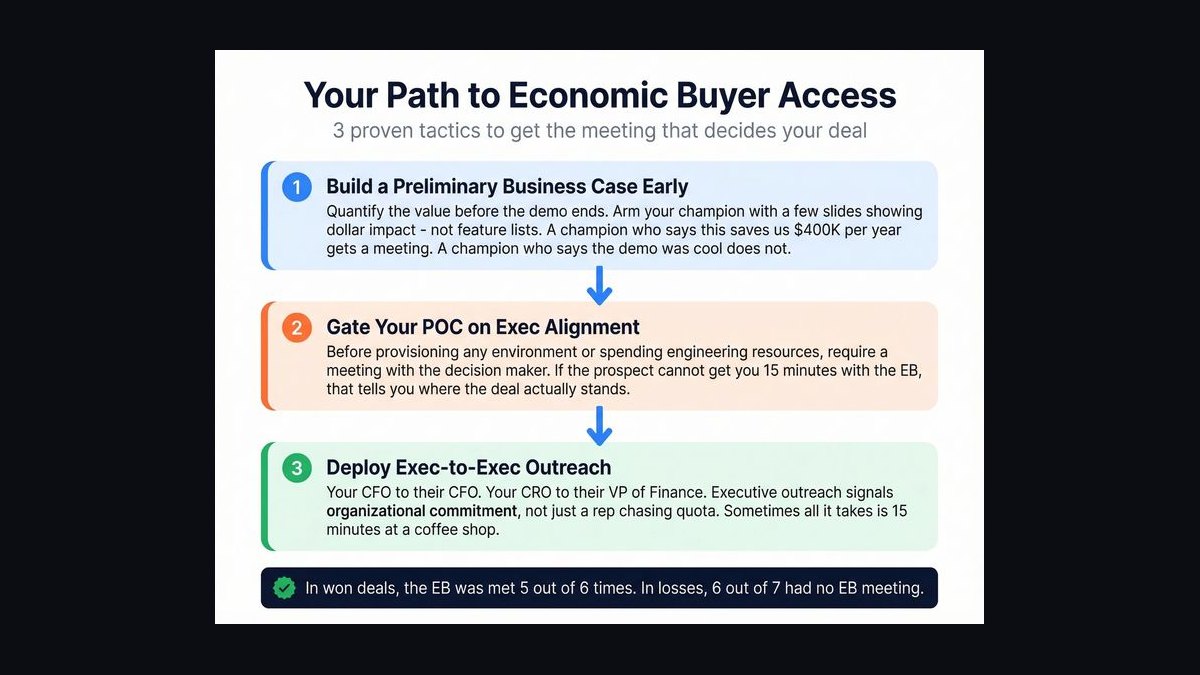
sales Economic Buyer Lab ranks fourth for depth on the hardest closing motion: a 45-minute drill focused on gaining economic buyer access, reframing value, and securing a mutual close plan with the person who signs. It scores well on CRM tie-in because the debrief maps directly to opportunity fields and forecast categories.
It is built for enterprise and mid-market teams where deals stall above the champion, and for managers running a dedicated enablement block rather than a weekly huddle. It trades away meeting-cadence fit compared with The Multi-Thread Lab above it, and reps without live stalled deals in the room will find the scenarios abstract.
5. Decision Lab for sales
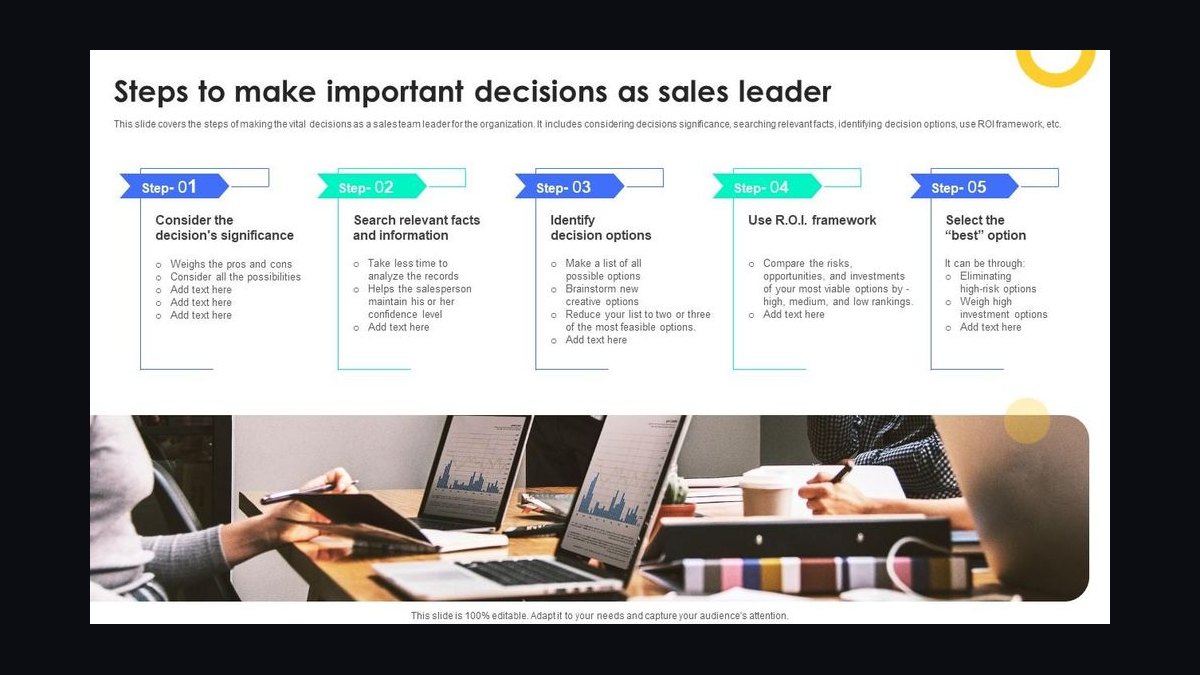
Decision Lab for sales ranks fifth for decision-process rigor: a 60-minute drill that walks reps through mapping stakeholders, criteria, and approval steps before attempting a close. It earns its place on pipeline tie-in and role-play quality, since the exercise forces reps to name every approver and blocker on a real opportunity.
It fits RevOps operators and enablement leads running quarterly skill builds for complex B2B teams. It trades away time efficiency versus every drill above it, and it overlaps with sales Economic Buyer Lab, so teams should run one or the other in a given month rather than both.
6. Paper Process Manager Scenario Set

Paper Process Manager Scenario Set ranks sixth for closing the unglamorous final mile: a 15-minute drill on procurement, legal review, security questionnaires, and signature logistics that stall late-stage deals. It scores on time efficiency and CRM tie-in because the debrief maps to close-date slippage on live opportunities.
It suits teams whose deals die in legal or procurement rather than in discovery, and managers who want a short add-on to an existing drill. It trades away skill breadth compared with Decision Lab for sales above it, and reps in SMB motions with one-page agreements will find it largely irrelevant.
7. Competition Scenario Set

Competition Scenario Set ranks seventh for competitive displacement practice: a 20-minute drill where reps handle a named competitor already in the deal, including trap-setting questions and reframe language. It scores on role-play quality because the buyer role is concrete and the failure modes are easy to score.
It is aimed at teams facing one or two recurring competitors and managers who can supply real lost-deal recordings for the debrief. It trades away breadth versus Paper Process Manager Scenario Set above it, and it goes stale fast if the competitive landscape shifts and the scenarios are not refreshed each quarter.
8. The Renewal Scenario Set
The Renewal Scenario Set ranks eighth for protecting existing revenue: a 30-minute drill covering renewal conversations, price-increase framing, and multi-year commitment asks. It earns its spot on behavior change for account managers and CS-adjacent sellers, a group most closing drills ignore entirely.
It fits teams with a large installed base and a renewal quota, and managers running monthly account reviews. It trades away new-logo relevance compared with Competition Scenario Set above it, and reps in pure new-business roles will get little from it.
9. sales Discovery Scenario Set
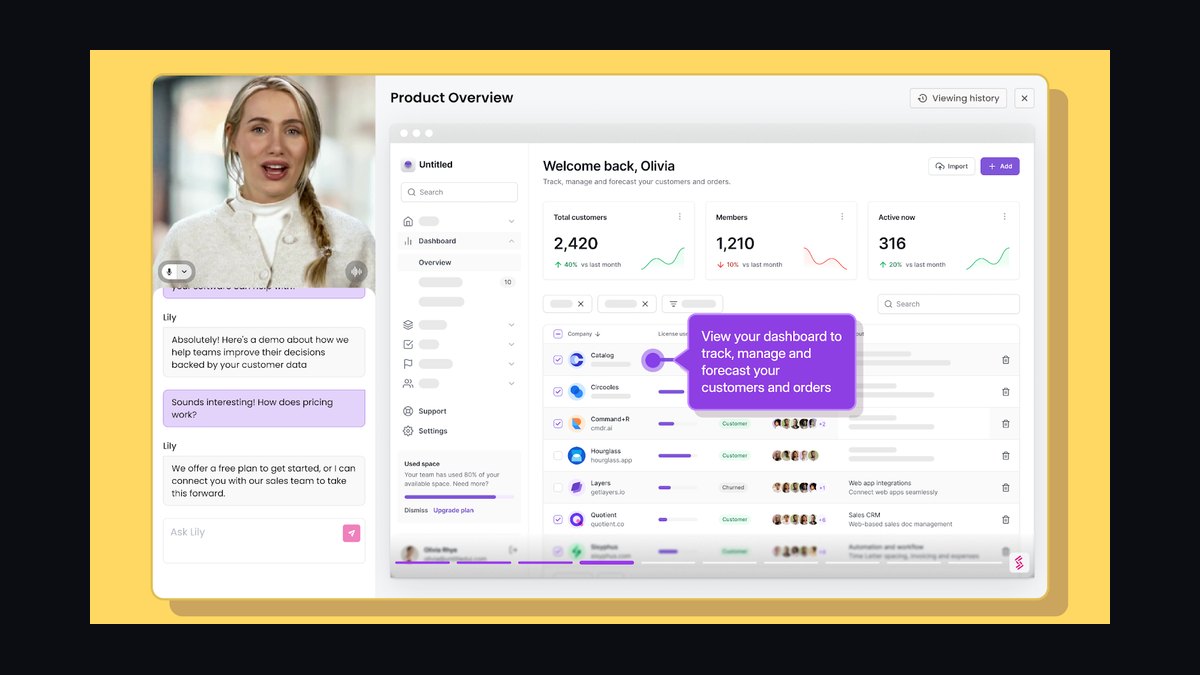
sales Discovery Scenario Set ranks ninth for fixing the root cause of bad closes: a 45-minute drill on question quality, pain quantification, and next-step commitments earlier in the cycle. It scores on behavior change but loses points because discovery practice is one step removed from the closing motion this page ranks.
It suits new hires in ramp week and reps whose pipelines are full of unqualified opportunities. It trades away closing specificity versus The Renewal Scenario Set above it, and teams should pair it with a true closing drill rather than run it alone.
10. Pipeline Scenario Set for sales
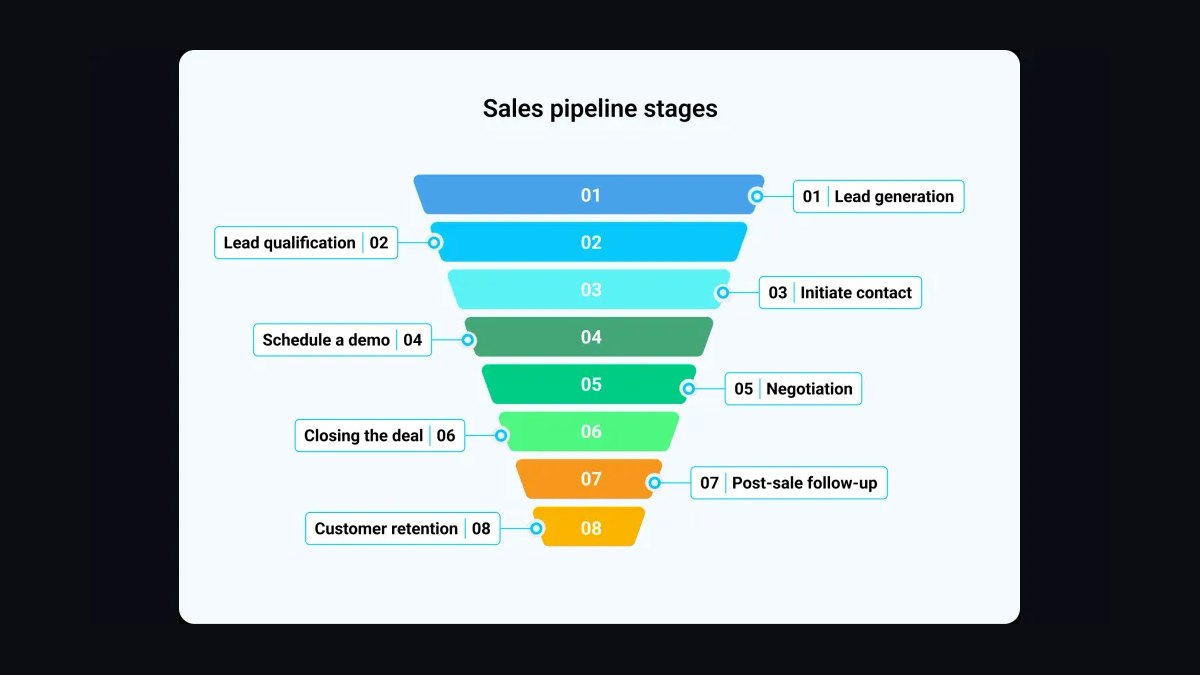
Pipeline Scenario Set for sales ranks tenth for forecast discipline: a 60-minute drill where reps defend stage, close date, and amount on live opportunities and rehearse the close plan for each. It scores on CRM tie-in but loses on time efficiency, since an hour is the longest block on this list.
It fits RevOps operators and sales managers running forecast reviews who want reps to practice the conversation before the real one. It trades away role-play intensity compared with sales Discovery Scenario Set above it, and it works best as a quarterly session rather than a weekly habit.
How we ranked these
We ranked each closing role-play scenario by weighting behavior change on live calls at 30%, facilitator clarity including timing and verbatim scripts at 20%, time efficiency at 15%, CRM and pipeline tie-in at 15%, role-play quality at 10%, and manager adoption at 10%. Scores came from published enablement frameworks, operator playbooks, and how easily a sales manager could run the drill in a standard weekly meeting without extra prep.
We deliberately ignored brand polish, slide count, and vendor pricing tiers because none of those predict whether a rep closes differently on the next call. We also excluded abstract theory modules and anything requiring a dedicated full-day workshop, since most sales teams need 15 to 45 minute blocks that fit existing cadences and tie directly to live pipeline stages.
What to look for
What matters most is whether the drill names one buyer role, one deal stage, and one skill under test, so a manager can score it in under two minutes. Match duration to your meeting slot: 15 minute drills for weekly standups, 30 to 60 minute labs for SKO breakouts or ramp weeks. CRM tie-in matters more than scenario variety, because reps engage when the lost deal on screen is theirs.
The mistake most buyers make is choosing the longest or most branded module and assuming depth equals behavior change. In practice, bloated facilitator scripts get skimmed, timing slips, and role-play turns into theater. Buyers also skip the debrief rubric, then wonder why reps repeat the same closing failure. Pick the shortest drill your manager will actually run weekly, then anchor it to a real stalled opportunity.
Related questions
What is a closing role-play scenario?
A closing role-play scenario is a timed practice block where reps rehearse a specific closing conversation, such as handling a price objection or asking for a commitment, with a defined buyer role, deal stage, and skill under test. The facilitator scores the rep against a narrow rubric, then assigns one behavior to change before the next live call.
How long should a closing role-play drill run?
Most effective drills run 15 to 30 minutes: a two-minute objective, a ten to twenty minute role-play or worksheet block, and a five-minute commit-to-action round. Longer sessions only help when you are covering multiple scenarios or running a full ramp-week lab. Anything past 60 minutes usually loses the room.
Who should facilitate closing role-play sessions?
The front-line sales manager should facilitate, not an enablement lead who never runs the deal reviews. Managers already know which reps are stuck on which failure mode, and they own the follow-up. Enablement can build the script and rubric, but the manager enforces timing, scores the skill, and checks whether the behavior shows up on live calls.
What buyer roles should closing scenarios cover?
Cover at least four: the economic buyer who controls budget, the champion who sells internally, the technical evaluator who can veto, and the procurement or paper-process manager who controls signature. Rotate roles across sessions so reps practice adapting language, proof, and close plans to whoever is actually in the room.
How do you score a closing role-play objectively?
Score one skill per rep per session using a three-point rubric: did not demonstrate, demonstrated, demonstrated with a next step. Keep the rubric to three to five observable behaviors, such as asking a commitment question, reframing value, or confirming a mutual close plan. Avoid scoring personality or confidence, which invites bias and kills trust.
Should closing role-play use real deals or hypotheticals?
Use real deals whenever possible. Pull a stalled opportunity or a recent loss from the CRM, anonymize the account name if needed, and let the rep practice the exact conversation they are avoiding. Hypotheticals feel like theater, and reps disengage fast. Real deals also let the manager verify later whether the practiced behavior actually appeared.
How often should sales teams run closing drills?
Weekly is the practical floor for behavior change. A 15-minute drill inside an existing team meeting beats a quarterly half-day workshop because repetition builds the habit. Pair weekly drills with monthly deeper labs on harder scenarios, and revisit the same skill four to six weeks later to confirm it stuck on live calls.
What is the biggest mistake in closing role-play training?
The biggest mistake is running role-play without a debrief tied to live pipeline. Reps practice, everyone nods, and nothing changes because no one assigns a specific behavior or checks it later. The second mistake is scoring too many skills at once, which dilutes feedback and makes the drill feel like an evaluation rather than practice.
FAQ
What are the top closing role-play scenarios for sales teams in 2027?
The strongest scenarios target price objections, competitor comparisons, budget freezes, missing decision makers, indecision, urgency creation, value reframing, trial closes, multi-threading, and paper-process delays. Rank them by which failure mode is costing you the most pipeline right now, not by which sounds most advanced. Run the top two weekly and rotate the rest monthly.
How do I choose between a 15-minute and 60-minute closing drill?
Choose based on your meeting slot and how many skills you need to cover. A 15-minute drill fits a weekly standup and tests one skill with one rep. A 60-minute lab fits SKO breakouts or ramp weeks and can cover three to four scenarios with rotating buyer roles. Never stretch a 15-minute drill to fill an hour.
Can closing role-play work for remote sales teams?
Yes, and it often works better because breakout rooms let pairs practice simultaneously while the manager rotates. Use shared documents for the facilitator script and rubric, keep cameras on during role-play, and record debrief notes in the CRM. Remote drills also make it easier to pull call recordings from tools like Gong or Chorus as scenario anchors.
What is a closing commitment drill?
A closing commitment drill is a short, repeatable practice block where a rep rehearses asking the buyer for a specific next step, such as a signature, a mutual close plan, or an executive introduction. The drill ends with the rep committing to one behavior change before the next live conversation, which is what separates practice from performance.
How do I tie role-play to CRM pipeline data?
Pull a stalled or lost opportunity from the CRM before the session, show the stage and last activity, and let the rep practice the exact next call. After the drill, log the practiced behavior as a note or task on that opportunity. Two weeks later, check whether the deal advanced, which gives you a real signal on training impact.
What objections should every closing scenario include?
Every scenario should include at least one price or budget objection, one timing or priority objection, and one authority objection such as needing a boss or committee. Those three cover most stalled deals. Add a competitor objection when you regularly face a named rival, and a paper-process objection when legal or procurement slows signatures.
How do I get managers to actually run these drills?
Give managers a script they can read verbatim, a timer, and a one-page rubric, then have them run it once with you watching. Remove any prep work beyond pulling one CRM example. Track whether drills happened weekly, not whether reps liked them, and share one win per month where a practiced behavior advanced a real deal.
What metrics show closing role-play is working?
Watch win rate on deals that reached the final stage, average time from proposal to signature, percentage of deals with a mutual close plan, and stage conversion after the drill. Also track how often the practiced behavior appears in call recordings. If none of those move within 60 days, the drill is not tied tightly enough to live pipeline.
Are longer closing role-play labs worth the time?
Only when they cover multiple scenarios with rotating buyer roles and a scored debrief per rep. A 60-minute lab with one scenario and no rubric wastes the slot. If you cannot staff enough facilitators for small breakout groups, run two 20-minute drills in separate weeks instead of one long session that leaves half the team watching.
How do I adapt closing scenarios for enterprise versus SMB deals?
Enterprise scenarios need multi-threading, procurement, security review, and committee consensus, so drills should include at least three buyer roles and a longer close plan. SMB scenarios compress to one decision maker, faster urgency, and simpler paper process. Keep the skill under test identical, but change the buyer map and timeline to match deal complexity.
Sources
- https://www.gartner.com/en/sales/insights/b2b-buying-journey
- https://challengerinc.com/
- https://www.gong.io/blog/
- https://www.hubspot.com/sales/role-play
- https://www.salesforce.com/resources/articles/sales-role-play/
- https://www.outreach.io/resources
- https://meddic.academy/
- https://hbr.org/topic/subject/sales
Related on PULSE
- [More closing role-play scenarios for sales teams rankings and buying guides](/knowledge)
- [PULSE Tools and calculators](/tools)
- [Everything on PULSE RevOps](/)
This page will be disappearing soon. Save it to your device for $1 — or read it free while it is here.
@Kory-White- · if Venmo asks, the last 4 of my number are 2012
 pulse-sales-trainingsWhat should you know before investing in Sales Trainings in 2027?
 pulse-sales-trainingsTop 10 underperformer training drills for 2027
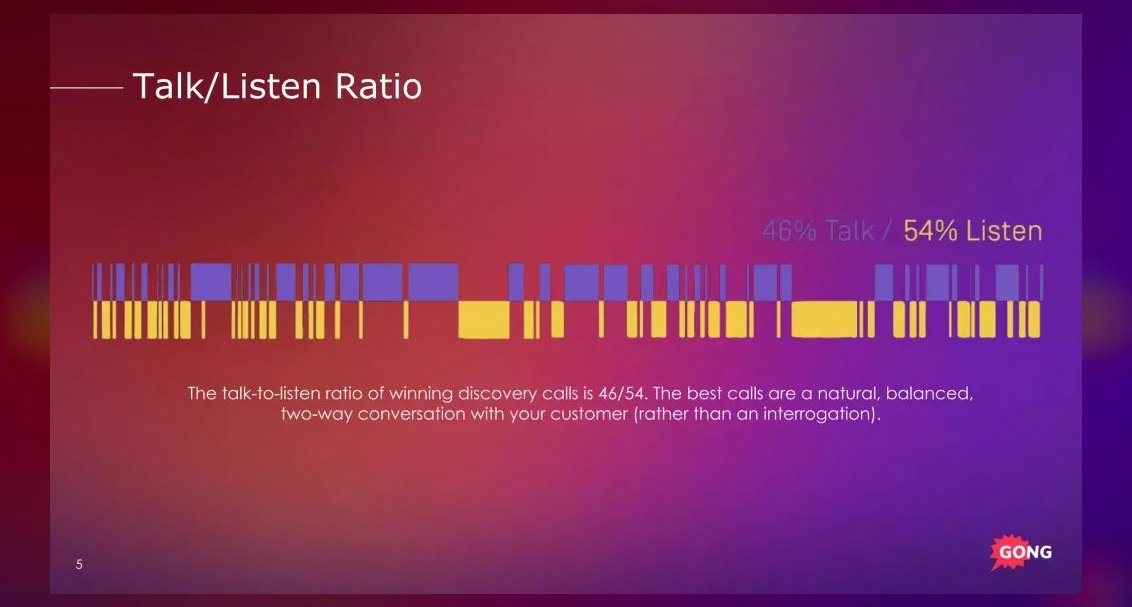 pulse-sales-trainingsMastering the Discovery Call: A 30-Minute Ready-to-Run Sales Meeting Template
 pulse-sales-trainingsAccount Planning for Enterprise Deals: Template for a Collaborative Team Exercise
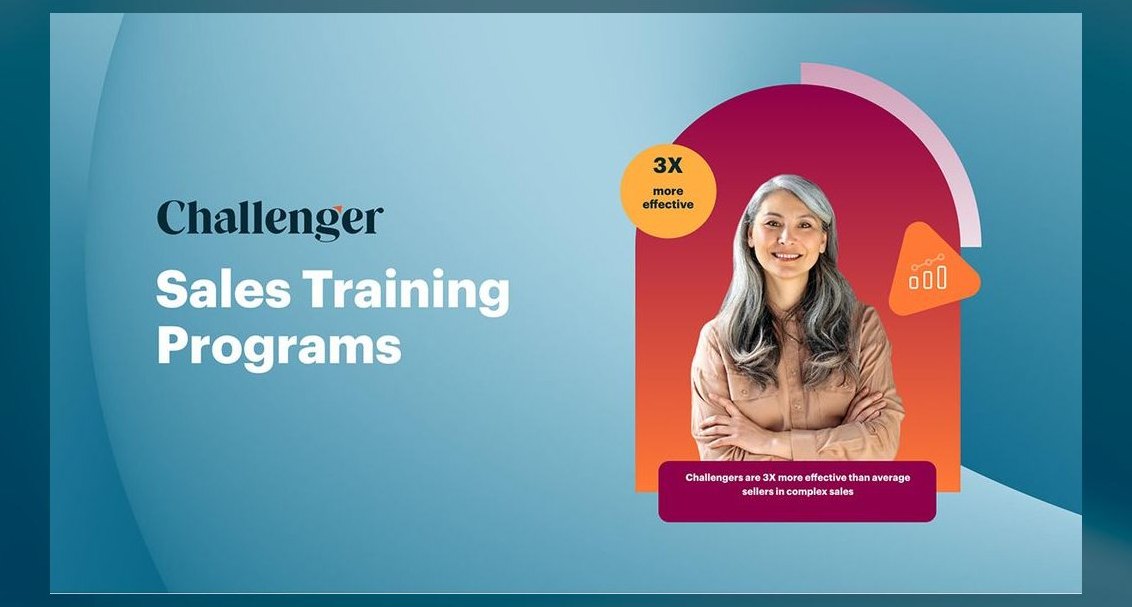 pulse-sales-trainingsThe Challenger Sale Method: Ready-to-Use Facilitator Deck for a 60-Minute Class
 pulse-sales-trainingsTop 10 new hire workshop agendas for 2027
 pulse-sales-trainingsTop 10 ready-to-run sales training templates for closing complex deals in 2027
 pulse-sales-trainingsObjection Handling Roleplay Session Blueprint
 pulse-sales-trainingsTop 10 templates for running effective morning sales huddles in 2027
 pulse-sales-trainingsTop 10 multi-threading training drills for B2B sales reps in 2027