
Junk Removal On-Site Quoting — 60-Min Training
 Curated byKory White · Fractional CRO · Maryland
 PULSEKNOWLEDGE LIBRARY
Junk removal on-site quoting converts stalled visits into loaded trucks by walking every item first, naming a transparent truck-fraction price the customer sees on screen, then offering to start immediately. A disciplined 60-minute training rehearses the full walk, the posted volume price, special-handling fees, and the curbside upsell before crews roll.
The outcome you should expect
A 60-minute training session on truck-side quoting is not a pep talk, and you should hold it to a measurable outcome rather than a vibe. The specific behavior change you are buying is this: crews stop leaving driveways empty. Before the training, a typical crew arrives, looks at one pile, says something like "somewhere between two and six hundred, hard to say until we load it," and hands the customer a perfect reason to stall. After the training, the same crew walks every area with the customer, confirms the full list out loud, points at a posted volume chart, names one number, and asks for the job right now.
The measurable outputs to watch in the two weeks after the session are close rate per stop, average ticket, and the percentage of stops where an upsell was offered. Close rate per stop is the headline number. Crews that quote vaguely commonly close roughly half the stops they drive to; crews running a disciplined walk-and-offer routinely close a large majority, because the customer never gets handed the ambiguity that lets them defer. Average ticket moves for a different reason — the full walk surfaces items the customer forgot to mention, so a quarter-truck quote becomes a half-truck quote on the same visit, without any pressure at all.
The third output is the one managers forget to instrument: offer rate. Did the crew actually ask, on every single stop, "want us to start right now?" and did they actually mention the extra items by the shed while loading? Offer rate is fully within the crew's control, unlike close rate, which depends partly on the customer. Track it by having the lead log a simple yes/no in the crew app at the end of each stop. If offer rate is under 90 percent two weeks after the training, the training did not take and you re-run the role play rather than blaming the market.
You should also expect a quieter outcome that shows up in reviews and disputes. Transparent volume pricing — the customer sees the fraction and the posted price before any lifting — nearly eliminates the "they charged me more than they said" complaint that generates one-star reviews and chargebacks. When the price is on the tablet before the sofa moves, there is nothing to dispute later. Crews that bury special-handling fees in a final total generate the disputes; crews that name the mattress fee and the refrigerant recovery fee during the walk almost never do.

Finally, expect the training to reduce wasted windshield time. A stop that ends in a documented hard no is a better outcome than a stop that ends in "let me talk to my husband and I'll call you," because the first one frees the schedule and the second one clogs it with a callback that mostly never converts. Teach crews that a clean no is an acceptable result. What is not acceptable is a soft maybe with nothing logged, no deposit, and no return date.
What drives that outcome
Four mechanics drive the result, and the training should spend its minutes proportional to their impact.
The full walk before any number. This is the single highest-leverage behavior. The crew walks the garage, the side yard, the attic, the shed, and specifically asks "anything else going while we're here?" before pricing. Two things happen. First, the quote is accurate, so the crew never has to raise the price mid-job, which is the exact moment trust collapses. Second, the walk itself surfaces volume — the customer called about a sofa and a mattress, but the walk finds four boxes in the attic and three fence panels on the side of the house. That is a quarter-truck job becoming a half-truck job through nothing but attention.
The posted volume chart, shown on screen. Pricing by truck fraction — quarter, half, three-quarter, full — is the model that made national junk removal brands like 1-800-GOT-JUNK? and College Hunks Hauling Junk legible to homeowners. The customer is not haggling over what a pile of junk is "worth," which is an unwinnable argument, because junk is by definition worth nothing to them. They are buying a measurable unit: space in a truck, plus two people to fill it, plus legal disposal. Showing the chart on a tablet converts a number the crew pulled from the air into a posted price the company stands behind, which is psychologically a completely different object.

The immediate offer. "We can have this gone in about 25 minutes, want us to start?" is the mechanism that captures the visit's economics. The truck, the fuel, and the two-person crew are already paid for. Any outcome other than loading now means paying that cost twice. The offer must be an offer, not pressure — the customer called you, they want the junk gone, and the crew is simply removing the friction of scheduling a second visit.
The curbside upsell. Once the crew is loading, marginal cost per additional item approaches zero. The grill by the shed, the paint cans, the old bicycle — adding them is a few more minutes of labor against a truck that is already there and already going to the transfer station. This is the most profitable minute of the entire job, and it is the one crews skip most often because it feels awkward. It is not awkward when framed as convenience: "we're already here and the truck's open."
The order in that flow is not arbitrary. Every one of the common failures is an ordering failure: quoting before the walk finishes, naming fees after the price instead of with it, loading before collecting, or pulling away without logging. Teach the sequence as a sequence, not as a list of tips.
Building the 60 minutes
Structure the session so that roughly two-thirds of the clock is people speaking out loud, not the manager speaking. Crews learn a script by saying it badly a few times, not by hearing it explained well.

Minutes 0–5: the economics of the empty truck. Put one number on the whiteboard: what it costs to send a truck and two people to a stop that produces nothing. Fuel, drive time, and two hours of loaded labor cost on a stop that generates zero revenue. Crews who see that number stop treating a no-quote visit as neutral. Read the framing rule aloud: the best time to haul the junk is while the truck is already in the driveway.
Minutes 5–20: the walk and the quote, rehearsed. Every crew member walks a real recent job out loud using the template below, with a partner playing the customer. Not a discussion of the template — an actual verbal rehearsal, timed.
> 1. Everything going: walk each area and name every item out loud as the customer confirms it — sofa, refrigerator, attic boxes, fence panels. > 2. Truck fraction: "This fills about a [quarter / half / three-quarter / full] truck." > 3. Posted price: "That fraction is $____ on our chart — labor, hauling, and disposal included, no surprise fees." > 4. Special handling: "The mattress and the fridge each add $__ because of the disposal rules — here's why." > 5. Same-day offer: "We can have all of this gone in about [time], right now. Want us to start?" > 6. If not today: "I'll hold this price and book you for [date] with a [deposit] to lock the crew."
Minutes 20–30: what never to say. Read the banned lines aloud, slowly, because hearing them out loud is what makes crews notice they say them. "It depends, hard to say." "I'll just round it down for you." "We'll figure out the total at the end." "That's basically garbage, why pay to haul it." "My boss sets the prices, don't blame me." "We can do it cheaper for cash off the books." Each one has a specific failure mode: the first hands the customer a reason to call a competitor, the second teaches them your price is fiction, the third manufactures a dispute, the fourth talks the crew out of the job they drove to, the fifth destroys the lead's authority, and the sixth is uninsured, likely illegal, and a review catastrophe waiting to happen.

Minutes 30–45: objection drills in pairs. Each person names the objection they personally fumble most and rehearses the comeback twice with a partner. This is the segment managers cut when they run long. Do not cut it — it is the only part of the hour that changes behavior under stress.
Minutes 45–55: the close and the upsell script. Run the full sequence verbatim, including the silence after the price.
> Lead: "So everything we walked — the sofa, the fridge, the attic boxes, the fence panels — fills about half the truck. That's $____ all in: our labor, the hauling, and the disposal fees. We can have your garage clear in about 25 minutes, right now. Want us to get started?" > > *[Stay quiet. Let the customer answer. If they hesitate, do not drop the price — handle the objection.]* > > Lead: "Great. While we're loading — I noticed the old grill and the paint cans by the shed. We're already here and the truck's open. I can add those for $__ since it's barely more volume. Want them gone too?" > > Lead: "All loaded. That's $____ with the grill and paint. I'll text you a photo of the empty space and your receipt. Tap to pay right here."
Minutes 55–60: written commitments. Three lines, taped to the truck dash: I will walk every area before naming a number. I will show the posted price on the tablet and offer to start now, every stop. I will run the curbside upsell and collect payment before the truck pulls away.

Benchmarks and realistic ranges
Be honest with crews about what these numbers are: operating ranges from field practice, not published research. Calibrate them against your own dispatch data in the first month.
Close rate per on-site stop. Vague quoting tends to land somewhere around half of stops. Disciplined walk-and-offer typically pushes that meaningfully higher — the realistic target for a trained crew on residential cleanouts is closing the large majority of stops they drive to. The gap is not persuasion skill; it is the removal of ambiguity. If your close rate after training sits below 60 percent, the problem is usually upstream in lead quality or dispatch qualification, not at the curb.
Average ticket and the walk effect. Expect the full walk to raise average ticket by roughly one price tier on a meaningful share of jobs, because customers routinely underreport what they want gone when they book by phone. A booking described as "a couch and a mattress" that becomes a half-truck after the walk is the normal case, not the exception.
Curbside upsell acceptance. Offered consistently, upsells get accepted on a substantial fraction of jobs — plan around something under half, not a majority. The dollar value is small per job but the margin is nearly pure, since the truck, the crew, and the disposal trip are already committed. Track offer rate separately from acceptance rate; a low acceptance rate with a high offer rate is fine, but a low offer rate is a training failure.
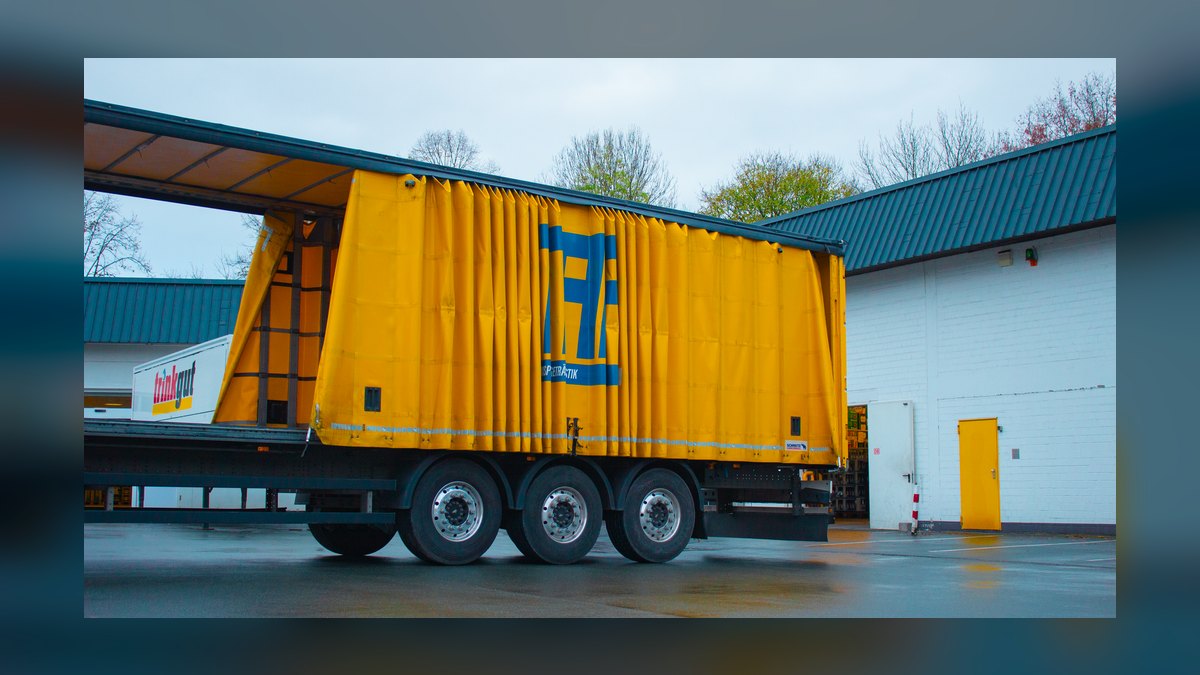
Route math. Model a single truck across a day of scheduled stops. The lift from disciplined quoting is not incremental — it multiplies against every stop on the route, with identical fuel, identical payroll, and identical drive time. That is why on-site quoting discipline outperforms almost any marketing spend on a dollar-per-hour-of-management-attention basis: you are not buying more stops, you are converting the stops you already paid to reach.
Speed to price. A full walk on a typical residential cleanout should take a few minutes, not twenty. Crews who take too long lose the room; crews who take thirty seconds miss the attic. Time the walk during the training so people calibrate.
Disposal and special-handling costs. Whatever your local rates are for mattresses, appliances containing refrigerant, tires, electronics, and paint, the training must state them as real, current numbers pulled from your actual transfer-station and recycler invoices. Do not let crews improvise these figures at the curb. Refrigerant-containing appliances in particular carry legal recovery requirements under EPA rules, and the fee exists because the disposal genuinely costs money — say that out loud to the customer and it reads as honesty rather than a surcharge.
Payment collection. On-site close means on-site payment. A trained crew should be collecting at essentially every completed job before pulling away. Net-terms invoicing on a few-hundred-dollar residential haul is how small operators build receivables they never collect.

Risks, edge cases, and failure modes
Quoting the first pile. The most common and most damaging error. The crew sees a garage, names a number, and then the customer says "oh, and the stuff in the attic too." Now the crew either eats the volume or raises the price, and raising the price mid-job reads as bait-and-switch regardless of how fair it is. The fix is procedural, not attitudinal: no number leaves anyone's mouth until the walk is finished and the customer has confirmed the full list out loud.
The discount reflex. A customer pauses after hearing the price. The untrained crew fills the silence by cutting the number. This is the single most expensive habit in the trade, because it trains that customer — and everyone they refer — that the posted price is an opening bid. Drill the silence explicitly in the training: name the price, make the offer, then stop talking. Silence is not a no.
Hidden fees revealed at the end. Naming the mattress fee or the refrigerant fee during the walk costs nothing. Naming it in the final total costs a dispute, a chargeback risk, and possibly a public review. The rule is simple: every fee gets named with its reason, before any lifting.
Access and site conditions the volume chart doesn't capture. A half-truck of junk on a ground-floor garage is not the same job as a half-truck down three flights of stairs with no elevator, or across a soft lawn after rain, or through a narrow gate. Give crews an explicit, posted adjustment for difficult access rather than letting them silently absorb it or improvise a number. Same for jobs where items must be disassembled, where the load includes anything heavy and dense like concrete or dirt that will hit weight limits well before it hits volume limits, and where the customer has mixed genuinely hazardous material into the pile.

Items you must refuse. Crews need a hard, memorized list of what does not go in the truck: hazardous waste, chemicals, asbestos-containing material, medical waste, and anything else your local regulations or your insurance excludes. The training must rehearse the refusal script as carefully as the close script, because an eager crew trying to save a job by taking something they shouldn't creates liability that dwarfs the ticket. "We can't take that one legally, but here's where it goes" keeps the rest of the job intact.
Weight-limited loads. Volume pricing assumes normal household density. A quarter-truck of roofing shingles, dirt, brick, or tile can exceed the vehicle's payload rating. Crews need a stated rule for dense debris — either a separate weight-based price tier or a hard refusal — and they need to recognize it during the walk, not at the scale.
Renters, tenants, and authority problems. The person on site is not always the person who can authorize disposal of the items. Cleanouts on rentals, estates, and shared households carry real risk of hauling something someone else wanted. Teach the crew to confirm authority explicitly before loading and to log that confirmation.
Over-drilling the script into robotics. The opposite failure of vagueness is a crew reciting a script at a homeowner. The template is a spine, not a screenplay. Rehearse it until the sequence is automatic, then explicitly tell crews to use their own words for everything except the price and the fees, which must be stated exactly as posted.

Training decay. Behavior reverts within a few weeks without reinforcement. A single 60-minute session with no follow-up produces a spike and a fade. Plan a ten-minute recheck at the next crew meeting, pull one recording or one crew-app log per person, and re-run the objection drill. The commitments taped to the dash exist specifically to fight decay.
A practical rollout plan
Do not train the whole operation on the same morning. Roll it through one crew first so that the numbers you put on the whiteboard for everyone else are your own, not somebody else's.
Week zero — instrument first. Before the session, pull two weeks of baseline data: stops per day, close rate per stop, average ticket, and how often payment was collected on site. Without a baseline, you will have an argument about whether the training worked instead of an answer. Also finalize the posted volume chart and the special-handling fee list, printed and loaded on every tablet. Training crews to show a chart you have not finalized guarantees the habit dies in week one.
Week one — pilot with one crew. Run the 60 minutes with your strongest lead, then ride along on four or five stops. Watch specifically for the two failure points: did the walk actually cover every area, and did the lead go quiet after naming the price? Note the exact wording your best lead uses naturally and fold it back into the script before the wider rollout.

Week two — roll to all crews, then measure offer rate. Run the same 60 minutes for everyone, with the pilot lead co-presenting. A peer demonstrating the script carries far more weight than a manager describing it. Immediately after, turn on the offer-rate log in the crew app so every stop records whether the same-day offer and the curbside upsell were actually made.
Weeks three and four — coach on artifacts, not impressions. Review actual stop logs and any available recordings rather than opinions about how crews are doing. One artifact per person per week is enough. Coach one behavior at a time; a lead who is skipping the attic and dropping price and forgetting the upsell should be corrected on the walk first, because fixing the walk fixes some of the rest automatically.
Week five onward — bake it into onboarding. Every new hire runs the same 60 minutes in their first week, with the same rehearsal segments. The training becomes a standard, not an event.
The gate in that flow matters. Offer rate is the control variable — it is the thing crews can execute at will, and it is the leading indicator that predicts close rate weeks before close rate moves enough to be statistically meaningful on a small route.
Related questions
How long should the on-site walk take?
A few minutes on a typical residential cleanout. Long enough to cover the garage, yard, attic, and shed and to ask "anything else going?" — short enough that the customer doesn't feel stalled. Time it during training so crews calibrate rather than guess.
Should the price ever be negotiable at the curb?
No. Posted volume pricing only works if it is posted. If the job genuinely doesn't fit the chart — difficult access, dense debris, disassembly — apply a stated adjustment, not an improvised discount. Cutting the number teaches customers the chart is decorative.
What if the customer insists on a phone quote first?
Give a range on the phone, explicitly labeled as a range, and book the on-site visit to firm it up. Say plainly that the firm price comes from seeing everything, and that it will be shown on screen before anything is lifted.
How do we handle items we legally can't take?
Refuse clearly, name the reason, and tell them where it does go. Rehearse this script alongside the close script. Taking hazardous or prohibited material to save a job creates liability far larger than the ticket you protected.
Does this training apply to commercial cleanouts too?
Partly. The walk and the transparent pricing transfer directly. The same-day close often doesn't, because commercial jobs involve approval chains and scheduling constraints. For those, the equivalent win is leaving with a signed scope and a scheduled date rather than a loaded truck.
FAQ
What if a crew genuinely can't estimate the truck fraction accurately?
Walk the job twice and round to the nearest posted fraction — quarter, half, three-quarter, full. The volume chart exists precisely so nobody has to conjure a dollar figure cold. Customers trust a fraction-of-truck number far more than a vague dollar range, and rounding up slightly on a genuinely ambiguous load is safer than under-quoting and re-quoting mid-job.
How should special items like mattresses and appliances be handled?
Name the fee and its reason during the walk, never in the final total. "The fridge is extra because refrigerant recovery is required by law" reads as honesty; the same fee discovered at checkout reads as a scam. Pull the actual amounts from your own transfer-station and recycler invoices so crews are quoting real costs.
Is the same-day close pushy?
Not if it's framed as an offer. "We can have this gone in about 25 minutes right now — want us to start?" is a convenience, not pressure. The customer called you because they want the junk gone. Pushiness comes from repeated asking after a clear no, not from offering once and accepting the answer.
What should a crew do when the customer wants to think about it?
Hold the price and book a return with a deposit. The deposit protects against a second wasted trip and signals genuine intent. Log the outcome either way. The unacceptable result is a soft maybe with no date, no deposit, and nothing recorded in the crew app.
Should the curbside upsell run on every job?
Yes — offer it every time, and track offer rate rather than acceptance rate. Marginal cost is near zero once the crew and truck are on site, so a modest acceptance rate still produces meaningful margin. The only genuinely wasted upsell is the one nobody made.
How is on-site quoting different from a phone or online estimate?
Phone and online estimates are ranges, and customers treat ranges as soft. The truck-side walk produces one firm, posted, visible-on-screen number plus an immediate offer to begin. That combination — certainty plus availability — is what converts a stop into loaded revenue the same day instead of a callback that mostly never happens.
Sources
- U.S. Environmental Protection Agency — refrigerant management and appliance disposal requirements: https://www.epa.gov/section608
- U.S. Environmental Protection Agency — sustainable materials management and construction & demolition debris: https://www.epa.gov/smm
- National Waste & Recycling Association: https://wasterecycling.org/
- Solid Waste Association of North America (SWANA): https://swana.org/
- Occupational Safety and Health Administration — materials handling and lifting: https://www.osha.gov/materials-handling
- U.S. Department of Transportation, Federal Motor Carrier Safety Administration — vehicle weight and safety regulations: https://www.fmcsa.dot.gov/
- U.S. Small Business Administration — pricing and managing a service business: https://www.sba.gov/business-guide
- 1-800-GOT-JUNK? — published volume-based pricing model: https://www.1800gotjunk.com/us_en/pricing
- College Hunks Hauling Junk — on-site estimate and service model: https://www.collegehunkshaulingjunk.com/
Related on PULSE
- [Snow Removal Contract Selling — 60-Min Training](/knowledge/st323)
- [The Concession-Trading Workshop: Never Give Without Getting (60-Min Training)](/knowledge/st0773)
- [The Mutual Action Plan Build Session (60-Min Training)](/knowledge/st0774)
- [On-Site Close Discipline for Home Services Crews](/knowledge/st0775)
- [Transparent Pricing vs. Custom Quotes in Field Sales](/knowledge/st0776)
This page will be disappearing soon. Save it to your device for $1 — or read it free while it is here.
@Kory-White- · if Venmo asks, the last 4 of my number are 2012
 sales-trainingMoving Company Estimate Selling — 60-Min Training
 sales-trainingWater and Fire Damage Restoration Sales — 60-Min Training
 sales-trainingLawn Care Subscription Selling — 60-Min Training
 sales-trainingPlumbing Service Upsell at the Home — 60-Min Training
 sales-trainingResidential Security and Alarm Sales — 60-Min Training
 sales-trainingElectrical Panel Upgrade Sales — 60-Min Training
 sales-trainingSeptic Service and Install Sales — 60-Min Training
 sales-trainingResidential Pest Control Selling — 60-Min Training
 sales-trainingSmart Home Installation Sales — 60-Min Training
 sales-trainingTree Service Estimate Selling — 60-Min Training