
Commercial Landscaping Maintenance Contract Selling — 60-Min Training
 Curated byKory White · Fractional CRO · Maryland
 PULSEKNOWLEDGE LIBRARY
Quality
Certified
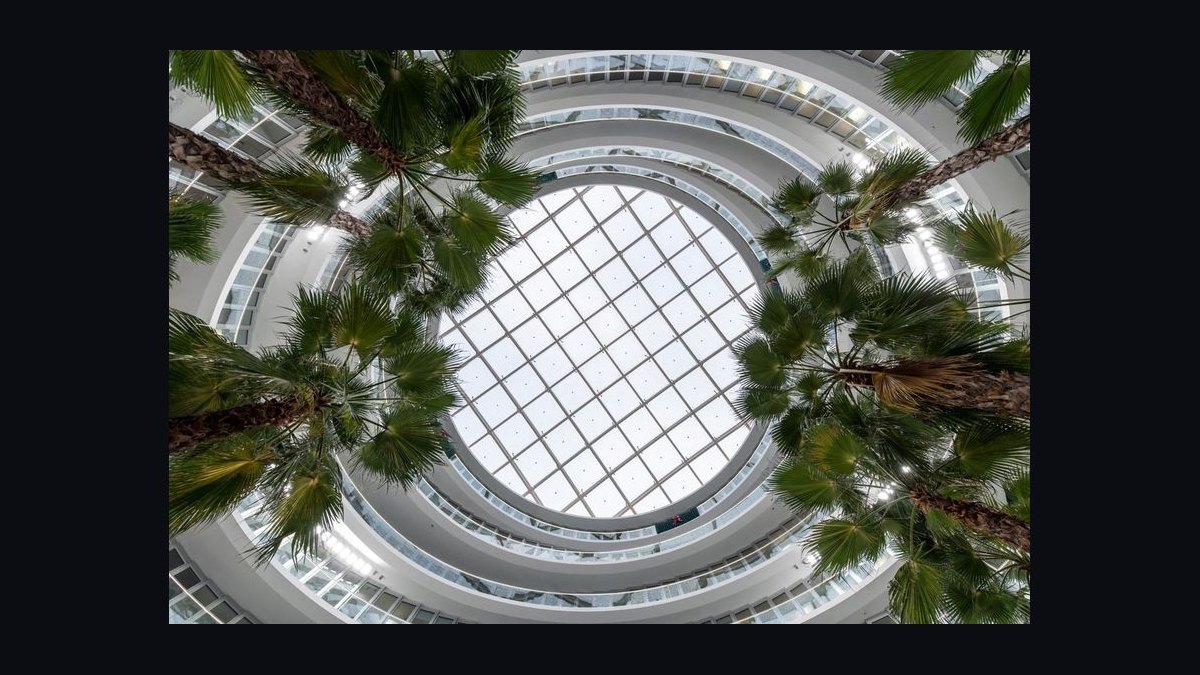
Commercial landscaping maintenance contract selling wins on documented scope, not price. Reps choose between a low per-cut bid that gets re-bid annually and a defined multi-year property-care agreement with written service levels. The site-walk approach — walk every zone with the manager, document risk, quantify liability — converts bidders into contracted, renewable recurring revenue.
The bid-and-pray path versus the site-walk contract path
Every commercial grounds sales call resolves into one of two motions, and the rep chooses which one before they ever leave the truck. Understanding both — including what each actually costs — is the whole training.
Path A: the per-cut bid. The rep pulls into the office park, eyeballs the turf from the parking lot, estimates acreage off a satellite image, applies a per-visit mowing rate, and emails a one-page number. It is fast. A rep can produce six of these in an afternoon. The proposal fits on a single sheet: mowing at X dollars per visit, roughly Y visits a season, an optional line for spring and fall cleanup. The property manager receives it alongside four or five other one-page numbers and does the only thing a spreadsheet of identical line items permits — sorts ascending and picks the bottom row.
The cost of Path A is not the sale you lose. It is the sale you win. A price-only win teaches the buyer that the only variable that matters is the number, which means next February that same manager runs the same exercise and you are defending a rate against someone who has not yet discovered how much this property actually costs to service. You inherit a bidding war you created. Meanwhile the margin is thin enough that you cannot assign a consistent crew, the crew that shows up does not know where the irrigation controller is, quality drifts, and the manager now has a quality complaint *and* a cheaper quote sitting in their inbox.

Path B: the documented site walk and multi-year agreement. The rep books a walk with the decision-maker, spends 45 to 90 minutes on the property with a clipboard and a phone camera, documents every zone and every deficiency, then builds a proposal that itemizes scope by zone, states response times and visit frequencies in writing, and prices an annual program with a two- or three-year term. It is slow. A rep might complete three of these in a week.
The cost of Path B is the front-end time and the proposals you lose to a cheaper number — and you will lose some. The return is that the accounts you win are structurally difficult to dislodge, because the buyer signed a document that describes a program rather than a price, and the comparison a competitor has to beat is no longer a single figure.
The trade-off is not "quality versus cheap." It is cycle time versus retention. Path A closes faster and churns annually. Path B closes slower and compounds. A rep running Path A exclusively rebuilds their book from zero every spring. A rep running Path B builds a base that renews while they sell.
The hybrid trap. Most reps do not pick a path — they start Path B and collapse into Path A at the first pricing objection. They walk the property, document everything, build the scope proposal, and then when the manager says "the other guy's cheaper," they discount the program to match the bid. That is the worst of both: Path B's cycle time with Path A's margin and Path A's re-bid exposure. The training exists to prevent that collapse, which is why the objection responses are drilled verbatim.

Who the buyer actually is. In commercial grounds care, the signer is typically a commercial property manager, a facility manager, or an HOA board — someone accountable to tenants, owners, or homeowners for curb appeal, liability exposure, and a budget they have to defend in a meeting. That accountability is the leverage. A per-cut price gives them nothing to defend with. A written scope and service level gives them a document they can hold up when a resident complains. Sell to the meeting they have to sit through, not to the number they asked for.
Choosing the path on a property-by-property basis
Not every property earns a full site-walk investment, and pretending otherwise burns a rep's calendar on accounts that will never sign a multi-year agreement. The decision is made on four readable signals, gathered in the first phone call before you drive anywhere.
Signal one — property complexity. A single-pad retail strip with 0.4 acres of turf and eight parking-island beds has almost no risk to document. There is no irrigation system, no tree canopy, no drainage. Path A is honest there: quote it, win it or don't, move on. A six-acre office park with zoned irrigation, mature trees, entrance beds, retention areas, and a 400-space lot has real risk in it. That property earns the walk.

Signal two — who you are talking to. If the person requesting a bid is an administrative contact collecting three quotes for someone else, you have no decision-maker and the walk will not happen. If the property manager or a board member will personally walk the property, you have a Path B opportunity. The single highest-leverage qualifying question is not about budget — it is "when can you and I walk the property together?" The answer sorts your pipeline.
Signal three — incumbent status and contract timing. Ask directly: who services it now, and when does that agreement end? An account with a satisfied incumbent and eight months left on the term is a relationship to build, not a bid to submit. An account with a documented service complaint and a term ending in 90 days is where the walk belongs. Reps waste enormous effort bidding accounts that were never going to move.
Signal four — budget cycle. HOA boards and commercial property groups typically set grounds budgets on a defined annual cycle. Proposing a multi-year term two weeks after the budget closed means the earliest real decision is a year out. Knowing the cycle tells you whether to walk now or schedule the walk for the month before budget season.

Run every target property through that gate before booking anything. A rep with 40 names on a list should end up with roughly a dozen walk candidates, a handful of fast transactional quotes, and the rest parked in nurture with a calendar reminder tied to the incumbent's term end. That triage is what makes the slow path affordable.
What each path is actually worth in dollars
Reps discount because they have never done the arithmetic on what a contract is worth versus what a bid is worth. Do it on the whiteboard, with the room's own numbers, using ranges rather than invented precision.
The transactional bid math. Say a rep wins a small commercial mowing account at roughly $600 a month for the mowing season. If the local season runs eight months, that is around $4,800 in revenue for the year. It was won on price, so assume it does not renew at the same rate — either it re-bids down or it goes to someone else. Lifetime value is approximately one season. The rep's effort was maybe two hours. The revenue per hour of selling effort looks excellent, which is exactly the trap: the number is good and the asset is worthless.

The contract math. A mid-size office park with full-scope grounds care — turf, beds, fertilization program, irrigation startup and checks, seasonal cleanups, tree and shrub maintenance — commonly prices in the low-to-mid four figures monthly depending on region, acreage, and scope. Take a blended figure of roughly $1,800 a month for a six-acre property as a working example.
- $1,800 × 12 months = about $21,600 per year in contracted recurring revenue.
- A three-year agreement at that rate = roughly $64,800 in contracted value from one site walk.
- Seasonal enhancements — mulch installs, annual color rotations, aeration and overseeding, irrigation repairs — typically layer on top of the base agreement rather than replacing it, and they are far easier to sell into an account where you already have a documented conditions list.
The rep's effort on that account might be eight to twelve hours across prospecting, the walk, proposal construction, and the close. Revenue per selling hour is lower than the bid. Contracted value per selling hour is not close.
The book-building math. A rep who signs two commercial agreements a month at the example rate adds roughly $43,200 in annualized recurring revenue per month of production. Over twelve months of consistent production, that compounds into a substantial recurring book — and critically, month thirteen starts from that base rather than from zero. The rep running transactional bids starts month thirteen at zero every year, forever.

Where the margin actually lives. The reason discounting is fatal is operational, not philosophical. Commercial grounds maintenance margin is consumed by labor, equipment, fuel, and drive time. A contract priced to support a dedicated crew on a fixed route can absorb a rain delay and a punch-list callback. A contract discounted 15% to win a bid cannot — it forces route stacking, crew rotation, and skipped detail work, which produces exactly the quality complaints that cost you the renewal. The discount does not just cost you margin; it manufactures the reason you lose the account.
Pricing the risk you documented. The proposal should make the risk math visible without inventing figures. If the walk found broken irrigation heads, the honest frame is that unaddressed irrigation failure produces turf loss and replacement cost. If it found dead trees near a walkway or a parking area, the frame is liability exposure the property currently carries. If it found trip hazards in the walkways, the frame is the incident the manager does not want to explain. You are not quoting a dollar figure for a lawsuit — you are naming a category of cost the buyer already understands and showing which line of your scope retires it. That is the difference between selling fear and selling a program.
The comparison slide that wins. Put your scope-by-zone next to the incumbent's or competitor's implied scope. Not price-to-price — scope-to-scope. Most low bids silently exclude irrigation inspection, tree and shrub care, bed detail frequency, and storm cleanup. When the manager sees that the cheaper number does not include the four things that generate their complaints, the price gap explains itself. If you have to say the words "we're the lowest bid," you have already lost the account you are about to win.

Running the walk, writing the scope, and sequencing the first 90 days
The path is chosen; here is how it gets executed. The training's practical core is a repeatable walk template, a proposal structure, a close, and a post-signature rhythm.
The walk template. The rep completes this on-site, with the manager present, before any pricing exists. Structuring it as Situation, Problem, Implication, Need-payoff — the discovery sequence from Neil Rackham's *SPIN Selling* — keeps the conversation moving from what is there, to what is wrong, to what it costs them, to what they want done.
- Property: name, type (office park, retail, HOA, medical, industrial), approximate acreage, number of zones or buildings.
- Current state: self-performed, incumbent contractor (name and term end date), or no program at all.
- Conditions documented: thin or failing turf, overgrown or unedged beds, broken or misaligned irrigation heads, trip hazards in walkways, dead or hazardous trees, standing water and drainage failures, damaged edging or mulch depletion. Photograph each one.
- Implication if unaddressed: tenant or resident complaints, liability exposure, failed property inspection, turf replacement cost, degraded curb appeal at lease renewal.
- Scope by zone: mowing frequency, bed maintenance frequency, fertilization and weed control program, irrigation startup, mid-season checks and winterization, seasonal cleanups, tree and shrub pruning, and snow services where applicable.
- The one risk to quantify in the proposal: pick the single most expensive consequence and build the proposal's opening around it.

The enforcement rule is blunt: you cannot price risk you did not walk. If a rep bids from the truck, the proposal is a guess wearing a scope's clothing — and it will either lose or, worse, win underpriced. If the manager will not walk, reschedule. No walk, no proposal.
Language that kills the contract. Read these aloud in the session so reps hear how bad they sound.
- *"We're the lowest bid"* — teaches the buyer to re-bid you the moment a cheaper number appears.
- *"It's basically the same as your current contractor"* — collapses your program back into a price comparison you just spent an hour escaping.
- *"We'll match whatever they're doing now"* — concedes scope definition to the incumbent, including the gaps you documented.
- *"Don't worry about the contract length"* — apologizing for the term throws away the thing that protects both parties.
- *"We can probably handle that"* — vague commitments become unwritten obligations and blown service levels.
- Anything disparaging the incumbent's crew — the board may like those people personally. Attack the scope gaps and the documented conditions, never the crew.

The close. At the proposal walkthrough, open with the documented conditions, hand over the scope-by-zone, point at the written service-level page, and then stop talking. Silence after the scope presentation does more work than any additional feature. When the manager responds, move to term selection rather than to a yes-or-no: most commercial accounts sign multi-year because it locks the rate and assigns a consistent crew, so ask whether a two-year or three-year term fits their budget cycle. Then close the operational loop in the same meeting — name the account crew lead, set the first scheduled visit week, and collect gate codes and property access. A verbal yes without access details evaporates before the first visit.
Do not cut the price to win. Do not leave without a signature and access. Do not skip naming the crew lead — on-site continuity is the single most durable retention asset you have.
The first 90 days and the renewal rhythm. The contract is won at signature and kept in the first quarter. The punch list from the walk is your onboarding plan: the conditions you documented are the conditions you close out first, visibly, while the manager is still deciding whether they made the right call.
Quarterly site reviews walked with the property manager are the mechanism. A season-end check-in is a sales call; a quarterly walk is account management that happens to surface enhancement work. Reps who review quarterly are selling the renewal all year instead of defending it in the final month. Each review produces three outputs: conditions closed out since last review, conditions newly appearing, and one specific enhancement recommendation tied to something the manager can see.

Objection responses, drilled verbatim. These are the three that decide commercial deals.
- *"Your bid is higher than the other guy."* — "His is a mowing price. This is a defined scope with a written response time and a dedicated crew. Compare the scope pages side by side — if his includes irrigation inspection and tree care, we should talk. If it doesn't, that risk stays with you and you'll pay for it separately."
- *"We re-bid every year to keep prices down."* — "Re-bidding costs you the crew that knows where your controller is and which zone floods. A multi-year term locks your rate against cost increases and keeps that continuity. You can hold us to the service level in writing instead of holding an auction."
- *"We've been with the same contractor for years."* — "Then treat this as a documented second opinion at no cost. Here's what I photographed on the walk. If none of it concerns you, stay where you are — and I'll check back before your term ends."
The commitments reps leave with. Three, written down: top three target properties have walks booked with a confirmed decision-maker; every proposal written this week leads with documented scope and a written service level rather than a bare number; every signed contract gets quarterly site reviews calendared at signature, not later. Applying Mike Weinberg's prospecting discipline from *New Sales. Simplified.*, the walk bookings go on the calendar as protected blocks — they do not survive as intentions.
Related questions
Does a multi-year term actually help the buyer, or just the contractor?
Both, when it is written honestly. The buyer gets a locked rate against cost increases, a consistent crew that learns the property, and enforceable service levels. The contractor gets margin stable enough to staff that crew. A term with no written SLA helps only one side.
What if the property manager only wants a mowing number?
Give the walk first, then the number in context. "I can quote mowing, but you'd be paying for cutting while the irrigation and tree conditions stay your liability. Twenty minutes on the property and I'll show you what the full scope covers." Most managers accept the walk.
How do you displace an entrenched incumbent?
On documented scope gaps and conditions they have let slide, never on price. Time your approach to the term end date, walk the property, and present the photographs. A cheaper number gets matched; a documented quality and liability gap does not.
Should small properties get the full site-walk treatment?
No. A simple sub-acre site with no irrigation, trees, or drainage has little documentable risk, and the walk cannot pay for itself. Quote those transactionally and reserve the walk for complex properties where scope definition creates real separation from competitors.
When during the year should commercial prospecting happen?
Backwards from incumbent term ends and budget cycles, not from the growing season. The walk should land far enough ahead of a term end and budget approval that your scope shapes the budget rather than competing against a number already written into it.
FAQ
How is selling a commercial maintenance contract different from a residential bid?
A residential bid is a price for a single property, usually decided by the person who lives there on largely aesthetic grounds. A commercial agreement is a defined annual program — scope by zone, written service levels, a named crew, and a multi-year term — sold to a manager or board accountable for liability, tenant satisfaction, and a defensible budget line. The residential buyer wants a nice yard. The commercial buyer wants to never be surprised in a meeting.
What goes in a written service level for grounds maintenance?
Concrete, checkable commitments: visit frequency by service type, response time for a reported issue, response window for storm or hazard cleanup, mowing height and edging standards, bed detail frequency, irrigation inspection cadence, and a named point of contact. If a line cannot be verified by walking the property, it is marketing copy, not a service level. Vague language like "as needed" belongs nowhere in the document.
What if the manager refuses to walk the property with me?
Reschedule rather than bid blind. A proposal built from the parking lot misses the conditions that justify your price, which means you either lose on the number or win at a rate that cannot support the work. If a decision-maker will not invest 45 minutes in their own property, the account was unlikely to buy a program anyway — log it as nurture and move on.
How often should the account be reviewed after signature?
Quarterly, walked on-site with the property manager. Each review closes out documented conditions, surfaces new ones, and produces one specific enhancement recommendation. Season-end-only check-ins compress a year of relationship into the exact month the buyer is deciding whether to re-bid, which is the worst possible timing for that conversation.
Is it ever right to discount to win a commercial contract?
Discounting the same scope is almost always wrong — it removes the margin that funds the dedicated crew, which degrades quality, which loses the renewal you bought. Reducing scope with the buyer's agreement is different and legitimate: drop a service line, document the removal, and price accordingly. The buyer should always know exactly what they gave up.
How many properties can one rep realistically run this way?
It depends on territory density and property complexity, but the constraint is walk capacity, not proposal capacity. A rep who can complete two to three quality documented walks a week, with disciplined qualification filtering out the rest, will out-produce a rep firing out twenty parking-lot bids — because the walked accounts stay on the books while the bid accounts recycle every spring.
Sources
- Neil Rackham, *SPIN Selling*, McGraw-Hill, 1988 — https://www.mheducation.com/
- Mike Weinberg, *New Sales. Simplified.*, HarperCollins Leadership, 2012 — https://mikeweinberg.com/
- National Association of Landscape Professionals — https://www.landscapeprofessionals.org/
- Irrigation Association — https://www.irrigation.org/
- Jeb Blount, *Fanatical Prospecting*, Wiley, 2015 — https://www.wiley.com/
- Robert Cialdini, *Influence: The Psychology of Persuasion* — https://www.influenceatwork.com/
- Building Owners and Managers Association International — https://www.boma.org/
- Community Associations Institute — https://www.caionline.org/
- U.S. Small Business Administration, contracting and business guidance — https://www.sba.gov/
Related on PULSE
- Commercial Floor-Care and Strip-Wax Contract Selling — 60-Min Training
- Snow Removal Contract Selling — 60-Min Training
- The Contract Redlining Reboot — 60-Min Training
- The Contract Pre-Flight — 60-Min Training
- Commercial EV charging infrastructure selling — 60-min training
- Fleet and Commercial Vehicle Selling — 60-Min Training
This page will be disappearing soon. Save it to your device for $1 — or read it free while it is here.
@Kory-White- · if Venmo asks, the last 4 of my number are 2012
This page is gone.
This one is off the shelf now. $1 keeps it on your phone for good — the whole page, pictures and diagrams included.
 sales-trainingSnow Removal Contract Selling — 60-Min Training
 sales-trainingDocument Shredding Service Selling — 60-Min Training
 sales-trainingPropane and Fuel Delivery Account Selling — 60-Min Training
 sales-trainingOffice Coffee Service Selling — 60-Min Training
 sales-trainingCommercial Plumbing Service Agreement Selling — 60-Min Training
 sales-trainingCommercial Floor-Care and Strip-Wax Contract Selling — 60-Min Training
 sales-trainingLife Sciences and Lab Reagent Selling — 60-Min Training
 sales-trainingCommercial Flat-Roof Selling — 60-Min Training
 sales-trainingGroup Health Benefits Broker Selling — 60-Min Training
 sales-trainingEdTech K-12 District Selling — 60-Min Training