
Commercial Floor-Care and Strip-Wax Contract Selling — 60-Min Training
 Curated byKory White · Fractional CRO · Maryland
 PULSEKNOWLEDGE LIBRARY
Quality
Certified
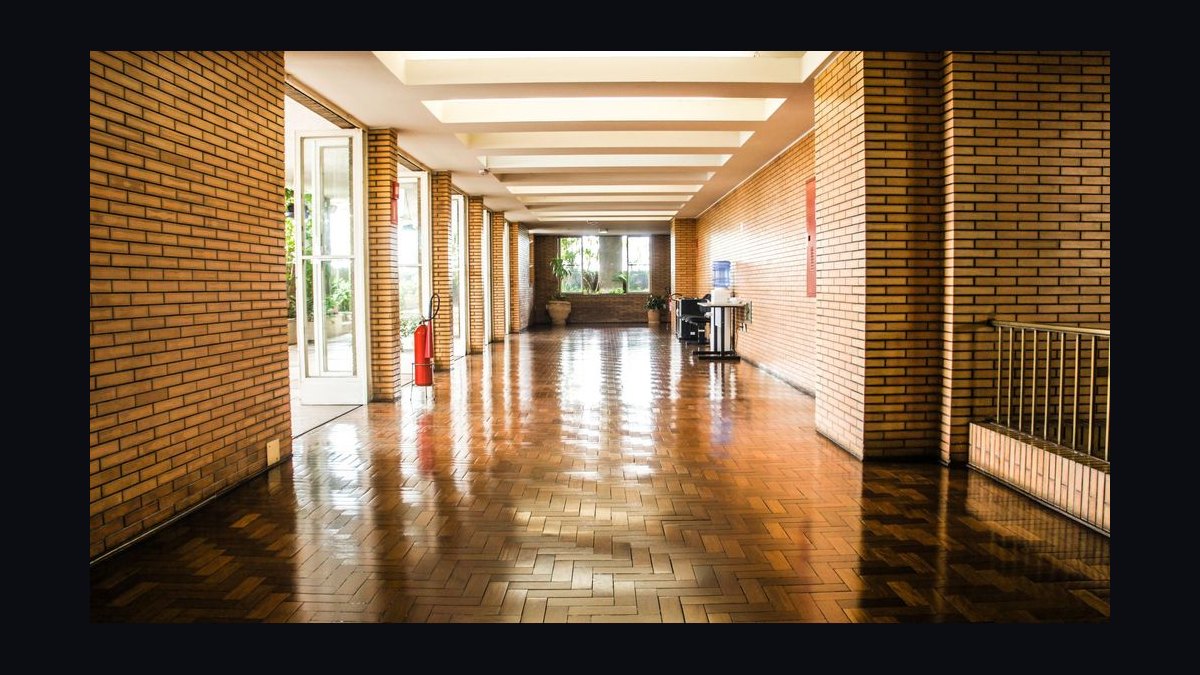
Commercial floor-care and strip-wax contract selling turns a one-time strip-and-wax job into a scheduled maintenance program — daily upkeep, periodic scrub-and-recoat, and an annual strip-and-refinish — sold as one recurring contract instead of a re-bid commodity task. The 60-minute training drills reps to assess floor type and traffic before quoting, frame the pitch around asset protection (a floor costs $3-$7 per square foot to replace), and close on cost-per-square-foot economics rather than a flat annual price.
A Facility Manager Calls About "Just a Strip and Wax"
Picture the call that starts most floor-care deals: a facility manager at a 25,000-square-foot office park phones in because "the lobby looks dull" and asks for a strip-and-wax quote. A rep running the old commodity playbook asks square footage, quotes $0.45 a foot, and emails a one-page proposal. Twelve months later that same facility manager is fielding three competing bids for the identical job, because nothing about the first visit made the rep memorable or the floor's condition anyone's ongoing responsibility.
Now run the same call through the training. The rep asks two questions before quoting anything: what floor type is it, and which areas get walked the hardest. That's the whole pivot — from "price the strip" to "diagnose the asset." The facility manager mentions the entry corridor and the executive suite hallway take the worst traffic, while the back offices barely see foot traffic at all. That single answer is the seed of a frequency-mapped contract, because it tells the rep that a flat, one-size schedule would either over-service the quiet zones or, more likely, under-service the busy ones and leave the lobby dull between strips.
This scenario matters because it's the default entry point for nearly every floor-care deal in commercial facilities — a reactive call triggered by visible wear, not a planned RFP. Reps who treat that reactive call as a chance to quote a single job lose the account to whoever undercuts them next cycle. Reps trained to treat it as a diagnostic opportunity walk out with a scheduled program and a facility manager who now sees the floor as an asset with a maintenance requirement, not a once-a-year chore. The training's first five minutes exist to install that reflex: hear "strip and wax," respond with "let's look at the floor first."
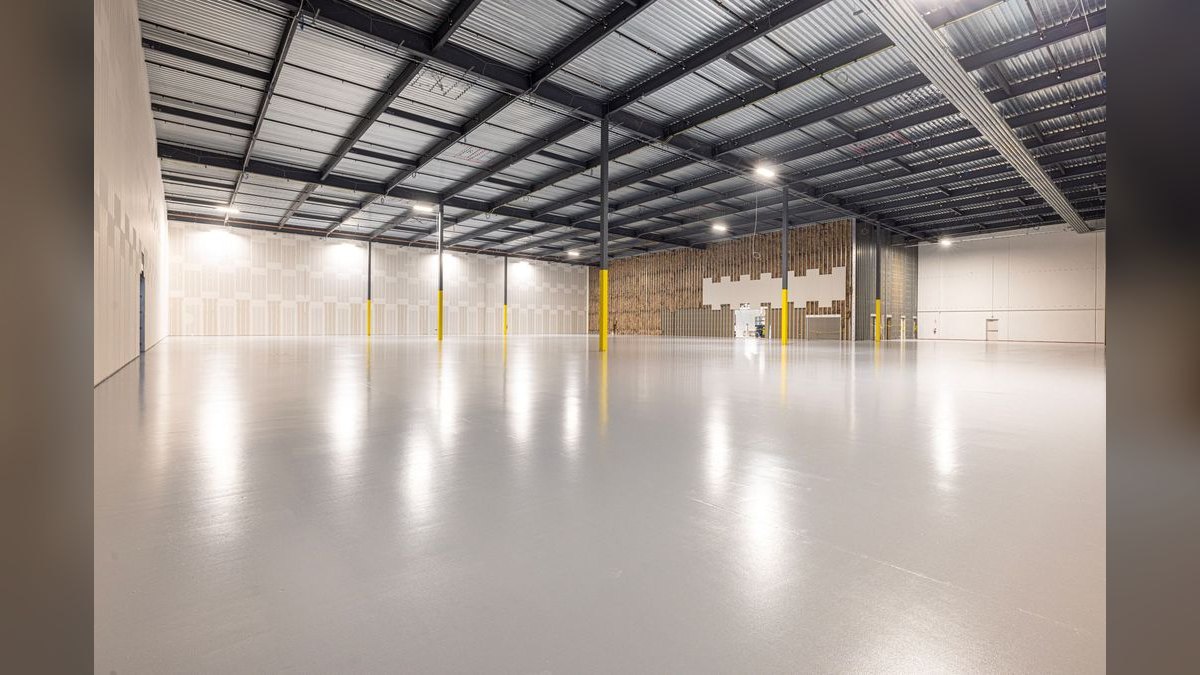
How the Program-Selling Mechanism Actually Works
The mechanism is a sequence, not a single pitch, and it only works in order. Skip the assessment and the frequency map has nothing to stand on; skip the frequency map and the proposal is just a price. Here's how the pieces connect during sales execution:
First, the rep completes a floor assessment on-site with the facility manager — floor type (VCT, terrazzo, polished concrete, LVT), total square footage, and a traffic tier per zone (high, medium, low). This step is non-negotiable in the training because a quote written without it is a guess dressed as a number. The assessment also captures the current appearance standard: what does the lobby need to look like, and who notices — customers walking in, auditors, executives.
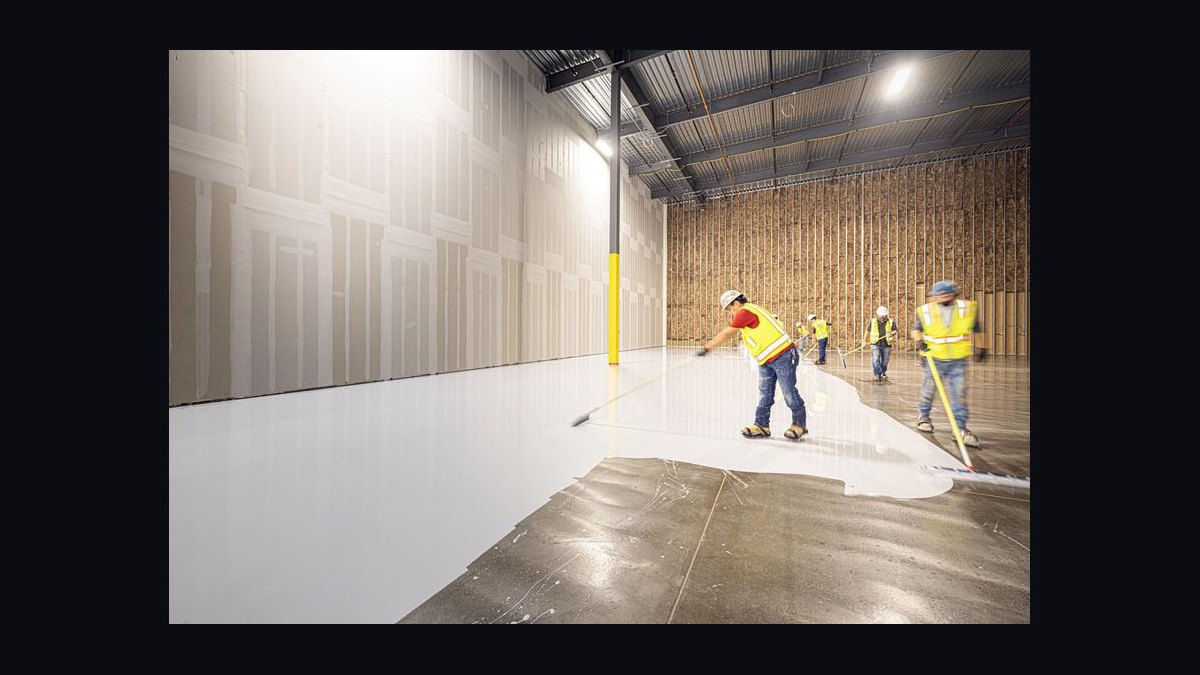
Second, the rep converts the traffic tiers into a frequency map. High-traffic zones (lobbies, main corridors) get scrub-and-recoat every 60-90 days; medium-traffic zones (offices) get a lighter cycle; low-traffic zones (storage, back rooms) may only need the annual strip. This is where the rep stops selling "a strip" and starts selling "a system matched to how the building is actually used."
Third, the rep builds the proposal around that frequency map — not around a single flat number. The proposal breaks out daily maintenance, the recoat cycle, and the annual strip-and-refinish as line items, each tied to a zone, so the facility manager can see exactly what they're buying and why the frequency differs by area.
Fourth, the rep presents the proposal using the cost-per-square-foot-versus-replacement-cost frame, which is the emotional and financial anchor of the whole pitch: pennies per square foot on the recoat cycle against several dollars per square foot to replace the floor outright.
Fifth, once signed, the program gets logged as a recurring contract in the CRM — not a one-time work order — which is what makes the account renewable and defensible against next year's cheaper bidder.
Notice where the mechanism breaks if a rep shortcuts it: quoting from a phone call without the walk-through (no assessment, so no credible frequency map); pricing the whole building at one frequency (ignores the traffic-tier data, so high-traffic zones degrade between services); or presenting price before the buyer has seen the worn traffic path with their own eyes (removes the visual leverage that makes the asset-replacement math land). Each shortcut collapses the program back into a commodity project, which is exactly the failure mode the training is built to prevent.
The Numbers Reps Need Cold
Facility managers respond to specifics, not adjectives, so the training drills a small set of numbers until reps can recite them without checking notes.

Replacement cost anchors the whole conversation: commercial vinyl composite tile (VCT) runs $3 to $7 per square foot to replace, including material and installation downtime. That range is the number a rep writes on the whiteboard in the first five minutes, because it reframes "your floor looks dull" into "your floor is a depreciating capital asset."
Service pricing, per widely cited industry rate guidance, runs $0.30-$0.60 per square foot for a strip-and-refinish and $0.20-$0.40 per square foot for a scrub-and-recoat cycle. Reps should know both ranges cold, because the gap between them is the difference between a project quote and a program quote.
Run the math on a mid-size mixed-use commercial facility at 20,000 square feet. An annual strip-and-refinish alone, at $0.45/sq ft, comes to $9,000 a year — that's the project-only number, and it's what a commodity competitor quotes. Layer in a scrub-and-recoat program on the 8,000 square feet of high-traffic zones, at $0.30/sq ft run four times a year, and that adds $9,600 a year in recurring, defensible revenue. The combined program lands around $18,600 a year — roughly double the strip-only number — while the facility manager is deferring a $80,000 replacement (20,000 sq ft x $4/sq ft) by multiple years.
Training benchmarks reinforce why this level of preparation matters beyond the individual deal. Industry research on B2B sales teams has found that best-in-class organizations allocate 5-7% of selling time to structured training, compared with the 1-2% that correlates with missed quota. That stat is worth opening the session with, because it turns a 60-minute meeting from a pep talk into the recurring working session a sales manager is actually measured on.
Floor type also changes the numbers meaningfully. VCT takes traditional strip-and-wax chemistry. Terrazzo and polished concrete require diamond polishing and densifiers instead — an entirely different service line with its own pricing, and a rep who quotes wax chemistry on a polished-concrete floor immediately signals they didn't do the assessment. Diagnosing floor type correctly is a five-minute step that prevents a proposal from being disqualified on sight.
Trade-Offs: Program Selling Versus Project Selling
Every rep will eventually face a buyer who only wants the cheap, once-a-year strip — and the training has to prepare them for that trade-off honestly rather than pretend the program sell always wins outright.
The project sell (one annual strip, re-bid every year) is faster to close, requires no on-site assessment, and matches what many facility managers already expect from floor vendors. Its cost is structural: it's a pure commodity transaction, the lowest bidder wins next cycle, and the rep has no renewal leverage because there's no ongoing relationship to defend — just a single job that gets re-quoted from scratch every twelve months.
The program sell (frequency-mapped daily, recoat, and strip services under one contract) takes longer to close because it requires the on-site walk-through and a more detailed proposal, and it asks the facility manager to commit to a recurring line item rather than a one-time job. Its payoff is durability: the rep becomes the incumbent who already has the floor inventory, the traffic map, and the service history, which makes it the buyer's hassle to switch vendors rather than the rep's hassle to re-win the account.
There's a middle path the training also covers: a facility manager whose budget only covers the annual strip this cycle. Rather than walking away from the smaller deal, the rep sells the strip now, shows the recoat math anyway during the walkthrough, and plants the program for the next budget cycle. That's a deliberate trade-off — take the smaller win today in exchange for planting the seed that converts to a full program at renewal. It's a slower path to the same destination, but it beats losing the account to a competitor who never mentions the recoat cycle at all.
The comparable trade-off shows up in adjacent specialty-contract selling too. A landscaping or snow-removal rep faces the identical fork: sell the one-time service call, or sell the seasonal, frequency-based maintenance agreement. The mechanics differ, but the underlying trade-off — commodity project versus defensible program — is the same pattern reps carry across every specialty facilities contract they sell.
Common Pitfalls and How to Avoid Them
The training spends real time on what NOT to say, because the wrong sentence in the first walkthrough can undo the whole program frame before the rep gets to the numbers.
Quoting before assessing. A rep who gives a flat strip-and-wax price over the phone, without seeing the floor, has no frequency data to build a program from — and once a number is quoted, it's hard to walk it back up later. Fix: never quote a whole-building number until the on-site walk is done.
Collapsing floor care into janitorial. Telling a buyer "it's the same as your janitorial bid" folds a specialized service into a commodity line and kills the premium the program is supposed to justify. Fix: always break floor care out as its own line item with its own cost-per-square-foot, even when it's sold alongside a janitorial contract.
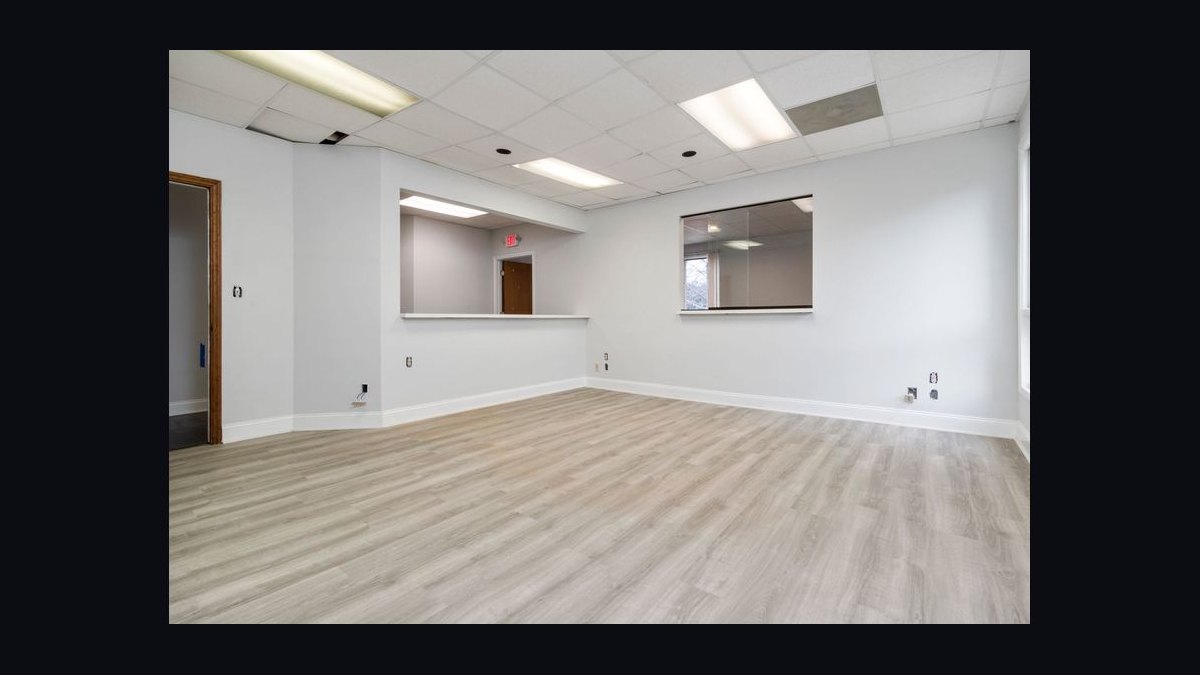
Treating every floor and zone identically. "We'll just strip and wax it all the same way" ignores both floor type and traffic tier — it over-services quiet back offices and under-services the lobby that actually needs the frequent cycle. Fix: the assessment template exists specifically to force zone-by-zone differentiation before the proposal is written.
Dismissing the scrub-and-recoat step. Telling a buyer "you don't need to scrub between strips" trades a small near-term price cut for a floor that needs full strips sooner and looks worse in between — a bad deal for the buyer and the rep's renewal both. Fix: present the recoat cycle as what keeps the floor audit-ready between strips, not as an upsell.
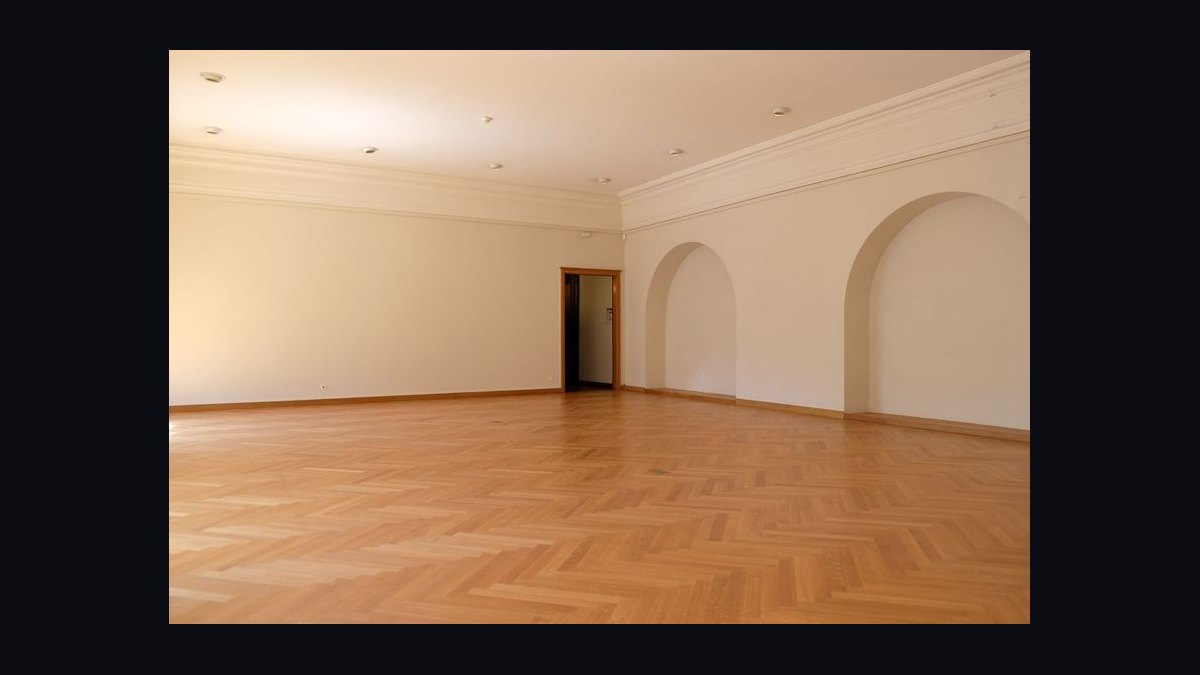
Racing to the bottom on price. "We're the cheapest crew around" makes price the only variable in the buyer's mind and invites the very undercutting the program sell is designed to prevent. Fix: redirect every price conversation back to cost-per-square-foot against the replacement-cost comparison.
Overpromising the chemistry. Any claim of "permanent shine" or a floor that "never needs stripping" is chemically false, and a facility manager who catches the exaggeration stops trusting the rest of the pitch — including the honest parts. Fix: promise a maintained asset and a longer service life, never a floor that defies its own materials.
Each of these pitfalls has the same underlying cause: skipping or rushing the assessment step that anchors the entire program-selling training. Reps who internalize the assessment-first sequence rarely fall into any of the six traps, because the traps are all shortcuts around exactly that step.
Related questions
How does floor-care program selling differ from a standard janitorial contract pitch?
Janitorial covers daily soil removal; floor-care programs cover specialized finish maintenance — scrub-and-recoat and strip-and-refinish — using dedicated equipment and chemistry. They're separate service disciplines and should be quoted and proposed as distinct line items, never bundled invisibly into one janitorial number.
What if the facility manager's budget only covers one annual strip?
Sell the strip now, but still walk them through the recoat math during the on-site visit. That plants the program for the next budget cycle, and the rep becomes the natural vendor to expand the contract once more budget opens up.
Does the floor type change which service gets pitched?
Yes. VCT takes traditional strip-and-wax chemistry, while terrazzo and polished concrete need diamond polishing and densifiers instead of wax. Diagnosing floor type during the assessment is what separates a program partner from a generic wax crew.
How does this training compare to selling a landscaping maintenance contract?
Both follow the same commodity-versus-program fork: a one-time service call versus a scheduled, frequency-based agreement. The specific mechanics (traffic tiers versus seasonal cycles) differ, but the underlying selling motion and the renewal logic are nearly identical.
FAQ
How long is the floor-care contract-selling training session? It's designed to run 60 minutes total, broken into a short asset-framing opener, a longer on-site-assessment drill, the program-versus-project distinction, a scripted walkthrough close, program economics, and a closing commitments segment.
What's the single most important habit this training installs? Never quote a flat price before completing an on-site floor assessment. Every other technique in the session — frequency mapping, the walkthrough script, the cost-per-square-foot close — depends on assessment data the rep can't get over the phone.
Why does the training emphasize cost-per-square-foot instead of a total contract price? Because a single number invites direct price comparison against commodity bidders, while cost-per-square-foot against a replacement-cost comparison reframes the conversation around asset protection, which is a value competitors quoting flat strip prices rarely articulate.
Can this same framework apply to a rep who only sells single strip-and-wax jobs today? Yes — the training is explicitly designed to convert reps from project selling to program selling. The assessment template and walkthrough script work on an existing account just as well as a new prospect, and often surface an immediate recoat upsell.
What should a rep do if a competitor undercuts the recurring program price? Redirect the comparison: the competitor's number is almost always a project-only quote, not a program. Comparing a strip-only price against a full frequency-mapped program is comparing two different scopes of work, and the rep's job is to make that scope difference visible.
How does a rep handle a buyer who insists "our janitor already handles the floors"? Acknowledge that daily mopping maintains the floor, but explain that it doesn't protect the finish the way a scrub-and-recoat cycle does — different skill, different equipment, and skipping it forces a premature full strip that costs more in the long run.
Sources
- ISSA, The Association for Cleaning & Facility Solutions — Commercial Cleaning Rates per Square Foot guidance, issa.com
- ISSA Cleaning Management Institute (CMI), Floor Care Specialist certification and floor-care standards, cmi.issa.com
- Building Service Contractors Association International (BSCAI), Industry Standards and Best Practices, bscai.org
- Neil Rackham, SPIN Selling, McGraw-Hill, 1988
- Matthew Dixon and Brent Adamson, The Challenger Sale, Portfolio/Penguin, 2011
- Mike Weinberg, New Sales. Simplified., AMACOM, 2013
- Cleaning & Maintenance Management, Commercial Cleaning Bidding 101, cmmonline.com
- McKinsey & Company, research on B2B sales team training allocation and performance, mckinsey.com
Related on PULSE
- Commercial Landscaping Maintenance Contract Selling — 60-Min Training
- Snow Removal Contract Selling — 60-Min Training
- The Contract Redlining Reboot — 60-Min Training
- The Contract Pre-Flight — 60-Min Training
- Commercial EV Charging Infrastructure Selling — 60-Min Training
- Fleet and Commercial Vehicle Selling — 60-Min Training
This page will be disappearing soon. Save it to your device for $1 — or read it free while it is here.
@Kory-White- · if Venmo asks, the last 4 of my number are 2012
This page is gone.
This one is off the shelf now. $1 keeps it on your phone for good — the whole page, pictures and diagrams included.
 sales-trainingPropane and Fuel Delivery Account Selling — 60-Min Training
 sales-trainingSnow Removal Contract Selling — 60-Min Training
 sales-trainingOffice Coffee Service Selling — 60-Min Training
 sales-trainingDocument Shredding Service Selling — 60-Min Training
 sales-trainingCommercial Landscaping Maintenance Contract Selling — 60-Min Training
 sales-trainingCommercial Plumbing Service Agreement Selling — 60-Min Training
 sales-trainingCorporate Event and Meeting Sales — 60-Min Training
 sales-trainingCommercial Flat-Roof Selling — 60-Min Training
 sales-trainingAuto Loan Indirect Dealer Sales — 60-Min Training
 sales-trainingEdTech K-12 District Selling — 60-Min Training