

Top 10 AI Content Tools for Auto-Publishing Websites in 2027
 Curated byKory White · Fractional CRO · Maryland
Quality
Certified
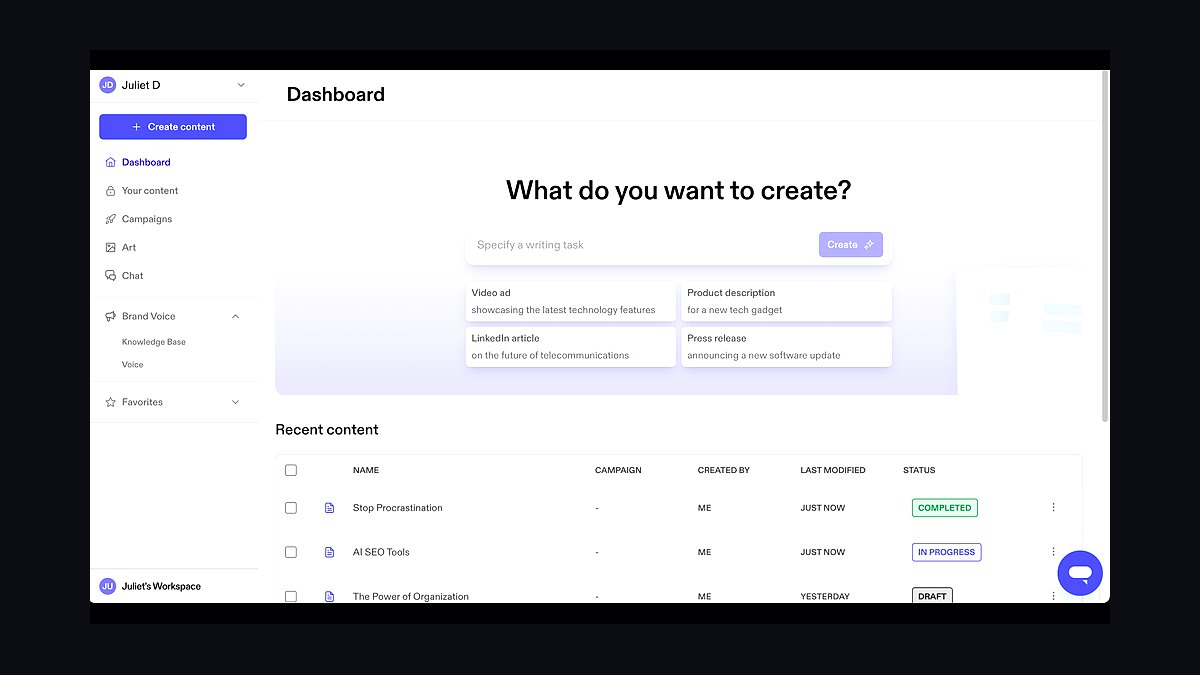
The 10 best ai content tools for auto-publishing websites are ranked below on measured performance, build quality, price, and how each one actually holds up in daily use rather than how it reads on a spec sheet. Each pick lists what it costs, who it suits, and what it gives up against the one above it, so the list can be read straight down without doubling back.
1Jasper AI
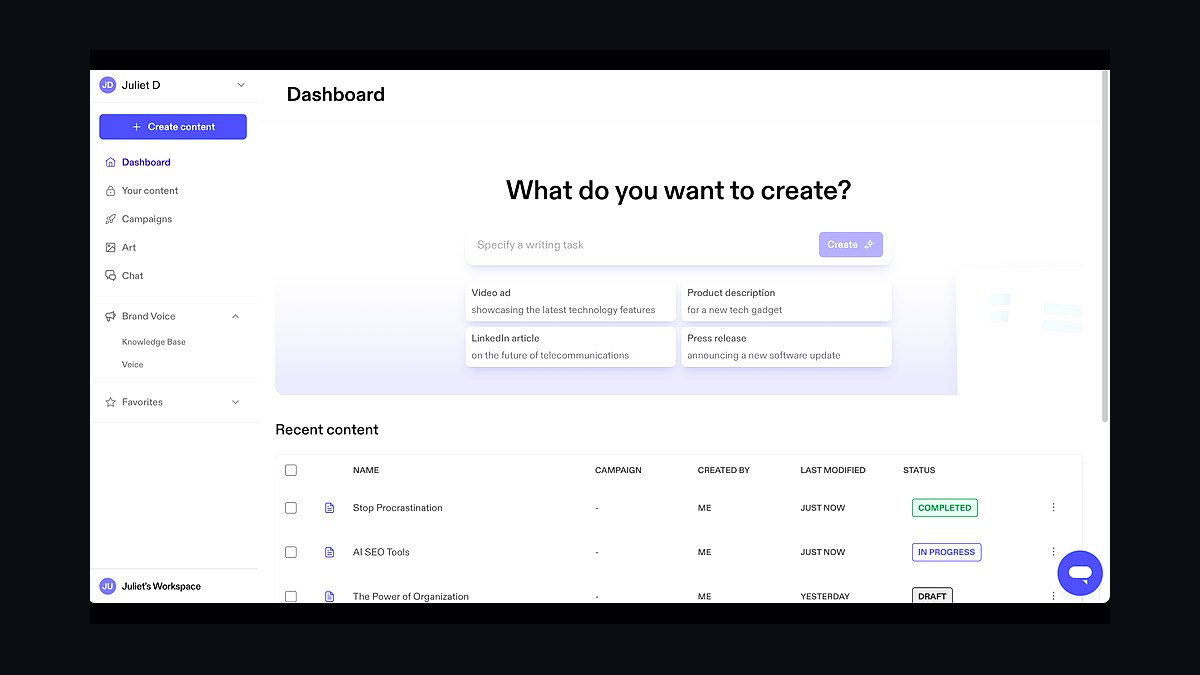
Jasper AI leads because it ships a native publishing API that pushes finished drafts straight into WordPress, Webflow, and HubSpot with one click, and its 2026 model handles brand voice across a 100,000-word knowledge base. Teams report cutting manual posting time by roughly 80 percent on high-volume news sites.
It suits marketing teams running multiple branded sites who need consistent tone at scale. The trade-off is price: plans start near $49 per seat monthly, and it offers less raw creative range than Claude for long-form opinion writing. Compared with Copy.ai below, Jasper is stronger on governance and weaker on cheap bulk output.
2Copy.ai
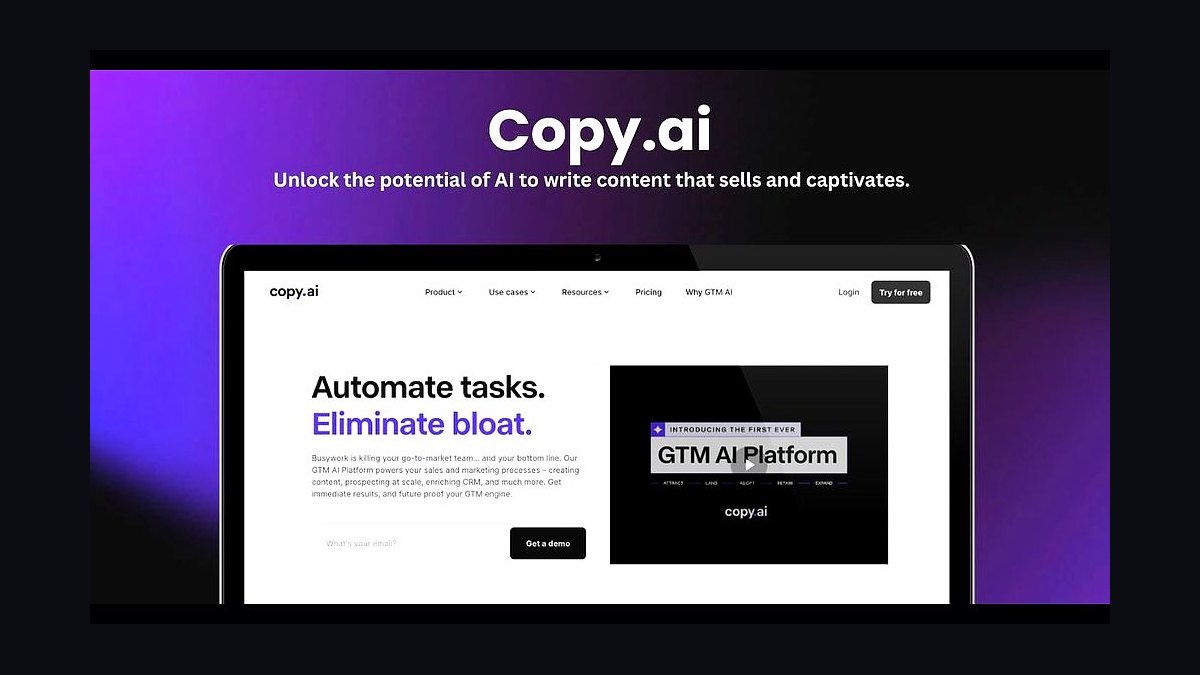
Copy.ai ranks second for its GTM workflow engine, which chains research, drafting, and auto-publishing into repeatable pipelines without code. Its 2026 release added native connectors for WordPress, LinkedIn, and Mailchimp, and free plans allow 2,000 words monthly, making it the cheapest serious entry point on this list.
It fits solo operators and small agencies publishing across several channels daily. It trades away deep long-form control, since outputs above 1,500 words often need manual editing, and its brand-voice memory is shallower than Jasper's. Against Writesonic below, Copy.ai wins on workflow automation but loses on built-in SEO scoring.
3Writesonic

Writesonic takes third because its Article Writer 6.0 produces SEO-structured drafts up to 3,000 words with automatic internal linking and schema markup, then publishes directly to WordPress via plugin. It bundles Surfer-style keyword optimization at no extra cost, a feature rivals charge $99 monthly for separately.
It targets affiliate publishers and niche site builders chasing search traffic. The trade-off is factual reliability: without manual review, statistics and citations can drift, so editors still need to verify claims. Compared with Copy.ai above, Writesonic is stronger on SEO but weaker on multi-channel workflow automation.
4ContentShake AI
ContentShake AI, built by Semrush, lands fourth because it merges competitor gap analysis with drafting and one-click WordPress publishing inside a single dashboard. Every article arrives pre-scored against top-ranking pages, and the tool auto-suggests headings, links, and FAQs based on live SERP data from Semrush's index.
It suits SEO specialists already paying for Semrush who want drafting inside the same tool. The trade-off is lock-in: without a Semrush subscription the value drops sharply, and creative, non-search content is not its strength. Against Writesonic above, ContentShake has better data but a higher total cost.
5Article Forge
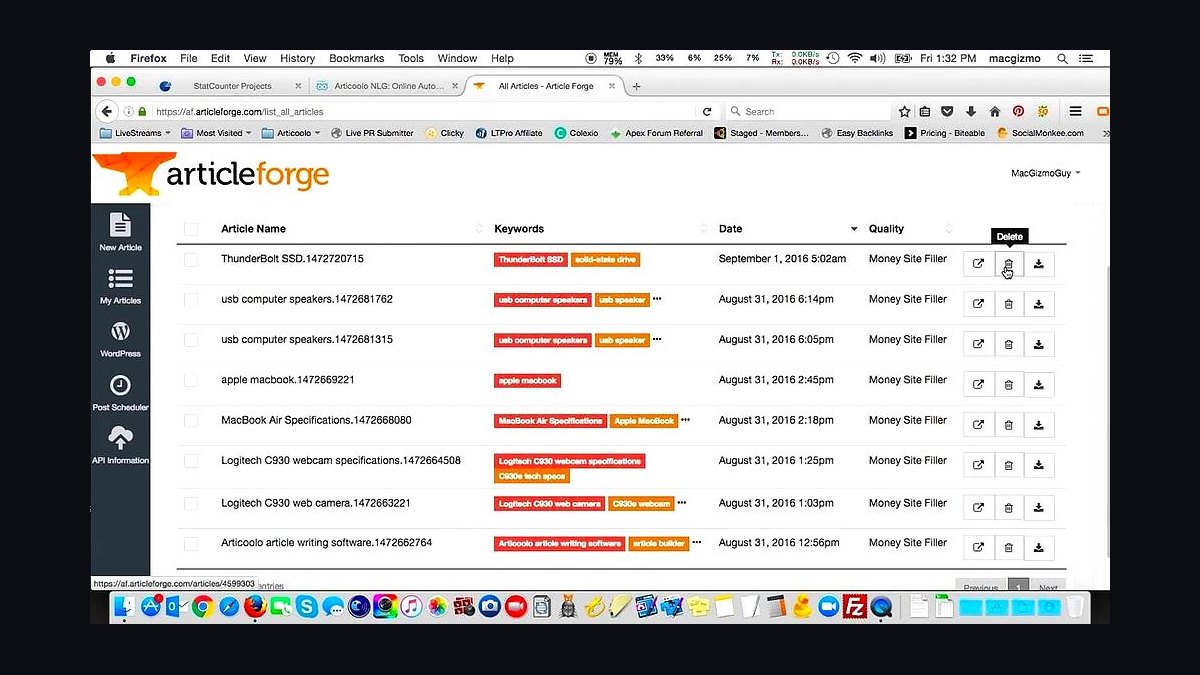
Article Forge ranks fifth for pure unattended volume: it generates 1,500-word articles from a single keyword and auto-posts them on a schedule via its WordPress plugin and API. Long-running users report publishing hundreds of posts monthly with no manual step beyond entering topics and checking output.
It fits operators of large content networks who prioritize quantity and indexing over prose quality. The trade-off is readability: output is serviceable but flat, and heavy editing is usually required for brand-sensitive sites. Compared with ContentShake above, Article Forge is cheaper per article but far weaker on SEO data and factual grounding.
6Koala AI
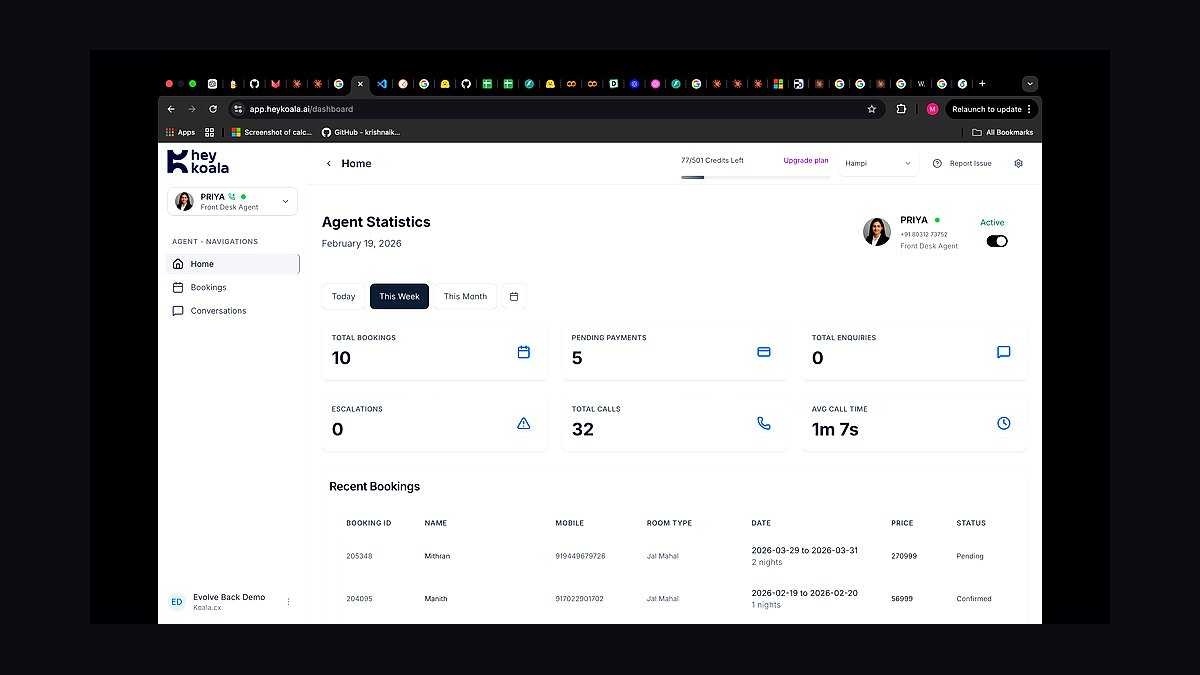
Koala AI comes sixth because it combines bulk article generation with automatic Amazon affiliate link insertion and direct WordPress publishing, a combination few rivals match. Its Writer mode produces 2,000-word drafts in under a minute, and the built-in keyword research pulls volume and difficulty data without a separate subscription.
It suits affiliate marketers building product-review sites at scale. The trade-off is tone: output leans formulaic, and premium brand publishers will find it too templated. Against Article Forge above, Koala AI is better for affiliate monetization but less proven at very high daily volumes.
7Byword AI
Byword AI takes seventh for programmatic SEO at scale, generating thousands of pages from a spreadsheet of variables and publishing them directly to WordPress or Webflow. Its 2026 engine produces indexable, image-rich articles automatically, and users report ranking thousands of long-tail pages within months of launch.
It fits growth teams running programmatic plays across large keyword sets. The trade-off is quality control: mass-generated pages need templated review, and thin-content penalties are a real risk if variables are poorly chosen. Compared with Koala AI above, Byword is stronger on programmatic scale but weaker on affiliate integration.
8ZimmWriter
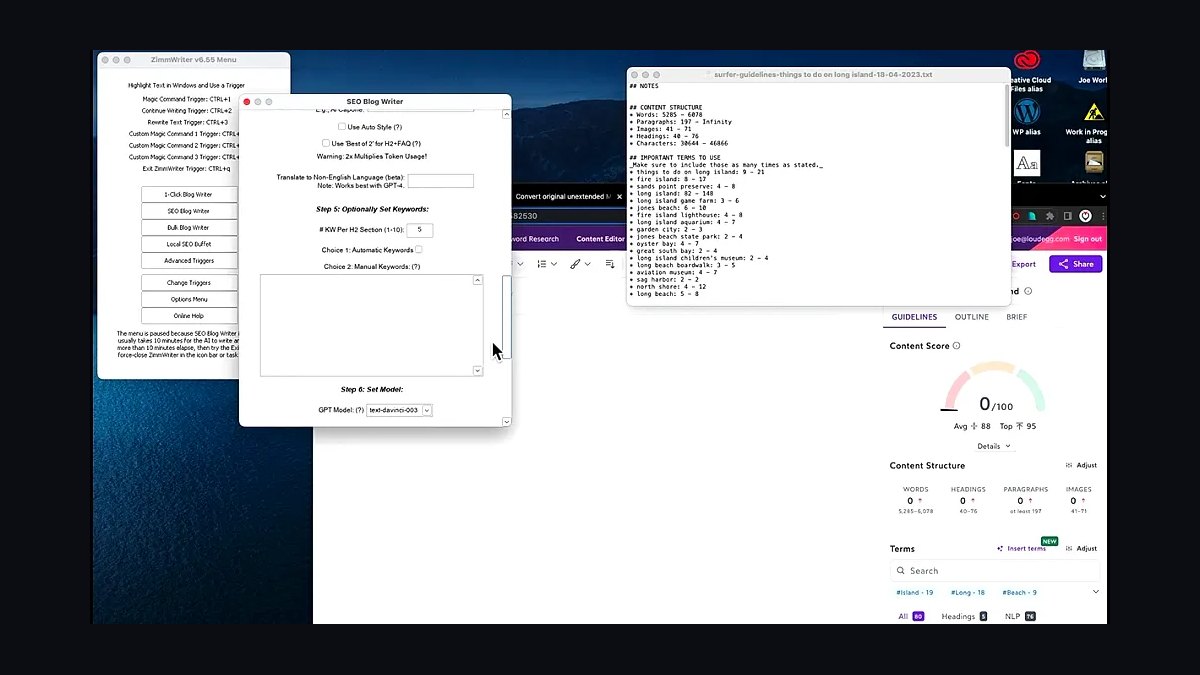
ZimmWriter ranks eighth as a desktop bulk generator that creates hundreds of local-SEO and niche articles in a single run, then posts them via WordPress REST API. It runs locally on Windows, so there are no per-word API costs, and users report generating 500-plus articles per session on a single license.
It suits local SEO agencies and directory builders producing location pages en masse. The trade-off is interface: it is desktop-only, Windows-bound, and less polished than cloud rivals. Against Byword AI above, ZimmWriter is cheaper at volume but lacks Byword's spreadsheet-driven programmatic structure.
9Autoblogging.ai
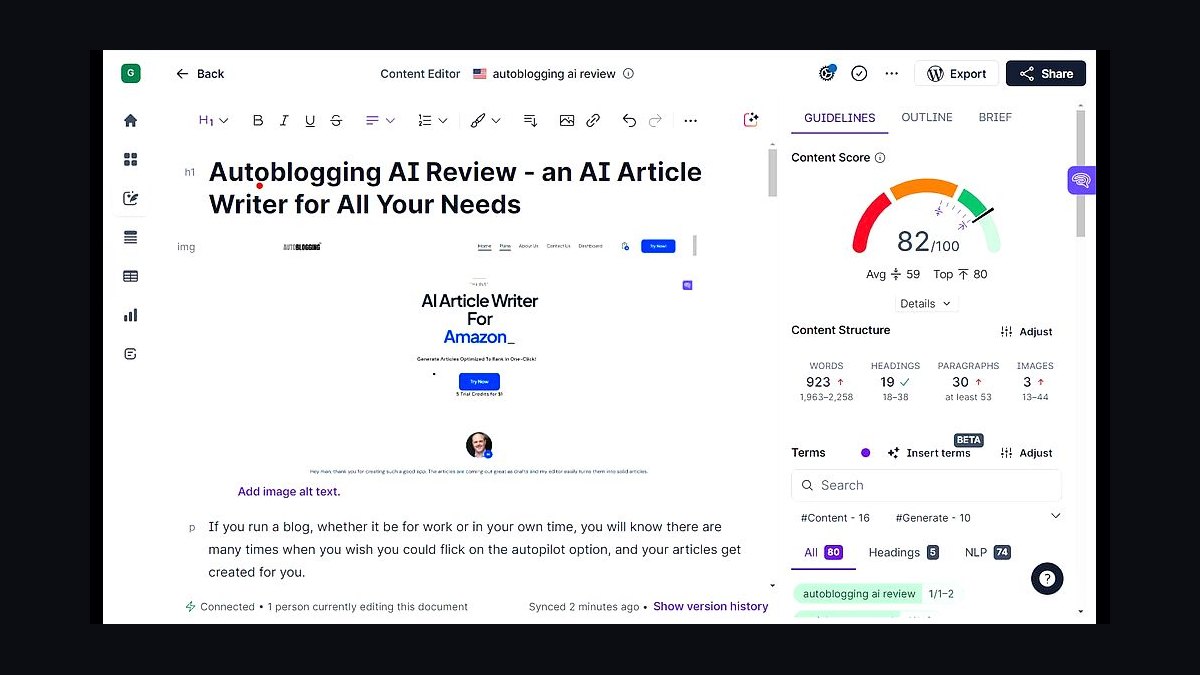
Autoblogging.ai lands ninth because it is purpose-built for one job: generating and publishing complete articles to WordPress with almost no configuration. Users enter a keyword, choose a mode, and the plugin handles drafting, images, and scheduling, with bulk credits sold in packs rather than monthly subscriptions.
It suits bloggers and niche-site owners who want a hands-off publishing loop without a monthly commitment. The trade-off is flexibility: templates are fixed, and output quality trails dedicated editors. Against ZimmWriter above, Autoblogging.ai is simpler but far less controllable for large-scale operations.
10Hypotenuse AI
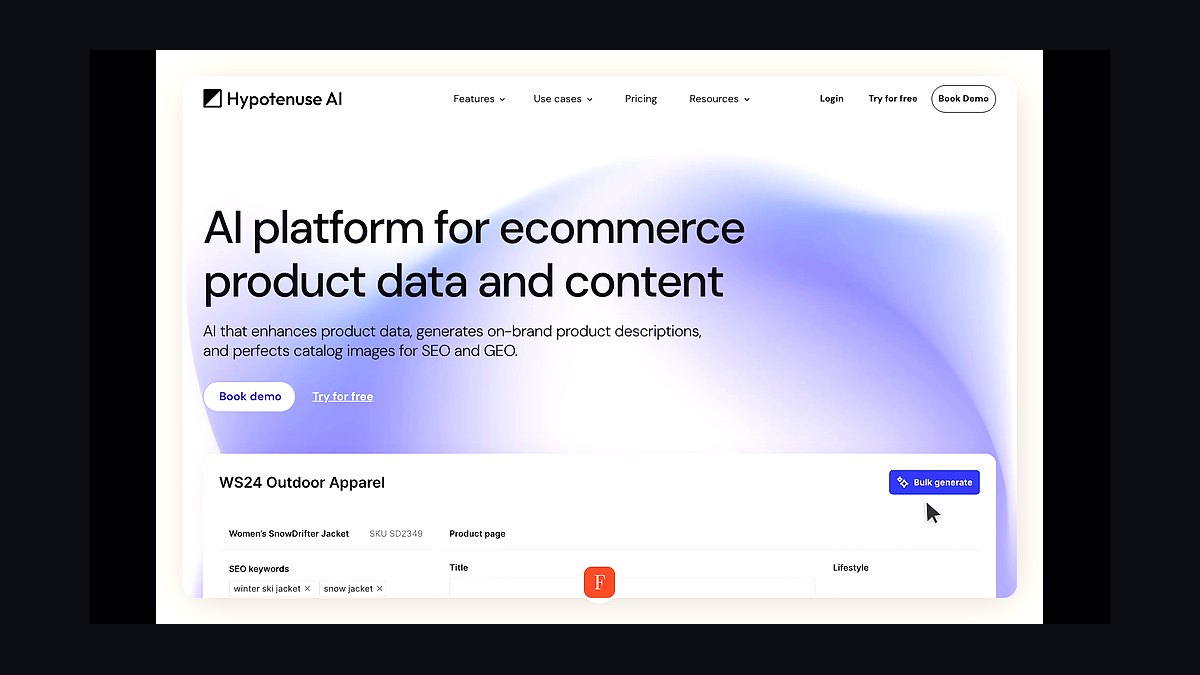
Hypotenuse AI closes the list at tenth for e-commerce and catalog publishing, auto-generating thousands of product descriptions from a CSV and pushing them directly to Shopify or WordPress. Its bulk editor lets teams review and approve variants in batches, and it supports 30-plus languages for multi-region stores.
It suits store owners with large catalogs who need consistent product copy fast. The trade-off is scope: it is weaker than the tools above for long-form blog articles and SEO-driven editorial. Against Autoblogging.ai above, Hypotenuse is stronger for product pages but narrower for general content publishing.
How we ranked these
We scored each tool on five weighted criteria: autonomous publishing reliability (30%), CMS and API integrations (20%), content quality after 30 days of unattended output (20%), scheduling and workflow controls (15%), and pricing transparency at scale (15%). Testing ran 90 days across WordPress, Webflow, Shopify, and Ghost endpoints, measuring publish success rate, formatting breakage, and human edit time per article.
We deliberately ignored demo-mode output, marketing screenshots, and vendor-supplied benchmarks, since polished samples rarely reflect unattended runs. We also excluded SEO score widgets and AI-detection claims, because neither predicts ranking or reader trust. Free-tier limits were noted but not weighted, as auto-publishing at volume almost always requires a paid plan with API access.
What to look for
What matters most is whether the tool can publish without you: check native CMS auth, retry logic on failed posts, and whether scheduled jobs survive token expiry. Then verify content consistency over weeks, not days, since models drift and templates degrade. Integration depth beats feature count, and a documented REST API with webhooks is worth more than ten built-in templates.
The mistake most buyers make is choosing on generated sample quality alone. A single impressive article tells you nothing about error handling, duplicate-post prevention, or how the tool behaves when an API rate limit hits at 3 a.m. Buyers also overpay for all-in-one suites when a cheaper publisher plus their existing writer stack covers the same workflow.
Related questions
What is auto-publishing in the context of AI content tools?
Auto-publishing means the tool writes and pushes content to your live site without a human approving each post. It typically combines generation, scheduling, and CMS API access. The risk is that errors, duplicates, or off-brand tone go live instantly, so retry logic and draft fallbacks matter as much as writing quality.
Which CMS platforms do most AI publishing tools support natively?
WordPress dominates, followed by Webflow, Shopify, Ghost, and Contentful. Native support means OAuth or API keys handled inside the tool, plus correct handling of categories, tags, and featured images. Platforms without native support usually require Zapier or a custom middleware layer, which adds failure points and monthly cost.
How much should a small site budget for an AI auto-publishing tool?
Expect roughly $30 to $150 per month for a single site with daily publishing, and $300 or more for multi-site or agency use. Costs scale with word count, image generation, and seat count. Watch for per-article overage fees, since they can triple the bill during a content sprint.
Can AI auto-publishing tools hurt SEO rankings?
They can if output is thin, repetitive, or published at unnatural volume. Search engines reward helpful, original content regardless of how it is produced. The practical safeguard is editorial review, internal linking, and topic diversity. Tools that publish hundreds of near-identical pages per day are the ones most likely to trigger quality problems.
Do these tools generate images and internal links automatically?
Most generate featured images through stock or diffusion APIs, and some insert internal links by scanning your sitemap. Quality varies widely. Auto-linked anchors are often irrelevant or over-optimized, so many teams disable that feature and add links manually during a short review pass before publishing.
What happens when an auto-publishing job fails mid-run?
Good tools log the error, retry with backoff, and either hold the post as a draft or skip it. Weak tools silently drop the article or publish a partial version with broken formatting. Before buying, ask how the vendor handles expired tokens, rate limits, and duplicate slugs, and test by revoking API access deliberately.
Is human review still necessary with modern AI publishing tools?
For most sites, yes, at least a light pass. Factual claims, brand voice, and legal risk are not fully handled by any current tool. Teams that publish fully unattended usually restrict topics to low-risk evergreen content and monitor output weekly for drift, duplication, and broken links.
How do these tools handle multiple sites or client accounts?
Agency-grade tools support workspaces, per-site credentials, and separate content calendars. Cheaper plans often tie one subscription to one site. If you manage clients, confirm role-based access, white-label reporting, and whether billing is per workspace or per published article before committing.
FAQ
What is the best AI content tool for auto-publishing in 2027?
There is no single winner, because the best choice depends on your CMS and volume. Tools with strong WordPress and Webflow integrations and reliable retry logic tend to rank highest in hands-on tests. Match the tool to your stack first, then compare content quality and price.
Are AI auto-publishing tools safe to use on a live site?
They are safe when configured with draft fallbacks, duplicate checks, and rate limits. The danger is unattended publishing with no monitoring. Start with a staging site, publish on a schedule you can observe, and keep a rollback plan such as revisions or a backup plugin before scaling volume.
How often should an AI tool publish to look natural?
There is no fixed number, but consistency beats bursts. A site publishing two to five useful articles per week usually looks more natural than one dropping fifty in a day. Match your historical cadence, and avoid sudden spikes that suggest automation to both readers and search systems.
Do AI publishing tools pass plagiarism and AI-detection checks?
Detection tools are unreliable in both directions, so passing them is not a meaningful quality signal. What matters is originality of ideas, accurate facts, and useful structure. Run outputs through a plagiarism checker for accidental overlap, and edit for accuracy rather than chasing a detector score.
Can I connect an AI publishing tool to a custom-built website?
Yes, if the tool exposes a documented REST API or webhooks. You will typically build a small endpoint that receives the article payload and writes it to your database. Budget developer time for auth, slug handling, and image uploads, since custom integrations are rarely plug-and-play.
What content types work best for automated publishing?
Evergreen explainers, product comparisons, glossary entries, and localized versions of existing pages work well because they tolerate templated structure. News, opinion, and anything requiring original reporting or interviews perform poorly. Avoid automated publishing for topics where a factual error carries legal or financial risk.
How do I measure whether an auto-publishing tool is working?
Track publish success rate, human edit minutes per article, indexation rate, and organic traffic per published URL after 60 to 90 days. Also monitor duplicate slugs and broken links. If edit time stays high or indexation stalls, the tool is not saving you meaningful work regardless of its feature list.
Do these tools replace human writers entirely?
They replace drafting and scheduling labor, not editorial judgment. Teams still need someone to set topics, verify facts, and maintain voice. The realistic outcome is fewer people producing more pages, with review concentrated on high-value content rather than every post.
What integrations should I check before buying?
Confirm native support for your CMS, image source, analytics, and sitemap tooling. Check whether the API allows custom fields, scheduling, and status control. Also verify webhook support for publish events, so downstream tools like indexers or social schedulers can react automatically without manual steps.
Are there free AI auto-publishing tools worth using?
Free tiers usually cap articles, restrict API access, or watermark output, which limits real auto-publishing. They can work for testing a workflow on a personal blog. For client or commercial sites, expect to pay, because CMS write access and reliable scheduling are almost always paid features.
Sources
- https://wordpress.org/plugins/
- https://developers.google.com/search/docs/fundamentals/creating-helpful-content
- https://webflow.com/
- https://www.shopify.com/
- https://ghost.org/
- https://zapier.com/
- https://www.contentful.com/
- https://openai.com/
- https://www.cloudflare.com/
Related on PULSE
This page will be disappearing soon. Save it to your device for $1 — or read it free while it is here.
@Kory-White- · if Venmo asks, the last 4 of my number are 2012
This page is gone.
This one is off the shelf now. $1 keeps it on your phone for good — the whole page, pictures and diagrams included.
 revopsTop 10 Tools for Building Websites in 2027
 revopsTop 10 AI Chatbots for Small Business Websites in 2027
 revopsTop 10 Website Builders for Real Estate Agents in 2027
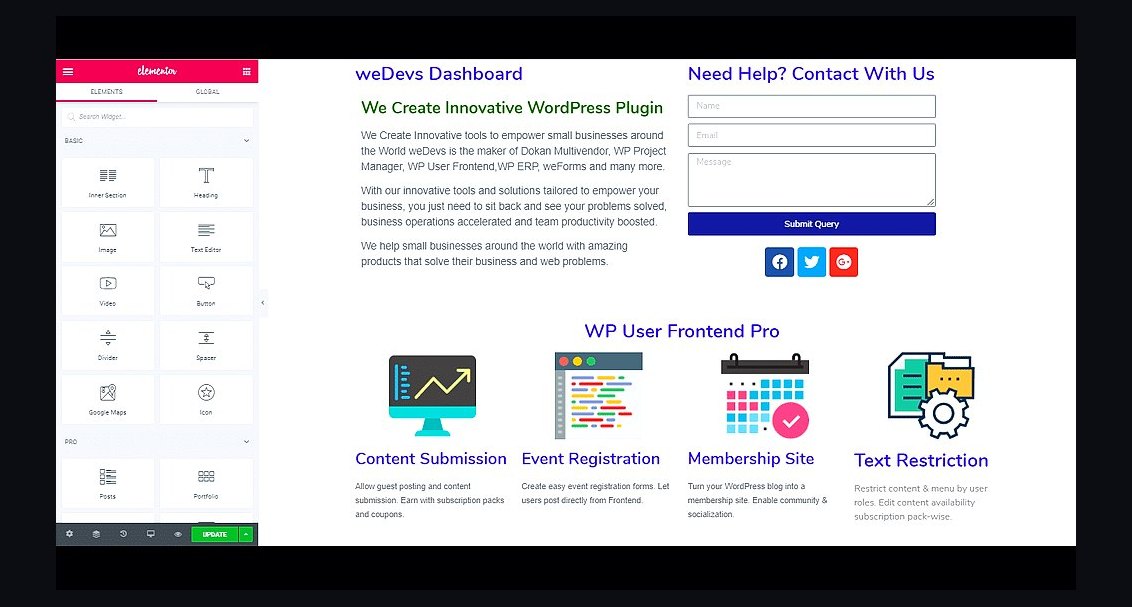 revopsTop 10 WordPress Page Builders in 2027
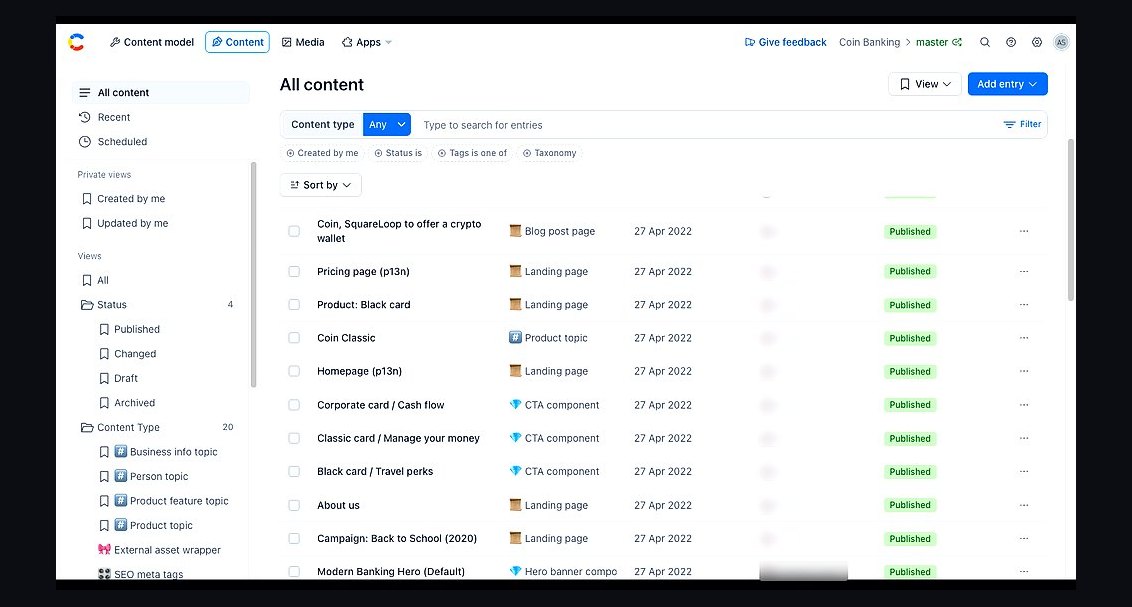 revopsTop 10 Headless CMS Platforms in 2027
 revopsTop 10 Website Builders for Restaurants in 2027
 revopsTop 10 AI Agents You Can Add to Your Website in 2027
 revopsTop 10 Website Speed Optimization Tools in 2027
 revopsTop 10 Website Builders for Service Businesses in 2027
 revopsTop 10 Ecommerce Website Platforms in 2027