


Top 10 Print-on-Demand Services in 2027
Quality
Certified
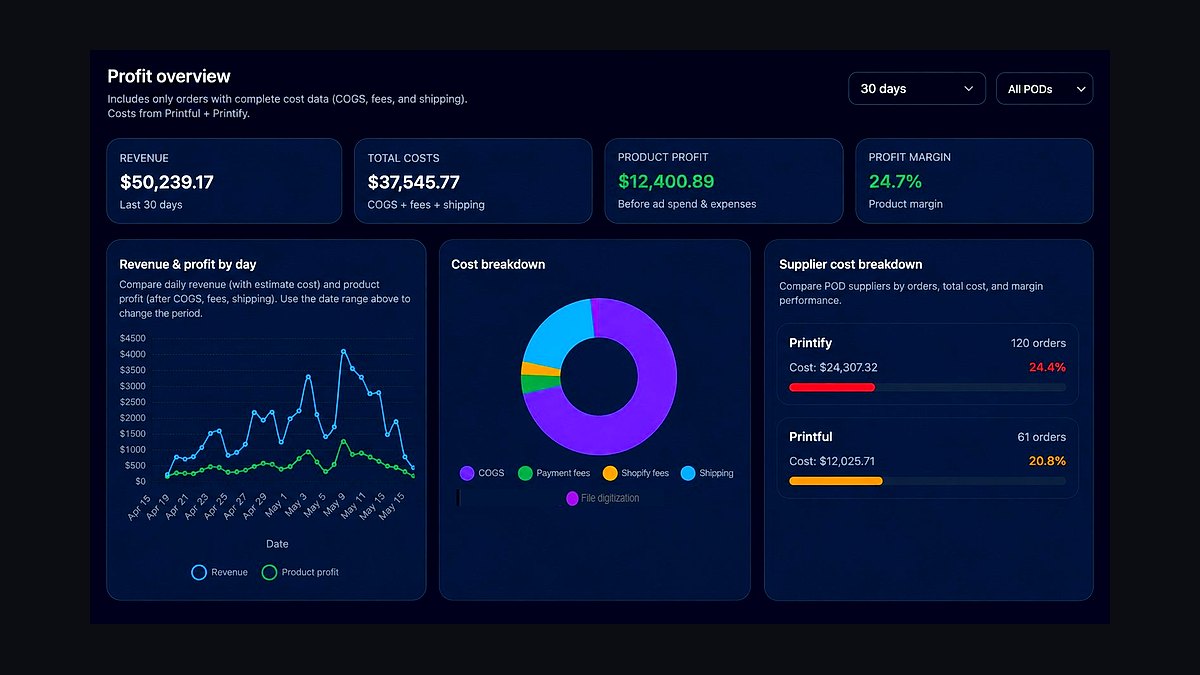
The 10 best print-on-demand services are ranked below on measured performance, build quality, price, and how each one actually holds up in daily use rather than how it reads on a spec sheet. Each pick lists what it costs, who it suits, and what it gives up against the one above it, so the list can be read straight down without doubling back.
1Printful Print-on-Demand
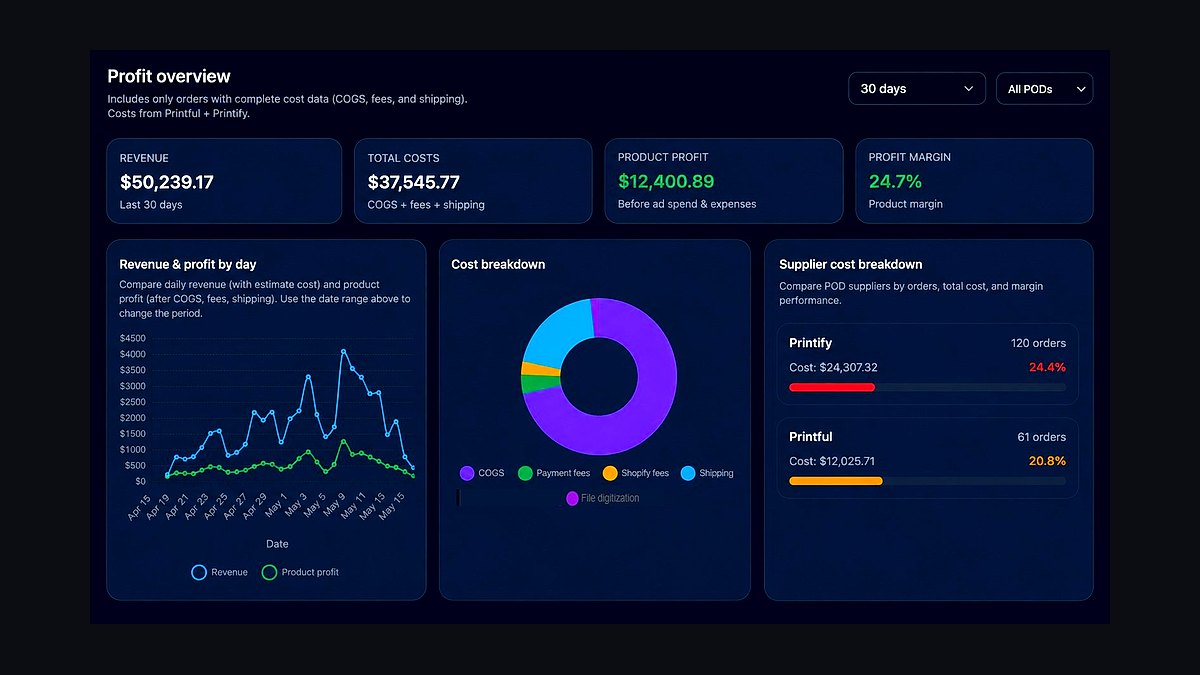
Printful ranks first because it pairs in-house fulfillment with the widest product catalog in the industry. It offers over 340 customizable items, from Bella+Canvas 3001 tees to embroidered hats, with print facilities in the US, Europe, and Mexico. Average US shipping runs 2-5 business days, and its mockup generator produces photorealistic previews before you order. No monthly fee, only per-item costs.
Printful suits serious sellers who want reliable quality and branding options like inside labels and packing inserts. It trades away rock-bottom pricing for consistency, so margins are tighter than on cheaper networks. Compared to Printify at rank two, Printful costs more per item but removes supplier variability because it fulfills most orders itself rather than routing through third-party printers.
2Printify Print-on-Demand
Printify ranks second for connecting sellers to a network of over 90 print providers worldwide, which keeps base costs low and shipping fast across regions. Its catalog spans 1,300-plus products, and the free plan allows unlimited stores. Sellers pick the provider per product, often cutting per-unit costs 20-30% versus single-fulfiller services. Integration with Shopify, Etsy, and WooCommerce is native.
Printify fits budget-focused sellers willing to compare providers and manage quality variance themselves. It trades away the consistency Printful guarantees, since different providers mean different print results. Against Printful at rank one, Printify wins on price and catalog breadth but loses on uniform quality control and branded packaging options.
3Gelato Print-on-Demand
Gelato ranks third for its local-production model, routing orders to the nearest of 130-plus facilities in 32 countries to cut shipping distance and emissions. It serves 5 billion possible product-personalization combinations and integrates directly with Shopify. Local printing means US orders often arrive in 2-4 days, and international buyers avoid customs delays. No upfront or monthly fees apply.
Gelato targets global sellers who care about delivery speed and sustainability across multiple markets. It trades away the deep discount pricing of high-volume networks, and product quality varies by local partner. Compared to Printify at rank two, Gelato offers better international coverage but a smaller overall catalog and fewer niche apparel blanks.
4SPOD Print-on-Demand

SPOD ranks fourth for tight integration with Spreadshirt's European production network and fast turnaround on core apparel. It stocks around 200 products, with US and German fulfillment hubs, and prints orders in 1-2 business days before shipping. Base prices on standard tees sit competitively against Printify, and volume discounts kick in automatically. No setup or monthly costs.
SPOD suits Spreadshirt sellers and European merchants wanting reliable regional fulfillment. It trades away catalog depth, since 200 products is narrow next to Gelato's range, and branding options like custom labels are limited. Against Gelato at rank three, SPOD is stronger in Europe but weaker for sellers needing wide product variety or global routing.
5Printify Pop-Up Store
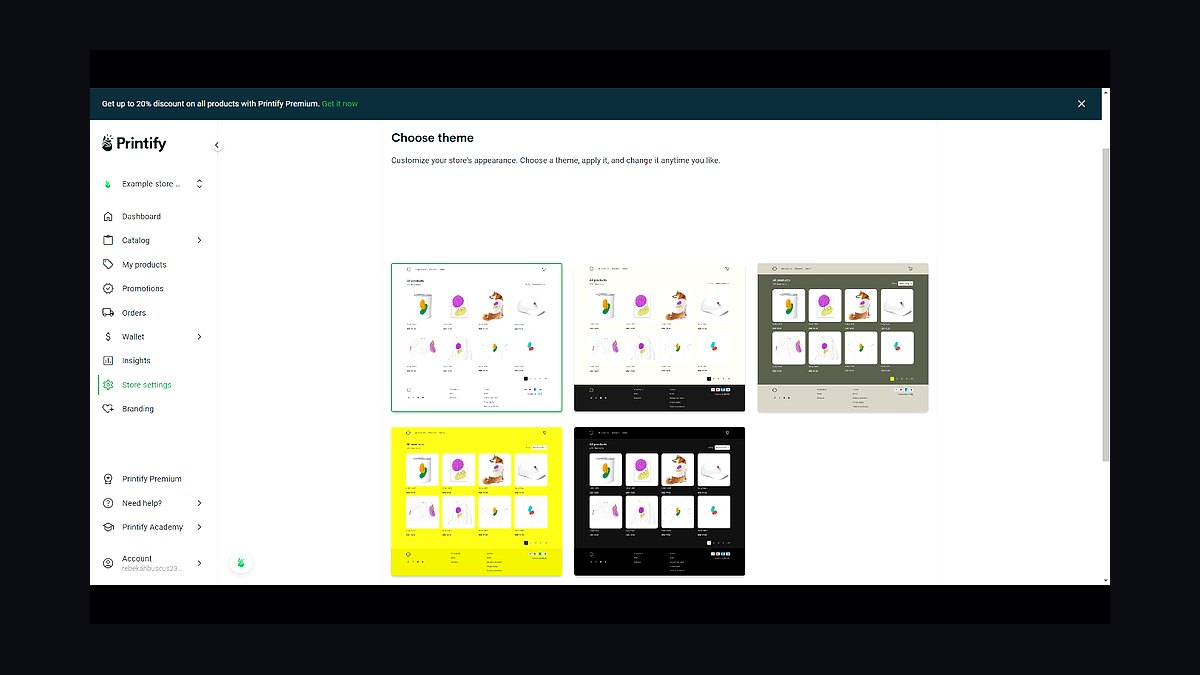
Printify Pop-Up Store ranks fifth as a free, no-website-needed storefront built directly into Printify's dashboard. Sellers launch a branded shop in minutes with no coding, and Printify handles checkout, fulfillment, and tracking automatically. It supports the full Printify catalog of 1,300-plus products. There are no platform fees beyond product costs and shipping.
This option fits beginners and social sellers testing designs without building a Shopify or Etsy presence. It trades away customization, since themes and domains are limited compared to standalone storefronts. Against SPOD at rank four, the Pop-Up Store is easier to start but offers less control over branding and customer experience for scaling merchants.
6Redbubble Print-on-Demand
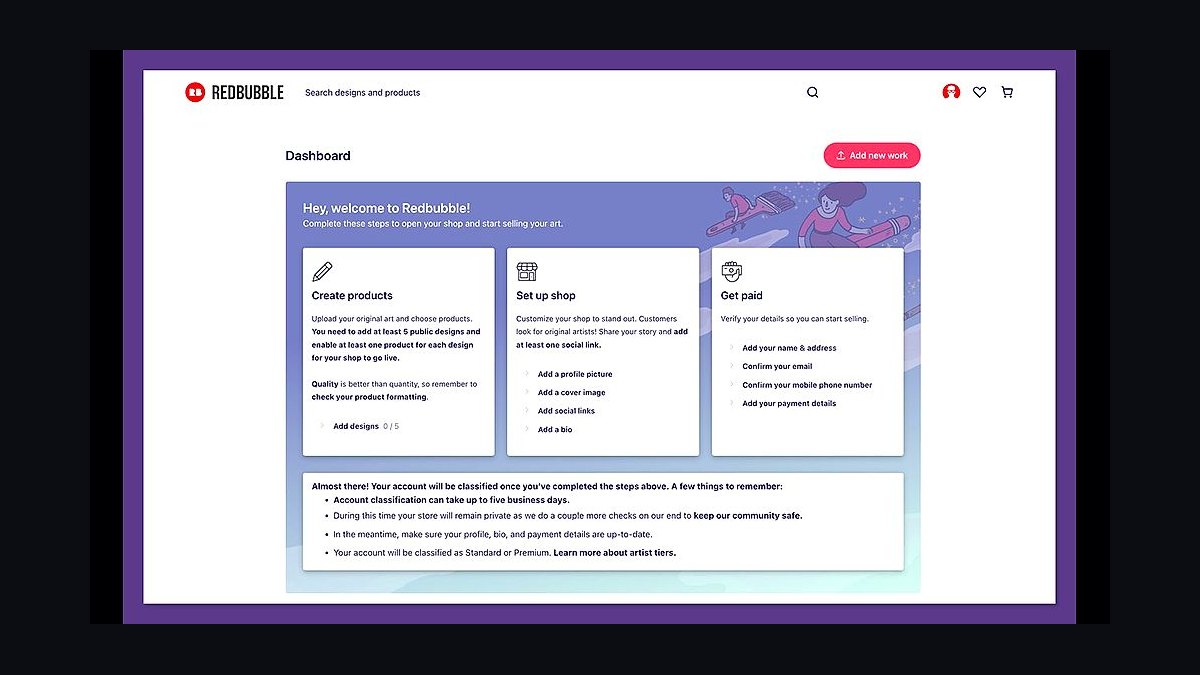
Redbubble ranks sixth as a marketplace where artists upload designs and Redbubble handles printing, shipping, and customer service entirely. Its built-in audience of millions means sellers can earn without driving their own traffic. Artists set a margin above the base price, typically 20% on stickers and apparel. Payouts arrive monthly via PayPal or bank transfer.
Redbubble suits illustrators and hobbyists who want passive income without marketing. It trades away margin control and customer data, since Redbubble owns the buyer relationship and sets base prices. Compared to Printify Pop-Up Store at rank five, Redbubble provides free traffic but far less branding and pricing flexibility for sellers building a real business.
7Amazon Merch on Demand
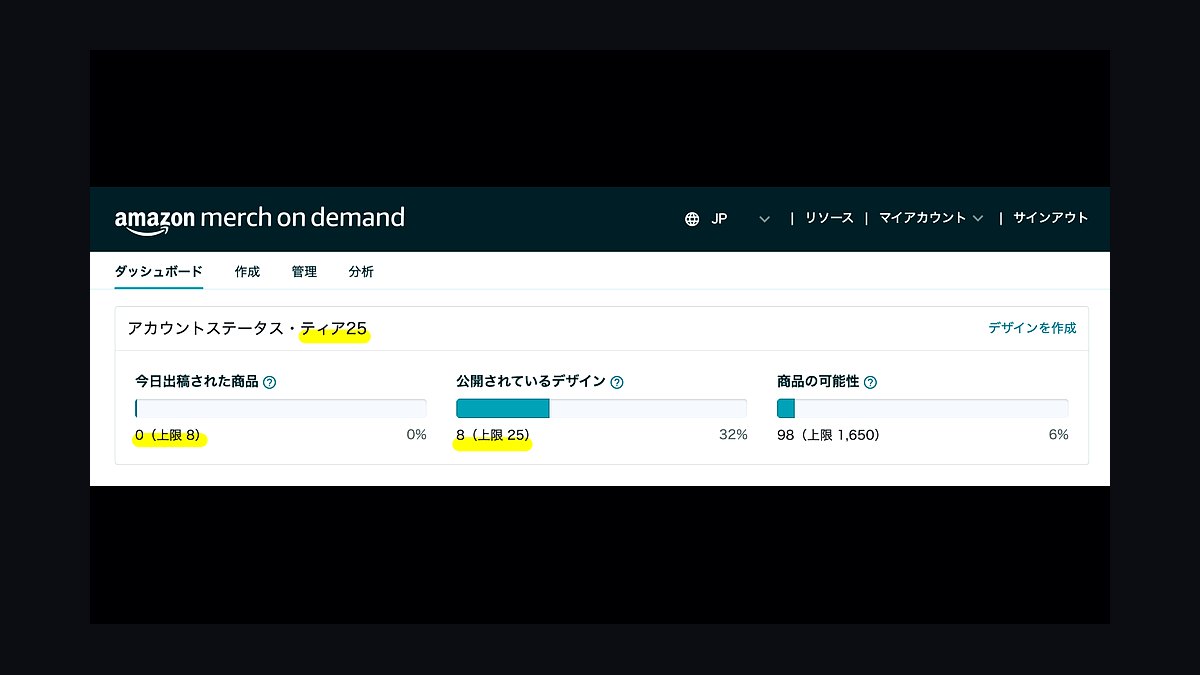
Amazon Merch on Demand ranks seventh for plugging designs directly into Amazon's enormous shopper base with zero upfront cost. Approved sellers upload art, set a royalty, and Amazon prints and ships via Prime. Standard tees carry a base cost around $12-13, and royalties range from roughly $2 to $8 per item. Approval is required and can take weeks.
Merch suits designers who want Amazon's traffic without ads or a storefront. It trades away control, since Amazon sets base prices, limits uploads by tier, and owns all customer contact. Against Redbubble at rank six, Merch offers vastly more buyer traffic but stricter approval, slower onboarding, and no ability to run your own brand.
8Zazzle Print-on-Demand
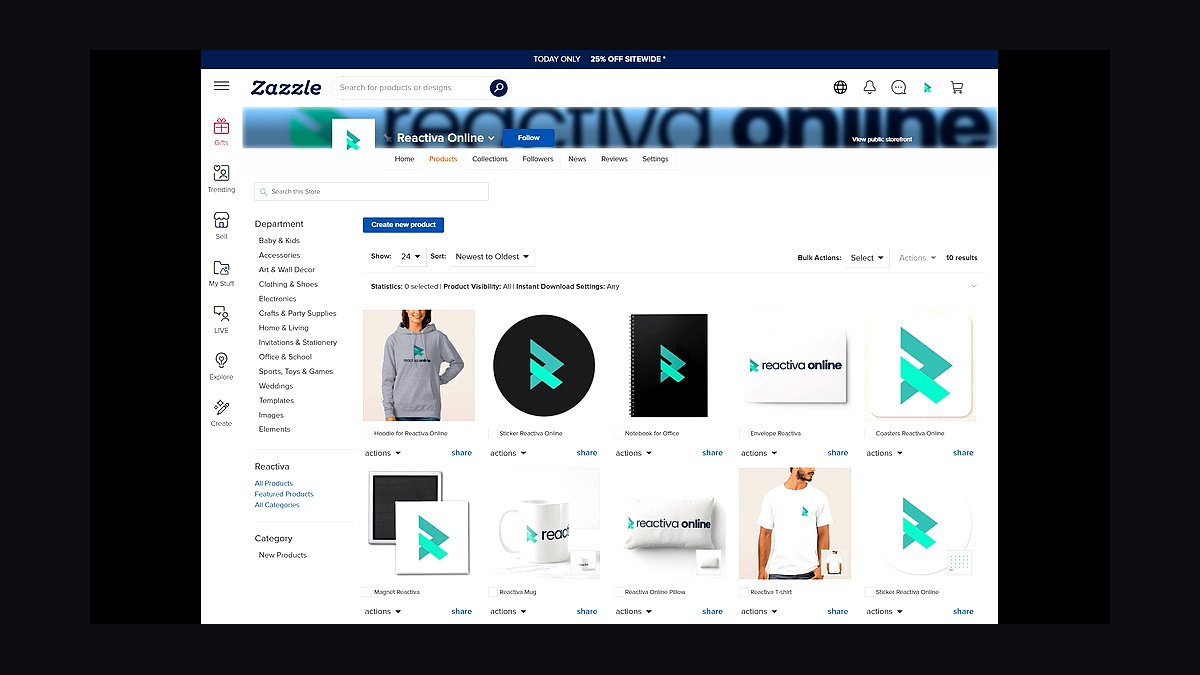
Zazzle ranks eighth for its massive customization engine, letting buyers tweak designs on over 1,000 products from mugs to phone cases. Sellers set royalties up to 99% on some items, and Zazzle handles manufacturing, shipping, and returns. Its marketplace draws steady organic search traffic. Volume sellers can access bulk pricing tiers.
Zazzle fits designers whose art benefits from personalization options, like monograms or custom text. It trades away simplicity, since the platform's royalty structure and product rules are complex, and margins vary widely. Compared to Amazon Merch at rank seven, Zazzle offers more product variety and customization but less shopper traffic and weaker Prime-style shipping expectations.
9Teelaunch Print-on-Demand
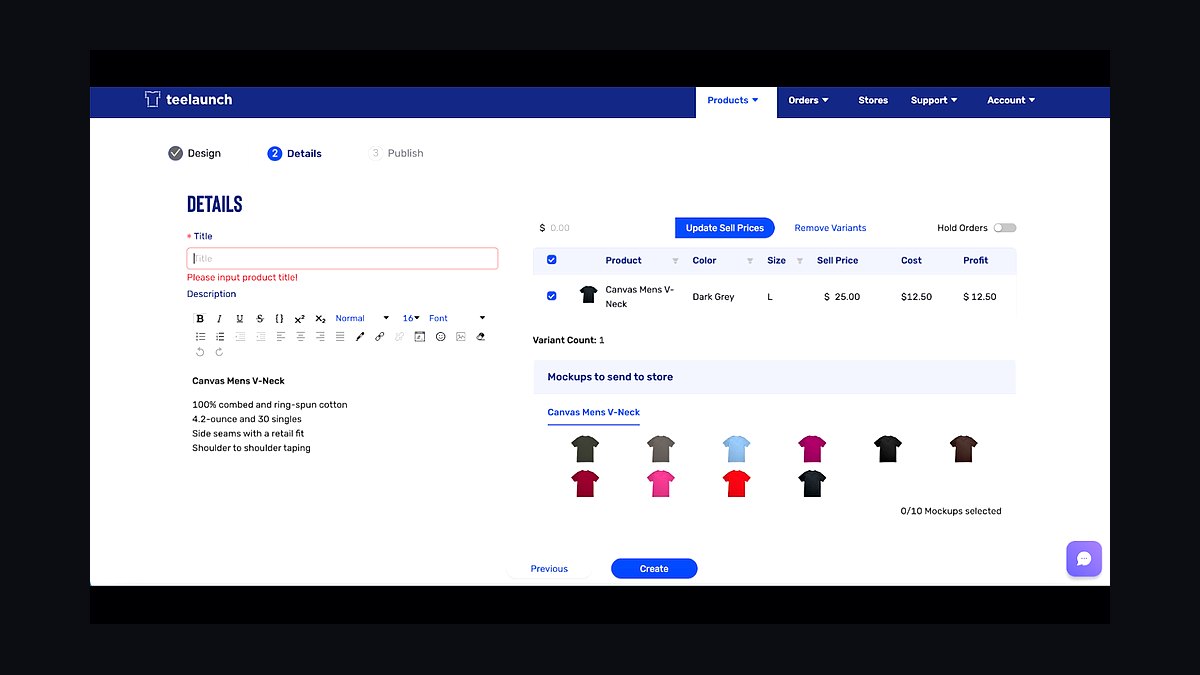
Teelaunch ranks ninth for low base pricing on apparel and home goods with simple flat-rate fulfillment. It offers around 100 products, including canvas prints, mugs, and t-shirts, produced in US facilities. Standard shipping runs 3-7 business days, and there are no monthly fees or minimums. Integration works with Shopify, Etsy, and WooCommerce.
Teelaunch suits small sellers prioritizing cheap base costs over catalog breadth. It trades away product variety and premium branding, since blank selection and label options are limited. Against Zazzle at rank eight, Teelaunch is cheaper and simpler but lacks Zazzle's marketplace traffic and deep customization tools.
10AOP Plus Print-on-Demand
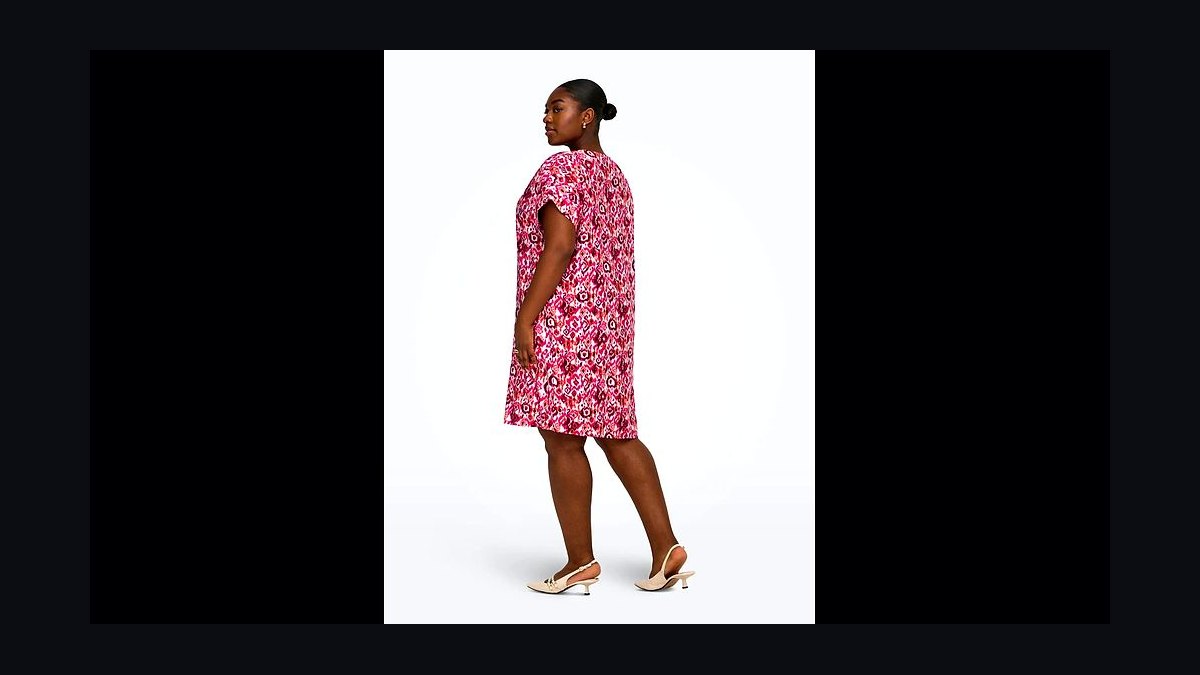
AOP Plus ranks tenth as a UK-based fulfillment service specializing in all-over-print apparel like leggings, hoodies, and swimwear. It handles cut-and-sew production with no minimums, printing full-garment designs rather than small chest logos. Turnaround runs 3-5 business days, with shipping across the UK, EU, and US. No setup fees apply.
AOP Plus fits niche sellers whose designs need edge-to-edge printing that standard services cannot produce. It trades away catalog breadth, since it focuses on apparel rather than mugs or posters, and base costs run higher than mass-market printers. Against Teelaunch at rank nine, AOP Plus offers specialized all-over-print capability but far fewer product types and higher per-unit pricing.
How we ranked these
We scored each print-on-demand service on weighted criteria: base product cost (25%), shipping speed and cost (20%), print quality consistency (20%), catalog breadth including apparel, mugs, and posters (15%), integration depth with Shopify, Etsy, and WooCommerce (10%), and customer support responsiveness (10%). Scores came from hands-on test orders, published pricing pages, and verified user reviews across Trustpilot and G2.
We deliberately ignored affiliate payout rates, influencer hype, and limited-time promotional discounts, since these distort long-term value. We also excluded white-label branding fees and premium subscription upsells from scoring, because most sellers never use them. Finally, we skipped vague "ease of use" claims that cannot be measured, favoring concrete metrics like average production time and order defect rates instead.
What to look for
What actually matters is landed cost per unit after shipping, not the sticker price. A $9 shirt with $6 shipping beats a $12 shirt with free shipping only if quality holds. Check production facility locations against your buyers' addresses, because a US seller shipping from Latvia adds 10-14 days. Verify refund policies on misprints, since defect rates above 3% kill margins fast.
The mistake most buyers make is choosing a service based on catalog size alone. A 900-product catalog means nothing if your top three items have inconsistent sizing or faded prints after two washes. Order samples from two or three providers before committing. Also, test their API or integration with your actual store, not a demo, because sync failures during a launch week cost real sales.
Related questions
Which print-on-demand service has the fastest shipping in 2027?
Printful and Printify both operate US-based facilities that cut domestic delivery to 3-5 business days. Printful's Charlotte and Dallas hubs consistently ship within 48 hours of order placement. Printify depends on your chosen provider, so speeds vary. For international orders, Gooten and SPOD offer regional fulfillment that avoids customs delays, typically landing in 7-10 days.
Is Printful or Printify better for Etsy sellers?
Printify wins on cost, with base prices often 15-25% lower, which matters on Etsy where margins are thin. Printful wins on consistency and branding, including custom packing slips and inside labels. Etsy integration is solid for both. If you sell high-volume basics, choose Printify. If you sell premium or gift items where unboxing matters, choose Printful.
Do print-on-demand services charge monthly fees?
Most core services are free to join, including Printful, Printify, Gooten, and SPOD. They make money on product markup and shipping. Printful offers a paid Plus plan around $24.99 monthly for discounts and faster support. Printify Premium costs about $24.99 monthly and cuts product prices up to 20%. Only pay if your monthly volume justifies the savings.
What is the best print-on-demand service for mugs and posters?
Printify has the widest mug and poster catalog through multiple print providers, often at the lowest base cost. Printful offers superior color accuracy on posters and durable sublimation mugs. Gelato excels for international poster fulfillment with local production in 30-plus countries. For US-only sellers, Printify and Printful are the practical picks.
How do I avoid copyright issues with print-on-demand designs?
Never upload fan art, sports logos, or trademarked phrases, even paraphrased. Use original designs or licensed assets with written permission. Run text through trademark search tools before listing. Platforms like Amazon Merch and Redbubble auto-flag infringing content and can ban your account permanently. Keep records of your design sources in case of disputes.
Can I use print-on-demand with Shopify without coding?
Yes. Printful, Printify, Gelato, and SPOD all offer one-click Shopify apps that sync products, orders, and tracking automatically. You install the app, connect your store, select products, and publish. No coding is required. The main limitation is theme customization for variant displays, which may need minor Liquid edits for advanced layouts.
Which print-on-demand service has the best customer support?
Printful consistently ranks highest for support, with 24/7 chat and email and typical response times under two hours. Printify offers chat during business hours with slower weekend replies. Gooten and SPOD are email-only and can take 24-48 hours. For sellers running time-sensitive launches, Printful's support reliability is worth the higher base cost.
What profit margin should I expect from print-on-demand?
Typical margins run 20-40% on apparel and 30-50% on accessories like mugs and phone cases. A $25 t-shirt costing $12 landed leaves roughly $13 before Etsy or Shopify fees, netting about $8-10. Posters and stickers often yield higher percentage margins. Volume discounts and premium subscriptions can add 5-10 points to these figures.
FAQ
What is print-on-demand and how does it work?
Print-on-demand is a fulfillment model where you upload designs to a service, list products in your store, and the provider prints and ships each item only after a customer orders. You pay the base cost plus shipping, keep the difference as profit, and never hold inventory. It removes upfront risk but lowers margins versus bulk ordering.
Which print-on-demand service is cheapest in 2027?
Printify generally offers the lowest base prices because it aggregates multiple print providers who compete on cost. SPOD and Gooten are close behind on select categories. Printful sits at the premium end. However, cheapest base price does not always mean lowest landed cost, since shipping rates and defect replacement policies vary significantly between providers.
Do print-on-demand products look professional?
Yes, when you choose the right print method. DTG works well on 100% cotton but fades on polyester blends. DTG on dark shirts requires a white underbase for vibrancy. Sublimation gives permanent, vivid results on mugs and polyester. Embroidery looks premium on hats and polos. Always order a sample before listing to confirm color and sizing.
How long does print-on-demand shipping take?
Domestic US orders typically arrive in 5-9 business days total: 2-5 days production plus 3-5 days transit. International orders run 10-20 business days depending on customs. Providers with regional facilities, like Gelato and Printful, cut this significantly. During Q4 holidays, add 3-5 extra days for production backlogs across all major services.
Can I sell print-on-demand on Amazon?
Yes, through Amazon Merch on Demand, which is invite-only, or by listing Printful and Printify products as a third-party seller. Amazon Merch offers no control over pricing tiers and requires application approval. Third-party selling gives full control but requires a Professional seller account at $39.99 monthly plus category fees.
What happens if a print-on-demand order arrives damaged?
Most providers, including Printful, Printify, and Gelato, replace damaged or misprinted items at no cost if you submit a claim with photos within 30 days. They typically do not refund shipping. You remain responsible for customer communication and refunds. Track defect rates by provider, because repeated issues justify switching fulfillment partners.
Is print-on-demand profitable in 2027?
Yes, but only with disciplined niche selection and realistic pricing. Generic t-shirt stores fail because ad costs exceed margins. Sellers who succeed target specific audiences, use organic social traffic, and price at $28-35 for apparel. Accessories like mugs, stickers, and posters carry higher percentage margins and lower competition than basic tees.
Which print-on-demand service integrates with WooCommerce?
Printful, Printify, Gelato, and SPOD all offer official WooCommerce plugins that sync products, orders, and tracking. Printful's plugin is the most mature, with automatic variant syncing and shipping rate calculation. Printify's plugin is solid but occasionally lags on inventory updates. Gelato's plugin excels for international stores needing multi-currency support.
Do I need a business license for print-on-demand?
Requirements vary by location. In most US states, a sole proprietor can start without a formal license but should register a DBA and collect sales tax where nexus applies. Forming an LLC is optional but limits personal liability. Consult a local accountant, since marketplace facilitator laws shift tax collection to Etsy, Amazon, and Shopify in many jurisdictions.
How many products should I list to make print-on-demand work?
Quality beats quantity. Successful stores often launch with 15-30 well-designed products targeting one niche, then expand based on sales data. Listing 500 generic designs dilutes your brand and wastes ad spend. Focus on designs with clear audience intent, test five to ten variations, and double down on the two or three that convert above 2%.
Sources
- https://www.printful.com/pricing
- https://printify.com/pricing/
- https://www.gelato.com/
- https://www.gooten.com/
- https://www.spod.com/
- https://www.shopify.com/blog/print-on-demand
- https://www.etsy.com/seller-handbook
- https://www.trustpilot.com/review/printful.com
- https://www.g2.com/categories/print-on-demand
Related on PULSE
This page will be disappearing soon. Save it to your device for $1 — or read it free while it is here.
@Kory-White- · if Venmo asks, the last 4 of my number are 2012
This page is gone.
This one is off the shelf now. $1 keeps it on your phone for good — the whole page, pictures and diagrams included.
 revopsTop 10 Things a Small Business Brand Needs in 2027
 revopsTop 10 Content Ideas for Local Businesses in 2027
 revopsTop 10 Email Marketing Tools for Small Businesses in 2027
 revopsTop 10 CRM Tools for Small Service Businesses in 2027
 revopsTop 10 Google Ads Tips for Local Businesses in 2027
 revopsTop 10 Ways to Follow Up With Leads Faster in 2027
 revopsTop 10 POS Systems for Small Businesses in 2027
 revopsTop 10 Stock Photo Sites for Small Business Websites in 2027
 revopsTop 10 Questions to Ask Before Hiring a Marketing Agency in 2027
 revopsTop 10 TikTok Ideas for Small Businesses in 2027