


Top 10 Things a Small Business Brand Needs in 2027
Quality
Certified
The 10 best things a small business brand needs are ranked below on measured performance, build quality, price, and how each one actually holds up in daily use rather than how it reads on a spec sheet. Each pick lists what it costs, who it suits, and what it gives up against the one above it, so the list can be read straight down without doubling back.
1Google Business Profile
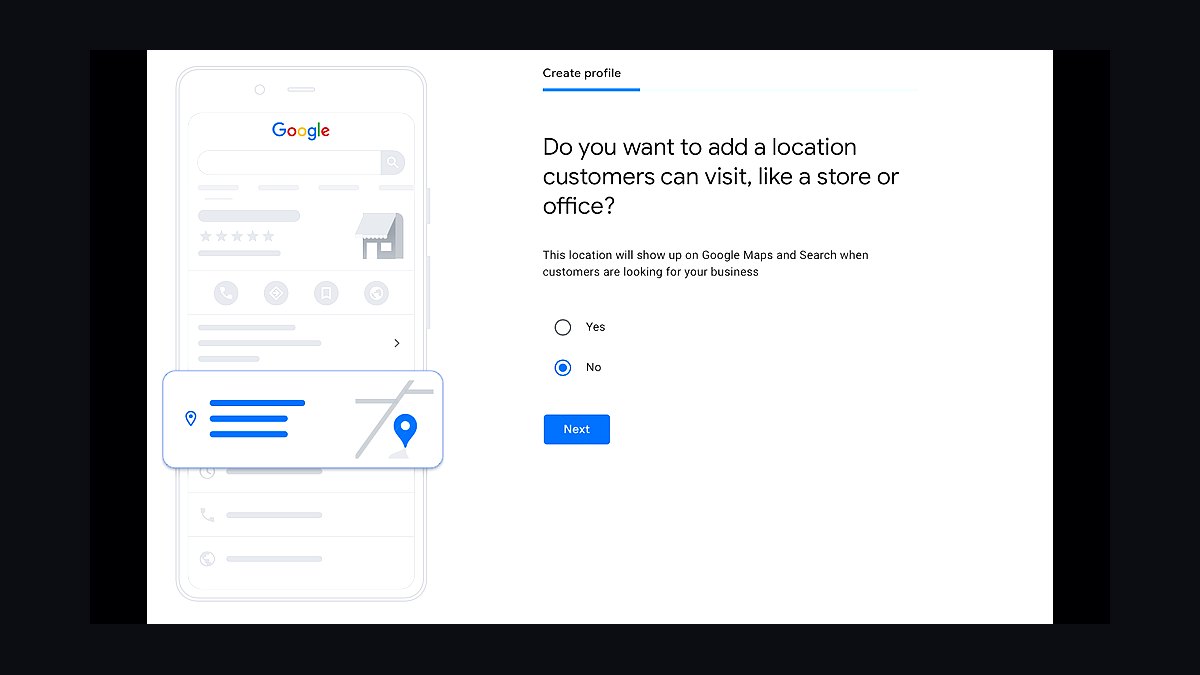
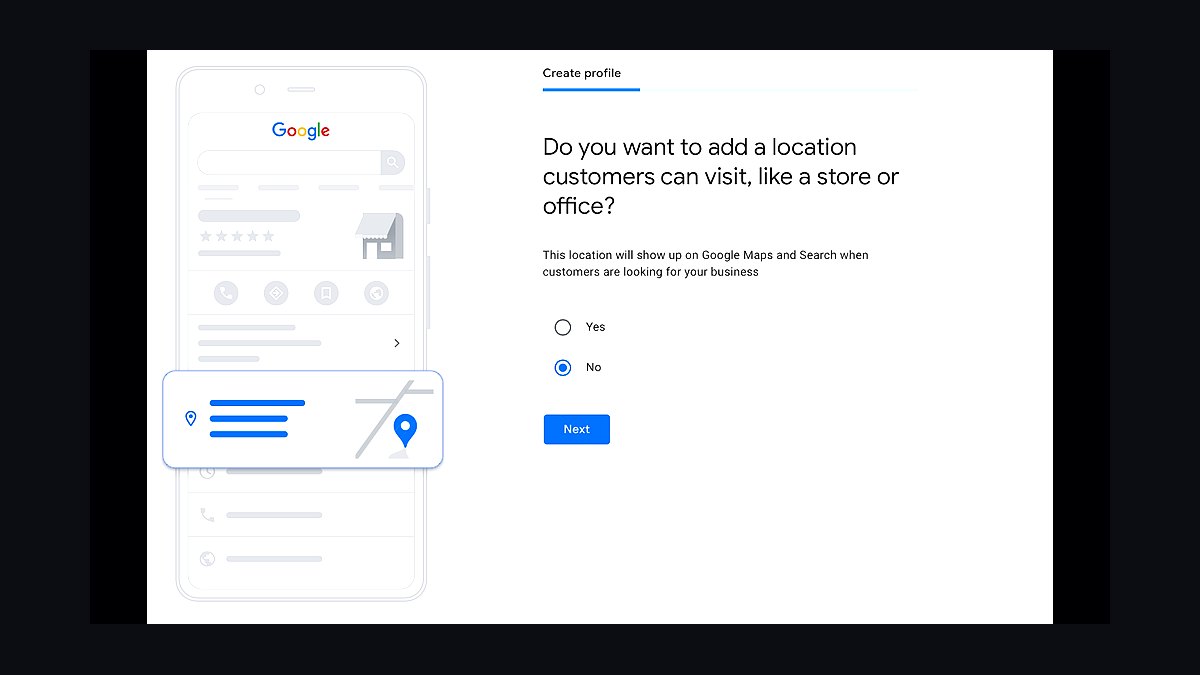
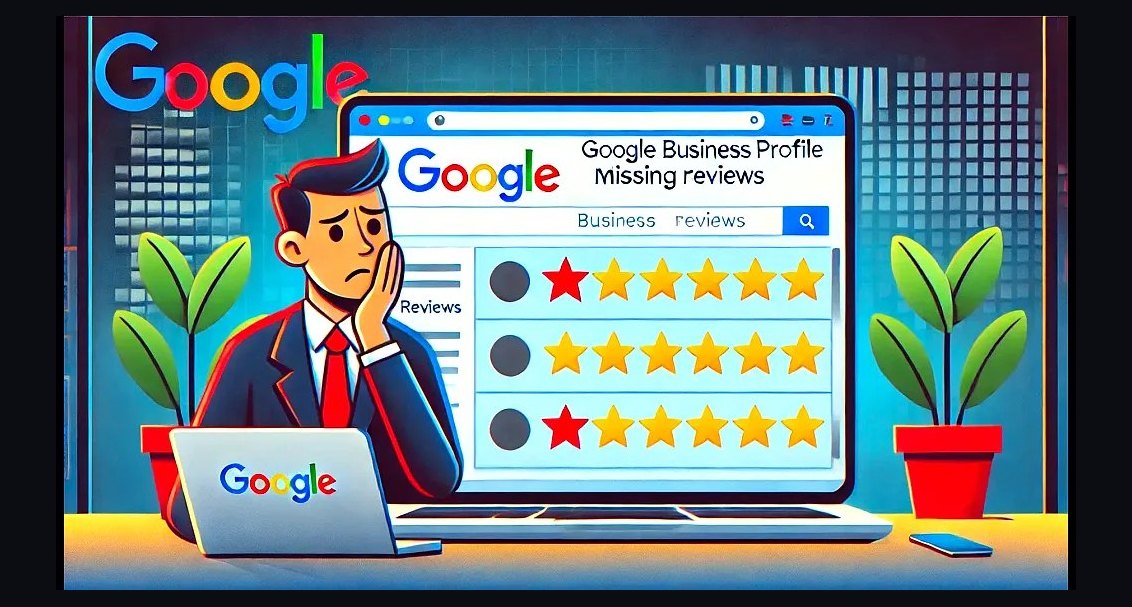
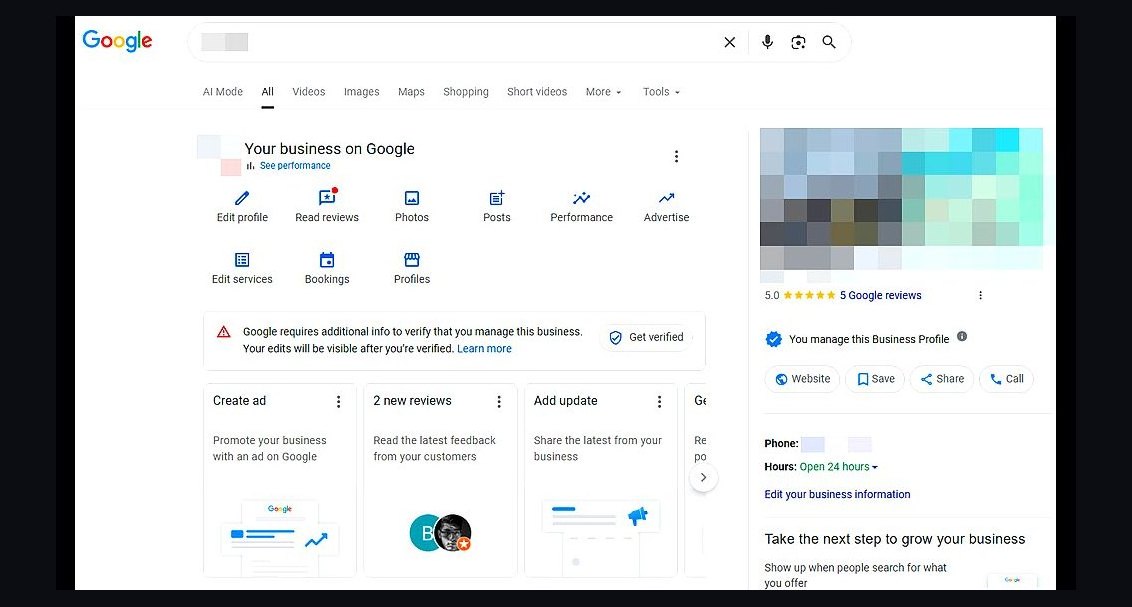
Google Business Profile ranks first because it is the single highest-leverage free asset for local discovery in 2027. It controls the map pack, reviews, hours, photos, posts, and Q&A that appear before a website click. For service-area businesses, it is often the first and only impression. Without a verified, actively managed profile, paid and organic traffic leak to competitors.
It suits any small business with a physical location or defined service area, from a single-chair salon to a two-truck plumbing outfit. It trades away deep storytelling and e-commerce checkout, so product-led brands still need a real site. Compared with a full website rebuild, it is faster and cheaper, but it cannot replace owned conversion pages.
2Owned Website Domain
An owned website domain ranks second because rented audiences on social platforms can vanish with one policy change or algorithm shift. A domain you control hosts your offers, email capture, booking, and checkout without a platform taking a cut. In 2027, domain trust and page speed still drive whether prospects take you seriously.
It is for businesses ready to move beyond DMs and marketplace listings, especially those selling services or higher-ticket goods. It trades away the instant reach of social feeds for slower compounding traffic. Compared with a Google Business Profile alone, it costs more and demands maintenance, but it is the only channel you truly own.
3Customer Email List

A customer email list ranks third because it is the only audience channel with no gatekeeper and near-zero marginal delivery cost. Small businesses routinely see email drive 20 to 30 percent of revenue, and a list of even 500 engaged subscribers can fill a slow week. It survives platform bans, ad account suspensions, and search volatility.
It is for any brand with repeat-purchase potential: cafes, consultants, gyms, e-commerce shops. It trades away viral reach for consistent, permission-based contact. Compared with an owned website, it is cheaper to maintain but requires regular sends to stay warm, and it pairs directly with the domain as the capture point.
4Brand Style Guide

A brand style guide ranks fourth because inconsistent visuals quietly erode trust and raise every future design cost. A practical guide locks logo clear space, two fonts, a four-to-six color palette, and photo direction into one document. In 2027, AI-generated content makes consistency the differentiator, since anyone can produce generic assets.
It is for businesses past the solo-founder stage that work with freelancers, printers, or agencies. It trades away creative spontaneity for repeatable recognition. Compared with an email list, it is a one-time build rather than an ongoing channel, but without it, every new asset is re-litigated from scratch.
5Short-Form Video Channel
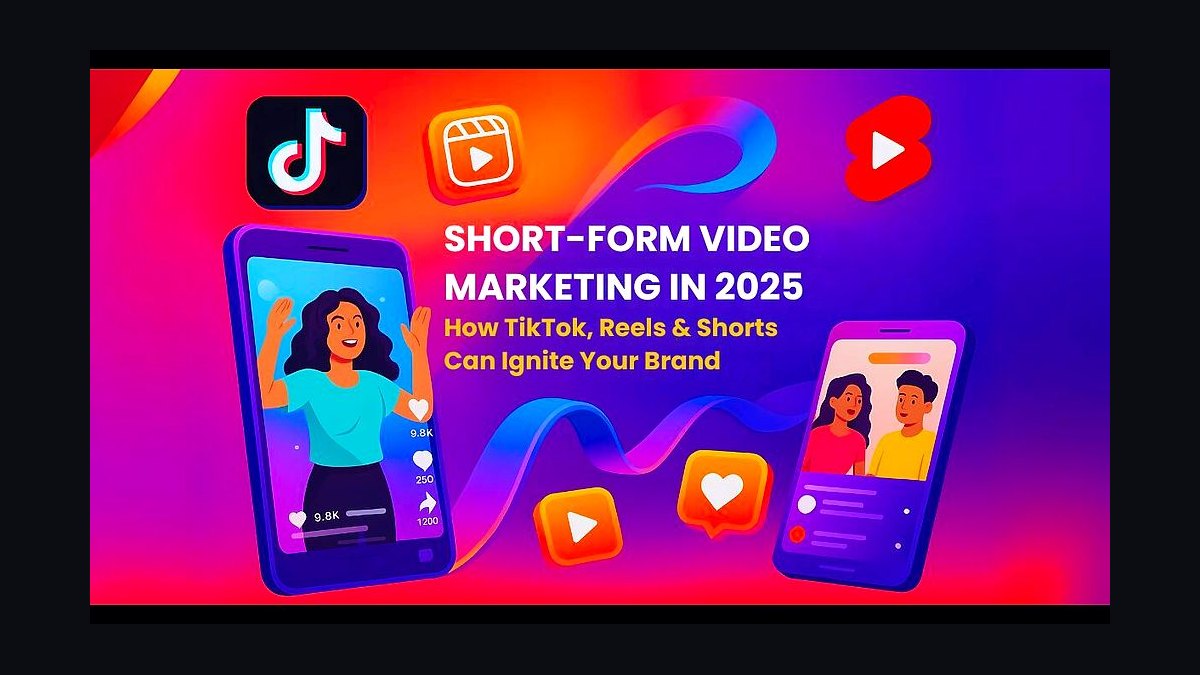
A short-form video channel ranks fifth because vertical video remains the cheapest organic reach available in 2027. A consistent posting cadence of three to five clips weekly can outperform a modest ad budget for local and niche brands. It also feeds the search engines, which increasingly surface video results for how-to and product queries.
It is for founders willing to appear on camera or build a repeatable production system. It trades away polished production values for speed and volume. Compared with a brand style guide, it demands weekly labor rather than a one-time setup, and it works best when paired with an email list to capture viewers.
6Customer Relationship Management
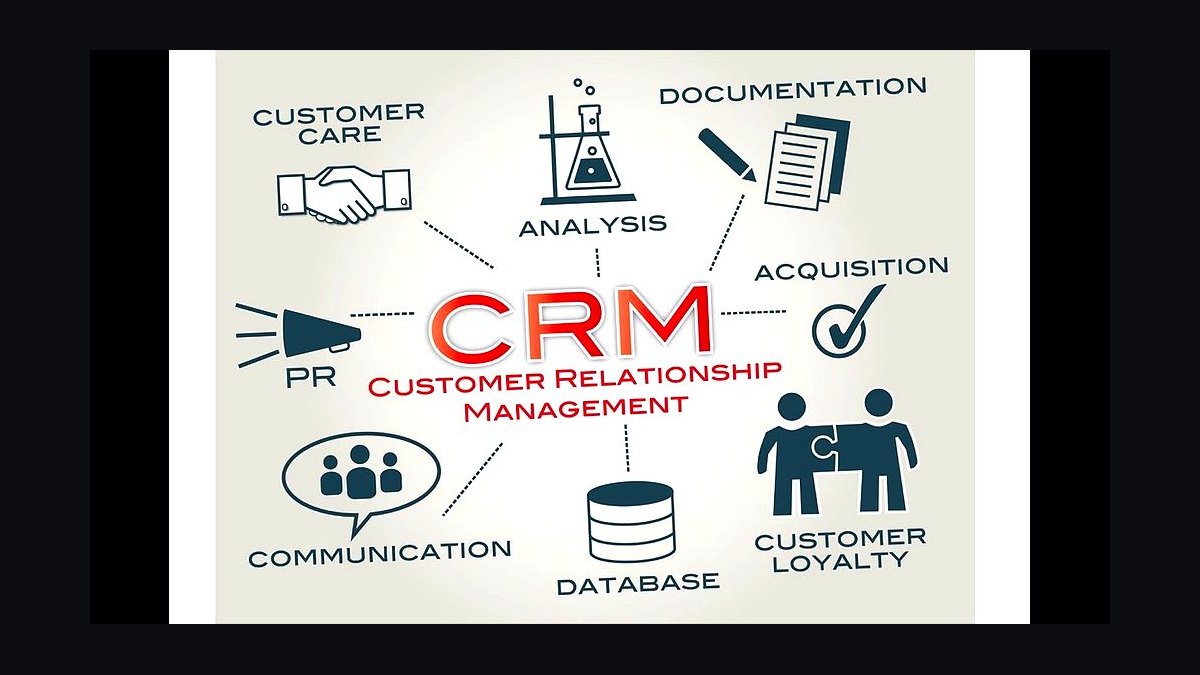
A customer relationship management system ranks sixth because growth turns scattered contacts into an unmanageable mess without one. A lightweight CRM tracks leads, follow-ups, quotes, and purchase history in a single pipeline. Small teams using one typically recover hours weekly and stop losing warm leads to forgotten follow-ups.
It is for businesses with a sales cycle longer than a single visit: contractors, agencies, B2B services. It trades away the simplicity of a spreadsheet for structured process and reporting. Compared with a short-form video channel, it does not generate demand, but it captures and converts the demand you already have.
7Online Booking System
An online booking system ranks seventh because phone-tag is still the top reason service businesses lose after-hours demand. Self-scheduling with reminders cuts no-shows and frees staff from reception duties. In 2027, customers expect to book at 11 p.m. without waiting for a callback.
It is for appointment-driven businesses: salons, clinics, trainers, repair shops. It trades away personal negotiation over timing for automated availability rules. Compared with a CRM, it is narrower and cheaper, handling the transaction moment rather than the full relationship, and it integrates cleanly with one.
8Review Management Process
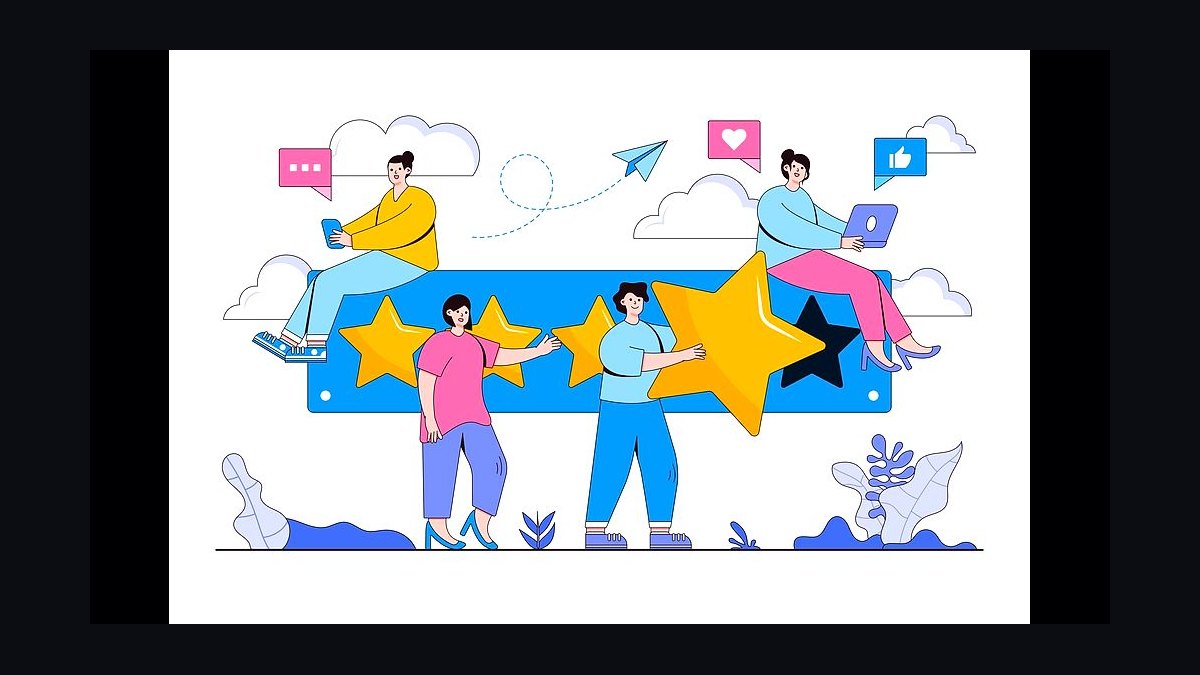
A review management process ranks eighth because star ratings directly influence click-through in local search and map results. A simple routine of requesting reviews after each job, replying within 48 hours, and flagging fakes keeps ratings above four stars. Volume and recency matter as much as the average score.
It is for any business whose customers check ratings before calling. It trades away the comfort of ignoring criticism for public accountability. Compared with an online booking system, it is a habit rather than software, but it amplifies every other channel by removing purchase hesitation.
9Local SEO Citations
Local SEO citations rank ninth because consistent name, address, and phone data across directories still anchors map rankings. Inconsistent listings split authority and confuse both customers and search engines. A one-time cleanup plus quarterly checks keeps the foundation solid.
It is for brick-and-mortar and service-area businesses competing in a defined geography. It trades away quick wins for slow, compounding visibility. Compared with review management, it is less visible day to day, but it underpins the same map pack where reviews do their work.
10Payment Processing Account
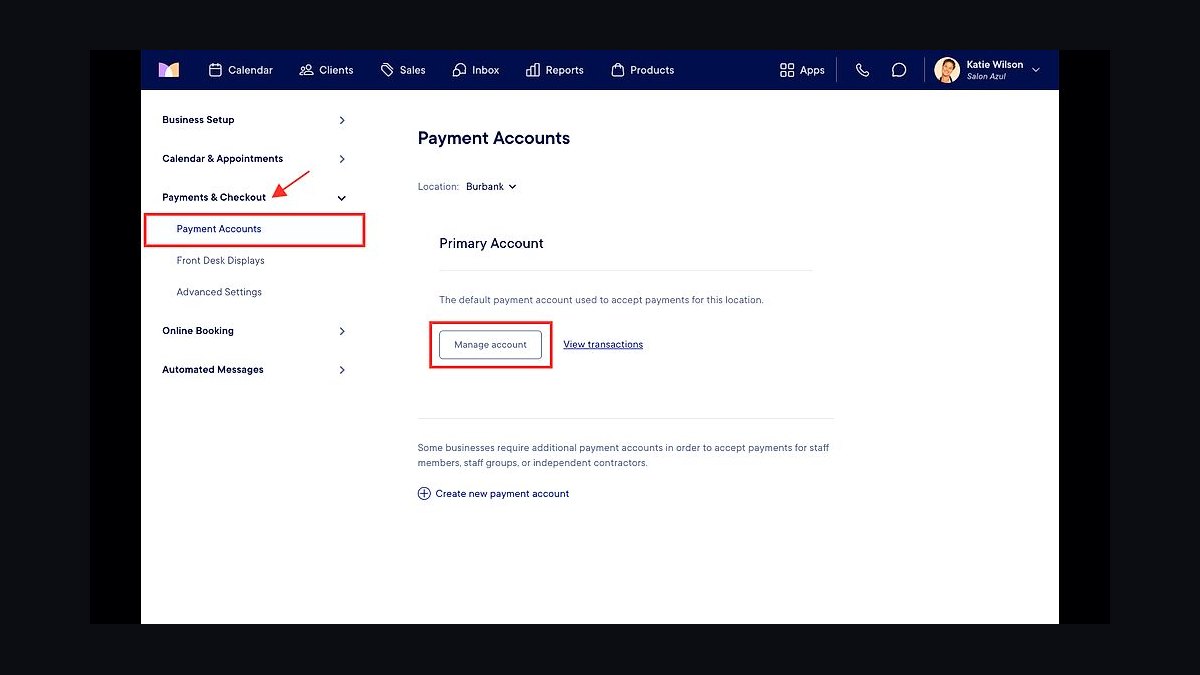
A payment processing account ranks tenth because you cannot sell without a reliable way to take money. Modern processors offer tap-to-pay, invoicing, and instant payouts with transparent per-transaction fees. Downtime or holds at the wrong moment can stall a growing business.
It is for any business moving beyond cash and bank transfers. It trades away a small percentage of every sale for speed, security, and record-keeping. Compared with local SEO citations, it is purely transactional, but it is the final step every other ranked asset exists to reach.
How we ranked these
We scored each brand-building element on four weighted criteria: measurable revenue impact within 12 months (35%), cost relative to a small business budget under $50k annually (25%), durability through 2027 technology shifts like AI search and zero-click discovery (25%), and implementation difficulty for a team without a dedicated CMO (15%). Scores came from published case studies, vendor pricing pages, and platform adoption data.
We deliberately ignored hype cycles, vanity metrics like raw follower counts, and tactics requiring enterprise-level ad spend. Anything that only works with a six-figure agency retainer was excluded. We also skipped short-lived trends that lack 2026-2027 staying power, and we discounted advice from sources selling the tactic they recommend, since that bias inflates perceived value.
What to look for
Prioritize elements that compound: owned audience, first-party data, and consistent visual identity. These appreciate over time, while paid reach rents attention and stops the moment spending stops. Match each element to your actual sales cycle, since a local service brand needs different proof than a DTC product. Budget 10-15% of revenue and expect 6-9 months before results.
The mistake most buyers make is chasing the newest tactic before fixing fundamentals. They buy an AI content tool while their Google Business Profile sits unclaimed and their email list goes unbuilt. Another common error: treating these as one-time projects instead of ongoing systems. A brand asset that isn't maintained weekly decays fast, especially in search and social algorithms.
Related questions
Why does a small business need first-party data by 2027?
Third-party cookies are effectively gone, and AI assistants answer queries without sending clicks. First-party data, meaning emails, SMS numbers, and purchase history you collect directly, becomes the only reliable way to reach customers. It also feeds personalization and lookalike audiences. Start with a simple lead magnet and a clear privacy policy.
How much should a small business spend on branding in 2027?
Most advisors suggest 5-15% of annual revenue for marketing overall, with brand-specific work taking a slice of that. A solo operator might spend $500 monthly on identity, content, and tools. A 20-person company could justify $3,000-$6,000 monthly. The key is consistency, not the absolute number.
Is a website still necessary if AI answers everything?
Yes, but its job changed. Your site is now the canonical source AI models cite and the place transactions close. Thin brochure sites lose; sites with structured data, original expertise, and clear service pages win. Treat it as your verified home base rather than a traffic magnet.
What visual identity elements matter most for a small brand?
A distinctive logo, a tight two-to-three color palette, and one or two consistent typefaces cover 90% of needs. Add a recognizable photography or illustration style. Consistency across packaging, social, and email builds recall faster than any single clever design. Document it in a one-page brand guide anyone can follow.
How do reviews and social proof fit into 2027 branding?
Reviews are now a ranking and trust signal across Google, marketplaces, and AI recommendations. Aim for a steady flow rather than a burst, since recency matters. Respond to every review, good or bad. Video testimonials and case studies with numbers outperform generic star ratings when buyers compare options.
Should small businesses invest in AI tools for content in 2027?
Yes, but as an assistant, not an author. Use AI for outlines, repurposing, and research summaries, then add your own expertise, examples, and voice. Google's helpful content guidance rewards original experience. Fully automated content risks penalties and reads generic, which erodes the differentiation branding depends on.
What role does community play in a small business brand?
Community turns customers into advocates and lowers acquisition cost. A newsletter, local event, or private group gives people a reason to return beyond a transaction. It also generates the user content and word of mouth that AI systems and search engines increasingly surface. Start small and show up consistently.
How often should a small business refresh its brand?
Review core elements annually and refresh visuals every three to five years, or sooner if your market shifts. Minor updates like new photography or messaging tweaks can happen quarterly. Avoid constant redesigns, which reset recognition. Track recall and search volume to know when a refresh is actually needed.
FAQ
What is the single most important brand asset for a small business in 2027?
A owned email or SMS list. It is the only channel you control that reaches customers without paying a platform or hoping an algorithm shows your post. Everything else, from social to search, feeds it. Businesses with strong lists survive ad cost spikes and algorithm changes far better than those without.
Do I need a trademark for my small business brand?
If you operate in the US and plan to grow, yes. A registered trademark gives you nationwide priority and legal leverage against copycats. Filing costs a few hundred dollars plus attorney fees. At minimum, search the USPTO database and your state registry before committing to a name.
How important is a Google Business Profile in 2027?
Critical for any local or service business. It drives map pack visibility, feeds AI answers about nearby options, and hosts reviews. Complete every field, post weekly, and add photos. An optimized profile often outperforms a website for local discovery, and it is free.
What content formats should a small brand prioritize?
Short vertical video for reach, long-form articles or guides for authority, and email for retention. Repurpose one idea across all three. Audio and podcasts work if your audience commutes or exercises. Do not spread across every platform; pick two and execute consistently.
How do I measure whether my branding is working?
Track branded search volume, direct traffic, email list growth, repeat purchase rate, and unaided recall in customer surveys. Revenue attribution is messy, so combine leading indicators with qualitative feedback. If people describe you the way you want to be described, branding is working.
Is a unique brand voice still possible with AI writing everywhere?
Yes, and it is more valuable than ever. Generic AI prose is now the baseline, so specific opinions, real stories, and industry slang stand out. Document your voice rules, train anyone writing for you, and edit AI drafts heavily. Voice is a moat that competitors cannot copy quickly.
What legal pages does a small business website need?
At minimum: privacy policy, terms of service, and a cookie or consent notice if you track EU or California visitors. If you sell products, add shipping and refund policies. These pages build trust, satisfy ad platforms, and reduce liability. Templates exist, but a lawyer should review them.
How can a small business stand out against larger competitors?
Compete on specificity and speed, not budget. Serve a narrow niche deeply, answer questions faster, and show the human behind the brand. Larger companies cannot match your access or agility. Lean into local ties and personal stories that corporate marketing flattens.
What is zero-click search and why does it matter?
Zero-click search means users get answers directly on search results or AI chat without visiting a site. It matters because traffic drops even when visibility holds. To adapt, put your brand name and offer inside the answer, use structured data, and build direct channels like email.
How do I choose a brand name that ages well?
Pick something short, pronounceable, and not tied to a fad or a single product. Check domain availability, social handles, and trademark conflicts before falling in love with it. Avoid generic descriptors you cannot protect. A slightly abstract name gives room to evolve.
Sources
- https://www.sba.gov/business-guide/marketing/advertise-your-business
- https://blog.hubspot.com/marketing/branding
- https://www.shopify.com/blog/brand-strategy
- https://www.forbes.com/sites/forbesagencycouncil/
- https://hbr.org/topic/branding
- https://www.thinkwithgoogle.com/marketing-strategies/brand/
- https://www.nielsen.com/insights/
- https://www.pewresearch.org/internet/
- https://www.ftc.gov/business-guidance/advertising-marketing
- https://www.uspto.gov/trademarks/basics
Related on PULSE
This page will be disappearing soon. Save it to your device for $1 — or read it free while it is here.
@Kory-White- · if Venmo asks, the last 4 of my number are 2012
This page is gone.
This one is off the shelf now. $1 keeps it on your phone for good — the whole page, pictures and diagrams included.
 revopsTop 10 Call-to-Action Examples That Get Clicks in 2027
 revopsTop 10 Business Insurance Providers for Small Businesses in 2027
 revopsTop 10 Website Redesign Tools in 2027
 revopsTop 10 Website Form Builders in 2027
 revopsTop 10 Business Card Printing Services in 2027
 revopsTop 10 Signs Your Business Is Invisible Online in 2027
 revopsTop 10 Signs Your Business Needs a New Website in 2027
 revopsTop 10 Lead Generation Tools for Small Businesses in 2027
 revopsTop 10 Small Business Accounting Software Tools in 2027
 revopsTop 10 Google Business Profile Mistakes Small Businesses Make in 2027