
How do I cancel my cell phone plan without losing my number in 2027?
 Curated by Kory White · Fractional CRO · Maryland
 PULSEKNOWLEDGE LIBRARY
To cancel your cell phone plan without losing your number, port that number to your new carrier before you cancel the old plan — never cancel first. Start the port at the new carrier using your old account number, PIN/port-out authorization code, and billing zip code; the transfer legally completes within one business day for wireless-to-wireless moves, and only after porting finishes should you confirm the old line is closed.
What it is and why it matters
Number porting is the process, mandated by the FCC's Local Number Portability rules, that lets you carry a phone number from one carrier to another instead of getting stuck with whatever new number a provider hands you. The rule exists because your number is functionally an identity: banks, two-factor authentication apps, clients, family contacts, and years of text threads are all tied to it. Losing it isn't just inconvenient — it can lock you out of accounts that use SMS verification, and it silently breaks every business card, resume, and listing that has your digits printed on it.
The mechanism matters because "canceling" and "porting" are two different actions that interact badly if done in the wrong order. Canceling terminates your service agreement and releases the number back into the carrier's pool after a grace period; porting reassigns the number to a different carrier's network while keeping it live the entire time. If you cancel your old plan first, the carrier may release the number for reassignment before you've initiated a port, and once that happens the number is gone — no carrier can port a number that no longer belongs to an active account. This is the single most common way people lose numbers "by accident," and it's entirely avoidable once you understand the sequencing.

The underlying reason this works at all is that the FCC requires all U.S. carriers — postpaid, prepaid, and most MVNOs (mobile virtual network operators like Mint Mobile, Visible, or Cricket that run on a host carrier's towers) — to support portability for both wireless and landline numbers, and to complete simple wireless-to-wireless ports within one business day. That single-day requirement is what makes it safe to overlap coverage for a short window: your old line stays active until the moment the port finishes, so you're never without service, and your new carrier automatically closes out the request with the old one on your behalf as part of the port.
The step-by-step process
The mechanics are the same regardless of which carrier you're leaving or joining, because they're standardized by the porting rules rather than left to each company's discretion. Before you do anything, gather four pieces of information from your current carrier: your full account number, the phone number(s) you're porting, your billing zip code, and a port-out PIN (sometimes called a port authorization code, PAC, or STAC depending on the carrier). Most carriers show the PIN in the account app or website under "profile" or "account settings"; if you can't find it, a single call to customer service — or in some cases a text to a designated short code — will generate one on the spot, usually valid for 24-72 hours.
Once you have those details, sign up for service with the new carrier and, during activation, choose "transfer my number" rather than "get a new number." You'll enter the account number, PIN, and zip code exactly as they appear on your old account — mismatches (like an old address on file versus your current billing zip) are the number one cause of rejected port requests. The new carrier submits the port request to the old one electronically. For a single wireless line moving to another wireless carrier, this typically completes in a few hours to one business day. Landline-to-wireless or business-line ports can take longer, sometimes 3-10 business days, because they route through additional carrier coordination.
During the port window, keep your old SIM or eSIM active and avoid making changes to the old account (don't cancel, don't change your plan, don't update the PIN). Your phone will show a brief service interruption — often just a few minutes to an hour — as the number cuts over from the old network to the new one; you may need to restart the device or reinsert/reactivate the SIM to force it to recognize the new network. Once the port completes, you'll get a confirmation text or email from the new carrier, and the old account is automatically converted to canceled or "ported out" status. At that point, and only at that point, you're safe to remove the old carrier's SIM, cancel any remaining features on that account, and confirm the final bill.
Costs, timelines, and typical ranges
Porting itself is free — carriers are prohibited from charging a dedicated "port-out fee" under FCC rules, though you should still budget for a few adjacent costs that catch people off guard. If you're still inside a device installment plan or contract with your current carrier, canceling triggers the remaining balance on the phone immediately; that can range from under $100 near the end of a 24-month plan to $800+ if you're only a few months in on a flagship phone. Some legacy postpaid plans also carry an early termination fee (ETF) separate from device payoff, typically $150-$350, though ETFs have become rare outside of a handful of contract-based regional carriers.
Timelines vary by the type of move. A straightforward postpaid-to-postpaid or prepaid-to-prepaid wireless port among major carriers (Verizon, AT&T, T-Mobile) or their MVNOs usually finishes in 1-4 hours during business hours, and by FCC rule no later than one business day. Ports initiated late in the day, overnight, or on a weekend may queue until the next business day even though the technical work takes minutes. Business or multi-line ports, where several numbers move together under one account, often take longer — commonly 1-3 business days — because each line is validated individually. International numbers, Google Voice numbers being ported in, and landline numbers moving to wireless carry the widest range, from same-day to about two weeks, since they may involve a different underlying carrier infrastructure (the landline "local exchange carrier" system works differently from wireless number databases).

Expect your final bill from the old carrier to include a prorated charge for the days you used service that billing cycle, plus any device balance if applicable — but not a fee for the port itself, and not a fee for canceling once the port has completed, since the carrier considers the number "ported out" rather than "canceled by request." If you paid for the current month in full before porting, most carriers do not refund unused days; a small number will prorate a refund if you ask, but it's not standard practice, so don't count on it when timing your switch around a billing cycle.
Where teams get it wrong
The most common and costly mistake is canceling the old line before the new line's port request is confirmed complete. People do this because they assume "port requested" and "port completed" are the same event — they aren't. A request can be submitted and still fail validation (wrong PIN, mismatched name on the account, zip code that doesn't match billing records), and if you've already canceled by the time that failure notice comes back, the number may already be in the carrier's reclaim queue with no guaranteed way to recover it. Always wait for the explicit "port complete" confirmation, not just the "port initiated" one, before you touch the old account.

A second frequent error is letting the old account lapse for non-payment mid-port, especially on prepaid lines. Prepaid numbers on a "pay as you go" or monthly-refill plan get suspended and eventually recycled if a bill is missed, and that suspension can happen independently of, and faster than, whatever port timeline you were expecting. If you're switching away from a prepaid carrier, keep the account funded and in good standing until you have the port confirmation in hand, even if that means paying for a cycle you don't plan to use.
A third mistake is porting a number tied to a family or shared plan without coordinating with the account holder. If you're a line on someone else's family plan, only the primary account holder (or someone with access to the PIN and account credentials) can authorize a port-out; attempting to switch without their involvement stalls the request indefinitely or gets it rejected outright. Related to this, business owners sometimes forget that a number registered as a "business line" requires the business name and authorized-signer details to match exactly what's on file, not just an individual's name — mismatches here are a leading cause of stalled multi-day ports.

Finally, people underestimate the SIM/eSIM handoff. If your new phone or new carrier uses eSIM and you deactivate or delete the old eSIM profile before the port finishes, you can end up with a window where neither the old nor new profile is fully active, causing a longer-than-expected outage. The safe order is: keep the old profile installed and active, receive the new carrier's SIM or eSIM activation, let the port complete, confirm calls and texts work on the new network, and only then remove the old profile from the device.
Decision framework: when to choose what
Not every cancellation-and-switch scenario calls for the same approach, and the right sequence depends on your specific situation. If you're moving from one active postpaid line to another and just want to keep the number, the standard port-then-cancel flow above is always correct — there's no scenario in that category where canceling first is safer or faster. If instead you're closing a business line, downsizing a family plan, or dropping a number you don't actually want to keep, you can skip porting entirely and just cancel outright, since the whole point of porting is preserving a number you intend to keep using.

If you're worried about a short overlap in cost — paying two carriers for a few days or weeks during the transition — weigh that against the risk of losing a number permanently. The overlap cost is typically the price of a partial month on a budget plan, often $10-$40, versus a number loss that's effectively unrecoverable and can mean re-issuing that digit string to every contact and service you use. In nearly every case the small overlap cost is the safer trade. If your current carrier offers to waive the final prorated charge in exchange for confirming your cancellation date up front, decline that offer until the port has completed — the fee waiver isn't worth the risk of the account closing early.
If you're on a landline number you want to move to a cell plan, or you have a Google Voice number you want to bring to a physical SIM, budget extra time (up to two weeks) and start the process well before any deadline, such as an apartment move-out date tied to the old landline account. If you're simply switching carriers but keeping your existing phone, confirm the phone is unlocked before initiating the port — a locked device tied to the old carrier can prevent the new SIM from being recognized even after the number itself has successfully transferred, which looks like a failed port but is actually a device-lock issue.

Related questions
Can I port my number after I've already canceled service?
Sometimes, but only within a short grace period (often 30-90 days) before the carrier fully reclaims and reassigns the number; after that window, the number is permanently unrecoverable, so always port before canceling.
Does porting work the same way for prepaid plans?
Yes — prepaid carriers must support the same portability rules as postpaid ones, but you need the account to be active and in good standing (not suspended for non-payment) for the port to succeed.
Will I lose my texts, contacts, or apps when I port my number?
No — porting only moves the phone number between carrier networks; your contacts, texts, photos, and apps live on the device or in cloud backups and are unaffected by which carrier owns the number.
Can I port a number to a different person's account?
Generally no — most carriers require the name on the new account to match the name on the old account, or require a documented account transfer first; porting to an unrelated person's account typically fails validation.
FAQ
How do I cancel my cell phone plan without losing my number in 2027? Initiate a port of your number to the new carrier first, using your old account number, PIN, and zip code, then let the port fully complete before canceling or removing the old SIM — the number moves with you rather than staying tied to the old account.
What information do I need before I start porting my number? Your current account number, the phone number to be transferred, your billing zip code, and a port-out PIN or authorization code, which you can usually retrieve from your carrier's app, website, or a quick customer service call.
How long does porting a number actually take? Most wireless-to-wireless ports complete within one business day, often within a few hours; landline-to-wireless or multi-line business ports can take several business days to about two weeks.
Is there a fee to port my number to a new carrier? No — carriers cannot charge a dedicated port-out fee, though you may still owe a prorated final bill and any remaining device installment balance from the old account.
What happens if my port request gets rejected? It's almost always a mismatch — wrong PIN, wrong account number, or a zip code that doesn't match the old carrier's billing records; correct the details and resubmit, and don't cancel the old line until a corrected request succeeds.
Can I switch carriers without losing service during the transition? Yes — keep your old SIM or eSIM active until the new carrier confirms the port is complete, since the number stays live on one network or the other throughout the process rather than going dark.
Sources
- https://www.fcc.gov/consumers/guides/porting-keep-your-phone-number-when-you-change-carriers
- https://www.fcc.gov/wireline-competition/competition-policy-division/local-number-portability-lnp
- https://www.verizon.com/support/number-transfer-faqs/
- https://www.att.com/support/article/wireless/KM1009845/
- https://www.t-mobile.com/support/plans-features/port-your-number-to-t-mobile
- https://www.consumerreports.org/electronics-computers/cell-phones/how-to-switch-cell-phone-carriers-a1234567890/
- https://www.fcc.gov/general/wireless-local-number-portability-wlnp
- https://www.cnet.com/tech/mobile/how-to-switch-phone-carriers-without-losing-your-number/
Related on PULSE
- How do I negotiate a lower rate with my current carrier before switching?
- What's the difference between an MVNO and a major carrier plan?
- How do I unlock my phone to use it with a new carrier?
- What should I check before signing a new phone contract in 2027?
- How do I transfer my data when switching to a new phone?
 telcoHow do I set up a new cell phone after switching carriers in 2027?
 telcoWhat are the steps to switch cell phone carriers in 2027?
 telcoTop 10 Ways to Fix Your Dropped Calls and Weak Signal in 2027
 telcoWhat are the steps to port my number to a new carrier in 2027?
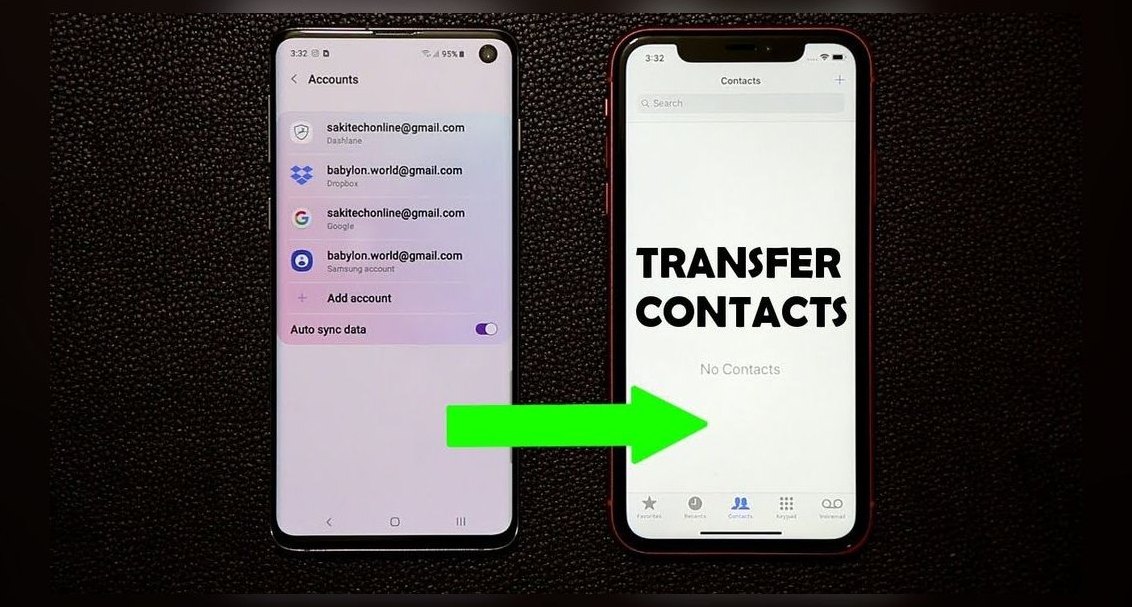 telcoHow do I transfer my contacts when switching carriers in 2027?
 telcoWhat is the best way to cancel my current cell phone plan in 2027?
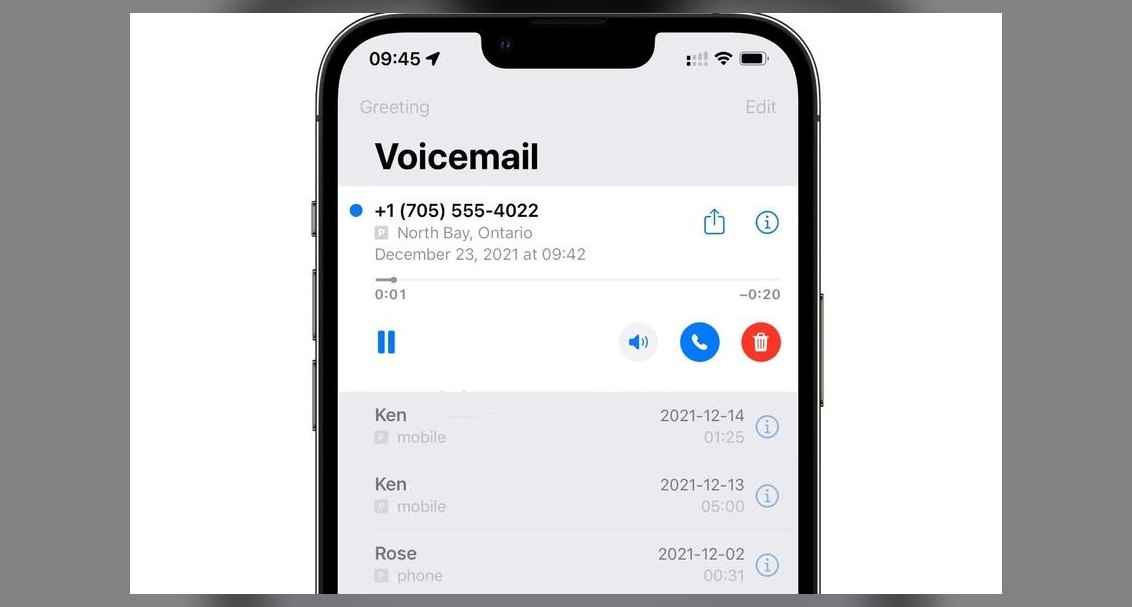 telcoHow do I set up voicemail on a new phone in 2027?
 telcoHow do I troubleshoot cell phone signal issues in 2027?
 telcoHow do I set up a new cell phone plan in 2027?
 telcoTop 10 Best Cell Phone Plans for Streaming Video in 2027