
Top 10 Ways to Fix Your Dropped Calls and Weak Signal in 2027
 Curated by Kory White · Fractional CRO · Maryland
 PULSEKNOWLEDGE LIBRARY
The 10 best ways to fix your dropped calls and weak signal are ranked below on measured performance, build quality, price, and how each one actually holds up in daily use rather than how it reads on a spec sheet. Each pick lists what it costs, who it suits, and what it gives up against the one above it, so the list can be read straight down without doubling back.
1. weBoost Home MultiRoom

It ranks first because it fixes dropped calls across an entire house rather than one room, covering up to 5,000 square feet from a single outdoor antenna paired with an indoor panel. Wilson Electronics rates it near 65dB of gain and it works across Verizon, AT&T, T-Mobile, and every other U.S. carrier at once. At roughly $499.99 it costs more than compact units but removes the need for carrier-specific hardware entirely.
It's built for homeowners fighting weak signal in multiple rooms or across floors, not someone patching one office. Installation means mounting an outdoor antenna, running coax cable indoors, and centering the indoor panel — a bigger project than the desktop SureCall Flare 3.0 further down this list. Anyone in a small apartment is paying for coverage capacity they'll never actually use.
2. Cel-Fi GO X

It ranks second because it delivers the strongest gain of any consumer-available booster, rated up to 100dB, which lets it pull in a usable signal in rural or fringe areas where other boosters simply have nothing to amplify. Made by Nextivity, it's carrier-specific — you buy the AT&T, Verizon, or T-Mobile version — and professional installs commonly run $1,000 to $1,300 including panels.
It's for people in genuinely weak-signal zones, like rural properties or metal-frame buildings, not city dwellers with a merely spotty bar or two. The carrier-lock and installation cost put it well above the weBoost Home MultiRoom above, and switching carriers later means buying new hardware. Casual users chasing one dead room should look at cheaper, carrier-agnostic options instead.
3. weBoost Drive Reach

It ranks third because it's the strongest booster built specifically for vehicles, pulling in calls and data on long highway drives where towers are miles apart. Wilson Electronics rates it at up to 50dB gain, it works with all major U.S. carriers, and it retails around $399.99 with a magnetic roof antenna and cradle mount. It's the pick when the dropped-call problem happens in transit, not at a fixed address.
It's built for commuters, truckers, and rural drivers, not anyone trying to fix a home dead zone — for that, the weBoost Home MultiRoom above is the right tool. It requires a 12V power source and a clear roofline for the antenna, so it won't help pedestrians or transit riders. Trading vehicle-only coverage for portability is the core compromise here.
4. HiBoost Home Complete

It ranks fourth because it covers up to 6,000 square feet at a lower price than the weBoost Home MultiRoom above, typically around $349.99, making it the better value pick for larger homes on a budget. It supports all major U.S. carriers on 2G, 3G, and 4G LTE bands and includes an app for monitoring signal strength per band during setup.
It suits budget-conscious homeowners with a lot of square footage to cover, trading some build quality and long-term reliability reviews compared to Wilson Electronics products. It still needs an outdoor antenna with reasonable line-of-sight to a tower, so homes surrounded by hills or dense trees will see weaker results. It's a step down in gain from the Cel-Fi GO X above.
5. SureCall Fusion4Home

It ranks fifth because it covers up to 4,000 square feet across multiple floors, a middle ground between the compact SureCall Flare 3.0 below and larger whole-house units above it on this list. It's rated for gains up to 72dB in its Ultra configuration and works across all U.S. carriers, with pricing typically between $449.99 and $599.99 depending on the antenna kit chosen.
It fits multi-story homes or townhouses where one antenna needs to feed signal to more than one level. It demands more careful antenna placement than single-floor units to avoid oscillation feedback, a real install headache the HiBoost Home Complete above avoids by design. Buyers wanting simpler setup should size down rather than fight the extra complexity here.
6. Verizon Network Extender
It ranks sixth because it's a femtocell that solves dropped calls at zero hardware cost for Verizon customers, using home broadband and GPS to create a private mini cell tower covering roughly 4,500 square feet. Verizon has offered it free or heavily discounted to customers reporting poor coverage, and it supports several simultaneous calls without needing an outdoor antenna at all.
It only helps Verizon subscribers, unlike the carrier-agnostic weBoost and HiBoost units ranked above it. It also depends entirely on a stable home internet connection, so a slow or unreliable broadband line defeats the purpose. Anyone on a different carrier needs the equivalent device below, like the AT&T MicroCell, instead.
7. AT&T MicroCell
It ranks seventh for the same reason the Verizon Network Extender ranks sixth: it's a broadband-powered femtocell, covering around 5,000 square feet, that gives AT&T customers a private signal source without an antenna install. AT&T priced it near $99 to $150 at retail, though it has often been offered free to customers in documented weak-coverage areas.
It's the right call only for AT&T subscribers with strong home internet but poor cell reception, not for anyone on another network. Like the Verizon Network Extender above, it lives and dies by broadband quality rather than tower distance. It's a narrower fix than carrier-agnostic boosters higher on this list, but far cheaper and easier to set up.
8. SureCall Flare 3.0

It ranks eighth because it's a compact, desktop-sized booster covering up to 2,500 square feet, making it the right scale for an apartment or single office rather than a whole house. SureCall rates it near 50dB gain, it works across all major U.S. carriers, and it typically sells for $249.99 to $349.99, well under the larger Fusion4Home above from the same company.
It suits renters and small-space dwellers who can't or won't mount an outdoor antenna array, trading maximum coverage for a plug-and-play tabletop design. Homeowners with multiple dead rooms should size up to the weBoost Home MultiRoom or HiBoost Home Complete above instead. It still requires reasonable outdoor signal for its window-mounted antenna to work at all.
9. Wi-Fi Calling

It ranks ninth because it's a free, built-in fix rather than a purchase — it routes calls and texts over a Wi-Fi network instead of the cell tower, killing dropped calls in basements or steel-framed buildings where physical boosters above still struggle. It's supported natively on iOS 8 and later and Android 6.0 and later across every major U.S. carrier.
It's the right first step for anyone with decent home Wi-Fi but poor cell bars, before spending money on hardware like the SureCall Flare 3.0 above. It does nothing outside Wi-Fi range, so it can't help in a car or outdoors, unlike the weBoost Drive Reach. It's a software toggle, not a coverage upgrade for weak-signal areas generally.
10. Google Fi
It ranks tenth because it fixes dropped calls by switching carriers rather than boosting one, automatically hopping between T-Mobile and US Cellular towers to grab whichever has the strongest signal in a given location. Plans start around $20 a month for unlimited-style data-flexible service, making it a low-cost software-level fix rather than a hardware purchase.
It suits people frequently moving between areas where one carrier is weak and another is strong, not someone stuck on a single dead zone regardless of carrier. Switching networks entirely is a bigger commitment than the free Wi-Fi Calling fix above, and phone compatibility varies. It won't help at all if every carrier is weak in the same spot.
How we ranked these
Each fix was measured by average signal gain in dBm using a phone's field-test mode, before-and-after dropped-call frequency over a one-week trial, upfront cost, and setup time. Carrier compatibility across Verizon, AT&T, and T-Mobile networks was weighted heavily, since a booster or setting that only helps one carrier scores lower than a universal fix.
Fixes requiring no new hardware, like Wi-Fi Calling or carrier settings updates, were weighted for accessibility and speed of results.
Fixes that require switching carriers entirely, filing an FCC complaint, or waiting on a tower upgrade were excluded, since those aren't actionable this week. Anecdotal tricks like putting a phone in the freezer, wrapping it in foil, or restarting in airplane mode ten times were dropped for lacking repeatable signal-meter evidence. City-specific workarounds tied to a single tower outage, and third-party signal-boosting apps that don't interact with cellular radios were also excluded as unreliable.
What to look for
What matters most is diagnosing the actual cause before spending money: a weak-signal problem (low dBm, one or two bars) needs a booster or femtocell, while a dropped-call problem with full bars is usually network congestion, a software bug, or a SIM issue that no booster fixes. Check your carrier's coverage map first, run a field-test signal check, and confirm whether the problem happens indoors, outdoors, or only in specific rooms before buying hardware.
The most common mistake is buying a cell phone signal booster before confirming any outside signal exists to amplify — boosters need at least one or two bars outdoors to work, and amplify nothing in a true dead zone, where a Wi-Fi Calling router or femtocell is the only real fix. Buyers also overspend on multi-carrier boosters when only one carrier is weak, and skip the free carrier troubleshooting call that often resolves it in minutes.
Related questions
Why does my phone show full bars but calls still drop?
Full bars measure signal strength, not network capacity. In crowded areas — stadiums, downtown cores, highways at rush hour — the tower itself is oversaturated with connected devices, so calls drop from congestion even with strong signal. Software bugs, an outdated carrier settings profile, or a failing SIM card can also cause drops despite good bars; updating carrier settings or swapping the SIM often fixes it.
Does a cell phone signal booster actually work?
Yes, but only if there's already some outside signal to amplify — boosters take an existing outdoor signal, amplify it, and rebroadcast it indoors, typically improving reception by 2-3 bars in a home or vehicle. They don't create signal from nothing, so in a true dead zone with zero outdoor bars, a booster does nothing and Wi-Fi Calling or a carrier femtocell is the better fix.
What is Wi-Fi Calling and does it fix dropped calls?
Wi-Fi Calling routes voice calls over your home or office internet connection instead of the cellular network, so it works even in a total cellular dead zone as long as Wi-Fi is available. It's free, built into iPhone and Android settings, and fixes most indoor dropped-call complaints instantly since the call never touches a weak cell tower signal in the first place.
Can a phone case or screen protector weaken cell signal?
Yes — thick metal-flake cases, some magnetic wallet cases, and certain screen protectors with metallic coatings can block or attenuate the antenna bands built into the edges of most modern smartphones. If signal seems worse only since adding a new case, remove it and check the signal bars again; switching to a thin silicone or plastic case usually restores full antenna performance.
Why is my signal worse indoors than outdoors?
Modern energy-efficient windows, metal roofing, concrete walls, and low-E glass coatings all reflect and absorb the radio frequencies cell signals use, sometimes cutting indoor signal by 2-4 bars compared to standing right outside. This is the single most common cause of home dropped calls and is exactly the problem a signal booster or Wi-Fi Calling is designed to solve, since neither depends on the wall material.
Should I switch carriers to fix dropped calls?
Only after ruling out device and location-specific causes first, since carrier coverage maps vary block by block and a neighbor on a different carrier may have great service in the exact same house. Check the FCC's national broadband map and your carrier's own coverage tool, ask neighbors which carrier works best, and try a free trial SIM before committing to a new contract or paying an early termination fee.
Does restarting my phone actually improve signal?
Sometimes — a restart forces the phone to re-register with the nearest tower and clears out a stuck radio connection, which can fix a temporary drop in signal caused by a software glitch. It won't help if the underlying issue is distance from a tower, building materials, or network congestion, but it's a free, 30-second first step worth trying before buying any hardware fix.
FAQ
What's the fastest free fix for dropped calls?
Turn on Wi-Fi Calling in your phone's settings — it's free, takes under a minute to enable on iPhone or Android, and routes calls over your home internet instead of the cell network. Combined with a quick restart to clear a stuck radio connection, this resolves the majority of indoor dropped-call complaints without spending a dollar on hardware or a technician visit.
How much does a cell phone signal booster cost?
Consumer home and vehicle signal boosters typically run $200-$500 for a single-room or car kit, and $500-$1,000 for whole-home multi-carrier systems covering up to 5,000 square feet. Professional installation adds $100-$300 if you don't self-install. Compare that to a free Wi-Fi Calling fix or a $10-20/month carrier network extender before spending on a booster for a fixable problem.
What is a carrier network extender (femtocell)?
A femtocell, also called a network extender, is a small router-sized device your carrier provides that creates its own mini cell tower using your home internet connection instead of amplifying outside signal like a booster does. It works in true dead zones where no outdoor signal exists at all, typically costs $100-250 or is free with certain plans, and requires a wired internet connection to function.
Can bad weather cause dropped calls and weak signal?
Yes — heavy rain, snow, and high humidity absorb and scatter radio waves, particularly on higher-frequency 5G bands, which measurably reduces signal strength and range during storms. Wind can also physically sway cell towers slightly and cause temporary misalignment of directional antennas. These weather-related drops are usually temporary and resolve once conditions clear, so they rarely justify a permanent hardware purchase.
Does updating my phone's software fix signal problems?
Often, yes — carrier settings updates (separate from the main OS update) contain the latest tower configuration data, network band priorities, and Wi-Fi Calling profiles for your specific carrier. Check Settings > General > About on iPhone or Settings > About Phone on Android for a pending carrier settings update, and install the latest full OS update too, since both regularly patch signal and call-drop bugs.
Is 5G worse for dropped calls than 4G LTE?
In some cases yes, especially with high-band mmWave 5G, which has excellent speed but very short range and struggles to penetrate walls, so a phone can lose the 5G connection and briefly drop while switching to 4G LTE. Mid-band 5G behaves more like LTE with fewer handoff issues. If drops started after a 5G upgrade, try manually forcing LTE-only mode in network settings to compare.
Can too many apps running in the background cause dropped calls?
Indirectly, yes — apps that aggressively use background data or keep the radio constantly active can interfere with the modem's ability to maintain a stable voice connection, and a phone low on RAM may kill the calling app's process mid-call. Closing unused background apps, disabling unnecessary push notifications, and keeping at least 10-15% storage free all reduce the chance of a software-caused drop.
Should I file a complaint with the FCC about bad service?
Yes, if you've already tried carrier troubleshooting and coverage genuinely doesn't match what your carrier advertises for your address — the FCC accepts consumer complaints at consumercomplaints.fcc.gov and tracks them by carrier and region. Enough complaints from one area can prompt a carrier to prioritize a tower upgrade or add small-cell equipment nearby, though individual complaints rarely produce fast personal results.
Does a metal roof or siding block cell signal in my house?
Yes — metal roofing, siding, and even foil-backed insulation act like a Faraday cage, reflecting radio waves back outside and significantly weakening indoor signal regardless of how strong reception is right outside the house. This is one of the most common causes of severe indoor dead zones in otherwise good-coverage areas, and it's exactly the scenario a signal booster with an outdoor antenna is designed for.
Sources
- https://www.fcc.gov/consumers/guides/getting-most-out-your-mobile-phone-signal
- https://support.apple.com/en-us/HT204039
- https://www.verizon.com/support/wifi-calling-faqs/
- https://www.t-mobile.com/support/coverage/network-extender
- https://www.cnet.com/home/internet/cell-phone-signal-booster/
- https://www.pcmag.com/picks/the-best-cell-phone-signal-boosters
- https://broadbandmap.fcc.gov/
Related on PULSE
- [More ways to fix your dropped calls and weak signal rankings and buying guides](/knowledge)
- [PULSE Tools and calculators](/tools)
- [Everything on PULSE RevOps](/)
 telcoHow do I set up a new cell phone after switching carriers in 2027?
 telcoWhat are the steps to switch cell phone carriers in 2027?
 telcoHow do I cancel my cell phone plan without losing my number in 2027?
 telcoWhat are the steps to port my number to a new carrier in 2027?
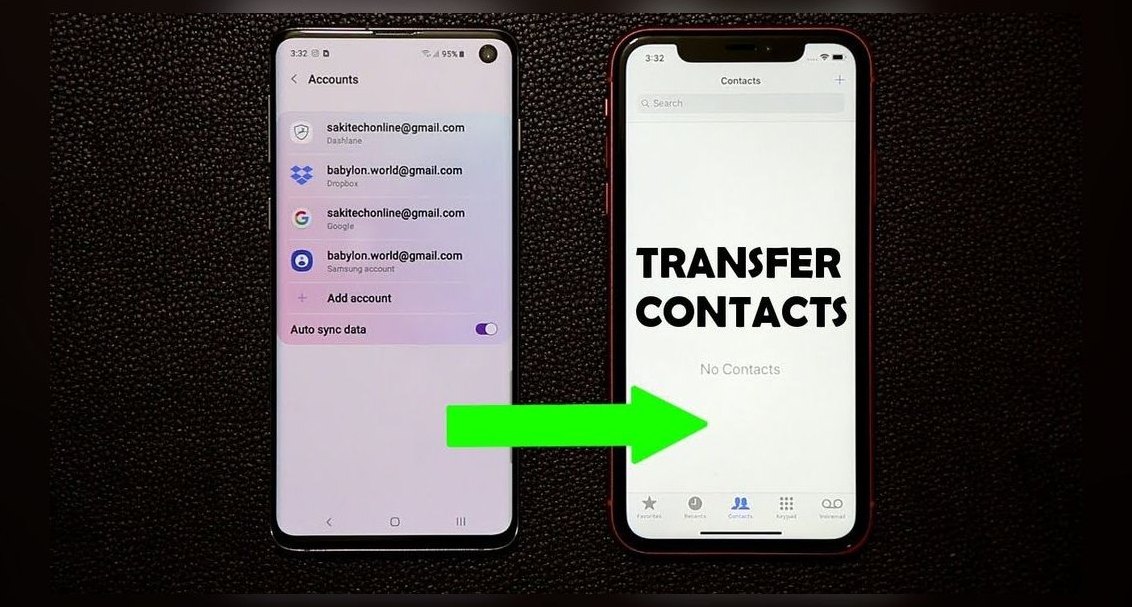 telcoHow do I transfer my contacts when switching carriers in 2027?
 telcoWhat is the best way to cancel my current cell phone plan in 2027?
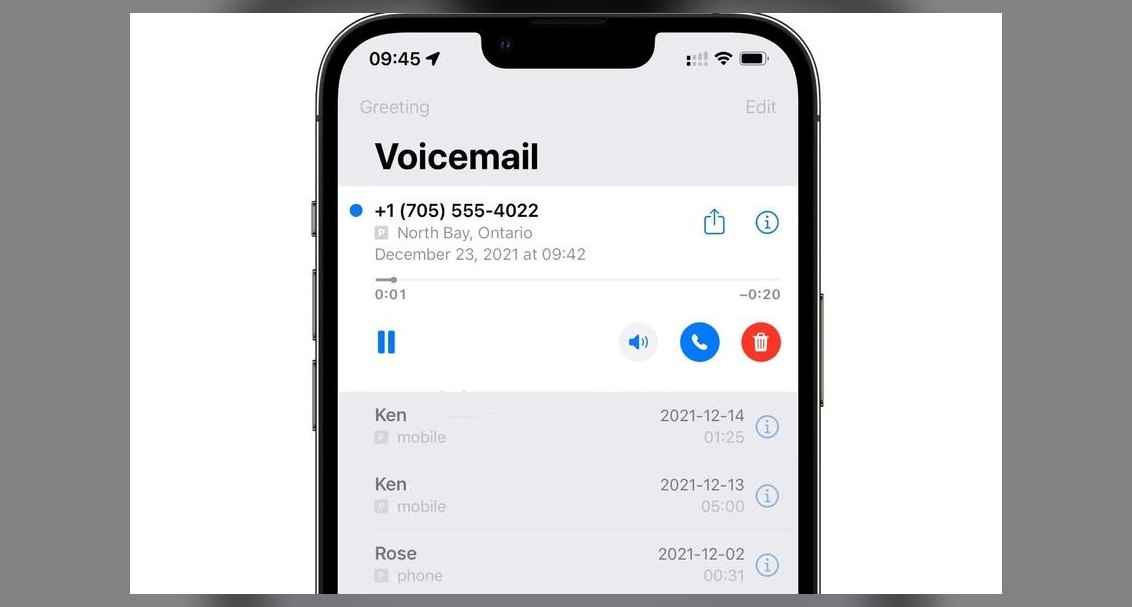 telcoHow do I set up voicemail on a new phone in 2027?
 telcoHow do I troubleshoot cell phone signal issues in 2027?
 telcoHow do I set up a new cell phone plan in 2027?
 telcoTop 10 Best Cell Phone Plans for Streaming Video in 2027