
What are the steps to switch cell phone carriers in 2027?
 Curated by Kory White · Fractional CRO · Maryland
 PULSEKNOWLEDGE LIBRARY
The steps to switch cell phone carriers in 2027 are: confirm your phone is unlocked and compatible with the new carrier's network, gather your account number and port-out PIN from your current carrier, choose a plan and sign up with the new carrier (often online or via eSIM in minutes), initiate the number port before or during activation, test service on the new carrier, then cancel your old line and return any leased equipment. Most switches complete in under 24 hours.
The two (or more) options compared
There are three broad paths when you switch carriers, and the right one depends on how much friction you're willing to tolerate versus how much you want to save. The first is the full postpaid-to-postpaid switch — moving from one major carrier (Verizon, AT&T, T-Mobile) to another, keeping a traditional monthly bill, credit check, and often a device payment plan carried over via a buyout or trade-in promotion. This path gets you the biggest sign-up incentives — carriers routinely offer to pay off your old phone (via prepaid gift card or bill credit) specifically to win switchers — but it also means the most paperwork: credit checks, deposits for subprime credit, and multi-year installment contracts on new hardware.
The second path is switching to a prepaid or MVNO (Mobile Virtual Network Operator) — brands like Mint Mobile, Visible, Metro by T-Mobile, Cricket, or Google Fi, which lease network capacity from the major carriers but sell service without contracts or credit checks. This is the lowest-friction option: no credit pull, no long-term commitment, and you can typically switch back out just as easily as you switched in. The trade-off is that MVNOs get deprioritized on congested towers during peak network load, so speeds can dip in crowded areas even though you're riding the same physical towers as the flagship carrier.

The third path, which has become dominant by 2027, is an eSIM-only switch — buying a new plan entirely online, scanning a QR code or tapping an in-app activation link, and never touching a physical SIM tray. This collapses what used to be a multi-day, in-store process into something you can do from a couch in under 30 minutes, including the number port. The catch is that eSIM switching requires your phone to already be carrier-unlocked and eSIM-capable (true of nearly every phone sold since 2022, but still worth confirming on older hardware), and if anything goes wrong with the port, you have less in-person support to fall back on than a retail-store switch.
A fourth, less common scenario worth naming is the family-plan migration — moving an entire household of 3-5 lines at once, which changes the math because bundled discounts, shared data pools, and multi-line device credits from the new carrier often make switching worth far more per line than a solo switch, but also means every line's port has to succeed before you cancel the old plan, or you risk stranding family members without service mid-switch.
How to decide between them
Deciding which switching path fits you comes down to four questions: how good is your credit, do you care about guaranteed peak-hour speed, are you mid-contract on a financed phone, and how many lines are you moving at once. If you have strong credit, want the biggest possible switching bonus, and are buying a new flagship phone anyway, the postpaid-to-postpaid path usually wins on total value even though it's the most paperwork. If you have an unlocked phone already, don't want a credit check, and mostly use data on wifi, an MVNO is usually cheaper per month with negligible practical downside. If your phone is unlocked, eSIM-capable, and you just want the fastest possible switch with minimal commitment, the eSIM-only path is the standard 2027 default for a single line.
The decision tree above collapses to one practical rule of thumb: the more your current setup involves an unpaid device balance or a multi-line family account, the more the postpaid switch's cash incentives outweigh its extra steps; the more your setup is a single unlocked phone and light usage, the more an MVNO or eSIM-only switch saves you money for identical everyday performance.

Concrete numbers behind each option
The numbers matter because they're what actually determine whether switching carriers saves money in year one versus year two. Postpaid switching bonuses for trading in an eligible phone and porting a number have historically run in the $500–$1,000 range paid out as bill credits over 24 months (meaning if you cancel early, unpaid credits stop and you can owe the remaining device balance) — always read the fine print on "must remain active for X months" clauses before counting the bonus as guaranteed money. Early termination fees on legacy contracts are largely gone in 2027 (most plans are contract-free month-to-month, with the device payment plan being the only real "commitment"), but a device installment balance is still due in full or via the new carrier's buyout program, typically ranging from $200 to $1,000+ depending on how new and expensive the phone is.
MVNO monthly plans in 2027 typically run $15-$30/month for a single line with 5-15GB of premium (non-deprioritized) high-speed data before falling back to reduced speeds, versus $65-$90/month for an unlimited premium-data single line on a flagship carrier. Multiply that gap across a year and an MVNO switch commonly saves $400-$800 annually for someone who doesn't need unlimited premium data. Number ports themselves are typically free and complete within 1-24 hours for mobile-to-mobile ports (the FCC's local number portability rules require ports be completed same-day in most cases when initiated during business hours), though ports involving a landline-to-mobile transition or a business account can take 2-5 business days.

Equipment return windows also carry real financial stakes: carriers that lease routers or hotspots as part of a bundled plan typically require equipment back within 14-30 days of cancellation or charge a non-return fee ranging from $100 to $350 per device — so factor that into the true cost of switching if your current plan includes leased hardware.
Implementation details and sequencing
The actual mechanics of the switch follow a specific order, and doing them out of sequence is the single biggest cause of a botched port. First, confirm your phone is unlocked — call or check your current carrier's account portal for unlock status, since a locked phone cannot activate on a new network regardless of how good the new plan is. Second, log into your current carrier account and retrieve two things: your account number and your port-out PIN (sometimes called a transfer PIN), both required by the new carrier to authorize the port; carriers display these under account settings or "transfer your number" pages, and if you can't find them, a quick call to customer service will produce them in a couple of minutes. Third, back up your phone's photos, messages, and app data via cloud backup, since some switches (especially cross-platform ones, like Android to iPhone) require a factory-adjacent reset step during activation.

Fourth, sign up with the new carrier — choose the plan, provide the account number and PIN, and specify that you want to port your existing number rather than get a new one. Fifth, complete activation: for eSIM this means scanning a QR code or tapping an activation link sent via email or text, and for physical SIM this means inserting the card and dialing an activation code. Sixth, and this step gets skipped too often, actively test the new service — make a call, send a text, and load data — before doing anything to the old line, because canceling the old carrier before confirming the port succeeded can leave you with no working number at all if something in the port failed silently.
Seventh, once the new line is confirmed working, cancel the old carrier account explicitly (a completed port does not always auto-cancel the old account — some carriers keep billing a dormant line until you call to close it), and return any leased equipment per that carrier's return instructions to avoid non-return fees. Eighth, if you're switching multiple family lines, repeat the port-and-test sequence for each line individually rather than porting all lines simultaneously and testing at the end — this isolates which specific line failed if any porting error occurs, instead of leaving the whole household guessing.

Related questions
Do I need to unlock my phone before switching carriers?
Yes — an unlocked phone is required to activate on a different carrier's network. Check unlock status through your current carrier's account portal or by calling support; most phones bought outright or fully paid off are eligible for unlock within minutes.
How long does porting a phone number take in 2027?
Most mobile-to-mobile ports complete within a few hours to 24 hours when initiated during business hours. Landline-to-mobile or business-account ports can take 2-5 business days due to additional verification steps.
Will I lose service during the switch?
Typically only a brief gap of a few minutes while the port finalizes on the new SIM or eSIM. Keep your old SIM inactive but not destroyed until the new line is confirmed working, in case you need to fall back temporarily.
Can I switch carriers without paying off my phone first?
Often yes — many new carriers offer a trade-in or payoff credit that covers the remaining device balance, paid out as bill credits over time, though your old carrier's device installment plan itself must still be settled either by the new carrier's promotion or by you directly.
What happens to my old carrier's leased equipment when I switch?
Routers, hotspots, or set-top boxes bundled into a plan generally must be returned within a set window (commonly 14-30 days) after cancellation, or the carrier charges a non-return fee, so initiate the return as soon as you cancel.
FAQ
What are the steps to switch cell phone carriers in 2027? Confirm your phone is unlocked, collect your account number and port-out PIN from your current carrier, sign up with the new carrier and request a port, activate the new SIM or eSIM, test the new line thoroughly, then cancel the old account and return any leased equipment.
Is switching carriers still free in 2027? The port itself is free, and most plans no longer carry early termination fees since contracts became largely obsolete in favor of month-to-month service. The only real cost is settling any remaining device installment balance on your current phone.
Can I keep my phone number when I switch carriers? Yes, keeping your number is the default expectation via number portability — you just need to explicitly request a "port" rather than a new number during signup, and provide your old account number and port-out PIN.
What's the difference between switching to an MVNO versus a flagship carrier? An MVNO leases network access from a major carrier and sells it cheaper with no contract, but can get deprioritized on congested towers. A flagship carrier switch usually costs more monthly but includes the biggest sign-up bonuses and guaranteed peak-hour data priority.
Do eSIM-only switches work on all phones? Only on eSIM-capable, carrier-unlocked phones, which covers nearly all devices sold since 2022. Older or carrier-locked phones may need a physical SIM swap instead, which still follows the same overall porting sequence.
What should I do if my number port fails? Do not cancel your old carrier account until the new line is confirmed working. If the port stalls or fails, contact the new carrier's support line with your port-out PIN and account number ready — most failed ports are due to a mismatched name, address, or expired PIN.
Sources
- https://www.fcc.gov/consumers/guides/porting-keep-your-phone-number
- https://www.verizon.com/support/porting-a-phone-number-faqs/
- https://www.att.com/support/article/wireless/KM1008683/
- https://www.t-mobile.com/support/plans-features/number-transfer-porting-faqs
- https://www.consumerreports.org/cro/cell-phones-services
- https://www.gsma.com/newsroom/all-documents/esim-whitepaper/
- https://www.pcmag.com/how-to/how-to-switch-cell-phone-carriers
Related on PULSE
- How do carrier trade-in and switching bonuses actually get paid out?
- What's the real difference between prepaid and postpaid cell plans?
- How does eSIM activation work compared to a physical SIM card?
- What should you check before buying a phone off-contract in 2027?
- How do family plan discounts change when one line leaves the account?
 telcoHow do I set up a new cell phone after switching carriers in 2027?
 telcoTop 10 Ways to Fix Your Dropped Calls and Weak Signal in 2027
 telcoHow do I cancel my cell phone plan without losing my number in 2027?
 telcoWhat are the steps to port my number to a new carrier in 2027?
 telcoHow do I transfer my contacts when switching carriers in 2027?
 telcoWhat is the best way to cancel my current cell phone plan in 2027?
 telcoHow do I set up voicemail on a new phone in 2027?
 telcoHow do I troubleshoot cell phone signal issues in 2027?
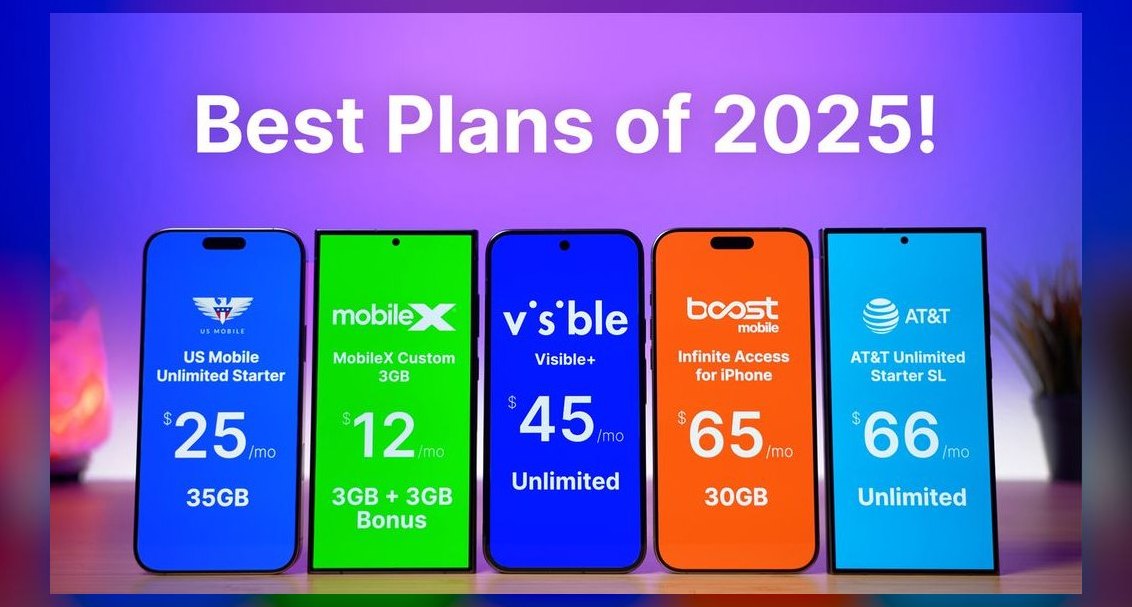 telcoHow do I set up a new cell phone plan in 2027?
 telcoTop 10 Best Cell Phone Plans for Streaming Video in 2027