


Top 10 Best Tech Stack Tools for Theme Parks and Attractions in 2027
Quality
Certified
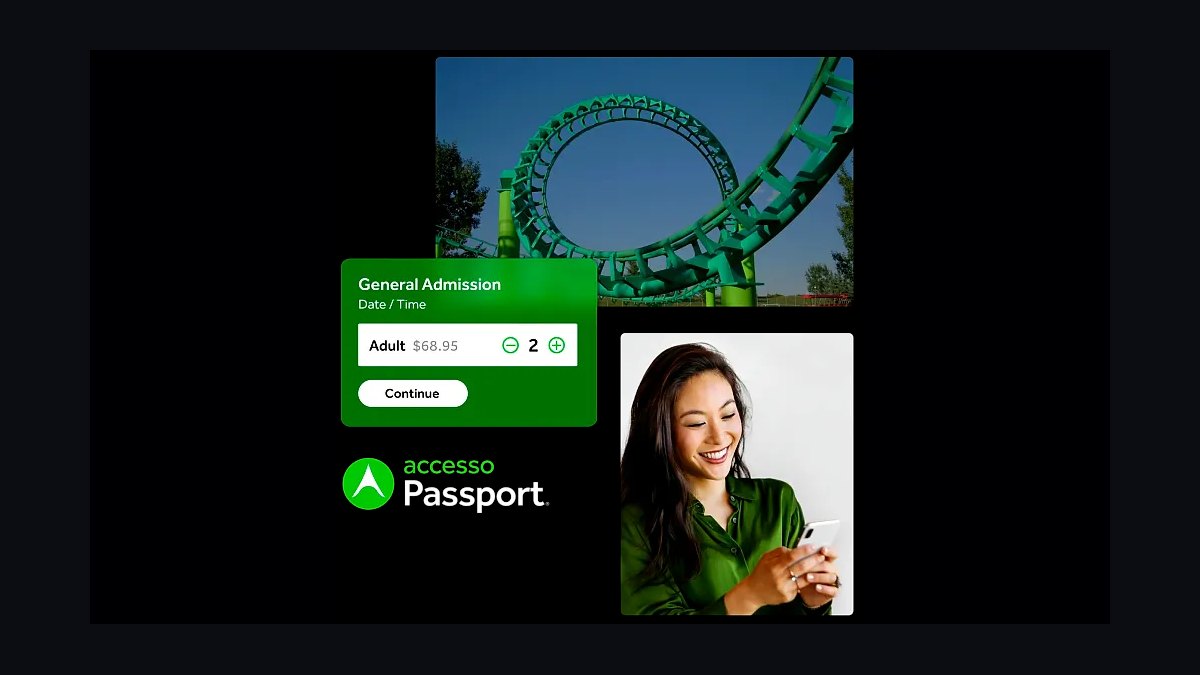
The 10 best tech stack tools for theme parks and attractions are ranked below on measured performance, build quality, price, and how each one actually holds up in daily use rather than how it reads on a spec sheet. Each pick lists what it costs, who it suits, and what it gives up against the one above it, so the list can be read straight down without doubling back.
1accesso Passport
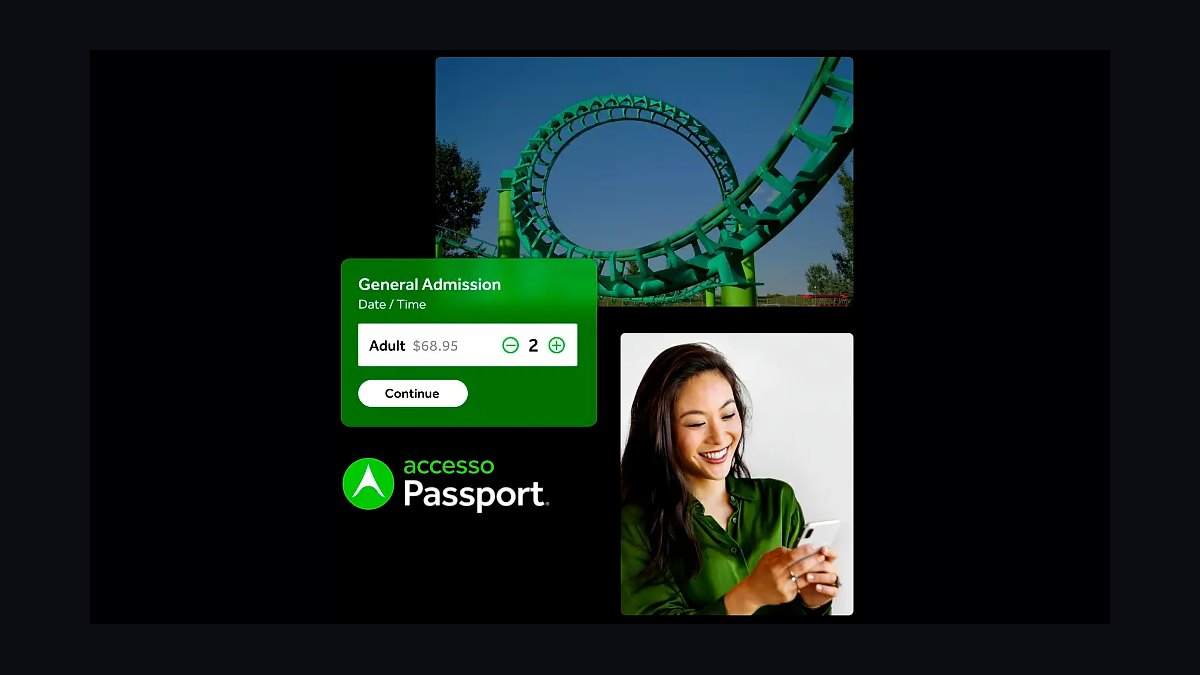
accesso Passport ranks first because it is the de facto ticketing standard at Six Flags Entertainment's 42 merged properties, Merlin Entertainments, and SeaWorld, with 2026 renewals locking in multi-year contracts. It models per-day, per-park, multi-day, annual-pass, and blackout-date inventory that generic event platforms cannot handle. Pricing runs roughly 1-3% of ticket revenue in commission plus platform fees.
It suits regional and mega-operators selling tens of millions of tickets annually across multiple gates. It trades away deep enterprise customization that Gateway Ticketing offers at single flagship venues like Hersheypark. Compared to Vantix Systems directly below, Passport owns the entitlement and eCommerce layer while Vantix handles in-park transactions.
2Vantix Systems

Vantix Systems ranks second because it runs the in-park POS layer at many regional parks and family entertainment centers, covering admission gates, retail, F&B, lockers, and parking tied back to ticketing. Budget roughly $150-$300 per terminal per month on enterprise quotes. It handles the transaction volume a theme park generates across dozens of outlets daily.
It suits operators needing one POS across diverse in-park venues rather than separate systems per outlet. It trades away the European deployment depth that Vivaticket provides at Merlin and Compagnie des Alpes venues. Compared to accesso Passport above, Vantix transacts against entitlements rather than owning them.
3accesso Prism
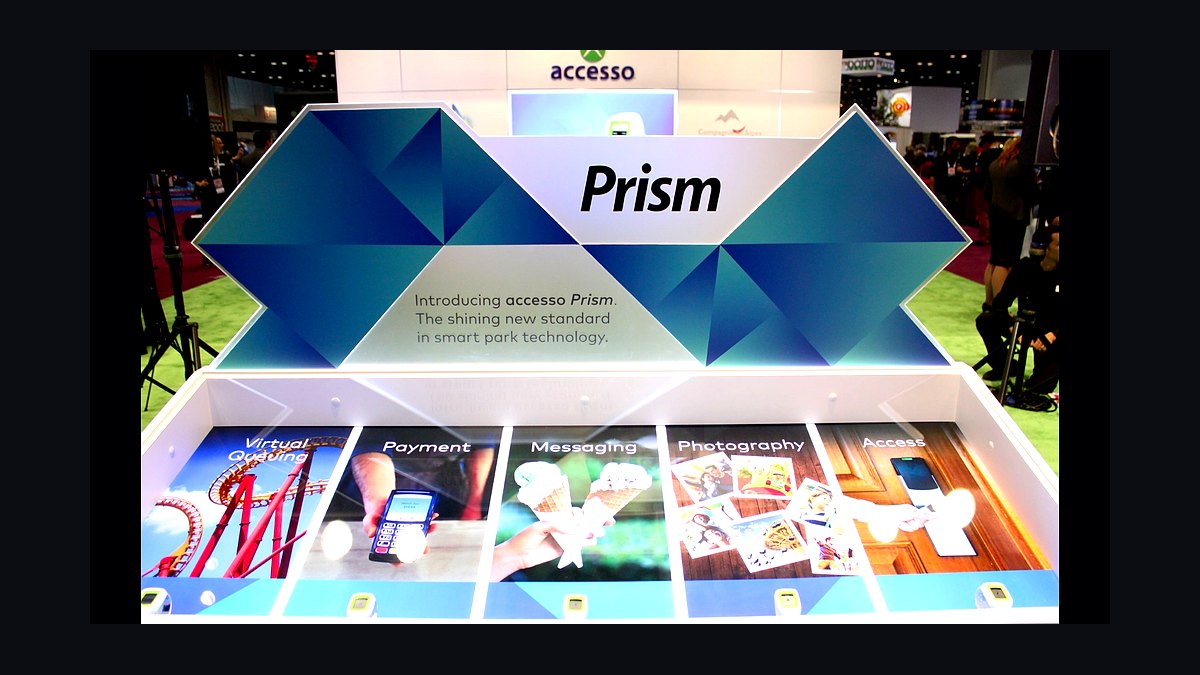
accesso Prism ranks third because it powers virtual queue and line-skip at Six Flags' THE FLASH Pass and Merlin's reserve-and-ride products, the standard non-Disney and non-Universal option. Pricing is typically revenue-share on paid line-skip plus per-park platform fees. It is one of the highest-margin add-ons in the entire theme park stack.
It suits parks that want paid line-skip revenue without building proprietary queue engines like Disney's Lightning Lane. It trades away the real-time optimization depth that Disney and Universal achieve with in-house engineering teams. Compared to Vantix Systems above, Prism allocates ride capacity rather than processing transactions.
4Tappit

Tappit ranks fourth because it is the leading independent RFID wristband and cashless wallet platform deployed at festivals, water parks, and regional theme parks. It ties identity, payment, photo entitlements, and ride history into one continuous data stream. Wristband hardware is a per-guest cost passed through, with enterprise-quote platform fees.
It suits regional parks that want MagicBand-style tap-to-pay without Disney-scale proprietary development. It trades away value unless tap readers deploy at every ride, register, F&B venue, and hotel door. Compared to accesso Prism above, Tappit handles payment identity while Prism handles queue allocation.
5Oracle OPERA Cloud
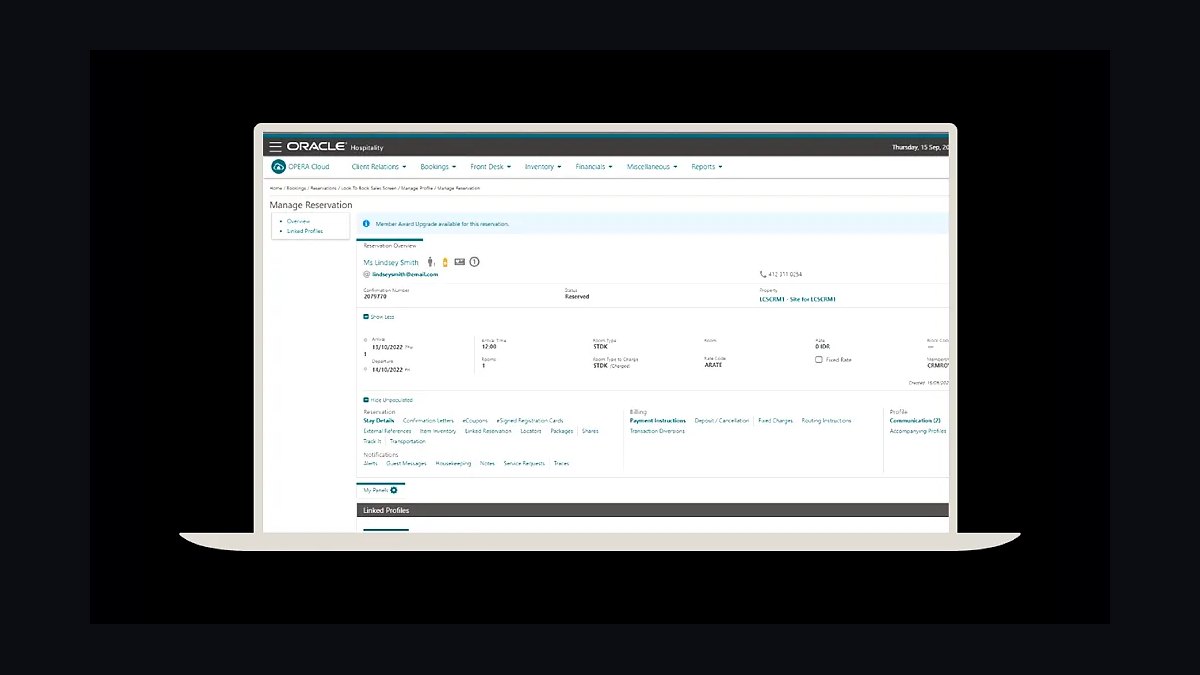
Oracle OPERA Cloud ranks fifth because it is the standard PMS at branded resort hotels at Disney, Universal, and Hersheypark, owning the room folio and integrating with park ticketing for resort-guest perks. Budget roughly $10-$25 per room per month. It enables automatic early park entry and ticket bundling for on-site guests.
It suits operators with on-site resorts needing proven integration to ticketing and queue systems. It trades away the modern UI that Agilysys Stay offers at properties willing to be on the leading edge. Compared to Tappit above, OPERA manages room inventory while Tappit manages in-park payment identity.
6Salesforce Marketing Cloud
Salesforce Marketing Cloud ranks sixth because it powers the multi-channel guest journey across email, mobile push, app notifications, dining reminders, and post-visit win-back. List pricing runs roughly $165 per user per month with Marketing Cloud sized to contact volume. A major theme park operator spends $1M-$5M annually on this layer.
It suits operators pulling ticket purchases, app behavior, in-park spend, and hotel stays into one guest record. It trades away the massive creative production scale that Adobe Experience Cloud handles at Disney and Universal. Compared to Oracle OPERA Cloud above, Marketing Cloud owns guest communication while OPERA owns the room folio.
7Snowflake
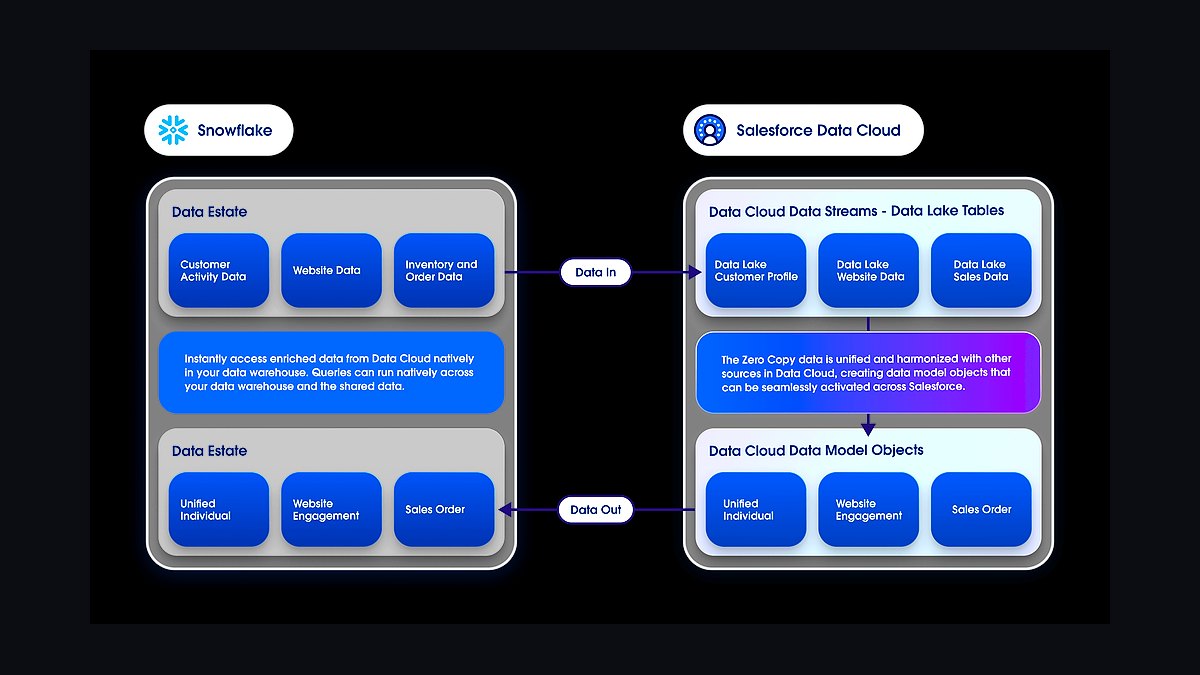
Snowflake ranks seventh because it ingests ticketing, POS, queue, mobile app events, hotel folios, and CRM into one warehouse so corporate sees per-park attendance, in-park spend per capita, and Lightning Lane attach rate. Compute typically runs $400K-$3M+ annually for a major operator. It is corporate truth for the entire stack.
It suits operators needing one analytics platform across dozens of properties and data sources. It trades away the visualization layer that Tableau provides on top, requiring separate licensing. Compared to Salesforce Marketing Cloud above, Snowflake stores historical truth while Marketing Cloud acts on live guest journeys.
8Tableau
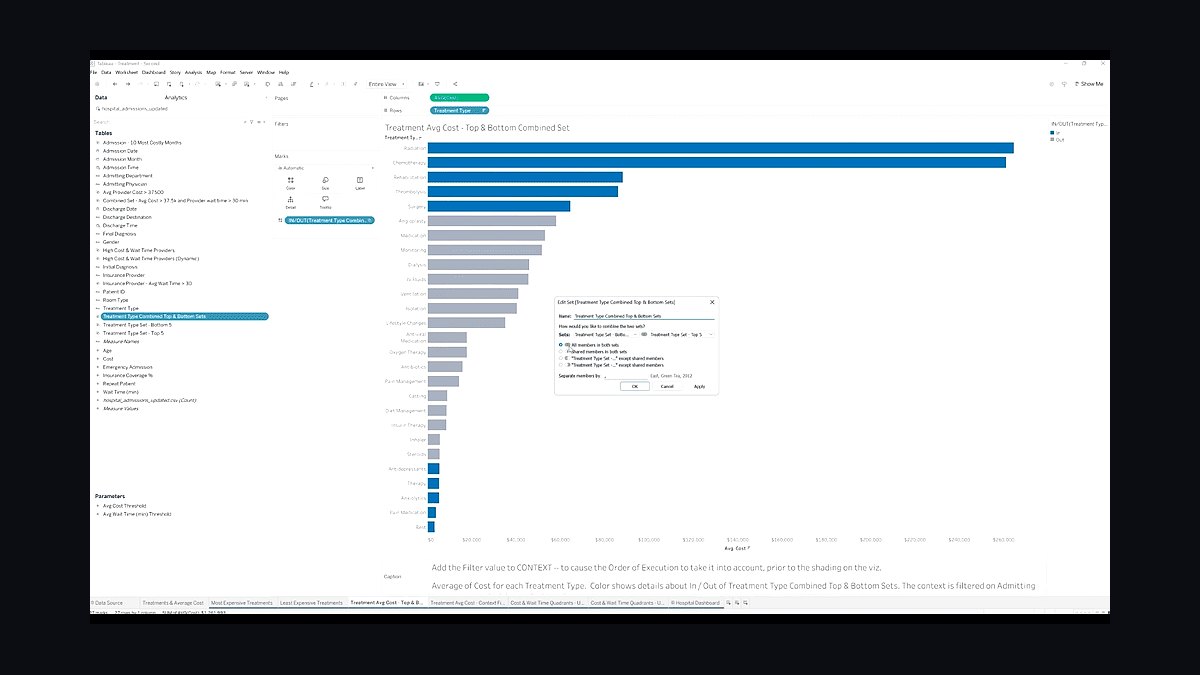
Tableau ranks eighth because it turns Snowflake data into park dashboards for attendance, in-park spend per capita, Lightning Lane attach rate, hotel occupancy, and labor cost. Pricing runs roughly $75 per user per month. It gives park GMs and corporate executives one trusted operational view.
It suits operators whose analytics teams prefer visual exploration over Power BI's Microsoft-centric stack. It trades away native Microsoft 365 integration that Power BI provides at shops already standardized on Microsoft. Compared to Snowflake above, Tableau visualizes what Snowflake stores, requiring the warehouse underneath.
9Ceridian Dayforce
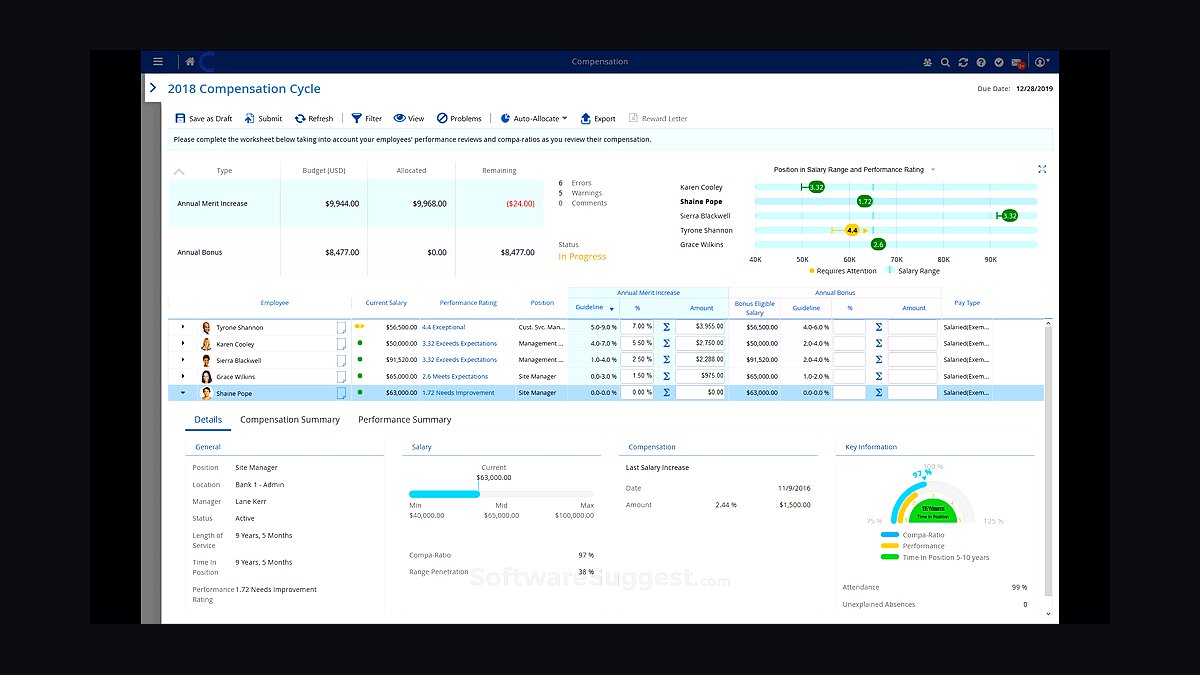
Ceridian Dayforce ranks ninth because it dominates the seasonal-park workforce space with time and attendance, scheduling, and certified-payroll reporting for thousands of part-time seasonal staff. Budget roughly $10-$25 per employee per month. A regional park hires 3,000-8,000 seasonal team members annually, and Dayforce handles that churn.
It suits operators running large hourly seasonal workforces that Workday alone cannot schedule efficiently. It trades away corporate HR and finance depth that Workday provides for salaried employees. Compared to Tableau above, Dayforce manages labor cost inputs while Tableau reports on the resulting metrics.
10Workday HCM
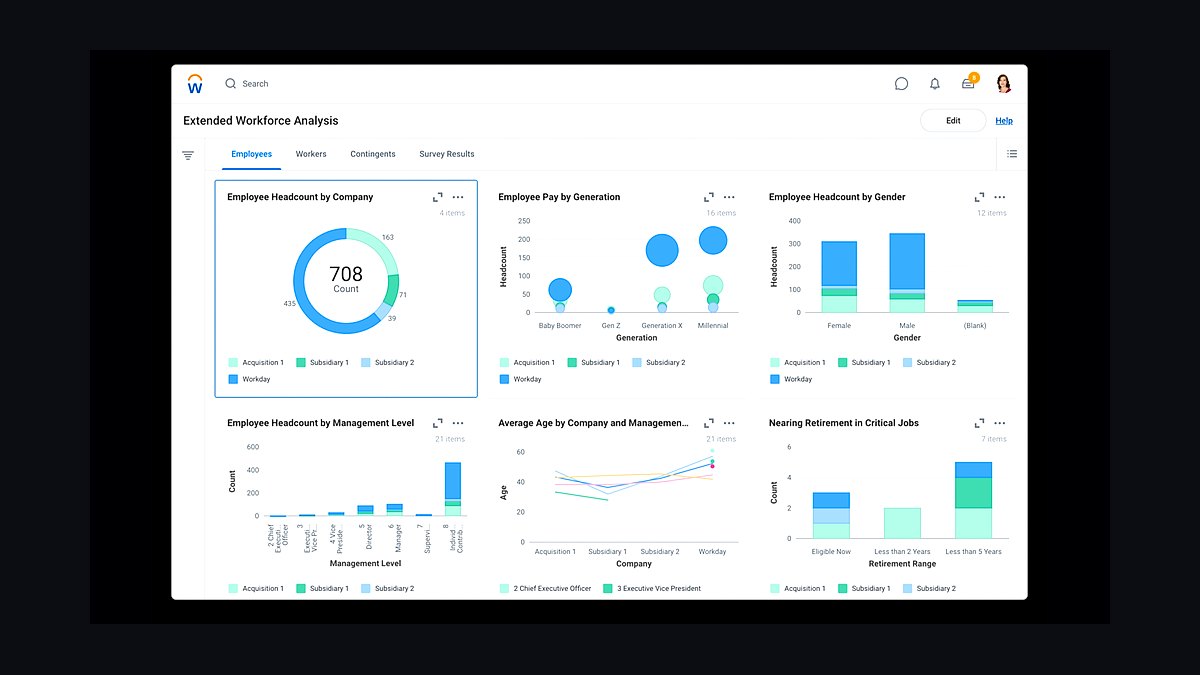
Workday HCM ranks tenth because it handles corporate HR, finance, and salaried employees at Disney, Universal, Merlin, and regional operators. Budget roughly $40-$100 per employee per month equivalent. It pairs with Dayforce so corporate HR and seasonal hourly workforce each run on fit-for-purpose platforms.
It suits operators with corporate headquarters staff distinct from park-level seasonal teams. It trades away the scheduling and time-attendance depth that Dayforce provides for thousands of part-time hourly workers. Compared to Ceridian Dayforce above, Workday owns salaried HR while Dayforce owns seasonal workforce management.
How we ranked these
We ranked tools by weighting park-grade ticketing throughput (per-day, per-park, per-ride inventory), virtual-queue and paid line-skip revenue mechanics, RFID cashless wallet integration, mobile-app centrality, hotel PMS linkage, and CRM-to-warehouse data flow. Integration depth with accesso, Oracle OPERA, and Snowflake ecosystems counted heavily, along with analyst-validated vendor stability and named-operator deployments at scale.
We deliberately ignored generic event-ticketing platforms, standalone marketing automation, and small-venue POS tools that cannot model multi-day, multi-park, season-pass mechanics. We excluded pricing-only comparisons, feature-count checklists, and vendor marketing claims without public deployments. Consumer review scores and G2 rankings were skipped because theme park buyers weight integration and throughput over usability ratings from unrelated verticals.
Related questions
Why can't theme parks use generic event ticketing platforms?
Generic platforms like Eventbrite and Ticketmaster cannot model multi-day passes, multi-park itineraries, blackout dates, season-pass upgrades, or parent-park-to-water-park bundles. They also lack virtual-queue and paid line-skip mechanics that drive major incremental revenue. Operators that try generic ticketing lose Lightning Lane attach revenue and bundle conversion, which is why park-native platforms like accesso Passport, Gateway Ticketing, and Galaxy exist as their own category.
What does accesso Passport actually do for a theme park?
accesso Passport handles day tickets, multi-day passes, annual and season passes, add-ons like parking and dining plans, and dynamic date-based pricing. It is the dominant SaaS ticketing platform across Six Flags Entertainment's 42 properties and Merlin Entertainments globally. Pricing runs roughly 1-3% of ticket revenue plus platform fees, and it integrates natively with accesso Prism for virtual queue and in-park POS layers.
How does virtual queue software generate revenue?
Virtual queue engines like Disney's Lightning Lane, Universal Express, accesso Prism, and Six Flags' THE FLASH Pass allocate ride capacity in real time across paid line-skip, standby, and single-rider lines. Paid line-skip is one of the highest-margin add-ons in the entire stack, typically priced as revenue-share plus per-park platform fees. The engine must keep posted wait times credible while maximizing paid throughput.
Are RFID wristbands like MagicBand+ worth the investment?
Only if every tap reader, register, ride, and hotel door trusts the band. MagicBand+, Universal TapuTapu, and Tappit tie identity, payment, photo entitlements, and ride history into one data stream. Partial deployments produce guest frustration and no measurable revenue lift. Full deployments raise in-park spend per capita and simplify mobile food order, locker, and hotel room access across the visit.
Why do theme parks run proprietary mobile apps instead of buying one?
The app is the operating system once the guest is inside the gate. My Disney Experience, the Universal Orlando Resort app, and Six Flags' app handle ride reservations, mobile food order, wayfinding, photo upload, and wallet. It is too central to outsource, so operators build on AWS or Azure with React Native or native iOS and Android, staffed by 30-200+ internal engineers.
What role does Oracle OPERA Cloud play in a theme park stack?
OPERA Cloud is the PMS standard at branded on-site resort hotels for Disney, Universal, and Hersheypark. It owns the room folio and integrates with park ticketing so resort guests get early park entry and ticket bundling automatically. Budget roughly $10-$25 per room per month. Agilysys Stay appears at properties wanting a more modern UI than OPERA's traditional interface.
Why is Snowflake plus Tableau the analytics layer of choice?
Ticketing, POS, queue data, mobile app events, hotel folios, and CRM all stream into Snowflake so corporate sees per-park attendance, in-park spend per capita, Lightning Lane attach rate, and hotel occupancy in one place. Snowflake compute runs $400K-$3M+ per year at major operators; Tableau sits at roughly $75 per user per month. Power BI is the common alternative.
Why do parks use Dayforce instead of Workday for seasonal staff?
A regional park hires 3,000-8,000 seasonal team members annually, and Disney plus Universal employ 100,000+ combined. Dayforce dominates seasonal-park HR because of its time-attendance, scheduling, and certified-payroll depth for thousands of part-time workers. Workday handles corporate HR and finance. Running seasonal hourly staff on Workday alone misses scheduling depth and balloons labor cost.
FAQ
What is the recommended tech stack for a theme park in 2027?
accesso Passport or Gateway Ticketing for ticketing and eCommerce, Vantix or Vivaticket for in-park POS, accesso Prism or Lightning Lane for virtual queue, Tappit or MagicBand+ for RFID cashless, Oracle OPERA Cloud for on-site hotels, Salesforce Marketing Cloud or Adobe Experience Cloud for CRM, Snowflake plus Tableau for analytics, and Workday plus Dayforce for workforce.
How much does a theme park software stack cost per month?
A small single-property park under 1M annual visitors runs roughly $80K-$250K per month plus per-ticket commissions. A regional operator with 5-15 properties and on-site hotels runs $500K-$2M per month. Mega-operators like Disney, Universal, Six Flags Entertainment, and Merlin run $10M+ per month in software plus large internal engineering teams.
Can a theme park run on QuickBooks and spreadsheets?
No. None of those tools model 50-million-guest annual throughput, virtual-queue mechanics, multi-park season passes, or real-time ride capacity allocation. QuickBooks and spreadsheets cannot handle per-day, per-park, per-ride ticket inventory or the RFID identity layer. Operators that try this lose paid line-skip revenue, bundle conversion, and in-park spend per capita visibility.
What is the most important integration in a theme park stack?
Ticketing-to-app is the most important, because guests expect every entitlement bought online to appear in the mobile app instantly. Queue-to-app is second, since Lightning Lane or accesso Prism reservations must round-trip in seconds or the guest abandons the upsell. Wristband-to-everything is third, because MagicBand and Tappit only work if every tap reader trusts the RFID identity.
Do theme parks need a separate iPaaS layer?
Usually not at small and mid scale, because accesso provides most integrations natively across ticketing, POS, virtual queue, and cashless. Larger operators with proprietary mobile apps, Adobe Experience Cloud, and Snowflake warehouses often add an integration layer or build internal APIs. The decision hinges on how many non-accesso systems must share the guest ID and park-day ID.
How long does a theme park stack implementation take?
A staged rollout is mandatory because the gate opens every morning. Days 1-30 lock the ticketing platform and map ticket types, season passes, and blackout dates. Days 31-60 wire POS, virtual queue, and RFID. Days 61-90 stand up the Snowflake warehouse, CRM flows, and BI dashboards. Full enterprise deployments at mega-operators run 12-24 months.
What is in-park spend per capita and why does it matter?
In-park spend per capita, or IPSPC, measures average guest spending on F&B, merchandise, photos, and add-ons beyond the ticket. It is the primary metric park GMs watch because ticket revenue is largely fixed by attendance. A connected stack with RFID wallet, mobile food order, and CRM-driven offers typically lifts IPSPC meaningfully versus disconnected systems.
Why do Disney and Universal build proprietary ticketing instead of buying accesso?
Scale. At 40M+ annual visitors across multiple parks, cruise lines, and international properties, the integration surface is too specific and the data too strategic to outsource. Disney runs Genie+, Lightning Lane, and MagicBand+ internally; Universal runs Express and TapuTapu. Everyone below that scale, including Six Flags Entertainment and Merlin, buys accesso Passport.
What is the biggest mistake theme park operators make when buying software?
Choosing on feature breadth instead of integration depth. A ticketing platform that cannot round-trip a virtual-queue reservation to the mobile app in seconds kills the paid line-skip upsell. A CRM that cannot see in-park POS spend cannot drive targeted offers. Buyers should weight native integration with accesso, Oracle OPERA, and Snowflake above long feature checklists.
Does a theme park need Adobe Experience Cloud or is Salesforce enough?
Salesforce Marketing Cloud is sufficient for most regional and mid-size operators, handling email, mobile push, app notifications, and post-visit win-back. Adobe Experience Cloud becomes the default at Disney and Universal scale because of massive creative production needs and deeper personalization across web, app, and in-park surfaces. Budget $1M-$5M per year at major operators for either layer.
Sources
- https://www.accesso.com/
- https://www.gatewayticketing.com/
- https://www.oracle.com/hospitality/opera-cloud/
- https://www.salesforce.com/marketing/
- https://www.snowflake.com/
- https://www.tableau.com/
- https://www.workday.com/
- https://www.dayforce.com/
- https://www.tappit.com/
- https://www.vantix.com/
Related on PULSE
This page will be disappearing soon. Save it to your device for $1 — or read it free while it is here.
@Kory-White- · if Venmo asks, the last 4 of my number are 2012
This page is gone.
This one is off the shelf now. $1 keeps it on your phone for good — the whole page, pictures and diagrams included.
 pulse-tech-stacksTop 10 Best Tech Stack Tools for Cabinet and Millwork Manufacturers in 2027
 pulse-tech-stacksTop 10 Best Tech Stack Tools for Mobile Threat Defense (MTD) Vendors in 2027
 pulse-tech-stacksTop 10 Best Tech Stack Tools for Party and Event Rental Companies in 2027
 pulse-tech-stacksTop 10 Best Tech Stack Tools for AI Document Intelligence Companies in 2027
 pulse-tech-stacksTop 10 Best Tech Stack Tools for Bars and Pubs in 2027
 pulse-tech-stacksTop 10 Best Tech Stack Tools for Title and Escrow Companies in 2027
 pulse-tech-stacksTop 10 Best Tech Stack Tools for Moving and Storage Companies in 2027
 pulse-tech-stacksTop 10 Best Tech Stack Tools for Radiology and Imaging Centers in 2027
 pulse-tech-stacksTop 10 Best Tech Stack Tools for Boxing Gyms in 2027
 pulse-tech-stacksTop 10 Best Tech Stack Tools for MSP and IT Services Companies in 2027