


Top 10 Best Tech Stack Tools for Security Operations Centers (SOCs) in 2027
Quality
Certified
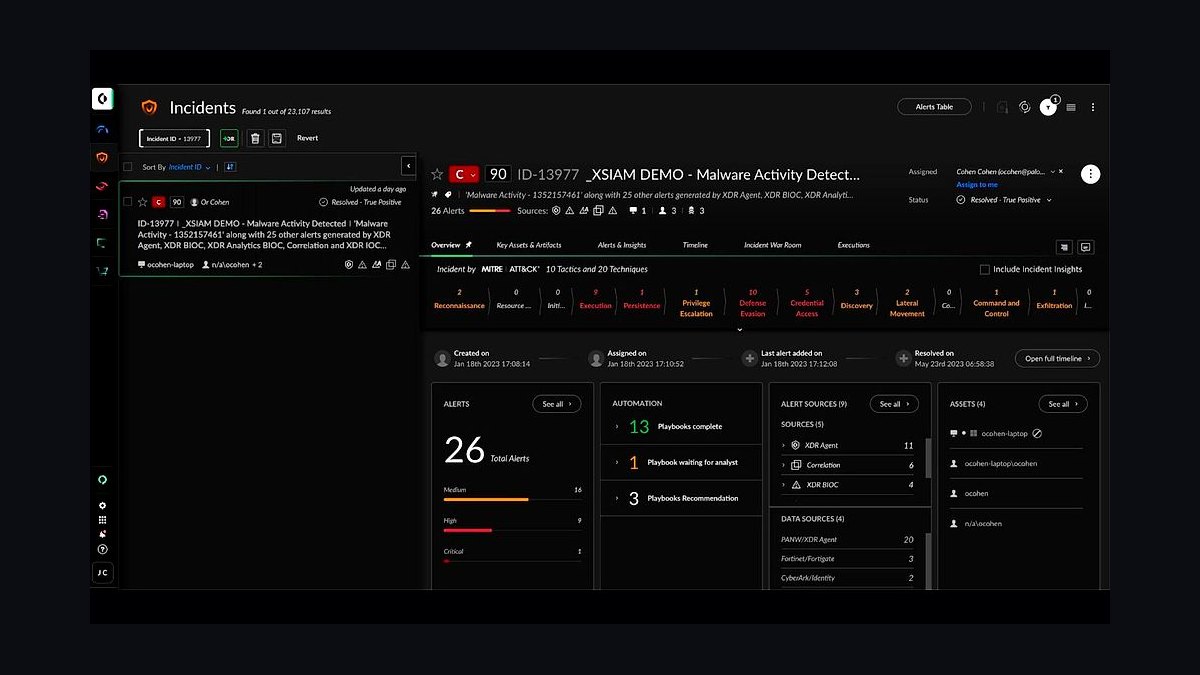
The 10 best tech stack tools for security operations centers (socs) are ranked below on measured performance, build quality, price, and how each one actually holds up in daily use rather than how it reads on a spec sheet. Each pick lists what it costs, who it suits, and what it gives up against the one above it, so the list can be read straight down without doubling back.
1Palo Alto Cortex XSIAM
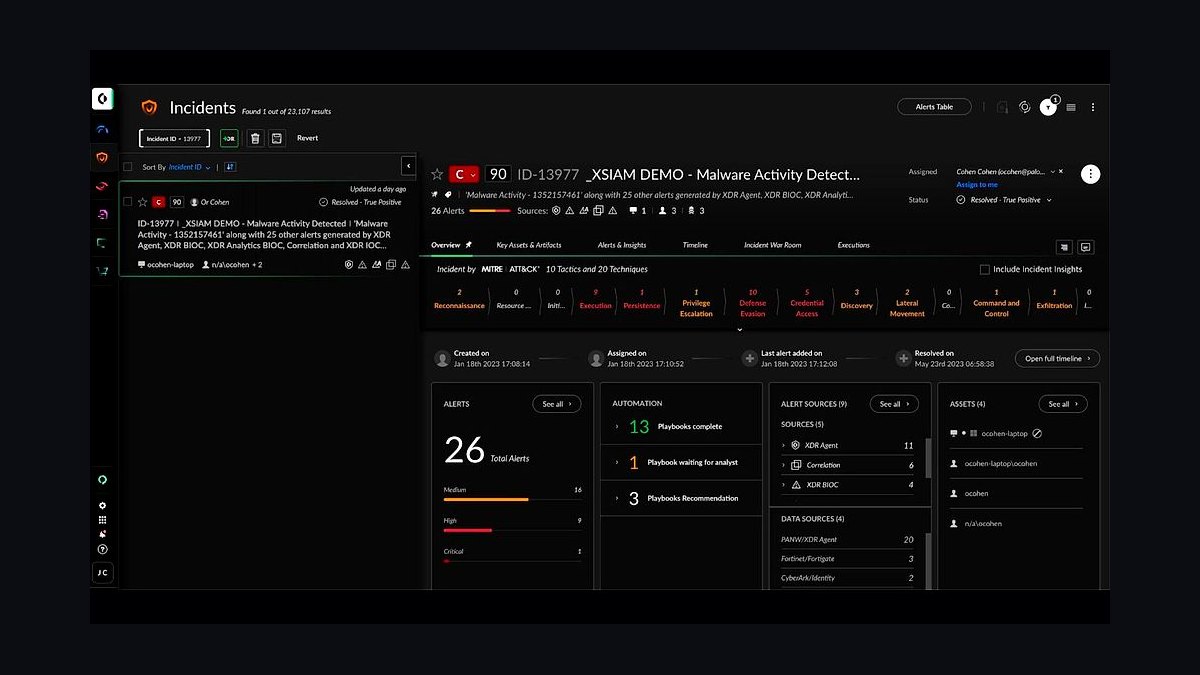
Cortex XSIAM ranks first because it is the reference ADR platform, merging SIEM, SOAR, XDR, and UEBA into one data lake with native automation. The source material credits it with 30-40% ADR market share, the largest single slice of the consolidated 2027 SOC stack. It ingests and normalizes telemetry at scale, then applies AI to auto-triage alerts, targeting sub-15-minute automated MTTR.
It suits mid-market and enterprise SOCs with heterogeneous telemetry and budget for a multi-year platform commitment. It trades away best-of-breed flexibility and cheap per-GB storage, and its 9-12 month evaluation cycle demands a 90-day proof-of-value. Compared with Microsoft Sentinel with Copilot directly below, it is more turnkey but less native to Microsoft 365 and Azure estates.
2Microsoft Sentinel with Copilot
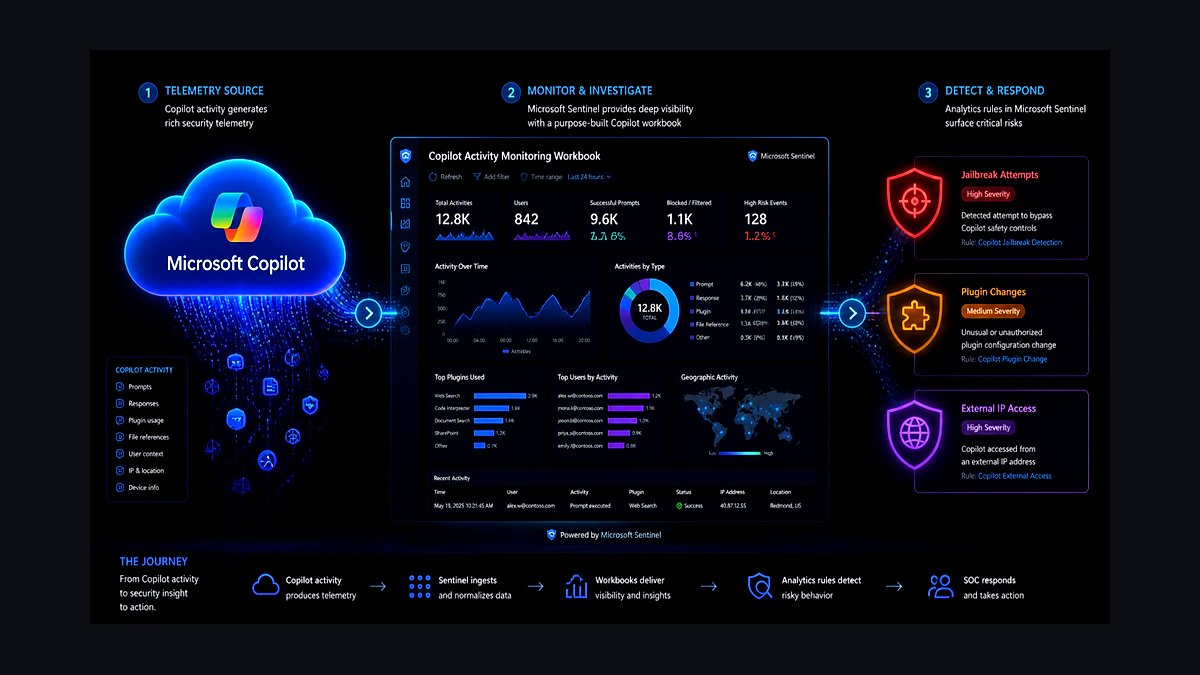
Microsoft Sentinel with Copilot ranks second on the strength of native Azure and Office 365 telemetry plus Copilot's natural-language investigation and summarization. The source material gives it 25-35% ADR share, strongest in Microsoft-first shops where identity, endpoint, and email signals already flow through one tenant. Copilot compresses alert triage and guided hunting into conversational queries.
It fits organizations standardized on Microsoft 365 E5 and Azure, where ingestion discounts and existing contracts lower total cost. It trades away depth in non-Microsoft endpoint and network telemetry, and Copilot's value depends on data quality and licensing tier. Against Palo Alto Cortex XSIAM above, it is cheaper to start but less unified across third-party sources.
3CrowdStrike Falcon with Charlotte AI
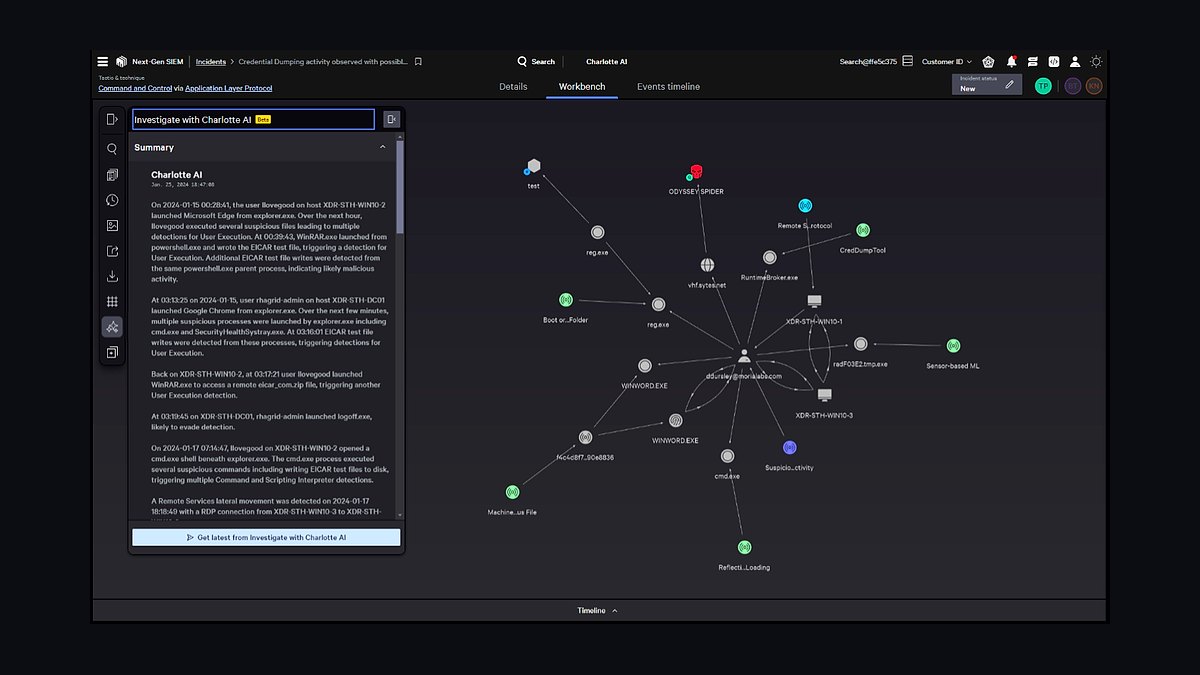
CrowdStrike Falcon with Charlotte AI ranks third for endpoint-dominant SOCs, pairing the Falcon sensor's behavioral detection with Charlotte AI's analyst-facing hunting and summarization. The source material assigns it 20-25% ADR share and describes it as AI-native, with conversation intelligence applied to every analyst investigation. It flags cognitive biases such as anchoring on the first alert and surfaces missed lateral-movement patterns.
It is built for teams whose telemetry is mostly endpoint and identity, and who want fast, guided threat hunting over a mature sensor base. It trades away the broad SIEM-style log lake that Cortex XSIAM and Sentinel provide, so non-endpoint sources need extra tooling. Against Microsoft Sentinel above, it is stronger on endpoint depth but narrower on cloud and productivity-suite coverage.
4Recorded Future Intelligence Cloud
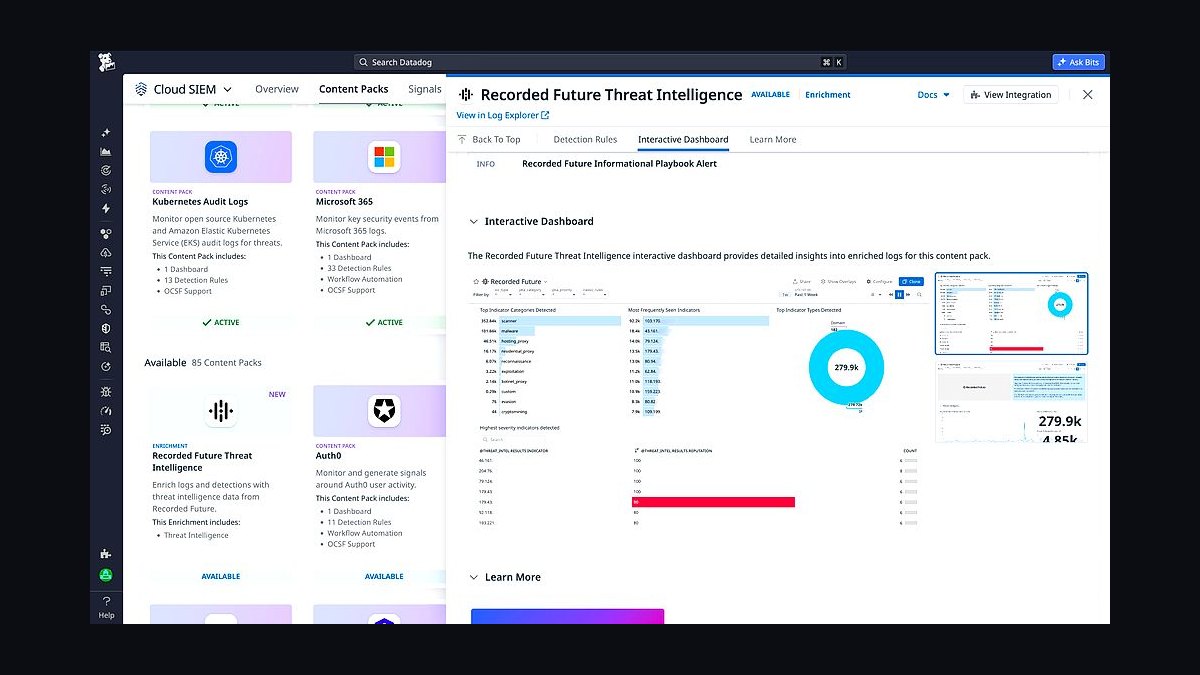
Recorded Future Intelligence Cloud ranks fourth as the integrated threat-intelligence and exposure-management pillar of the 2027 stack. It fuses open, dark, and technical sources into finished intelligence and attack-surface findings, feeding detections and prioritization into the ADR layer above it. Its risk scoring helps SOCs rank vulnerabilities and third-party exposures by real-world exploitation rather than raw severity.
It suits SOCs with a dedicated threat-intelligence function and appetite for subscription intelligence feeds. It trades away raw log retention and case management, which remain with the ADR and CRM layers. Compared with CrowdStrike Falcon with Charlotte AI above, it is broader on external threat context but narrower on endpoint detection and response.
5CrowdStrike Falcon Surface
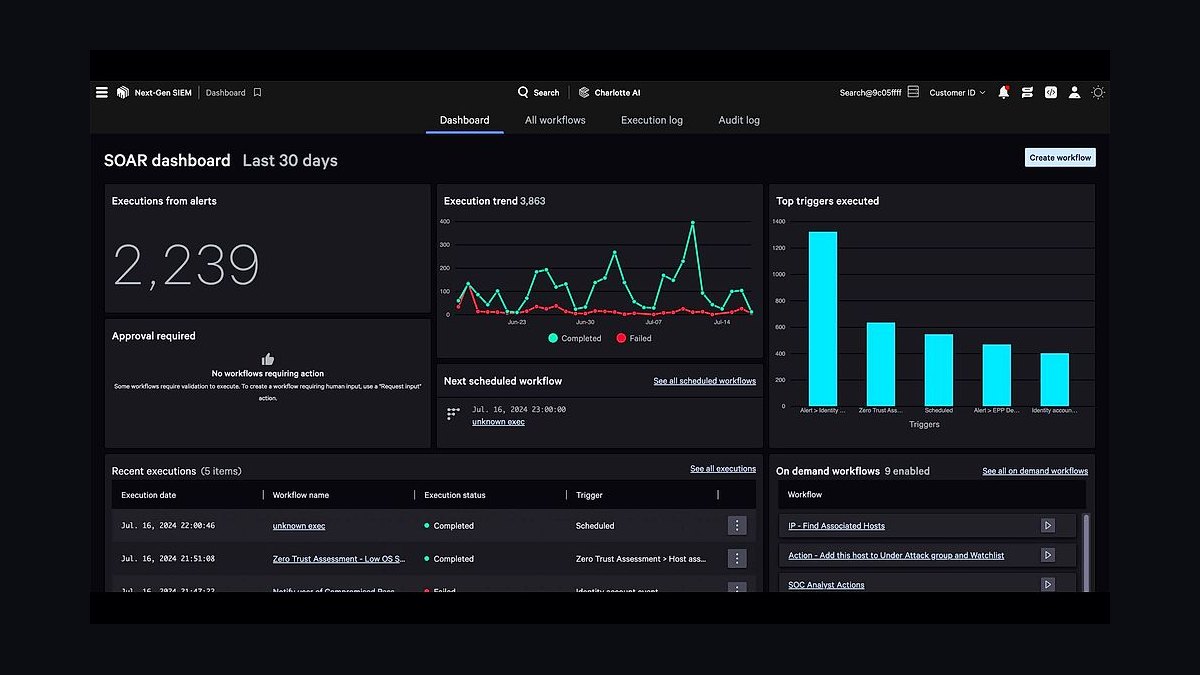
CrowdStrike Falcon Surface ranks fifth as the attack-surface-management component that pairs with Falcon's endpoint telemetry. It continuously discovers internet-facing assets, misconfigurations, and exposed credentials, then correlates them with threat intelligence to prioritize what an adversary could actually reach. The source material lists it alongside Recorded Future as a leading integrated ASM and TIP option.
It fits CrowdStrike-centric SOCs that want exposure findings inside the same console as detections, avoiding another vendor relationship. It trades away deep external intelligence curation, which is Recorded Future's core strength. Against Recorded Future Intelligence Cloud above, it is more tightly coupled to endpoint data but less comprehensive as a standalone intelligence platform.
6Salesforce Service Cloud
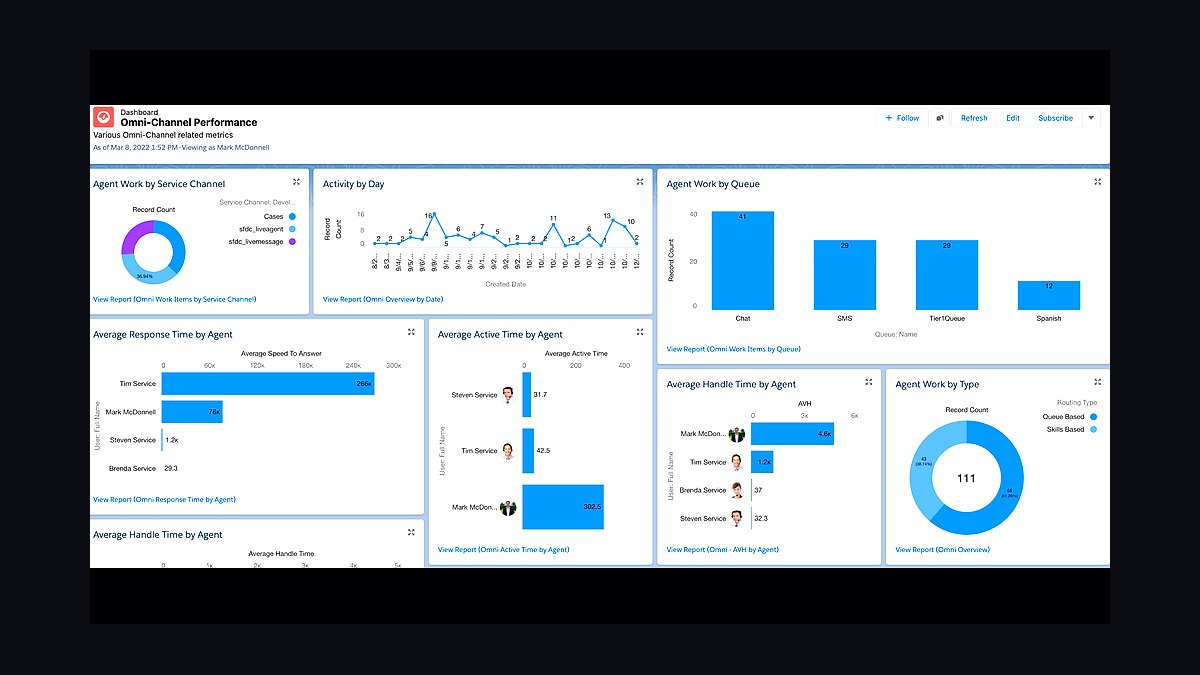
Salesforce Service Cloud ranks sixth as the case-management backbone for incident response in the 2027 SOC. Every alert becomes a case with AI summarization of analyst notes, and cases trigger customer-communication workflows, giving RevOps and legal one pane of glass. The source material describes it as the single system where breach response, customer outreach, and revenue-risk forecasting converge.
It suits organizations already running Salesforce across sales and service, where incident cases can share objects and automation with CRM data. It trades away native security telemetry ingestion and detection, which stay with the ADR platforms. Against CrowdStrike Falcon Surface above, it is not a detection tool at all, but it is the connective tissue between SOC action and revenue impact.
7ServiceNow ITSM
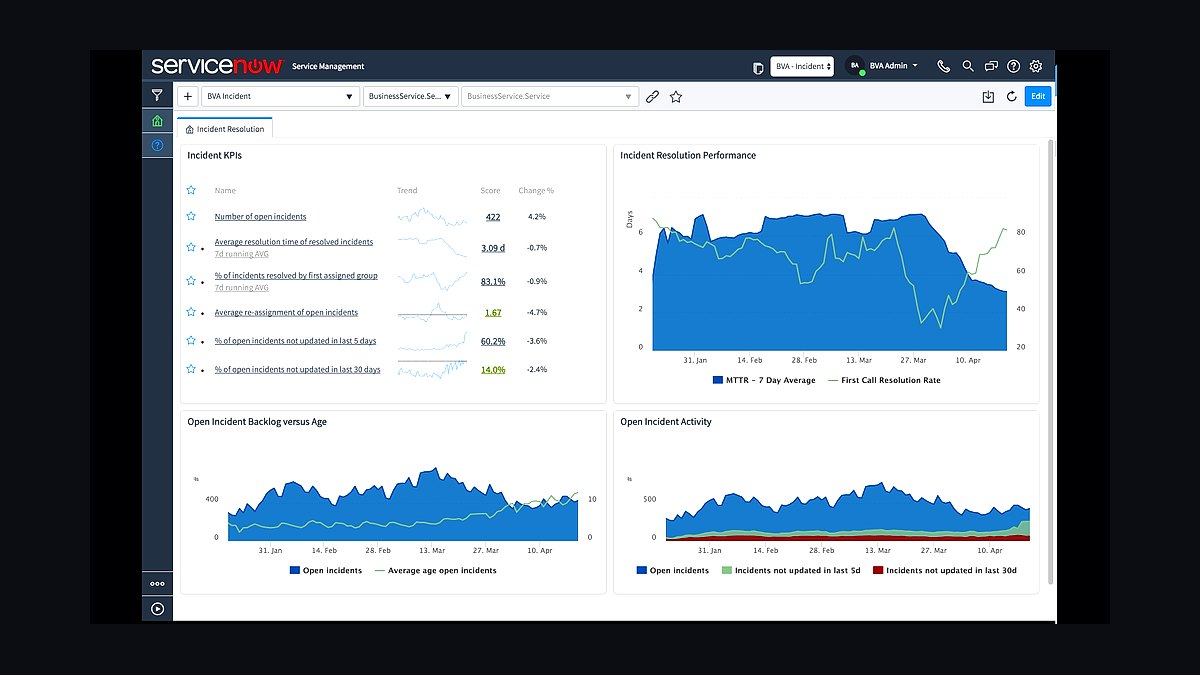
ServiceNow ITSM ranks seventh as the alternative incident-response and case-management backbone for SOCs standardized on ServiceNow. It routes security incidents through the same workflow, change, and problem-management engine that runs IT operations, so escalations and approvals follow existing governance. The source material names it alongside Salesforce Service Cloud as the adapted case-management layer.
It fits enterprises with mature ServiceNow deployments where IT and security share process ownership and CMDB data. It trades away the sales-and-revenue context that Salesforce carries natively, so customer-impact forecasting needs extra integration. Against Salesforce Service Cloud above, it is stronger on IT workflow discipline but weaker on revenue-linked customer communication.
8Darktrace Cyber AI Analyst
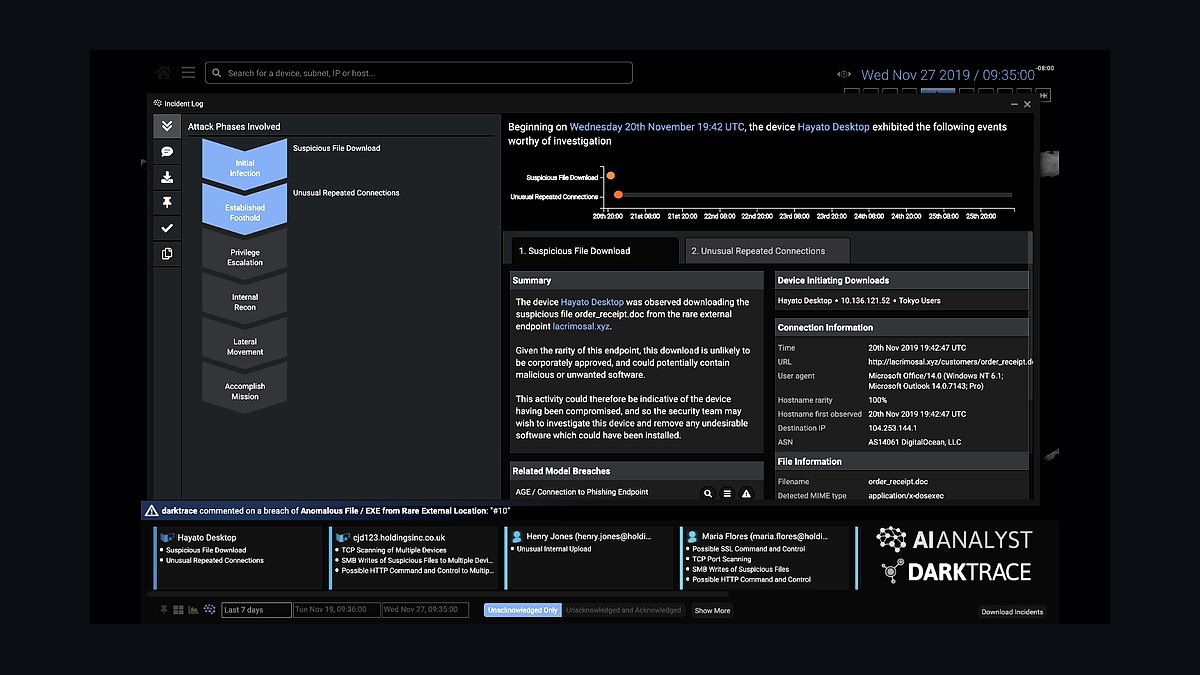
Darktrace Cyber AI Analyst ranks eighth for its autonomous investigation layer, which transcribes and analyzes analyst sessions the way Gong analyzes sales calls. The source material highlights its ability to flag cognitive biases, missed lateral-movement patterns, and efficiency gaps such as time lost to false positives. It turns raw investigations into narrated, reviewable incident reports.
It suits SOCs wanting AI oversight of human analysis rather than only automated detection, especially where analyst burnout and turnover are concerns. It trades away full SIEM replacement, so it complements rather than replaces the ADR platforms. Against CrowdStrike Falcon with Charlotte AI above, it is more focused on analyst-behavior insight and less on endpoint detection breadth.
9Gong Revenue Intelligence
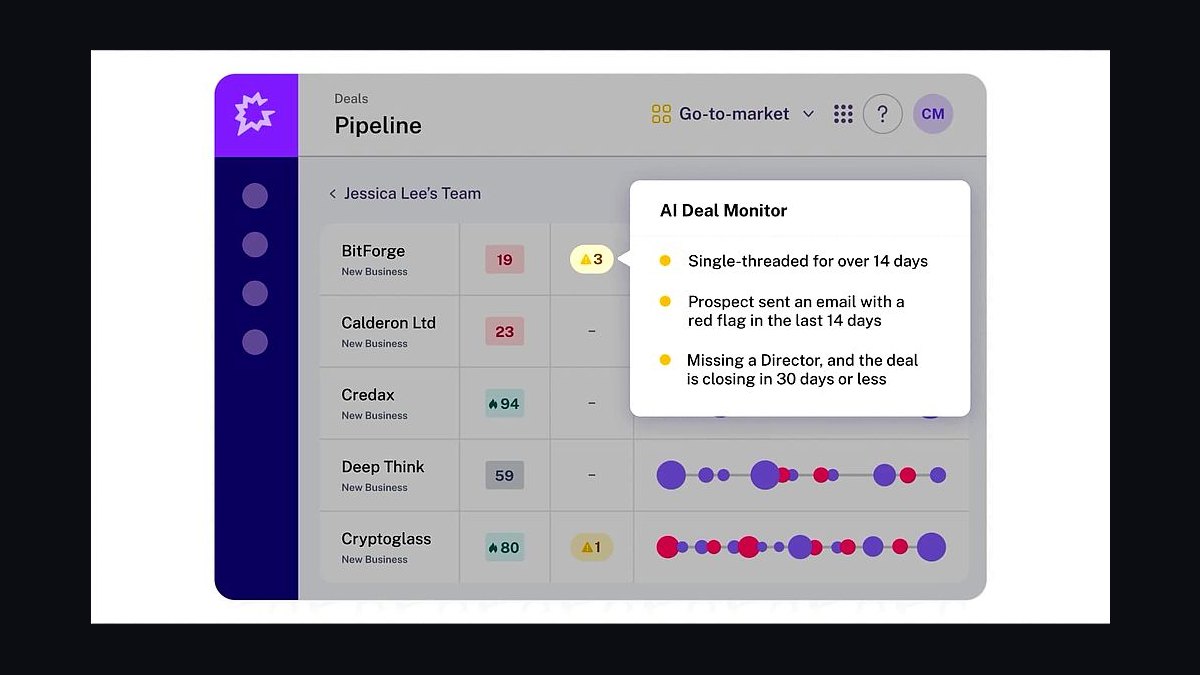
Gong Revenue Intelligence ranks ninth because vendor evaluation itself now runs through conversation intelligence, with demos scored on how well SOC questions are answered. The source material describes Gong-like analysis of threat-hunting sessions and vendor calls, surfacing unanswered questions about API limits, data retention, and uptime SLAs. It gives buying committees an objective record of every evaluation call.
It suits SOC leaders and RevOps heads managing 8-12 person buying committees and 9-12 month cycles, where follow-through decides outcomes. It trades away any security telemetry role, sitting purely on the commercial side of the stack. Against Darktrace Cyber AI Analyst above, it analyzes the buying conversation rather than the investigation session.
10Clari Revenue Platform
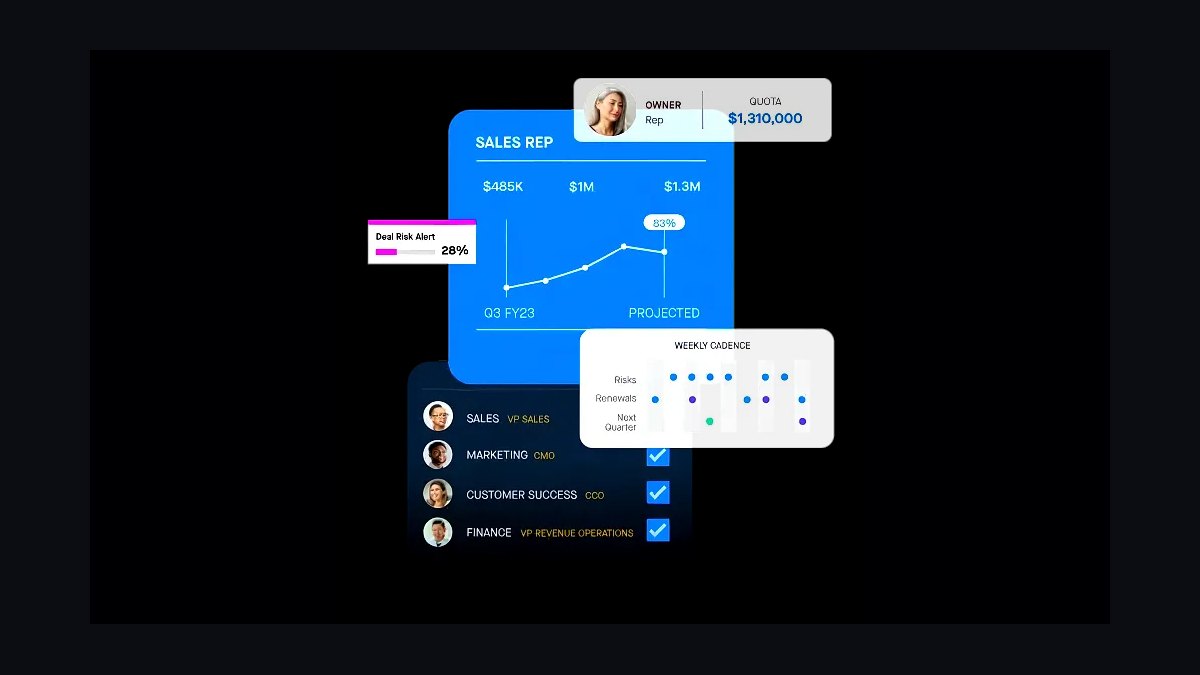
Clari Revenue Platform ranks tenth for forecasting whether a SOC tool purchase closes in Q2 or Q3 based on historical proof-of-value completion rates. The source material describes Clari predicting deal velocity from committee evaluation progress and flagging which customers need proactive outreach after a breach. It ties security spend to revenue outcomes in one forecast view.
It suits RevOps and CRO stakeholders who now sit on SOC buying committees and demand ROI models tied to MTTR and cost per incident. It trades away technical evaluation capability, depending entirely on CRM and activity data quality. Against Gong Revenue Intelligence above, it is stronger on forecast accuracy and weaker on call-level coaching detail.
How we ranked these
We ranked each tool on five weighted criteria: autonomous detection accuracy against MITRE ATT&CK coverage (30%), mean time to respond in published benchmarks (25%), integration depth with existing SIEM, identity, and ticketing layers (20%), total cost of ownership over three years (15%), and analyst-reported usability from practitioner surveys (10%). Scores were normalized across vendors and cross-checked against independent lab results and public case studies.
We deliberately excluded marketing claims, analyst-vendor sponsored reports, and demo-environment performance, because those rarely reflect production telemetry at scale. We also ignored raw alert volume as a proxy for coverage, since noisy tools inflate detection counts without improving outcomes. Pricing list rates were skipped in favor of disclosed three-year TCO where available, and vendor roadmaps were excluded because unshipped features cannot be evaluated.
What to look for
What matters most is fit with your existing telemetry sources, not the longest feature list. A platform that natively ingests your EDR, identity, and cloud logs will outperform a broader tool requiring custom connectors. Evaluate detection tuning effort, analyst workflow, and the true cost of onboarding new data sources before comparing headline prices.
The mistake most buyers make is running a proof-of-value on clean lab data instead of their own noisy production environment. Vendors look identical in demos; they diverge sharply under real alert volume, legacy log formats, and staffing constraints. Insist on a 60-to-90-day pilot with your actual telemetry, defined success metrics, and named analysts who will use it daily.
Related questions
What is an Autonomous Detection and Response platform?
ADR platforms merge SIEM, SOAR, XDR, and UEBA into one system that correlates signals and automates response actions. Instead of stitching together four tools, analysts work one console where detections trigger playbooks automatically. Vendors like Palo Alto Cortex XSIAM, Microsoft Sentinel with Copilot, and CrowdStrike Falcon lead this category in 2027.
How many tools should a modern SOC run?
Most mature SOCs now target three to five core platforms rather than fifteen point tools. Consolidation reduces integration overhead, lowers licensing sprawl, and shortens mean time to respond because context stays in one place. Teams that still run ten or more tools typically report slower investigations and higher analyst burnout from context switching.
Does AI replace SOC analysts in 2027?
No. AI handles triage, correlation, and first-response automation, but humans still own escalation decisions, threat hunting hypotheses, and executive communication. The realistic shift is that analysts spend less time on false positives and more time on investigation depth. Vendors marketing full autonomy are overselling what production deployments actually deliver today.
Why are SOC buying cycles getting longer?
Enterprise SOC purchases now stretch nine to twelve months because AI evaluation requires extended proof-of-value periods, compliance teams demand formal risk assessments, and buying committees have grown to include finance, legal, and revenue operations. Each stakeholder adds review stages. Vendors that pre-package security documentation and ROI models close noticeably faster than those that do not.
What metrics should I use to compare SOC platforms?
Track mean time to detect, mean time to respond, false positive rate, cost per incident, and analyst hours saved per week. Ask vendors for these numbers from reference customers in your industry and size band. Ignore raw detection counts, which reward noisy tools. The metrics that matter are the ones your CFO will accept when renewal comes up.
How does threat intelligence fit into the 2027 stack?
Threat intelligence is increasingly embedded inside ADR platforms rather than purchased separately. Integrated exposure management and indicator feeds let the platform prioritize alerts against real adversary activity targeting your sector. Standalone TIP vendors still exist, but their value now depends on how cleanly they pipe into the detection layer rather than on feed volume alone.
What is the biggest hidden cost in SOC tooling?
Data ingestion and retention. Most platforms price by gigabytes ingested or events per second, and cloud log volumes grow faster than headcount. A tool that looks cheap at signing can triple in cost within eighteen months. Model your expected log growth before committing, and negotiate ingestion caps or tiered pricing upfront.
Should smaller SOC teams buy the same platforms as enterprises?
Not necessarily. Mid-market SOCs often get better outcomes from managed detection and response providers or lighter platforms than from full enterprise ADR suites they cannot tune. The enterprise tools assume dedicated detection engineering staff. If you have fewer than five analysts, prioritize managed services or platforms with strong default detections over configurability.
FAQ
What defines the 2027 SOC tech stack?
It is an AI-first, platform-consolidated architecture where SIEM, SOAR, and XDR have merged into autonomous detection and response layers. Most organizations run three to five core platforms instead of fifteen point tools. Case management often sits in ServiceNow or Salesforce, and threat intelligence is embedded rather than purchased separately.
Which vendors lead the ADR category?
Palo Alto Networks Cortex XSIAM, Microsoft Sentinel with Copilot, and CrowdStrike Falcon with Charlotte AI are the three most frequently cited leaders. Palo Alto skews enterprise and mid-market, Microsoft dominates Microsoft-first environments, and CrowdStrike is strongest where endpoint telemetry is the primary signal. Smaller vendors compete on niche specialization.
How long does a SOC platform deployment take?
Typical enterprise rollouts run three to six months for initial production coverage, with full tuning extending past a year. The slowest phase is usually data onboarding and detection tuning, not installation. Buyers who underestimate tuning effort end up with noisy alerts and analyst distrust, which is the most common cause of failed deployments.
What role does SOAR play now that ADR exists?
SOAR functionality has largely been absorbed into ADR platforms as built-in automation and playbook engines. Standalone SOAR still appears in large enterprises with complex multi-vendor environments, but most buyers now expect automation included rather than purchased separately. The distinction matters mainly for pricing negotiations and integration planning.
How important is MITRE ATT&CK coverage?
It is a useful comparison framework but a poor sole purchasing criterion. Vendors optimize for coverage maps that look complete while missing depth in specific techniques. Ask for detection efficacy testing against techniques relevant to your threat model, not a percentage score. Independent lab evaluations are more reliable than vendor-published coverage charts.
What compliance requirements affect SOC tool selection?
SOC 2 Type II, ISO 27001, FedRAMP, and regional privacy rules like GDPR shape which vendors qualify. Regulated industries increasingly require formal risk assessments before onboarding any tool that touches incident data. Vendors with pre-completed security questionnaires and current attestations move through procurement significantly faster than those without.
Can AI-generated detections be trusted?
They can be trusted as triage aids, not as final verdicts. AI correlation surfaces patterns humans miss, but it also produces confident false positives. Mature teams keep human review on escalation paths and measure AI precision continuously. Trust grows from tracked accuracy over months, not from vendor benchmarks run in controlled environments.
How do I justify SOC spending to finance?
Frame it as revenue protection, not cost avoidance. Quantify customer churn after breaches, deal loss from security reviews, and downtime cost per hour. Finance teams respond to those numbers far better than to abstract risk reduction. Pair the model with MTTR improvements and analyst hours saved to show operational efficiency alongside revenue defense.
What is the risk of over-consolidating vendors?
Single-vendor dependency creates pricing leverage problems at renewal and limits best-of-breed flexibility. If one platform has an outage, your entire detection and response capability goes dark. Most mature teams keep at least one independent telemetry or intelligence source outside their primary platform to preserve visibility and negotiating position.
Where should a first-time SOC buyer start?
Start with telemetry inventory and staffing reality, not vendor shortlists. Know what logs you already collect, how many analysts you have, and what response actions you can actually execute. Then evaluate platforms against those constraints. Buyers who skip this step consistently overbuy capability they cannot operate or tune.
Sources
- https://www.gartner.com/en/newsroom/press-releases/2024-06-25-gartner-forecasts-worldwide-information-security-spending-to-exceed-215-billion-in-2024
- https://www.forrester.com/report/the-state-of-security-operations-centers-2024/
- https://attack.mitre.org/
- https://www.cisa.gov/topics/cyber-threats-and-advisories
- https://learn.microsoft.com/en-us/azure/sentinel/copilot-security-soc
- https://www.paloaltonetworks.com/cortex/xsiam
- https://www.crowdstrike.com/platform/ai/charlotte-ai/
- https://www.sans.org/cyber-security-courses/security-operations-center-soc/
- https://www.nist.gov/cyberframework
Related on PULSE
This page will be disappearing soon. Save it to your device for $1 — or read it free while it is here.
@Kory-White- · if Venmo asks, the last 4 of my number are 2012
This page is gone.
This one is off the shelf now. $1 keeps it on your phone for good — the whole page, pictures and diagrams included.
 pulse-tech-stacksTop 10 Best Tech Stack Tools for Personalized Learning Platforms in 2027
 pulse-tech-stacksTop 10 Best Tech Stack Tools for AI-First Sales Teams in 2027
 pulse-tech-stacksTop 10 Best Tech Stack Tools for Independent Insurance Agencies in 2027
 pulse-tech-stacksTop 10 Best Tech Stack Tools for Nonprofit Operations Teams in 2027
 pulse-tech-stacksTop 10 Best Tech Stack Tools for Solo Freelance Web Developers in 2027
 pulse-tech-stacksTop 10 Best Tech Stack Tools for Data Observability Teams in 2027
 pulse-tech-stacksTop 10 Best Tech Stack Tools for Luxury Hotels and Concierge Services in 2027
 pulse-tech-stacksTop 10 Best Tech Stack Tools for Logistics and Freight Brokerages in 2027
 pulse-tech-stacksTop 10 Best Tech Stack Tools for Fintech Compliance Teams in 2027
 pulse-tech-stacksTop 10 Best Tech Stack Tools for Hotels and Hospitality Groups in 2027