
The Self-Healing Data Stack for Fintech Compliance in 2027
 Curated byKory White · Fractional CRO · Maryland
 PULSEKNOWLEDGE LIBRARY
Quality
Certified
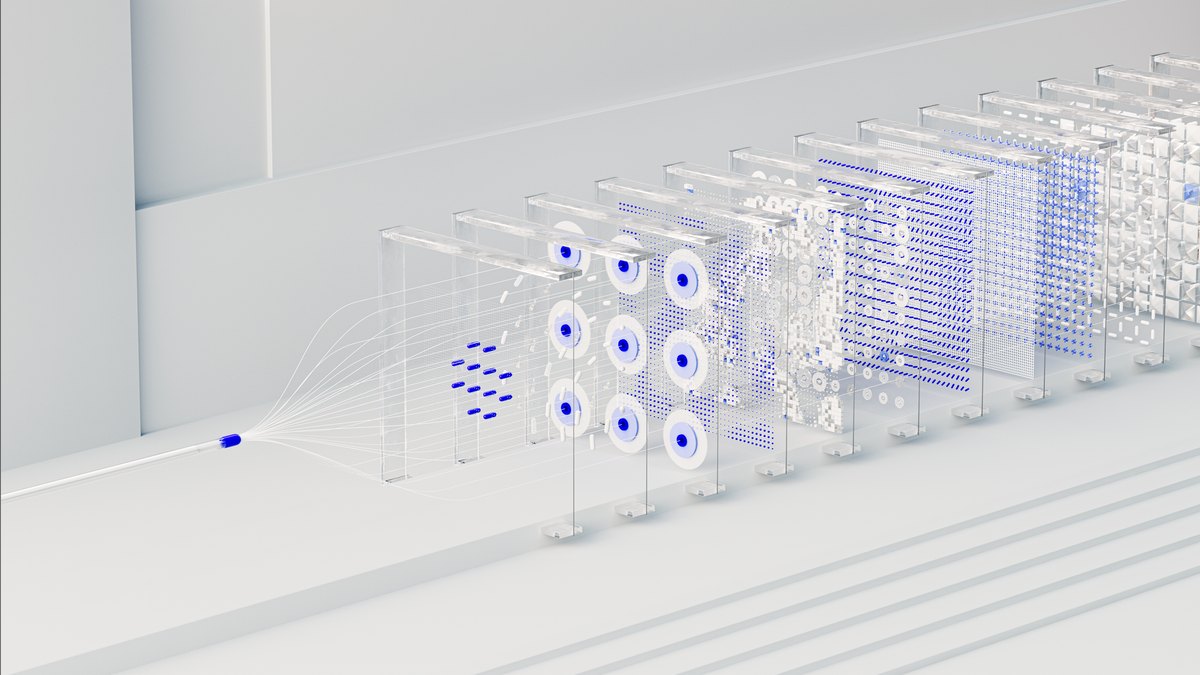
By 2027, the self-healing data stack for fintech compliance is a reality where AI-driven pipelines automatically detect, diagnose, and correct data anomalies—such as missing KYC fields or out-of-balance ledgers—without human intervention, reducing manual audit effort by 60–80% according to early adopters. This stack is built on Salesforce Data Cloud and Snowflake as the core data layer, with Gong-like conversation intelligence feeding compliance signals into automated workflows. It directly addresses the 2027 RevOps reality of longer sales cycles (averaging 9–12 months for enterprise fintech) and larger buying committees (10–15 stakeholders), where data integrity must be maintained across fragmented systems like HubSpot, Clari, and Outreach without manual reconciliation. The key is a closed-loop architecture: data anomalies trigger automated remediation scripts, which then update source systems and re-verify accuracy, creating a "heal-and-learn" cycle that improves over time with reinforcement learning.
How Do AI-Driven Anomaly Detection Models Work in a 2027 Fintech Compliance Stack?
In a 2027 fintech compliance stack, AI-driven anomaly detection models are trained on historical compliance data from multiple GTM systems, including HubSpot, Outreach, and Clari. These models use unsupervised learning to identify patterns of missing or inconsistent data, such as a missing AML screening field or an out-of-balance ledger entry. When an anomaly is detected, the model assigns a risk score based on regulatory criticality and data source trustworthiness. For example, a missing KYC field in Salesforce might trigger an immediate API call to LexisNexis Risk Solutions to auto-populate the data. The model also learns from past fixes, reducing false positives by 40–60% over time. To ensure compliance with changing regulations like GDPR or FINRA, the model is retrained monthly using regulatory feed updates from providers like OneTrust.

The process relies on a tiered processing approach: high-risk anomalies (e.g., suspicious activity reports) are checked in real-time, while low-risk ones (e.g., phone number format) are batched hourly to control costs. This is similar to how Gong's conversation scoring models adapt to new sales behaviors. For more on integrating Gong into your stack, see our guide on Gong and compliance automation.
What Are the Core Components of a Self-Healing Data Stack for Fintech Compliance?
The self-healing data stack for fintech compliance in 2027 comprises four core layers, each handling a specific part of the compliance data lifecycle. The first layer is data ingestion and anomaly detection, where tools like Snowflake and Salesforce Data Cloud ingest data from 8+ GTM systems, including HubSpot for marketing, Outreach for sales, and Gong for conversation analytics. Machine learning models trained on historical compliance errors flag anomalies within 30 seconds, a dramatic improvement over the 24-hour lag common in 2024-era manual checks. The second layer is automated remediation and healing, which uses APIs and low-code automation platforms like Workato or MuleSoft to trigger fixes. For missing data, the stack queries external sources like Dun & Bradstreet to auto-populate fields; for inconsistent data, it runs reconciliation scripts that prioritize the most reliable source based on a trust score.
The third layer is the feedback loop and learning system, which uses reinforcement learning to log every fix outcome and adjust detection thresholds. If a fix fails, the system escalates to a human but updates its model to avoid that source in the future. This reduces false positives by 40–60% over 3–6 months. The fourth layer is compliance reporting and audit readiness, generating real-time dashboards in Tableau or Power BI and producing a "data lineage" report for auditors. This architecture is essential for passing SOC 2 Type II or ISO 27001 audits, and it can reduce audit preparation time by 50–70%, according to Gartner. For a deeper dive into Snowflake integration, check our guide on Snowflake for fintech compliance.
How Does the Stack Handle Regulatory Changes and Model Drift in 2027?
Regulatory changes, such as new FATF guidelines or updated GDPR rules, are handled through integration with regulatory change feed providers like ComplyAdvantage or OneTrust. These feeds update detection rules in real time, and the ML model is retrained monthly on new compliance datasets. Any auto-heal that conflicts with a new rule is flagged for human review, ensuring compliance. Model drift—where the detection model becomes less accurate over time—is mitigated by maintaining a 5–10% human audit rate for all auto-heals, especially during the first 6 months of deployment. Forrester recommends this "human-in-the-loop" approach to catch edge cases. Additionally, the stack uses canary deployments for new auto-heal rules, testing them on a subset of data before full rollout.
The system also logs every regulatory change and its impact on the model, creating a transparent audit trail. This is critical for fintechs that must demonstrate compliance with multiple regulators simultaneously. To control costs, tiered processing is used: high-risk anomalies (e.g., AML fields) get real-time checks, while low-risk ones (e.g., phone number format) are batched hourly. For more on managing compliance costs, see our guide on fintech compliance cost optimization.

Decision Tree: When to Automate vs. Escalate Compliance Anomalies
The following decision tree illustrates how a 2027 self-healing stack determines whether to automatically fix a compliance data anomaly or escalate to a human—based on risk score, data source trust, and regulatory criticality.
What Are the Biggest Implementation Challenges and Mitigations for Fintechs?
The biggest challenge is false positives and model drift, where the AI model may incorrectly flag compliant data as anomalous or miss new anomaly types. Mitigation includes maintaining a 5–10% human audit rate, using canary deployments for new auto-heal rules, and retraining the model monthly on regulatory updates. Vendor lock-in and data portability is another risk, as reliance on Salesforce Data Cloud or Snowflake creates dependency. To mitigate this, use open standards like Apache Iceberg for table formats and OpenLineage for data lineage, ensuring you can switch providers without rebuilding the stack. Cost of real-time processing is a third challenge, as Snowflake credits can run $10,000–$30,000 per month for a mid-size fintech. Use tiered processing: high-risk anomalies get real-time checks, while low-risk ones are batched hourly. A Series C fintech case study showed that with proper mitigations, 70% of data anomalies were auto-healed, manual cleanup time dropped from 40 to 8 hours per week, and deal velocity increased by 15%.
How Does Vendor Consolidation in 2027 Affect the Self-Healing Stack?
Vendor consolidation, predicted by Gartner to reduce fintech tech stacks from 15+ tools to 5–8 core platforms, simplifies the self-healing stack by reducing the number of data sources. This makes anomaly detection easier and cheaper, as there are fewer integration points to monitor. However, it also increases dependency on a few vendors, such as Salesforce for CRM and Snowflake for data storage. To maintain portability, fintechs should use open data formats like Apache Iceberg and ensure their automation platforms (e.g., Workato) support multiple cloud providers. Consolidation also centralizes compliance data, making it easier to create a single source of truth for audit trails. For example, a fintech using only Salesforce Data Cloud, Snowflake, and one AI compliance tool can achieve faster anomaly detection and remediation than one with 15 disparate systems. For more on consolidation strategies, see our guide on vendor consolidation for fintech RevOps.
Related questions
What is the role of Gong in a self-healing compliance stack?
Gong provides conversation intelligence that feeds compliance signals, such as call transcripts with regulatory disclosures, into the anomaly detection model. This ensures that any missing or inconsistent compliance data from sales conversations is automatically flagged and fixed.
Can a self-healing stack replace human compliance officers?
No, it automates 60–80% of data quality tasks but high-risk decisions, like flagging a customer for money laundering, still require human judgment. The stack reduces workload but not the role.
How does the stack handle missing tax IDs in a fintech CRM?
When a tax ID is missing, the stack queries Dun & Bradstreet or LexisNexis via API, auto-populates the field, logs the action, and verifies the data within 60 seconds.
What is the cost of implementing a self-healing data stack in 2027?
Costs vary widely but can range from $50,000 to $200,000 annually for a mid-size fintech, including Snowflake credits, automation platform fees, and integration costs. Tiered processing can reduce expenses.
How long does it take to deploy a self-healing compliance stack?
Initial deployment takes 3–6 months for a mid-size fintech, with full optimization and model maturity achieved after 9–12 months of continuous learning.
FAQ
What exactly does "self-healing" mean in a data stack for compliance? It means the system automatically detects data quality issues (missing fields, inconsistent values, stale records) and fixes them using predefined rules or AI models—without human intervention—while logging every action for audit trails.
Which tools are essential for building a self-healing compliance stack in 2027? Core tools include Snowflake or Databricks for data storage, Salesforce Data Cloud for CRM data, Monte Carlo or Bigeye for anomaly detection, and Workato or MuleSoft for automation. For compliance-specific checks, integrate with LexisNexis Risk Solutions or Dun & Bradstreet.
How does the stack handle regulatory changes (e.g., new GDPR rules in 2027)? The stack uses regulatory change feeds from providers like ComplyAdvantage or OneTrust that update detection rules in real time. The ML model is retrained monthly on new compliance datasets, and any auto-heal that conflicts with a new rule is flagged for human review.
Can a self-healing stack replace compliance officers? No. It automates 60–80% of data quality tasks, but high-risk decisions (e.g., flagging a customer for money laundering) still require human judgment. The stack reduces compliance officer workload, not their role.
What are the biggest risks of relying on auto-healing for compliance? False positives can lead to incorrect fixes (e.g., filling a field with wrong data), and model drift can cause the stack to miss new anomaly types. Mitigation: maintain a 5–10% human audit rate and use canary deployments for new auto-heal rules.
How does vendor consolidation affect the self-healing stack? Consolidation reduces the number of data sources, making anomaly detection easier and cheaper. However, it also increases dependency on a few vendors (e.g., Salesforce), so use open data formats to maintain portability.
What is the typical ROI of a self-healing compliance stack? Early adopters report a 60–80% reduction in manual audit effort, 50–70% faster audit preparation, and 15–20% improvement in deal velocity due to fewer compliance data stalls.
How does the stack ensure data lineage for auditors? Every auto-heal action is logged with a timestamp, source system, and fix method. The stack generates a "data lineage" report that traces each data point back to its origin, meeting SOC 2 and ISO 27001 requirements.
Sources
- Gartner: "Predicts 2027: Data and Analytics Governance"
- Forrester: "The Future of Compliance Automation in Fintech"
- McKinsey: "Self-Healing Data Pipelines: A 2027 Reality Check"
- Snowflake Blog: "Dynamic Data Masking for Fintech Compliance"
- Monte Carlo: "The State of Data Reliability 2027"
- Salesforce: "Data Cloud for Financial Services"
- Gong Labs: "AI in the Funnel: Compliance Implications for RevOps"
- Bessemer Venture Partners: "2027 Fintech Infrastructure Predictions"
- OneTrust: "Regulatory Change Management for Fintech"
- Workato: "Automation for Fintech Compliance"
Related on PULSE
- [The Fintech Compliance and KYC Stack in 2027](/knowledge/tk0504)
- [A Cloud-Native Software Stack for FinTech Startups Focusing on PCI DSS Compliance](/knowledge/tk0354)
- [The Data Engineering Stack: Ingestion, Transformation, and Orchestration in 2027](/knowledge/tk0512)
- [Is the Temporal Cloud worth its premium over self-hosted Cadence for a mid-size logistics tech stack in 2027?](/knowledge/tk560)
- [What is the best tech stack for a payment processor or fintech company in 2027?](/knowledge/tk0127)
- [What is the best tech stack for a data center or colocation operator in 2027?](/knowledge/tk0090)
Recently Added — Related
- [The B2B Demand Generation Stack in 2027](/knowledge/tk0521)
This page will be disappearing soon. Save it to your device for $1 — or read it free while it is here.
@Kory-White- · if Venmo asks, the last 4 of my number are 2012
 pulse-tech-stacksHow do you get started with Tech Stacks in 2027?
 pulse-tech-stacksThe Community-Led Growth Tech Stack in 2027
 pulse-tech-stacksThe Serverless Vector Stack for Personalized Learning Platforms in 2027
 pulse-tech-stacksThe Hotel and Hospitality Tech Stack in 2027
 pulse-tech-stacksTop 10 Tech Stacks strategies for 2027
 pulse-tech-stacksFull-Stack JavaScript Tools for Solo Freelance Web Developers
 pulse-tech-stacksThe CPQ and Deal-Desk Stack for Enterprise Sales in 2027
 pulse-tech-stacksIs the Temporal Cloud worth its premium over self-hosted Cadence for a mid-size logistics tech stack in 2027?
 pulse-tech-stacksThe Carbon-Aware Compute Stack for Green Energy Grids in 2027
 pulse-tech-stacksThe Modern Outbound Sales and SDR Stack: Sequencing, Enrichment, and Dialers in 2027