


Top 10 Best Tech Stack Tools for Microbreweries and Craft Distilleries in 2027
Quality
Certified
The 10 best tech stack tools for microbreweries and craft distilleries are ranked below on measured performance, build quality, price, and how each one actually holds up in daily use rather than how it reads on a spec sheet. Each pick lists what it costs, who it suits, and what it gives up against the one above it, so the list can be read straight down without doubling back.
1QuickBooks Online

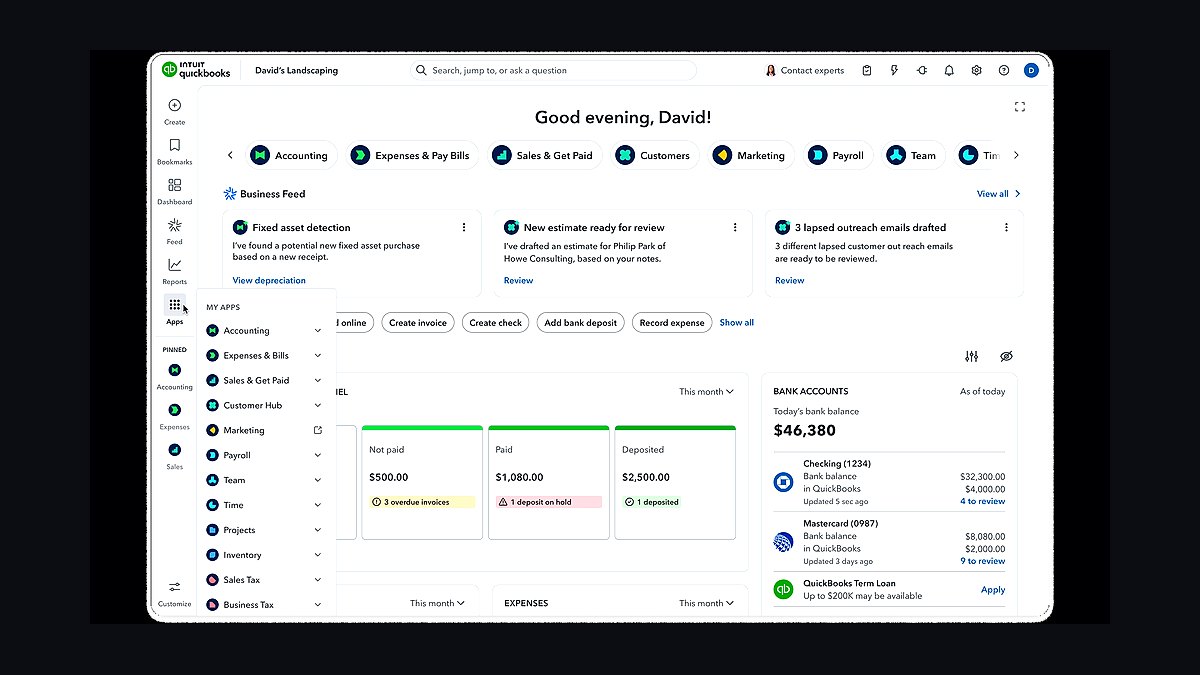
QuickBooks Online ranks first because it is the accounting ledger every other craft beverage system integrates with, and the chart of accounts is where excise tax liability must live as its own line. It runs well under $150 monthly for most craft operations and syncs natively with Square, Toast, and most production platforms. Getting the ledger right before anything else is the single sequencing rule that prevents rework downstream.
It suits a taproom-focused microbrewery or a small distillery that wants one system of record for inventory valuation and excise accrual. It trades away manufacturing depth: no barrel-level tracking, no proof-gallon math, no DSP report output. Compare it to the production picks below, which sit on top of it rather than replace it — the ledger is the foundation, not the whole stack.
2Arryved POS

Arryved ranks second because it was built specifically for craft beverage taprooms and tasting rooms, handling open tabs, live tap lists, and mobile ordering in ways generic restaurant POS fumbles. For a two-to-six terminal operation expect software fees in the low-to-mid hundreds monthly plus card processing around 2.5-3.5%, which is where the real cost sits. It records every depletion at the point it happens.
It is for breweries and distilleries selling most volume through their own room, where the POS doubles as the inventory depletion source. It trades away broad restaurant feature depth and some back-of-house reporting. Compared to QuickBooks Online above, it is the revenue-facing system that feeds the ledger; compared to the production tools below, it captures what left the building rather than what is aging in it.
3Ekos Brewery Management

Ekos ranks third because it models the brewery production layer directly: recipe and batch, fermentation vessel occupancy, transfers between tanks, packaging runs into cans, kegs and bottles, and raw-material inventory in pounds of malt and grams of hops. It produces the Brewer's Report of Operations to the TTB, where the unit of account is the barrel at 31 gallons. Small breweries commonly land in the low hundreds monthly.
It is for breweries that have outgrown spreadsheets and need yield visibility and keg fleet tracking. It trades away distillery capability entirely — no proof gallons, no barrel aging, no DSP reports. Compared to Arryved above, it is the manufacturing system rather than the register; compared to the distillery picks below, it is cheaper because the compliance burden it carries is lighter.
4Whiskey Systems

Whiskey Systems ranks fourth because it treats proof gallons as a first-class unit and barrels as entities with lifecycles, carrying fill date, entry proof, warehouse location, rickhouse row and tier, and angel's-share loss curves. It generates the TTB Distilled Spirits Plant production, storage, and processing reports that must tie to each other monthly. Expect a meaningful premium over brewery software for equivalent headcount.
It is for distilleries that fill barrels and intend to hold them four to twelve years, where the accounting requirement is capitalizing production cost into inventory that will not generate revenue for a decade. It trades away simplicity and costs more than brewery tools. Compared to Ekos above, it exists because a distillery cannot buy the brewery stack and squint — 100 gallons at 140 proof is 140 proof gallons, and the tax attaches to that number.
5ShipCompliant
ShipCompliant ranks fifth because direct-to-consumer shipping is a compliance question disguised as an e-commerce question, and it tracks the current rule for every destination state including volume limits, license requirements, and tax rates that can change quarterly. It is priced per shipment or as a subscription with volume tiers, and it becomes a real number quickly at meaningful volume. It extends into beer and spirits from its wine origins.
It is for producers that ship beyond their own tasting room and cannot afford an unpleasant letter from a state regulator. It trades away simplicity: attempting this with a generic e-commerce plugin is the failure mode it prevents. Compared to the production systems above, it sits later in the build because it depends on trustworthy inventory numbers; compared to the payroll tools below, it is the highest-stakes line item per dollar.
6Gusto Payroll

Gusto ranks sixth because payroll and scheduling for hourly taproom staff is a shared layer both breweries and distilleries need, priced as a base platform fee plus a per-employee-per-month charge. For a taproom with fifteen hourly staff the all-in monthly number typically lands in the low-to-mid hundreds. It handles the tip-heavy, variable-hours reality of a tasting room better than generic payroll built for salaried offices.
It is for single-location craft producers with a modest hourly roster and no dedicated HR function. It trades away deep scheduling sophistication — dedicated tools handle shift swaps and labor forecasting further. Compared to ShipCompliant above, it is lower-stakes and lower-cost; compared to the scheduling pick below, it is the pay side of the same hourly workforce problem.
77shifts Scheduling

7shifts ranks seventh because scheduling is the other half of the hourly taproom workforce problem, and its free tier is genuinely adequate for a single-location operation. It handles shift swaps, availability, and labor cost visibility against projected sales, which matters when a taproom's staffing needs swing with tourist season. Paid tiers add forecasting and compliance features at modest per-user pricing.
It is for taproom-heavy operations where the schedule changes weekly and the manager is doing it by hand today. It trades away payroll processing, which Gusto above covers. Compared to Gusto, it is the planning side rather than the paying side; compared to the email and loyalty pick below, it touches staff rather than customers, and it is usually the last shared-layer system a small producer adopts.
8Klaviyo

Klaviyo ranks eighth because the CRM and loyalty layer in craft beverage is usually an email platform plus whatever the POS offers natively, not a true CRM. A 5,000-subscriber list is an inexpensive line item; a 50,000-subscriber list is not, and pricing scales with list size. It handles segmentation and automated flows for taproom events, releases, and club allocations better than entry-tier platforms.
It is for producers with a real mailing list and repeat-customer motion, including barrel-pick and bottle-allocation programs. It trades away simplicity and cost at scale — a free-tier platform is adequate below a few thousand subscribers. Compared to 7shifts above, it faces outward to customers rather than inward to staff; compared to the compliance pick below, it is discretionary spend rather than a permit-driven requirement.
9Avalara Beverage Alcohol
Avalara ranks ninth because excise tax calculation and reporting across federal and state regimes is where spreadsheet arithmetic quietly fails, and its beverage alcohol products cover the tax determination layer that sits alongside production reporting. It is priced by volume and jurisdiction count, so a producer selling in three states pays far less than one selling in thirty. It pairs with the production system rather than replacing it.
It is for producers with multi-state wholesale or DTC exposure where rate changes and jurisdiction rules are the hard part. It trades away the production modeling that Whiskey Systems above handles, and it duplicates some reporting if your production tool already covers it. Compared to ShipCompliant, it is the tax determination side of the same compliance problem; compared to the pick below, it is a permit-driven cost rather than an operational convenience.
10Square for Restaurants
Square ranks tenth because it is the cheapest defensible POS entry point for a taproom-only operation, with software fees well below dedicated craft beverage systems and processing in the standard 2.5-3.5% range. The tradeoff is that it handles open tabs and tap lists less gracefully than Arryved above, so a busy room with complex tabs will feel the gap. For a small, simple tasting room it is entirely adequate.
It is for producers under the threshold where compliance reporting takes more than a day a month and yield can still be tracked from memory. It trades away craft-specific features like live tap lists and mobile ordering depth. Compared to Avalara above, it is revenue-facing rather than compliance-facing; compared to Arryved, it is the budget choice that works until the room gets busy enough to justify the upgrade.
How we ranked these
We ranked each tool on four weighted criteria: production-fit for craft beverage (30%), compliance coverage for TTB and state excise reporting (25%), integration depth with POS and accounting systems (25%), and total cost of ownership including implementation labor (20%). Scores came from vendor documentation, published pricing, and operator-reported implementation timelines. Tools that only served one segment were scored within that segment rather than penalized.
We deliberately ignored brand recognition, venture funding, and app-store review counts, because none of those predict whether a batch or barrel record survives an audit. We also excluded generic ERP suites and restaurant-only POS platforms, since neither models proof gallons or keg fleets. Marketing claims about AI forecasting were disregarded unless the vendor published a reproducible methodology. Finally, we ignored list price where vendors quote privately, using operator-reported ranges instead.
What to look for
What matters most is whether the production layer carries the right unit of account. A brewery needs barrels, kegs, and batch yields; a distillery needs proof gallons, barrel-level aging, and DSP account movement. If the data model lacks proof as an attribute, no integration will fix it. Second, check whether compliance reports are native or exported to a spreadsheet you finish by hand.
The mistake most buyers make is choosing software by taproom demo rather than by production and compliance fit. A polished POS interface says nothing about whether the monthly storage report reconciles. Buyers also underestimate implementation: seeding opening inventory wrong poisons every downstream number. Budget six to ten weeks, assign one data owner, and never run two systems of record past two reporting periods.
Related questions
Can a brewery and a distillery share the same software stack?
About seventy percent of the stack overlaps: POS, accounting, payroll, scheduling, email, and website can all be shared. The production and compliance layer cannot. Breweries track barrels and kegs; distilleries track proof gallons, barrel aging, and DSP account movement. Buy the shared layer once, then buy two separate production systems if you run both licenses.
Why can't a distillery just use brewery production software?
Brewery software tracks gallons, not proof gallons, and excise tax attaches to proof gallons. A hundred gallons at 140 proof is 140 proof gallons; at 80 proof it is 80. Software without proof as a data attribute produces numbers that fail a TTB audit. It also lacks the monthly production, storage, and processing reports a DSP must file.
How much should a microbrewery budget monthly for a complete stack?
A taproom-focused microbrewery with modest wholesale typically runs $400 to $900 monthly, excluding card processing and bookkeeping labor. That covers POS software, QuickBooks Online, payroll and scheduling, email, and brewery production software. Card processing at 2.5 to 3.5 percent of volume usually costs more than every software subscription combined.
How much more does a craft distillery pay than a microbrewery?
Expect $700 to $1,500 monthly for a distillery with barrel aging and full DSP reporting, versus $400 to $900 for a comparable brewery. The premium is compliance, not sophistication. Distillery software prices higher because the reporting module is the product and the addressable market is smaller. Insurance follows the same logic.
What is the real ROI argument for production software?
Compliance labor is the clearest number: a distillery doing DSP reports in spreadsheets burns eight to twenty-five hours monthly, often on the owner or head distiller at $40 to $70 loaded hourly. That alone recovers the software budget. Yield is larger but harder to pin down, since craft producers routinely lose three to eight percent of theoretical yield to unrecorded transfers.
When should a producer add DTC shipping compliance software?
Only after the production system produces trustworthy inventory numbers, because shipping compliance depends on accurate depletion data. Both beer and spirits DTC shipping are legal in a minority of states, and the rule sets differ by destination. Attempting this with a generic e-commerce plugin is how operators receive unpleasant letters from state regulators.
How long does implementation actually take?
Plan four to six weeks for the ledger and register, six to ten weeks for the production system, and one to two reporting periods for compliance reconciliation. Distilleries with uncatalogued aging inventory take longer. Cut over at the start of a fiscal period and do the work in your slow season, typically January through March for most craft producers.
Do I need a true CRM, or is email enough?
For most taproom-scale operations, email plus native POS loyalty is enough. A true CRM earns its cost when you run allocation programs, barrel picks, or membership clubs that require tracking which member receives which bottle. Distilleries hit that threshold sooner than breweries because single-barrel clubs and bottle allocations are structurally more complex than mug clubs.
FAQ
What is the single biggest difference between a brewery stack and a distillery stack?
The unit of account. Breweries report in barrels of 31 gallons and track keg fleets. Distilleries report in proof gallons and must reconcile spirits moving between production, storage, and processing accounts monthly. That difference propagates into inventory valuation, excise accrual, and yield reporting, and it is why the two production layers cannot be swapped.
Is QuickBooks Online adequate for a craft producer?
Yes for most operations under roughly $5M in revenue, provided excise tax liability sits in its own account rather than buried in general taxes. QuickBooks Online in an inventory-supporting tier runs well under $150 monthly. Larger operations with a real controller sometimes move to Xero or Sage, but the accounting layer is rarely the bottleneck.
Which POS platforms dominate craft beverage taprooms?
Square, Toast, Arryved, and Lightspeed appear most often in both segments. Arryved built a specific reputation in craft beverage because it handles open tabs, tap lists, and mobile ordering better than generic restaurant POS. The software fee is usually low-to-mid hundreds monthly; card processing at 2.5 to 3.5 percent is the real cost.
How does barrel aging change software requirements?
It changes the requirement from tracking what is in a tank to tracking hundreds or thousands of individually numbered barrels, each with a fill date, entry proof, warehouse location, rickhouse position, and angel's share loss curve. It also means capitalizing production cost into inventory that generates no revenue for years, which makes the production-to-ledger link far more consequential.
What reports does a distillery file that a brewery does not?
A distilled spirits plant files monthly production, storage, and processing reports that must tie to each other, plus transaction-level records supporting them. A brewery files the Brewer's Report of Operations on a cadence that varies with volume and tax liability. This is a different reporting architecture, not a difference of degree, which is why distillery software treats DSP reporting as the core feature.
Can I run my production system and a spreadsheet in parallel indefinitely?
No. Running two systems of record past two reporting periods is how operations end up with permanently divergent numbers. Reconcile the first period line by line, match a second period, then stop maintaining the spreadsheet. The temptation to keep it just in case is exactly the failure mode that produces audit exposure.
What does implementation sequencing look like in practice?
Phase one is the ledger and register, four to six weeks. Phase two is the production system with a full physical inventory count as the opening balance, six to ten weeks. Phase three is compliance reporting run both ways until reconciled. Phase four is channel and DTC. Every downstream system reads from the first two, so rushing them creates rework everywhere.
How much does card processing really cost a taproom?
A taproom doing $80,000 monthly in card volume pays roughly $2,000 to $2,800 in processing against maybe $200 in POS software fees. That ratio matters when a vendor offers a free POS with bundled processing, because the processing rate is where the margin lives. Negotiate the rate, not the software fee.
What adjacent systems do operators forget to budget for?
Taproom event and reservation management, membership and allocation programs, and maintenance tracking for glycol systems, boilers, stills, and packaging lines. Distilleries lean on paid capacity-limited tours and barrel-pick allocation programs; breweries lean on event rental and mug clubs. Retrofitting allocation management into a POS later is painful, so ask early.
Does the DTC shipping landscape differ between beer and spirits?
Yes. Beer direct-to-consumer shipping is legal in a small minority of states; spirits shipping is legal in fewer still, though the landscape shifts. Volume limits, license requirements, and tax rates differ by destination and change quarterly. ShipCompliant and Avalara's beverage alcohol products cover both, but the rule sets are not shared configurations.
Sources
- https://www.ttb.gov/regulated-commodities/beverage-alcohol/beer
- https://www.ttb.gov/regulated-commodities/beverage-alcohol/distilled-spirits
- https://www.ttb.gov/foia/permits-online
- https://quickbooks.intuit.com/online/
- https://squareup.com/us/en/restaurants
- https://www.toasttab.com/
- https://www.arryved.com/
- https://gusto.com/
- https://www.shipcompliant.com/
- https://www.avalara.com/us/en/industries/beverage-alcohol.html
Related on PULSE
This page will be disappearing soon. Save it to your device for $1 — or read it free while it is here.
@Kory-White- · if Venmo asks, the last 4 of my number are 2012
This page is gone.
This one is off the shelf now. $1 keeps it on your phone for good — the whole page, pictures and diagrams included.
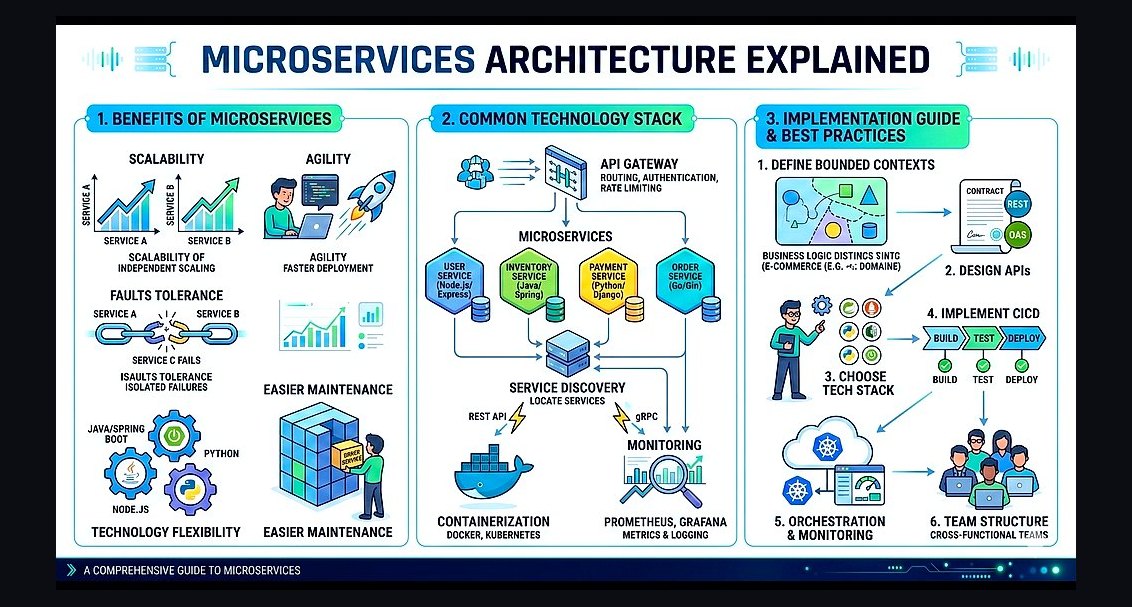 pulse-tech-stacksTop 10 Best Tech Stack Tools for Data Center and Colocation Operators in 2027
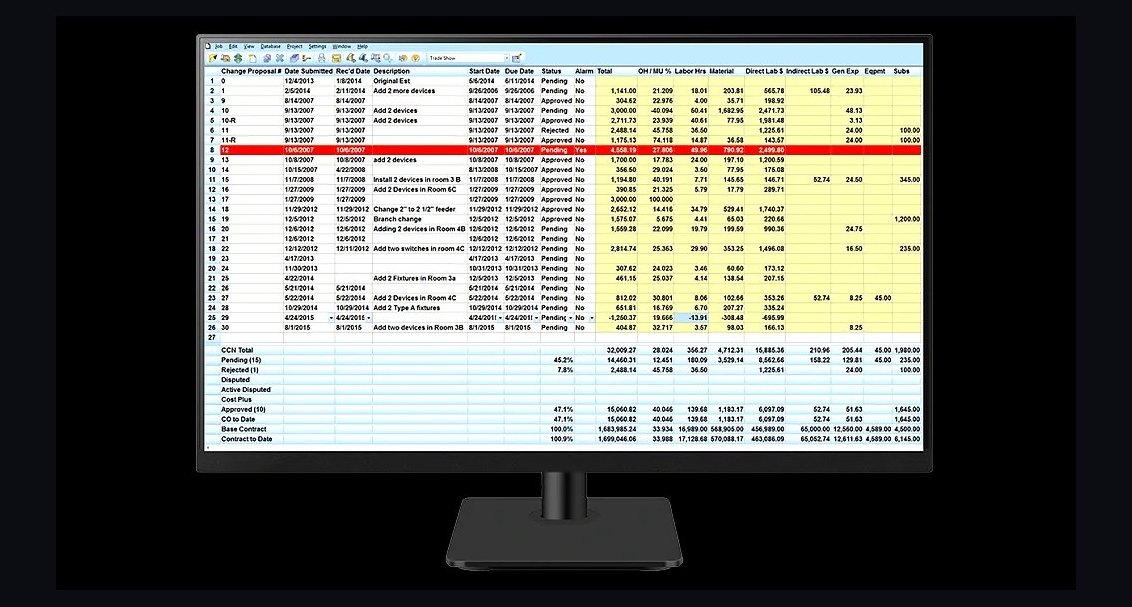 pulse-tech-stacksTop 10 Best Tech Stack Tools for Commercial Electrical Contractors in 2027
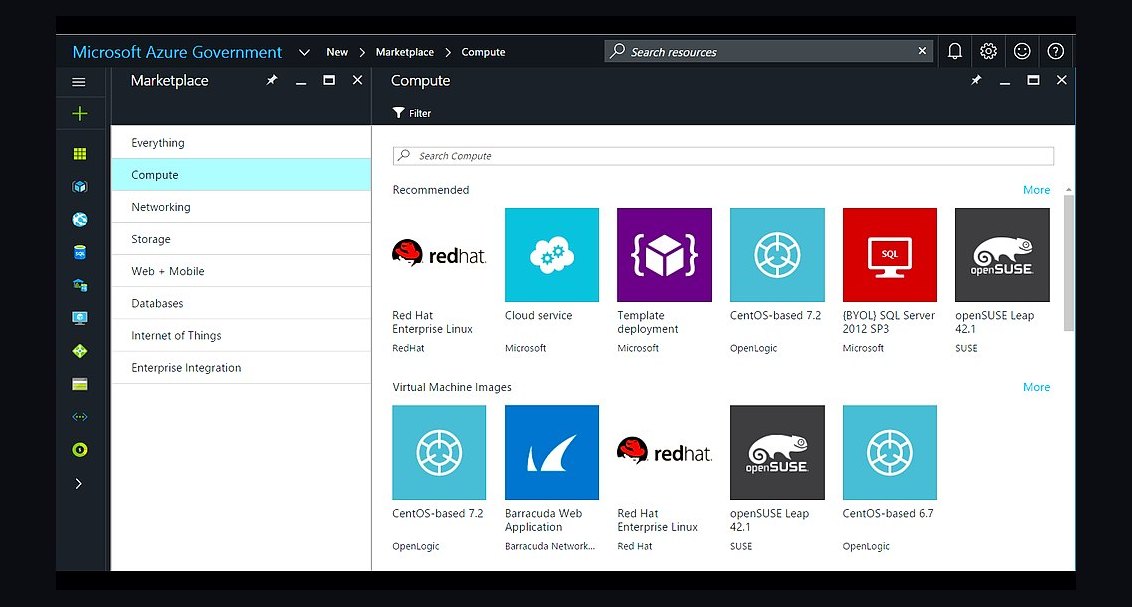 pulse-tech-stacksTop 10 Best Tech Stack Tools for Government & Public Sector Agencies in 2027
 pulse-tech-stacksTop 10 Best Tech Stack Tools for Liquor Stores in 2027
 pulse-tech-stacksTop 10 Best Tech Stack Tools for Specialty Coffee Shop Chains in 2027
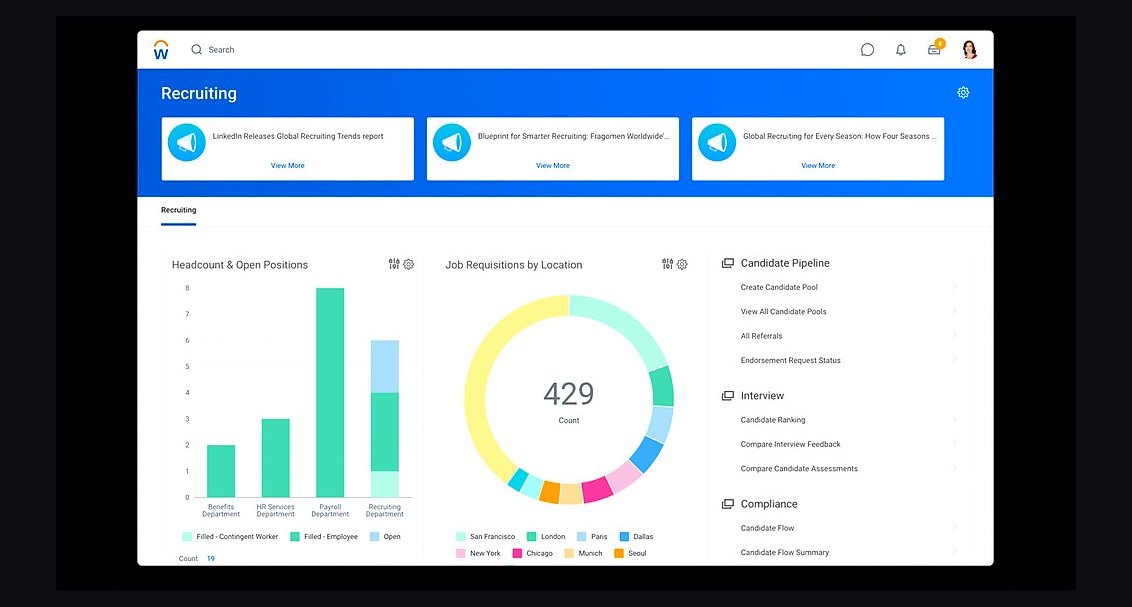 pulse-tech-stacksTop 10 Best Tech Stack Tools for AI Recruiting Companies in 2027
 pulse-tech-stacksTop 10 Best Tech Stack Tools for Packaging and Corrugated Manufacturers in 2027
 pulse-tech-stacksTop 10 Best Tech Stack Tools for Interior Design Firms in 2027
 pulse-tech-stacksTop 10 Best Tech Stack Tools for Preschools in 2027
 pulse-tech-stacksTop 10 Best Tech Stack Tools for Pet Store and Pet Services Businesses in 2027