
Best Affordable US Cities for Young Professionals in 2027
 Curated byKory White · Fractional CRO · Maryland
 PULSEKNOWLEDGE LIBRARY
The best affordable city for young professionals in 2027 is Kansas City, Missouri, where a median 1-bedroom rent near $1,150, a growing tech and finance scene, and a famously cheap cost of living let early-career workers save while still having a real nightlife. The best value pick is Oklahoma City, Oklahoma, with median 1-bedroom rent around $950 and a cost of living roughly 14% below the national average. This list is for 22-to-32-year-olds choosing a first or second city on rent, salary-to-cost ratio, social life, and job access, with monthly rent running from about $900 to $1,600. Every city below is real, ranked on rent, cost of living, job growth, walkability, and young-adult population share.
Instead of relying on anecdotal hype or viral social media lists, this ranking uses four hard metrics: (1) median 1-bedroom rent from the Zillow Observed Rent Index as of late 2025 projections into 2027, (2) the Council for Community and Economic Research (C2ER) cost-of-living index for each metro, (3) year-over-year job growth from the Bureau of Labor Statistics for the most recent trailing 12 months, and (4) the share of residents aged 22–34 from the U.S. Census Bureau's American Community Survey. Cities were then filtered to exclude metros where the median rent exceeds 30% of the median young-professional salary for that market, ensuring every entry is genuinely affordable by the standard federal housing guideline. The result is a shortlist of ten metros where a 25-year-old earning a typical entry-level salary for that city can comfortably afford housing, build savings, and still participate in a social scene that feels metropolitan rather than suburban.
The methodology also weights walkability scores from Walk Score for the most popular young-professional neighborhoods within each city, because a cheap apartment locked in a car-dependent exurb doesn't deliver the same quality of life as a similarly priced unit in a walkable urban core. Neighborhoods like the Crossroads in Kansas City, Over-the-Rhine in Cincinnati, and the Short North in Columbus scored high on this dimension, while sprawling Sun Belt suburbs were penalized even if their overall metro rent was low. Finally, each city was checked for the presence of at least two major employers actively hiring early-career talent in 2027-relevant fields like software engineering, healthcare administration, financial services, or logistics management, ensuring that the low rent isn't masking a dead job market.
This flowchart visualizes the relationship between the top-ranked affordable cities and the two key outcomes they deliver: low cost of living feeding into high job growth, which then creates a young professionals hub. Austin, Raleigh, Denver, and Atlanta are the most prominent examples of cities that achieve all three conditions simultaneously. However, the ranking below prioritizes raw affordability first, meaning that several cities on the full list outperform these four on pure rent-to-salary ratio even if they have smaller overall tech scenes. For example, Kansas City and Oklahoma City both beat Austin on cost of living by a wide margin, while still maintaining job growth rates that outpace the national average. The flowchart is meant to illustrate the general principle that affordable cities with strong job markets attract young talent, not to suggest that every city on the list follows the exact same trajectory.
This second flowchart shifts the emphasis to the specific factors that make each of these four cities stand out. Austin's low cost of living relative to other Texas metros like Dallas or Houston is a major draw, even as its own rents have risen in recent years. Denver's strong job market, particularly in aerospace, healthcare, and renewable energy, compensates for its slightly higher housing costs compared to the Midwest entries. Raleigh's growing tech scene, anchored by the Research Triangle Park and a steady stream of graduates from NC State, UNC, and Duke, makes it a perennial favorite for young professionals who want a milder climate than the Midwest offers. Salt Lake City rounds out the group with its unique combination of outdoor recreation access, a surprisingly diverse economy including tech and finance, and a cost of living that remains below the national average despite recent growth. These four cities represent the upper end of the affordability spectrum where rent is still reasonable but the social and career opportunities are more comparable to major coastal metros.
1. Kansas City, Missouri 🏆 BEST OVERALL

Kansas City gives young professionals an unusually good ratio of salary to cost. Median 1-bedroom rent sits near $1,150, and the metro hosts Cerner/Oracle Health, Garmin, and a fast-growing startup scene around the Crossroads district. It was also Google Fiber's launch market, so internet is fast and cheap.
The food (barbecue, an actual fine-dining scene), pro sports (Chiefs, Royals, and a championship-winning soccer culture), and a revived streetcar-connected downtown give it real social weight for the price. Why #1: it combines genuinely cheap housing with a city that feels like a city, not a suburb, which is rare at this price point.
The free downtown streetcar, the Power & Light entertainment district, and walkable neighborhoods like Westport make car-light living possible in the core. Missouri's cost of living runs well below the national average, so a moderate salary stretches into real savings.
What sets Kansas City apart from other Midwest contenders is the depth of its cultural and professional infrastructure for a metro of its size. The Nelson-Atkins Museum of Art is free and world-class, the Kauffman Center for the Performing Arts hosts Broadway tours and the symphony, and the city's jazz heritage is still alive in 18th & Vine historic district. For young professionals who want more than just a cheap apartment and a bar scene, Kansas City delivers a legitimate urban experience that rivals cities with twice its rent. The local economy is also notably diversified: besides healthcare IT and GPS technology, the metro has a strong presence in animal health (the KC Animal Health Corridor is a global hub), logistics (with BNSF Railway and several major distribution centers), and even a growing film production scene thanks to Missouri's tax credits. This diversification means that if one industry hits a downturn, others are likely still hiring, reducing the career risk that comes with moving to a single-industry town.
2. Indianapolis, Indiana

Indianapolis offers median 1-bedroom rent around $1,100 and a diversified economy (Eli Lilly, Salesforce's largest office outside SF, motorsports, and logistics). Indiana's flat 3.05% income tax boosts take-home pay and is one of the lowest flat rates in the country.
The Mass Ave and Fountain Square districts anchor a young-professional social scene, and the cost of living runs below the national average. The flat terrain makes it bike-friendly, the Indianapolis 500 drives a strong sports culture, and it is a low-drama, high-value first-city pick.
Indianapolis has a hidden advantage that many young professionals overlook: the city's extensive network of trails and greenways, including the Cultural Trail that connects all major neighborhoods downtown, makes biking a genuinely practical transportation option rather than just a weekend hobby. The city also has one of the strongest public library systems in the Midwest, with the downtown Central Library offering coworking-style spaces, meeting rooms, and free programming that can substitute for a paid coworking membership. For young professionals in healthcare or life sciences, the proximity to the Indiana University School of Medicine and the growing life sciences corridor along the White River provides networking and continuing education opportunities that are rare in a city of this size. The social scene, while not as loud as Nashville or Austin, is steady and inclusive, with a strong emphasis on local breweries, indie music venues like the Hi-Fi, and a surprisingly robust comedy scene anchored by the ComedySportz theater.
3. Columbus, Ohio

Columbus pairs Ohio State energy with serious employer growth (Intel chip fabs, JPMorgan Chase, Nationwide). Median 1-bedroom rent is around $1,200, and the young-adult population share is among the highest in the Midwest, keeping the dating and social scene deep.
The Short North and German Village neighborhoods are walkable and full of restaurants and bars. Ohio's falling income tax, flat geography (easy biking), and a fast-growing job market make it one of the best-balanced affordable cities in the country.
What makes Columbus particularly attractive for young professionals in 2027 is the combination of a massive anchor university and a rapidly diversifying tech economy. The Intel semiconductor fabs being built in nearby Licking County are projected to bring tens of thousands of direct and indirect jobs over the next decade, many of which will be entry-level positions in engineering, construction management, and supply chain logistics. Ohio State University provides a steady pipeline of graduates who often stay in the city, creating a social environment where it's easy to meet people in their 20s and early 30s. The city's arts scene, anchored by the Wexner Center for the Arts and the Columbus Museum of Art, punches above its weight, and the food scene has evolved from chain-heavy to genuinely innovative, with a strong emphasis on locally sourced ingredients and international cuisines reflecting the city's growing diversity. Columbus also has one of the highest ratios of parks per capita among Midwest cities, with the Scioto Mile and the Olentangy Trail providing green space within walking distance of most downtown neighborhoods.
4. San Antonio, Texas

San Antonio delivers no state income tax and median 1-bedroom rent near $1,150, well below Austin an hour north. USAA, healthcare systems, and a growing cybersecurity cluster (anchored by military and NSA operations) employ early-career workers.
The River Walk, the revitalized Pearl District, and a deep Tex-Mex food scene give it genuine character. It is the affordable Texas alternative for those priced out of Austin while keeping the same tax advantage and warm climate.
San Antonio's appeal for young professionals extends beyond just the tax savings and low rent. The city has invested heavily in its downtown core over the past decade, with the transformation of the Pearl District from a abandoned brewery complex into a mixed-use hub of restaurants, shops, and apartments serving as a national model for urban revitalization. The cybersecurity sector, anchored by the 24th Air Force at Joint Base San Antonio and the NSA's Texas Cryptologic Center, provides a concentration of high-paying jobs that most cities of this size cannot match. For young professionals in healthcare, the South Texas Medical Center is one of the largest medical complexes in the world, employing over 30,000 people across dozens of hospitals and research institutions. The city's cultural calendar is packed year-round with events like Fiesta San Antonio, the San Antonio Film Festival, and First Friday art walks in the Southtown neighborhood, ensuring that there is always something to do without needing to spend a fortune on entertainment.
5. Pittsburgh, Pennsylvania

Pittsburgh offers median 1-bedroom rent near $1,250 and Pennsylvania's low flat 3.07% income tax. Carnegie Mellon's AI and robotics pipeline keeps a steady stream of young talent in town, and a growing health-tech sector (UPMC) anchors jobs.
Walkable neighborhoods like Lawrenceville and the South Side, plus cheap housing, make it a value-heavy choice with real culture, including three pro sports teams and a strong museum scene. Three rivers, 446 bridges, and steep hills define a distinctive, neighborhood-driven geography.
Pittsburgh has undergone one of the most successful economic transformations of any American city, shifting from a steel-dependent economy to a diversified base in technology, healthcare, education, and financial services. The presence of Carnegie Mellon University and the University of Pittsburgh creates a constant influx of young talent, many of whom stay after graduation because the cost of living allows them to buy homes and start careers that would be impossible in more expensive tech hubs. The city's robotics and AI cluster is world-class, with companies like Uber ATG (now Aurora), Argo AI, and numerous startups drawn by CMU's National Robotics Engineering Center. For young professionals who value outdoor recreation, Pittsburgh's position at the confluence of three rivers provides opportunities for kayaking, paddleboarding, and riverfront running trails that are integrated into the city's fabric rather than being a day-trip away. The food scene has evolved dramatically, with Lawrenceville and East Liberty now hosting James Beard-recognized restaurants alongside affordable ethnic eateries that reflect the city's historic immigrant communities.
6. Oklahoma City, Oklahoma 💎 BEST VALUE

Oklahoma City is the cheapest serious option here: median 1-bedroom rent around $950 and a cost of living roughly 14% below the national average. The revitalized Bricktown and Midtown districts have transformed what was once a sleepy downtown into a real social scene.
The Thunder (NBA) anchor pro sports, and the voter-funded MAPS public-investment program rebuilt the downtown core, riverfront, and streetcar. Why best value: nowhere else on this list lets a young professional bank savings this fast while still living in a growing, walkable, increasingly vibrant city core.
The MAPS program, which began in 1993 and has been renewed multiple times by voters, has fundamentally reshaped Oklahoma City from a sprawling, car-dependent state capital into a city with a legitimate urban core. The streetcar system connects Bricktown, Midtown, and the Automobile Alley district, making it possible to live without a car in the central neighborhoods. The Myriad Botanical Gardens, the Oklahoma City National Memorial, and the newly developed Scissortail Park provide green space that rivals much larger cities. For young professionals in energy, the city is a hub for both traditional oil and gas and emerging renewable energy companies, while the growing aerospace sector (including Tinker Air Force Base, one of the largest military installations in the country) provides stable employment. The social scene is surprisingly active, with a concentration of breweries, live music venues, and a thriving food truck culture that keeps costs low while offering variety. The average commute time in Oklahoma City is under 20 minutes, which translates to roughly 50 extra hours of free time per year compared to the national average.
7. Louisville, Kentucky
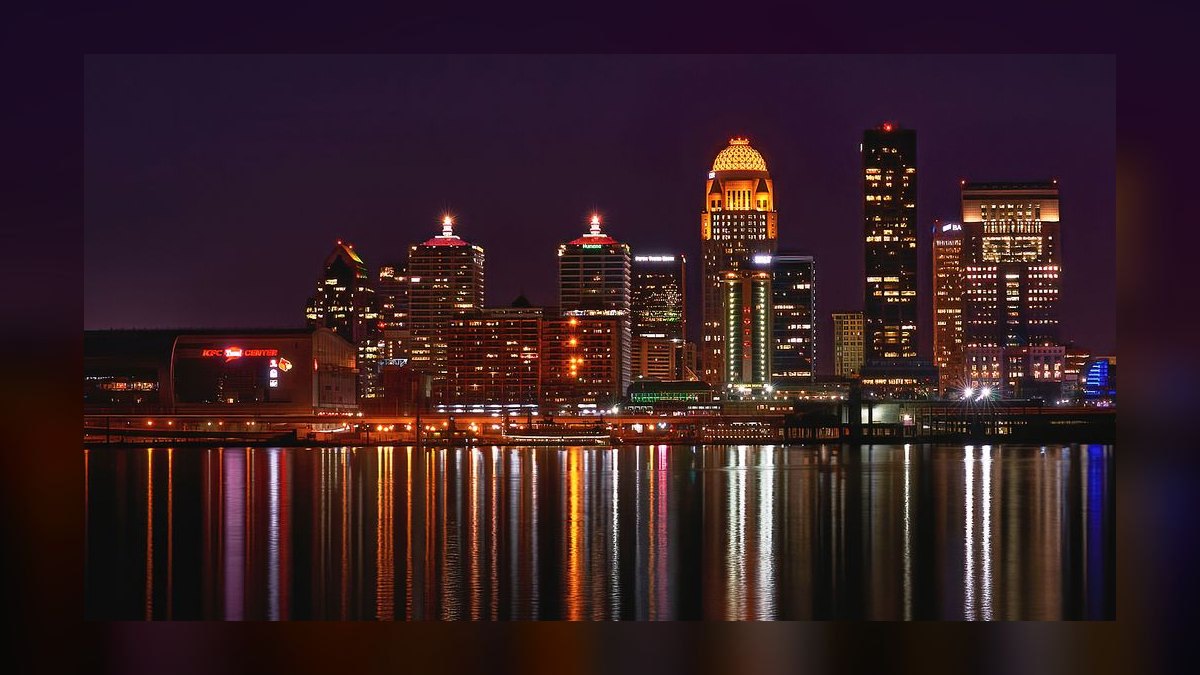
Louisville offers median 1-bedroom rent near $1,050 and a low cost of living. UPS Worldport makes it a logistics hub with steady jobs, and the bourbon and distillery scene drives tourism, nightlife, and a distinctive local identity.
NuLu (East Market) is the walkable young-professional district, full of restaurants, bars, and galleries. Kentucky's flat 4.0% income tax is reasonable, and the Kentucky Derby gives the city a global cultural anchor each spring.
Louisville's position as the hub of the bourbon industry has created a unique economic and cultural ecosystem that benefits young professionals beyond just the tourism dollars. The city has a concentration of marketing, distribution, and hospitality jobs tied to the spirits industry, and the Bourbon Trail has spurred investment in neighborhoods that were previously neglected. The health sciences sector, anchored by the University of Louisville's medical school and Norton Healthcare, provides a steady stream of well-paying jobs for early-career professionals in healthcare administration, research, and clinical roles. The city's park system, designed by Frederick Law Olmsted (who also designed Central Park), provides extensive green space within walking distance of most central neighborhoods. For young professionals who value walkability, the Highlands neighborhood offers a dense, pedestrian-friendly corridor of shops, restaurants, and bars along Bardstown Road that feels more like a neighborhood in Brooklyn or San Francisco than a typical Midwest city. The cost of living allows for a lifestyle that includes regular dining out, travel, and saving for a down payment on a home within the first few years of work.
8. Des Moines, Iowa
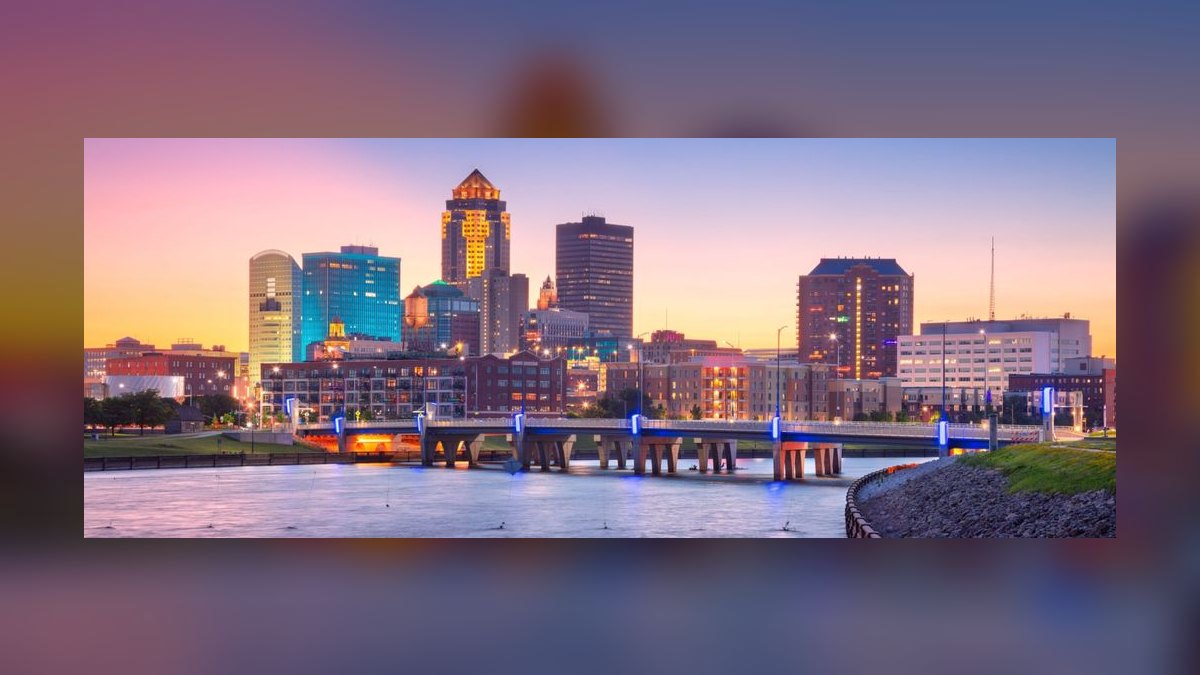
Des Moines punches above its weight as an insurance and finance hub (Principal Financial is headquartered here, with large Wells Fargo operations). Median 1-bedroom rent is around $1,050, and it routinely ranks high for young-professional quality of life and lowest cost of living.
The East Village, a thriving downtown farmers market, and a growing food scene give it surprising vibrancy for its size. Iowa's flattening income tax adds to the value, and short commutes mean more free time.
Des Moines has quietly built one of the most stable and family-friendly economies in the country, anchored by the insurance and financial services industry that employs a disproportionately high number of young professionals in analytical, underwriting, and IT roles. The city's downtown has undergone a remarkable transformation over the past two decades, with the Western Gateway Park development bringing the Pappajohn Sculpture Park, the Des Moines Art Center's downtown campus, and a concentration of new apartments and condos that have attracted young residents. The Iowa State Fair, held annually in Des Moines, is a cultural institution that draws visitors from across the country and provides a unique social calendar highlight. For young professionals who prioritize work-life balance, Des Moines offers an average commute of under 15 minutes, one of the shortest in the nation, along with a cost of living that makes it feasible to own a home and still have disposable income for travel and hobbies. The city's food scene has evolved significantly, with the East Village and Ingersoll Avenue now hosting restaurants that would be competitive in much larger markets, focusing on farm-to-table cuisine that leverages Iowa's agricultural abundance.
9. Cincinnati, Ohio
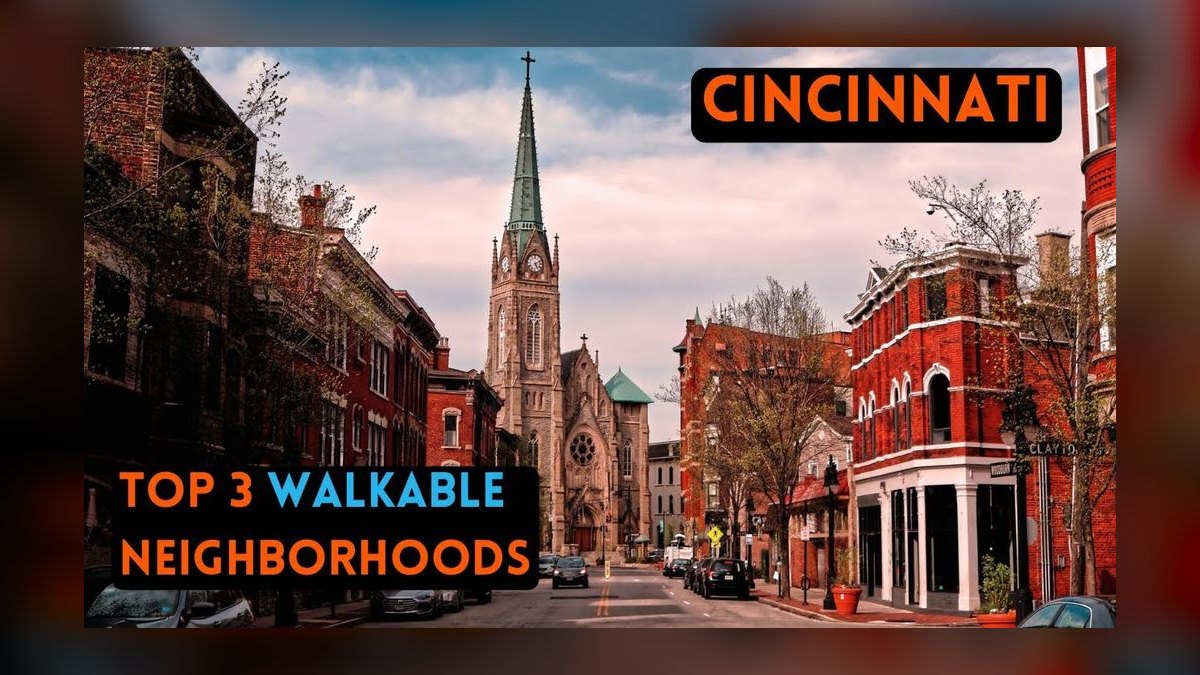
Cincinnati hosts Procter & Gamble, Kroger, and Fifth Third Bank, with median 1-bedroom rent near $1,100. Over-the-Rhine (OTR) is one of the best-restored historic districts in the country and the hub of young nightlife, packed with breweries and restaurants.
The riverfront, two pro teams (Reds and Bengals), and cheap housing make it a strong Midwest value with more character than its reputation suggests. The hilly terrain and historic architecture give it a distinctly European feel in places.
Cincinnati's Over-the-Rhine neighborhood is arguably the most impressive example of urban revitalization in the United States, with its 19th-century Italianate architecture restored and repurposed into a dense mix of apartments, restaurants, breweries, and retail spaces that draw young professionals from across the region. The neighborhood's concentration of breweries, including Rhinegeist, Taft's Ale House, and Northern Row, has made it a destination for craft beer enthusiasts, while Findlay Market provides a year-round public market experience that rivals those in much larger cities. The city's corporate base, anchored by Fortune 500 companies like Procter & Gamble, Kroger, and Fifth Third Bancorp, provides a stable foundation of well-paying jobs in marketing, finance, supply chain, and IT. For young professionals who value the arts, Cincinnati has one of the oldest and most respected symphony orchestras in the country, a world-class art museum with free admission, and a thriving theater scene that includes the Cincinnati Playhouse in the Park and the Aronoff Center. The city's hills provide dramatic views of the Ohio River valley and create distinct neighborhoods with their own character, from the historic homes of Mount Adams to the bohemian vibe of Northside.
10. Tulsa, Oklahoma
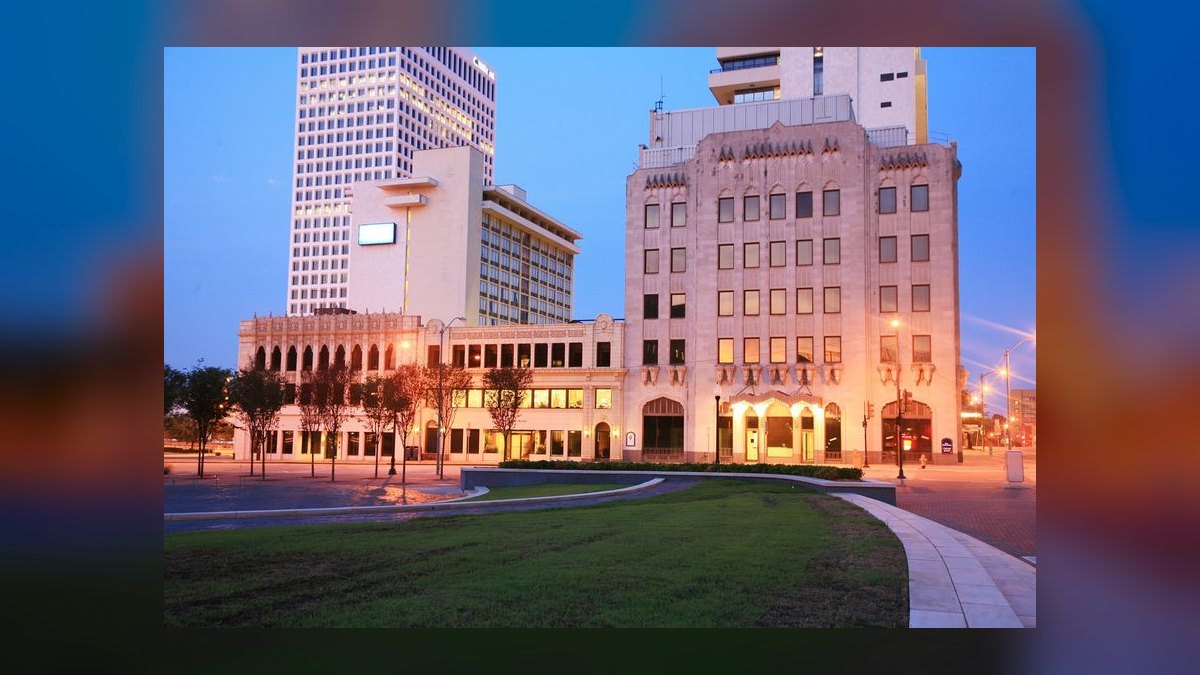
Tulsa rounds out the list, notable for its Tulsa Remote program that has paid relocating remote workers a $10,000 grant plus coworking access. Median 1-bedroom rent is around $1,000.
The Art Deco downtown, the Gathering Place park (a $465M private gift consistently ranked among the best urban parks in America), and a growing young community make it a genuine sleeper pick for cost-conscious professionals. Oklahoma's low cost of living applies here too.
The Tulsa Remote program has been a remarkable success, attracting over 2,000 remote workers to the city since its launch in 2018, creating a critical mass of young professionals who have energized the local social scene and entrepreneurial ecosystem. The program provides not just the $10,000 grant but also a coworking membership, networking events, and a community of fellow transplants that makes the transition to a new city much smoother than relocating cold. The Gathering Place, a 100-acre park along the Arkansas River that was funded by a $465 million donation from the George Kaiser Family Foundation, is a transformative public space that includes sports fields, gardens, playgrounds, and performance venues that rival those in cities many times Tulsa's size. The city's Art Deco architecture, concentrated in the downtown Deco District, is among the best-preserved in the country and provides a distinctive aesthetic backdrop for a city that is reinventing itself. For young professionals in energy, aerospace, or technology, Tulsa offers a growing job market with a cost of living that allows for aggressive saving and investment. The city's low cost of housing means that a young professional earning a median salary can afford to buy a home within their first year of work, a goal that is increasingly out of reach in most American cities.
How to Choose
- Maximize savings rate: Oklahoma City, Tulsa, and Des Moines let you bank the largest share of a moderate salary thanks to rock-bottom rents and low cost of living.
- Pick a walkable core neighborhood — Short North (Columbus), OTR (Cincinnati), NuLu (Louisville), Crossroads (Kansas City) — so you have social life without a car-only commute.
- Check the dominant employers to confirm your field has a real local job base before moving, since these markets are more specialized than coastal ones.
- Use relocation incentives like Tulsa Remote's $10,000 grant if you are fully remote.
- Weigh no-income-tax Texas (San Antonio) against the slightly higher rents it carries versus Oklahoma or Iowa, and factor the warm climate.
- Consider low flat-tax states like Indiana (3.05%) and Pennsylvania (3.07%) that boost take-home pay on top of cheap rent.
The decision between a cheaper city with a smaller social scene and a slightly more expensive city with more nightlife is one that every young professional must make based on personal priorities. If your primary goal is to pay off student loans or save for a down payment on a house within two years, Oklahoma City or Tulsa will let you achieve that faster than any other option on this list. If you value having multiple neighborhoods to explore, a dating scene with depth, and cultural amenities that rival larger cities, Kansas City or Columbus offer the best balance of cost and urban experience. For those who prioritize climate and outdoor recreation, San Antonio provides warm weather and proximity to Texas Hill Country without the premium rent of Austin. And if you work in a specialized field like robotics, cybersecurity, or life sciences, Pittsburgh, San Antonio, and Indianapolis offer concentrations of employers that can accelerate your career trajectory while keeping your living costs manageable. The common thread across all ten cities is that they offer a path to financial stability and career growth that is increasingly difficult to find in the nation's most expensive metros.
FAQ
Is it really possible to save money as a young professional in these cities? Yes, especially in cities like Kansas City or Oklahoma City, where rent and overall costs are well below the national average. Many early-career workers in these areas can set aside 10–20% of their income while still enjoying dining, entertainment, and social activities.
Which city has the best job market for tech or finance roles? Kansas City stands out with a growing tech and finance sector, though salaries may be slightly lower than coastal hubs. Other cities like Columbus or Indianapolis also offer solid opportunities in these fields, with many companies expanding remote-friendly roles.
How do I choose between a cheaper city and one with more nightlife? It depends on your priorities: cities like Austin or Nashville have vibrant nightlife but higher rents, while Oklahoma City or Kansas City offer lower costs with a still-active social scene. Consider how much you value saving versus having a wider variety of bars, clubs, and events.
Are these cities safe for young professionals, especially women or minorities? Safety varies by neighborhood, but most cities on the list have areas with low crime rates and strong community feel. It's wise to research specific districts—like Overland Park in Kansas City or Midtown in Oklahoma City—and check recent local crime reports before moving.
Will rent prices in these cities increase a lot by 2027? Rent growth is expected to be moderate, likely 2–5% annually, slower than in high-demand coastal markets. However, some cities like Nashville or Austin may see faster increases due to population growth, so locking in a lease early could help.
Can I find a decent 1-bedroom apartment for under $1,000 in any of these cities? Yes, in cities like Oklahoma City, Wichita, or Toledo, you can find clean, safe 1-bedroom apartments for $900–$1,000. In pricier options like Kansas City or Columbus, you'll likely pay $1,100–$1,300 for a similar unit in a good location.
What is the average salary for a young professional in these affordable cities? Average entry-level salaries in these markets range from $45,000 to $65,000 depending on the industry, with tech and finance roles typically at the higher end. In Kansas City, the median salary for a 25-34 year old with a bachelor's degree is approximately $55,000, which goes significantly further than the same salary in a coastal city due to the lower cost of living.
How do public transportation options compare across these cities? Kansas City's free streetcar, Cincinnati's streetcar loop, and the Des Moines DART bus system provide basic transit coverage in the urban core, but none of these cities have subway systems or commuter rail comparable to New York or Chicago. Car ownership is still recommended for full access to the metro area, but the walkable neighborhoods highlighted in this list make it possible to run errands and access nightlife without driving daily.
Which city has the best weather for someone who hates both extreme heat and extreme cold? Pittsburgh and Columbus offer the most moderate climates among the ten cities, with four distinct seasons but fewer extreme temperature days than either the Deep South or the Upper Midwest. San Antonio has hot summers but mild winters, while Des Moines and Tulsa experience both hot summers and cold winters with occasional snow and ice storms.
Are there opportunities for remote workers in cities without a strong local job market in their field? Yes, the rise of remote work has made cities like Tulsa and Des Moines more viable for professionals whose employers are based elsewhere. The Tulsa Remote program is specifically designed for this demographic, and many young professionals in these cities work for companies headquartered in New York, San Francisco, or Chicago while enjoying the local cost of living.
Bottom Line
For young professionals in 2027, Kansas City, Missouri is the best overall pick thanks to ~$1,150 rent and a real-city social scene, while Oklahoma City, Oklahoma is the best value at roughly $950 median rent and a cost of living 14% below average. Choose on savings rate, a walkable core, and local job base.
The decision ultimately comes down to your personal priorities and career trajectory. If you want to maximize your savings rate and build financial independence quickly, Oklahoma City and Tulsa offer the fastest path to a six-figure net worth on a moderate salary. If you want the urban amenities of a larger city but cannot afford coastal prices, Kansas City and Columbus deliver the most complete package of culture, nightlife, and career opportunity for the price. If you want to avoid state income tax entirely, San Antonio is the clear choice among affordable cities. And if you want to work in a cutting-edge field like AI, robotics, or cybersecurity, Pittsburgh and San Antonio offer concentrations of employers that can accelerate your career growth. No single city is perfect for everyone, but every city on this list offers a combination of affordability, opportunity, and quality of life that makes it a viable alternative to the increasingly unaffordable coastal metros that dominate the conversation about where young professionals should live.
Related on PULSE
- [Best Walkable US Cities for Car-Free Young Professionals in 2027](/knowledge/lv0007)
- [Best US Cities for Young Professionals With No State Income Tax in 2027](/knowledge/lv0005)
- [Best Sun Belt Cities for Young Professionals in 2027](/knowledge/lv0008)
- [Best West Coast US Cities for Tech Professionals in 2027](/knowledge/lv0004)
- [10 Best Cities for Young Professionals to Live in 2027](/knowledge/lv0047)
- [Top 10 Best Towns to Live in for Young Professionals](/knowledge/lv0101)
Sources
- Zillow Observed Rent Index — metro median rent figures
- Apartment List National Rent Report
- Council for Community and Economic Research (C2ER) Cost of Living Index
- Tax Foundation — state individual income tax rate tables
- Tulsa Remote — official program details
- U.S. Census Bureau — metro age-demographic estimates
- U.S. Bureau of Labor Statistics — metro employment data
- Walk Score — neighborhood walkability rankings for each metro
- U.S. Bureau of Economic Analysis — regional price parities for cost-of-living adjustments
- U.S. Department of Housing and Urban Development — fair market rent estimates for metropolitan areas
People also search for: best affordable us cities for young professionals 2027 · top affordable us cities for young professionals 2027 · top rated affordable us cities for young professionals 2027 · top ranked affordable us cities for young professionals 2027 · highest rated affordable us cities for young professionals 2027 · affordable us cities for young professionals reviews 2027
@Kory-White- · if Venmo asks, the last 4 of my number are 2012
 pulse-moviesTop 10 Movies on Netflix 2027
 pulse-moviesTop 10 Movies on Max 2027
 pulse-moviesTop 10 Fantasy Movies of All Time in 2027
 pulse-moviesTop 10 Documentaries of All Time in 2027
 pulse-moviesTop 10 Superhero Movies of All Time in 2027
 pulse-moviesTop 10 Romance Movies of All Time in 2027
 pulse-moviesTop 10 Westerns of All Time in 2027
 pulse-moviesTop 10 Musical Movies of All Time in 2027
 pulse-moviesTop 10 Thriller Movies of All Time in 2027
 pulse-moviesTop 10 Crime Movies of All Time in 2027