


How do film festivals handle premiere exclusivity rules when a movie is simultaneously released on a streaming platform in 2027?
Quality
Certified

Film festivals in 2027 largely still require premiere exclusivity, but the definition has narrowed. Most top-tier festivals demand world, international, or North American premiere status for main competition slots, and a day-and-date streaming drop usually disqualifies a film from those slots. Hybrid premieres, out-of-competition showcases, and sidebar sections are the common landing spots for films released simultaneously on a platform.
The outcome you should expect
For a 2027 release that lands on a streaming platform the same day it screens at a festival, the practical outcome is a downgrade in slot tier rather than a flat rejection. A film with genuine critical heat and a name director can still get a gala presentation or a special screening, but it will almost never enter main competition at Cannes, Venice, Berlin, or Toronto. Those four, plus Sundance and Telluride, treat premiere status as the currency of their programming identity. If your film is already streaming, you are asking them to spend a slot on something the audience can watch at home that night.
The second outcome is a paperwork problem. Festival submission rules require you to declare prior screenings, broadcast dates, and any distribution deal that includes a release before or during the festival window. In 2027 most festivals use a standardized declaration form, and a false or incomplete declaration is grounds for removal even after acceptance. Programmers cross-check against platform release calendars, trade press, and distributor announcements. If your film appears on a streamer's "coming this month" list before the festival announces its lineup, you will get a call.

The third outcome is that a small but growing set of festivals actively want day-and-date titles. These are usually genre festivals, regional festivals, and newer events built around streaming partnerships. They use the simultaneous release as a marketing hook rather than a liability. If your goal is a festival badge on the poster rather than a competition prize, this is a viable and increasingly common path.
The fourth outcome, and the one that surprises first-time producers, is that "premiere" is not one thing. A world premiere, an international premiere, and a North American premiere are three different assets. A film that premiered at Sundance in January and streams in March can still claim a European premiere at a smaller festival in June, provided the European festival accepts that the earlier screening was in a different territory. Understanding which premiere you are actually selling is the whole game.
What drives that outcome
The core driver is scarcity. A festival's brand rests on the promise that its audience sees something first. Cannes built a century of prestige on the Palais premiere; Sundance built a market on the January discovery. If a film is available on a streaming platform the same weekend, that promise breaks. Programmers protect the promise because sponsors, press, and ticket buyers pay for it.
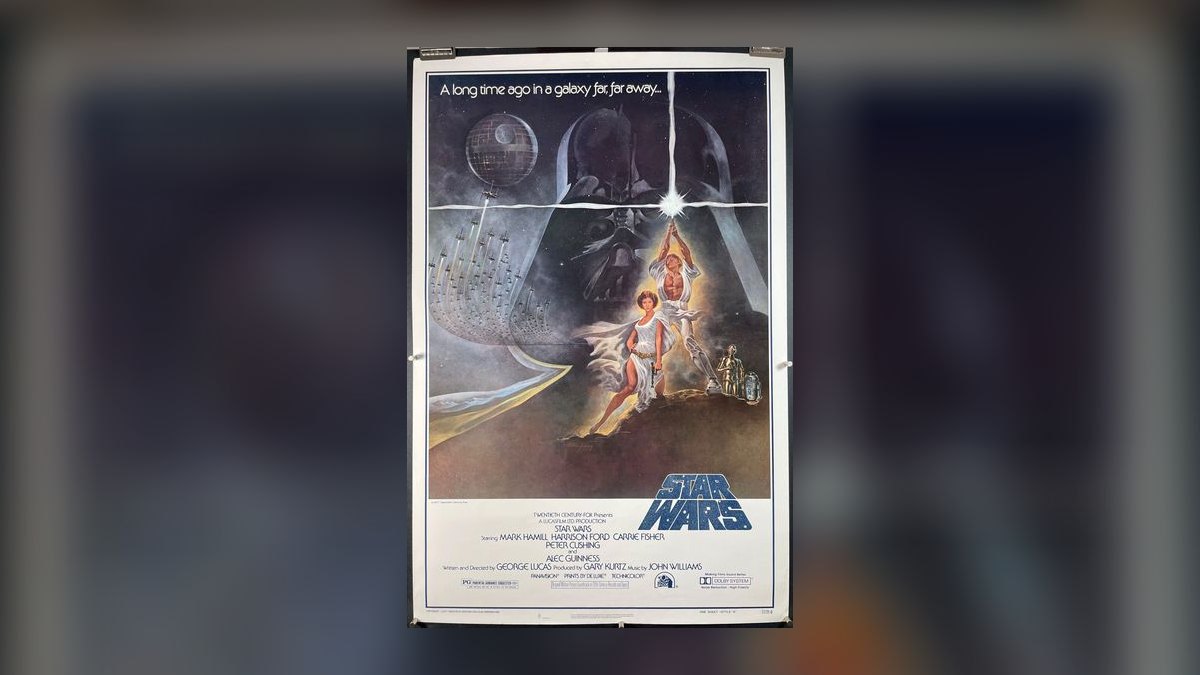
The second driver is the sales agent and distributor relationship. Festivals do not program in a vacuum. They program relationships. A sales agent who has delivered ten premieres to a festival over a decade has leverage to place a hybrid title in a softer slot. A first-time filmmaker with no relationship and a streaming deal has almost none. This is why the same day-and-date film can get a gala at one festival and a rejection at another.
The third driver is the platform's own strategy. In 2027 the major streamers have learned that a festival premiere generates press coverage that a straight platform drop does not. Some now deliberately hold the platform release by two to four weeks after the festival date to preserve eligibility, then use the festival reviews as marketing. Others, particularly the ad-supported tiers, push for true day-and-date because the instant availability drives sign-ups. The platform's incentive often decides the festival outcome before the filmmaker does.
The fourth driver is the definition of "release." A limited theatrical qualifying run in one city, a single streaming territory, or a festival-only online screening may or may not count as a prior release depending on the festival's written rules. Festivals update these rules annually, and 2027 rules are stricter about platform availability than 2019 rules were, because the platforms are now global on day one.
Benchmarks and realistic ranges
The clearest benchmark is the exclusivity window itself. For a top-tier competition slot in 2027, the standard ask is that the film has not screened publicly anywhere, has not been broadcast, and has not been made available on any streaming platform in any territory before the festival's first public screening. The window usually extends through the festival dates, meaning the platform release must be held until after the closing night. A typical hold is two to six weeks, with four weeks being the most common negotiated number.
For a gala or out-of-competition slot, the ask softens. Many festivals will accept a film that streams the same week as the festival, provided the festival screening is the first public exhibition and the platform release is not promoted before the festival's press screening. The practical benchmark here is that the festival wants the review cycle to start at the festival, not on a platform homepage.
For sidebar sections, markets, and industry screenings, premiere status is often not required at all. These slots exist to serve buyers, press, and industry attendees, and a film that is already streaming is still useful to them. The benchmark is disclosure, not exclusivity. You declare the streaming date, the festival notes it, and the screening proceeds.
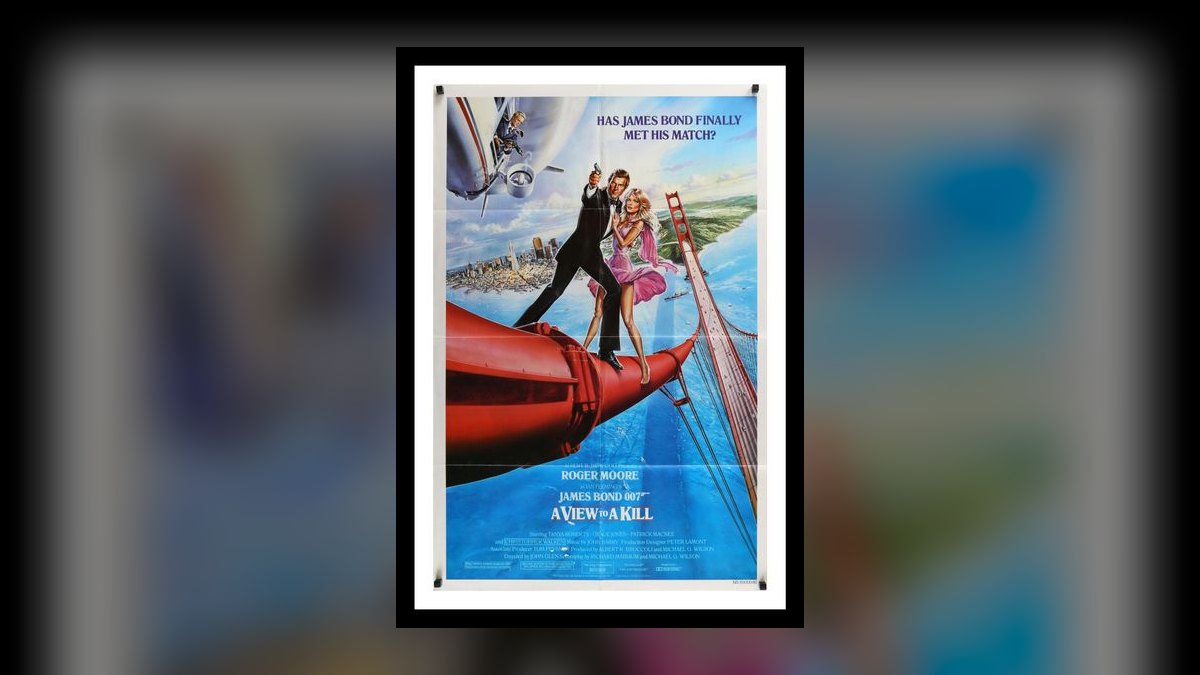
On the money side, the benchmarks are worth knowing because they shape the negotiation. A competition slot at a major festival can be worth low-to-mid six figures in press value and distribution leverage for a specialty film, and considerably more for a title with awards potential. A gala slot is worth less in awards leverage but can still generate meaningful coverage. A sidebar slot is worth the cost of attendance and little more. When a platform offers a day-and-date release that would cost you a competition slot, the honest comparison is the platform's marketing spend against the value of the slot you are giving up. In most cases the platform spend is larger, which is why day-and-date is now a deliberate trade rather than an accident.
Timing benchmarks matter too. Festival submission deadlines for the 2027 cycle generally fall six to nine months before the event. If your platform release is locked before you submit, you already know your tier. If it is not locked, you have leverage to negotiate a hold. The filmmakers who get competition slots are usually the ones who negotiated the platform hold before signing the distribution deal, not after.
Territory benchmarks are the most misunderstood. A world premiere means no public screening anywhere. An international premiere means the film has screened in its home territory but nowhere else. A North American premiere means it has screened outside North America. A film that streams globally on day one has, in the eyes of most programmers, already had its world premiere on the platform. That is the single fact that most often kills a competition bid.
Risks, edge cases, and failure modes
The first failure mode is the accidental disqualification. A producer signs a platform deal with a release date three weeks after the festival, assuming that is safe. The platform then moves the date forward for a quarterly earnings push, and the film is now streaming during the festival window. Festivals treat this as a rules violation even though the producer did not cause it. The fix is a contract clause that requires platform notification and consent before any date change that would breach a festival exclusivity commitment.
The second failure mode is the phantom premiere. A film screens once at a tiny regional festival in a non-competitive sidebar, and a larger festival later rejects it because it is no longer a premiere. Filmmakers often take the small screening for the badge and lose the bigger opportunity. The rule of thumb is to map every festival you might want before accepting any screening, and to treat the first public screening as a one-time, irreversible asset.
The third failure mode is the disclosure gap. A filmmaker declares "no prior screenings" but the film had a cast-and-crew screening that was open to the public, or a work-in-progress screening at a market. Festivals do find out, often through a journalist or a rival publicist. The consequence ranges from a quiet removal to a public statement, and the reputational cost with programmers lasts for years.
The fourth failure mode is the platform's own festival. Several major streamers now run their own festival-adjacent events and premieres. A film that premieres at a platform's own event may be considered to have had its world premiere there, which closes the door on third-party competition slots. This is a contractual trap, and it is increasingly common as platforms build their own awards-season infrastructure.
The fifth failure mode is the awards-season collision. A film that streams in the spring can still be awards-eligible in many cases, but the festival circuit is where awards narratives are built. Skipping the circuit to go straight to streaming often means skipping the reviews, the Q&As, and the industry buzz that drive nominations. The trade is real money now against speculative prestige later, and both choices are defensible, but they should be made consciously.
The sixth edge case is the co-production with a territorial premiere obligation. Some national film funds require a domestic premiere before international distribution. If that domestic premiere is a festival, it may satisfy the fund but count as a prior screening for a larger festival. Sequencing these obligations is a genuine puzzle, and it is worth a lawyer's time before you sign either agreement.
A practical rollout plan
Start twelve to eighteen months before your target festival. Map the festivals you want in priority order, and for each one write down its premiere requirement, its submission window, and its typical decision date. This map is your constraint set, and every distribution decision should be checked against it.
At nine to twelve months out, negotiate the platform deal with the festival calendar on the table. Ask for a release date that is at least four weeks after your highest-priority festival's closing night. Put the date-change notification clause in writing. If the platform will not hold, decide now whether you are pursuing competition or a hybrid slot, because you cannot pursue both.
At six to nine months out, submit. Declare every prior screening honestly, including work-in-progress and market screenings. If you have a streaming date, state it. Programmers would rather know early than discover it late, and an honest hybrid submission often gets a better slot than a dishonest competition submission.
At three to six months out, prepare two versions of your release plan: one for a competition acceptance, one for a hybrid or sidebar acceptance. The competition version holds the platform. The hybrid version coordinates the platform drop with the festival press timeline so the reviews land during the festival rather than before it.
At the festival, treat the screening as the launch regardless of tier. Press, Q&As, and industry meetings are the actual product. A gala slot with a strong press push can outperform a competition slot with no strategy.
After the festival, use the premiere status you earned as a marketing asset. "World premiere at" and "official selection at" are different claims, and both have value if used accurately. Then plan the next territory's premiere, because a film that has premiered in one region can still premiere in another.
Related questions
Does a same-day streaming release always disqualify a film from a festival?
No. It disqualifies a film from most main competition slots at top-tier festivals, but gala, out-of-competition, sidebar, and market slots commonly accept day-and-date titles with disclosure. Genre and regional festivals often actively want them.
What is the difference between a world premiere and an international premiere?
A world premiere means the film has not screened publicly anywhere. An international premiere means it has screened in its home territory only. A film that streams globally on day one is generally treated as having had its world premiere already.
Can a festival require a platform to delay a release?
Festivals do not contract with platforms directly. They contract with the film's rights holder, who must guarantee the exclusivity window. If the platform moves the date, the rights holder is in breach, which is why date-change clauses matter.
How long is a typical exclusivity hold in 2027?
For top-tier competition slots, the common ask is that the film not be available on any platform until after the festival's closing night, typically a two-to-six-week hold, with four weeks the most frequently negotiated figure.
Do festivals verify streaming release dates?
Yes. Programmers cross-check platform release calendars, trade announcements, and distributor materials. Most festivals also require a signed declaration, and a false declaration is grounds for removal after acceptance.
FAQ
Why do festivals care about streaming releases at all?
Because their core product is first access. A festival sells tickets, sponsorships, and press attention on the promise that its audience sees something before the general public. If a film is streaming the same day, that promise is broken and the festival's brand is diluted. This is why exclusivity rules exist and why they have survived the streaming era rather than disappeared.
What happens if my film gets accepted and then the platform moves the date forward?
You are in breach of your festival agreement. The likely outcomes are removal from the lineup, loss of the slot, and a damaged relationship with that festival's programming team. The prevention is a contract clause requiring platform notification and your consent before any date change that would breach a festival commitment.
Are smaller festivals more flexible about day-and-date releases?
Generally yes. Regional festivals, genre festivals, and newer events often lack the leverage to demand strict exclusivity, and many have built their identity around accessibility. Some actively promote hybrid releases as a feature. The trade-off is that a smaller festival badge carries less marketing weight.

Can a film premiere at a festival and stream in a different country at the same time?
Sometimes. Premiere status is usually defined by public availability, not by territory, so a simultaneous release in any major territory can jeopardize a world or international premiere claim. Some festivals will accept a limited single-territory release if it is disclosed and if the festival's own territory is unaffected. Always ask in writing before assuming.
Does a virtual or online festival screening count as a prior release?
It depends on the festival's rules, and the rules vary. Many festivals treat a publicly accessible online screening as a public exhibition, which consumes the premiere. Others treat closed industry screenings and press-only links as non-public. Get the definition in writing from both festivals before you accept either screening.
How should a filmmaker decide between a competition slot and a day-and-date platform release?
Compare the platform's guaranteed marketing spend and revenue against the slot's press value, awards leverage, and long-term relationship value. In most cases the platform money is larger and more certain. The competition slot is worth taking when the film has genuine awards potential or when the filmmaker's next project depends on the relationships the slot builds.
Sources
- https://www.festival-cannes.com/en/regulations/
- https://www.labiennale.org/en/cinema/regulations
- https://www.berlinale.de/en/festival/regulations/
- https://www.sundance.org/festivals/submit/
- https://www.tiff.net/submissions/
- https://www.ifta.ie/
- https://www.efp-online.com/
- https://www.screendaily.com/
- https://variety.com/
- https://www.hollywoodreporter.com/
Related on PULSE
This page will be disappearing soon. Save it to your device for $1 — or read it free while it is here.
@Kory-White- · if Venmo asks, the last 4 of my number are 2012
This page is gone.
This one is off the shelf now. $1 keeps it on your phone for good — the whole page, pictures and diagrams included.
 pulse-recentWhat criteria should you use to choose a movie for a film club in 2027?
 pulse-moviesTop 10 Crime Movies of All Time in 2027
 pulse-recentHow are intimacy coordinators credited and compensated on a film production in 2027?
 pulse-recentTop 10 Jurassic Park Movies in 2027
 pulse-moviesTop 10 Movies of the 2000s in 2027
 pulse-recentHow do film preservationists restore and archive deteriorating nitrate film prints in 2027?
 pulse-moviesTop 10 Animated Movies of All Time in 2027
 pulse-recentTop 10 Movie Franchises with the Highest Total Box Office Earnings in 2016
 pulse-moviesTop 10 Date Night Movies in 2027
 pulse-recentTop 10 Movie Franchises with the Highest Total Box Office Earnings in 1994