
What type of harness is best for a small dog breed like a Shih Tzu that pulls on the leash?
 Curated byKory White · Fractional CRO · Maryland
 PULSEKNOWLEDGE LIBRARY
Quality
Certified
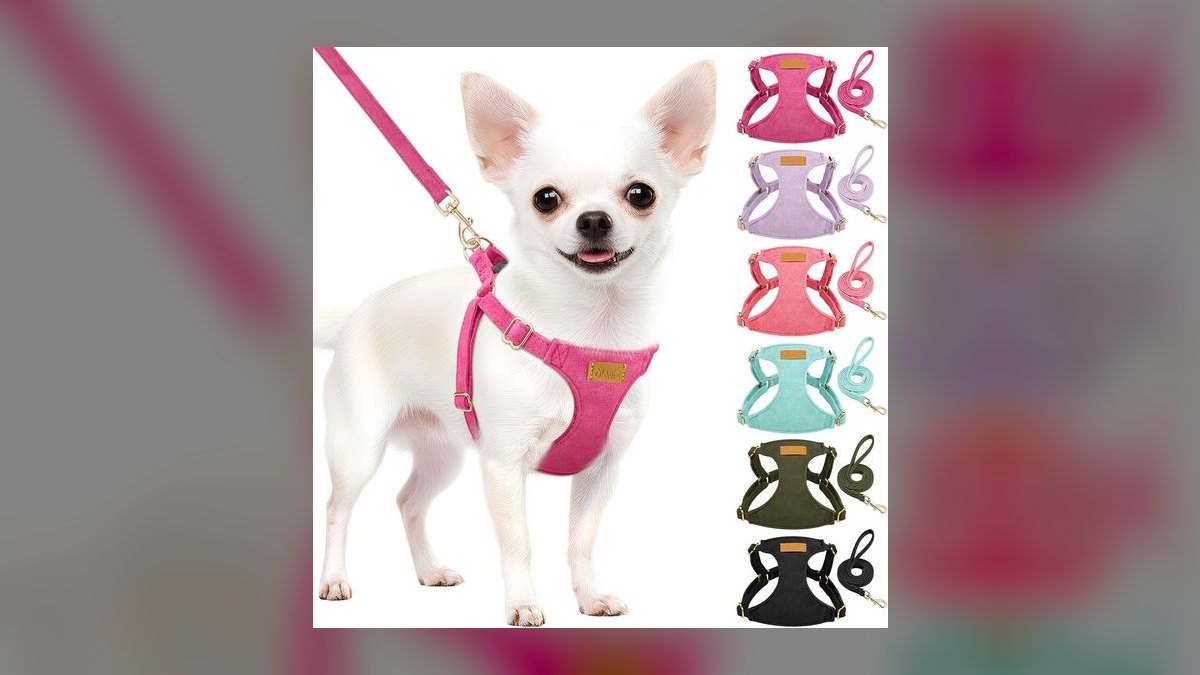
For a Shih Tzu that pulls, use a padded Y-front, dual-clip harness sized by chest measurement, and walk it from the front ring on a fixed four-to-six-foot leash. The Y-front keeps pressure off the windpipe and shoulder joints, while the chest clip turns the dog gently sideways instead of letting it lean into the leash.
A Saturday morning on the sidewalk
Picture the walk that made you search for this in the first place. You clip the leash to a ring on your Shih Tzu's back, open the door, and within four steps she is out at the end of the line, front legs paddling, throat making that wet honking sound that stops you cold. You slow down. She keeps pulling. You reach the corner and she has coughed twice, her eyes look a little bulgy, and you have spent the whole block being towed by a twelve-pound dog.
That scene contains three separate problems, and most people try to solve them with one purchase.
The first problem is anatomy. Shih Tzus are brachycephalic — flat-faced — which means a compressed airway that already works harder than a long-nosed dog's. Tracheal collapse is a well-documented concern in small toy breeds, and the trachea in a small dog is roughly the diameter of a garden hose. Anything that presses on the front of the neck under load is working against a structure that has very little margin. That rules out flat collars and slip leads as the walking attachment for a dog that pulls, full stop. It also rules out harnesses whose chest strap rides up into the throat when tension is applied — which is what a cheap horizontal-strap harness does the moment the dog leans forward.
The second problem is the shoulder. Many small-dog harnesses use a strap that runs straight across the front of the chest, horizontally, between the two shoulder points. Under load that strap sits directly over the shoulder joints and restricts the forward reach of the front legs. On a dog with legs that are already short relative to body length, that matters. A Y-front harness — where the chest piece forms a Y with the point of the sternum at the center and the straps angling up toward the neck — keeps the strap off the shoulder blades and lets the front legs swing freely.
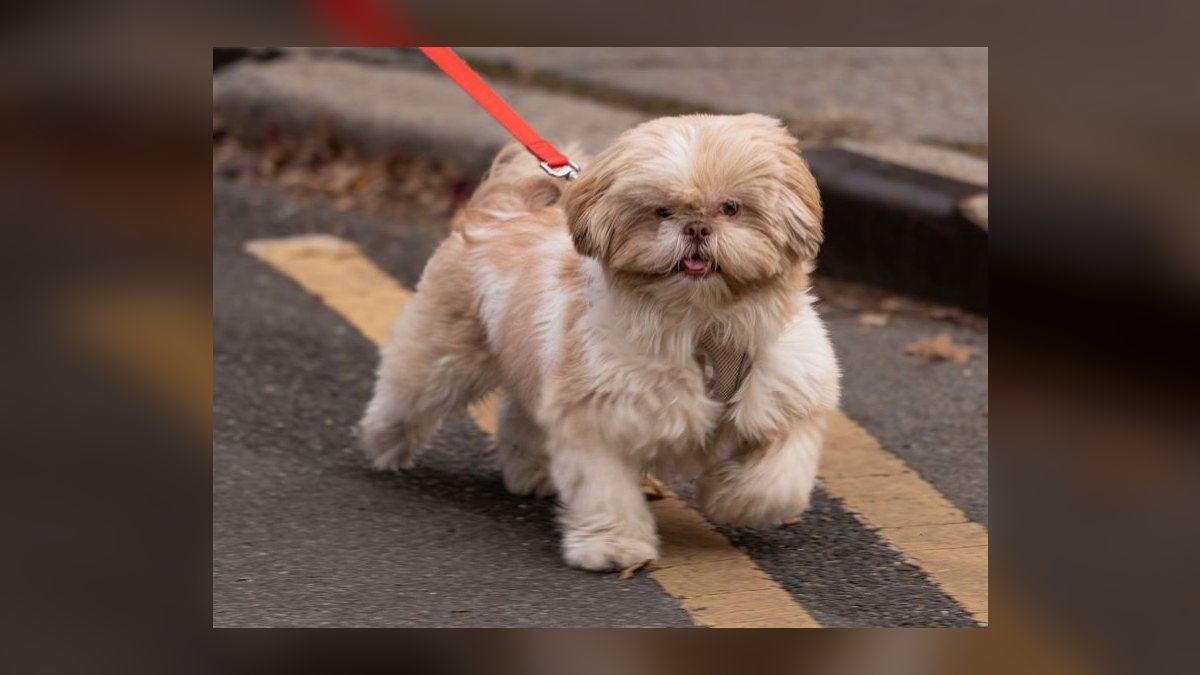
The third problem is learning. A back-clip harness doesn't hurt the dog, but it does something worse for your Saturday: it teaches. When a dog leans into steady pressure and forward movement happens anyway, the pulling gets reinforced every single walk. Dogs, like most animals, brace against pressure — push into a harness and the harness pushes back, and pushing harder produces progress. Ten minutes of that, four times a day, for a year, is a lot of practice at the exact behavior you're trying to remove.
So the harness you want does three things at once: it never loads the throat, it never blocks the shoulder, and it doesn't reward leaning. That combination is a padded Y-front harness with a front (chest) attachment ring, ideally with a back ring too so you can switch as the dog improves.
One more piece of the scenario deserves attention. The reason your Shih Tzu pulls is almost never dominance or stubbornness, whatever the internet told you. It's usually one of four things: she walks faster than you at her natural gait, she's excited and the leash is the only thing between her and the interesting smell, she's anxious and moving forward feels like escape, or nobody has ever taught her that a loose leash is the thing that makes walking continue. Each of those has a different fix, and gear addresses only the mechanical layer. Knowing which one you have changes how you use the harness — an anxious puller and an over-aroused puller respond very differently to the same equipment.
How a front attachment actually changes the physics
The mechanism is simpler than most product copy makes it sound, and understanding it tells you when it will and won't work.
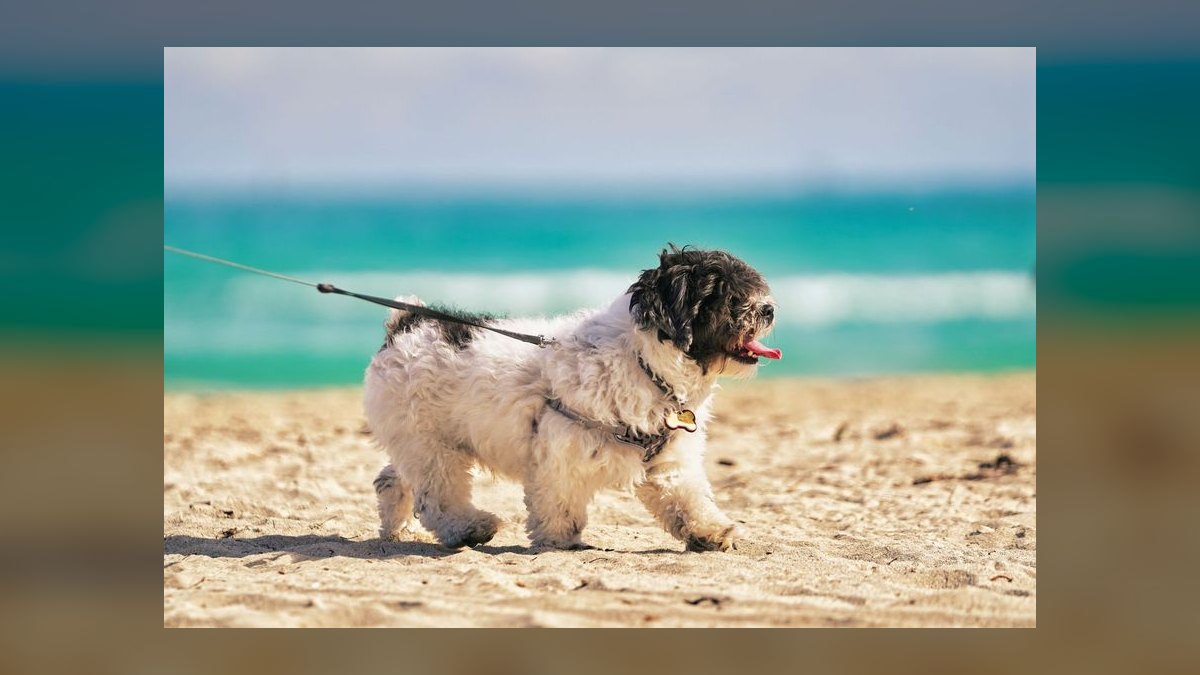
A dog pulling on a back-clip harness is in a near-ideal load configuration. The leash line runs from a point behind the shoulders, roughly parallel to the spine, in the same direction as travel. Every bit of force the dog generates goes straight down that line into your hand. This is the same geometry a sled dog uses, and sled harnesses attach at the back for exactly this reason: it's the most efficient way for a dog to move a load. A back-clip harness on a puller is, mechanically, a very small sled rig.
Move the attachment to the center of the chest and the geometry inverts. The leash line now runs from a point in front of the dog's center of mass, angled back toward the handler at the dog's side. When the dog surges forward, the tension creates a rotational moment — the chest is drawn toward the handler and the dog's front end turns. The dog ends up facing you, or at least angled across its own line of travel, and forward momentum stops. Nothing tightened, nothing choked, nothing hurt. The dog simply cannot generate straight-line thrust from that position.
That's the whole trick, and it has an important implication: the front clip is a steering tool, not a punishment. It removes the reinforcement for pulling rather than adding an aversive. That distinction matters practically, because it means the harness alone won't teach anything. It just stops the dog from practicing the wrong thing while you teach the right thing.
Here's how the two loops compare:

Two details make or break this in practice.
Leash length and handler position. The turning moment depends on the leash running back at an angle. If you hold a very short leash straight up from a front clip, you get a vertical line and no rotation — just a dog being lifted at the chest. Four to six feet of fixed-length leash, held at your hip with a soft elbow, produces the right geometry. Retractable leads defeat the entire mechanism: they maintain constant tension by design, which is the one thing you are trying to eliminate, and they teach the dog that pulling extends its range.
Strap tracking. A front ring only turns the dog if the harness stays put. If the whole thing slides sideways when tension comes on, you get a twisted harness and a dog still going forward. This is why fit is not a footnote — a well-fitted mid-range harness beats a poorly-fitted expensive one every time.
There's a related upstream point worth making. The front clip solves the leash, but a lot of small-dog pulling starts before the leash is even attached. If the harness goes on during a frenzy of jumping and spinning at the door, you've already set the arousal level for the walk. Putting the harness on in a calm room, waiting for four feet on the floor before the door opens, and stepping back inside if the dog rockets out — that costs about ninety seconds and does more for the first block than any hardware choice.
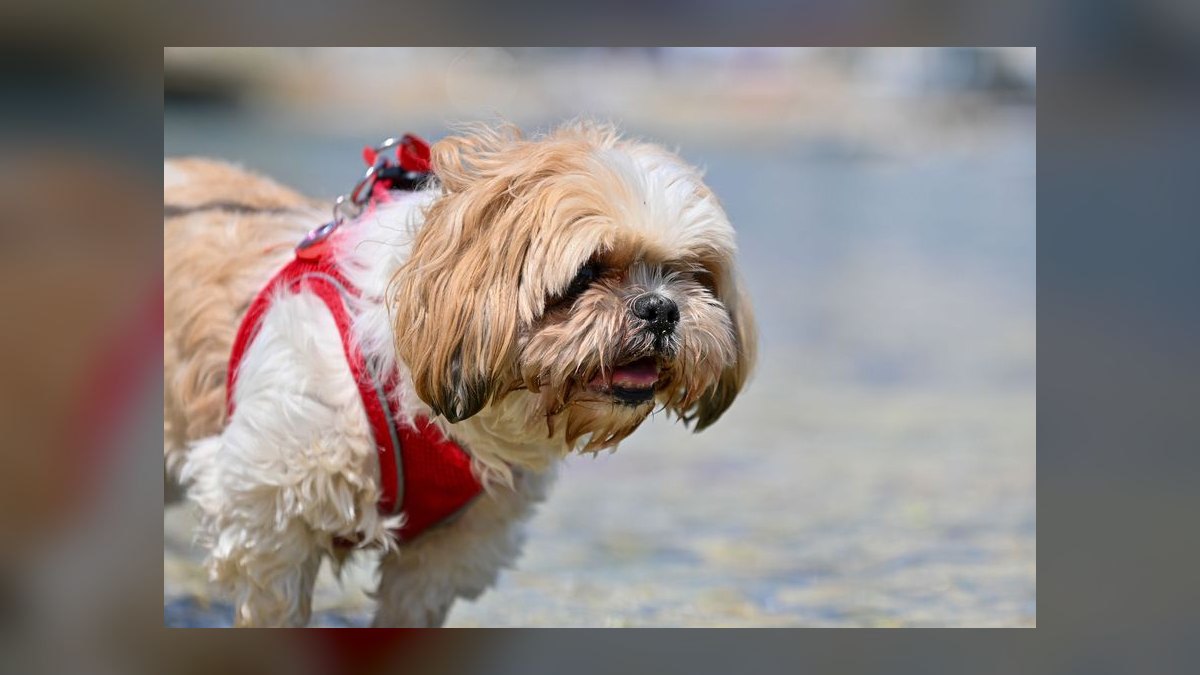
Measurements, sizes, and what the numbers actually look like
Small-dog harnesses are sold by weight far more often than they should be, and weight is a terrible proxy for the dimension that matters. A compact 14-pound Shih Tzu and a barrel-chested 14-pound pug do not wear the same harness. Measure.
The two measurements you need:
- Girth (chest circumference): wrap a soft tape around the deepest part of the ribcage, just behind the front legs, and pull it snug without compressing the coat. This is the primary sizing number for essentially every harness on the market.
- Neck/base-of-neck circumference: measure where the harness's upper straps will sit — at the base of the neck where it meets the shoulders, not up under the jaw. Some brands ask for this, some don't.
Typical adult Shih Tzus land in a narrow band. Breed standard weight is generally cited around 9–16 pounds, and girth for dogs in that range commonly falls somewhere around 14–19 inches, with neck measurements often in the 10–13 inch range. Those are ballparks, not guarantees — an individual dog can sit outside them, which is exactly why you measure your own dog rather than trusting a chart. Most manufacturers put a Shih Tzu in an XS or S, but the size letters are not standardized across brands. An "S" from one company can be two inches of girth different from another company's "S." Always read the actual inch range on the size chart, not the letter.

Where to sit inside a size range. If your dog's girth is at the very top of one size, go up. If it lands at the bottom edge of a size and the harness has generous adjustment, that size is usually right — a harness cinched to its smallest setting has no room to grow and often bunches. Puppies growing into adult size should be fitted to current measurements and replaced, not bought oversized; an oversized harness on a puller is an escape risk.
The fit checks that actually matter, in order:
- Two fingers, flat, under every strap. Not two fingers pinched — two flat fingers slid under. Tighter than that restricts; looser than that lets the harness shift or the dog back out of it.
- Sternum point. The center of the Y should sit on the breastbone, not up on the throat and not down between the front legs. If the front ring rides up toward the neck when you apply tension, the harness is wrong for this dog's build.
- Armpit clearance. Strap edges should sit at least a finger-width behind the elbow crease. This is the single most common source of chafe on short-legged dogs, and a Shih Tzu's coat will hide the rub until it's already sore.
- Load test. Apply gentle tension to the front ring while the dog stands. Watch what moves. The harness body should stay centered and rotate the dog. If the harness itself twists around the ribcage, the girth strap is too loose or the design doesn't suit the dog's shape.
- Movement check. Walk twenty steps and watch the front legs from the side. Full forward extension, no shortened stride, no hitching.
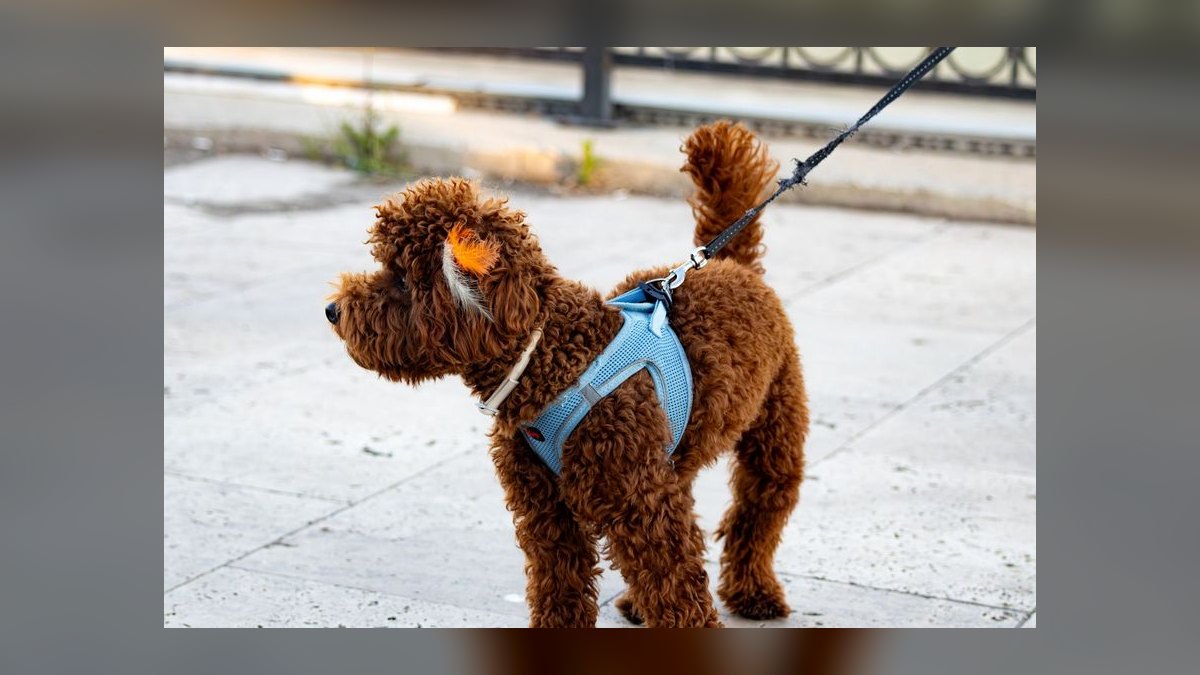
Cost and durability. Serviceable small-dog Y-front harnesses generally run in the low-to-mid tens of dollars, with well-built dual-clip models from established brands typically higher. The meaningful differences at higher price points are adjustment points (four or five adjusters versus two), hardware quality (cast metal versus stamped), padding that survives washing, and reflective stitching. For a dog that actually pulls, spend on adjustment points — that's what lets you tune fit precisely enough for the front clip to do its job. Expect to replace a harness on a well-groomed Shih Tzu every year or two; the padding compacts and the webbing softens.
Coat considerations that catch people out. A Shih Tzu in a full coat and the same dog in a puppy cut are effectively different sizes. If you keep the coat long, check fit after every grooming appointment. Long coat also mats under straps — a harness worn for hours without removal on a long-coated dog produces mats at the armpits and behind the elbows that are miserable to brush out. Take it off between walks. It should not be a permanent garment.
Timeline expectations. Most owners notice a real reduction in pulling force on the first or second walk after switching to a front clip, because the mechanics change immediately. Actual loose-leash habit — the dog choosing to stay near you without the harness doing the work — takes weeks of consistent practice, not days. Ten focused minutes a day beats one long unfocused walk, and the front clip is what makes those ten minutes productive.
Choosing between the styles, and when something else is better
There isn't one harness that wins for every small dog. Here's the honest comparison.
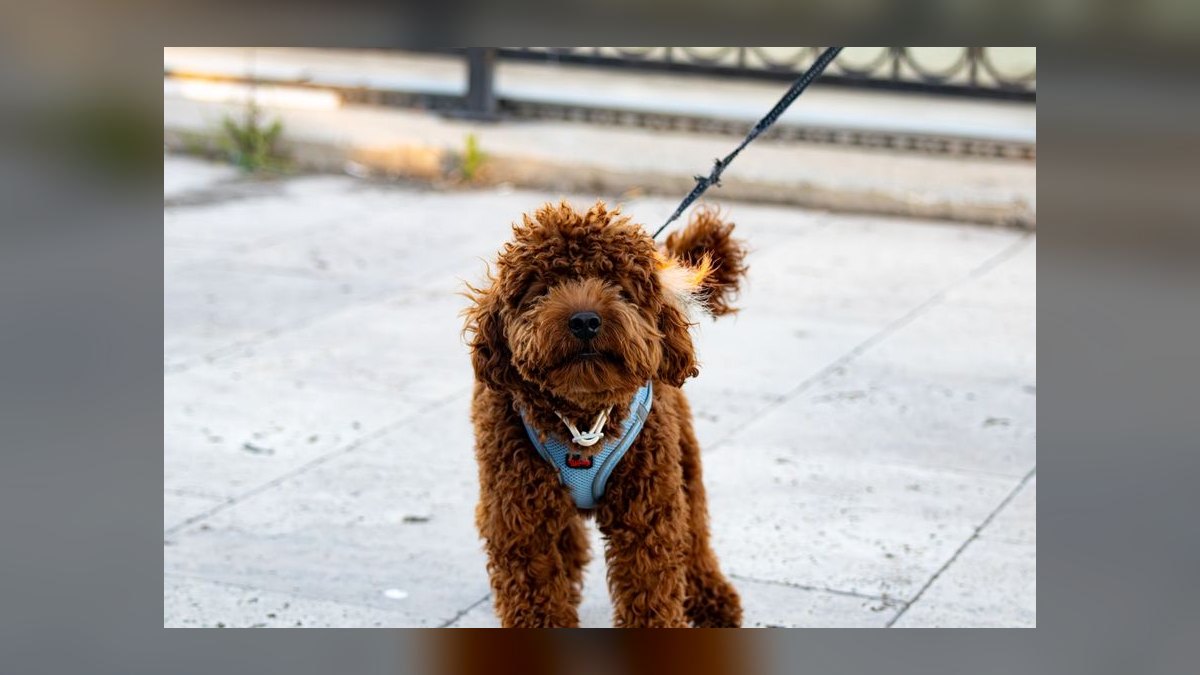
Y-front dual-clip harness. Front and back rings, four or more adjustment points, padded chest piece. Best general answer for a pulling Shih Tzu. You train on the front ring, and once the dog walks reasonably you switch to the back for relaxed walks — same harness, no second purchase. Downside: more straps to adjust, and the first fitting takes real attention.
Front-clip-only "no-pull" harness. Usually a simpler design, often with a martingale-style cinch at the chest that tightens slightly under tension. Very effective on strong pullers and typically cheaper. Downsides for this breed: many have a horizontal chest strap that sits over the shoulders, several are known to chafe in the armpit on short-legged dogs, and there's no back ring, so you never transition away from it.
Step-in harness. The dog steps in with both front feet and the harness buckles over the back. Genuinely useful for dogs who panic at anything going over the head — and some Shih Tzus with eye sensitivity or handling history do. Most step-ins are back-clip only and horizontal across the chest, so they're a comfort choice rather than a pulling solution. Some newer step-ins add a front ring; those are worth looking for if over-the-head is a non-starter.
Vest/mesh harness. Wide, soft, spreads pressure over a large area. Comfortable, good for tiny or fragile dogs, decent in warm weather if the mesh actually breathes. Almost always back-clip only, so it does nothing for pulling. Fine as the "after training" harness.
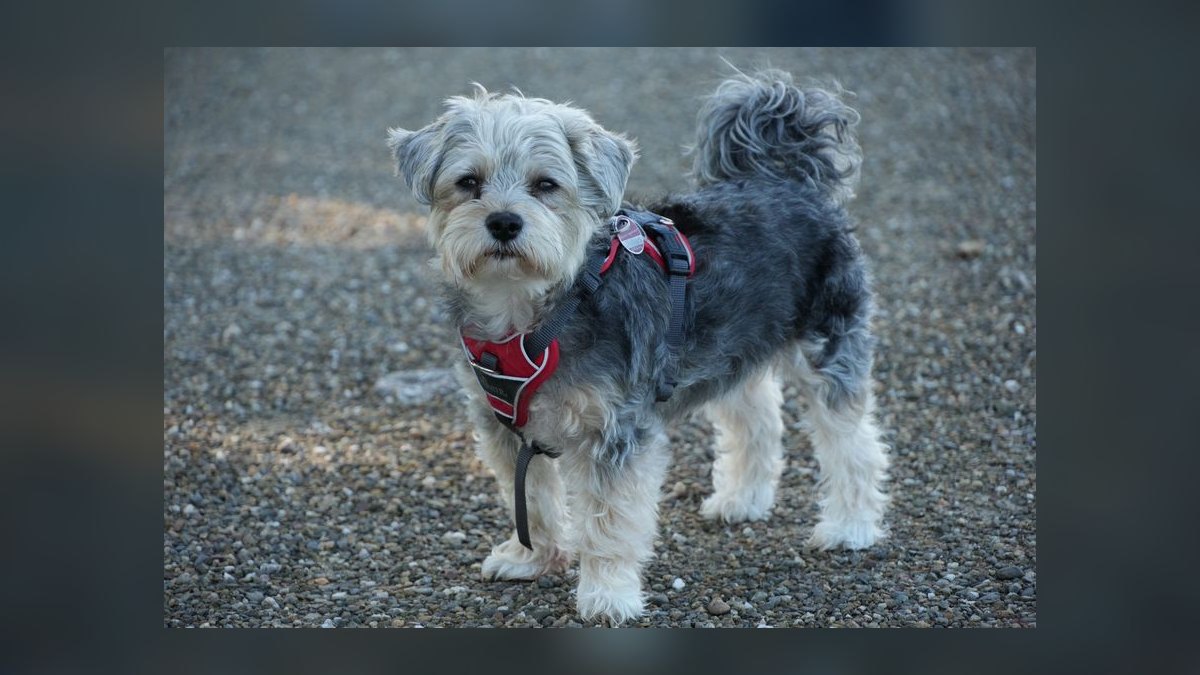
Head halter. Fits over the muzzle and gives the most control per unit of handler effort of anything available. Rarely the right call for a brachycephalic breed — the short muzzle gives the noseband almost nothing to sit on, and it slides up into the eyes. Skip it here.
Flat collar. Keep one on the dog for ID tags and licensing. Do not walk a pulling Shih Tzu from it. Slip leads, choke chains, and prong collars are all wrong for this breed and this problem for the same airway reason.
Adjacent gear that changes the outcome more than people expect. The leash matters nearly as much as the harness — a lightweight four-to-six-foot lead in a material you can grip lets you feel slack returning, which is the cue to keep walking. A heavy leash on a twelve-pound dog applies constant downward tension all by itself. A treat pouch you can reach without breaking stride is the difference between rewarding the good moment and rewarding three seconds later, which the dog reads as a different event entirely. And if you're managing two small dogs at once, walk them separately during training; a coupler makes both dogs' pulling into one combined force and removes your ability to reward either one specifically.
Where this goes wrong
Buying by weight. Covered above, but it's the number one cause of returns and the number one cause of "the front clip didn't work." Ill-fitting harness, wrong conclusion drawn about the mechanism.
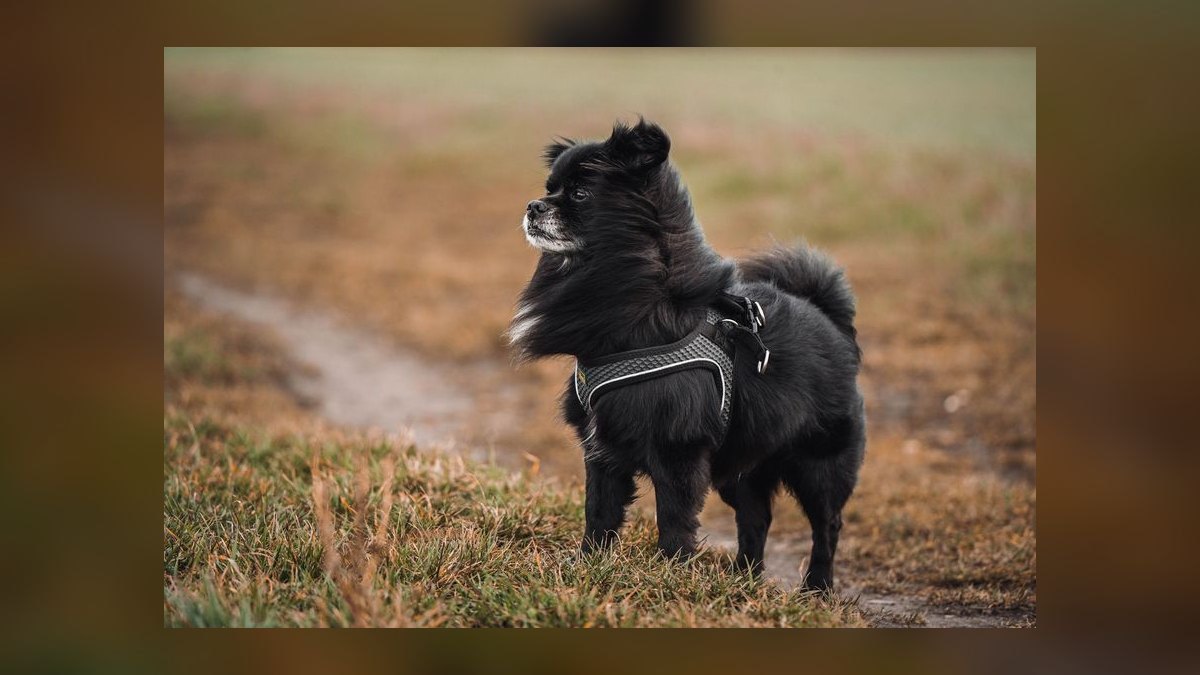
Leaving the front ring dangling. A front ring that sits loose and untensioned lets the leash swing between the front legs, where the dog steps over it and trips. Keep light contact, or route the leash to the side. Some dual-clip harnesses solve this with a leash clipped to both rings at once, which is worth trying for a dog that tangles constantly.
Cranking the straps tight. People overtighten because they're afraid of escape, then the dog's stride shortens, the coat mats, and rubs appear behind the elbows. Two flat fingers. Check it weekly and after every groom.
Treating the harness as the training. The harness stops the practice of pulling. It doesn't build the habit of walking near you. That comes from marking and rewarding the moments the leash goes slack, often enough that staying close beats surging ahead. Stop when the leash goes tight, wait for slack, then continue — every time, so forward motion is contingent on a loose line.
Rewarding the recovery instead of the position. Classic error: dog pulls, you stop, dog comes back, you give a treat. Repeated enough, you've built a chain where pulling is step one of getting a treat. Reward the dog for being beside you before the pull happens, and just resume walking after a stop without a food reward.
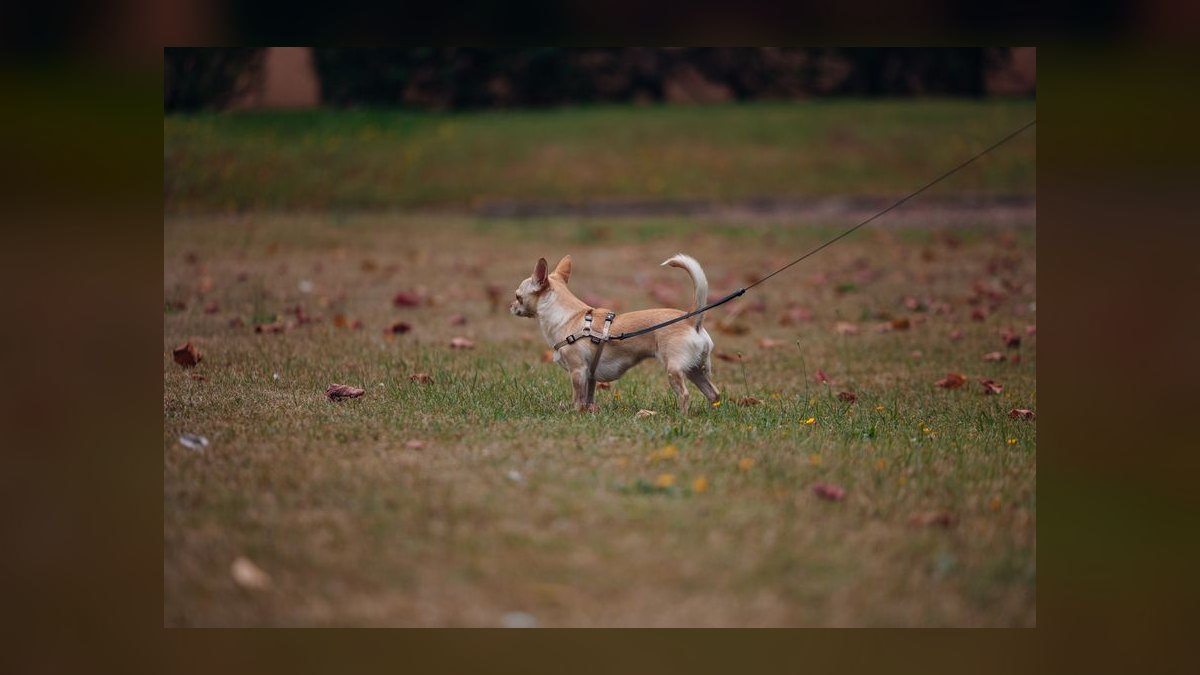
Escalating when the dog resists. Some dogs freeze, paw at the chest, or walk sideways the first few times on a front clip. That's novelty, not damage — feed a few treats with the harness on indoors, do two short sessions in the house, and it usually resolves inside a week. Dragging a frozen dog forward teaches the harness is bad.
Missing a medical cause. Persistent honking, gagging, or a dry goose-honk cough that continues even in a well-fitted harness is a veterinary question, not an equipment question. The same applies to sudden new pulling in a previously calm dog, or reluctance to walk at all. Gear does not fix pain.
Skipping the coat check. Long coat plus straps plus daily wear equals mats, and mats under a load-bearing strap become sores. Remove the harness at home, and part the coat at the armpits and sternum once a week to look at the skin.
Ignoring what happens at the other end of the leash. A tense handler with a short, high grip creates constant tension the dog then braces against. Long arm, soft elbow, leash at hip height. It's a small change and it's the one most owners never make.
Related questions
Is a harness or a collar better for a Shih Tzu?
A harness, for walking. Shih Tzus are brachycephalic with narrow airways and a real risk of tracheal problems, so load on the front of the neck should be avoided. Keep a flat collar on for ID tags, but attach the leash to a well-fitted harness.
Can a front-clip harness hurt my dog's shoulders?
A Y-front design that sits on the sternum should not, because the straps angle away from the shoulder joints. Horizontal chest straps that cross directly over the shoulder points are the ones that restrict stride. Watch the front legs from the side for shortened reach.
How long does it take to stop a small dog from pulling?
Pulling force usually drops on the first or second walk with a front clip, because the mechanics change immediately. A durable loose-leash habit typically takes weeks of short, consistent sessions. Ten focused minutes daily beats one long, unfocused walk.
Should I use a retractable leash with a no-pull harness?
No. Retractable leads hold constant tension and let the dog extend its range by pulling, which reinforces exactly the behavior the front clip is meant to remove. Use a fixed leash of four to six feet.
Do small breeds need different harnesses than large breeds?
The principles are identical, but the tolerances are tighter. Short legs mean less room between the chest strap and the elbow, small airways mean neck pressure matters more, and long coats mat under webbing. Fit precision matters more on a small breed than a large one.
FAQ
Can I use a back-clip harness for a Shih Tzu that pulls?
You can, but it works against you. The back attachment puts the leash line parallel to the dog's spine, which is the most efficient possible configuration for the dog to pull — the same geometry sled harnesses use deliberately. The dog braces into the pressure, forward movement happens anyway, and the pulling gets reinforced. Back clips are fine for a dog that already walks on a loose leash; they're the wrong choice while you're fixing the problem.
What should I look for if my dog has a collapsing trachea or a history of coughing?
Anything that loads the throat is out — no collars, slip leads, or harnesses with a strap that rides up into the neck under tension. Look for a Y-front that sits low on the sternum, wide padded straps that spread load across the ribcage, and check under tension that nothing migrates upward. This is also a conversation to have with your vet, since a persistent honking cough warrants an actual diagnosis rather than a gear swap.
How do I measure my Shih Tzu for a harness?
Soft tape around the deepest part of the chest, just behind the front legs, snug but not compressing the coat — that's girth, and it's the number nearly every size chart is built on. Also measure the base of the neck where the upper straps will sit. Then read the manufacturer's inch ranges rather than trusting the size letter, because XS and S mean different things at different brands.
My dog freezes or walks sideways with the front clip. Is it too tight?
Check fit first — two flat fingers under every strap, sternum point centered, nothing pressing into the armpit. If fit is right, this is almost always novelty. Put the harness on indoors, feed a few treats, let the dog move around in it for a couple of minutes, and repeat over several short sessions. Most dogs are walking normally within a week. Don't drag a frozen dog forward.
Do I need to keep the harness on all day?
No, and you shouldn't. On a long-coated breed, continuous wear causes mats at the armpits and behind the elbows, and mats under a load-bearing strap turn into skin irritation. Put it on for walks, take it off at home, and part the coat weekly to check the skin underneath.
Will a more expensive harness fix pulling faster?
Not by itself. The meaningful upgrades at higher price points are more adjustment points, better hardware, and padding that survives washing — and the adjustment points genuinely matter, because a front clip only steers if the harness stays centered under load. But a perfectly fitted mid-priced harness beats a poorly fitted premium one, and no harness at any price replaces the training that builds the habit. The gear buys you the opportunity to teach.
Sources
- American Kennel Club — Best Dog Harnesses
- American Kennel Club — Shih Tzu Breed Information
- American Kennel Club — How to Stop a Dog From Pulling on Leash
- PetMD — Tracheal Collapse in Dogs
- VCA Animal Hospitals — Collapsing Trachea in Dogs
- Cornell University College of Veterinary Medicine — Brachycephalic Syndrome
- ASPCA — Teaching Your Dog Not to Pull on Leash
- The Kennel Club — Walking Your Dog on a Lead
- RSPCA — Dog Walking Advice
Related on PULSE
- [How do I stop my dog from pulling on the leash during walks?](/knowledge/pt0110)
- [Can I give my dog over-the-counter pain medication like ibuprofen for arthritis?](/knowledge/pt0023)
- [Is grain-free dog food linked to heart disease in certain breeds like Golden Retrievers?](/knowledge/pt0019)
- [What type of gravel is safe for goldfish that might eat it?](/knowledge/pt0084)
- [Best small, low-maintenance fish for a 5-gallon desk tank?](/knowledge/pt0086)
This page will be disappearing soon. Save it to your device for $1 — or read it free while it is here.
@Kory-White- · if Venmo asks, the last 4 of my number are 2012
 pulse-petsTop 10 5-Gallon Aquariums 2027
 pulse-petsTop 10 Rainbow Shark Semi-Aggressive Fish 2027
 petsTop 10 how much water does a 75-gallon aquarium hold in 2027
 pulse-petsTop 10 best aquarium thermometers 2027
 pulse-petsTop 10 Aquarium LED Lights 2027
 pulse-petsTop 10 aquarium lighting systems 2027
 petsWhat are the exact steps for a 25% water change in a heavily planted tank without stressing the fish in 2027?
 pulse-petsTop 10 Swordtail Varieties 2027
 pulse-petsTop 10 Corydoras Pygmaeus Schooling Catfish 2027
 pulse-petsTop 10 10-Gallon Aquariums 2027