
Can I give my dog over-the-counter pain medication like ibuprofen for arthritis?
 Curated byKory White · Fractional CRO · Maryland
 PULSEKNOWLEDGE LIBRARY
Quality
Certified

No. Never give a dog ibuprofen, naproxen, aspirin, or acetaminophen. Dogs clear these drugs slowly, and even one over-the-counter tablet can cause stomach ulcers, kidney failure, or liver damage. Canine arthritis is treated with veterinary-labeled NSAIDs such as carprofen, meloxicam, or grapiprant, prescribed after an exam and baseline bloodwork.
The outcome you should expect when you do this correctly
Owners usually arrive at this question in one of two states: the dog is limping tonight and there is a bottle of ibuprofen in the cabinet, or the dog has been slowing down for months and the owner is quietly self-medicating already. Both paths end at the same place — a veterinary exam — but the outcomes differ enormously depending on which one you take.
Here is the realistic outcome of the correct path. You call your veterinarian, describe the pattern (stiff for the first ten minutes after a nap, reluctant to take the stairs, slower on the second half of the walk), and get an appointment. The vet does an orthopedic exam: range of motion on each joint, crepitus, pain response on extension, muscle mass comparison between limbs. Radiographs may be taken to confirm degenerative joint changes and to rule out the imitators — cruciate ligament rupture, hip dysplasia, lumbosacral disease, and in older large-breed dogs, bone tumors, which can look like "arthritis" from across the room and are catastrophic to treat with an anti-inflammatory alone. Baseline bloodwork checks kidney values, liver enzymes, and hydration status, because every NSAID on the market leans on those two organs.
If the workup supports osteoarthritis, you leave with a veterinary NSAID and a plan. Most dogs show a visible change within three to seven days — rising more easily, less lag at the start of a walk — with the fuller effect landing over two to four weeks as the inflammatory cycle in the joint quiets down. That is the outcome: a dog that moves better, on a drug with a canine label, monitored with recheck bloodwork.

Now the outcome of the ibuprofen path. Best case, nothing visible happens and you got lucky. Common case, the dog vomits, goes off food, and produces dark tarry stool a day or two later — that is digested blood from a gastric ulcer. Worse case, kidney injury, which often shows up as increased thirst and urination before anything else, and which can be permanent. The treatment for that is hospitalization: IV fluids for two to three days, gastroprotectants, sometimes plasma or transfusion if the bleeding is significant. You will have spent several times what a year of proper arthritis management costs, and the dog will still have arthritis at the end of it.
The gap between those two outcomes is not a small margin. It is the difference between a managed chronic condition and an emergency.
What drives the difference between human and canine pain medication
The reason a drug that is safe on your nightstand is dangerous in your dog's bowl comes down to three mechanisms that stack on each other.
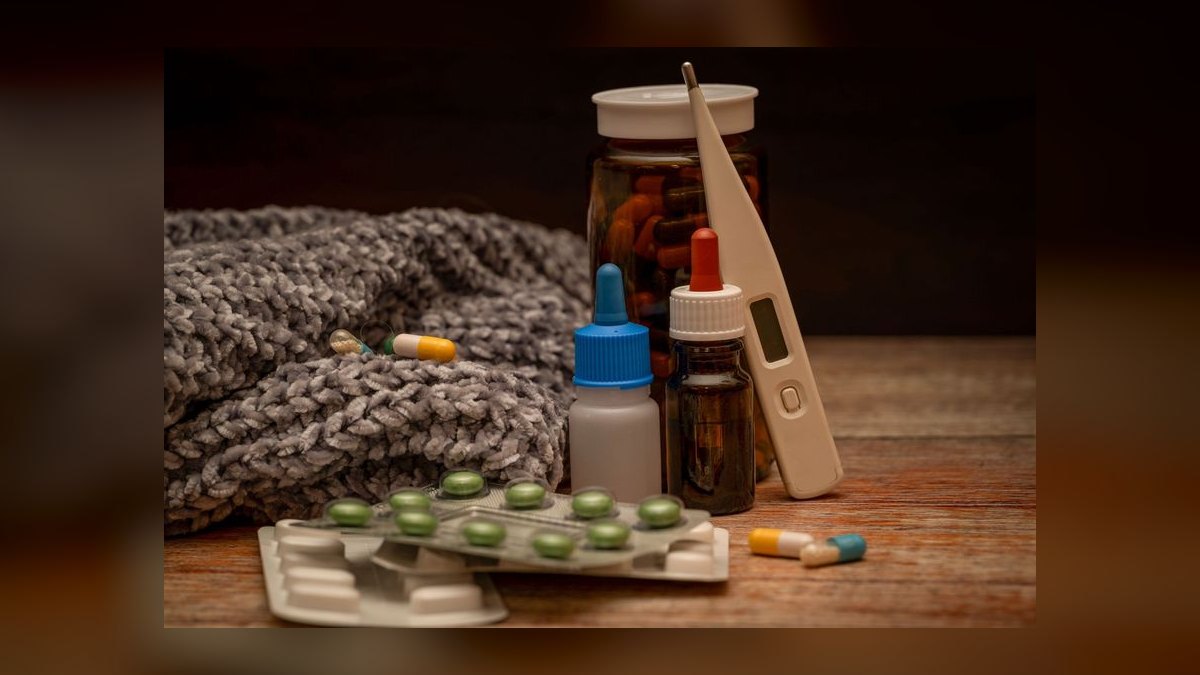
Clearance is slower. Ibuprofen's half-life in people runs roughly two hours. In dogs it is longer and more variable, which means repeat dosing on a human schedule stacks the drug faster than the body removes it. An owner giving "just half a tablet, twice a day" is not giving a small dose — they are building a reservoir.
Prostaglandin suppression is not selective. NSAIDs work by blocking cyclooxygenase enzymes, which shuts down the prostaglandins that drive inflammation. The problem is that some of those same prostaglandins maintain the protective mucus layer of the stomach and preserve blood flow through the kidney's filtration units. Human NSAIDs like ibuprofen suppress the protective pathway heavily in dogs. Veterinary NSAIDs are selected and dosed specifically to spare it as much as possible. Grapiprant goes further and skips the cyclooxygenase step entirely, blocking a single prostaglandin receptor associated with pain and inflammation, which is why it is often the choice for dogs with a fragile gut.
Acetaminophen is a separate problem. It is not an NSAID and it does not act like one. Dogs metabolize it into compounds that overwhelm the liver's detoxification pathway and damage red blood cells. Cats are worse still — for cats, acetaminophen is lethal at doses that sound trivial. There is no home dose of acetaminophen for a dog.

Layer on the size problem. A 200 mg tablet is a modest dose in a 180-pound human. In an 11-pound terrier, that is a wildly different milligram-per-kilogram exposure, and the small dogs that most often get "a little bit for the limp" are exactly the ones with the least margin. Add a dog already on a steroid for skin allergies, or a senior with borderline kidney values, and the margin disappears entirely. Stacking an NSAID on top of a corticosteroid is one of the most reliable ways to perforate a stomach in veterinary medicine — it is also one of the most common accidental combinations, because owners rarely think of the allergy pill as a drug that interacts.
Benchmarks and realistic ranges for canine arthritis care
Useful numbers, kept to what is genuinely well established.
Prevalence and population. Osteoarthritis is one of the most common chronic conditions in older dogs, and it is substantially underdiagnosed because owners read the early signs as normal aging. "He's just getting old" and "he's arthritic" are frequently the same dog, six months apart. Large and giant breeds, dogs with prior cruciate injuries, and overweight dogs of any size present earlier.
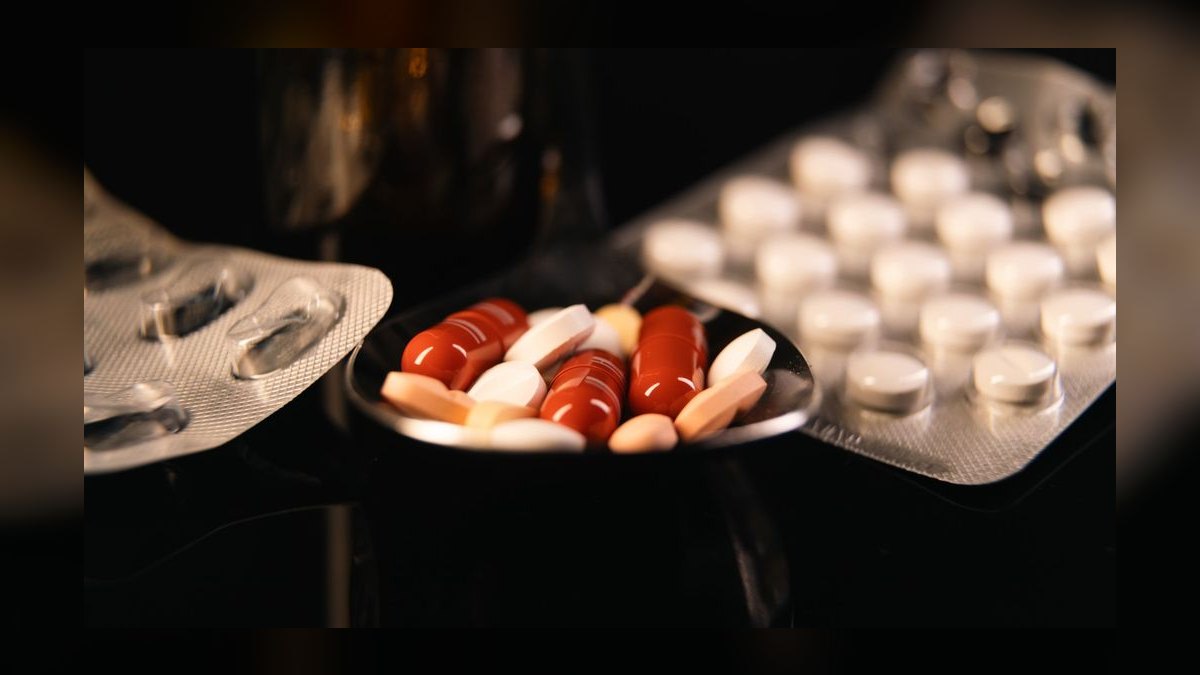
Time to effect. With a properly dosed veterinary NSAID, expect noticeable improvement in roughly three to seven days and a fuller picture in two to four weeks. If two weeks pass with no change, that is a signal to revisit — either the dose is wrong, the drug is wrong for this dog, or the diagnosis is incomplete. Non-response is diagnostic information, not a reason to increase the dose at home.
Monitoring cadence. A common pattern is bloodwork before starting, a recheck a few weeks in, and then periodic rechecks every few months for a dog on continuous therapy. Older dogs and dogs with any prior kidney or liver flag get checked more often. This is not upselling; it is how you catch a slow creep in kidney values while it is still reversible.
Weight as a lever. This is the single most underrated intervention and it costs nothing. Fat tissue is metabolically active and pro-inflammatory, and every extra pound is load carried through already-damaged joints. Bringing an overweight arthritic dog down to a lean body condition score routinely reduces the medication needed, and in mild cases can carry a dog for a long stretch with far less pharmacology. Ask your vet for a body condition score at every visit and take the honest answer.

Cost shape. Ongoing arthritis management — medication, periodic labs, a joint supplement — is a predictable recurring expense measured in tens of dollars a month for most dogs. Treating NSAID toxicity is an unpredictable four-figure event involving multiple days of hospitalization, IV fluids, gastroprotectants, and possibly transfusion. The asymmetry is the whole argument. You are not choosing between spending money and not spending money; you are choosing between a budget line and a bill.
Adjunct evidence, ranked honestly. Omega-3 fatty acids at therapeutic marine-oil doses have reasonable support for reducing joint inflammation and are among the better-supported supplements. Glucosamine and chondroitin have mixed evidence — many dogs seem to do well on them and they are low-risk, but do not expect them to replace an NSAID in a moderately painful dog. Injectable polysulfated glycosaminoglycan has veterinary labeling for joint disease. Gabapentin and amantadine are used for the neuropathic and central sensitization components of chronic pain, typically alongside an NSAID rather than instead of one. Newer monoclonal antibody therapy targeting nerve growth factor is available in the canine space through veterinarians and is worth asking about for dogs who cannot tolerate NSAIDs. CBD is under active study with some encouraging small trials, but product quality varies enormously and it does not belong in the "instead of veterinary care" column.
Physical medicine. Controlled leash walking on soft surfaces, underwater treadmill hydrotherapy, therapeutic laser, and targeted strengthening exercises all have a real place. A dog with strong hindquarter musculature carries an arthritic hip far better than a deconditioned one. The instinct to rest an arthritic dog completely is usually wrong — you want less impact, not less movement.

Risks, edge cases, and failure modes
The "it's just topical" gap. Owners who would never hand over a tablet will rub a human anti-inflammatory gel on a dog's leg. Dogs lick. Topical NSAIDs and topical pain patches are ingestion hazards, and some human topical products are far more concentrated than the oral equivalent. Same rule: nothing goes on a dog that was not dispensed for that dog.
The counter itself. A remarkable share of poisonings are not deliberate dosing at all — the dog ate the bottle. A purse on a chair, a pill organizer on the counter, a dropped tablet on the kitchen floor. Coated tablets can be palatable. If you have a counter-surfing dog, human medication belongs behind a latched door, not on a surface, and guests' bags are a known blind spot.
The multi-pet household. Never give one dog another dog's leftover prescription. Doses are weight- and drug-specific, expired bottles have unknown potency, and the second dog may have a condition that contraindicates the drug entirely. Cats are a hard line — several canine NSAIDs are dangerous to cats, and a cat that gets into a dog's medication is an emergency.

Stacking. Do not combine two NSAIDs, and do not combine an NSAID with a corticosteroid. Switching between veterinary NSAIDs generally requires a washout period so the drugs do not overlap. If your dog is on anything else at all — heart medication, diuretics, allergy drugs, behavioral medication — the veterinarian needs the full list before prescribing.
Dehydration and anesthesia. An NSAID plus low circulating volume is the classic setup for kidney injury. Dogs that are vomiting, not drinking, or scheduled for a procedure need their NSAID plan reviewed, not continued on autopilot.
Missing the real diagnosis. This is the failure mode that hurts most. Osteosarcoma in a large-breed senior, a partial cruciate tear, intervertebral disc disease, tick-borne polyarthritis, and immune-mediated joint disease can all read as "stiff old dog." An anti-inflammatory will blunt the signal from every one of them for a few weeks while the underlying condition advances. If a dog's pain is sharply localized to one spot, if there is swelling over a long bone, if there is fever, or if the response to treatment is unusually poor, stop and re-diagnose.

Recognizing the signs at all. Dogs do not usually cry out. Watch for stiffness in the first minutes after rest, difficulty rising from a hard floor, hesitation before stairs or the car, a shortened stride, lying down instead of sitting, licking repeatedly at one joint, sleeping more, and irritability when touched or when a child leans on them. Behavioral change is frequently the first sign, and it is frequently mistaken for a temperament problem.
If it has already happened. If your dog has ingested any human pain medication, call your veterinarian or an animal poison control service right away and have the bottle in hand so you can report the strength and the maximum possible number of tablets. Do not induce vomiting on your own initiative — timing matters and it is the wrong move in some situations. Early decontamination, activated charcoal, IV fluid support, and gastroprotectants are dramatically more effective before symptoms appear than after. Waiting to "see if he seems okay" is how a treatable exposure becomes an organ injury.
A practical rollout plan for managing an arthritic dog
Treat this as a chronic-condition program, not a one-time fix. The dog will have arthritis next year too; the goal is a durable, monitored routine.

Week zero — secure and assess. Remove every human medication from reachable surfaces, including the bathroom counter and any bag left on the floor. Write down what you actually observe: which leg, what time of day, what makes it worse, how far the dog walks before slowing. Video the dog rising from a nap and walking away from the camera — vets get far more out of thirty seconds of video than out of a description, because dogs famously look fine in the exam room.
Week one — get the diagnosis. Exam, radiographs if indicated, baseline bloodwork. Bring the video and the written notes. Ask directly for a body condition score and a target weight. Leave with a written plan that names the drug, the dose, the recheck date, and the specific side effects that mean stop and call.
Weeks one through four — start and observe. Give the medication with food unless directed otherwise, at the same time each day. Keep a simple daily log — one line, a 1-to-5 mobility score. Watch for vomiting, appetite loss, dark stool, lethargy, or a change in drinking and urination; any of those means stop the drug and call, not push through. Begin the weight plan the same week, because it takes months to show and there is no reason to delay it.

Month two — recheck and adjust. Bloodwork, honest review of the log, and a decision: hold, adjust, or change. This is also where adjuncts get layered in — omega-3s, a joint supplement, gabapentin for a dog whose pain has a neuropathic edge, or a referral to a rehabilitation practitioner for hydrotherapy and a strengthening program.
Ongoing — build the environment around the dog. Non-slip runners on hard floors do more for a wobbly senior than most owners expect; slipping causes both pain and fear of movement. Ramps instead of jumping into the car or onto the bed. A supportive orthopedic bed off cold tile. Nails kept short, because long nails change how the foot loads. Shorter, more frequent walks rather than one long weekend hike. Warmth in cold weather. These changes are unglamorous, free or cheap, and they compound.
Seasonal and long-term. Expect flares — cold snaps, a big day at the park, a slippery floor incident. Have a plan for what a flare looks like and who you call, rather than improvising with whatever is in the cabinet at 9pm on a Sunday. Reassess the whole program every six months; arthritis progresses, and a plan that fit last spring may be under-treating by autumn.
Related questions
Is baby aspirin safe because the dose is small?
No. The lower dose does not change the mechanism — aspirin still suppresses protective gastric prostaglandins and impairs platelet function in dogs. It also complicates switching to a proper veterinary NSAID later, since a washout is needed. Do not use it without explicit veterinary direction.
Can I use human glucosamine instead of a veterinary product?
Glucosamine is not acutely toxic, but human products are dosed for human body weight and some contain xylitol as a sweetener, which is severely toxic to dogs. Read every label. Veterinary joint supplements are dosed for dogs and avoid that risk entirely.
What if my vet is closed and my dog is clearly hurting tonight?
Call an emergency veterinary clinic or an animal poison control line — both operate overnight. Restrict activity, provide a soft warm bed, and use cold or warm compresses if your vet has advised them. Do not bridge the gap with human medication; it makes tomorrow's treatment harder.
Does arthritis medication shorten a dog's life?
Properly prescribed and monitored, veterinary NSAIDs are used long-term in many dogs. Untreated pain has its own costs: muscle loss, weight gain, reduced activity, and behavioral decline. Monitoring exists to catch problems early, which is why the recheck bloodwork matters.
Can cats take the same arthritis drugs as dogs?
No. Cats have distinct metabolic limitations and several canine NSAIDs are unsafe for them, particularly with repeat dosing. Feline arthritis is real and common but requires feline-specific products and dosing. Never share medication between species.
FAQ
How much ibuprofen is dangerous for a dog?
There is no established safe dose — ibuprofen has no canine label, and the threshold for gastrointestinal injury sits well below the threshold for kidney damage, so a dog can be harmed without dramatic symptoms. Small dogs are at risk from a single standard adult tablet. Treat any ingestion as a call to your vet or poison control, not a wait-and-see.
My dog took ibuprofen days ago and seems fine. Do I still need to call?
Yes. Gastric ulceration and kidney injury can develop quietly, and the first outward sign may be dark stool or increased thirst rather than obvious pain. A phone consult and a bloodwork check are inexpensive relative to what a missed injury costs. Report the strength and the maximum number of tablets the dog could have reached.
Are veterinary NSAIDs actually safer, or is this a prescription upsell?
They are genuinely different drugs, selected and dosed for canine physiology and carrying species-specific labeling. Safety also comes from the process around them: an exam that confirms the diagnosis, baseline bloodwork, a dose matched to weight, and scheduled rechecks. The prescription requirement is what makes that monitoring happen.
Can I give a joint supplement instead of medication and skip the vet?
Supplements support joint health and are reasonable as part of a plan, but they are not analgesics and will not control moderate or severe pain. Skipping the exam also risks missing a condition that only looks like arthritis. Get the diagnosis first, then decide with your vet how much of the plan can be non-pharmaceutical.
What non-drug changes make the biggest difference?
Weight reduction leads by a wide margin, followed by consistent low-impact exercise and traction underfoot. Non-slip rugs, ramps, an orthopedic bed, short nails, and steady daily walks rather than weekend extremes all reduce load and fear of movement. Many owners find these let them hold a lower medication dose.
Do I have to keep my dog on medication forever?
Not necessarily continuously. Some dogs with mild disease do well on intermittent courses during flares plus year-round weight and exercise management. Others with advanced joint changes are more comfortable on daily therapy. That call belongs to your vet, based on pain scoring and recheck labs — not on how the dog looks on a good day.
Sources
- FDA — Get the Facts about Pain Relievers for Pets
- ASPCA Animal Poison Control Center
- Pet Poison Helpline — Ibuprofen
- American Veterinary Medical Association — Pain Management
- Merck Veterinary Manual — Osteoarthritis in Dogs
- VCA Animal Hospitals — Osteoarthritis in Dogs
- Cornell University College of Veterinary Medicine — Riney Canine Health Center
- American Animal Hospital Association — Pain Management Guidelines
- Veterinary Partner (VIN) — Nonsteroidal Anti-Inflammatory Drugs
Related on PULSE
- [What type of harness is best for a small dog breed like a Shih Tzu that pulls on the leash?](/knowledge/pt0020)
- [Is grain-free dog food linked to heart disease in certain breeds like Golden Retrievers?](/knowledge/pt0019)
- [Top 10 Dog Training Collars in 2027 — Best Overall + Best Value](/knowledge/pt0175)
- [How do I treat fin rot in freshwater fish without medication?](/knowledge/pt0112)
- [Top 10 ich medication tips 2027](/knowledge/pt0306)
This page will be disappearing soon. Save it to your device for $1 — or read it free while it is here.
@Kory-White- · if Venmo asks, the last 4 of my number are 2012
 petsTop 10 Gallons of Water Per Fish in 2027
 petsWhat percentage of tank water should I actually change each week in 2027?
 pulse-petsTop 10 Ryukin Goldfish Round Body Types 2027
 petsTop 10 step-by-step aquarium water change procedures in 2027
 pulse-petsTop 10 75-Gallon Aquariums 2027
 pulse-petsTop 10 desktop aquarium kits 2027
 pulse-petsTop 10 Aquarium Tweezers and Scissors 2027
 pulse-petsTop 10 Floating Aquarium Plants 2027
 pulse-petsTop 10 Aquarium LED Lights 2027
 petsTop 10 Aquarium Water Change Amounts by Tank Size in 2027