
Best small, low-maintenance fish for a 5-gallon desk tank?
 Curated byKory White · Fractional CRO · Maryland
 PULSEKNOWLEDGE LIBRARY
Quality
Certified
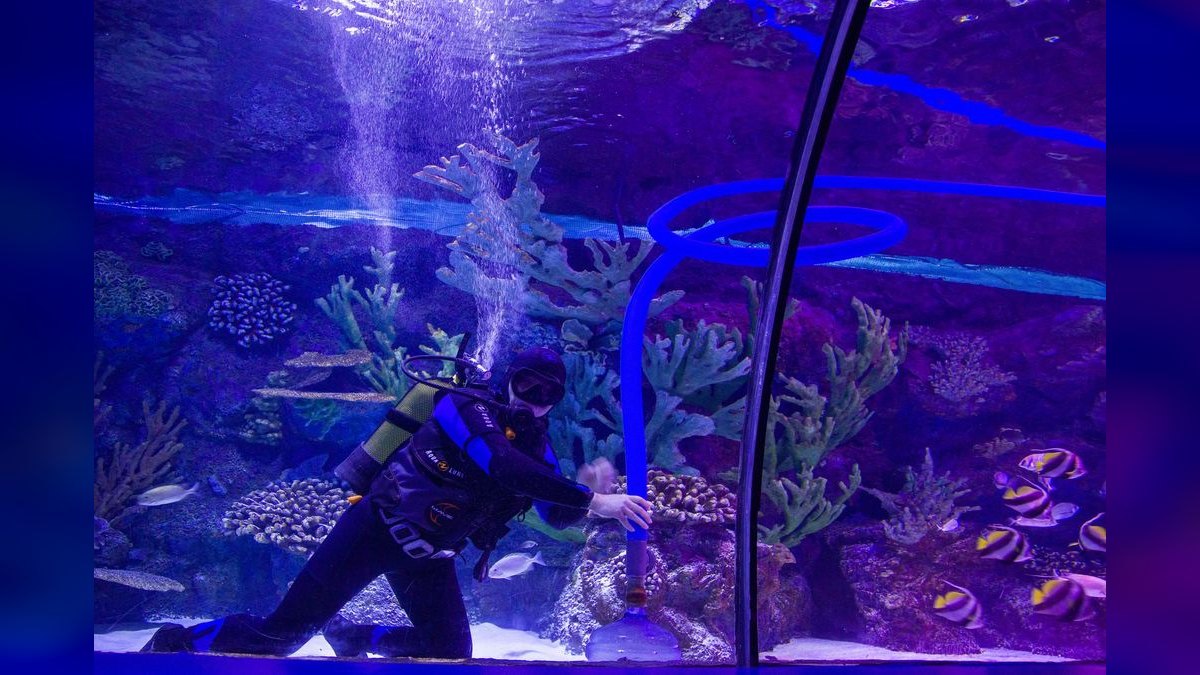
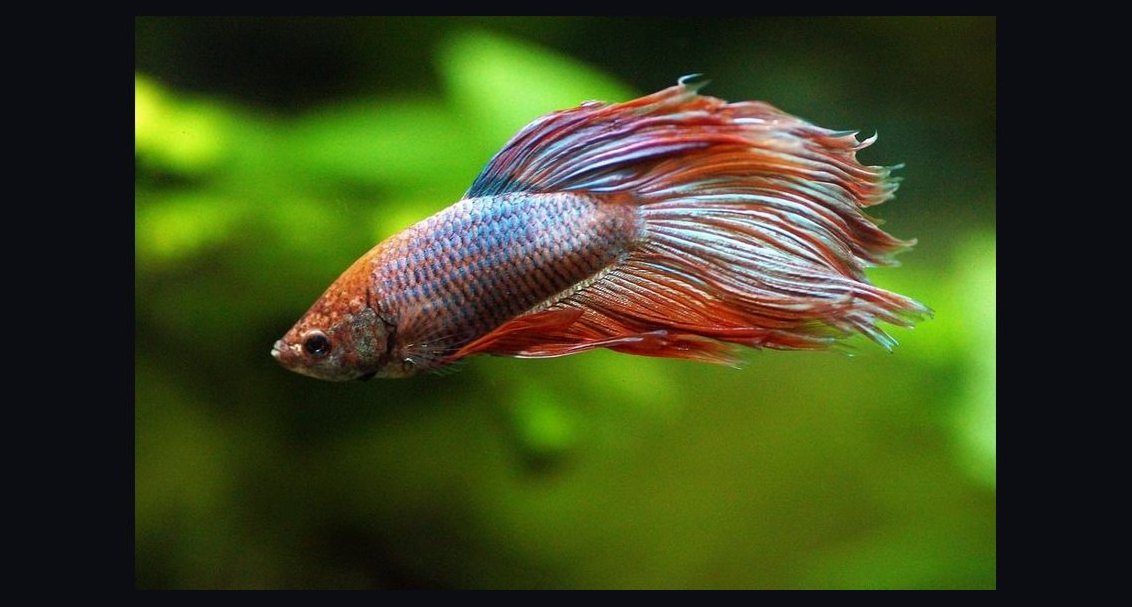
The best small, low-maintenance fish for a 5-gallon desk tank is a single male Betta splendens or a colony of Neocaridina shrimp (such as red cherry shrimp). Both thrive with minimal filtration, no CO2 injection, and tolerate infrequent feeding and temperature swings. A Betta is a single, visually striking fish that breathes atmospheric air, while a shrimp colony self-regulates through breeding and eats biofilm and algae.
The two options compared
When choosing between a Betta splendens and a Neocaridina shrimp colony for a 5-gallon desk tank, each option serves different preferences while meeting the low-maintenance requirement. A male Betta is a single, visually striking fish with flowing fins and vibrant colors, requiring only 3 pellets daily and surviving room temperatures between 68-82°F. It breathes atmospheric air through its labyrinth organ, making it resilient to low oxygen conditions. In contrast, a Neocaridina shrimp colony — typically red cherry shrimp — starts with 10 individuals and self-regulates through breeding, eating biofilm and algae without needing dedicated feeding if live plants are present. Both options eliminate the need for heaters unless the room drops below 68°F, and both work with a simple sponge filter rated for 5-10 gallons.
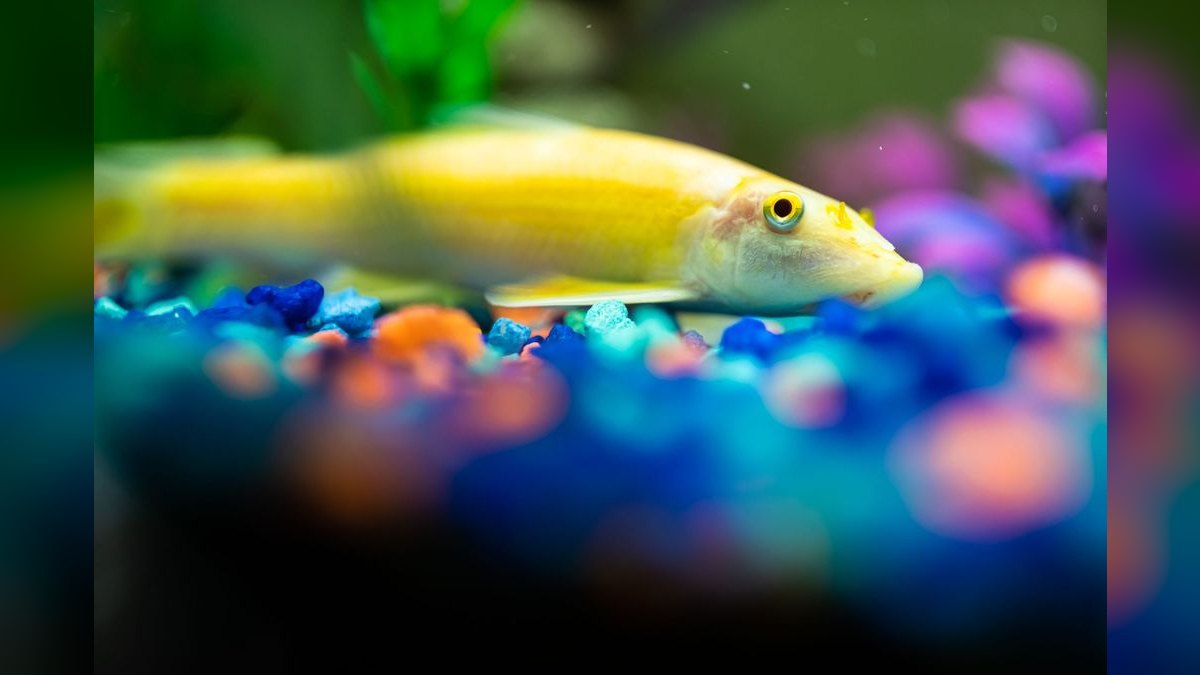
The maintenance burden for a Betta centers on preventing overfeeding and monitoring aggression, as it cannot share the tank with other fish. The shrimp colony requires attention to water hardness and copper-free conditions, but offers the advantage of a self-sustaining population that mirrors natural ecosystem dynamics. Neither option demands the weekly water changes that schooling fish like neon tetras require — those need 10+ gallons and stable parameters.
How to decide between them
The decision between a Betta and shrimp hinges on your tolerance for single-specimen ownership versus colony management, your willingness to handle potential aggression, and your aesthetic preference for a centerpiece fish versus a bustling micro-community. A Betta offers a clear focal point for a desk but limits future stocking options. Shrimp provide dynamic behavior and self-cleaning benefits but require stable water parameters and copper-free conditions.
A Betta is the better choice if you want a fish that interacts with you during feeding and tolerates occasional neglect during business trips. Shrimp are superior if you prioritize a low-bioload ecosystem that cleans itself and provides continuous visual interest through grazing and breeding behavior. Both options avoid the need for a heater in typical office environments.
Concrete numbers behind each option
For the Betta option, the concrete specifications are straightforward. A single male Betta splendens reaches 2.5-3 inches at maturity and lives 3-5 years with proper care. Feeding requires 3-4 pellets once daily. Skip feeding on weekends to prevent bloating and water fouling. The bioload from one Betta in 5 gallons produces approximately 0.5-1 ppm ammonia daily, which the sponge filter's beneficial bacteria process within 24 hours if the tank is properly cycled. Water changes of 20% weekly remove accumulated nitrates, keeping levels below 20 ppm. A 25-watt adjustable heater is only needed if the room drops below 68°F at night or on weekends when HVAC systems may shut off.
For the shrimp colony, the numbers differ significantly. A starting colony of 10 Neocaridina davidi individuals — typically 3-4 females and 6-7 males — will breed every 30-45 days, with each female carrying 20-30 eggs. Within 6 months, the population may reach 30-50 shrimp in a well-planted 5-gallon tank. Each shrimp contributes a negligible bioload of roughly 0.05 ppm ammonia per day, meaning the total colony produces less waste than a single Betta. Shrimp require no dedicated feeding if the tank contains Java moss, Anubias, or duckweed, as they graze on biofilm and algae continuously. The ideal water parameters for breeding are temperature 72-78°F, pH 6.5-7.5, and general hardness 4-8 dGH. A single Nerite snail can be added as a cleanup crew, eating green spot algae without overpopulating since its larvae need brackish water to develop.
The cost breakdown for either option includes the tank itself — a standard 5-gallon rimless cube — plus a sponge filter, air pump, low-wattage LED light, substrate, and 2-3 live plants. Ongoing costs are minimal: water conditioner every 6 months and fish food annually if choosing the Betta. Shrimp keepers spend nothing on food if plants are established.
Implementation details and sequencing
Setting up a 5-gallon desk tank requires a specific sequence to ensure the nitrogen cycle establishes before adding livestock. The cycle takes 4-6 weeks and cannot be rushed without risking fish death.
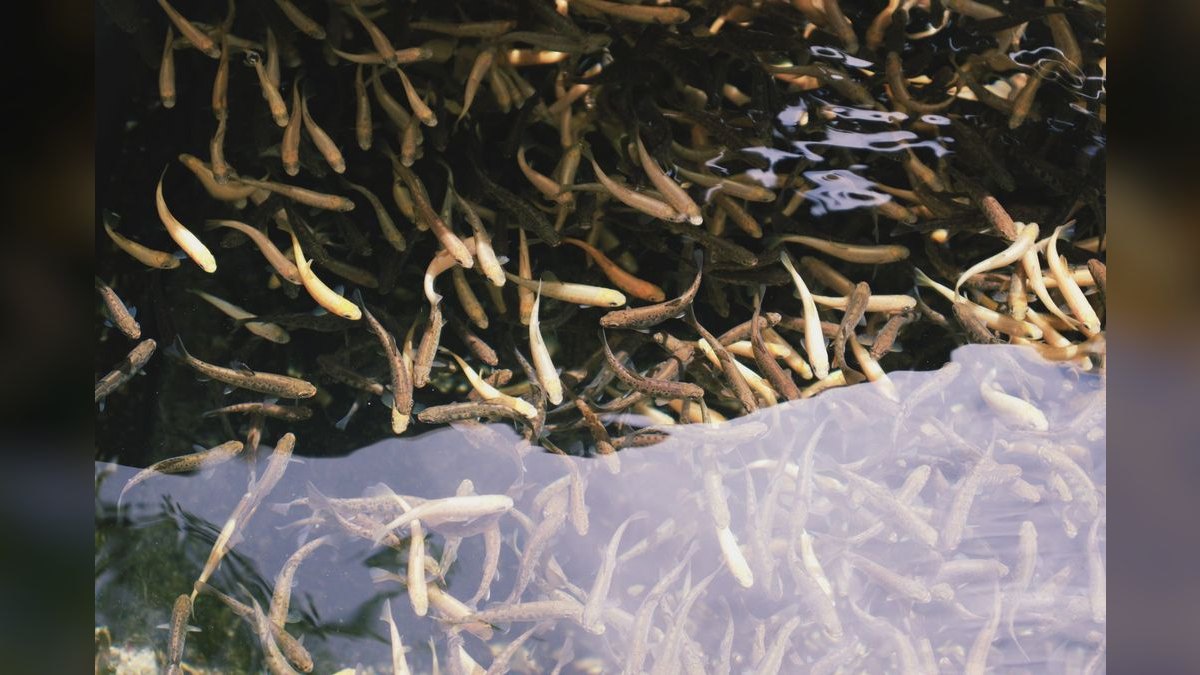
During the cycling phase, add a pinch of fish food or pure ammonia daily to reach 2-4 ppm ammonia. Test with an API Freshwater Master Test Kit every 48 hours. When ammonia and nitrite both read 0 ppm for three consecutive days and nitrate is under 20 ppm, the tank is ready. For a Betta, float the bag in the tank for 15 minutes to equalize temperature, then add small amounts of tank water to the bag every 5 minutes for 30 minutes before releasing. For shrimp, the acclimation must be slower — drip acclimate over 60-90 minutes because shrimp are highly sensitive to pH and temperature shifts.
Weekly maintenance takes 5 minutes: use a gravel vacuum to remove 1 gallon (20%) of water, replace with dechlorinated tap water at matching temperature. Monthly maintenance adds 10 minutes to clean the sponge filter by squeezing it in removed tank water — never under tap water, which kills beneficial bacteria. Quarterly maintenance involves trimming dead plant leaves and checking equipment.
FAQ
Can I keep a Betta with shrimp in a 5-gallon tank?
Yes, but only if the Betta has a calm temperament and the shrimp have dense plant cover to hide. Test the Betta with a mirror — if it flares aggressively, skip shrimp.
What is the best filter for a 5-gallon desk tank?
A sponge filter rated for 5-10 gallons is best because it provides biological filtration without strong currents and requires cleaning only every 3 months.
How often should I feed a Betta in a 5-gallon tank?
Feed 3-4 pellets once daily, skipping weekends. Overfeeding is the leading cause of ammonia spikes and fish death in small tanks.
Do I need a heater for a 5-gallon desk tank?
Only if your office temperature drops below 68°F at night. Bettas tolerate 68-82°F; shrimp tolerate 65-85°F. A 25-watt adjustable heater is inexpensive if needed.
What plants grow best in a 5-gallon tank without CO2?
Java Fern, Anubias nana, and Marimo Moss Balls thrive in low light without CO2 or fertilizer. They absorb nitrates and require no special care.
Can I use tap water directly in my 5-gallon tank?
No. Tap water contains chlorine and chloramines that kill beneficial bacteria and fish. Use a water conditioner like Seachem Prime to neutralize these chemicals before adding water to the tank.
How do I know if my tank is fully cycled?
Test ammonia, nitrite, and nitrate daily for two weeks using a liquid test kit. When ammonia and nitrite read 0 ppm and nitrate reads under 20 ppm for three consecutive days, the cycle is complete. This typically takes 4-6 weeks from setup.
Why are my shrimp dying in my 5-gallon tank?
Common causes include copper contamination from tap water, rapid parameter shifts during water changes, or insufficient acclimation. Test water hardness (target 4-8 dGH) and use a drip acclimation method over 60 minutes for new shrimp.
Sources
- API Freshwater Master Test Kit Instructions
- Seachem Prime Water Conditioner Product Page
- Aquarium Co-Op: Betta Fish Care Guide
- Aquarium Co-Op: Cherry Shrimp Care Guide
- The Spruce Pets: How to Cycle an Aquarium
- The Spruce Pets: Best Fish for a 5-Gallon Tank
Related on PULSE
- [Top 10 5-Gallon Aquariums for Desks](/knowledge/pt0152)
- [Top 10 Low-Maintenance Freshwater Shrimp Species for Nano Tanks](/knowledge/pt0037)
- [Top 10 Snail-Free Algae Eaters for Small Community Aquariums](/knowledge/pt0065)
- [Top 10 Beginner-Friendly Live Plants for Small Aquariums](/knowledge/pt0042)
- [Top 10 Mistakes New Aquarium Owners Make](/knowledge/pt0089)
This page will be disappearing soon. Save it to your device for $1 — or read it free while it is here.
@Kory-White- · if Venmo asks, the last 4 of my number are 2012
 petsTop 10 step-by-step aquarium water change procedures in 2027
 pulse-petsTop 10 Aquarium LED Lights 2027
 petsWhat percentage of tank water should I actually change each week in 2027?
 pulse-petsTop 10 best aquarium snail varieties 2027
 pulse-petsTop 10 Aquarium Snails 2027
 petsTop 10 Gallons of Water Per Fish in 2027
 pulse-petsTop 10 Betta Fish Tail Types 2027
 petsWhat to do if my betta fish is lying on the bottom but still eating?
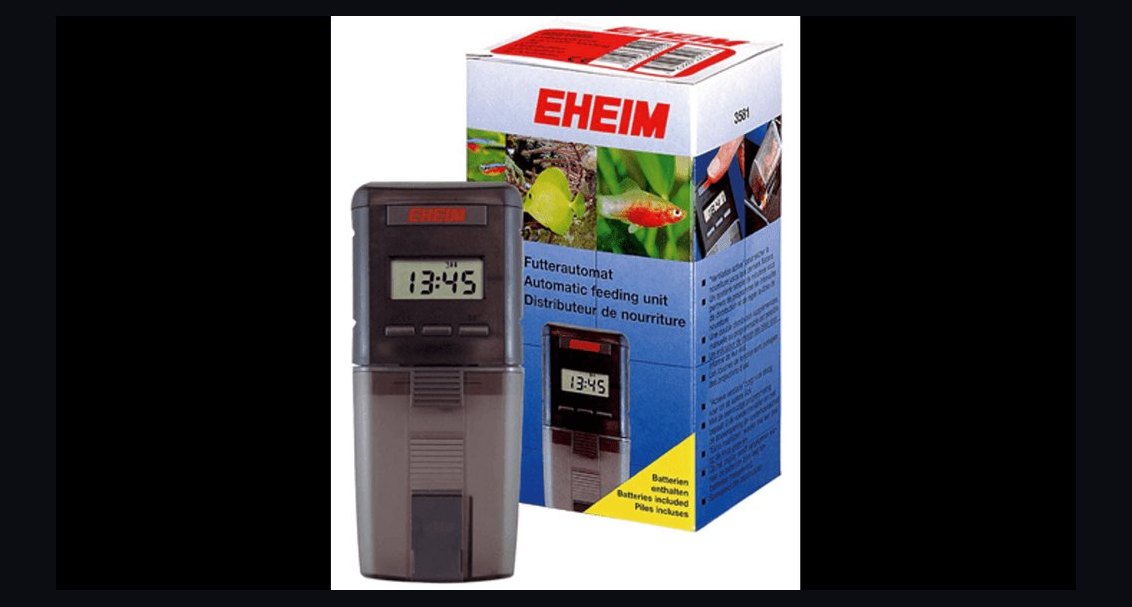 petsTop 10 High-Tech Automated Fish Feeders for Busy Aquarium Owners in 2027
 pulse-petsTop 10 Ryukin Goldfish Round Body Types 2027