
Top 10 Aquarium Snails 2027
 Curated byKory White · Fractional CRO · Maryland
 PULSEKNOWLEDGE LIBRARY
Quality
Certified
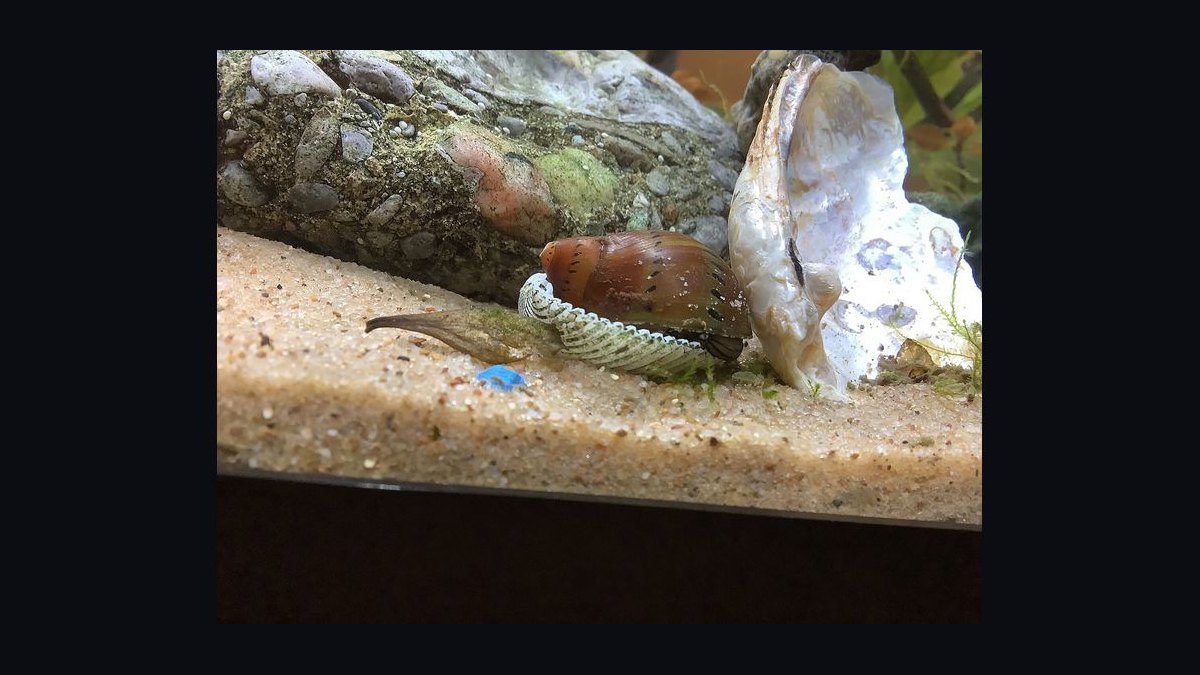
Aquarium snails earn their keep by grazing algae, scavenging uneaten food, and aerating substrate, but the right snail depends entirely on your tank. This ranking is built for beginners and planted-tank keepers who want clean glass without a pest explosion, plus shrimp keepers who need peaceful tankmates. I judged each species on hardiness, breeding behavior (will it overrun the tank?), algae appetite, adult size, and water-parameter tolerance.
I weighted real-world keeper experience from community care sheets over marketing claims, and I flagged every species that needs hard water for proper shell health. Picks span tiny nano grazers to fist-sized centerpiece snails so there is a fit for almost any setup, from a 5-gallon shrimp bowl to a 75-gallon planted display.
The best overall aquarium snail for 2027 is the Nerite Snail, a tireless algae-eater that cannot breed in freshwater, so it never overruns a tank; expect to pay ~$3-5 each. The best value pick is the Ramshorn Snail at roughly $1-2 each (often free as a hitchhiker), since it self-stocks and cleans relentlessly. One caution: every snail here needs stable calcium and a pH at or above neutral, or shells will pit and erode.
How We Ranked
- Hardiness — a snail that dies within a week from minor parameter swings helps no one; longevity and disease resistance came first.
- Breeding control — species that cannot breed in freshwater or breed slowly scored higher than those that plague a tank.
- Algae and detritus appetite — how much real cleanup work the snail does on glass, hardscape, and substrate.
- Adult size and footprint — matching bioload to tank volume; a 2-inch snail in a nano tank fouls water fast.
- Water-parameter tolerance — calcium availability, pH range, and temperature span that keep shells smooth and intact.
1. Nerite Snail 🏆 BEST OVERALL
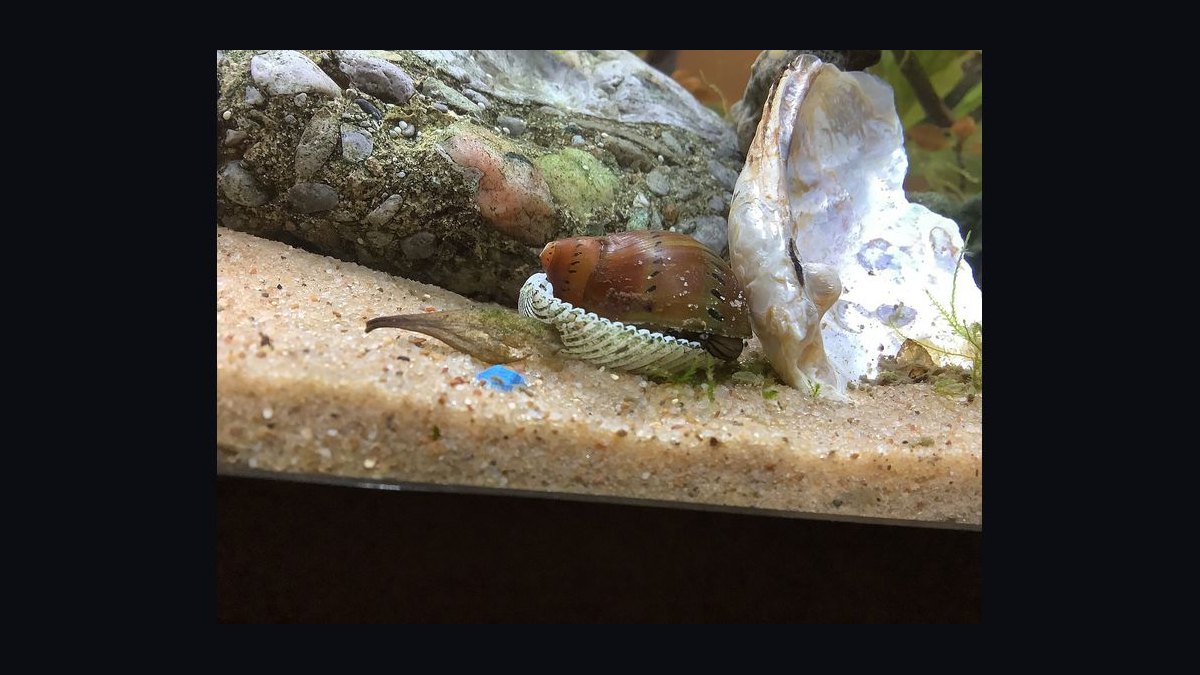
The Nerite Snail (family Neritidae, commonly *Neritina natalensis* and zebra, tiger, and horned variants) is the gold standard for algae control. Adults reach about 0.5-1 inch, they thrive at 72-78°F, and they tolerate a wide pH of 7.0-8.5.
Their headline trait: nerites need brackish or saltwater to hatch, so while females may dot the glass with tiny white eggs, those eggs never become a population boom in freshwater.
They graze green spot algae, soft film algae, and diatoms more aggressively than almost any other snail, and they are peaceful with shrimp and fish. Provide ample calcium (a pH above 7 and moderate hardness) to keep the shell smooth. Their only quirks are stray egg dots on hardscape and a tendency to climb out of uncovered tanks.
- Price / Cost: ~$3-5 each
- Pros: Cannot overpopulate freshwater; outstanding algae appetite; peaceful; small footprint
- Cons: Lays harmless but unsightly egg dots; will climb out of an open-top tank
Verdict: The most useful, most controllable algae snail you can buy.
2. Ramshorn Snail 💎 BEST VALUE
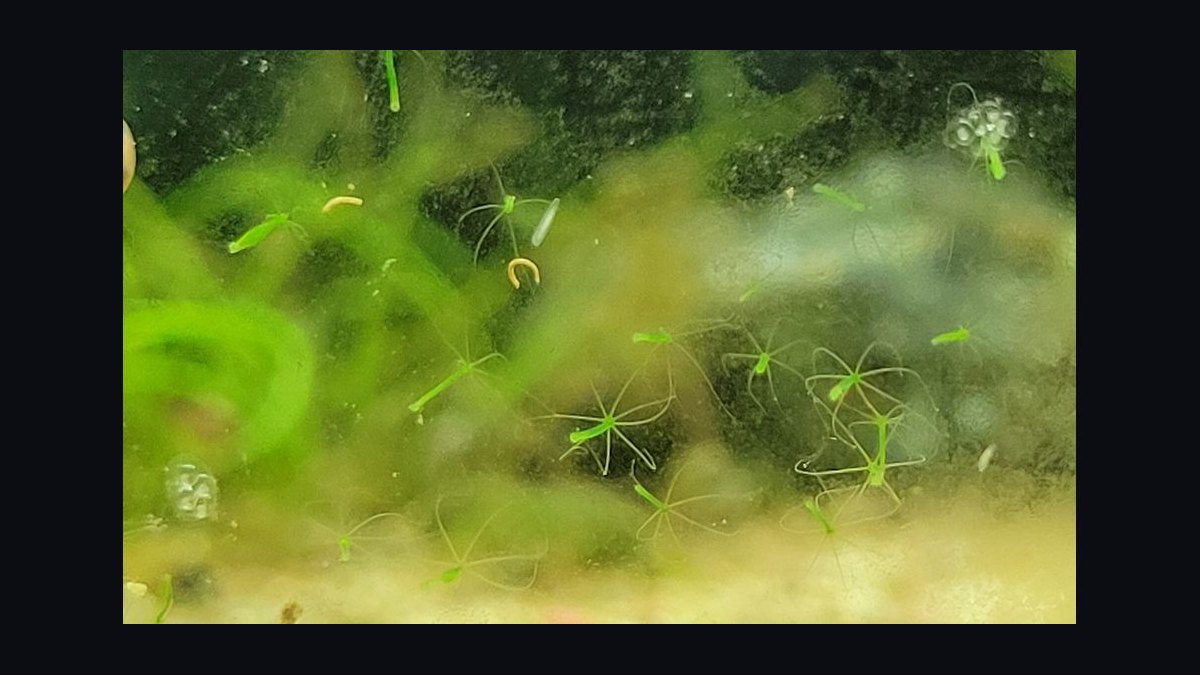
The Ramshorn Snail (family Planorbidae) is the workhorse value pick. Adults span 0.25-1 inch depending on line, they thrive across 65-80°F, and they shrug off a broad pH of 7.0-8.0. They reproduce readily, which is a feature for cleanup crews and a warning for the tidy: a single snail can seed a colony, since they are hermaphroditic.
They devour soft algae, biofilm, decaying plant matter, and leftover food, and red or blue color morphs add a splash of life. In hard water their populations explode, so feed lightly to keep numbers in check. They rarely damage healthy plants, nibbling only dying tissue.
- Price / Cost: ~$1-2 each (frequently free as a hitchhiker)
- Pros: Cheap or free; relentless scavenger; attractive color morphs; very hardy
- Cons: Breeds quickly; can become a pest if overfed
Verdict: Unbeatable cleanup value if you can manage the breeding.
3. Malaysian Trumpet Snail
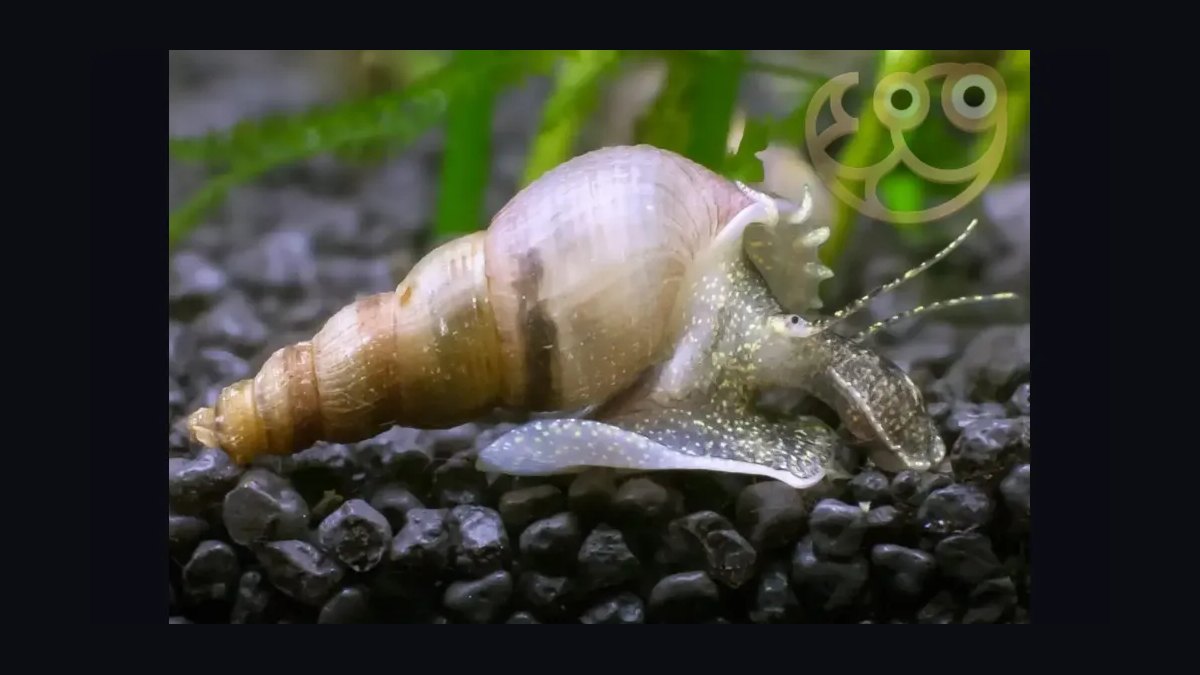
The Malaysian Trumpet Snail (*Melanoides tuberculata*) is the substrate engineer of the hobby. Adults reach 0.5-1 inch with a conical shell, they thrive at 70-80°F, and they handle pH 7.0-8.0. By day they burrow through sand and gravel, aerating substrate and preventing toxic anaerobic pockets; at night they surface to graze.
They are livebearers that reproduce prolifically, especially in overfed tanks, and their hidden, burrowing habit makes population control tricky. For planted-substrate tanks their tunneling is a genuine benefit, keeping the root zone healthy.
- Price / Cost: ~$1-2 each (usually arrives as a hitchhiker)
- Pros: Aerates and cleans substrate; nocturnal and unobtrusive; extremely hardy
- Cons: Livebearer that breeds fast; hard to remove once established
Verdict: The best substrate cleaner, if you accept a permanent population.
4. Mystery Snail
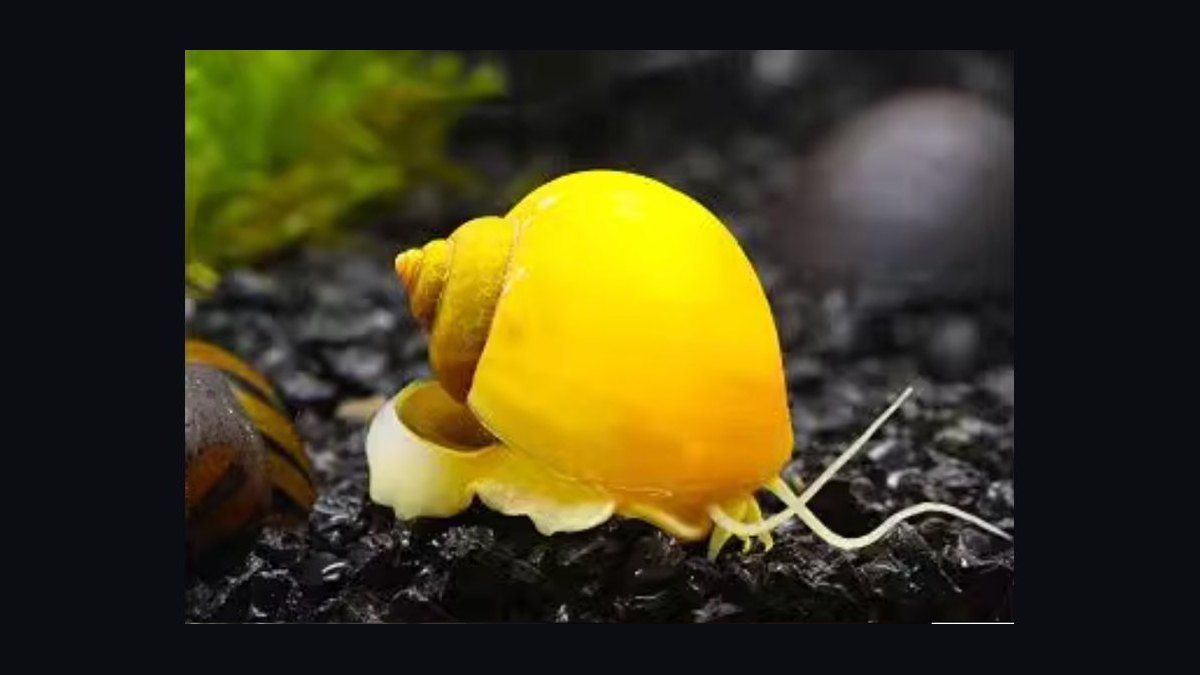
The Mystery Snail (*Pomacea bridgesii*, also called the spike-topped apple snail) is a beginner-friendly centerpiece. Adults reach a hefty 2 inches, prefer 68-82°F, and need a stable pH of 7.2-8.4 with strong calcium for that large shell. Gold, blue, ivory, and black morphs make them a display feature, not just a cleaner.
They graze film algae and devour leftover food and blanched vegetables, but they are not dedicated algae eaters, so pair them with a nerite for serious glass cleaning. Importantly, *P. bridgesii* does not eat healthy plants, unlike its destructive cousin *Pomacea canaliculata*. Females lay above-water egg clutches you can simply remove to prevent breeding.
- Price / Cost: ~$4-8 each
- Pros: Large and colorful; safe with live plants; easy to control breeding
- Cons: High bioload; demands strong calcium; mediocre algae eater
Verdict: The best centerpiece snail for a planted community tank.
5. Assassin Snail
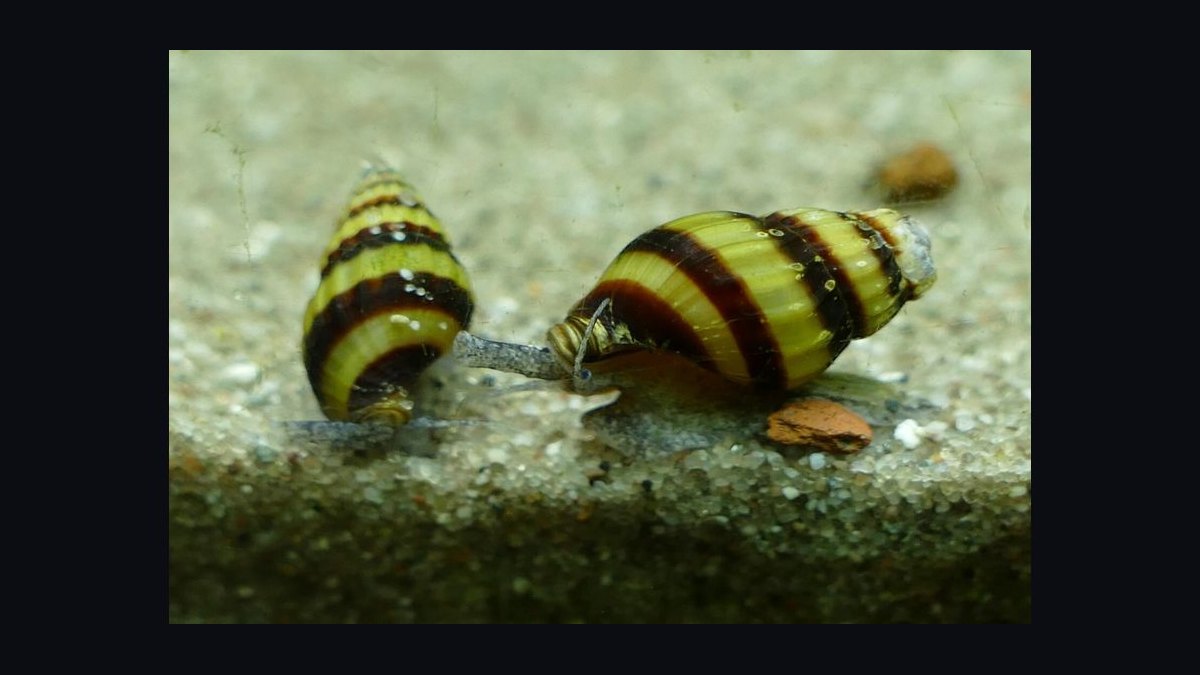
The Assassin Snail (*Clea helena*) is the pest-control specialist. Adults reach about 0.75-1 inch, thrive at 70-80°F, and tolerate pH 7.0-8.0. As the name promises, they hunt and eat other snails, making them the natural answer to a ramshorn or bladder snail outbreak.
They breed slowly and lay single eggs, so they rarely become pests themselves. When prey snails run out, they switch to scavenging leftover food and even bloodworms. Keep them away from prized snails and slow-moving small shrimp, though adult shrimp are usually safe.
- Price / Cost: ~$3-6 each
- Pros: Controls pest-snail outbreaks; breeds slowly; striking striped shell
- Cons: Eats other snails; may nip very small shrimp
Verdict: The go-to biological control for snail infestations.
6. Rabbit Snail
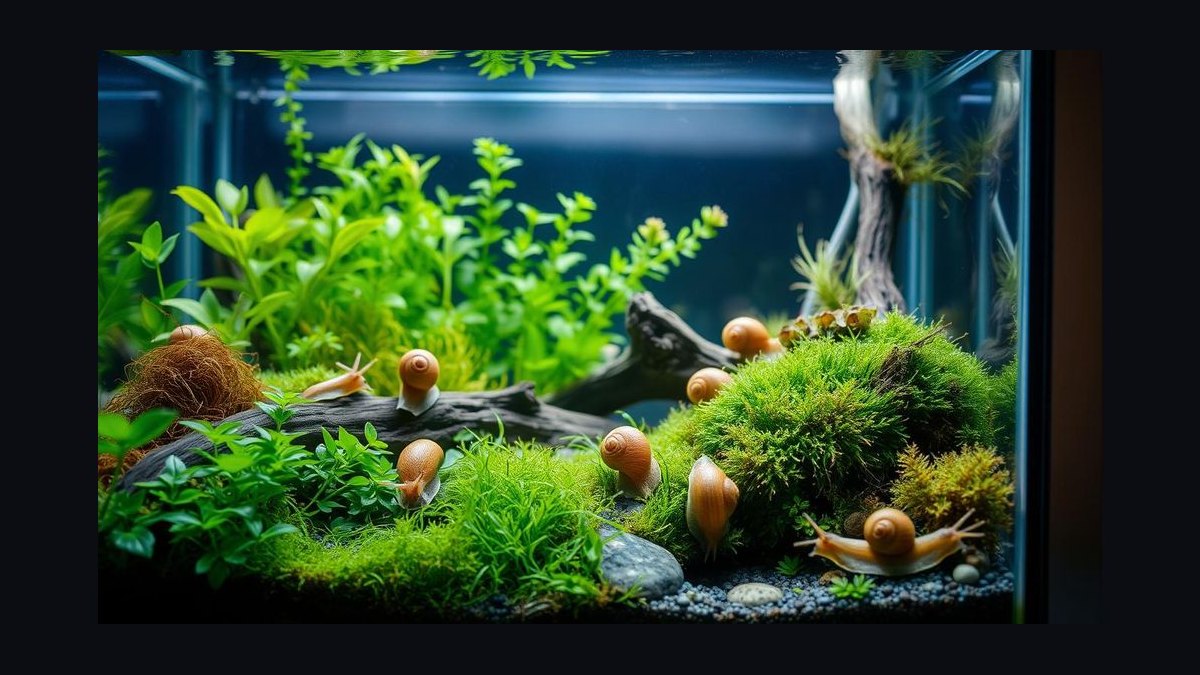
The Rabbit Snail (genus *Tylomelania*, from Sulawesi lakes) is an elongated, characterful grazer. Adults can reach 2-4 inches, they prefer warm 76-84°F, and they need an alkaline pH of 7.5-8.5 with good hardness. Their droopy, rabbit-like faces and yellow, orange, or black bodies make them aquarium favorites.
They graze algae and detritus and adore blanched vegetables, but they breed very slowly, releasing one large baby at a time, so populations stay manageable. They can nibble soft plants if underfed. Stable warm water and steady calcium are essential for these sensitive Sulawesi natives.
- Price / Cost: ~$6-12 each
- Pros: Large and characterful; very slow breeder; good detritus grazer
- Cons: Pricey; needs warm alkaline water; may nibble soft plants
Verdict: A standout display snail for warm, hard-water tanks.
7. Japanese Trapdoor Snail
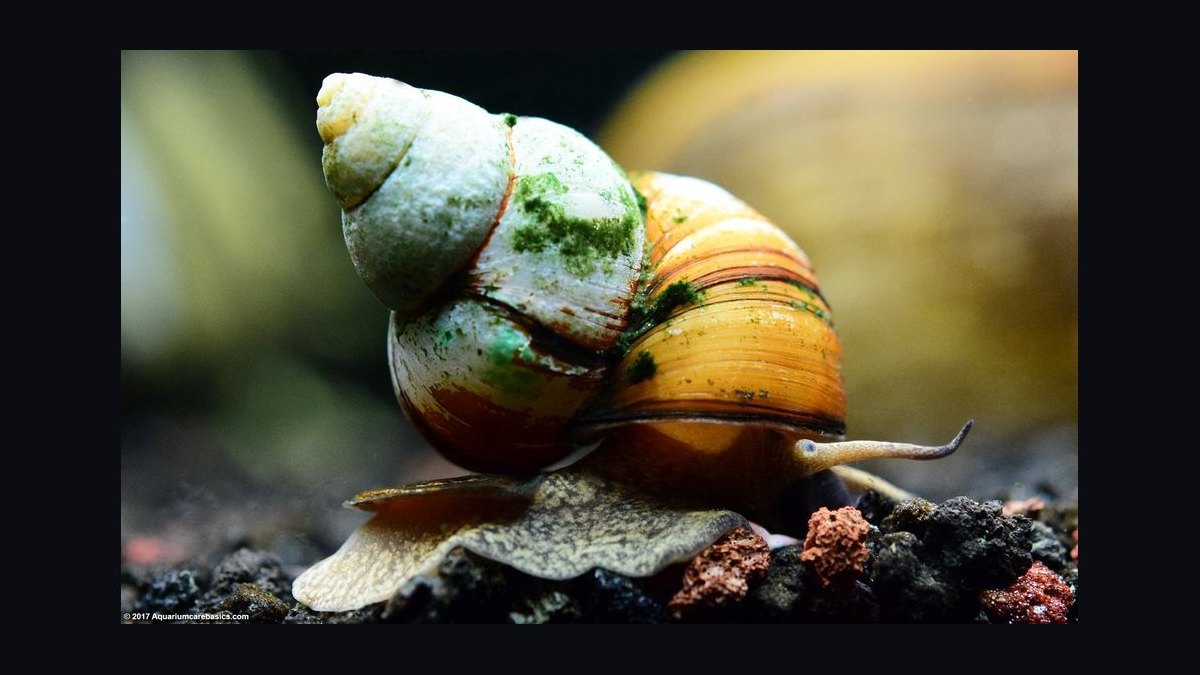
The Japanese Trapdoor Snail (family Viviparidae, often *Cipangopaludina* species) is the pond-and-coldwater champion. Adults reach 1.5-2 inches, tolerate a remarkable 50-78°F range, and handle pH 6.5-8.0. The "trapdoor" is an operculum that seals the shell against predators and cold snaps.
They are livebearers that breed slowly, and they are superb scavengers of algae, detritus, and decaying matter in both ponds and aquariums. Because they handle cold water, they suit unheated tanks and outdoor goldfish ponds where most snails fail. They generally leave healthy plants alone.
- Price / Cost: ~$3-6 each
- Pros: Cold-tolerant; slow breeder; excellent pond scavenger; plant-safe
- Cons: Large bioload; can be sluggish in warm tanks
Verdict: The best snail for ponds and unheated coldwater setups.
8. Bladder Snail
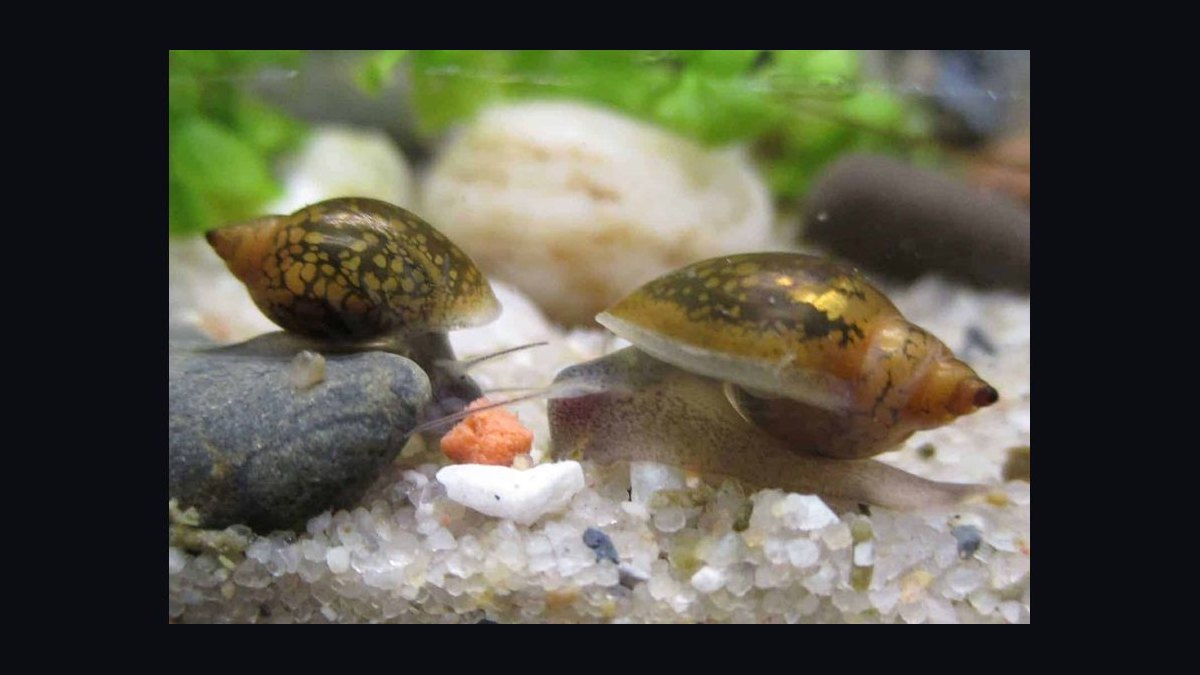
The Bladder Snail (*Physella acuta*) is the ubiquitous hitchhiker that keepers love to hate, but its cleanup value is real. Adults stay small at 0.25-0.5 inch, tolerate a huge 59-86°F span, and survive nearly any pH from 6.5-8.5. They are nearly indestructible and breed explosively.
They are excellent at consuming biofilm, soft algae, and decaying plant matter, and their fast reproduction makes them an ideal live food and a self-sustaining cleanup crew. The same trait makes them a pest in overfed tanks, so feed sparingly. Assassin snails or simple manual removal keep numbers down.
- Price / Cost: Free (almost always a hitchhiker)
- Pros: Free; bulletproof hardiness; tireless biofilm grazer
- Cons: Breeds explosively; widely treated as a pest
Verdict: A free, hardy cleaner for keepers who can control numbers.
9. Black Devil Snail
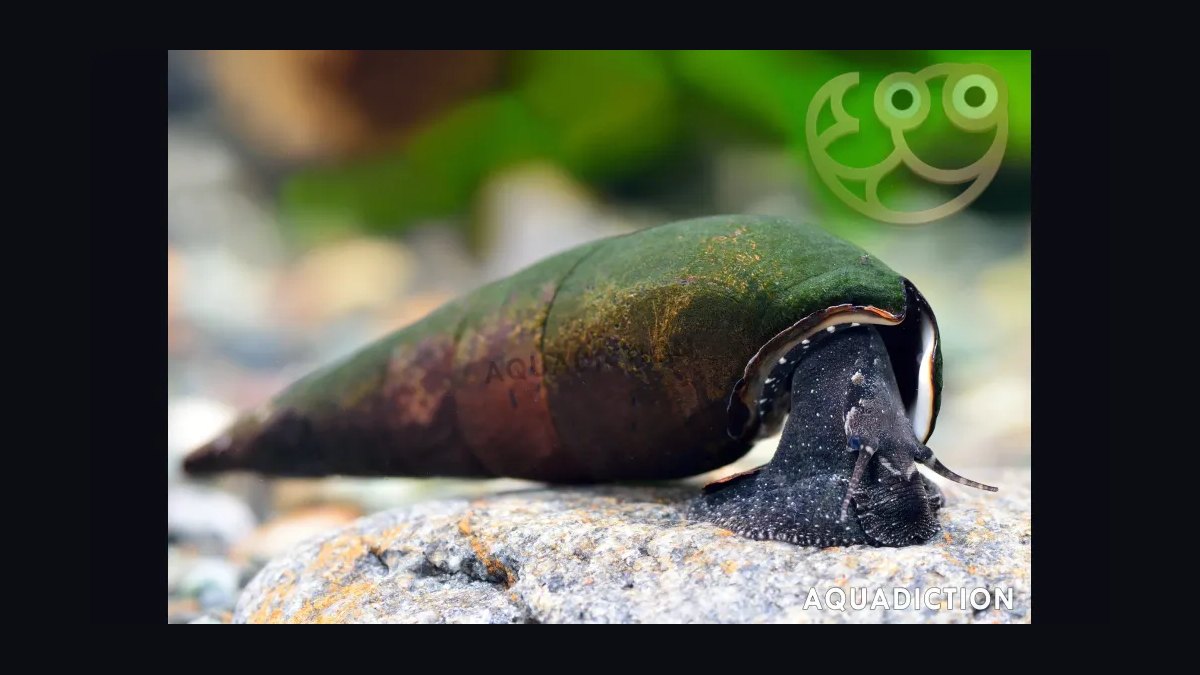
The Black Devil Snail (*Faunus ater*) is a glossy, jet-black grazer prized for both looks and non-breeding behavior. Adults reach 2-3 inches, prefer 72-82°F, and want a hard, alkaline pH of 7.5-8.5. Like nerites, they require brackish water to reproduce, so they will not overrun a freshwater tank.
They graze algae and detritus across glass, hardscape, and substrate, and their elongated dark shells contrast beautifully against light substrate or green plants. They are peaceful and plant-safe, though they can climb out of open tanks. Strong calcium prevents shell erosion on these larger snails.
- Price / Cost: ~$4-7 each
- Pros: Cannot breed in freshwater; attractive dark shell; solid algae eater
- Cons: Larger bioload; may escape open tanks; needs hard water
Verdict: A controllable nerite alternative with eye-catching looks.
10. Pond Snail
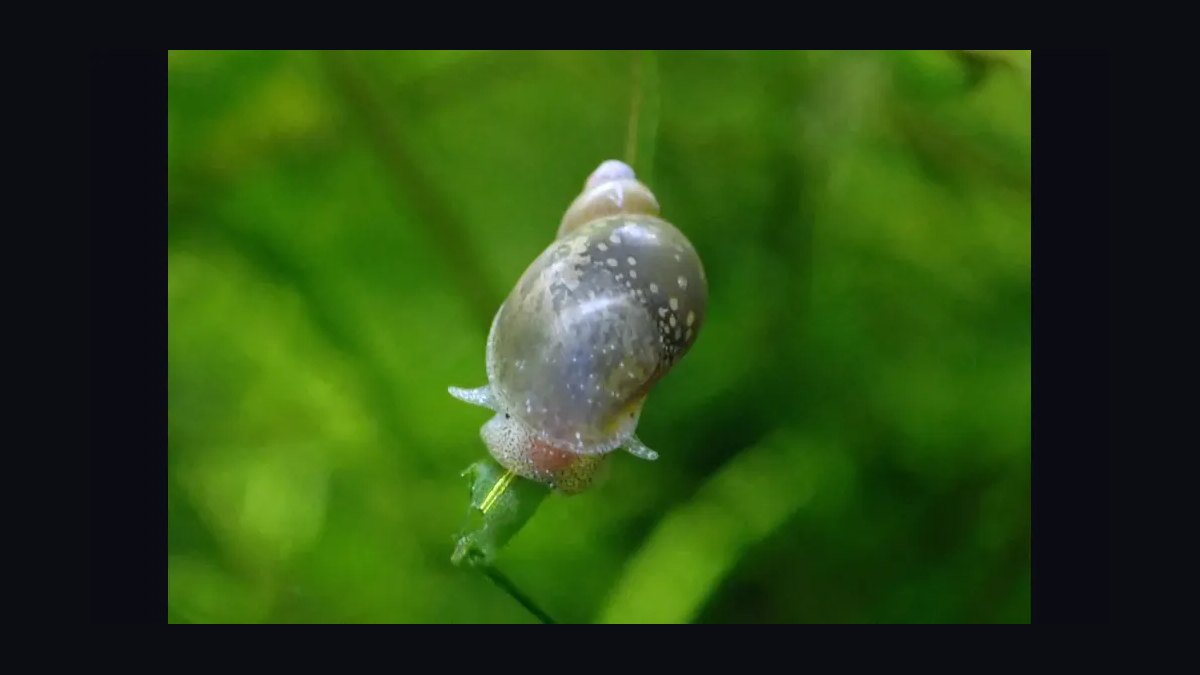
The Pond Snail (family Lymnaeidae, such as *Lymnaea stagnalis*) rounds out the list as a hardy generalist. Adults reach 0.5-1 inch, tolerate 64-84°F, and survive a broad pH of 6.5-8.0. Like bladder snails they arrive uninvited and breed quickly, but they are genuine cleanup workhorses.
They consume algae, detritus, and decaying vegetation, and their tolerance of low-oxygen, soft-water conditions lets them thrive where pickier snails fail. They are best for keepers who want a self-sustaining janitor and can thin the population by hand or with assassin snails.
- Price / Cost: Free (hitchhiker) or ~$1 each
- Pros: Free or cheap; very hardy; broad parameter tolerance
- Cons: Breeds rapidly; can nibble stressed plants
Verdict: A dependable budget janitor for low-tech tanks.
How to Choose
What to Look For
Match the snail's adult size to your tank volume so you do not overload a nano setup; a single 2-inch mystery snail adds real bioload, so boost filtration accordingly. Confirm your water chemistry: shells erode and pit without enough calcium, so keep general hardness up and pH at or above neutral. Quarantine new snails and any plants they ride in on, since snails commonly carry hitchhiker eggs and parasites. Finally, pick for breeding behavior: choose nerites or black devils if you want zero population growth, and avoid copper-based medications, which are lethal to all snails and invertebrates.
FAQ
Can I keep multiple snail species together? Yes, most peaceful snails coexist fine, but avoid mixing large species like apple snails with tiny nano snails such as trumpet snails, as the larger ones may accidentally disturb or outcompete them. Always ensure your tank has enough food and calcium for all.
How do I stop snails from overpopulating my tank? Limit feeding to what fish eat in a few minutes, remove visible egg clutches, and consider a single Nerite Snail (which cannot breed in freshwater). For species like Ramshorns, manual removal or a dedicated predator like a dwarf puffer works, but the latter needs its own setup.
Do snails need special water conditions? Yes, all snails require a pH above 7.0 and stable calcium levels (GH around 6–12 dGH) for healthy shell growth. Soft or acidic water will cause pitting and eventual death, so test your water and add cuttlebone or crushed coral if needed.
Will snails eat my live plants? Most algae-eating snails leave healthy plants alone, but Apple Snails and some larger species may nibble soft leaves if underfed. Ramshorn snails rarely damage plants, while Nerites are completely safe for planted tanks.
How long do aquarium snails live? Lifespan varies widely: Nerites typically live 1–2 years, Ramshorns about 1 year, while larger Apple Snails can reach 3–4 years with proper care. Poor water quality or low calcium shortens any snail’s life.
Can snails carry diseases to fish? Snails rarely transmit fish-specific diseases, but they can introduce parasites like flukes if sourced from wild-caught stock. Quarantine new snails for a few weeks in a separate container to observe for issues before adding to your main tank.
Bottom Line
The Nerite Snail is the best overall choice for 2027, delivering the strongest algae control with zero risk of overrunning a freshwater tank, all for ~$3-5 each. For the best value, the Ramshorn Snail cleans relentlessly at ~$1-2 each and often arrives free. Match the species to your tank size, calcium levels, and tolerance for breeding, and any of these ten will earn its place in your cleanup crew.
Related on PULSE
- [Top 10 Blackwater Aquarium Fish 2027](/knowledge/pt0562)
- [Top 10 Cold Water Aquarium Fish 2027](/knowledge/pt0559)
- [Top 10 Arowana Aquarium Species 2027](/knowledge/pt0551)
- [Top 10 Aquarium Tweezers and Scissors 2027](/knowledge/pt0438)
- [Top 10 Waterbox Aquarium Systems 2027](/knowledge/pt0420)
- [Top 10 Custom Aquarium Builders 2027](/knowledge/pt0417)
Sources
- Aquarium Co-Op care guides on nerite, mystery, and assassin snails
- Seriously Fish species profiles for *Clea helena* and *Tylomelania*
- Fishlore community care sheets on Malaysian trumpet and ramshorn snails
- Seachem guidance on calcium, hardness, and invertebrate-safe water parameters
- The Shrimp Farm and Aquatic Arts stocking and compatibility notes
- Wikipedia species pages for Neritidae, Pomacea bridgesii, and Physella acuta
*Keywords: Top 10 Aquarium Snails 2027 — review, reviews, rating, comparison, best of 2027.*
People also search for: best aquarium snails 2027 · top aquarium snails 2027 · top rated aquarium snails 2027 · top ranked aquarium snails 2027 · highest rated aquarium snails 2027 · aquarium snails reviews 2027
This page will be disappearing soon. Save it to your device for $1 — or read it free while it is here.
@Kory-White- · if Venmo asks, the last 4 of my number are 2012
This page is gone.
This one is off the shelf now. $1 keeps it on your phone for good — the whole page, pictures and diagrams included.
 pulse-petsTop 10 Aquarium LED Lights 2027
 pulse-petsTop 10 Aquarium Starter Kits 2027
 pulse-petsTop 10 best aquarium thermometers 2027
 pulse-petsTop 10 Aquarium Filters 2027
 pulse-petsTop 10 Aquarium Gravel Vacuums 2027
 pulse-petsTop 10 aquarium fish for beginners 2027
 pulse-petsTop 10 aquarium cycling methods 2027
 pulse-petsTop 10 aquarium heater brands 2027
 pulse-petsTop 10 Betta Fish Tanks 2027
 pulse-petsTop 10 aquarium heater wattage 2027