 Pulse Reviews and Analysis
Best Honda Insight Model Years (Ranked)
 Curated by Kory White · Fractional CRO, CRO Syndicate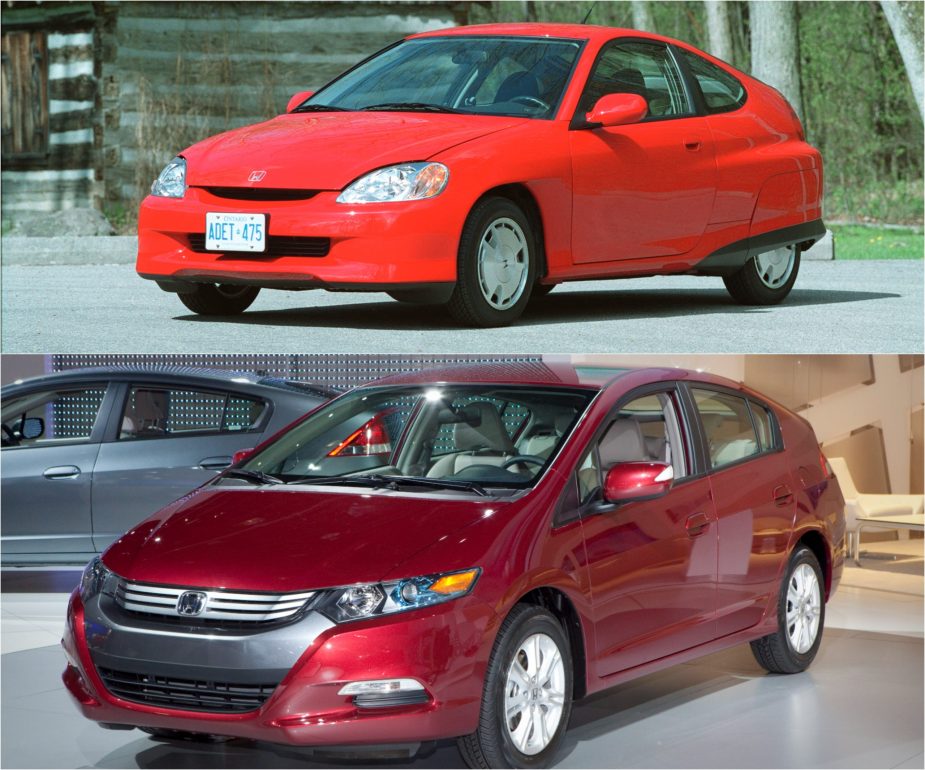
Best Honda Insight Model Years (Ranked)
The Honda Insight is one of the most interesting hybrids ever sold, having lived three distinct lives across more than two decades. It launched in 2000 as a radical two-seat aluminum-bodied coupe that became the first mass-produced hybrid sold in the United States, returned in 2010 as an affordable Prius-fighting hatchback, and reappeared in 2019 as a handsome compact sedan sharing its bones with the Civic.
Each generation used a different version of Honda's hybrid technology, from the early Integrated Motor Assist (IMA) to the later two-motor i-MMD system. Choosing the right Insight means matching the generation to your needs and watching for the aging IMA hybrid battery on older cars.
This ranking covers the best Insight model years, their efficiency, known issues, and where the value lies today.
Direct Answer
The best overall Honda Insight is the 2019-2022 third-generation sedan, which pairs an excellent two-motor hybrid system good for around 52 mpg combined, a quiet and genuinely upscale Civic-based interior, standard Honda Sensing safety tech, and strong reliability. For shoppers focused on value, the best value is the 2019-2020 third-generation LX or EX, which delivers nearly all of that refinement and efficiency at a used price well below a comparable Accord Hybrid or Camry Hybrid.
The second-generation 2010-2014 hatchback is a budget-friendly entry point but trails on refinement, and the original 2000-2006 two-seater is now a collector curiosity whose aging IMA battery demands caution.
1. 2021-2022 Third Generation (Final Years) 🏆 BEST OVERALL

The final third-generation Insights are the best the nameplate ever got. The car uses Honda's two-motor i-MMD hybrid pairing a 1.5L Atkinson-cycle four-cylinder with electric motors for a combined 151 horsepower and a smooth, near-electric driving feel. EPA estimates reach about 55 mpg city and 52 mpg combined on the LX and EX.
By 2021-2022 the car was fully sorted, with standard Honda Sensing, a refined cabin lifted from the Civic, and a quiet ride that embarrasses the contemporary Prius for comfort. Reliability has been excellent with no widespread hybrid-system faults. These last-year cars carry the longest remaining life and the most polish, making them the Insight to buy.
2. 2019-2020 Third Generation — LX / EX 💎 BEST VALUE

The early third-generation cars are the value sweet spot. They share the same 1.5L two-motor i-MMD hybrid, the same ~52 mpg combined efficiency, and the same Civic-derived structure as the final years, but depreciation has made them notably cheaper. The best value is a 2019-2020 EX, which adds a larger touchscreen, alloy wheels, and a power driver's seat over the base LX while keeping standard Honda Sensing.
The interior is hushed and well-finished, and the trunk stays usable because the battery is packaged low. Reliability has been strong from launch. For a buyer who wants a near-luxury efficient sedan without paying near-new money, this is the smart pick.
3. 2019-2022 Third Generation — Touring

The Touring trim is the top of the third-generation range and worth seeking if you want the most equipment. It adds leather seating, navigation, a premium audio system, LED headlights, and a sunroof on top of the EX content, turning the Insight into a genuine compact luxury hybrid.
It uses the same efficient two-motor i-MMD powertrain, though the Touring's standard 17-inch wheels drop the EPA combined figure slightly to around 48 mpg versus the LX/EX's 52. The trade-off is comfort and content. Build quality and reliability match the rest of the generation. A used Touring delivers Accord-grade amenities in a smaller, more efficient package at a friendly price.
4. 2013-2014 Second Generation (Final Years)

The last second-generation Insights are the best of that 2010-2014 hatchback run. They use Honda's older Integrated Motor Assist (IMA) system, a 1.3L four-cylinder paired with a thin electric motor and a CVT, returning roughly 42 mpg combined. By 2013-2014 Honda had refined the ride and interior materials and added equipment, smoothing over the harsher early cars.
The five-door hatchback shape is genuinely practical, with fold-flat rear seats. The IMA system is simpler than the later i-MMD, but the hybrid battery does age, so a battery health check matters. As an affordable, practical, efficient used hatchback, the final second-gen cars are a sensible budget buy.
5. 2011-2012 Second Generation

The mid-cycle second-generation Insights offer the same practical hatchback packaging and IMA hybrid drivetrain at even lower used prices. The 1.3L engine with a CVT delivers about 41-42 mpg combined, respectable economy that undercut the Prius on purchase price when new.
These cars are roomier than the original two-seat Insight and cheaper than the third-generation sedan. The downsides are a buzzy engine under hard acceleration, plenty of road noise, and plainer interior plastics. The aging IMA battery is the main risk, so verify state of health before buying.
For maximum efficiency-per-dollar in a usable five-seat hatch, a clean 2011-2012 Insight is hard to beat on price.
6. 2010 Second Generation (First Year)

The 2010 model launched the second generation and reintroduced the Insight as a mainstream affordable hybrid hatchback. It carries the same 1.3L IMA powertrain and CVT and the same general practicality as later second-gen cars, with EPA economy around 41 mpg combined. As the first year of the generation, it is the cheapest way into a five-door Insight, but it also has the harshest ride and noisiest cabin of the run, since Honda hadn't yet refined the formula.
The IMA battery is now well over a decade old, making a health check essential. Treat a 2010 Insight as inexpensive, frugal commuter transportation rather than a refined choice, and budget for possible battery service.
7. 2005-2006 First Generation (Final Years)

The final first-generation Insights are the most collectible of the original two-seaters. These cars are aluminum-bodied, ultra-aerodynamic two-seat coupes that achieved an astonishing roughly 60-70 mpg thanks to a tiny 1.0L three-cylinder with IMA and featherweight construction under 2,000 pounds.
As the first hybrid sold in the U.S., the original Insight is a genuine piece of automotive history, and the last-year cars are the most desirable. The catch is severe: only two seats, modest power, and a first-generation IMA battery that is now very old and expensive to replace.
Buy one as an efficient collector curiosity, not a practical daily, and confirm the battery and aluminum body are sound.
8. 2003-2004 First Generation

The early-2000s first-generation Insights deliver the same record-setting efficiency and historic significance as the final cars at lower prices. The 1.0L three-cylinder IMA drivetrain, lightweight aluminum body, and slippery aerodynamics still produce real-world economy that modern hybrids rarely match.
Some came with a five-speed manual transmission, a rare treat among hybrids that enthusiasts prize. The compromises are the same: a strict two-seat layout, limited cargo space, and an IMA battery that is two decades old. These cars need a knowledgeable buyer who understands the powertrain and can budget for battery and aluminum-body repairs.
For a hybrid history fan or hypermiler, a sound 2003-2004 Insight is a fascinating, frugal machine.
9. 2000-2002 First Generation (Earliest Cars)

The earliest Insights are where the whole hybrid era began in the U.S. Market. The 2000-2002 two-seaters introduced the aluminum monocoque, 1.0L IMA three-cylinder, and extreme aerodynamics that delivered class-leading economy long before the Prius arrived stateside.
They are the rarest and most original examples, appealing to collectors who want a piece of the first chapter. But they are also the oldest, with the most aged IMA batteries, dated electronics, and the usual concerns of a 20-plus-year-old low-volume car. Parts can be hard to source.
Only a dedicated enthusiast should pursue one of these, and only with full knowledge of the battery and body repair realities involved.
10. High-Mileage Second-Gen With Unverified Battery (Caution)

Any second- or first-generation Insight sold with high mileage and an undocumented hybrid battery belongs at the bottom of the list. The IMA battery degrades with age and use, and a worn pack triggers reduced assist, the dreaded IMA warning light, and weaker fuel economy.
Replacement packs are a meaningful expense relative to these cars' low values, which can quickly turn a cheap purchase into a money pit. Only buy one with a recent documented battery replacement or a verified state-of-health test. Otherwise, a slightly pricier example with a healthy battery, or a third-generation i-MMD car, is the far smarter use of money for any buyer who needs dependable daily transport.
What to Watch For When Buying
The single most important step when buying any used Insight is to assess the hybrid battery. The first- and second-generation cars use the older Integrated Motor Assist (IMA) system, and those nickel-metal-hydride packs degrade with age, triggering the IMA warning light, reduced electric assist, and worse fuel economy.
On any 2000-2014 Insight, ask for proof of a recent battery replacement or a state-of-health test, and budget for a possible pack down the road. The third-generation 2019-2022 cars use the newer two-motor i-MMD system, which has proven far more robust and carries no widespread battery complaints.
Beyond the battery, inspect first-generation aluminum bodies for corrosion and prior repairs, confirm the CVT on second-gen cars operates smoothly, and verify Honda Sensing functions on third-gen models. A documented service history matters more than the lowest price.
How to Choose
Match the Insight to your priorities. For the best blend of efficiency, comfort, and dependability, choose the 2019-2022 third-generation sedan with its modern two-motor hybrid and Civic-grade refinement. For the best value, target a 2019-2020 LX or EX, which delivers that same package at a lower used price.
Buyers who want a practical, cheap, frugal hatchback can consider a 2013-2014 second-generation car, provided the IMA battery checks out. The original 2000-2006 two-seaters are for collectors and hypermilers, not daily drivers, and demand a buyer comfortable with very old hybrid hardware.
In every case, verify battery health and favor a clean maintenance record.
FAQ
Which Honda Insight generation is the best? The third-generation 2019-2022 sedan is the best overall. It uses Honda's refined two-motor i-MMD hybrid for around 52 mpg combined, has a quiet Civic-based interior, standard Honda Sensing safety tech, and the strongest reliability of any Insight.
Is the Honda Insight reliable? Yes, especially the third generation, which has no widespread hybrid faults. Older first- and second-generation cars are mechanically sound but rely on the aging IMA battery, which is the main long-term concern on those models.
How many miles per gallon does the Honda Insight get? The 2019-2022 third generation gets about 52 mpg combined (48 on Touring). The 2010-2014 second generation returns roughly 41-42 mpg, while the original 2000-2006 two-seater achieved an extraordinary 60-70 mpg.
What is the difference between IMA and i-MMD? IMA (Integrated Motor Assist) is the older single-motor system in the first two generations, where the electric motor assists the engine. I-MMD is the newer two-motor system in the third generation that can drive the wheels on electricity alone, making it smoother and more efficient.
Bottom Line
The Honda Insight has been three very different cars, and choosing well means matching the generation to your needs. The 2019-2022 third-generation sedan is the best overall pick, blending excellent efficiency, a refined interior, and strong reliability, while the 2019-2020 LX and EX offer the best value.
The 2010-2014 hatchback is a sensible budget choice if the IMA battery is healthy, and the original 2000-2006 two-seater is a collector's piece, not a daily. Whatever you choose, verify the hybrid battery and the Insight rewards you with class-leading economy.
Sources
- Honda official Insight model history and specifications, honda.com
- EPA Fuel Economy ratings for Honda Insight by model year, fueleconomy.gov
- U.S. News & World Report Honda Insight reviews and reliability, cars.usnews.com
- Edmunds Honda Insight generation reviews and used-car appraisals, edmunds.com
- Kelley Blue Book Honda Insight used values by model year, kbb.com
- Wikipedia Honda Insight generations and technical specifications, en.wikipedia.org