 Pulse Reviews and Analysis
Best Nissan Xterra Model Years (Ranked)
 Curated by Kory White · Fractional CRO, CRO Syndicate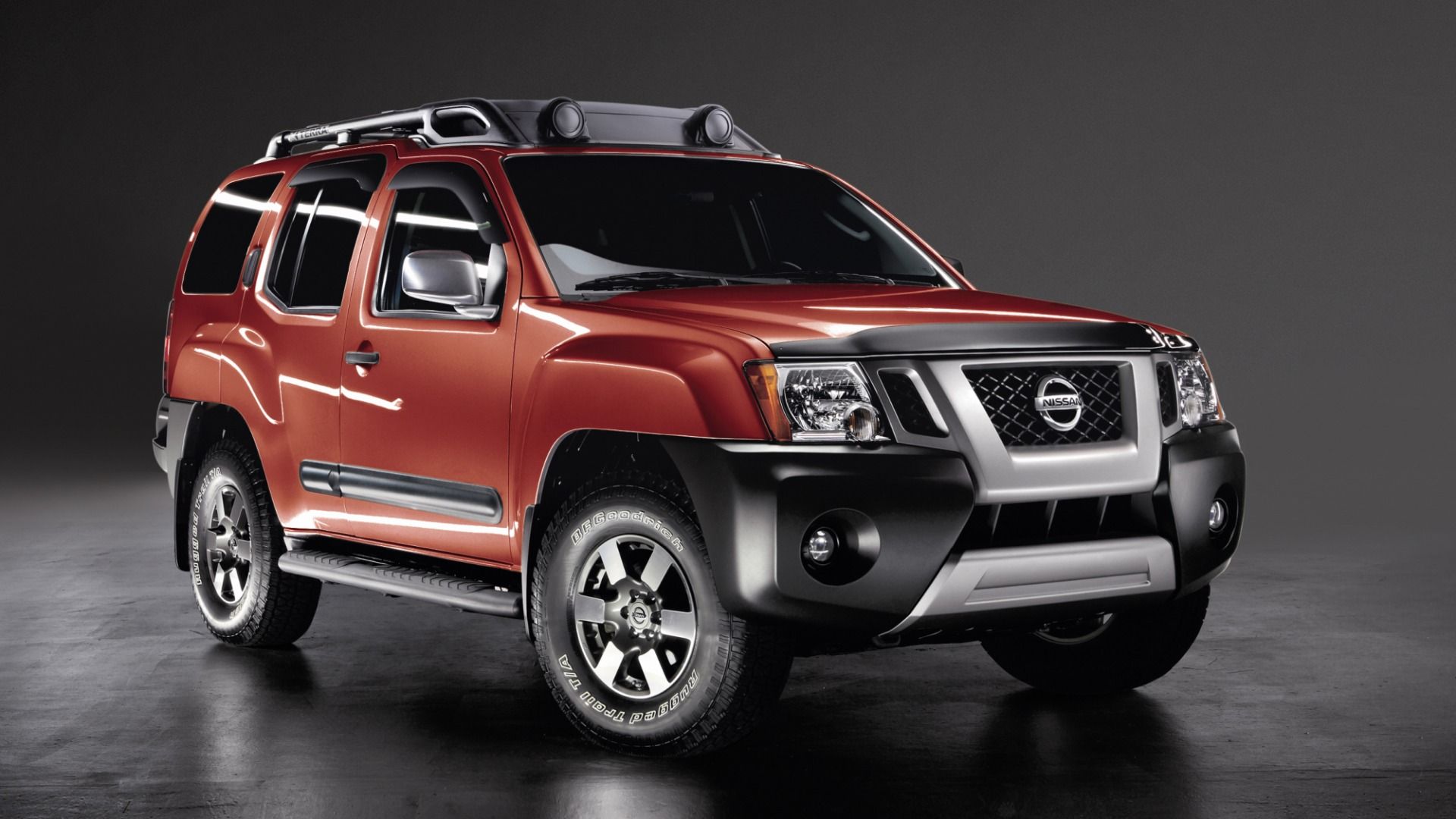
Best Nissan Xterra Model Years (Ranked)
The Nissan Xterra is a body-on-frame compact SUV built across two generations, prized today as one of the last genuinely rugged, off-road-capable trucklets before the segment shifted to soft car-based crossovers. Sharing its F-Alpha platform with the Frontier pickup and Pathfinder, the Xterra paired a tough ladder frame with real four-wheel drive and a famously durable 4.0L VQ40DE V6 in its second generation.
For used buyers, one chapter dominates: the SMOD (Strawberry Milkshake of Death), a radiator-to-transmission coolant cross-contamination that wrecked many early automatic second-generation trucks. Choosing the right model year, engine, and transmission separates a bulletproof adventure rig from an expensive gamble.
This ranking covers the best Xterra years and where the value lies.
Direct Answer
The best overall Nissan Xterra is the 2011-2015 second-generation (N50) model, which retains the rugged 4.0L V6 and body-on-frame toughness while benefiting from a redesigned radiator that eliminated the SMOD failure, plus refined electronics and proven reliability. For shoppers focused on value, the best value is the 2009-2010 N50 with the manual transmission, which sidesteps the radiator-to-transmission contamination entirely (no internal cooler to fail) and offers the same strong VQ40DE V6 at a low used price.
Be cautious with 2005-2010 automatic models unless the radiator and transmission cooler have been replaced or bypassed, since the SMOD remains the single biggest risk on the used Xterra market.
1. 2011-2015 Second Generation (N50, Late) 🏆 BEST OVERALL

The late second-generation Xterra is the nameplate's high point. By 2011 Nissan had revised the radiator design so the transmission cooler no longer risked cross-contaminating the automatic, eliminating the SMOD that plagued earlier trucks. It keeps the durable 4.0L VQ40DE V6 (261 hp, 281 lb-ft) paired with a five-speed automatic or six-speed manual, plus true part-time four-wheel drive with low range.
These trucks offer genuine off-road hardware, including an available rear locking differential and hill descent control on the Pro-4X. Reliability is excellent when maintained, and rust-free Western examples command strong money. This is the Xterra to buy if your budget reaches a clean late-model truck.
2. 2009-2010 Second Generation (N50) — Manual Transmission 💎 BEST VALUE

The manual-transmission N50 is the value champion. Because the six-speed manual has no automatic transmission and therefore no radiator-mounted transmission cooler, it is completely immune to the SMOD failure that defines the early automatics. You get the same strong 4.0L VQ40DE V6 and rugged body-on-frame chassis at a noticeably lower used price.
The 2009-2010 trucks also benefited from a 2009 interior and trim refresh. The best value is a 2009-2010 Off-Road or Pro-4X manual with the rear locker and Bilstein shocks, a genuinely capable trail rig that avoids the costliest failure mode. Enthusiasts seek these out, so a clean, rust-free manual holds value remarkably well.
3. 2011-2015 Pro-4X (N50)

The Pro-4X is the trail-focused trim and the most desirable Xterra for off-road buyers. It adds an electronic rear locking differential, Bilstein off-road shocks, hill descent control, hill start assist, skid plates, and all-terrain tires from the factory. Combined with the post-2011 SMOD-free radiator, it is the most capable and lowest-risk Xterra you can buy.
The Pro-4X retains the 4.0L V6 and your choice of manual or automatic. Because it was built in smaller numbers and is genuinely capable, it commands a premium on the used market. For buyers who actually wheel their SUV, a clean late Pro-4X is the smart, durable choice and a future modern-classic candidate.
4. 2009-2010 Second Generation (N50) — Automatic

The 2009-2010 automatic N50 sits just below the late trucks. It carries the 2009 refresh and the proven 4.0L VQ40DE V6, but it still uses the radiator-integrated transmission cooler, so the SMOD risk technically remains until 2011's redesign. Many of these trucks have already had the radiator replaced and an external bypass cooler installed, which permanently solves the problem.
Buy one only after confirming the radiator history. A 2009-2010 automatic with a documented external cooler upgrade is a strong, affordable pick that performs identically to the later trucks. Otherwise, budget for the radiator-and-bypass job immediately, treating it as preventive rather than optional maintenance.
5. 2005-2008 Second Generation (N50, Early) — With Cooler Fix

The early N50 launched in 2005 with the new 4.0L VQ40DE V6 and a more modern interior than the first generation. These are excellent trucks mechanically, but the 2005-2008 automatics are the most SMOD-prone, since the failure typically appears as the radiator ages. Coolant migrates into the transmission, destroying it, and contaminated fluid can ruin both units.
These years are only recommended with a verified radiator replacement and external transmission cooler bypass already performed. With that fix in place, the early N50 is durable and very affordable. There was also a 2008 fuel-gauge sender recall worth confirming. Inspect carefully, demand documentation, and the value is real.
6. 2002-2004 First Generation (WD22) — Supercharged V6

The first-generation Xterra offered a supercharged 3.3L VG33ER V6 making 210 horsepower and 246 lb-ft, a notable step up from the naturally aspirated 180-hp version. This forced-induction engine gives the earlier truck genuinely useful torque for towing and trail work, and it uses no problematic radiator-to-transmission cooler arrangement of the later SMOD type.
These are now older trucks, so inspect for frame and body corrosion, supercharger and belt wear, and tired suspension. A well-kept supercharged WD22 with low rust is a charismatic, capable budget off-roader. The unusual supercharged powertrain and rugged simplicity make it a favorite among enthusiasts hunting an affordable, fixable vintage SUV.
7. 2000-2001 First Generation (WD22) — 3.3L V6

The original Xterra debuted for 2000 on the Frontier-derived WD22 platform, with the naturally aspirated 3.3L VG33E V6 producing 170-180 horsepower. It is slower than the supercharged version but mechanically simple and durable, with a basic interior built for adventure use, including a roof basket and stadium-style rear seating.
These are aging vehicles, so the usual concerns of rust, worn suspension, and high mileage apply, and the early VG33E can feel underpowered on the highway. The upside is rock-bottom pricing and easy, cheap repairs. For a buyer who wants a rugged, no-frills trail beater or a project, a clean 2000-2001 V6 is honest budget transportation.
8. 2000-2004 First Generation — 2.4L Four-Cylinder

The base first-generation Xterra came with a 2.4L KA24DE four-cylinder making roughly 143 horsepower, paired with rear-wheel or four-wheel drive and usually a manual transmission. The KA24DE is a famously stout, simple engine, but it is badly underpowered hauling the Xterra's heavy body-on-frame chassis, especially loaded or off-road.
It earns its low ranking on capability, not durability. Fuel economy gains over the V6 are minimal, so the four-cylinder rarely justifies itself unless the price is extremely low. Choose this only as a cheap, dependable commuter where outright power is irrelevant.
For any real towing, trail, or highway use, the V6 versions are the far better buy.
9. 2005-2008 Second Generation (N50) — No Cooler Fix (Caution)

This is the highest-risk Xterra to buy unverified. The 2005-2008 automatics with the original radiator and integrated transmission cooler are the trucks where the SMOD most commonly strikes. When the internal barrier fails, coolant and transmission fluid mix into a pink sludge, destroying the automatic and often the radiator together, a repair that can exceed the truck's value.
The 4.0L V6 itself is excellent, which makes the gamble tempting, but never buy one without proof of a radiator replacement and external bypass cooler. If the seller cannot document the fix, walk away or negotiate the full repair cost into the price. Treated as a known liability, it is salvageable; ignored, it is a wallet-emptying risk.
10. 2015 Final Year (N50, End of Production)

The Xterra ended after the 2015 model year, never receiving a third generation as tightening emissions and fuel-economy rules pushed Nissan toward crossovers. The 2015 trucks are the newest, most SMOD-proof, and have the longest remaining service life, which is why clean examples command the highest prices in the lineup.
Mechanically they are identical to the 2011-2014 trucks, so there is no functional upgrade over a 2011-2014, only fewer years and miles. Buy a 2015 if you want the latest, lowest-mileage example and are willing to pay a collector-leaning premium for the final-year Xterra. As the last of a discontinued rugged breed, values have held firm and may climb.
What to Watch For When Buying
The single most important step when buying a used Xterra is to investigate the SMOD on any 2005-2010 automatic. Confirm whether the radiator has been replaced and an external transmission cooler bypass installed, and pull the transmission dipstick to check for pink, milky fluid.
Manual-transmission and 2011-2015 trucks are not affected, which is why they earn the most trust.
- SMOD check (automatics 2005-2010): verify radiator/bypass history; inspect ATF for contamination.
- Frame and body rust: critical on salt-belt trucks of all years; inspect the frame rails and rear arches.
- Timing chain and VQ40DE health: listen for rattle on cold start; confirm oil-change records.
- Off-road wear: check for abuse, bent skid plates, and worn suspension on Off-Road and Pro-4X trims.
- Recalls: confirm the 2008 fuel-gauge sender and any open NHTSA campaigns via the VIN.
Documented maintenance and a clean frame outweigh a low sticker price every time.
How to Choose
Match the Xterra to your priorities. For the best blend of toughness, reliability, and peace of mind, a 2011-2015 N50 is the answer, since it eliminates the SMOD entirely. For the best value with the lowest risk, a 2009-2010 manual sidesteps the failure by design at a low price.
Buyers who actually go off-road should target a Pro-4X for its rear locker, Bilstein shocks, and skid plates. Bargain hunters can consider a 2005-2010 automatic, but only with a documented radiator and bypass-cooler fix, or a first-generation truck for charismatic, fixable simplicity.
In every case, favor a manual or post-2011 truck and prioritize a rust-free frame.
FAQ
Which Nissan Xterra years should I avoid? Be cautious with 2005-2010 automatic-transmission models that lack a documented radiator replacement and external transmission cooler bypass, since these are most prone to the SMOD coolant-into-transmission failure. The 2011-2015 trucks and any manual-transmission Xterra avoid this risk.
What is the SMOD or Strawberry Milkshake of Death? It is a failure where the radiator's internal transmission cooler ruptures, letting engine coolant and transmission fluid mix into a pink milkshake-like sludge. This destroys the automatic transmission and often the radiator. Nissan redesigned the radiator for 2011, and manual trucks are immune.
Is the 4.0L VQ40DE engine reliable? Yes. The 4.0L VQ40DE V6 shared with the Frontier and Pathfinder is a durable, proven engine that routinely exceeds 200,000 miles with regular oil changes. The Xterra's reliability problems came from the radiator and cooling design, not the engine itself.
Which Xterra is best for off-roading? The Pro-4X is the most capable, adding an electronic rear locking differential, Bilstein off-road shocks, hill descent control, skid plates, and all-terrain tires from the factory. A post-2011 Pro-4X combines that hardware with the SMOD-free radiator.
Bottom Line
The Nissan Xterra is one of the last genuinely rugged compact SUVs, but the SMOD failure makes transmission and model-year choice critical. The 2011-2015 second-generation N50 is the best overall pick, eliminating the radiator-to-transmission risk while keeping the durable 4.0L V6, and the 2009-2010 manual offers the best value by avoiding the failure entirely.
When shopping any 2005-2010 automatic, demand proof of a radiator and bypass-cooler fix, and always inspect the frame for rust. Buy carefully and the Xterra delivers real off-road toughness and long-term durability at an affordable price.
Sources
- Nissan USA official Xterra model history and specifications, nissanusa.com
- NHTSA recall and complaint database for the Nissan Xterra, nhtsa.gov
- EPA Fuel Economy ratings for Nissan Xterra by model year, fueleconomy.gov
- Edmunds Nissan Xterra generation reviews and used-car appraisals, edmunds.com
- Kelley Blue Book Nissan Xterra used values by model year, kbb.com
- Wikipedia Nissan Xterra generations and VQ40DE/VG33E technical specifications, en.wikipedia.org