 Pulse Reviews and Analysis
How can I use open-ended questions to help a sales rep identify their own weaknesses in a deal review?
 Curated by Kory White · Fractional CRO, CRO Syndicate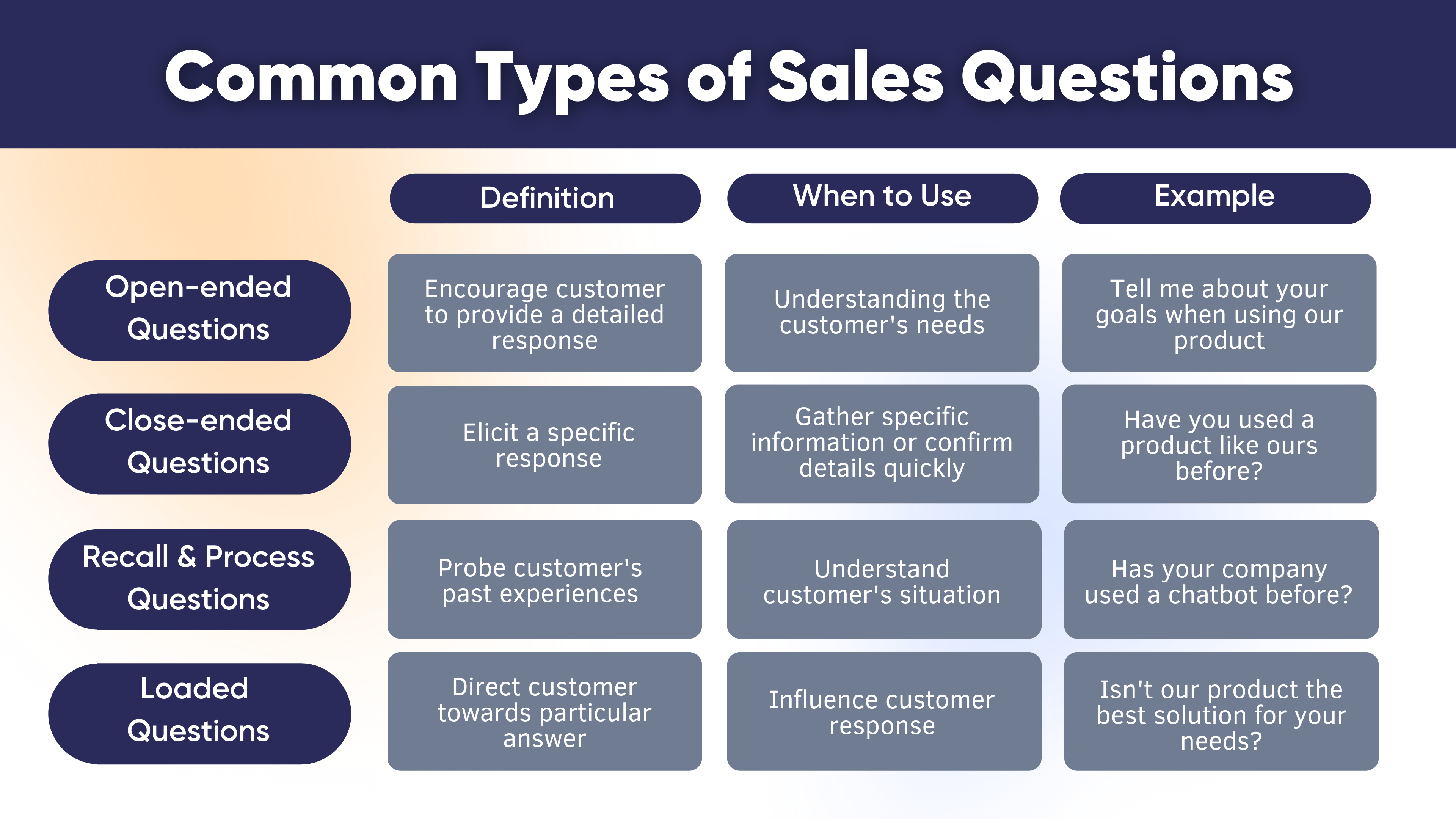
Direct Answer
Open-ended questions in a 2027 deal review force a rep to reconstruct their own logic chain, exposing gaps that a closed question would mask. Instead of "Did you map the buying committee?" ask "Who on the committee pushed back, and what was their unspoken objection?" This technique leverages AI copilots like Gong or Clari to record and analyze responses, revealing patterns in hesitation or omission.
The goal is to make the rep the detective of their own failure, not the recipient of your diagnosis. In an era of 15-person buying committees and 9-month cycles, self-identified weaknesses stick longer than manager-led critiques.
The 2027 Deal Review Market
RevOps in 2027 operates under compressed margins and expanded complexity. Salesforce's latest Einstein GPT copilot ingests every call transcript, email, and CRM note, but it cannot flag a rep's blind spot unless prompted. Winning by Design research shows that deals with 10+ stakeholders have a 40% higher likelihood of stall, yet reps often over-index on one champion.
Open-ended questions bridge the gap between data and self-awareness, forcing reps to confront their own incomplete maps of the buying committee.
Why Open-Ended Questions Beat Direct Feedback
Direct feedback triggers defensiveness, especially when Gong analytics show a rep only spoke to 3 of 7 decision-makers. An open-ended question like "What signals did you miss from the CFO's silence?" requires the rep to scan their memory, cross-reference with call recordings, and articulate a specific failure.
This process activates metacognition—the rep owns the answer, not you. Forrester research indicates that self-generated insights have a 70% higher retention rate than manager-provided corrections.
The Socratic Deal Review Framework
Use a structured loop of four question types, each targeting a different weakness zone:
1. Discovery Gaps
- Question: "What question did you avoid asking because you feared the answer?"
- Why it works: Reps often skip pricing discussions or competitor comparisons to avoid conflict. Their answer reveals where they cut corners.
2. Committee Mapping Failures
- Question: "Which stakeholder's influence did you underestimate, and what data supports that?"
- Why it works: Forces rep to reference MEDDIC or MEDDPICC frameworks. If they can't name a metric (e.g., "The VP of Engineering had veto power"), the weakness is exposed.
3. Competitive Blind Spots
- Question: "What did the prospect say about your competitor that you didn't challenge?"
- Why it works: Reps often concede to competitor claims to avoid tension. Their answer reveals where they lack competitive intelligence or Challenger Sale skills.
4. Next-Step Ambiguity
- Question: "If you had to bet your commission on the next meeting, what would you change about your prep?"
- Why it works: Uncovers whether the rep has a clear, hypothesis-driven plan or is winging it.
Mermaid Decision Tree: When to Use Each Question Type

👉 Quick Call with Kory White, Fractional CRO · See Kory on LinkedIn · CRO Syndicate
The 5-Step Open-Ended Loop
Execute this process for every deal review, recording responses in Clari for pattern analysis:
Real-World Example: The CFO Silence Trap
A rep at a SaaS company using Salesforce and Gong had a $500k deal stalled for 8 weeks. The manager asked: "What did the CFO's silence on the pricing call tell you?" The rep answered: "I assumed they were fine with it." Gong playback revealed the CFO asked one question about ROI timeline—the rep deflected.
The rep then self-identified: "I didn't have the business case ready." That weakness became the focus of a Challenger Sale coaching session, and the deal closed 3 weeks later.
Handling Deflection and Denial
Reps will default to vague answers like "The committee wasn't aligned." Counter with:
- "Which specific person wasn't aligned, and what was their exact objection?"
- "If you could replay one call, which would it be and what would you say differently?"
- "What did you assume about the prospect's budget that you never validated?"
These questions force granularity. If a rep cannot name a person, a date, or a metric, the weakness is the lack of data discipline. Gartner data shows that 64% of stalled deals are due to unqualified stakeholders—reps often hide this behind "misalignment."
Integrating AI Copilots
In 2027, Clari and Gong provide real-time deal health scores. Use them to pre-frame questions:
- Gong alert: "Rep only spoke 20% of the time in the last call." Ask: "What did you learn from listening more than talking?"
- Clari risk flag: "Deal has no champion in IT." Ask: "Why did you skip IT, and what would it take to re-engage them?"
- Salesforce Einstein: "Predicted close date slipped 30 days." Ask: "What changed in your timeline assumptions?"
This makes the open-ended question data-informed, not random.
The 80/20 Rule of Question Depth
80% of weaknesses will surface from 20% of your questions. Focus on:
- "What would your biggest critic on the buying committee say about your approach?" (exposes self-awareness)
- "If you had to re-pitch this deal from scratch, what would you do differently?" (exposes process gaps)
- "Which metric in the deal are you least confident about?" (exposes data quality issues)
Track responses in Salesloft cadences to spot patterns across reps.
FAQ
What if the rep gives a vague answer like "I think they liked us"? Counter with: "What specific behavior from the prospect made you think that? Did they say 'yes' to a next step, or just nod?" Force a behavioral anchor—if they can't cite a concrete action, the weakness is over-optimism.
How do I avoid making the rep feel attacked? Frame questions as curiosity, not accusation. Use "Help me understand..." or "I'm trying to see what you saw..." This shifts the dynamic from judge to partner. SaaStr recommends pairing questions with a "what would you do differently" closure to reinforce growth.
Can I use open-ended questions for every deal review? Yes, but vary the focus. One review might target discovery, another competitive positioning. Bessemer Venture Partners research shows that reps who self-diagnose improvement areas improve close rates by 25% over manager-directed coaching.
What if the rep's answer reveals a skill issue I can't fix? Escalate to enablement or training. Document the gap in Salesforce and assign a Winning by Design module. The open-ended question is a diagnostic, not a solution.
How do I measure if this technique is working? Track two metrics: (1) Rep self-reported weakness count per quarter (should increase as trust builds), and (2) deal velocity for deals where self-identified weaknesses were addressed. Gong Labs data shows a 15% improvement in win rates after 4 weeks of this practice.
Bottom Line
Open-ended questions are the scalpel of the 2027 deal review, cutting through CRM data and AI summaries to reveal the rep's blind spots. They force ownership, reduce defensiveness, and align perfectly with tools like Gong, Clari, and Salesforce. Use the Socratic loop consistently, and your reps will start diagnosing their own weaknesses before you speak.
Sources
- Gong Labs: How Top Reps Handle Objections
- Gartner: The Future of Sales Coaching
- Forrester: Self-Generated Insights in Sales
- Winning by Design: Buying Committee Complexity
- SaaStr: How to Coach Sales Reps Without Micromanaging
- Bessemer Venture Partners: Sales Efficiency Metrics
- Salesforce: Einstein GPT for Deal Reviews
- Clari: Revenue Intelligence and Deal Health
*Master open-ended questions in deal reviews to transform sales rep self-awareness and close rates in 2027.*