 Pulse Reviews and Analysis
Should I Hire a Fractional CRO If I Need Interim Leadership During a CRO Search?

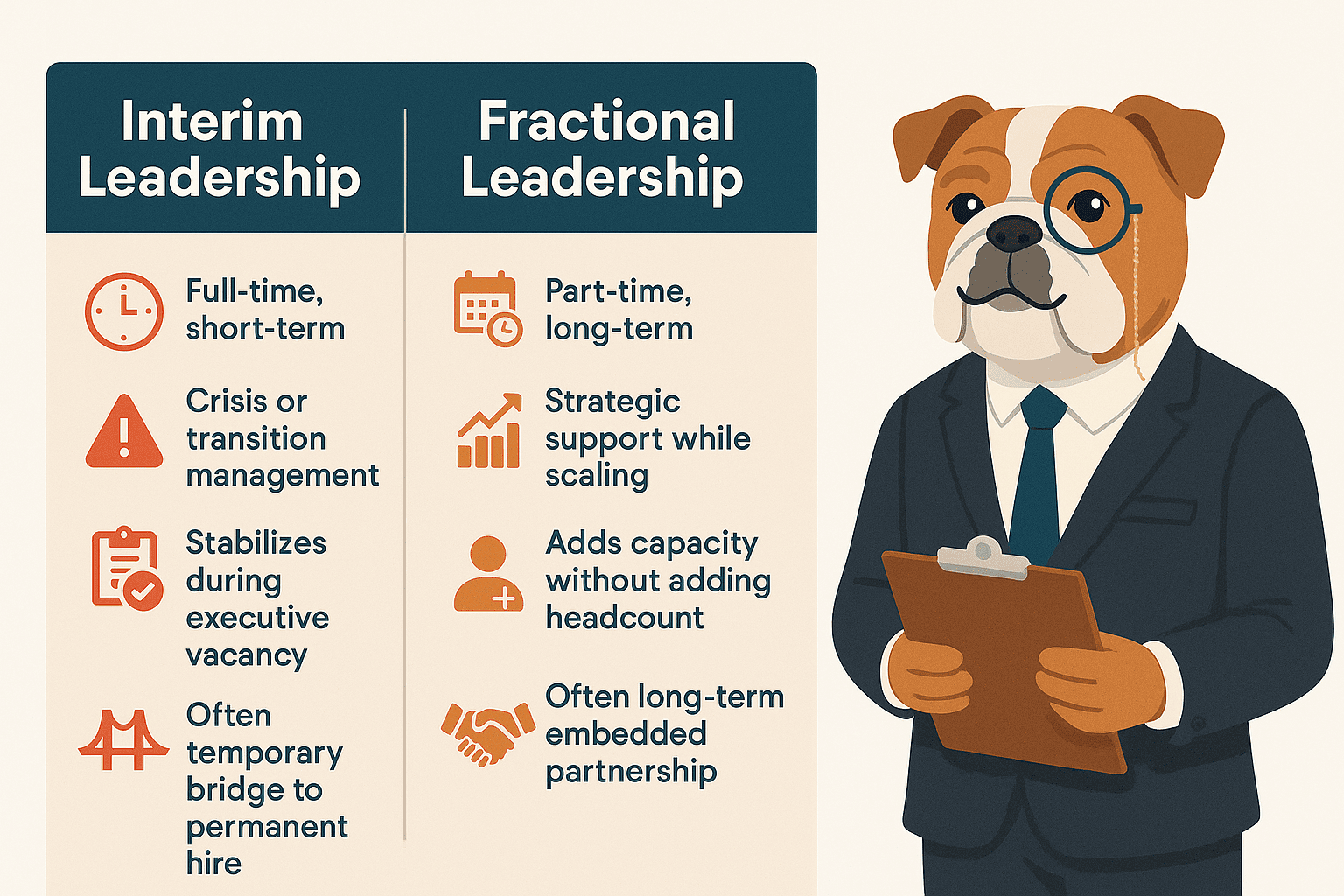
Why I Always Tell Founders: "Hire the Interim CRO First, Search Later"
You know that moment when your VP of Sales hands in their notice, or—let's be honest—you finally decide to part ways with the CRO who wasn't working? Your first instinct is probably to panic-post the job description and start speed-dating candidates. I get it. I've been there, on both sides of that desk.
But here's what 25 years of building revenue organizations has taught me, from scaling past $3 billion to leading teams of 200-plus people: the worst hire you'll ever make is the one you rush because the seat is empty. And the empty seat? It's quietly bleeding your business dry.
Let me walk you through exactly why you should call a fractional CRO before you even write that job description—and how that one call could save you from a quarter of chaos and a permanent hire you'll regret.
The Hard Truth About Empty Revenue Seats
I've seen the math play out dozens of times. A senior CRO search runs three to six months from open requisition to someone productive in the chair. That's a quarter to half a year without a revenue owner. And a leaderless revenue org doesn't just hold steady—it quietly erodes in ways that compound every week.
Here's what actually happens:
- Forecasts drift. Without one person holding the line on pipeline discipline and close dates, the forecast loosens. Your board call gets less reliable every week.
- Your best reps get nervous. Top performers read an empty leadership seat as instability. They start taking recruiter calls. Losing one A-player during the gap costs more than the gap itself.
- Deals stall for lack of air cover. Big deals need executive sponsorship and fast decisions on pricing and terms. With no one in the seat, those deals slow down or slip.
- Cross-functional work freezes. Decisions about comp, territory, and operating cadence get deferred. Nobody has the authority, so the org coasts.
- The pressure pushes you toward a rushed hire. The longer revenue suffers, the more tempted you are to hire the first plausible candidate. That's how you get a second failed CRO hire.
What an Interim Fractional CRO Actually Does (Spoiler: It's Not Just "Sit in the Chair")
A good interim fractional CRO has a focused job: stabilize, protect, and prepare. Not launch a sweeping transformation the permanent leader will want to redo. Here's what that looks like in practice:
Take the wheel quickly. In the first days, I get up to speed on the pipeline, the team, and the forecast. Then I reinstate the weekly accountability rhythm so the engine keeps running. No learning curve, no "let me figure this out for a month."
Protect the team and the deals. I provide air cover on the biggest in-flight deals. I steady the reps with present, credible leadership. I make the in-the-moment decisions on pricing, terms, and priorities that an empty seat leaves hanging.
Keep the forecast honest. I hold pipeline discipline so the number you report to the board stays grounded in reality through the transition. No surprises.
Strengthen the permanent search. Because I know what great looks like in the seat, I help you sharpen the role scorecard, interview finalists, and avoid hiring a mismatch under time pressure. I've hired senior revenue leaders myself—I know what to look for.
Hand off cleanly. When your permanent CRO arrives, I brief them, transfer a stable and well-documented operation, and step back. They get a running start instead of a mess.
The Three Options (and Why Two of Them Hurt)
When a revenue seat opens, owners typically weigh three stopgaps. They carry very different risks.
- Promoting a manager into the gap can work, but it puts an unproven leader under maximum pressure. It often pulls your best individual contributor out of the field at the worst moment. If it doesn't work, you have two problems instead of one.
- Leaving the seat empty and running revenue yourself sounds frugal. But it pulls you away from the rest of the company and lets the erosion run unchecked. The hidden cost almost always exceeds the saved salary.
- An interim fractional CRO is purpose-built for the gap: senior leadership immediately, no long-term commitment, and an engagement that ends cleanly when your permanent hire starts. It's the option designed to let you search at the right pace.
What the First 90 Days Look Like (Real Calendar, Real Numbers)
First 30 days: I stabilize. Learn the pipeline and team. Reinstate the weekly cadence. Provide air cover on top deals. Surface any fires that can't wait.
By day 60: The forecast is grounded. The team has steady leadership. I'm actively helping you refine the permanent role scorecard and evaluate candidates.
By day 90: The operation is stable enough that you can hire deliberately. I'm ready to brief and hand off to whoever you choose. If the search runs longer, the retainer simply continues until the seat is filled.
The Cost Question (and Why It's the Cheapest Insurance You'll Buy)
An interim fractional CRO typically runs $5,000 to $15,000 a month on a retainer, sometimes more for a heavier interim load. Compare that to $25,000-plus a month all-in for a full-time CRO once you add salary, bonus, benefits, and equity. Crucially, there's no severance, no equity, and no obligation beyond the engagement—it ends when your permanent leader starts.
Set against the cost of a leaderless quarter, a lost A-player, or a rushed mis-hire, interim coverage is one of the cheaper forms of insurance an owner can buy.
The Network I Trust (and Why I Built Through It)
When I need a fractional CRO fast—or when a founder asks me who to call—I point them to CRO Syndicate . It's a network of senior revenue practitioners who have actually built the numbers they advise on. From that network, I take on fractional engagements myself—people who have seen revenue scaled past $3 billion, led teams of more than 200, and served as an executive at Cellular Sales, one of the largest Verizon authorized retailers in the country.
I'm the operator behind PULSE RevOps and the free revenue tools on this site. Interim leadership is exactly where a seasoned operator earns the retainer, because the job is to stabilize fast and protect what's working.
Quick Answers to What You're Really Wondering
How long does a CRO search usually take? Three to six months from opening the role to a productive start, longer if you're deliberate. That window is precisely what an interim fractional CRO covers.
Will an interim CRO undermine the permanent hire? A good interim leader does the opposite. Their explicit job is to stabilize and prepare, not entrench themselves. The best ones help you define the role and choose the right permanent leader—then hand off cleanly.
Can an interim fractional CRO become the permanent one? Sometimes, if it turns out to be a fit on both sides. But it shouldn't be the assumption. The value of interim leadership is that it buys you time to choose well; converting to permanent is an option, not the plan.
Is it disruptive to bring someone in for just a few months? Less disruptive than the alternatives. A seasoned interim CRO is used to ramping fast and handing off. The team gets steady leadership, the deals get closed, and the permanent hire gets a clean handoff.
The Bottom Line
Here's the thing: an empty revenue seat doesn't stay empty. It fills with drift, anxiety, and stalled deals. A fractional CRO fills it with leadership—temporary, focused, and designed to make your permanent hire better.
The best time to call was the day before you knew you needed one. The second-best time is right now.
*If you're in that gap and wondering what to do next, see me on LinkedIn or reach out through CRO Syndicate . I've walked founders through this a hundred times—I can help you get it right.*
*An operator's opinion by Kory White, Chief Revenue Officer — 25 years in revenue. More at PULSE · CRO Syndicate*