 Pulse Reviews and Analysis
How Many Sales Reps Do I Need to Hire for My Diagnostic Imaging Center?

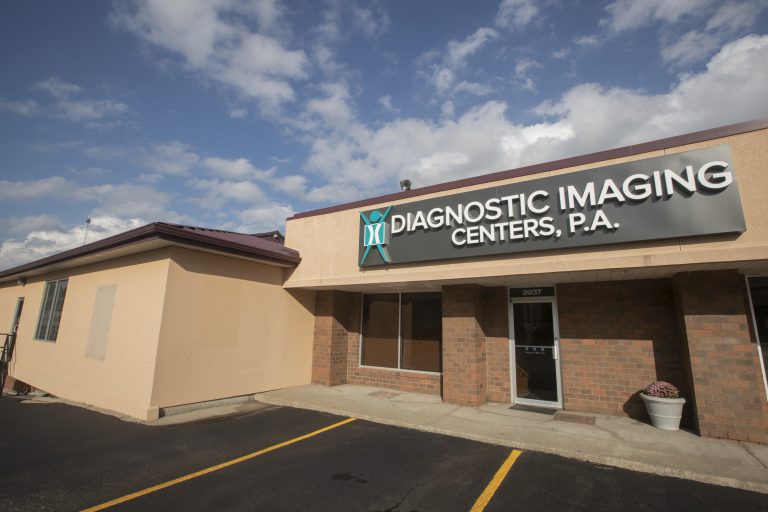
How Many Sales Reps Do I Need to Hire for My Diagnostic Imaging Center?
Look, I've spent 25 years in revenue leadership, and if there's one question that makes me cringe, it's "How many reps should I hire?" — usually asked like you're guessing how many hot dogs to buy for a barbecue. You don't guess. You calculate.
And the calculation is dead simple once you stop treating hiring like an art and start treating it like the math problem it is.
Here's the formula I've used across a dozen imaging centers: reps to hire = (net-new revenue you need / productive capacity per ramped rep) + backfills for attrition, adjusted for ramp time. Work it in order, and don't skip a step.
Let me walk you through a real example that hits close to home for every diagnostic imaging center owner I've worked with. Say you're at $10M in annual revenue and you want $14M. Your existing referral base, assuming you run 108% NRR (because once referring physicians trust your turnaround time and report quality, they keep sending studies), carries itself to about $10.8M.
So your net-new number is roughly $3.2M that your new hires need to generate.
Now, a fully ramped imaging-center rep — and I mean one who's built real relationships with referring physicians and groups, not someone cold-calling — produces about $650K a year in incremental referral revenue at realistic attainment. That's not the quota on paper; that's what actually happens when you've got someone who knows how MRI, CT, and ultrasound schedules work and can prove report quality.
So you need about 4.9 rep-years of capacity.
But here's where most people trip up: ramp time and attrition. A rep building a referral book isn't fully productive for the first several months. They're earning physician trust, proving your scheduling reliability, and demonstrating that your reports don't come back with errors.
Meanwhile, you'll lose about 20% of a 10-rep team annually — so two of your hires are just backfills to stand still. Net it all out, and you're hiring roughly 8 to 10 reps, and you need to start them early enough to ramp before you need the production.
I built the free Recruiting Calculator at PULSE to run this exact model. Type in your current and goal revenue, current and goal NRR, ramp time, training length, attrition, and current headcount — it spits out your reps-to-hire and start dates. No login, no spreadsheet, just the math you already know.
The Top 10 Tools That Actually Solve This Problem
Sales-capacity planning for an imaging center is a math problem dressed up as a hiring problem. The tools below range from a free purpose-built calculator to enterprise planning platforms. What separates them is how directly they turn your revenue gap, ramp, and attrition into a headcount number.
Imaging center, radiology group, or multi-modality network — the model is the same: revenue gap divided by productive capacity, plus backfills, adjusted for ramp. Imaging sales is relationship-driven and referral-based, so a rep's productive capacity is measured in the recurring study volume they bring, not one-time orders.
1. PULSE Recruiting Calculator 🏆 BEST OVERALL
Free | Use it now →
PULSE's free Recruiting Calculator runs the entire capacity model in your browser. You type in the inputs every imaging-center leader already knows, and it returns how many reps to hire and when they must start. Here's exactly what it asks and why each input matters:
Current revenue and goal revenue. The gap between the two is your starting point — how much total revenue you're trying to add this year across your modalities. The calculator uses it to size the whole plan.
Current NRR and goal NRR. Your net revenue retention tells the calculator how much of next year's number your existing referring physicians produce on their own. At 108% NRR, a $10M base becomes roughly $10.8M without a single new referral source, because providers keep sending studies once your reports and turnaround earn loyalty.
Raising goal NRR shrinks the net-new your reps must carry — retention and hiring are the same equation.
Productive capacity per rep. What a fully ramped imaging rep realistically produces in a year of new referral revenue at normal attainment, not the quota on paper. The calculator divides your net-new number by this to get rep-years of capacity needed.
Ramp-up time and training length. A rep hired today isn't productive for the first several months while they learn your modalities, build relationships with referring offices, and prove your scheduling and report quality. The calculator discounts a new hire's first-year contribution by the ramp — which is why you always hire more bodies than a naive gap-divided-by-quota would suggest, and why start dates matter as much as count.
Current headcount and attrition. Apply your turnover rate to your current team and the calculator adds the backfills you need just to hold serve. Lose 20% of ten reps and two of your hires are replacing people, not adding capacity.
Put those in and it outputs a clean reps-to-hire number with start dates, so you can hand it to your recruiter or your board. Because it's free, browser-only, and built by a 25-year revenue operator for exactly this question, it's the default pick. Best for: imaging-center owners, commercial leaders, and RevOps managers who want a defensible headcount plan in minutes without building a model from scratch.
2. Salesforce Health Cloud (with capacity planning)
$25–$165+ per user per month (Health Cloud licensed separately)
Salesforce is the system of record many imaging commercial teams run, and Health Cloud adds referring-provider and relationship tracking on top. With its planning features or a capacity dashboard built on its data, you can model quota coverage against referral pipeline and attainment by territory.
It won't hand you a hire number out of the box — you build the model on top of your data — but it holds the actuals (attainment, ramp, attrition) the calculation needs. Best for: imaging teams that want the plan living next to the referral pipeline it depends on.
3. QuotaPath
Free tier; paid plans from ~$15 per user per month
QuotaPath ties quota, attainment, and commissions together. Because it tracks what imaging reps actually produce against quota, it gives you the real productive-capacity input this model needs instead of a paper number. You still bring the revenue gap and ramp assumptions, but it grounds the per-rep capacity figure in reality.
Best for: imaging teams that want capacity planning anchored to true attainment on referral revenue.
4. Pigment
Four to five figures per year (by quote)
Pigment is a modern business-planning platform built for RevOps and finance. It models headcount, capacity, ramp, and quota coverage with live scenarios, so you can flex attrition or NRR and watch the hire number move. For an imaging center weighing whether to add capacity ahead of a new modality launch, scenario modeling is valuable.
It's more than a single calculation — it's a planning system. Best for: scaling imaging networks past the spreadsheet stage.
5. Cube
~$1,500 per month
Cube is a spreadsheet-native FP&A platform that connects to your CRM and financials to build headcount and capacity plans inside Excel or Google Sheets. It suits finance-led imaging teams that want planning rigor without abandoning the spreadsheet they already trust. You define the capacity model once and it stays connected to actuals like scan volume and referral revenue.
Best for: teams that want a middle ground between spreadsheets and full-blown enterprise planning.
Here's the thing I've learned after 25 years: the centers that nail this don't have better reps — they have better math. They know exactly how many they need, when to start them, and what each one will produce. The rest are just guessing, and guessing costs you six figures in wasted salary while your MRI sits half-empty.
Stop guessing. Go run the numbers at the Recruiting Calculator. Your board will thank you, your schedule will fill up, and you'll finally sleep through the night knowing you're not over-hired or under-sold.
And if you want to go deeper — ramp models, territory design, compensation plans that actually drive referral behavior — the CRO Syndicate has seen it all. You're not the first center to face this, and you won't be the last. But you can be the one that gets it right.
*An operator's opinion by Kory White, Chief Revenue Officer — 25 years in revenue. More at PULSE · CRO Syndicate*