 Pulse Reviews and Analysis
A Retirement Speech for a Military Officer
 Curated by Kory White · Fractional CRO, CRO Syndicate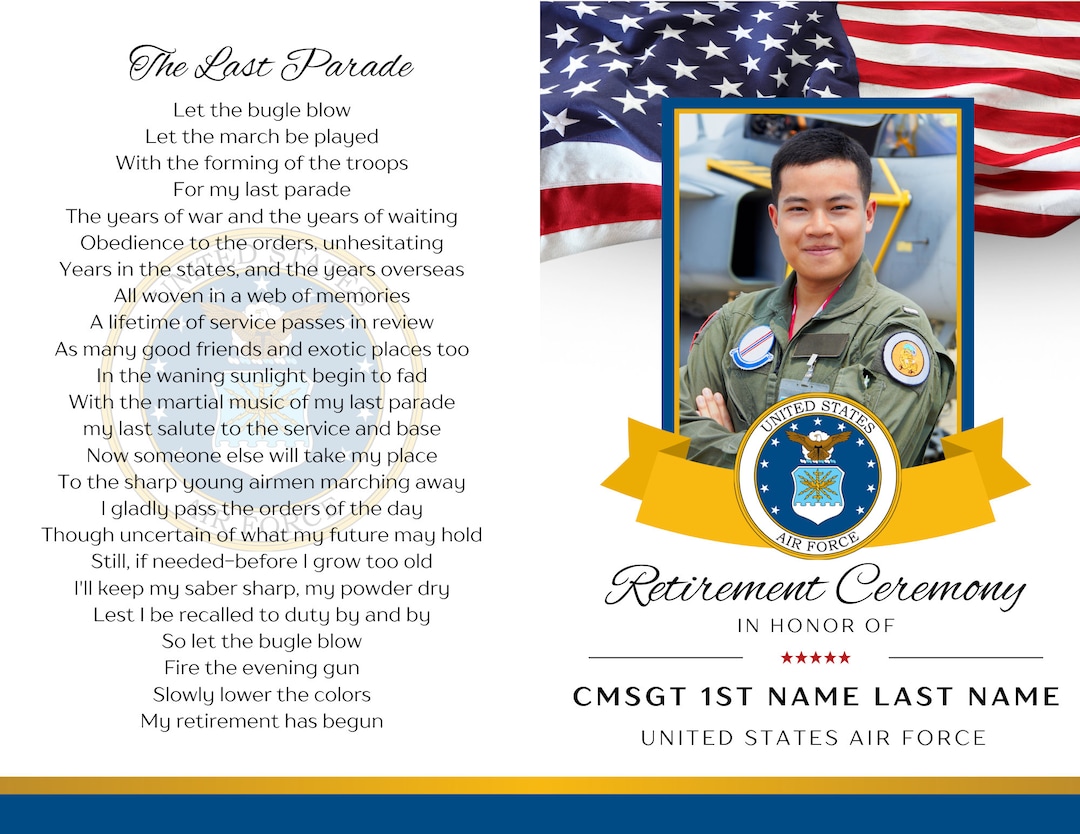
A Retirement Speech for a Military Officer
The Occasion
This is a speech you give at the retirement ceremony of a military officer — delivered by a commanding officer, a longtime peer, a junior officer they mentored, or a close friend who served alongside them. The room is part formal, part family: dress uniforms, a folded flag, spouses and children in the front row, and decades of service quietly ending in one afternoon.
The tone is dignified but unmistakably warm, proud without being stiff. Aim for ~4 minutes (~550 words spoken).
The Speech
Open by anchoring the room in the weight and the warmth of the moment.
Distinguished guests, fellow service members, family, and friends — we are not here today to say goodbye. We are here to say thank you. And to a person like [Rank Name], a simple thank you has never once been enough.
Then make it personal. Reach for the specific, not the ceremonial.
I have known [Rank Name] for [number] years. I have seen [him/her] tired, soaked, far from home, and running on nothing but coffee and stubborn principle. And in all that time, I never once saw [him/her] put [his/her] own comfort ahead of the people in [his/her] charge.
That is who we are honoring today — not a list of postings, but a way of leading.
Honor the service without reciting a résumé. Pick one true moment.
Ask anyone who served under [Rank Name] and they will tell you the same thing: [he/she] knew their names. Not just the names on the roster — the name of the new kid's hometown, the spouse going through a hard stretch, the soldier who needed someone to believe in them on a Tuesday when no one else did.
[A specific memory] — that is the kind of leader we were lucky enough to follow.
Acknowledge the cost, because everyone in that room already knows it.
We talk about service like it belongs only to the one in uniform. But the missed birthdays, the empty chair at the dinner table, the deployments counted in months — those were carried by a whole family. To [spouse's name] and to [their kids], thank you. You served too. We see it.
Then turn toward the future with affection, not finality.
[Rank Name], the mission does not end here. It just changes shape. The discipline, the loyalty, the way you make everyone around you a little braver — none of that retires. You are simply taking it somewhere new. And wherever that is, they are getting the very best of us.
Close on gratitude and a clean salute.
So on behalf of everyone whose life you steadied, everyone you led home, and everyone who became better just by standing next to you — thank you for your service, [Rank Name]. We have the watch from here. Stand easy.
Make It Yours
- Swap in the officer's real rank, branch, and the number of years you've known them — specificity is what separates this from a template.
- Replace
[A specific memory]with one genuine story: a field exercise gone sideways, a moment of mentorship, a quiet act of integrity you witnessed. - Name the family directly. A retiring officer's spouse and children sacrificed alongside them, and naming them lands harder than any medal does.
- Prompts to spark specifics: What did this person do when no one was watching? What is one phrase they always said? Who is in this room because of them?
Delivery Notes
Speak slower than feels natural — ceremony rooms swallow rushed words. Pause fully after "thank you for your service" and let the silence carry weight; do not talk over the emotion in the room. Make eye contact with the officer during the personal story, then turn to the family when you thank them directly.
If your voice catches, stop, breathe, and continue — no one will think less of you; in fact it will mean more. Use notes, not a memorized script. Glancing at a card reads as care, not weakness, and it frees you to actually look at the people you're honoring.
Variations
A 30-second version, if you only have a moment at the reception:
[Rank Name], you led with your whole heart for [number] years, and you never once made it about you. We are better soldiers and better people for having served beside you. Thank you. We have the watch from here.
For a longer, formal version, add a structured arc through their career — early commissioning, a defining deployment, a command they shaped — with a named witness or two from each chapter. For a lighter tone at an informal mess night, lean into affectionate ribbing: the legendary bad coffee, the inspection that became folklore, the nickname no one will explain.
For a solemn tone, slow the pacing further, keep the focus on sacrifice and the family, and end on the salute alone.
FAQ
How long should a military retirement speech be? Three to five minutes is ideal at a formal ceremony. Long enough to honor a full career, short enough to stay sharp. Save extended stories for the reception.
Should I list every rank and posting? No. A résumé read aloud goes flat. Choose one or two defining chapters and one specific story that reveals their character — that is what people remember.
Is it appropriate to thank the officer's family? Absolutely, and you should. Military families carry the deployments, the moves, and the missed milestones. Naming them directly is one of the most meaningful things you can do.
What if I get emotional while speaking? Let it show, within reason. Pause, breathe, and continue. Genuine emotion honors the moment far more than a flawless, detached delivery.
Can a junior officer or enlisted member give this speech? Yes. A heartfelt tribute from someone the officer mentored is often the most powerful voice in the room. Speak from your real experience of their leadership.
Bottom Line
A retirement speech for a military officer is a thank-you for a life of service — theirs and their family's. Skip the résumé, tell one true story, honor the people who waited at home, and end with the dignity the moment deserves. Speak slowly, mean every word, and let the salute say the rest.