


Construction Equipment — 60-Min Training
Quality
Certified
Construction Equipment — 60-Min Training is a manager-led sales session that teaches dealer reps a five-stage jobsite visit and three contractor buyer modes, so they leave with scripts, trade-in math, and a service-attach playbook. Teams that run it weekly during rollout typically see certification above 80% by week four and measurable win-rate lift the following quarter.
The outcome you should expect
A well-run Construction Equipment — 60-Min Training session produces behavior change you can see in the CRM within two weeks, not a morale bump that fades by Friday. The realistic outcome set is narrow and specific: by week four, at least 80% of reps should be certified on the five-stage jobsite visit and able to name which of the three contractor buyer modes applies to a given account without prompting. By the end of the first quarter, forecast accuracy should improve because reps are qualifying on observed fleet condition rather than on what the contractor says over the phone. Win-rate lift shows up the following quarter, not immediately, because contractor purchase cycles run longer than a single training cadence.
The single most useful outcome to track is not close rate at all — it is logged jobsite visits. A rep whose CRM shows zero on-site equipment inspections in a given week is not executing the playbook, regardless of what their pipeline value says. That is a coaching conversation, not a training gap, and the manager running this session owns it. Teams that measure visits first and close rate second tend to fix the right problem; teams that stare only at the scorecard end up re-running the same hour every month with no change in behavior.

Expect roughly a 40–60% close rate on repeat-buyer contractor visits once reps are running all five stages with live trade comps and a bundled service plan. Service-plan attach should land in the 35–55% range, and attachment upsell typically reaches 25–40% of machine revenue. Those are discipline outcomes, not talent outcomes — they come from running the sequence the same way every week.
What drives that outcome (mermaid)
The mechanism behind the result is straightforward: the jobsite beats the dealership counter because the contractor who already owns three machines is not shopping a showroom. Deals are won by the rep who shows up where the equipment is actually running, because that is where the owner's real problems are visible on the ground. Working contractors engage in three narrow windows — Saturday morning, Tuesday lunch, and Thursday late afternoon — and a rep who arrives with two coffees, work boots, and a clipboard, and no brochure, earns fifteen minutes of real access that a phone pitch never gets.

The economics explain why this matters more than it looks. Industry dealer benchmarks put new-equipment gross margin at only 10–14%, while parts run 28–36%, service labor 58–68%, and rental 38–48%. The machine sale is the door-opener; the recurring service, parts, and financing attach is where dealer and rep profit actually lives. A rep working a $175K average machine at roughly 12% gross profit and a 22% commission on that GP earns a modest slice per unit — the multiplier comes from close rate and attach discipline, not from squeezing another point out of the sticker.
Two reps on the same territory, the same line card, and the same service department can diverge by a factor of five in annual commission purely on jobsite-visit habit, trade-in fluency, and whether they bring financing to the tailgate. One treats the truck as an office and waits for inbound; the other treats the jobsite as the office and manufactures the visit. The training exists to close that gap deliberately, converting a vague "go see customers" instruction into a repeatable, timed sequence any rep can run the same way every week.
The five-stage sequence is fixed and roughly three minutes per stage. Most lost deals collapse because the rep skips a stage or runs them out of order — usually by jumping straight to price before earning the right to talk money. Walk is arrival on the jobsite itself: the rep asks to walk the back of the site and watch the fleet run before pitching anything, with no spec talk and no budget question. Work is silent observation — hour-meter readings, idle time, attachment swaps, breakdowns, and critically any rented machine sitting next to the owned fleet. A rented Sunbelt, United Rentals, or Herc unit beside owned equipment is the single loudest buying signal in construction equipment: that contractor is in rental-conversion mode and usually does not know it yet.

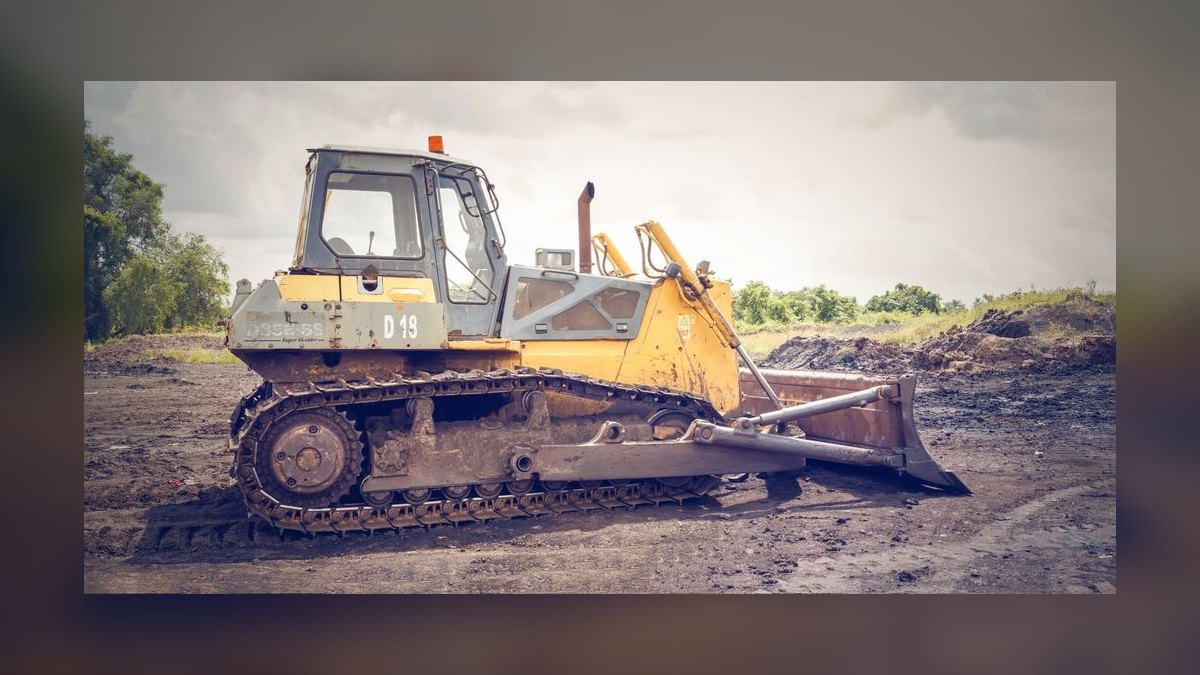
Wear is a hands-on inspection of each owned machine: track compound and tread depth, undercarriage rollers and idlers, boom-arm bushing slop, hydraulic cylinder rod chrome and seal weep, the engine bay, bucket cutting edge and teeth, and attachment couplers. The rep quantifies condition out loud — "undercarriage 65% worn, idlers pitting, roughly six months from an $11K rebuild" — then asks permission to put numbers on it. Wallet is the money conversation, and it has three legs that must appear together: trade-in valuation pulled live from auction and listing comps on a tablet, financing structure across retail installment, capital lease, fair-market-value lease, and rental-purchase option, plus a Customer Value Agreement bundled into the monthly payment. Wrap is the close — a handshake on the package plus a credit application started on the tablet at the tailgate, with honest urgency, a locked trade valuation held 30 days, and 24-hour approval.
Benchmarks and realistic ranges
Benchmarks keep the session honest, because reps argue with opinions and rarely argue with numbers. New-equipment gross margin sits at 10–14%, parts at 28–36%, service labor at 58–68%, and rental at 38–48%. Those four ranges are the entire argument for attach discipline, and the manager should put them on the whiteboard in the first seven minutes rather than saving them for a slide nobody reads.
Replacement thresholds are the second benchmark set. Typical replacement windows run around 5–7K hours for a Caterpillar compact track loader, 4–6K for John Deere and Bobcat, and 3.5–5K for Kubota, adjusted upward or downward for terrain severity. Boom-arm bushing slop is often spec'd around 1.5mm, with 4mm signaling a rebuild is near. A rep who can quote those numbers from memory in front of a contractor sounds like a fleet consultant; a rep who cannot sounds like a brochure.
Rent-versus-own has a usable rule of thumb: below roughly 800 hours a year, keep renting; above 1,200 hours a year, owning wins on total cost while building equity and controlling availability. Between those two lines, the answer depends on project duration, capex position, and whether the machine is in regional stock. A rental-purchase-option bridge can apply accrued rent toward the buy, which softens the transition for a contractor already spending $3,500–$4,500 a month on rentals.
Close-rate benchmarks by mode are the third set, and they differ enough that reps should not treat them as one number. Growth deals close at roughly 55–65% when lead time, attachment fit, and operator familiarity line up. Replacement closes around 50–60% on trade math plus before-failure timing. Rental conversion is the hardest mode at roughly 35–45%, because the math must match the contractor's actual usage rather than a generic pitch, and an honest rep will sometimes conclude the contractor should keep renting. That last outcome is not a loss — it earns the relationship, and those contractors return for the next fleet purchase at a higher rate.

Discipline targets for a fully executing rep are a 40–60% close on repeat-buyer contractor visits, service-plan attach in the 35–55% range, and attachment upsell at 25–40% of machine revenue. The failure pattern is the exact opposite: cold-calling from the dealership, flinging spec sheets, quoting before valuing the trade, and pitching service after the quote instead of inside it, which drops close rates into the low-20s and often surrenders the deal to the dealer one exit down the highway.
Risks, edge cases, and failure modes
The biggest single failure mode is letting the sixty minutes decay into a status update. The fix is structural, not motivational: a hard written agenda, mandatory pre-reads, real role-play under live objection, and a recorded written commitment at the end. Anything less and the hour produces talk instead of changed behavior, and the team will be running the same session again next month with the same results.
The second risk is overselling a product where it does not genuinely work. A mid-size general contractor pursuing a six-unit electric compact-track-loader purchase for a LEED-spec urban site is a real scenario, and the rep handling it faces a fleet manager skeptical of cold-weather battery performance plus an operations VP comparing sticker prices against a cheaper competitor. The correct move is to specify electric where the grid and climate support it, keep diesel for cold outdoor pushes, and win the price delta with total service support, technician density, and consolidated fleet management — not with a discount. An oversold electric fleet that underperforms in January poisons the account for years and surrenders the service revenue that made the deal worthwhile in the first place.

The third risk is brand-loyalty mishandling. An eight-employee landscaping contractor who has been loyal to one brand for twelve years but is renting a competitor's machine because his aging owned unit will not reliably run a stump grinder is a stacked case — growth for the new crew, replacement for the worn machine, rental conversion for the rented one. The rep must honor the loyalty without trashing the incumbent, because respected brand-loyal switchers close far better than pressured ones. The coaching point is sequencing: address the rented machine first because it is the loudest signal, then bridge to replacement, then upsell the growth unit.
Edge cases worth naming in the session include contractors under nine months of project duration, where renting is usually correct regardless of hours; capex-constrained buyers where a fair-market-value lease or RPO bridge fits better than a retail installment; and accounts where the trade valuation comes back below the contractor's expectation, which is exactly when a rep is tempted to hide the comps. Hiding them is the failure — showing the same-hour-band, same-year, same-condition comps before the used desk lowballs is what builds the credibility that carries the next three deals.
The final risk is measurement drift. If the scorecard tracks only close rate, reps will chase easy replacement deals and avoid harder rental-conversion conversations that build the territory. Track visits logged, certification rate, forecast accuracy, attach rate, and close rate together, and review them weekly rather than quarterly.
A practical rollout plan (mermaid)

Roll the Construction Equipment — 60-Min Training out weekly during the first quarter of the playbook, then every two weeks once roughly 80% of reps are certified. The cadence exists to build shared vocabulary and habit, not to fill calendar time — drop it to maintenance frequency once behavior sticks. The manager facilitates and the reps participate, because manager-led sessions drive materially more post-session behavior change than peer-led ones: the manager also owns the follow-up coaching, the CRM audit, and the weekly scorecard.
The hour itself is tightly time-boxed. The first seven minutes is intro and cold open: the manager states the industry margin numbers, then tells a two-rep story — the rep who phoned the office and emailed a promo PDF versus the rep who drove to the jobsite Saturday at 6:45am, walked the wear, ran trade comps on a phone, and closed a multi-machine package with a five-year service plan on Monday. The next twenty-five minutes is the teach: fifteen on the five stages, ten on the three modes and how to stack them. Seven minutes of discussion follow, with each rep auditing their last ten visits against the stages and modes on a whiteboard, marking exactly which stage they habitually skip.
Fourteen minutes go to two role-plays of six minutes each with a sixty-second reset between. Four minutes is debrief and a written commitment ritual logged directly in the CRM — not a verbal "I'll try harder," but a specific named account and a dated next action. The final three minutes hands out the one-page leave-behind for every truck and service-bay desk. The manager arrives prepared with three recent lost-deal debriefs, a jobsite-visit kit (wear-inspection checklist, lender rate sheets, the 0%-promo calendar, CVA tier cut-sheets, a rent-vs-own worksheet, and auction-comp lookup on a tablet), and the last ten visits whiteboarded by stage, mode, and outcome so the discussion runs on real data rather than opinion.

For a quarter kickoff, an extended ninety-minute version with longer role-play blocks works well, but the standard weekly session is a strict hour with a hard stop so it stays a working meeting rather than a pep talk. Use a learning-management system for self-paced theory and certification, and reserve the live sixty minutes for practice. Teams that run both a formal LMS track and a recurring live working session see better ramp-time improvement than LMS-only programs.
Related questions
Should the account executive or the sales manager run the session?
The sales manager facilitates and the reps participate. Manager-led Training drives materially more post-session behavior change than peer-led sessions because the manager owns the follow-up coaching, the CRM audit, and the weekly scorecard the reps are measured against.
How often should the training run?
Weekly during the quarter a playbook is first rolled out, then every two weeks once roughly 80% of reps are certified. Drop it to maintenance frequency once behavior sticks — the cadence builds habit, it does not fill calendar time.
When should a rep recommend renting instead of selling?

Below about 800 hours a year, on projects under nine months, or when the contractor is capex-constrained and the machine is not in regional stock. Recommending rental honestly earns the relationship, and those contractors return for the next fleet purchase at a higher rate.
How does the CVA change the economics?
A Customer Value Agreement bundled into the financing payment converts unpredictable reactive service into a fixed line item. Because service and parts carry far higher gross margin than the new-equipment sale, attach is the second-biggest profit lever after the unit itself.
What is the single most important habit?
Walk the jobsite and inspect Equipment wear before quoting anything. The contractor decides on the rep who showed up on the right day, understood the fleet's actual condition, and brought trade-in math plus financing to the second visit.
FAQ
How long should the training run? Sixty minutes is the default template. For a quarter kickoff, an extended ninety-minute version with longer role-play blocks works well, but the standard weekly session is a strict hour with a hard stop so it stays a working meeting rather than a pep talk.
Who facilitates, the manager or the rep?
The manager facilitates and the reps participate. Manager-led sessions produce significantly more durable behavior change, largely because the manager also owns the weekly jobsite-visit shadow, the CRM audit, and the one-on-one follow-up within seven days.
Where do the different tools fit? Use a learning-management system for self-paced theory and certification, and reserve this sixty-minute session for live practice. Teams that run both a formal LMS track and a recurring live working session see better ramp-time improvement than LMS-only programs.
How do you measure if it is working? Track three numbers weekly: rep certification rate (target above 80% by week four), forecast-accuracy improvement by quarter end, and win-rate lift by the following quarter. If those move, the Training is landing; if they stall, the session has probably decayed into a status meeting.
What is the biggest mistake to avoid? Letting the meeting become a status update. The fix is a written agenda, mandatory pre-reads, real role-play under objection, and a recorded written commitment at the end — anything less and the hour produces talk instead of changed behavior.
How does financing discipline change close rates? Bringing trade-in valuation, the active 0% promotion, Section 179 math, and a bundled service plan into one Wallet conversation — rather than quoting a bare price — is the difference between a contractor signing on-site and walking to compare. All three legs must appear together.
Sources
- https://www.aednet.org/
- https://www.aem.org/
- https://www.ararental.org/
- https://www.deere.com/en/construction/
- https://www.rbauction.com/
- https://www.ironplanet.com/
- https://www.irs.gov/publications/p946
- https://www.elfaonline.org/
- https://www.constructionequipment.com/
Related on PULSE
This page will be disappearing soon. Save it to your device for $1 — or read it free while it is here.
@Kory-White- · if Venmo asks, the last 4 of my number are 2012
This page is gone.
This one is off the shelf now. $1 keeps it on your phone for good — the whole page, pictures and diagrams included.
 sales-trainingRetained Search Pitch — 60-Min Training
 sales-trainingWedding Venue Tour — 60-Min Training
 sales-trainingReal Estate Listing Presentation — 60-Min Training
 sales-trainingSelling to a CISO Without the FUD — 60-Min Training
 sales-trainingRoofing Storm Door-Knock After Hail — 60-Min Training
 sales-trainingCommercial Real Estate Tenant Rep Pitch — 60-Min Training
 sales-trainingPharma HCP Detailing — 60-Min Training
 sales-trainingRestaurant Supply — 60-Min Training
 sales-trainingMed Spa Consult-to-Package Conversion — 60-Min Training
 sales-trainingMortgage Originator — 60-Min Training