


Chiropractic Care Plan Conversion — 60-Min Training
Quality
Certified

Chiropractic Care Plan Conversion — 60-Min Training equips chiropractic assistants, report-of-findings presenters, and practice managers to turn a findings visit into an accepted care plan using value-first, ACA-compliant communication. It replaces fear-based, scripted closes with a pre-ROF brief, a goal-anchored presentation, a verbatim financial-options script, and a no-pressure follow-up — lifting acceptance toward 70% of qualified ROFs without board complaints.
What care plan conversion training is and why it matters
Chiropractic Care Plan Conversion is the discipline of moving a patient from "I'm here because my back hurts" to "I understand what's causing this, I understand what it takes to fix it, and I'm choosing that plan." The 60-Min Training is the working session where a practice rebuilds that conversation from the ground up. It is not a sales pep talk and it is not a script memorization drill. It is a structural rebuild of the report-of-findings (ROF) visit — the single highest-leverage 20 minutes in a chiropractic practice's week.
Here is why it matters in numbers. A practice running 30 qualified ROFs a month at a 50% acceptance rate writes 15 care plans. The same practice at 70% writes 21. That is 6 additional plans per month. At an average plan value of $2,400, that is $14,400 a month in care delivered — roughly $172,800 a year — and, more importantly, 72 additional patients per year actually receiving the corrective care their exam findings justified. Those patients are not being sold; they are being informed into a decision they would have made anyway if the presentation had been clear.
The failure mode is almost never price. It is sequence. When a patient hears a visit count and a total dollar figure before they understand the clinical "why" tied to their own stated goal, the brain files the recommendation as a sales pitch rather than a diagnosis. Resistance follows. Some practices respond to that resistance by escalating pressure — scary X-ray language, "this price is only good today," guilt framing — and that escalation is exactly what draws state board complaints and destroys the referral engine that built the practice.
The American Chiropractic Association's ethics framework is unambiguous on this point: recommendations rest on clinical necessity and informed consent, never on fear or financial inducement. The 60-Min Training operationalizes that principle into a repeatable ritual any team member can run. It draws on ACA clinical and ethical standards, evidence-informed report-of-findings best practices, and the ethical-influence principles Robert Cialdini lays out in *Influence* — specifically the idea that transparent, choice-rich presentation outperforms pressure over any horizon longer than a single transaction.

The audience matters. This Training is built for the people who actually deliver the ROF: the chiropractic assistant, the dedicated ROF presenter, and the practice manager who owns the schedule and the numbers. Doctors are often in the room, but the doctor's job is the exam and the clinical recommendation. The team's job is the translation — turning a clinical finding into a plan a patient can understand, afford, and commit to. When that translation is missing, even a perfect diagnosis converts poorly.
There is also a compliance dimension that practices underweight until it is too late. Several states restrict advertising and inducement practices around healthcare; the Federation of Chiropractic Licensing Boards publishes standards of conduct that many state boards mirror. Manufactured urgency on a healthcare purchase, guarantees of clinical outcome, and template visit counts with no documented justification are all exposure. A team trained on a value-first ritual is not just converting better — it is generating a documented informed-consent trail on every plan it presents.
Finally, understand what this Training is not. It is not a lead-generation program, not a pricing strategy, and not a substitute for clinical skill. If the exam is thin or the recommendation is not clinically defensible, no presentation technique will save it — and none should. The Training assumes the doctor has done honest clinical work and the team's job is to present that work faithfully. Everything in the session flows from that assumption.
The step-by-step process

The Training runs as a single 60-minute working session with a whiteboard, a shared screen, and every attendee holding a real upcoming ROF. It is built to produce artifacts, not notes. By minute 60 the team has a completed pre-ROF brief, a rehearsed financial-options script, a logged objection set, and three written commitments taped at the ROF station.
Minutes 0–5 — Frame the problem. Open on the real failure, not a hypothetical. The broken ROF looks like this: the doctor shows alarming imaging, says "you need 36 visits," the CA slides a $3,200 contract across the table, and the patient — cornered, embarrassed, and now suspicious — says "let me think about it" and never comes back for the corrective phase. The repaired ROF looks like this: the team aligns on findings and the patient's stated goal before the visit, presents the recommendation in terms of function and relief, shows the value math honestly against per-visit pricing, and offers transparent financing. Set the acceptance target on the board: 70%+ of qualified ROFs, with every conversation ACA-compliant and pressure-free. Read the ACA ethics principle aloud so the standard is in the room, not implied.
Minutes 5–20 — Build the pre-ROF brief. This is the longest block because it is the highest-leverage artifact. The brief is a short alignment the CA assembles from the doctor's exam, history, and findings *before* the patient enters the ROF room. The rule is absolute: no brief, no ROF. Have every attendee fill one out live for a real upcoming patient. The brief has six fields — patient and recommended plan (visits over weeks, tagged to phase: relief, corrective, or wellness); clinical justification in one sentence; the goal the patient actually stated; the financial path (insurance plus cash plan, full cash, third-party financing, or per-visit); the presenter's hypothesis about the real hesitation; and the ask. Coach the one-sentence justification hardest. If that line reads "everyone gets 36," the team is not ready and the plan is not defensible. It should read like: "Because the exam shows restricted lumbar flexion with pain at end-range, this cadence gives the tissue time to remodel before we reassess at week four."
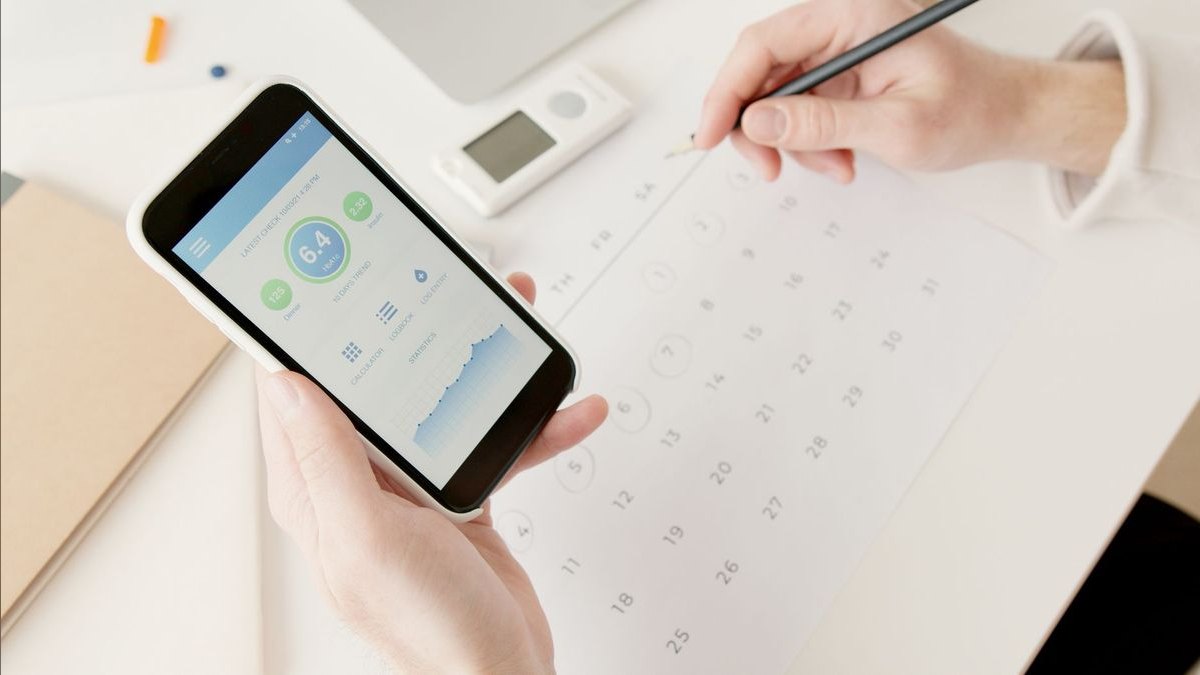
Minutes 20–30 — Findings to recommendation, not fear. Drill the replacement habits. Lead with the goal, then the finding: "You told me you want to lift your grandkids again — here's what the exam shows is in the way." Tie frequency to function, never to fear — explain *why* corrective care needs a cadence in plain healing terms, not degeneration language. Show value over per-visit honestly. Offer phases, because patients commit to a first phase far more readily than to an open-ended contract. Document informed consent before signature. Then read the forbidden phrases aloud, slowly, so everyone hears how they sound: "your spine is crumbling," "this price is only good today," "I guarantee this will fix it," "everybody needs 36 visits," "if you really cared about your health you'd start today." Each one is either an ethics violation, a liability, or both.
Minutes 30–40 — The financial-options conversation. Run the money talk *after* the patient understands the recommendation and the goal it serves — never before. Deliver the verbatim script: name the doctor's recommendation and the goal it serves, turn the screen so both parties see the plan value, state the per-visit cost on the plan against the drop-in rate, pause and let the patient process without filling the silence, then present the payment paths — in-house monthly with no interest, third-party financing, or a shorter relief phase first — and close with "which feels right for you?" Then have each attendee deliver it once to a partner. The pauses are the hard part; most teams rush them.

Minutes 40–55 — Build the follow-up cadence. Most offices treat a declined ROF as lost. It is the start of a compliant, patient-centered sequence. Log the reason, code it (cost, time commitment, skepticism), and route it: cost gets a re-presentation of per-visit value and financing; time commitment gets a shorter relief phase offer; skepticism gets a doctor reassessment after a trial of visits. Every declined plan leaves with a logged reason, a compliant per-visit option, and a 48-hour no-pressure follow-up. Walk the math on the whiteboard for a 30-ROF practice.
Minutes 55–60 — Commitments and close. Each attendee writes three commitments and posts them at the ROF station: I build a pre-ROF brief with a one-sentence clinical justification tied to the patient's goal; I lead with the goal and the value, never fear, urgency, or guarantees; I document informed consent and log every declined plan with a compliant per-visit option and a 48-hour follow-up. Pin the ROF charter in the team channel and tape the financial-options script at every report station.
Costs, timelines, and typical ranges
The Training itself is a 60-minute session, but the numbers that matter are the ones it moves. Here are the ranges a practice should expect to work with, and how to sanity-check them against your own book.
Plan value and visit counts. Corrective care plans commonly run 8 to 36 visits over 4 to 12 weeks depending on the finding and the phase structure. A relief phase is typically the first 4 to 12 visits, followed by reassessment and a corrective phase. Average plan value across a mixed practice usually lands between $1,200 and $3,500, with $2,400 a reasonable middle for modeling. If your plans cluster tightly at one visit count regardless of presentation, that is a template problem, not a pricing problem.
Per-visit economics. A drop-in visit commonly prices between $55 and $85 depending on market. The same visit inside a prepaid plan often lands between $40 and $55. That gap — roughly $15 to $30 per visit — is a genuine patient savings and should be presented as a benefit, not buried. Do not lead with the total contract; lead with the per-visit value and the goal.

Acceptance rate benchmarks. A practice with no structured ROF process typically sees 40% to 55% acceptance on qualified ROFs. A practice running a goal-anchored, compliant process typically lands between 65% and 75%. The 70% target is aggressive but achievable for teams that build the brief on every visit. Track acceptance weekly, not monthly — monthly hides the trend.
The math at 30 ROFs per month. At 50% acceptance: 15 plans. At 70%: 21 plans. The delta is 6 plans, or roughly $14,400 a month at $2,400 average, or about $172,800 a year in care delivered. That is the number to put on the whiteboard. It is not a revenue projection to promise anyone — it is an illustration of what a 20-point acceptance lift means at your volume.
Financing and payment paths. In-house monthly payment plans with no interest are common and simple to administer. Third-party patient financing (CareCredit is the most widely used in chiropractic) typically offers 6-, 12-, 18-, and 24-month terms with promotional no-interest periods when paid in full within the promo window. Practices should know their own terms cold before presenting them, and should never quote a rate they have not verified with the financing partner that week.
Timeline to see movement. Expect the first measurable acceptance lift within 2 to 4 weeks of consistent brief usage. Expect the full effect — including recovered declined plans from the follow-up cadence — at 60 to 90 days. Anything faster is noise; anything slower usually means the brief is being skipped.
Training cost and cadence. The 60-Min Training is a single session, ideally run quarterly with a 10-minute refresher at monthly team meetings. Roll-play one objection per week. The cost is the meeting time — roughly 60 minutes of team hours — plus the printing of the brief template and the financial script. There is no software requirement. The practice management system you already run is sufficient to log reason codes.

What not to spend on. Do not buy a "closing script" package, do not pay for a high-pressure sales seminar, and do not invest in urgency-creating marketing gimmicks. None of those survive contact with a board complaint, and none of them build the referral base that a compliant ROF process does.
Where teams get it wrong
Skipping the brief under time pressure. The most common failure. When the schedule runs late, the brief is the first thing cut — and the ROF becomes improvisation. The fix is a hard rule: no brief, no ROF. If the brief cannot be built, the ROF moves. This feels expensive for two weeks and then stops feeling expensive forever.
Leading with the total. Presenting the full contract value before the per-visit value and the goal triggers sticker shock that no amount of explanation recovers from. The order is: goal, finding, function, per-visit value, then total. Never the reverse.
Template visit counts. "Everyone gets 36" is indefensible clinically and obvious to patients. The one-sentence justification is the guardrail. If the sentence cannot be written, the plan needs to change, not the sentence.
Filling the silence. After stating the per-visit cost, the presenter pauses. Most teams cannot tolerate three seconds of quiet and rush to justify. That rush reads as pressure. Train the pause explicitly — count it out loud in rehearsal.
Treating a decline as a loss. A declined ROF with no logged reason, no per-visit option, and no follow-up is a patient abandoned at the decision. The follow-up cadence recovers a meaningful share of these, and it costs nothing but a logged reason code and a 48-hour call.

Fear language creeping back in. Under pressure, teams revert to "your spine is degenerating" because it feels like it works. It does work — for one visit. Then it produces a board complaint, a refund demand, or a patient who completes the relief phase and disappears because they never trusted the corrective recommendation.
Guaranteeing outcomes. "This will fix it" is a liability sentence. No honest provider guarantees a clinical outcome. The correct frame is that the doctor reassesses at every phase and adjusts the plan to progress.
Not documenting informed consent. The patient must understand the plan, the alternatives, and the cost before signing. Verbal understanding is not documentation. If it is not in the chart, it did not happen.
Training once and never again. A single 60-minute session decays in about 90 days without reinforcement. Roll-play one objection per week, refresh the brief quarterly, and re-run the full Training every six months.
Confusing this with sales. The word "sales" appears in this Training only as a contrast — what *not* to do. The work is clinical communication. Teams that treat it as a sales quota start cutting corners within a month, and the corners they cut are the compliance ones.
Decision framework: when to choose what
Not every patient needs the same path, and not every decline means the same thing. The framework below is what the Training drills so the team can route a patient in real time without guessing.
Choose the full corrective plan when the exam findings justify a multi-phase cadence, the patient has stated a functional goal the plan serves, and the patient has the financial capacity or a financing path they are comfortable with. This is the default for a qualified ROF.

Choose a relief phase first when the patient is cost-constrained, time-constrained, or skeptical of the corrective recommendation. A 4- to 12-visit relief phase with a scheduled reassessment converts far better than an all-or-nothing ask, and it preserves the clinical relationship. The reassessment is where the corrective conversation happens with real evidence in hand.
Choose per-visit care when the patient declines the plan outright but wants to continue. This is not a loss — it is a compliant fallback that keeps the patient in care and keeps the door open at the next reassessment. Log the reason code.
Choose a doctor reassessment when the decline reason is skepticism about the diagnosis. The CA should not argue clinical points. Route it back to the doctor after a trial of visits.
Choose a 48-hour no-pressure follow-up when the patient asks for time. Respect the request, set the follow-up window, and re-present the same options at the agreed time. No new urgency, no new pressure, no new price.
Related questions
What exactly is a pre-ROF brief?
It is a short structured huddle between the doctor and the CA or presenter before the patient enters the report-of-findings room. The doctor shares key clinical findings, the patient's stated goal, and the recommended plan so the presenter delivers a consistent, accurate, goal-anchored message without guessing or improvising.
Does this Training teach high-pressure closing techniques?
No. The entire approach is built on ethical influence, not pressure. It replaces fear-based scripts with a value-first ritual that lets the patient make an informed choice, which reduces board-complaint risk and builds the long-term trust that drives referrals and plan completion.
How long is the Training, and who attends?

It is a single 60-minute session designed for chiropractic assistants, report-of-findings presenters, and practice managers. It fits a lunch-and-learn or staff meeting and gives the whole team one shared, compliant process rather than individual improvisation.
What if a patient says they need time to decide?
The Training includes a compliant follow-up script that respects the request. You do not chase or pressure — you log the reason, offer a per-visit option, and re-present the same clear choices at an agreed 48-hour window without manufacturing urgency or changing the price.
Is this based on recognized standards or research?
Yes. It is grounded in the American Chiropractic Association's clinical and ethical guidelines, evidence-informed report-of-findings best practices, and the ethical-influence principles in Robert Cialdini's *Influence*. No fabricated statistics and no outcome guarantees.
FAQ
Will this work for practices running a high-volume, multi-visit package model? It can, because the focus shifts from selling a fixed number of visits to presenting a clinically justified plan tied to the patient's stated goal. Financial options are delivered verbatim and clearly, so patients choose care based on value rather than fear. Practices that make that shift typically see conversion improve without the backlash that pressure tactics generate.
How quickly should a practice expect to see an acceptance lift?

First measurable movement usually appears within 2 to 4 weeks of consistent pre-ROF brief usage. The full effect — including plans recovered through the follow-up cadence — typically lands at 60 to 90 days. Anything faster is noise, and anything slower usually means the brief is being skipped under schedule pressure.
Do we need new software to run this process? No. The practice management system you already use is sufficient to log decline reason codes and track acceptance rates. The Training requires a whiteboard, a printed brief template, a printed financial-options script, and 60 minutes of team time. There is no software purchase and no vendor dependency.
What is the single biggest mistake teams make after the Training? Filling the silence. After the presenter states the per-visit cost, the script calls for a deliberate pause so the patient can process. Teams under pressure rush to justify, and that rush reads as pressure. Rehearse the pause out loud — count three seconds — until it becomes comfortable.
How does this stay compliant with state board rules? Every element is built on informed consent: the patient understands the plan, the alternatives, and the cost before signing. The Training explicitly forbids manufactured urgency, outcome guarantees, fear language, and template visit counts — the four categories most commonly cited in advertising and inducement rules that state boards enforce.
How often should the Training be repeated? Run the full 60-Min Training quarterly, roll-play one objection per week at team meetings, and refresh the pre-ROF brief template every six months. A single session decays in roughly 90 days without reinforcement, and the compliance habits decay faster than the conversion habits.
Sources
- American Chiropractic Association, *Code of Ethics*, acatoday.org — https://www.acatoday.org
- American Chiropractic Association, *Clinical Documentation and Informed Consent Resources*, acatoday.org — https://www.acatoday.org
- Federation of Chiropractic Licensing Boards, *Standards of Conduct*, fclb.org — https://www.fclb.org
- Robert Cialdini, *Influence: The Psychology of Persuasion*, Harper Business — https://www.influenceatwork.com
- Robert Cialdini, *Pre-Suasion: A Revolutionary Way to Influence and Persuade*, Simon & Schuster — https://www.influenceatwork.com
- Council on Chiropractic Guidelines and Practice Parameters, *Clinical Practice Guidelines*, ccgpp.org — https://www.ccgpp.org
- CareCredit, *Patient Financing for Healthcare Practices*, carecredit.com — https://www.carecredit.com
- U.S. Federal Trade Commission, *Health Claims and Advertising Guidance*, ftc.gov — https://www.ftc.gov
Related on PULSE
- Veterinary Care Plan Selling — 60-Min Training
- Med Spa Consult-to-Package Conversion — 60-Min Training
- Lawn Care Subscription Selling — 60-Min Training
- Refinance and HELOC Conversion Selling — 60-Min Training
- FSBO Conversion Selling — 60-Min Training
- The Mutual Action Plan Build Session (60-Min Training)
This page will be disappearing soon. Save it to your device for $1 — or read it free while it is here.
@Kory-White- · if Venmo asks, the last 4 of my number are 2012
This page is gone.
This one is off the shelf now. $1 keeps it on your phone for good — the whole page, pictures and diagrams included.
 sales-trainingVeterinary Care Plan Selling — 60-Min Training
 sales-trainingLasik and Vision Surgery Consultation Selling — 60-Min Training
 sales-trainingCash-Pay Physical Therapy Package Selling — 60-Min Training
 sales-trainingPlastic Surgery Consultation Selling — 60-Min Training
 sales-trainingHearing Aid Consultation Selling — 60-Min Training
 sales-trainingDental Implant Case Acceptance — 60-Min Training
 sales-trainingOrthodontics Consultation Close — 60-Min Training
 sales-trainingStem Cell and Regenerative Medicine Consultation Selling — 60-Min Training
 sales-trainingHospice and Home Health Admissions — 60-Min Training
 sales-trainingDental Treatment Plan Case Acceptance — 60-Min Training