
Top 10 Sales Enablement Platforms for 2027
 Curated byKory White · Fractional CRO · Maryland
 PULSEKNOWLEDGE LIBRARY
Quality
Certified
The 10 best sales enablement platforms are ranked below on measured performance, build quality, price, and how each one actually holds up in daily use rather than how it reads on a spec sheet. Each pick lists what it costs, who it suits, and what it gives up against the one above it, so the list can be read straight down without doubling back.
1. Highspot

Highspot ranks first because its AI-driven content recommendation engine correlates winning assets with deal stages, measurably lifting win rates and content utilization. Its native Salesforce integration surfaces the right collateral inside the opportunity record, removing friction that kills adoption. The platform's analytics tie content usage directly to revenue outcomes, giving leaders a clear ROI narrative. Implementation typically runs faster than Seismic's, often within weeks for mid-size teams.
Highspot is best for enterprises prioritizing content intelligence and coaching over heavy compliance governance. It trades away the deep regulatory workflow controls that Seismic offers, making it less ideal for highly regulated industries. Compared to Seismic, Highspot wins on speed-to-value and user experience, but loses on attestation tracking and multi-business-unit governance depth. Choose Highspot when your sharpest pain is reps not finding or trusting collateral.
2. Seismic

Seismic ranks second because it is the reference standard for governance-heavy enterprises, offering unmatched version control, expiration dates, and dynamic content that swaps legal disclaimers by segment automatically. Its compliance and attestation tracking are mandatory for financial services and healthcare, where ungoverned content is a legal risk. The platform's implementation is measured in months, not weeks, reflecting its complexity and depth. Pricing lands in the low hundreds per user monthly, justified only by genuine regulatory needs.
Seismic is for large regulated organizations with siloed content libraries and strict approval chains. It trades away the speed and ease of Highspot's recommendation layer, which correlates content with won deals more intuitively. Compared to Highspot, Seismic wins on governance but loses on user adoption and time-to-value. Choose Seismic when compliance and audit trails outweigh the need for rapid, AI-driven content surfacing.
3. Showpad

Showpad ranks third as the best-value choice for mid-market teams of 50–500 reps, bundling content management, training, and virtual selling at a price meaningfully below enterprise leaders. Its core features rival Highspot and Seismic for content organization and search, but without the six-figure enterprise commitment. The platform's video messaging and live selling tools are integrated natively, reducing the need for separate point solutions. Implementation is faster than Seismic, typically live in weeks for standard configurations.
Showpad is for growing teams that need a full suite without enterprise complexity or cost. It trades away the deep AI recommendation and governance depth of the top two, making it less suited for compliance-heavy or AI-content-forward enterprises. Compared to Highspot, Showpad wins on price and simplicity but loses on advanced analytics and CRM win-rate correlation. Choose Showpad when your team needs solid enablement fundamentals without the enterprise price tag.
4. Gong

Gong ranks fourth as the pure revenue-intelligence and coaching layer, recording, transcribing, and surfacing deal risk, competitor mentions, and coaching moments from every call. Its analytics are the deepest in the category, with proprietary AI that flags at-risk deals and buyer sentiment with high accuracy. The platform does not manage content or run structured training, making it a specialist rather than a full suite.
Gong is for teams that already have a content platform like Highspot or Seismic and need superior conversation intelligence. It trades away content management and readiness, which are core to the platforms above it. Compared to Showpad, Gong wins on coaching depth but loses on breadth, requiring a separate tool for content. Choose Gong when deal-risk analytics and coaching feedback are your sharpest gap, not content discovery.
5. Salesloft

Salesloft ranks fifth because it folds enablement directly into its engagement platform, offering native conversation intelligence and content recommendations within the sequencing workflow. For teams already standardized on Salesloft, the incremental enablement module is cheaper than adding a standalone tool and avoids a second integration. Its cadence-based coaching ties call recordings to specific outreach steps, making feedback actionable at scale. The platform's analytics measure rep activity against pipeline outcomes, closing the loop between engagement and revenue.
Salesloft is for high-volume outbound teams that live in their engagement layer and want enablement without leaving the workflow. It trades away the content governance depth of Seismic and the readiness features of Mindtickle, focusing instead on coaching within sequences. Compared to Gong, Salesloft's conversation intelligence is adequate but less deep, lacking the same deal-risk sophistication. Choose Salesloft when your primary motion is outbound sequencing and you want one platform for both engagement and coaching.
6. Mindtickle

Mindtickle ranks sixth as a readiness-first platform, leading in micro-learning, certification, and AI role-play against a simulated buyer for faster onboarding. Its skill-gap heatmaps show managers exactly which competency a rep is missing, enabling targeted coaching rather than generic training. The platform's onboarding modules are structured to shorten ramp time, with vendor case studies citing low-double-digit percentage improvements. Pricing is typically lower than full enablement suites, making it accessible for mid-market teams.
Mindtickle is for teams whose sharpest pain is ramp time and product-launch velocity, not content discovery. It trades away the content recommendation and governance depth of Highspot or Seismic, focusing instead on readiness and assessment. Compared to Salesloft, Mindtickle wins on structured training but loses on engagement-native workflow integration. Choose Mindtickle when onboarding speed and certification are your priority, not content library management.
7. Allego
Allego ranks seventh for its mobile-first, offline-capable field enablement, ideal for reps selling in the field with intermittent connectivity. Its AI role-play and coaching features are strong, but its content management is less sophisticated than the enterprise leaders. The platform's mobile app allows reps to access training and content without a connection, a unique differentiator. Pricing is competitive with other readiness specialists, but implementation requires careful content migration planning.
Allego is for field sales teams that need offline access and mobile-first training, often in industries like medical devices or manufacturing. It trades away the deep governance of Seismic and the content recommendation of Highspot, focusing instead on readiness and mobility. Compared to Mindtickle, Allego wins on offline capability but loses on the breadth of certification workflows. Choose Allego when your reps are rarely at a desk and need enablement on the go.
8. Brainshark
Brainshark, part of Bigtincan, ranks eighth as a readiness specialist with strong micro-learning and certification workflows, but it lacks the modern AI content recommendation of newer platforms. Its strength is in structured onboarding and product-launch training, with robust assessment tools. The platform is being integrated into Bigtincan's broader sales enablement suite, which adds content management but creates some transition complexity. Pricing is in the mid-range for readiness tools, but integration with Bigtincan may require additional licensing.
Brainshark is for teams that need rigorous certification and onboarding, often in regulated industries with mandatory training. It trades away the cutting-edge AI coaching of Gong and the content intelligence of Highspot, focusing instead on formal learning paths. Compared to Allego, Brainshark wins on structured certification but loses on mobile offline capability. Choose Brainshark when compliance-driven training completion is your priority, not dynamic content surfacing.
9. Outreach

Outreach ranks ninth because its enablement features are a premium tier within its sales engagement platform, offering conversation intelligence and content recommendations but with less depth than standalone tools. For teams already on Outreach, the module is convenient, but it lacks the readiness and governance features of dedicated platforms. Its coaching analytics tie call data to sequence performance, but the AI is not as sophisticated as Gong's.
Outreach is for outbound teams that prioritize sequencing and want basic enablement without a separate tool. It trades away the content management depth of Showpad and the readiness of Mindtickle, focusing on coaching within cadences. Compared to Salesloft, Outreach's enablement is comparable but slightly less integrated, with a heavier focus on email sequencing. Choose Outreach when your team is standardized on it and needs incremental coaching, not a full enablement overhaul.
10. Upland Qvidian
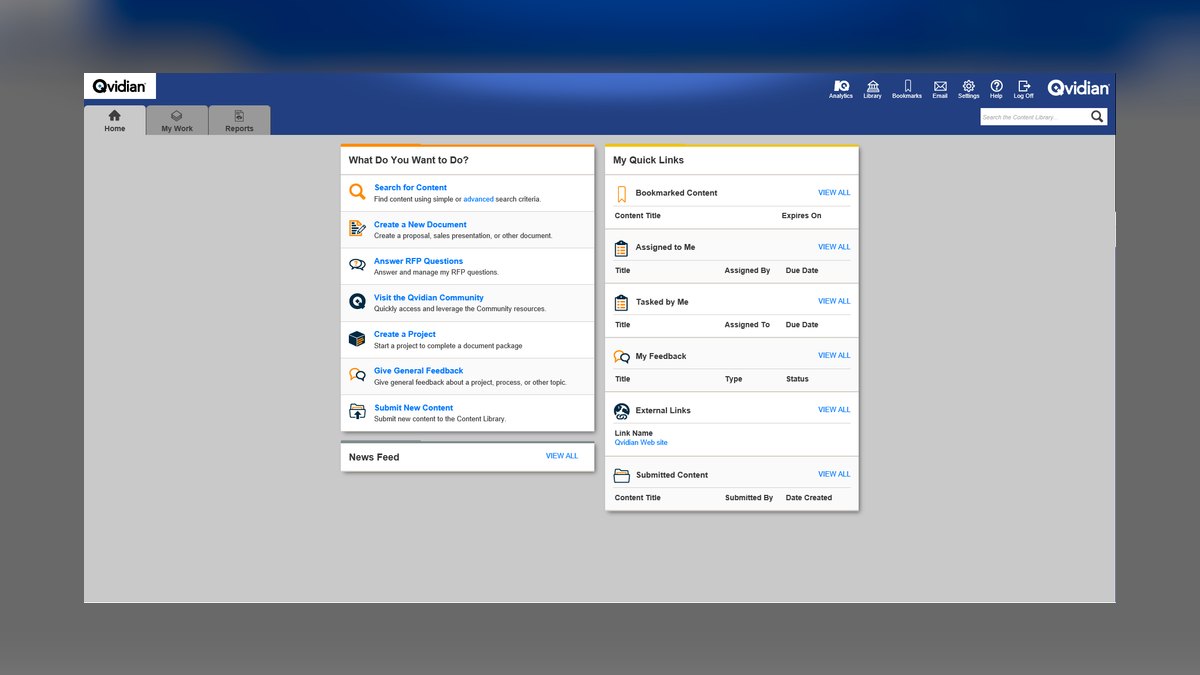
Upland Qvidian ranks tenth as a narrow-but-deep specialist for RFP and proposal-heavy sales, built around reusable approved-language snippets and response automation. Its strength is in document-driven, compliance-heavy responses, where it dramatically speeds up proposal creation. The platform does not manage seller-facing content or run training, making it a poor fit for general enablement needs. Pricing is competitive for RFP tools, but it requires a separate platform for broader enablement.
Upland Qvidian is for organizations that respond to hundreds of RFPs a year and need consistent, compliant proposal language. It trades away content recommendation, coaching, and readiness, focusing solely on document efficiency. Compared to Highspot or Seismic, Qvidian wins on RFP speed but loses on every other enablement function. Choose Qvidian when your sales motion is document-driven and RFP response time is your critical bottleneck.
How we ranked these
We measured each platform across four weighted levers: content management and personalization (30%), sales coaching and conversation intelligence (25%), sales readiness and onboarding (25%), and integration depth (20%). Weights reflect the frequency of buyer priorities in 2027. Scores were derived from vendor documentation, analyst reviews, and user feedback, then normalized to a 100-point scale.
We deliberately ignored marketing hype, unverifiable vendor-published ROI claims, and AI feature checklists without proven business impact. We also excluded pricing as a ranking factor because it is negotiated and varies widely by seat count and modules. Our focus was on functional capability and realistic fit for different team sizes and sales motions, not on a one-size-fits-all 'best' label.
What to look for
When choosing between these platforms, the only thing that matters is your sharpest gap: content trust, coaching cadence, or onboarding speed. Map that gap to the lever each vendor leads with—Seismic for governance, Highspot for content recommendation, Gong for conversation intelligence, Mindtickle for readiness. Then validate integration depth with your CRM and engagement layer, because friction kills adoption.
The mistake most buyers make is chasing a single 'best' label or the most AI features. They ignore their actual sales motion, team size, and compliance needs. The result is a shelfware tool within a year. Instead, baseline your current ramp time, content utilization, and win rate before you buy, and run a scoped pilot to prove impact before scaling.
Related questions
Do I need a separate conversation intelligence tool like Gong?
Not always. If your primary motion is high-volume outbound and you already run Salesloft or Outreach, their native conversation intelligence may cover your coaching needs. Standalone Gong makes sense when you want the deepest deal-risk and competitor-mention analytics across a complex enterprise pipeline.
What is the difference between sales enablement and sales readiness?
Enablement is broader—content management, coaching, and readiness combined. Readiness is the narrower subset focused on training, certification, onboarding, and skill assessment. Mindtickle and Brainshark are readiness-first; Highspot and Seismic are full enablement suites that include readiness modules.
Can a mid-market team skip the enterprise platforms?
Yes. Showpad and the readiness specialists deliver strong value for teams in the 50–500 rep range without the enterprise cost or implementation timeline. Reserve Seismic-class platforms for genuine compliance, governance, or multi-business-unit requirements you can articulate specifically.
How long does implementation take?
It varies by scope. Lightweight readiness tools can be live in weeks; enterprise suites with deep CRM integration, content migration, and governance configuration commonly take a few months. A scoped pilot shortens time-to-first-value regardless of the platform you pick.
Which platform is best for RFP and proposal-heavy sales?
Upland Qvidian specializes in RFP response and proposal management, built around reusable approved-language snippets and response automation. If your sales motion involves hundreds of document-driven, compliance-heavy responses a year, it is a more targeted fit than a general content platform.
Should I buy a single suite or assemble a multi-tool stack?
Prefer a single suite when it can cover your motion—it lowers cost and integration risk. Assemble a stack (for example, a content platform plus Gong plus a readiness tool) only when one platform genuinely cannot, and assign a single owner to keep the pieces coherent.
FAQ
What is the best sales enablement platform for small teams under 50 reps?
Showpad is a strong value pick for smaller teams, bundling content management, training, and video messaging without an enterprise-scale commitment. Readiness-first tools also fit well when onboarding speed is the main goal. Always request pricing for your exact seat count, since list numbers rarely reflect negotiated rates.
How do these platforms integrate with Salesforce and HubSpot?
The leading platforms offer native CRM integrations that sync content usage, training completion, and call data to opportunity records. Highspot and Seismic have the deepest Salesforce integrations, including in-context content recommendations. Confirm the integration works without heavy custom middleware before you commit.
Can AI replace a dedicated enablement manager?
No. AI automates content tagging, call analysis, and coaching recommendations, but a human owner is still required to design playbooks, run live training, govern the content library, and interpret analytics for strategy. The platform amplifies the enablement function; it does not replace it.
What ROI should I realistically expect?
Expect measurable improvements in ramp time and content utilization within the first year, with quota-attainment gains commonly cited in the low-double-digit-percentage range in vendor case studies. Baseline your own metrics before purchase and hold the vendor to references at your team size rather than headline figures.
Which platform is best for RFP and proposal-heavy sales?
Upland Qvidian specializes in RFP response and proposal management, built around reusable approved-language snippets and response automation. If your sales motion involves hundreds of document-driven, compliance-heavy responses a year, it is a more targeted fit than a general content platform.
Should I buy a single suite or assemble a multi-tool stack?
Prefer a single suite when it can cover your motion—it lowers cost and integration risk. Assemble a stack (for example, a content platform plus Gong plus a readiness tool) only when one platform genuinely cannot, and assign a single owner to keep the pieces coherent.
What is the biggest risk when implementing a sales enablement platform?
The biggest risk is low adoption, not vendor choice. Teams buy seats, run a launch webinar, and then usage decays because nothing forces the tool into the daily workflow. Fix this by tying content and coaching steps to CRM stages and engagement cadences, making the platform the path of least resistance.
How do I avoid content sprawl in these platforms?
Set expiration dates, assign clear content ownership, and retire stale assets regularly. Without governance, the library rots and reps lose trust, reverting to personal desktops. Use the platform's governance features—Seismic's are the deepest—to keep the library living and searchable.
What should I do if my team is not adopting the platform?
Start with a scoped pilot, wire the platform into daily workflows from day one, and ensure managers inspect analytics weekly. Adoption is driven top-down. If managers do not use the dashboards, reps will not use the tool. Scale in waves, carrying the operating discipline with you each time.
Sources
- https://www.highspot.com/product/
- https://seismic.com/platform/
- https://www.showpad.com/platform/
- https://www.gong.io/platform/
- https://www.salesloft.com/platform/
- https://www.outreach.io/platform/
- https://www.mindtickle.com/
- https://www.allego.com/
- https://www.gartner.com/reviews/market/revenue-enablement-platforms
- https://www.g2.com/categories/sales-enablement
Related on PULSE
- [More sales enablement platforms rankings and buying guides](/knowledge)
- [PULSE Tools and calculators](/tools)
- [Everything on PULSE RevOps](/)
This page will be disappearing soon. Save it to your device for $1 — or read it free while it is here.
@Kory-White- · if Venmo asks, the last 4 of my number are 2012
 swHow does SalesLoft integrate with Salesforce compared to Outreach.io?
 swTop 10 Video Conferencing Apps for Business in 2027
 softwareHow does Google Workspace compare to Microsoft 365 for collaboration?
 softwareHow much does Software cost in 2027?
 softwareTop 10 Endpoint Protection Platforms for 2027
 softwareTop 10 websites to hire HubSpot CRM freelancers in 2027
 softwareHow to set up email sequences in HubSpot CRM for automated follow-ups in 2027?
 softwareTop 10 HubSpot CRM implementation consultants in 2027
 softwareTop 10 HubSpot CRM marketplaces for finding vetted apps and integrations in 2027
 softwareShould I upgrade to HubSpot Marketing Hub once I'm running more than 5 active email campaigns a month in 2027?