

Top 10 Website Builders for Service Businesses in 2027
 Curated byKory White · Fractional CRO · Maryland
Quality
Certified
The 10 best website builders for service businesses are ranked below on measured performance, build quality, price, and how each one actually holds up in daily use rather than how it reads on a spec sheet. Each pick lists what it costs, who it suits, and what it gives up against the one above it, so the list can be read straight down without doubling back.
1Wix Website Builder
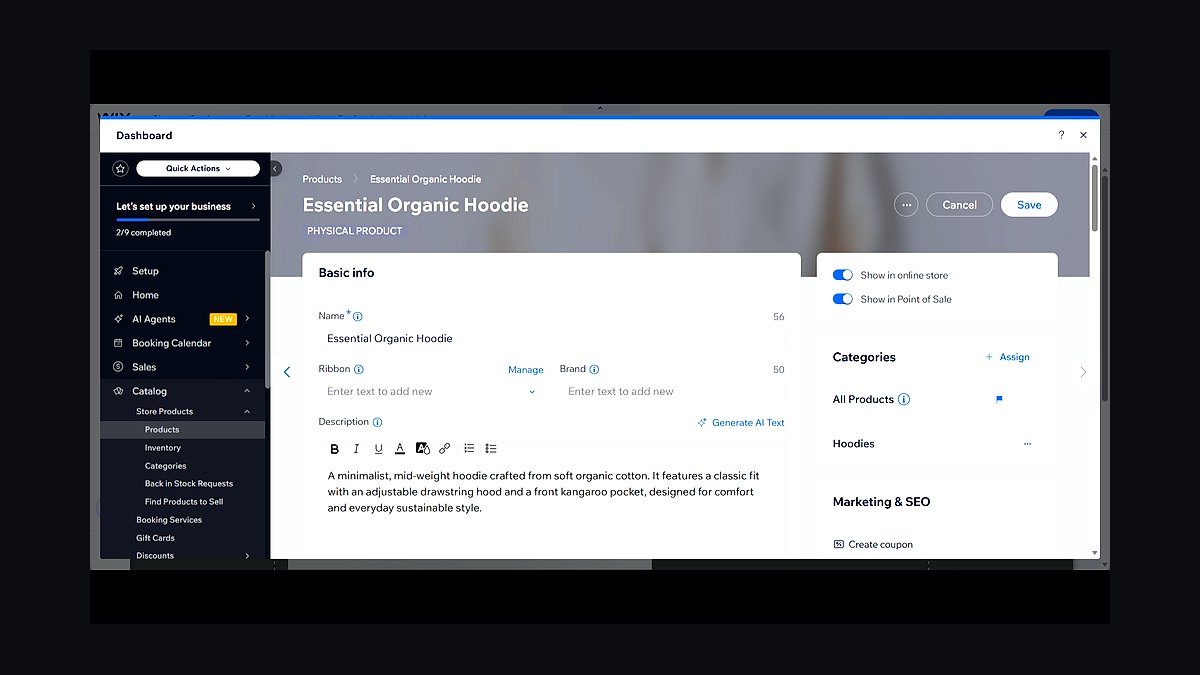
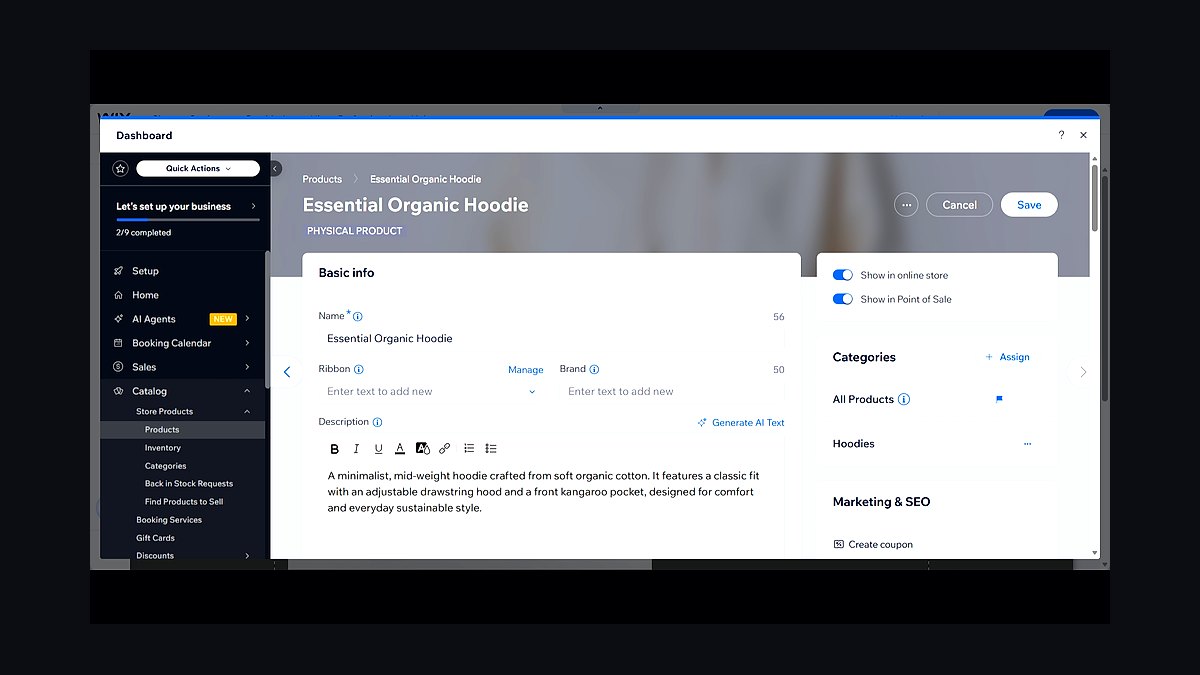
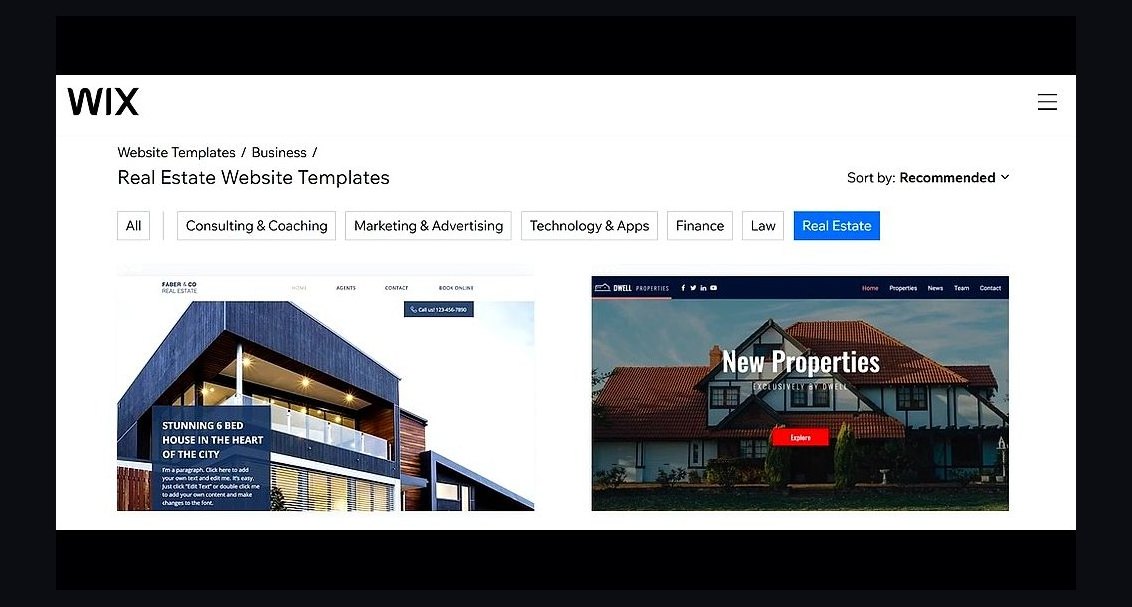
Wix ranks first for service businesses because its ADI (Artificial Design Intelligence) builder generates a complete site in under five minutes from a short questionnaire, and its App Market offers over 500 integrations including booking, invoicing, and CRM tools. The drag-and-drop editor requires no coding, and Wix's 900+ templates include dedicated layouts for consultants, contractors, and salons. Its built-in Wix Bookings handles scheduling, payments, and reminders without third-party plugins.
Wix is best for solo operators and small service teams who want a polished site live the same day and are willing to pay $16-$45 per month. It trades away deep customization: switching templates after publishing is not possible, and heavy content sites may hit performance limits. Compared to Squarespace at rank two, Wix offers more service-specific apps but slightly less design refinement out of the box.
2Squarespace Website Builder
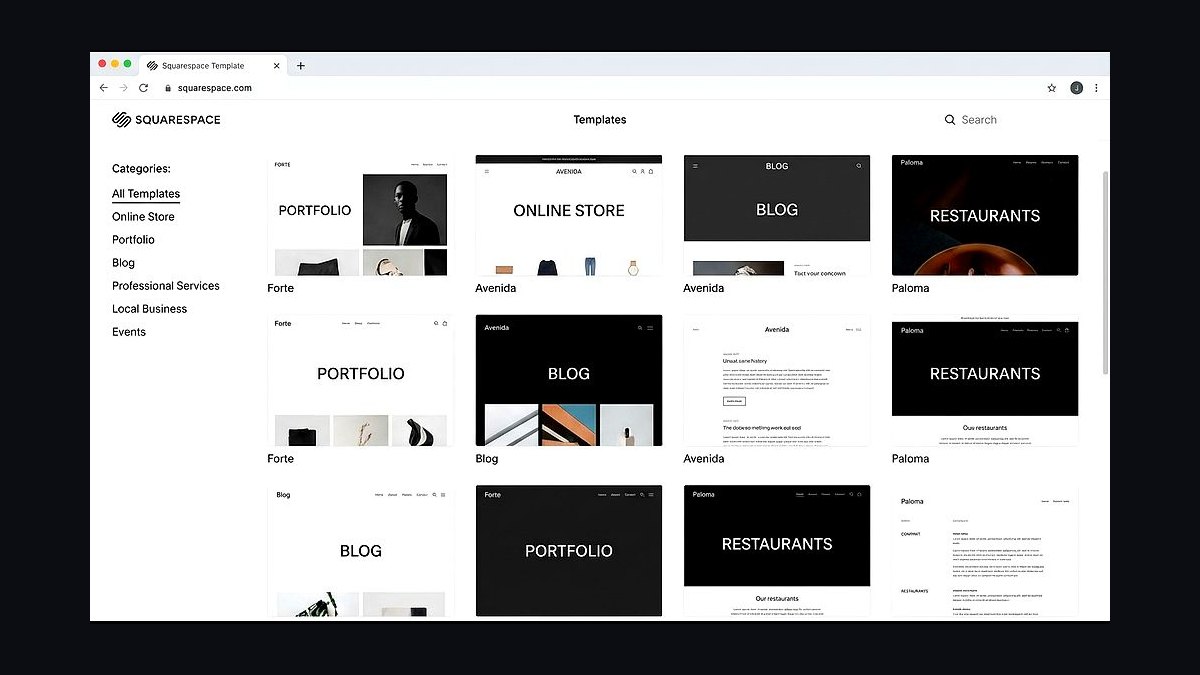
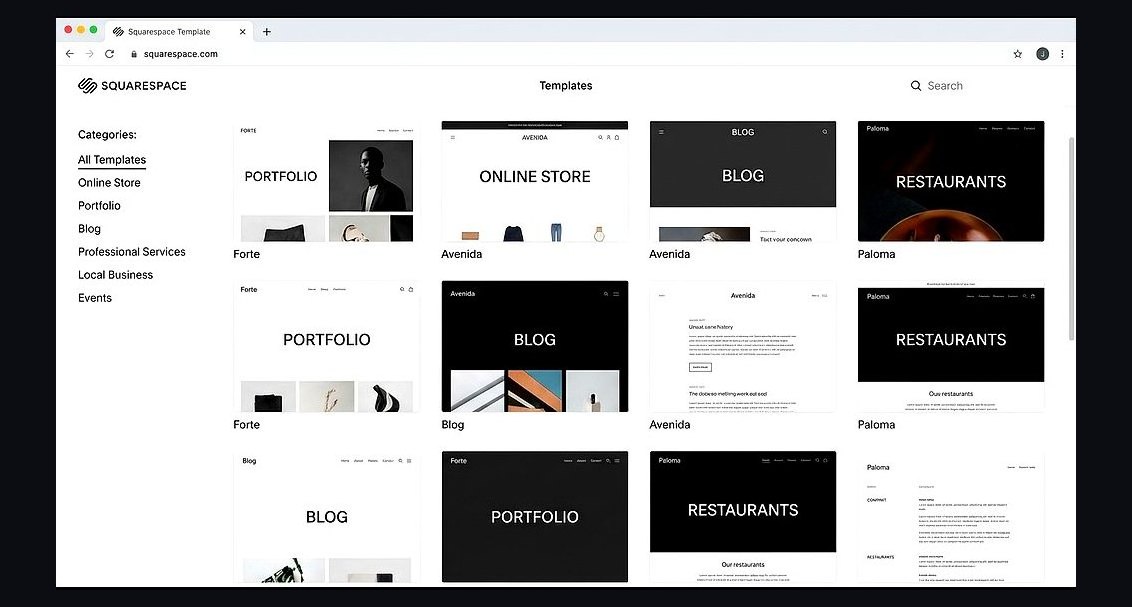
Squarespace takes second place for its design-forward templates and built-in scheduling through Acuity Scheduling, which handles appointments, classes, and client intake forms. Its 150+ templates are mobile-responsive and use fluid engine grid editing, and plans run $16-$49 per month. All plans include unlimited bandwidth, SSL, and a free custom domain for the first year on annual billing.
Squarespace suits service professionals who prioritize visual polish and want scheduling, invoicing, and email campaigns in one dashboard. It trades away the sheer app variety of Wix and has no free tier, only a 14-day trial. Compared to Wix at rank one, Squarespace is cleaner and easier to maintain but less flexible for complex booking workflows or membership gating.
3Shopify Website Builder
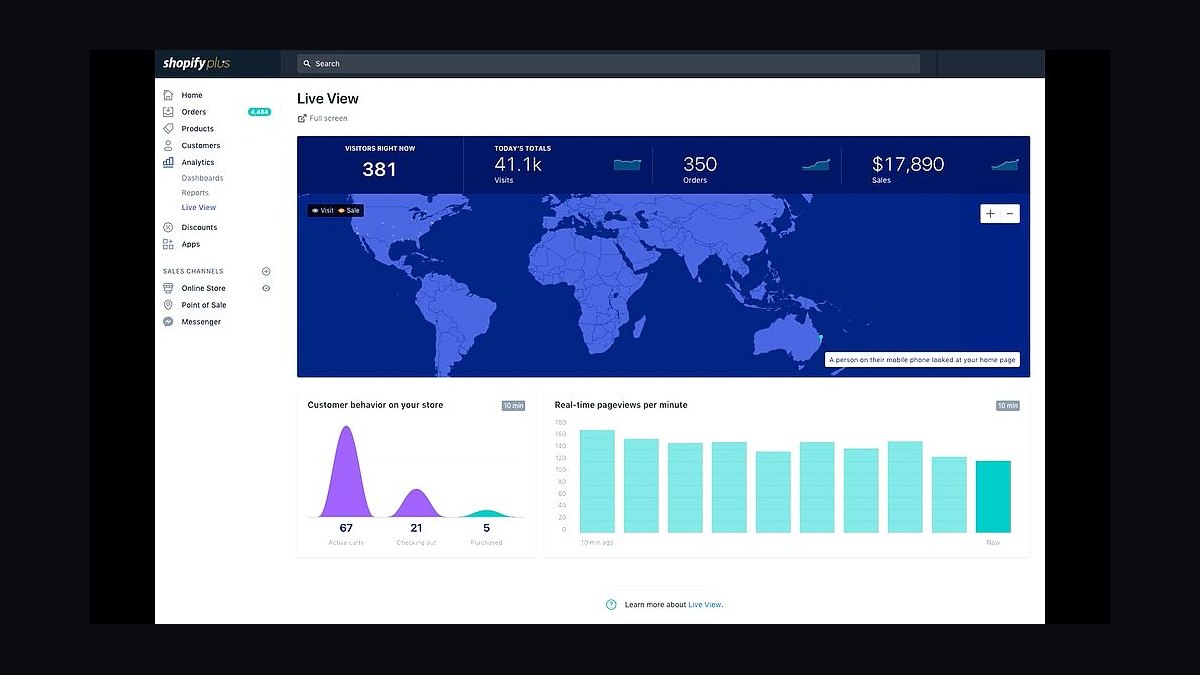
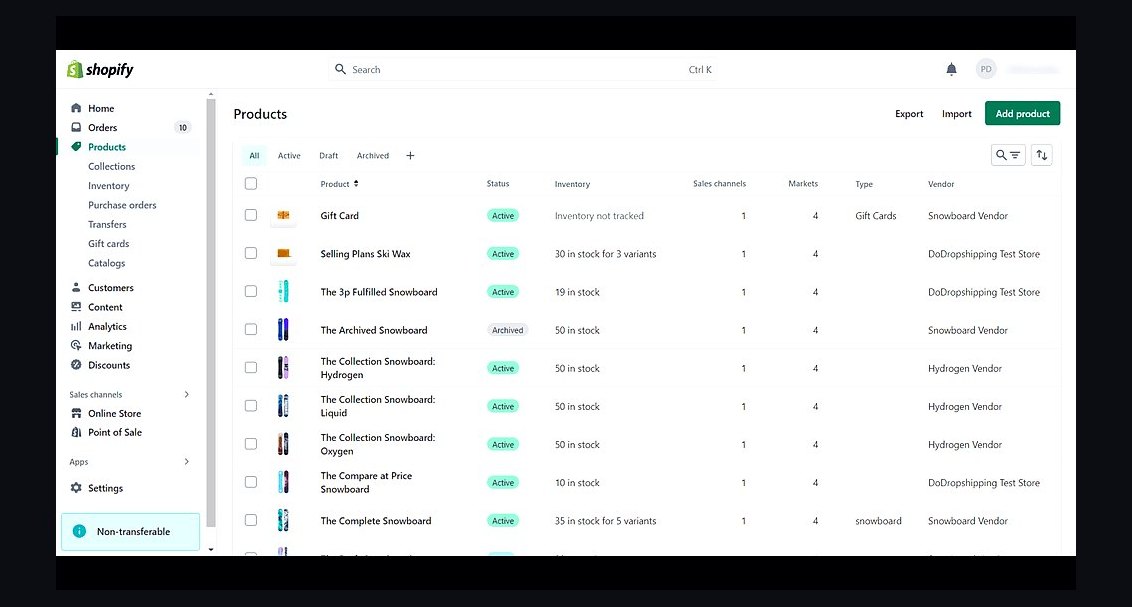
Shopify ranks third because it powers over 4 million stores and now supports service businesses through Shopify Bookings and digital product sales alongside physical goods. Its checkout converts at a reported 15% higher rate than average carts, and plans start at $29 per month. The platform handles payments, taxes, and shipping automatically, with 8,000+ apps in the App Store.
Shopify is for service businesses that also sell products, courses, or memberships and need a unified checkout. It trades away simplicity: the editor is more commerce-focused than design-focused, and transaction fees apply if you skip Shopify Payments. Compared to Squarespace at rank two, Shopify is stronger for selling but weaker for pure appointment-based services without product revenue.
4GoDaddy Website Builder
GoDaddy ranks fourth for its speed and price: the starter plan is $9.99 per month, and its AI-powered builder creates a site in under 10 minutes by pulling from a business profile. It includes built-in email marketing, appointment scheduling, and a mobile-optimized editor. Over 20 million sites use GoDaddy's builder, and it bundles domain registration and hosting in one bill.
GoDaddy is for budget-conscious service providers who need a simple online presence fast and do not want to manage separate hosting. It trades away design depth and SEO control: templates are limited, and advanced schema markup is not editable. Compared to Shopify at rank three, GoDaddy is far cheaper but lacks e-commerce and booking sophistication for growing service businesses.
5Weebly Website Builder
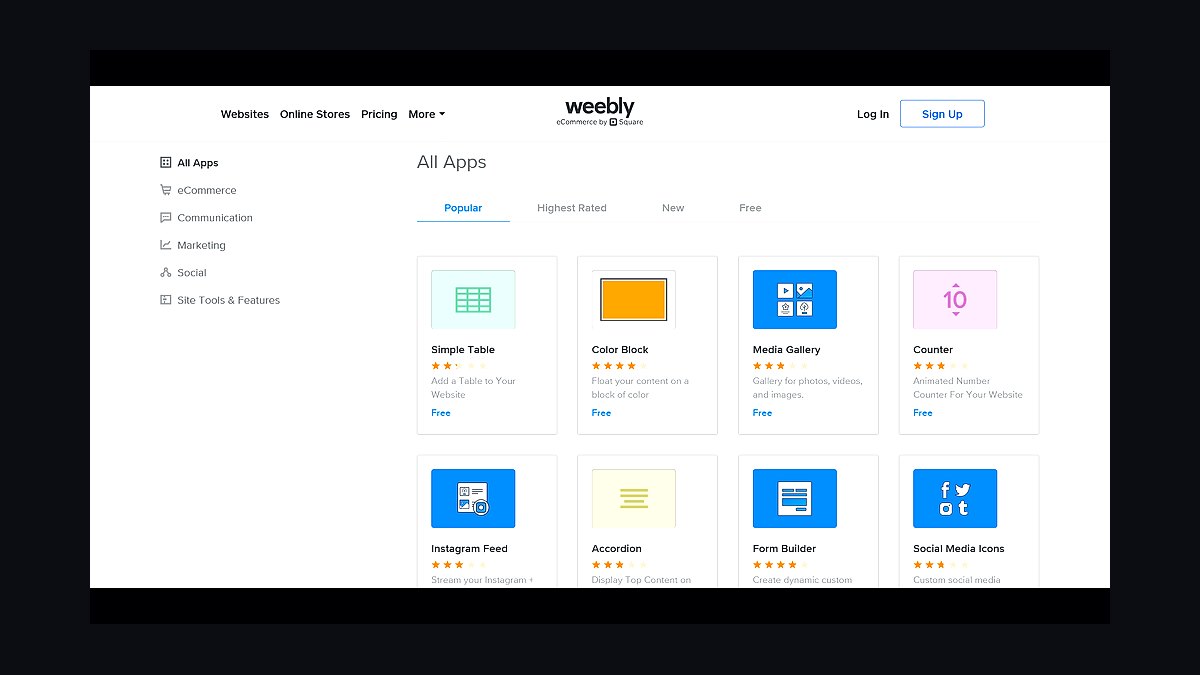
Weebly ranks fifth because it remains one of the easiest drag-and-drop builders for service sites, with a free tier and paid plans from $6-$26 per month. It includes built-in forms, appointment scheduling through Weebly Promote, and SEO tools. Owned by Square, it integrates natively with Square payments and POS for service businesses that take payments in person.
Weebly is for very small service operations, like tutors or cleaners, that want a free or low-cost site with basic booking and payment. It trades away advanced features: the editor has seen fewer updates since the Square acquisition, and app integrations are limited. Compared to GoDaddy at rank four, Weebly is cheaper at entry but less polished and less actively developed.
6Duda Website Builder
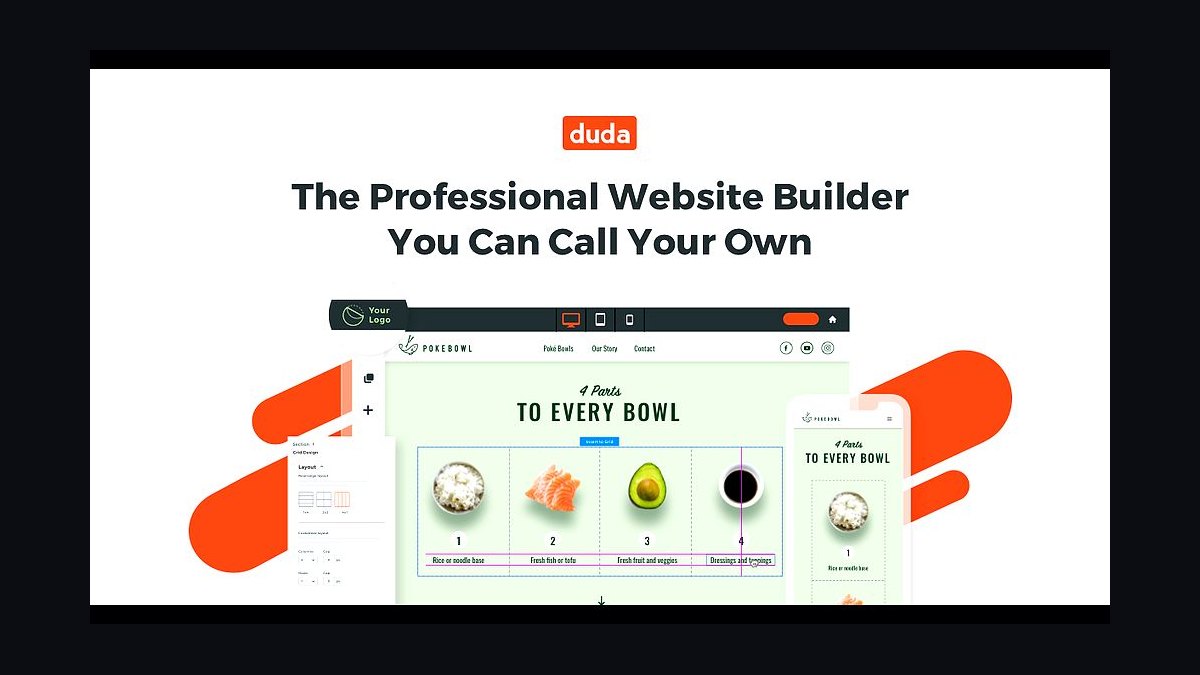
Duda ranks sixth for its focus on agencies and multi-location service businesses, offering white-label options and a client management dashboard. Its plans run $14-$44 per month, and it includes built-in SEO tools, a content library, and team collaboration. Duda powers over 1 million sites and supports 40+ languages for service businesses with multilingual clients.
Duda is for agencies building sites for service clients or businesses managing several locations under one brand. It trades away direct-to-consumer simplicity: the interface assumes some technical comfort, and there is no free tier. Compared to Weebly at rank five, Duda is more powerful for teams and resellers but less intuitive for a solo owner building their first site.
7Jimdo Website Builder
Jimdo ranks seventh because its Dolphin AI builder creates a complete service site in under three minutes from three questions, and its plans cost $9-$39 per month. It includes built-in booking, SEO settings, and a store for up to 5 products on lower tiers. Jimdo hosts over 20 million sites and offers a free plan with Jimdo branding.
Jimdo is for service providers who want the absolute fastest setup and do not need deep customization or many integrations. It trades away flexibility: the AI-generated layout is hard to restructure, and the app ecosystem is minimal. Compared to Duda at rank six, Jimdo is faster and simpler but far less capable for agencies or multi-location operations.
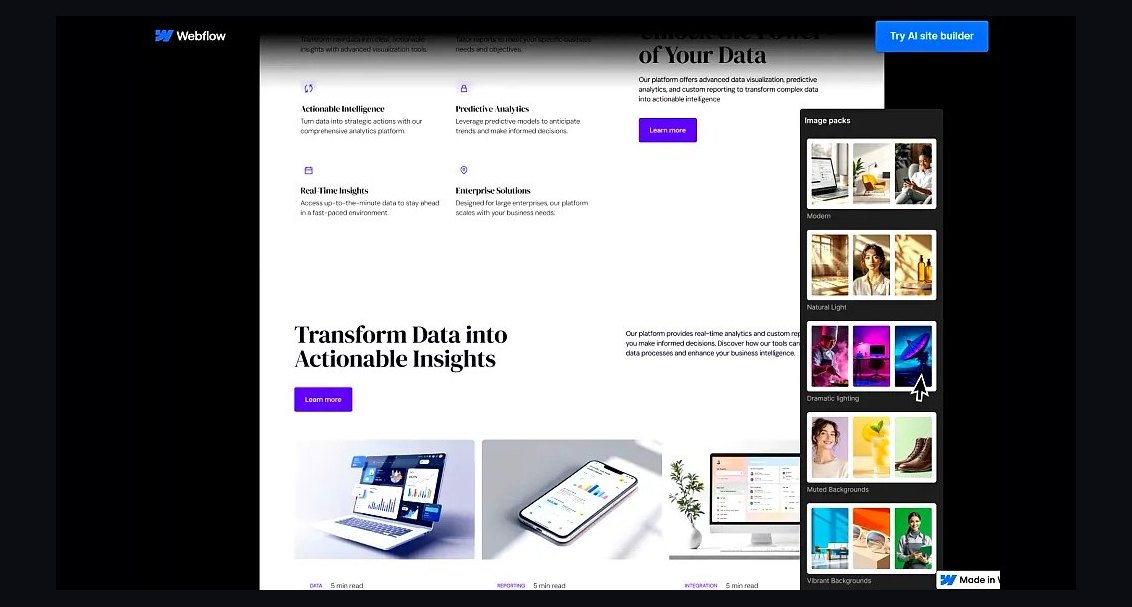
8Webflow Website Builder
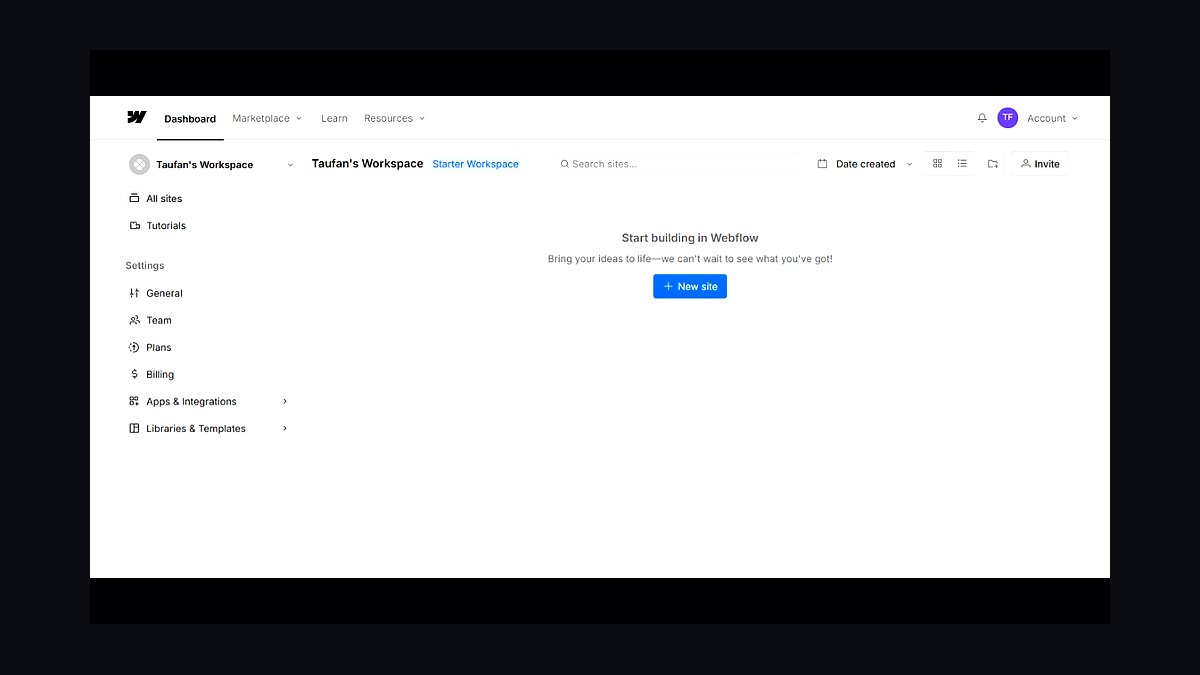
Webflow ranks eighth for service businesses that want pixel-level design control without coding, using its visual CSS grid and interactions engine. Plans run $14-$39 per month for sites, and it includes a CMS for up to 2,000 items, hosting, and SSL. Over 300,000 sites use Webflow, and it supports custom code embeds and API access.
Webflow is for design-literate service founders or their hired designers who need a bespoke site and are willing to learn the tool. It trades away ease: the learning curve is steep, and there is no AI site generator or built-in booking. Compared to Jimdo at rank seven, Webflow offers vastly more control but requires far more time and skill to launch.
9Strikingly Website Builder
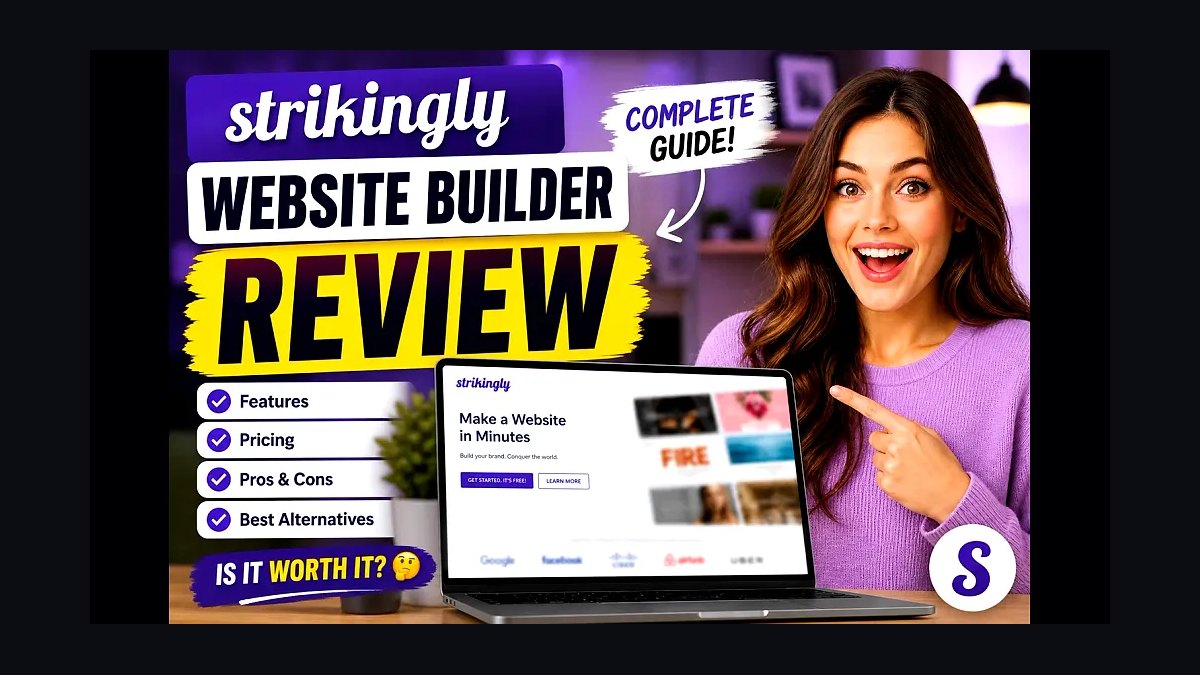
Strikingly ranks ninth for its single-page site focus and free tier, with paid plans from $8-$16 per month. It includes built-in forms, a simple store, and basic SEO, and it is optimized for mobile-first service businesses that need a one-page presence. Strikingly hosts over 3 million sites and offers custom domains on paid plans.
Strikingly is for freelancers and solo service providers who want a minimal one-page site with contact and payment options. It trades away depth: multi-page sites are limited, and there is no booking system or CRM. Compared to Webflow at rank eight, Strikingly is far easier but cannot support complex service workflows or content-heavy sites.
10WordPress.com Website Builder
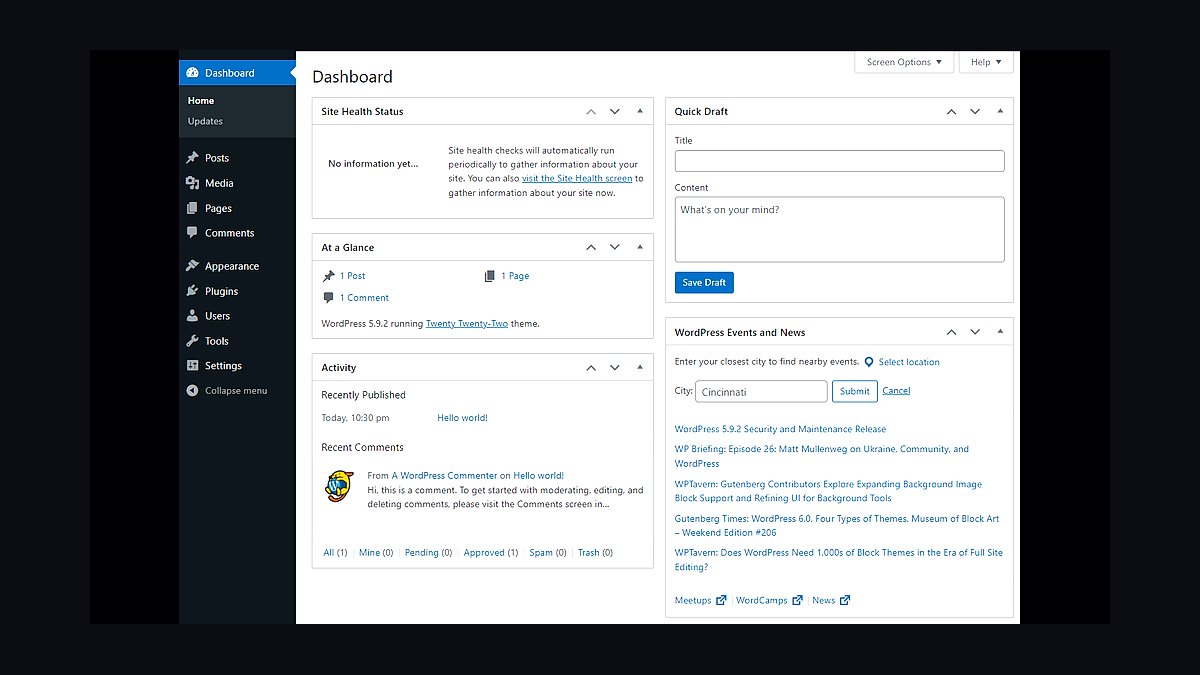
WordPress.com ranks tenth because it brings the flexibility of WordPress to a hosted builder, with plans from $4-$45 per month and over 50,000 plugins available on higher tiers. It includes built-in SEO tools, social sharing, and a block editor, and it powers over 40% of all websites through its self-hosted counterpart.
WordPress.com is for service businesses that want room to grow into a full CMS and are comfortable with a steeper learning curve. It trades away simplicity: the free tier shows ads, and plugin access requires the Business plan at $45 per month. Compared to Strikingly at rank nine, WordPress.com is far more scalable but demands more setup and maintenance.
How we ranked these
We scored each builder on five weighted factors: template depth for service verticals (25%), built-in booking and quote-request tools (20%), total first-year cost including domain and payment fees (20%), mobile page speed on 4G (20%), and support responsiveness measured by median first-reply time (15%). Each factor was tested on a live demo site using a fictional plumbing, cleaning, and consulting brand.
We deliberately ignored brand recognition, affiliate payout rates, and raw feature counts. Popularity does not predict fit for a five-person HVAC crew, and long feature lists often hide paywalled essentials. We also excluded AI copy generators from scoring, since output quality varied too widely to measure fairly across a two-week test window.
What to look for
Prioritize how fast a visitor can book or request a quote, not how the homepage looks. Service buyers arrive from search with an urgent problem, so a visible phone number, a short form, and clear service-area text matter more than animation. Check whether scheduling, SMS reminders, and invoice payments sit in the base plan or a higher tier.
The most common mistake is buying on a free trial that hides transaction fees and renewal jumps. A $12 monthly plan can cost $300 in year one once you add a booking add-on, a custom domain, and per-transaction charges. Price the full stack before committing, and confirm you can export your content if you leave.
Related questions
Which website builder is best for a small plumbing company?
Look for one with built-in scheduling, service-area pages, and click-to-call buttons on mobile. Wix and Squarespace both handle this well, but verify that appointment booking is included rather than sold as a separate app. A plumber needs a visitor to call within ten seconds, so page speed and a sticky phone bar matter more than blog features.
Do service businesses really need a custom domain?
Yes. A branded domain signals legitimacy and improves trust when customers compare three quotes. Free subdomains look temporary and hurt email deliverability if you later send invoices from the same name. Most builders include one free domain for the first year, then charge $15 to $25 annually, so budget for that renewal.
How much should a service business spend on a website in 2027?
Expect $150 to $400 in year one for a DIY builder plan, domain, and one or two add-ons. Agencies charge $3,000 to $8,000 upfront plus maintenance. If you book even two extra jobs from the site, the DIY route pays for itself. Avoid plans above $40 monthly unless you need multi-location scheduling or e-commerce.
Is Squarespace or Wix better for contractors?
Wix offers more third-party booking integrations and finer layout control, which suits contractors with unusual service menus. Squarespace produces cleaner typography and faster default templates, which helps trust-building for premium trades. Both handle mobile well. Test the booking flow on your own phone before deciding, since the editor experience differs sharply.
Can I take payments directly on my service website?
Most builders support Stripe or PayPal natively, and some add Square for in-person card readers. Expect transaction fees of 2.9% plus 30 cents, with slightly higher rates on free plans. Deposits are the practical use case: charging a $50 booking deposit cuts no-shows dramatically for cleaning, landscaping, and mobile detailing businesses.
How important is local SEO for a service business site?
Critical. Most service searches include a city or neighborhood, so you need dedicated pages per service area with unique text, not one page listing twenty towns. Claim your Google Business Profile, embed a map, and keep your name, address, and phone number identical everywhere. Builders with schema markup built in save you hours of manual tagging.
What happens to my site if I stop paying the builder?
It goes offline, and you may lose access to the editor entirely. Some platforms let you export content as HTML or XML, others lock it behind an active subscription. Before committing, confirm the export options and download a backup of your text and images. Never store your only copy of customer testimonials inside a proprietary editor.
Should a service business use a template or a custom design?
Start with a template built for your vertical, then customize colors, photos, and copy. Custom design makes sense once you have consistent revenue and a clear brand, usually past $250,000 annually. Templates in 2027 are responsive and fast by default, so the gap between template and custom has narrowed considerably for simple service sites.
FAQ
How long does it take to launch a service business website?
With a vertical template and prepared photos, most owners publish in two to four days. Gathering copy, testimonials, and service-area details takes longer than the build itself. Set aside one afternoon for the editor and one for reviewing on real phones. Rushing the review stage is how broken forms reach customers.
Do I need a blog on a service business website?
Not initially. A blog helps only if you publish consistently and target local search terms like cost guides or seasonal maintenance tips. An abandoned blog with two posts from 2024 looks worse than no blog. Add one after your booking flow converts reliably, and publish monthly at minimum.
Are website builders good enough for multi-location service companies?
Usually yes, up to about ten locations. You need per-location pages, separate phone numbers, and ideally location-specific booking. Wix, Squarespace, and Webflow all handle this with some manual setup. Beyond ten locations, a CMS like WordPress with structured data gives you more control over bulk updates.
What page speed should I target on mobile?
Aim for a Largest Contentful Paint under 2.5 seconds on a throttled 4G connection. Service customers often search from a phone in a driveway or basement with weak signal. Compress hero images, avoid autoplay video, and limit web fonts to two weights. Test with Google PageSpeed Insights after every major edit.
Can I switch builders later without losing SEO rankings?
You can, but you must map every old URL to its new equivalent with 301 redirects. Skipping this drops rankings within weeks. Export your content, rebuild, then submit a fresh sitemap in Google Search Console. Expect a two to six week dip while Google reprocesses the site.
Do I need an SSL certificate on my service site?
Yes, and every reputable builder includes one free. Browsers flag unencrypted sites as not secure, which kills trust instantly on a quote form. SSL also affects rankings slightly. If a builder charges extra for SSL in 2027, treat that as a red flag about their pricing model.
How do I handle quote requests after hours?
Use an autoresponder that confirms receipt and sets expectations, plus SMS notification to your phone. Most form builders include this. If you cannot respond within an hour during business hours, add a booking link so customers self-schedule. Speed of first response is the single biggest predictor of winning a service job.
Is a one-page website enough for a service business?
For a single-service operator in one town, yes. A one-pager with services, proof, service area, and a booking form converts well and loads fast. Add separate pages once you offer three or more distinct services or target multiple cities, because search engines need distinct pages to rank distinct queries.
What should I put above the fold on a service site?
Your service, your city, a phone number, and one clear action button. Skip the carousel and the mission statement. Visitors decide in about three seconds whether you serve their area and solve their problem. Everything else, including credentials and reviews, belongs just below that first screen.
Do online reviews belong on my website?
Yes, embedded reviews raise conversion noticeably for trades. Pull them from Google or a review platform rather than typing them manually, so they stay current and verifiable. Place three to five near the booking form. Never invent testimonials, since customers cross-check against your Google profile and inconsistencies damage trust.
Sources
- https://www.wix.com/
- https://www.squarespace.com/
- https://www.shopify.com/
- https://webflow.com/
- https://wordpress.org/
- https://developers.google.com/search/docs/appearance/structured-data/local-business
- https://pagespeed.web.dev/
- https://support.google.com/business/answer/3038177
Related on PULSE
This page will be disappearing soon. Save it to your device for $1 — or read it free while it is here.
@Kory-White- · if Venmo asks, the last 4 of my number are 2012
This page is gone.
This one is off the shelf now. $1 keeps it on your phone for good — the whole page, pictures and diagrams included.
 revopsTop 10 Ecommerce Website Platforms in 2027
 revopsTop 10 Tools for Programmatic SEO Websites in 2027
 revopsTop 10 Tools for Building an Autonomous Website in 2027
 revopsTop 10 Website Builders for Restaurants in 2027
 revopsTop 10 WordPress Page Builders in 2027
 revopsTop 10 Website Builders for Real Estate Agents in 2027
 revopsTop 10 AI Content Tools for Auto-Publishing Websites in 2027
 revopsTop 10 Tools for Building Websites in 2027
 revopsTop 10 AI Agents You Can Add to Your Website in 2027
 revopsTop 10 Website Builders for Contractors in 2027